
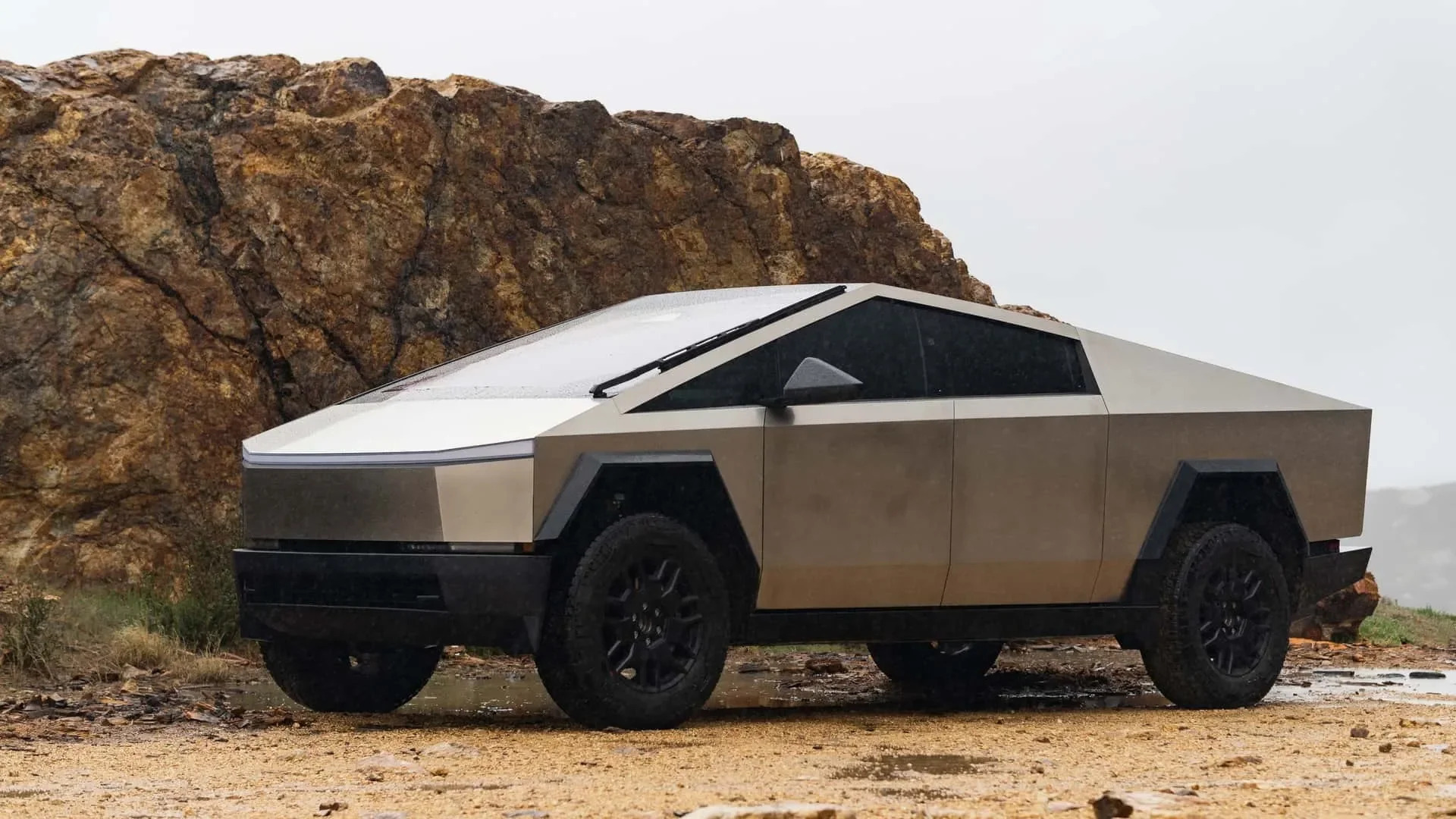
Cybertruck Tackles Austin's Urban Jungle
Navigating Traffic Mayhem and Tech Hurdles in Tesla's Electric Powerhouse
Austin's roads throw everything at drivers—construction zones, hefty tolls, and unpredictable obstacles. Yet, Tesla's Cybertruck slices through it all, showcasing how advanced electric vehicles handle real-world demands without breaking a sweat.
Key Takeaways
Cybertruck manages complex traffic scenarios like blocked roads and uphill climbs independently, reducing driver stress in dense urban areas.
Austin's toll system hits hard with charges around $1.50 for short stretches, reflecting high demand on metro infrastructure.
Navigation systems sometimes lag behind rapid road updates, leading to minor detours in construction-heavy zones.
The vehicle excels in spotting poor driving from others and parking efficiently, even in crowded spots.
Overall, zero-intervention drives highlight the reliability of Tesla's tech in everyday chaos.
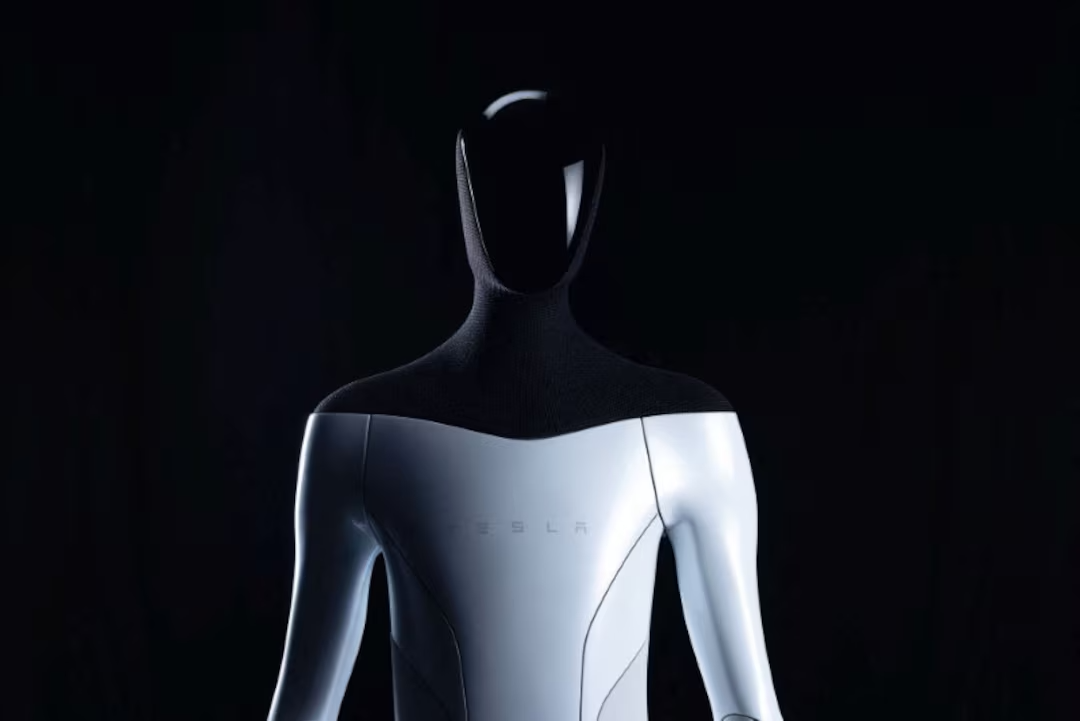
Tesla’s Optimus Robot: A Glimpse into a $40 Trillion Future
How Tesla’s Humanoid Robot Could Redefine Labor and Unlock Unprecedented Economic Value
Tesla’s latest showcase of its Optimus robot signals a bold leap toward a future where humanoid robots could transform industries, economies, and daily life. The technology, still in its early stages, demonstrates nuanced capabilities like tactile feedback and precise hand movements, hinting at its potential to disrupt the massive $40 trillion global labor market. Combined with Tesla’s push for autonomous vehicles and energy solutions, Optimus could be the key to unlocking extraordinary value for the company and its investors.
Key Takeaways
Humanoid Robot Potential: Tesla’s Optimus robot showcases advanced capabilities like tactile feedback and precise manipulation, positioning it to compete in the $40 trillion global market for physical human labor.
Economic Disruption: At an estimated $3/hour operating cost, Optimus could drastically reduce labor expenses compared to human wages ($12-$30/hour), opening new markets and business models.
Massive Market Opportunity: Tesla aims to produce one million robots annually at $20,000-$25,000 each, targeting industries like warehousing and manufacturing where repetitive tasks dominate.
Broader Tesla Vision: Optimus aligns with Tesla’s autonomous vehicles and energy solutions, driving the company toward a potential $8.5 trillion market cap and $400 billion in annual revenue.
Labor and Economic Shifts: While robots promise efficiency, they could disrupt traditional labor markets, necessitating new job creation and economic adaptation.
Tesla's Tease Machine: From Wobbly Wheels to Kung Fu Bots
Unveiling the Next Wave of Innovation That's Priming Investors for a $8.5 Trillion Payday
Tesla's latest product hints point to a surge in affordable EVs, high-performance gadgets, and home energy efficiencies that could slash utility bills while boosting stock value. Investors are buzzing as these reveals align with a pivotal vote on executive compensation, signaling a return to the company's disruptive roots.
Key Takeaways
Tesla is gearing up for a sub-$35,000 EV launch, potentially featuring unique wheel designs that hint at advanced stability tech for everyday drives.
The next-gen Roadster may incorporate road-suction mechanisms for extreme downforce, elevating it beyond typical supercars into track-dominating territory.
Home energy solutions like solar-plus-battery leases promise long-term savings over grid power, especially in high-cost or remote areas, with buyout options after five years.
Optimus robots are advancing through video-based AI learning, enabling fluid movements like martial arts sequences without manual coding.
A mysterious rotating device teaser, set for reveal on October 7, could span drones, HVAC units, or even Cybertruck-inspired vans, broadening Tesla's ecosystem.
Amid these unveils, November 8 brings a shareholder vote on a compensation package tied to an $8.5 trillion market cap milestone, rewarding early backers with massive gains.