
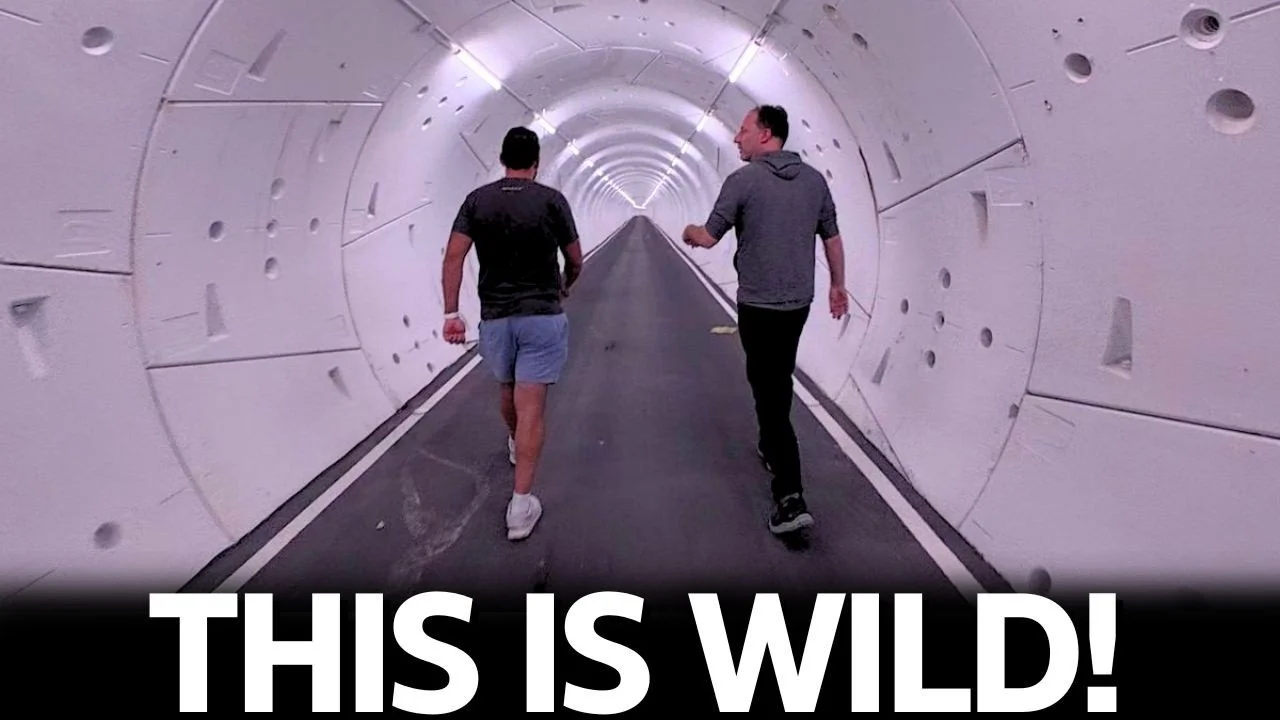
Boring Company’s Vegas Loop Is Quietly Building America’s Biggest Transit System
With tunneling under $10 million a mile, point-to-point Teslas, and airport lines nearly live, the network already moves stadium-scale crowds and is racing toward top-tier U.S. ridership.
Spain's Traffic Regulator Logs 171,000 Miles of Tesla FSD With No Serious Incidents
A government registry from Spain’s Dirección General de Tráfico shows Tesla’s 30-car supervised test fleet has driven roughly 275,000 kilometers on public roads since November 2025, handing the company rare third-party evidence just as it pushes for European approval.
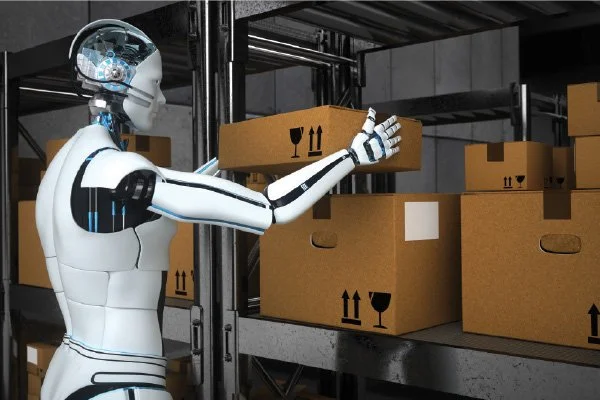
Robotaxis, Humanoids, and the New Logistics Empire: How Automation Will Make Goods and Labor Nearly Free
Inside the convergence of AI robots, autonomous fleets, and centralized supply chains reshaping the global economy.
Recent breakthroughs in humanoid robots and logistics infrastructure point to a future where physical goods move as easily as data in the cloud, while autonomous labor handles repetitive work around the clock. These shifts could drive costs toward zero for transportation, storage, and manufacturing—opening massive opportunities for businesses of any size while concentrating power in the hands of a few tech giants. The pieces are falling into place faster than most realize.
Key Takeaways
Humanoid robots are scaling production quickly, with at least one company now building a unit per day and using innovative wireless foot-charging pads that let them operate continuously without leaving their workstation.
Amazon has launched an end-to-end logistics platform that lets any business plug directly into its warehousing, shipping, and delivery network—essentially turning physical supply chains into a cloud service.
When combined with self-driving vehicles and humanoids, this infrastructure could make point-to-point movement and storage of goods extremely cheap and accessible, even for small operators with limited capital.
The result is accelerating centralization: a handful of companies could dominate labor, logistics, and data, echoing historical monopolies like railroads or oil but at global scale.
Tesla’s Robotaxi rollout faces a practical production bottleneck; early Cybercab output may include steering wheels and pedals to keep factory lines running at full capacity until unsupervised fleets can absorb volume.
Unsupervised autonomy, once achieved, unlocks enormous profit-per-mile margins—potentially $0.60–$1.00—driving rapid fleet expansion and dramatic company re-ratings.
Broader forces include corporations acting as the real power centers in geopolitics, with examples like China functioning as a single massive enterprise, alongside America’s commanding lead in AI, space launch, and defense technology.
Tesla Just Built the Google of Atoms
The complete physical AI platform no competitor can replicate—and why it will define the next 20 years of technology
The physical world now has its dominant platform. One company has quietly assembled every critical layer—custom silicon, world-class AI models, battery chemistry, factories that scale like nothing else, vast real-estate holdings, and a global logistics network—and wired them together into a single, accelerating flywheel. The result is faster innovation, lower costs, and a data advantage that grows exponentially every day. This is not a car company with side projects. It is the infrastructure layer for the atom economy, and the implications stretch far beyond stock prices.
Key Takeaways
Tesla operates a full physical AI stack: computation, AI models, chemistry, manufacturing, land/real estate, and logistics—all internally controlled and mutually reinforcing.
Manufacturing functions as the CPU, real estate as storage, and logistics as the network in an atoms-based computer model that mirrors digital computing.
Billions of real-world driving miles feed a single neural architecture used for both autonomous vehicles and humanoid robots, creating a data flywheel no rival can match.
In-house battery chemistry, repurposed legacy factories, and continent-spanning energy assets deliver cost and infrastructure advantages that compound across every layer.
Vertical integration turns individual businesses into a cascading advantage: cheaper chips power better AI, better AI improves manufacturing, improved manufacturing lowers battery prices, and so on.
Single-layer competitors face structural economic disadvantages that widen over time, regardless of early leads in narrow domains.
Historical platform cycles suggest massive regulatory scrutiny is coming once dominance becomes obvious.
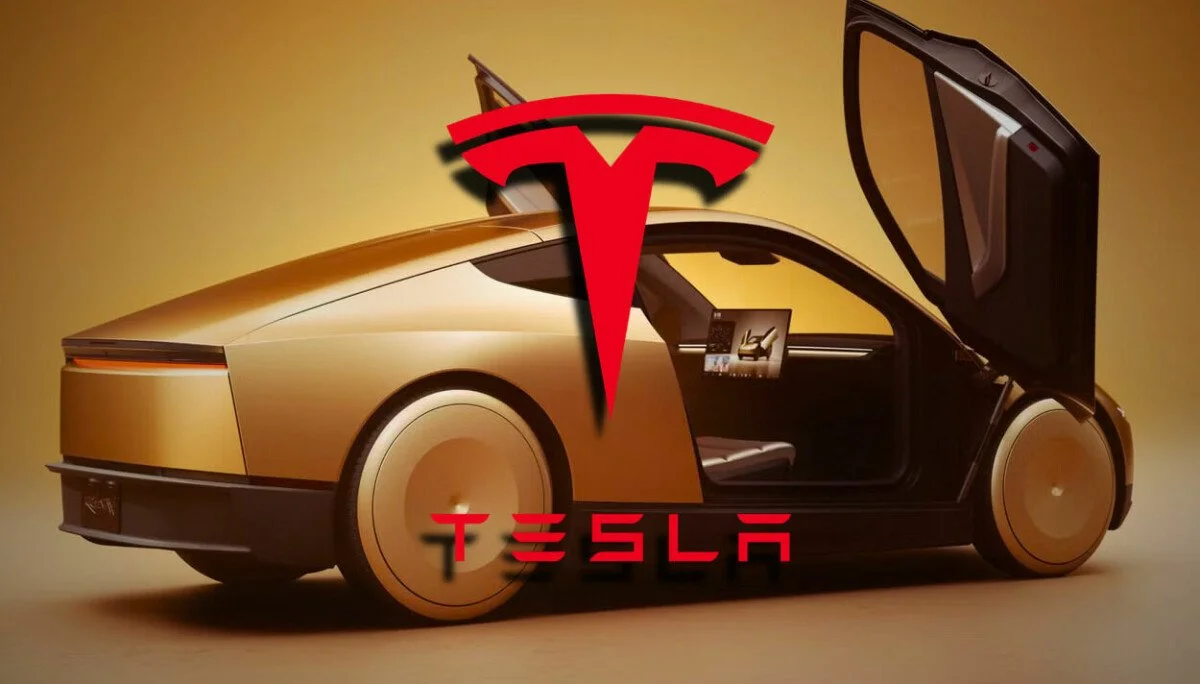
Tesla's Cybercab: The Bet That Could Upend Global Transportation
Slashing the Cost of Mobility to Pocket Change and Unleashing Unprecedented Demand
Transportation costs dictate how cities function, how people live, and how economies grow. A new vehicle rolling off production lines promises to drop the cost per mile to just 20 cents, unlocking waves of new usage patterns, from spontaneous errands to affordable rides for underserved groups. This shift mirrors historical transformations where cheaper access exploded markets, creating suburbs, air travel booms, and digital content floods. Backed by innovative manufacturing and full autonomy, it positions one company to dominate while disrupting entrenched industries.
Key Takeaways
Transportation's core metric—the cost per mile—stands to fall from 60-80 cents for personal cars to 20 cents with autonomous electric vehicles, eliminating driver costs and simplifying maintenance.
Historical parallels like the Model T's assembly line show how production innovations cut prices by 70%, leading to exponential demand growth via Jevons Paradox, where efficiency boosts total consumption.
Vertical integration in design, software, chips, and charging gives a massive edge over competitors reliant on suppliers and geofenced operations.
Regulatory changes aim for national standards, enabling nationwide rollout and preempting fragmented state rules.
Industries like insurance, parking, gas stations, and auto repair face shrinkage, while new models allow individuals to own revenue-generating vehicles.
Job displacements for millions of drivers loom, but opportunities arise in fleet management and emerging services fueled by cheaper mobility.
Global market projections see robotaxis growing from $400 million in 2023 to $45 billion by 2030, driven by software-optimized flywheels.
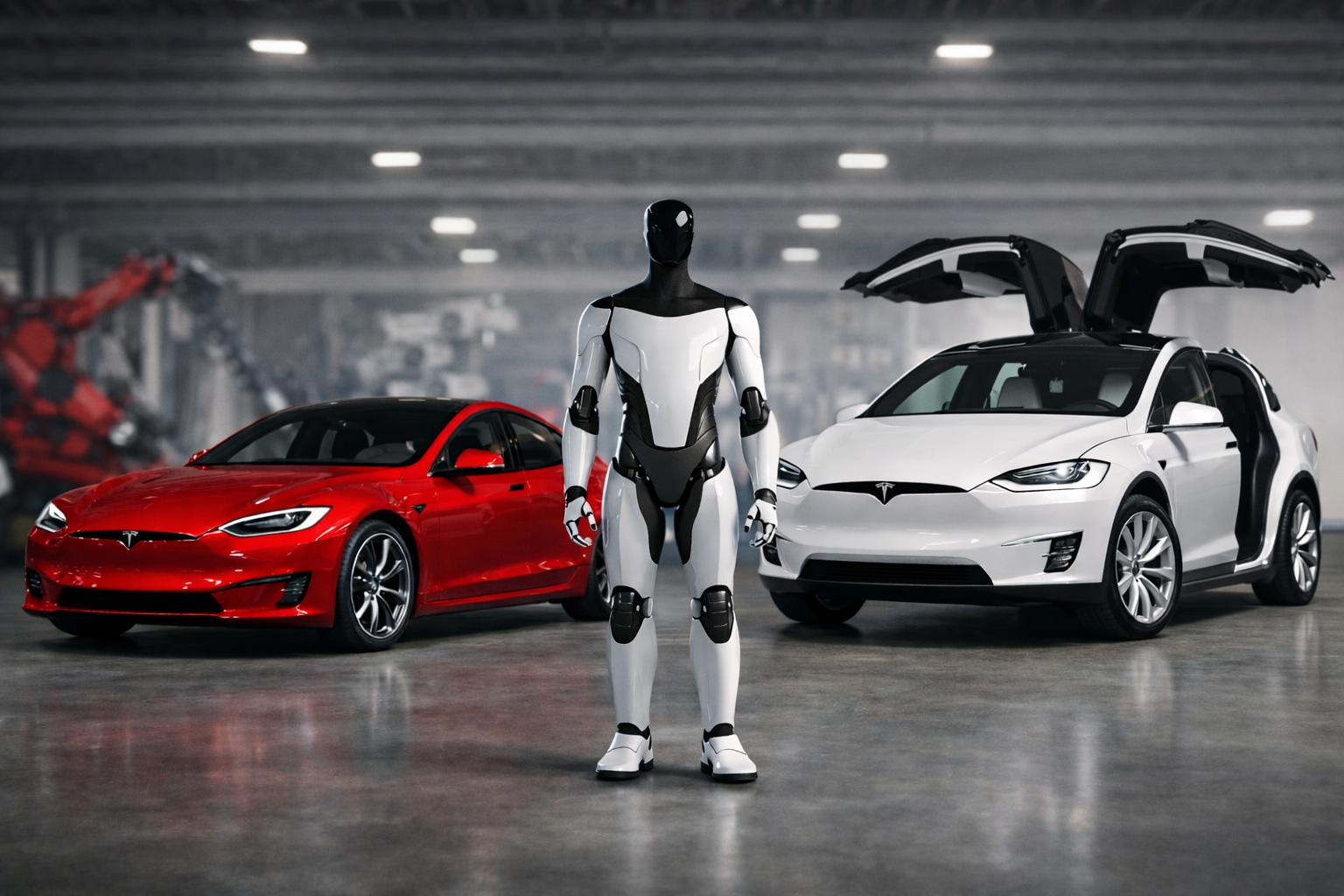
Tesla’s 2025 Production Tsunami Is Here: Cybercab, Optimus, and Sleep-in-the-Car Autonomy Arrive
The next 12 months deliver technical readiness for unsupervised autonomy, scaled robotaxi output, and the first practical humanoid assistants—milestones that reposition Tesla at the center of AI hardware and sustainable manufacturing.
Key Takeaways
Full self-driving software reaches the level where passengers can fall asleep and wake at their destination from a purely technical standpoint this year.
Cybercab production scales at Giga Texas starting April, targeting significant volumes by year-end, with European manufacturing under active consideration.
Optimus humanoid robots begin with household tasks such as childcare, dog walking, and elder support, progressing toward medical roles including surgery that surpass today’s human standards.
Five major production lines enter volume output across Tesla facilities, including 4680 battery cells at Giga Berlin plus lithium and nickel cathode refineries.
Legacy automakers face structural decline after years of minimal innovation and resistance to both electrification and autonomy.
Long-term vision includes Tesla factories on the Moon within 20 years and a future where work becomes optional, pursued for personal satisfaction rather than necessity.
Giga Berlin is positioned for massive expansion into batteries, Cybercab, Optimus, and additional products, potentially becoming Europe’s largest manufacturing complex if external conditions remain supportive.
Advice for the next generation emphasizes optimism, relentless learning through books and experimentation, and choosing roles that involve building tangible, useful things.
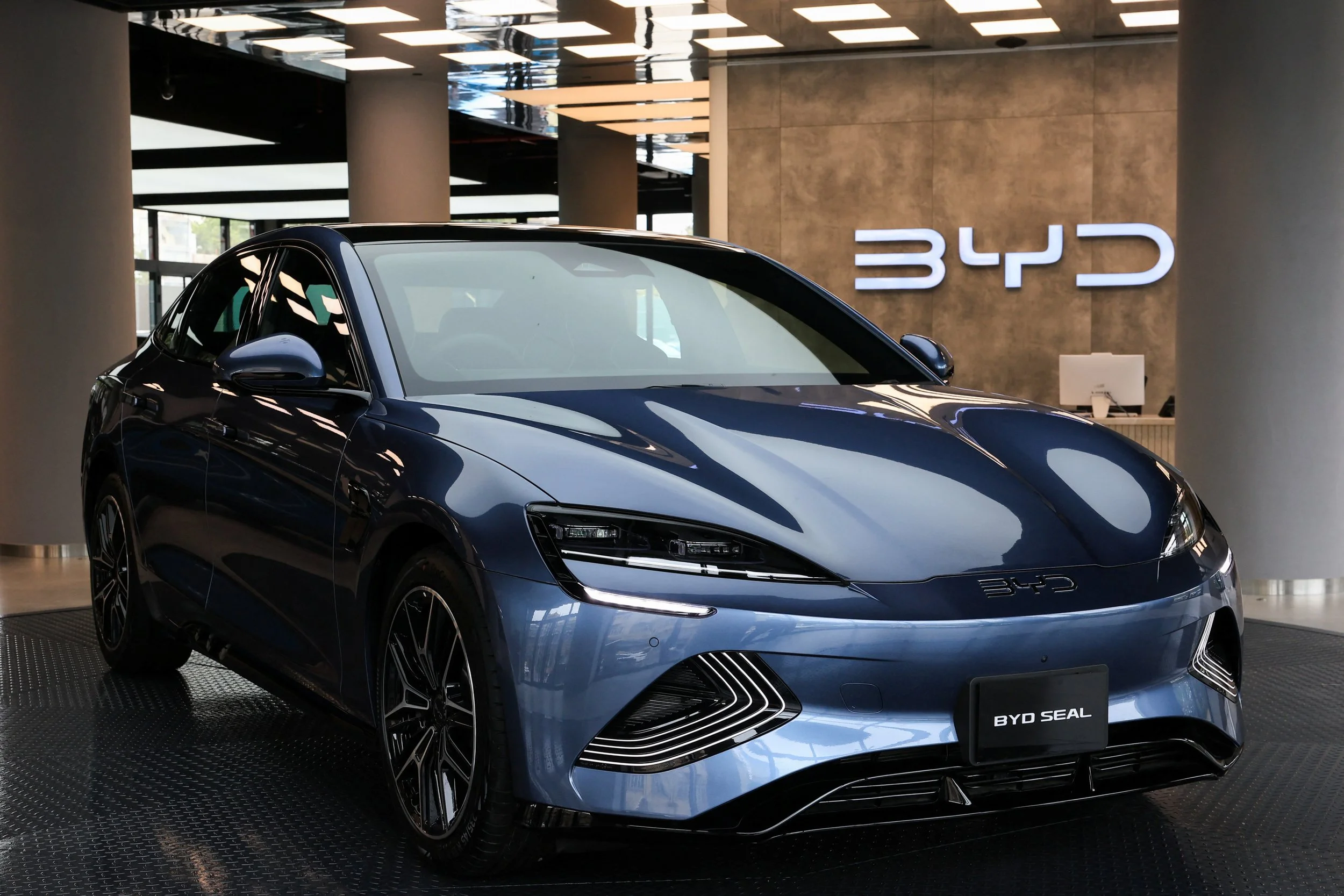
Tesla Just Got "Humiliated" – And It's the Best Thing That Could Have Happened
$1.5 trillion valuation after a second straight year of declining deliveries proves the market sees what headlines refuse to
Tesla delivered 1.64 million vehicles in 2025 – down 8.5% from 2024 – while BYD sold 2.26 million pure EVs, up 28%. The crown changed hands again. Headlines screamed defeat. Yet the stock ended the year up 11% at a $1.5 trillion market cap and a P/E of 279 – a multiple that makes Nvidia look cheap. Either every institution on Earth has lost its mind, or the market is aggressively pricing something that has almost nothing to do with selling cars.
It’s the second one.
Key Takeaways
Car deliveries fell 8.5% YoY while the stock rose 11% and hit $1.5 trillion – the highest P/E in big tech
Energy storage deployments more than doubled to 46.7 GWh with Q4 gross margins of 31.4% – nearly 2× the automotive margin
7+ billion FSD miles driven, on track for 10 billion by mid-2026 – no competitor is within an order of magnitude
Unsupervised robotaxi testing (zero humans in the front seat) is live in Austin today, expanding to multiple cities in 2026
Cybercab (purpose-built, no wheel/pedals) mass production still targeted for April 2026 – on schedule so far
BYD unit volume is up but profits are down 30% YoY and gross margins collapsed to ~16% – classic race-to-the-bottom playbook
Tesla is intentionally walking away from the volume game to dominate autonomy, robotics, and grid-scale energy instead
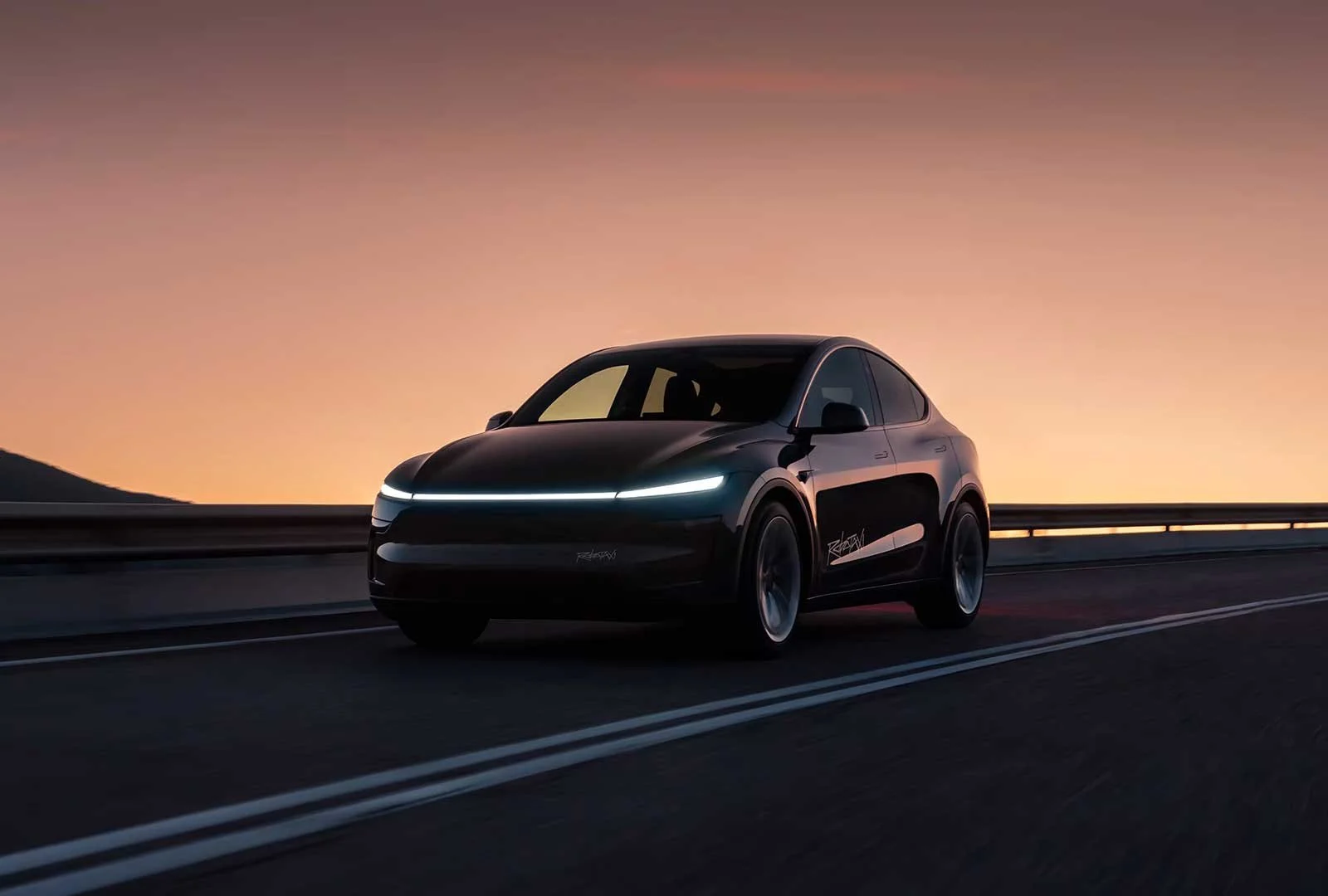
Tesla's Robotaxi Revolution: Crushing Competitors with Cost and Scale
Why Tesla Could Dominate Ride-Sharing and Leave Waymo in the Dust
Robotaxis are set to transform urban mobility, slashing costs while boosting safety and convenience. Yet, early players like Waymo struggle with high expenses and limited scalability, creating an opening for Tesla's efficient, hybrid fleet model to seize massive market share.
Key Takeaways
Robotaxis from Tesla could operate at costs several times lower than competitors, thanks to affordable vehicles and vision-only tech stacks.
Waymo's current model remains uncompetitive against traditional ride-sharing due to expensive cars and sensors, limiting market share to around 15-20% in any single city.
Tesla's hybrid approach—combining company-owned fleets for base demand with owner-contributed cars for peaks—reduces capital needs by up to seven times compared to rivals.
The ride-sharing market is highly elastic; lower prices from Robotaxis could expand total miles driven by 4x or more, displacing public transit options.
Regulation may lag but won't stop adoption, as historical precedents like ride-sharing show public demand overrides barriers.
In the long term, the market might evolve into an oligopoly, with Tesla leading and challengers like Uber partnering with secondary Robotaxi tech providers.
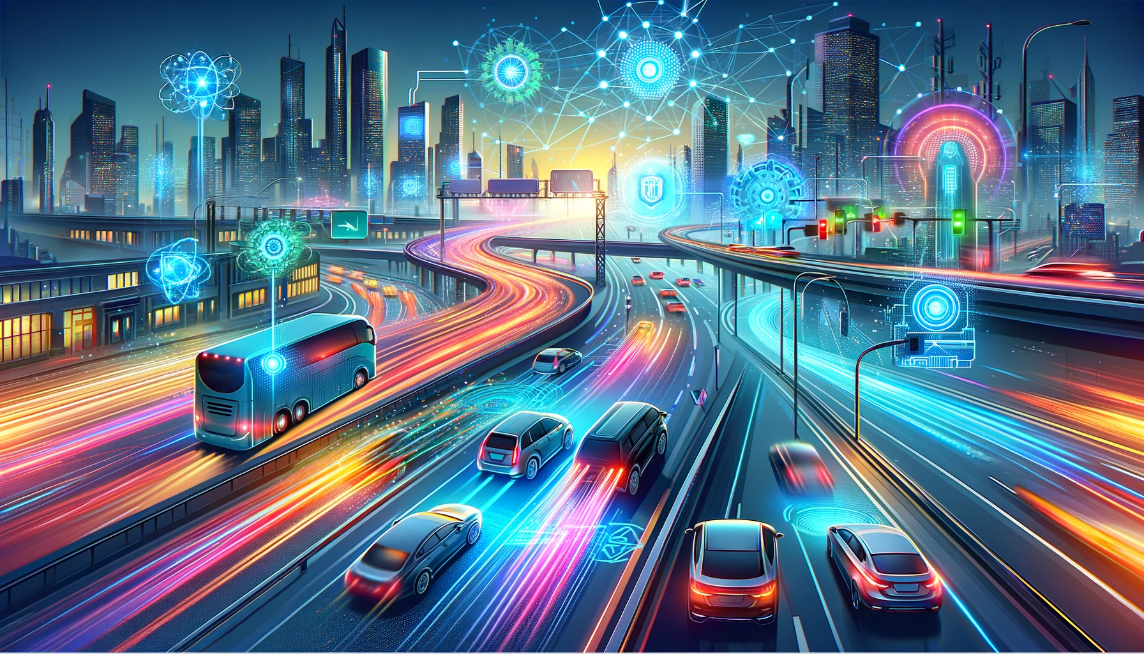
The AI Revolution Accelerates: Tools, Tesla, and the Future of Tech
How emerging AI platforms are democratizing creation while reshaping transportation and energy demands in 2026
AI tools are evolving rapidly, enabling anyone to build complex applications without traditional coding expertise. Tesla continues to lead in autonomous driving, with software updates making vehicles safer and more efficient. Discussions around AI valuations suggest specific companies may be overpriced, but the sector's potential remains vast, driven by energy abundance and societal adaptations.
Key Takeaways
AI development platforms like Replit allow users to create functional apps, such as home remodeling tools, with simple prompts, reducing costs from thousands to hundreds of dollars.
Tesla's Full Self-Driving (FSD) software has reached a point where interventions are rare, signaling readiness for widespread unsupervised autonomy, potentially valuing the company at trillions.
No overarching AI bubble exists; instead, hyperscalers like OpenAI face scrutiny for high valuations relative to revenue, while second-layer AI applications in insurance and robotics promise massive growth.
Energy demand for AI will outstrip supply for decades, enabling innovations like desalination and hydrogen production, with surplus power finding uses in computation or physical tasks.
Societal shifts may include more people opting out of hyper-tech lifestyles, forming communities that cap technology adoption, while AI agents negotiate and provide services efficiently among themselves.
Nvidia's shift to end-to-end neural networks for autonomous vehicles, relying on cameras alone, positions it as a strong competitor to Tesla in reasoning-based driving systems.
Ford's $19.5 Billion EV Surrender: Legacy Auto's Road to Irrelevance
Why This Massive Write-Down Signals the Endgame for Traditional Carmakers in the Electric and Autonomous Era
Ford's recent $19.5 billion impairment on its electric vehicle operations exposes deep cracks in legacy automakers' strategies, while highlighting how companies built around EVs from the start are pulling ahead in profitability and future tech like autonomy.
Key Takeaways
Ford has lost $13 billion on EVs since 2023 and is now scrapping plans for larger electric models, including the F-150 Lightning, due to persistent unprofitability.
The pivot to hybrids and gas vehicles prioritizes short-term certainty over long-term innovation, leaving Ford without a viable path to full vehicle autonomy.
Legacy automakers' approach of retrofitting EV tech into gas-designed platforms fails economically, contrasting with vertically integrated EV-native companies that achieve strong margins.
Autonomy will reshape transportation economics, favoring EV fleets for Robotaxis over hybrids, which carry higher maintenance and complexity.
This decision foreshadows broader industry retreat, positioning Tesla and select others as dominant players in a market shifting toward transportation as a service.
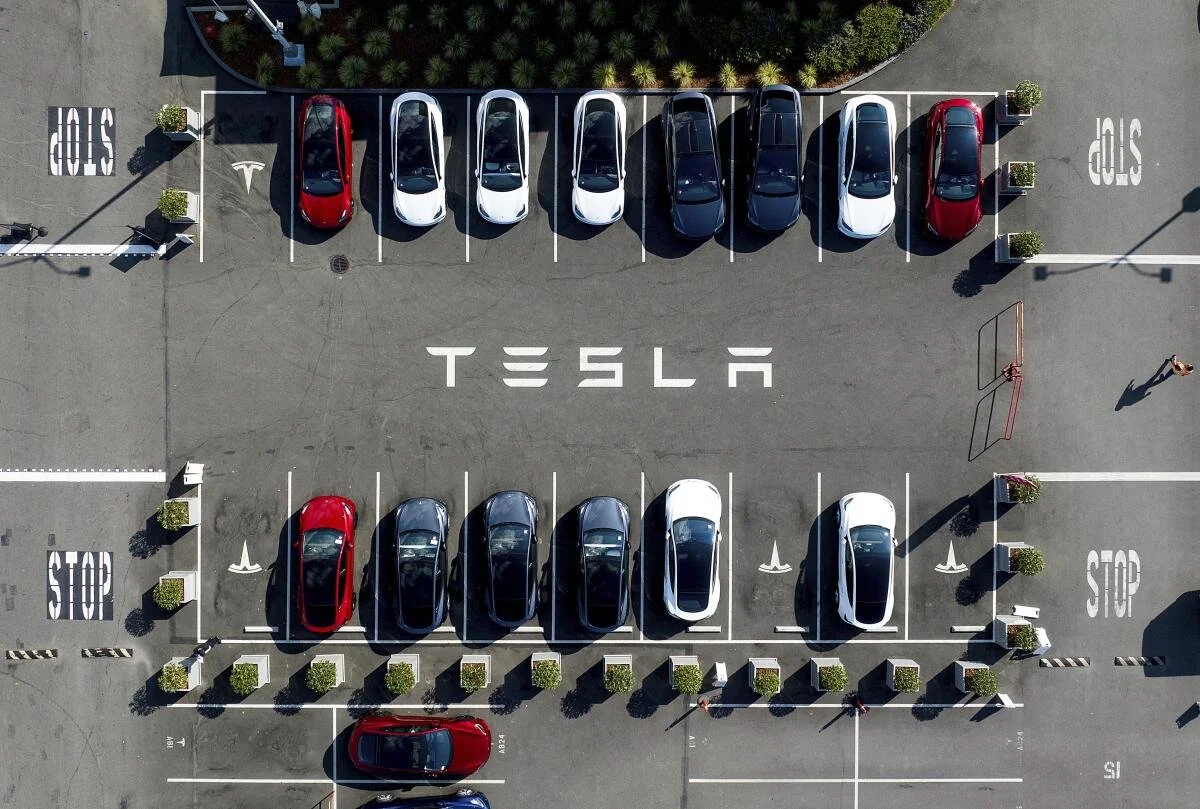
The Tesla Tsunami: How Self-Driving Cars Are About to Upend Transportation Forever
Redefining Mobility in a World of Autonomous Machines
Tesla's full self-driving technology is reaching a tipping point, delivering flawless performance over long distances without human input. This isn't just incremental progress—it's setting the stage for a massive shift where cars become robots on wheels, slashing costs and reshaping how we move from place to place.
Key Takeaways
Tesla's supervised full self-driving software already handles hours-long trips without touching the wheel or pedals, normalizing what once felt like science fiction.
Unsupervised autonomy is imminent, enabling cars to operate without constant attention, similar to ongoing trials in select cities.
Steer-by-wire systems make it simple to remove traditional controls, paving the way for affordable vehicles that blend human and robotic driving.
At under 30 cents per mile, autonomous transport undercuts human-driven options, disrupting ride-hailing, taxis, and legacy automakers.
Urban areas, where most miles are driven, stand to benefit most from this tech, eliminating the hassle of traffic and distracted drivers.
Analyst upgrades reflect growing recognition of this potential, with stock targets climbing amid a 50% rise over six months.
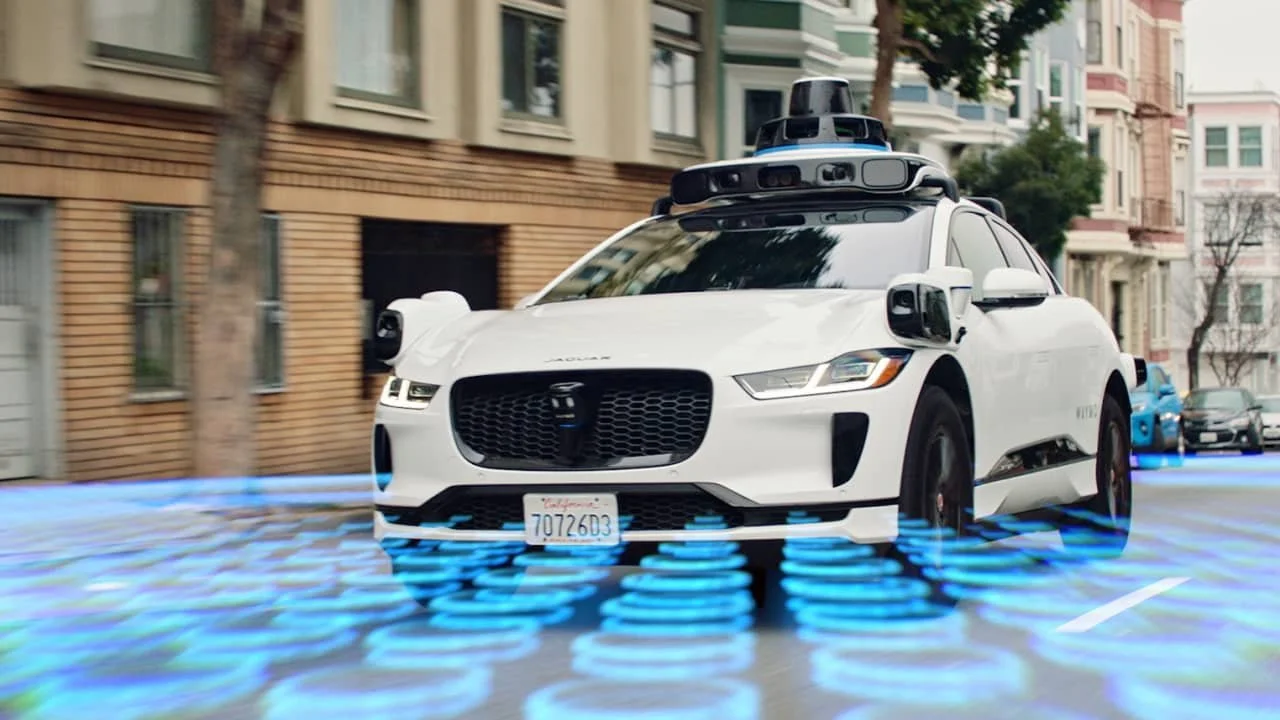
Tesla's Robotaxi Revolution: Why Scale Will Eclipse Waymo's Lead
The Battle for Autonomous Mobility Heats Up as Tesla's Generalized AI Approach Poised to Redefine the Industry
Tesla's strategy in autonomous vehicles centers on building from the ground up with minimal hardware, aiming for massive scale that could rapidly outpace competitors focused on high-cost, region-specific systems. This shift promises not just safer rides but a complete transformation in urban transportation economics.
Key Takeaways
Tesla prioritizes low-cost hardware like eight cameras to enable widespread deployment, contrasting with competitors' reliance on complex sensors and mapping.
While some players lead in current driverless operations across multiple markets, Tesla's focus on generalized AI could allow instant scaling without geographic limits.
Successful validation of Tesla's safety levels could turn its manufacturing dominance into an unbeatable edge in robotaxis.
Current rollouts emphasize safety and data collection, with acceleration in regions and fleet size as key indicators of progress.
Pricing strategies signal a push toward the lowest cost per mile, leveraging scale for long-term profitability once demand surges.
Tesla Robotaxi Unleashed: Wide Access Signals Autonomous Dominance
Inside the Expansion That's Set to Transform Urban Mobility
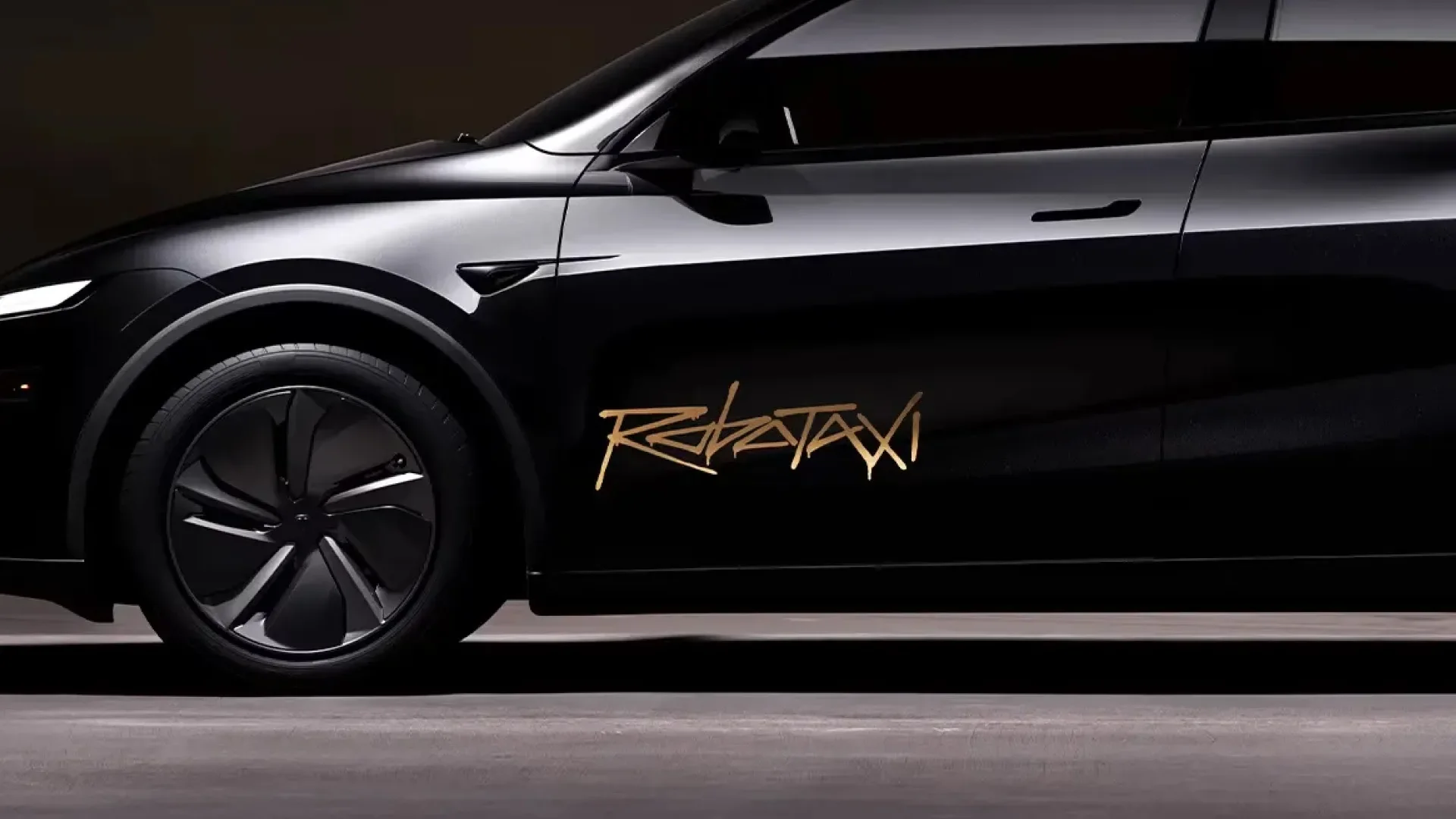
Tesla's Robotaxi service has gone live for all iOS users, unlocking ride-hailing in the Bay Area and autonomous rides in Austin, Texas. Users across regions like Dallas-Fort Worth, North Carolina, Boston, and even Canada report instant access upon downloading the app. This broad rollout underscores confidence in recent tech upgrades, paving the way for massive fleet growth and safer roads ahead.
Key Takeaways
Tesla's Robotaxi network now accessible to any iOS user, with immediate service in key areas like the Bay Area and Austin.
Fleet expansion targets 500 vehicles in Austin and 1,000 in the Bay Area by year-end, driven by production capacity of over 2 million cars annually.
Latest Full Self-Driving (FSD) version delivers intervention-free drives and multiple times safer performance than average U.S. drivers.
Data shows spikes in miles between critical interventions, supporting wider deployment to cut insurance costs and save lives.
Competition heats up with Waymo expanding to new cities and Zoox launching in San Francisco, but Tesla's AI-driven approach and manufacturing edge position it for faster scaling and lower costs.
Tesla vehicles handle highways seamlessly, unlike some rivals limited to urban zones due to design constraints.
Pricing in Austin starts around $1 per mile, undercutting competitors at $2.50–$3 per mile, with potential for further reductions as fleets grow.
Expansion to 8–10 U.S. metro areas by year-end, including tests in smaller spots like Harrisburg, Pennsylvania, to influence policy.

Tesla's Robotaxi Push Gains Momentum: Arizona Unlocks Statewide Access
Regulatory Wins Fuel Autonomous Ride-Hailing Growth
Tesla's latest permit in Arizona marks a critical advancement in scaling robotaxi services, enabling paid autonomous rides across an entire state and positioning the company for broader U.S. deployment amid improving software capabilities.
Key Takeaways
Tesla obtained a Transportation Network Company permit from Arizona authorities, allowing legal operation of paid robotaxi services without city-specific limits.
The approval process was expedited, with the application submitted and granted within days, highlighting efficient navigation of regulatory requirements.
This development supports plans to reach multiple new metro areas nationwide by the end of the year, leveraging existing vehicle fleets.
Initial launches will incorporate safety monitors and teleoperators to ensure reliability, with software updates driving toward unsupervised operations.
Similar statewide frameworks in places like Texas could enable quick expansions to cities such as Dallas and Houston.
Tesla's Robotaxi: Half the Price, Twice the Future
A real-world ride reveals V14's assertive smarts navigating Austin's chaos—while the network scales up to crush Uber.
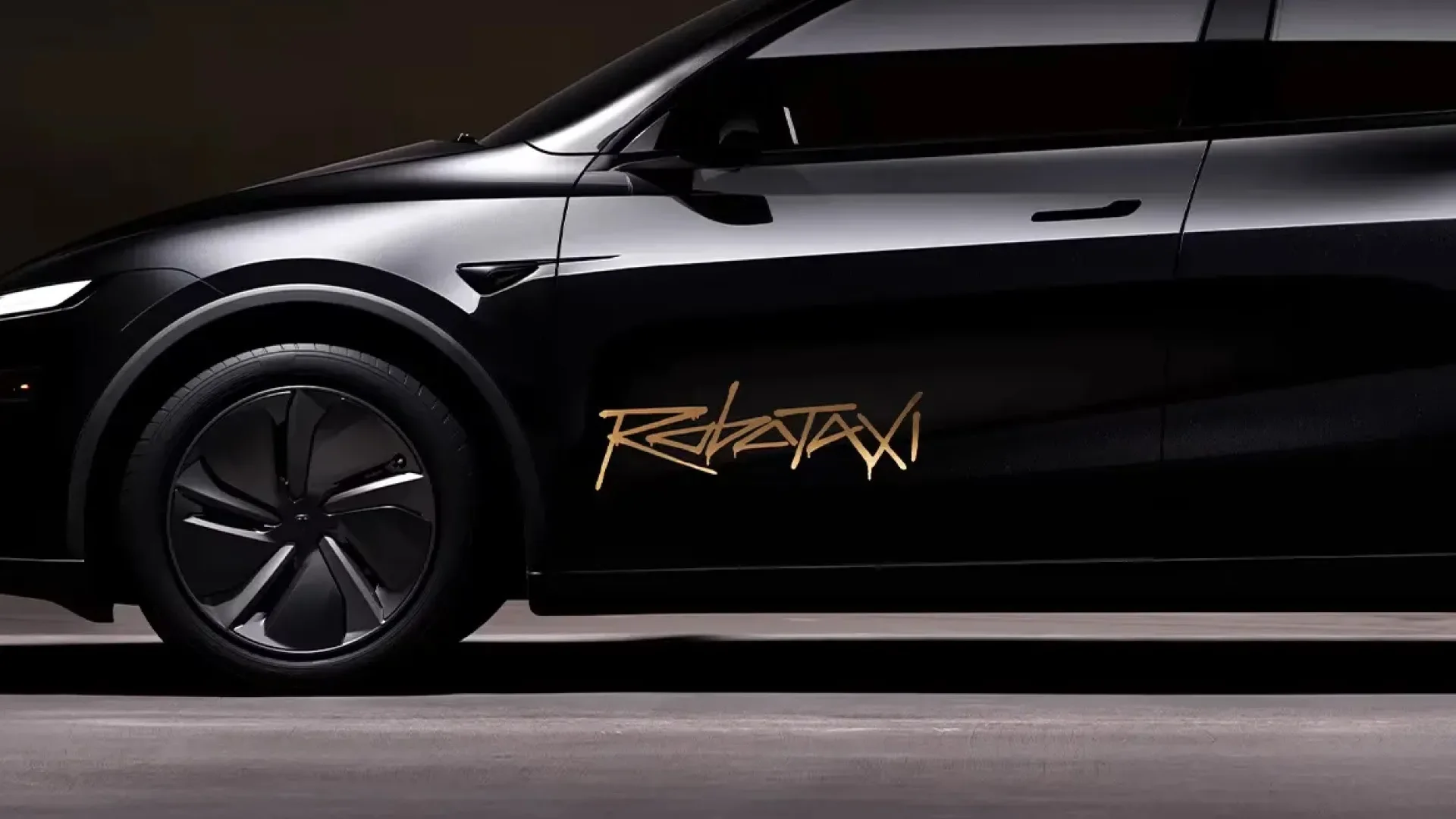
Tesla's robotaxi service in Austin is delivering rides for $15 on an 11-mile trip—half the cost of Uber—while showcasing FSD V14's newfound edge in handling pedestrians, construction, and split-second decisions. The real game-changer? Vehicles that prioritize safety without sacrificing speed, all backed by data that's proving this tech is ready for prime time.
Key Takeaways
Robotaxi fares hit $15 for an 11-mile Austin route, undercutting Uber's $30 by 50%, making autonomous rides the budget-friendly choice for urban travel.
FSD V14 brings assertive lane changes and real-time rerouting around obstacles, turning potential hazards into seamless maneuvers.
Vehicles demonstrate heightened awareness, braking preemptively for encroaching traffic and yielding politely to pedestrians, enhancing passenger comfort.
Network scaling is the main bottleneck: 11-minute wait times and local-road routing add 20 minutes versus Uber's highway efficiency, but adding 500 cars could flip the script.
Technical performance shines in complex scenarios like four-way stops and cone-lined detours, with no unsafe moments despite minor hesitations.
Highway access remains limited, keeping ETAs longer, but once unlocked, it promises unbeatable speed and reliability at current pricing.
Tesla's Autonomous Rental Revolution
Redefining Mobility in the Age of Autonomy
Tesla's latest rental offering signals a shift toward flexible, on-demand transportation that could upend traditional car ownership and rental models.
Key Takeaways
Tesla now offers short-term rentals for models like the Model 3 or Model Y, covering charging, maintenance, and insurance for a hassle-free experience.
This program lays the groundwork for a subscription-based transportation system, where vehicles can be summoned via app and returned autonomously.
Self-driving technology enables vehicles to operate without human intervention, maximizing their utility and reducing idle time compared to conventional cars.
Tesla's direct control over sales, service, and fleet management gives it a competitive edge over legacy automakers reliant on dealership networks.
Future expansions could include long-term subscriptions, ride-hailing, and even package delivery, dramatically boosting revenue per vehicle.
Competitors like Waymo face scalability challenges due to higher costs and smaller fleets, while Tesla leverages millions of existing vehicles for rapid deployment.
This model could lower transportation costs globally but may displace jobs in driving and logistics sectors.

Tesla's Stealth Play: From Cybercab to Global AI Supremacy
Why the Future of Driving, Manufacturing, and Intelligence Hinges on Bold Bets and Brutal Realities
Tesla stands on the brink of transforming transportation with vehicles that could eliminate the need for human drivers entirely. Yet, hurdles like regulation and market demand might force adaptations, such as adding steering wheels to robotaxis. Meanwhile, AI's explosive growth promises superhuman capabilities in every field, but it also sparks geopolitical tensions and societal shifts that could redefine economies worldwide.
Key Takeaways
Tesla's Cybercab production line will likely produce vehicles with optional steering wheels and pedals to meet regulatory demands and boost output, potentially creating a sub-$30,000 autonomous car.
Manufacturing innovations like the unboxed process double efficiency, allowing Tesla to flood markets with low-cost vehicles while preparing for full robotaxi fleets.
Regulatory approval for unsupervised self-driving remains the biggest barrier, with initial Cybercab deployments limited to a few thousand units starting mid-2026.
AI advancements could enable superhuman performance in any domain by 2027, accelerating breakthroughs in medicine, manufacturing, and beyond.
Geopolitical risks, including tariffs on Chinese EVs and chip sales, point to a decoupled world where the U.S. relies on domestic players like Tesla to maintain tech leadership.
The path to singularity involves painful transitions, with job displacements offset by potential universal basic income and unprecedented productivity gains.
Democrats Mend Fences with Elon Musk: A Turning Point for Tech Innovation
Why political reconciliation could unlock faster progress in EVs, autonomy, and space exploration
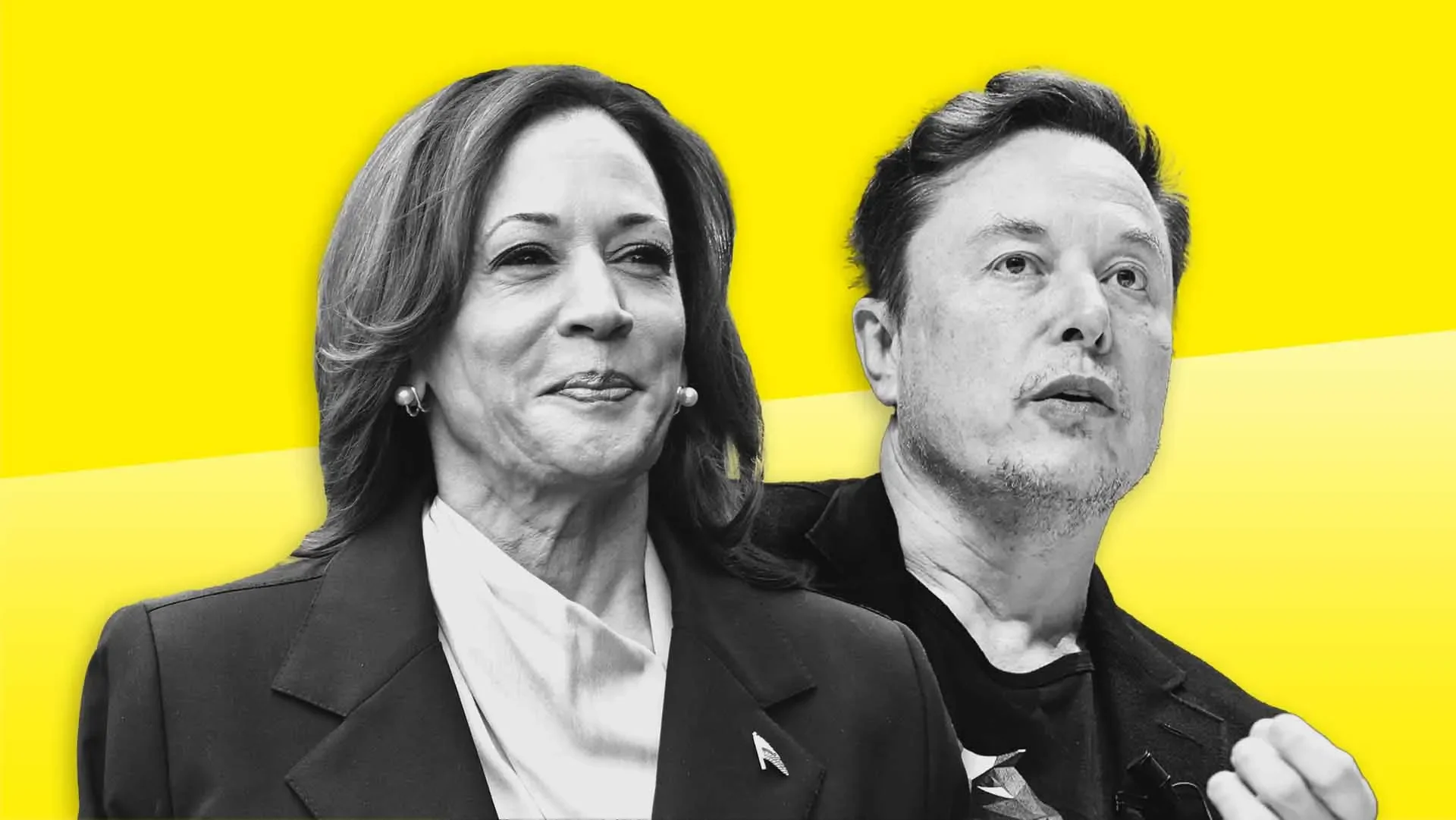
Recent admissions from Democratic leaders highlight a key oversight in past electric vehicle policies, opening doors to broader collaboration with innovators like Elon Musk. This shift signals potential bipartisan backing for ambitious projects in autonomous transport and space tech, which could reshape industries and reduce regulatory hurdles ahead.
Key Takeaways
Democrats are publicly recognizing errors in sidelining Elon Musk during early EV initiatives, aiming to rebuild ties for future influence.
SpaceX stands as a critical national asset for U.S. defense and space dominance, making partnership essential regardless of political divides.
Tesla's push into fully autonomous vehicles like the Cybercab promises massive cost reductions in transportation but poses significant disruptions to legacy auto makers and ride-sharing services.
Regulatory de-risking from both parties could accelerate innovations in rocketry, brain-computer interfaces, and humanoid robots over the next decade.
The economic ripple effects include lower transport costs by up to 10x, but require careful planning to mitigate job displacements for millions of drivers.

Tesla's Cybercab Hits Public Roads: Accelerating Toward an Autonomous Revolution
Why Legacy Automakers Are Braking While Tesla Charges Ahead
Tesla's push into fully autonomous vehicles is gaining momentum with the Cybercab now testing on public streets, signaling production readiness by mid-2026. This comes amid broader EV market challenges, including the end of federal tax credits, which are forcing competitors to scale back while Tesla builds its edge in profitable, self-driving tech.
Key Takeaways
Tesla's Cybercab prototype has begun public road testing in California, starting with sightings in Los Altos near the company's engineering headquarters.
Production is on track for Q2 2026 at Gigafactory Texas, supported by a hiring surge in manufacturing and engineering roles.
Regulatory exemptions from NHTSA could allow Tesla to produce and sell vehicles without steering wheels or pedals beyond the current 2,500-unit annual limit.
Legacy automakers like GM are laying off thousands due to slowing EV demand and the loss of tax incentives, highlighting Tesla's unique position in the market.
Tesla's integrated ecosystem—spanning vehicles, software, charging, insurance, and service—positions it to offer affordable, hands-off mobility solutions under $500 monthly.

The AI Revolution Behind Self-Driving Cars: Tesla’s End-to-End Breakthroughs
Unveiling the tech powering autonomous vehicles and the future of robotics
Self-driving cars are no longer a distant dream—they’re hitting the roads, navigating complex scenarios, and transforming how we think about transportation. Recent advancements in AI, particularly Tesla’s end-to-end neural network approach, are pushing the boundaries of autonomy, making vehicles safer, smoother, and more intuitive. From robotaxi services to factory-to-home deliveries, these innovations are reshaping mobility and paving the way for broader robotic applications. Here’s a deep dive into the technologies driving this revolution and what they mean for the future.
Key Takeaways
End-to-End Neural Networks: Tesla’s shift to a single, large neural network eliminates traditional modular systems, enabling direct processing from raw sensor data to driving actions for smoother and safer performance.
Data Advantage: Tesla leverages its massive fleet to collect diverse, real-world driving data, refining models to handle rare and complex scenarios effectively.
Advanced Debugging Tools: Techniques like Gaussian Splatting and natural language prompts allow Tesla to interpret and debug neural network decisions, ensuring safety and reliability.
Simulation for Evaluation: Neural network simulators generate consistent, multi-camera video streams, enabling robust testing of edge cases and adversarial scenarios without real-world risks.
Scalability Across Platforms: The same AI technology powers Tesla’s vehicles, upcoming Cybercab, and Optimus humanoid robots, promising broad applications in robotics.