

Five Misread Bets Across Musk’s Empire Point to Software Margins, Humanoids, and Multiplanetary Infrastructure
From $99-a-month FSD on cars people already own to Gen 3 Optimus on the old Model S/X floor, the stack that matters is recurring intelligence - not the flashiest hardware headline.
Tesla's Registered Texas Robotaxi Fleet Reaches 102 Model Ys as Steering-Wheel-Free Cybercab Hits Austin Roads
Tesla has more than doubled its registered Austin-area robotaxi fleet since late May and is now road-testing a production Cybercab without a steering wheel or pedals, even as regulation, not vehicle count, remains the real gate on unsupervised service.
Tesla Turns On Unsupervised Robotaxi Rides in Miami, Its First Market Outside Texas and California
The July 3rd launch pushes driverless Model Y ride-hailing into a third state and straight into Waymo’s home turf, even as Tesla stays silent on fleet size, pricing, and safety data.
Tesla Delivers 480,126 Cars in Q2 as 13.5 GWh Storage Quarter Steals the Story
A 25% year-over-year delivery jump blew past the ~406,000 Wall Street expected, yet shares still dropped about 7% and the real signal sat in an energy business now deploying near-record storage ahead of the July 22nd earnings update.
Musk Warns Optimus Production Will Start Extremely Slow at Fremont
Tesla is building a modular Optimus line in Fremont designed for iteration before scale, and the deliberately slow start is the strongest signal yet that the humanoid robot is a twenty-year manufacturing story rather than a near-term revenue event.
SpaceX Signs $6.3 Billion AI Compute Lease With Reflection AI as Texas Court Clears Starbase Path
A $150-million-per-month lease of NVIDIA GB300 capacity to Reflection AI, a unanimous Texas Supreme Court win over Boca Chica beach closures, and United’s first wide-body Starlink transatlantic flight together reframe SpaceX as a multi-market infrastructure company while Tesla fights to control the
Tesla Job Listing Signals In-House Push Into Distributed AI Training and Inference
Two Palo Alto software engineering roles built around PyTorch and low-level GPU tooling point to Tesla owning the AI compute layer that sets how fast it can scale FSD, Optimus, and the CyberCab, even as viral crash narratives and safety scrutiny escalate alongside.
SpaceX Lands First Investment-Grade Ratings, Notches Above Tesla, as Robotaxi Groundwork Clears SFO
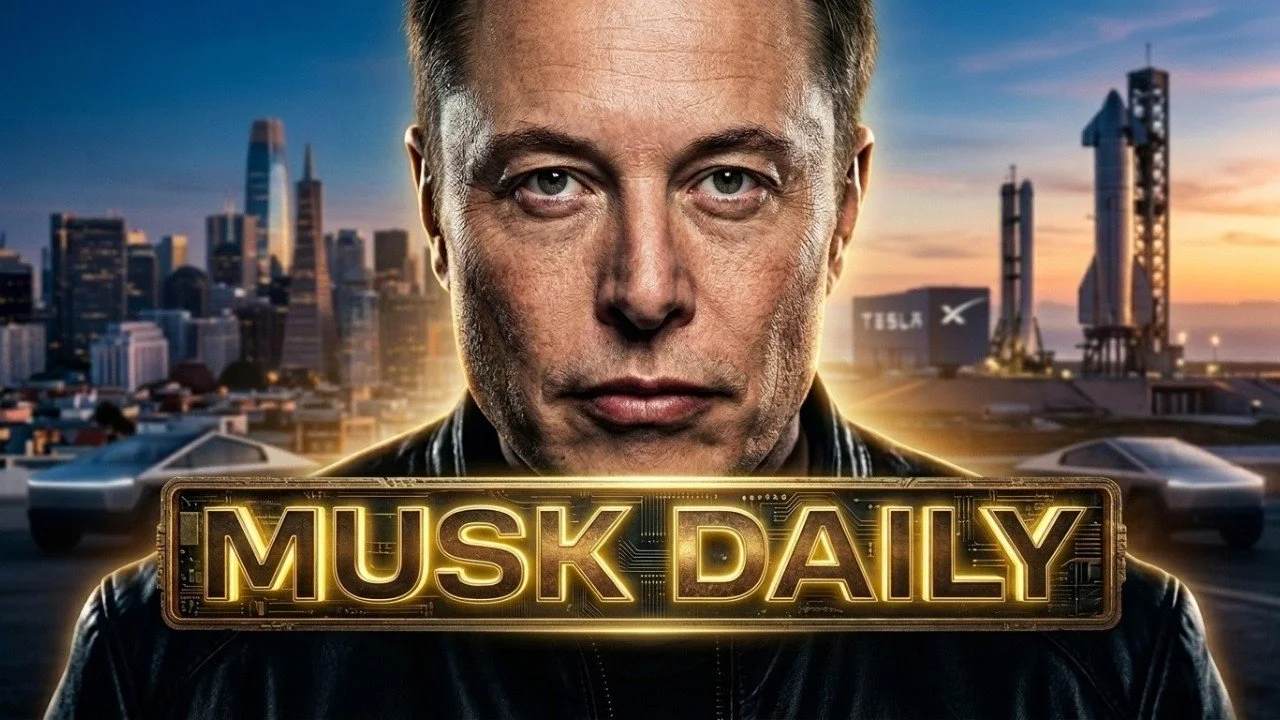
Moody’s, S&P, and Fitch all stamped the privately-held launch company investment-grade—Moody’s BA-1 sitting two notches above Tesla’s BA-3—while Tesla quietly won airport ride-hailing rights in San Francisco, shipped FSD v14 to Australia and New Zealand, and pushed its Australian Supercharger count

Musk's Picks and Shovels: How Autonomy and AI Will Power the Next Civilization
Tesla's FSD leaps, Model Y dominance, US-China manufacturing deals, and robotic logistics are laying the groundwork for a transformed economy.
The pace of real-world autonomy is already delivering tangible gains today, with even older versions of advanced driver-assistance systems proving reliable enough for daily commutes and family use. At the same time, high-level diplomatic meetings signal a potential trillion-dollar wave of manufacturing investment flowing back to the United States, powered by Chinese production expertise. Layer in humanoid robots, autonomous heavy trucks, and drone-enabled delivery networks, and the Musk ecosystem emerges as the foundational infrastructure—the literal picks and shovels—for the next era of economic growth.
Key Takeaways
The Tesla Model Y ranks as the best-selling vehicle on the planet for three straight years, leading sales in California and even the top three major cities in China despite aggressive local competition.
Current supervised Full Self-Driving software remains highly capable a full year after its last major update, setting the stage for unsupervised operation that eliminates the need for constant human oversight and enables entirely new use cases like sleeping during long trips.
Upcoming US-China engagements involving key technology and business leaders point toward massive onshoring deals, with Chinese manufacturers potentially bringing high-scale production know-how to American factories in exchange for market access.
Legacy US automakers face structural decline, concentrated in SUVs, trucks, and a handful of models, opening pathways for pivots into defense manufacturing amid rising national security budgets.
Add-on robotic kits already automate heavy equipment like excavators for solar-farm construction, slashing labor hours and unlocking 24/7 operation in energy infrastructure projects.
Musk companies collectively supply the core layers future civilization will run on: autonomous passenger transport, humanoid labor, long-haul freight, satellite connectivity, and energy storage.
Logistics economics shift dramatically once highway autonomy arrives—even partial adoption on interstates cuts driver costs and fuel volatility, while drone-equipped vans and warehouse robots reshape last-mile delivery speed and density.
Amazon's Stealth Logistics Empire: The Massive Tailwind Coming for Tesla
How opening its entire supply chain to the world is about to create explosive demand for electric semis, autonomous vans, and humanoid robots.
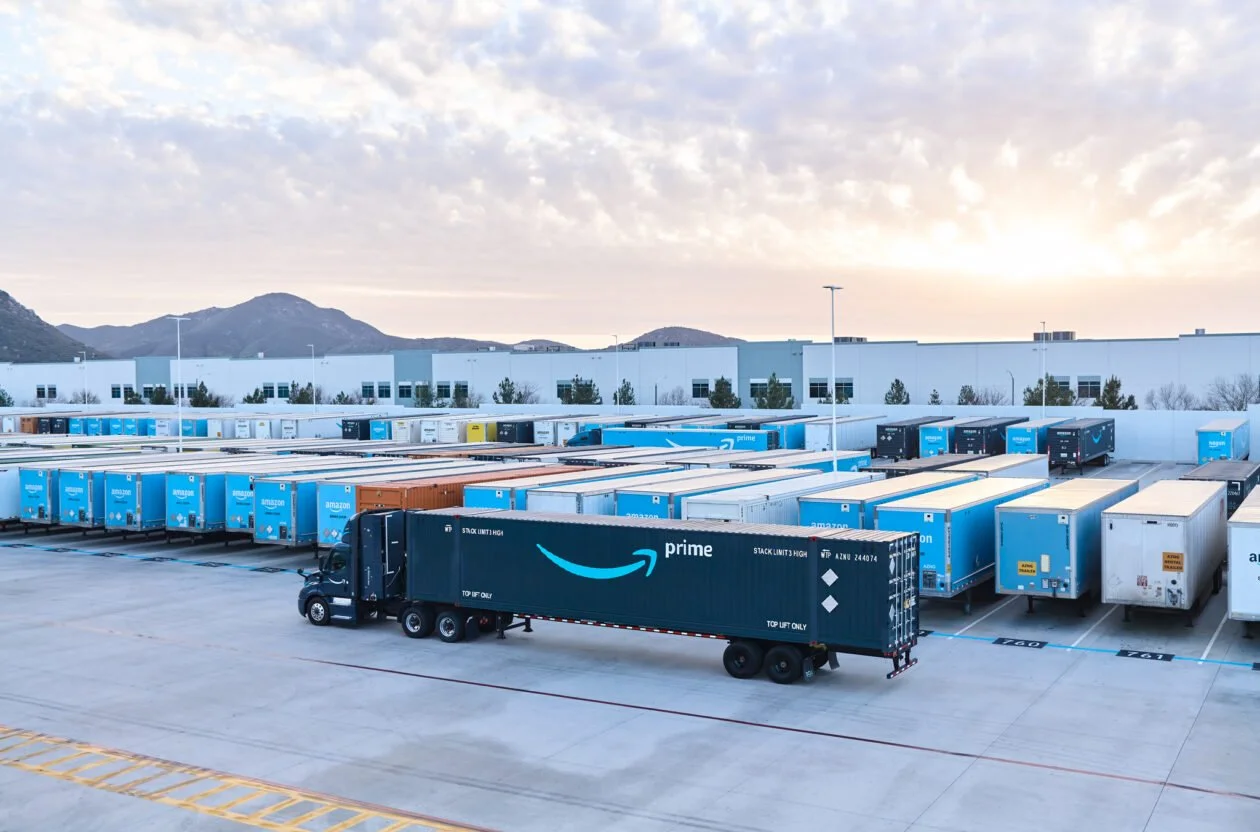
Amazon has turned its vast internal logistics machine into a full-service platform available to any business. The new offering combines freight across ocean, air, ground, and rail; warehousing and distribution; same-style parcel delivery seven days a week; and AI-driven forecasting built on the largest commercial logistics dataset in existence. This isn't a minor expansion—it's the physical-world equivalent of AWS, launched into a $9 trillion market that's already projected to hit $13 trillion by 2035. For Tesla, the implications are generational: a single customer with global scale suddenly needs far more trucks, vans, robots, and autonomy software than it can source today.
Key Takeaways
Amazon Supply Chain Services bundles freight, fulfillment, parcel delivery, and predictive AI optimization into one plug-and-play system that any company can use—exactly how AWS turned internal infrastructure into a profit engine.
The move immediately pressures traditional carriers; UPS, FedEx, and logistics stocks dropped sharply on the announcement because Amazon already operates at a scale that rivals their combined fleets.
Tesla stands to benefit across four hardware categories: electric semis for long-haul freight, autonomous delivery vans to solve driver shortages, Optimus humanoids for warehouse labor, and the unified Full Self-Driving software stack that powers everything.
Amazon's existing assets—1.56 million employees, 1,200 logistics facilities, 40,000+ owned semis, 390,000+ delivery drivers, 30,000 Rivian vans, over one million robots, and its own air fleet—provide the perfect launchpad for rapid scaling.
At scale, a single humanoid robot could deliver labor at roughly $1.50–$2 per hour versus $25–$35 for a human worker, creating economics that make widespread adoption almost inevitable.
Watch for Amazon to break out Supply Chain Services revenue separately in coming quarters; that moment will trigger the same valuation rerating AWS enjoyed.
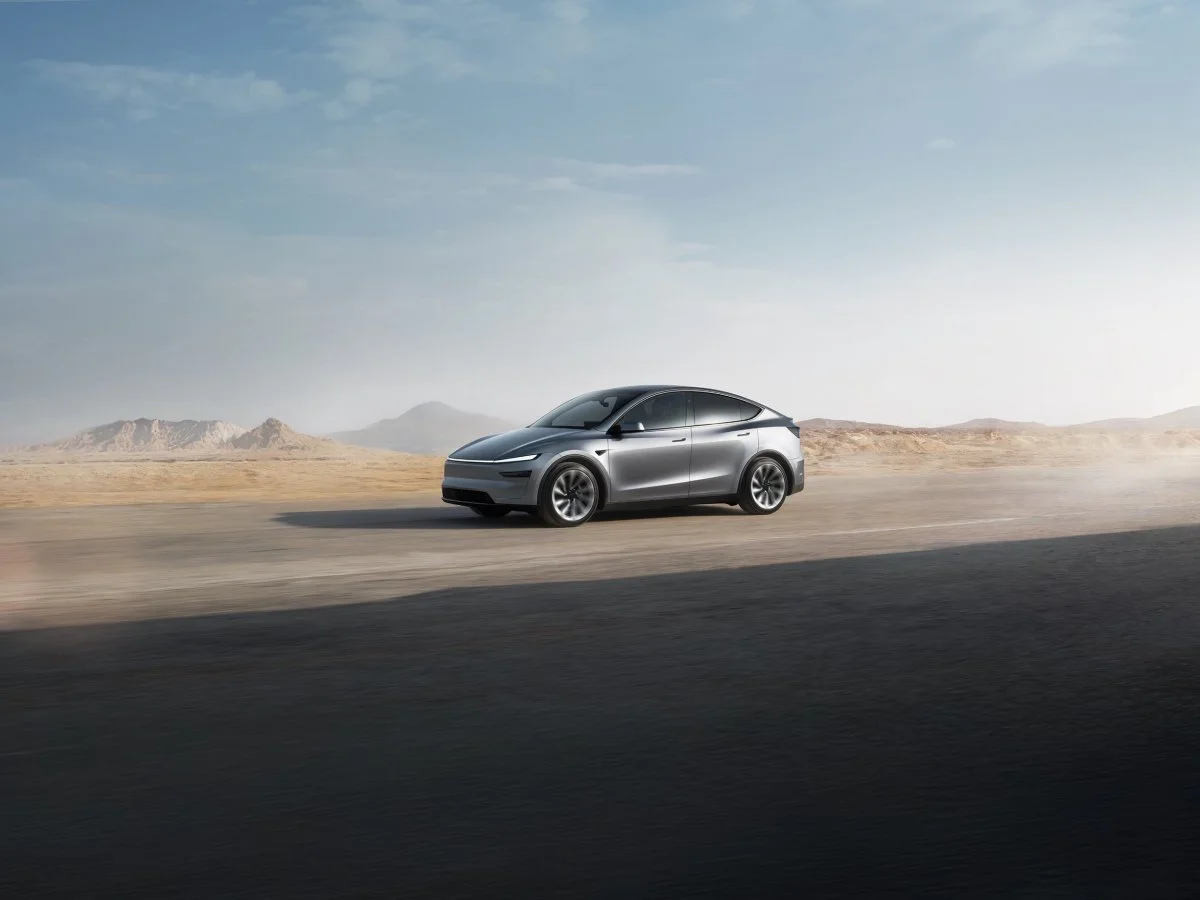
Why Tesla's Robotaxi Advantage Is Growing Faster Than Anyone Notices
It's not the current fleet size that matters most—it's the explosive growth in data miles and production scale driving down costs exponentially.
Tesla is pushing unsupervised robotaxis into more Texas cities, while competitors like Waymo operate thousands of vehicles across multiple metros. Yet the numbers reveal one player building an insurmountable lead through sheer data volume and manufacturing muscle. With 10 billion cumulative full self-driving miles already logged and the count growing by a billion monthly, the foundation for cheaper, smarter autonomy is solidifying rapidly.
Key Takeaways
Tesla's cumulative FSD miles stand at around 10 billion—50 times the roughly 200 million driverless miles accumulated by its closest rival across its entire history.
Both double autonomous miles approximately every nine months, but Tesla's vastly larger base means its lead widens dramatically each cycle.
Tesla achieves robotaxi costs near 81 cents per mile today, roughly 60% of competitors' current levels.
Production capacity gives Tesla the ability to manufacture hundreds of thousands of capable vehicles quarterly, dwarfing rivals reliant on third-party supply.
Paid unsupervised robotaxi miles nearly tripled quarter-over-quarter in early 2026, signaling accelerating commercial traction.
At scale, autonomous transportation could drop to 25 cents per mile, slashing annual personal mobility costs from hundreds to thousands of dollars.
Iran’s Regime Falls: How One Historic Shift Could Flood the World With Cheap Energy and Accelerate the AI Boom
The collapse of Iran’s theocratic government after 47 years isn’t just Middle East news. It removes the single biggest sponsor of regional chaos, frees a population of 90 million that is young, educated, and entrepreneurial, and opens vast oil and gas reserves at the exact moment AI data centers are about to consume unprecedented amounts of power. At the same time, artificial intelligence is already driving transportation costs toward zero, turning $50 airport rides into $5 trips and making door-to-door autonomy cheaper than owning a car. The combination is explosive: stable energy supply meets deflationary mobility technology.
Key Takeaways
AI will make personal transportation radically cheaper, forcing adoption even among skeptics because the price difference is too large to ignore.
Robo-vans unlock flexible, high-frequency urban transit that traditional buses never could, potentially running as free services funded entirely by in-vehicle advertising.
Autonomous freight tunnels separate trucks from passenger traffic, slashing logistics costs and removing semi-trucks from daytime roads without raising goods prices.
Iran’s pre-1979 society was modern and Western-facing; today’s population largely rejects the regime that replaced it, with hardline support estimated below 20 percent.
A post-regime Iran aligned with global markets could add hundreds of billions in productive capacity and become a major energy exporter again.
Transactional, deal-focused leadership resonates strongly in the Middle East because it prioritizes mutual profit over ideology.
The 2028 U.S. election will be decided by candidates who offer concrete answers to AI-driven job displacement and broad participation in AI-created wealth.
Tesla's Autonomy Revolution: Redefining Transportation, Insurance, and Beyond
Reshaping Mobility in an Autonomous World
Tesla's push into full autonomy isn't just about cars—it's set to overhaul how we move, insure vehicles, and even access healthcare, while navigating global economic shifts.
Key Takeaways
Tesla's vehicle lineup may expand with variants like mid-size pickups or vans on existing platforms, but autonomy could shrink the personal car market to niche segments.
Regional travel faces massive disruption as autonomous rides offer door-to-door convenience at lower costs than flights, bypassing airports and security hassles.
Insurance models will evolve to reward high FSD usage, potentially slashing premiums for autonomous drivers and pressuring legacy providers to adapt.
Healthcare could see AI and robots streamline services, from virtual diagnostics to mobile clinics, cutting costs tied to chronic diseases and inefficient systems.
China's aggressive EV and robotics strategies highlight global tensions, with demographic challenges and regulatory hurdles potentially limiting their long-term dominance.
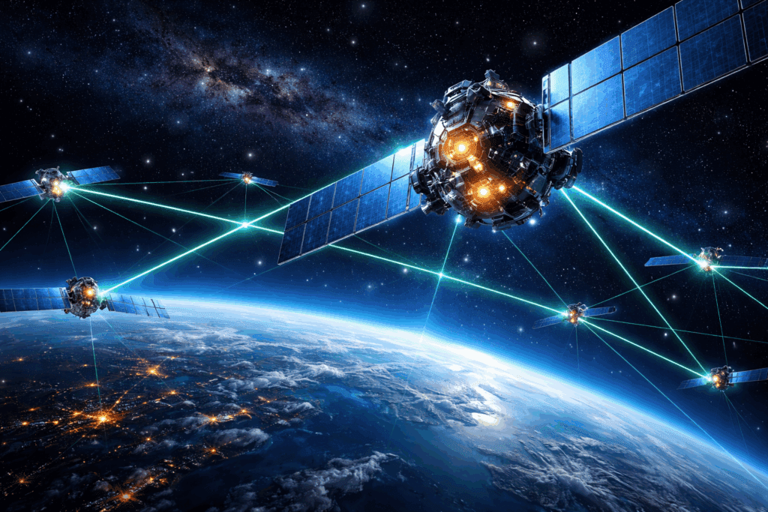
The Orbital AI Boom: Musk's Master Plan for Infinite Compute
Merging Rockets and Intelligence to Fuel the Future
The convergence of space tech and AI is accelerating at a pace that could transform global industries. Recent developments point to orbital data centers becoming a reality, powered by unlimited demand for intelligence and energy. Robotaxis are scaling fast, promising to disrupt transportation with low costs and high safety. These shifts open up massive economic opportunities, from cheaper compute to redefined urban mobility.
Key Takeaways
Orbital AI data centers leverage space for unlimited compute, driven by endless demand for intelligence and energy.
Robotaxis could scale to millions of vehicles, undercutting ride-hail prices and expanding to new use cases like mobile businesses.
SpaceX's launch capacity enables rapid deployment of satellites, potentially shifting focus from Earth networks to space-based AI.
Regulatory frameworks at the federal level will accelerate adoption, prioritizing safety data over hardware specs.
Tesla's vertical integration gives it a cost edge, enabling profitable pricing as low as 25 cents per mile at scale.
Unlimited energy and intelligence create a flywheel for growth, with space as the ideal environment for AI expansion.
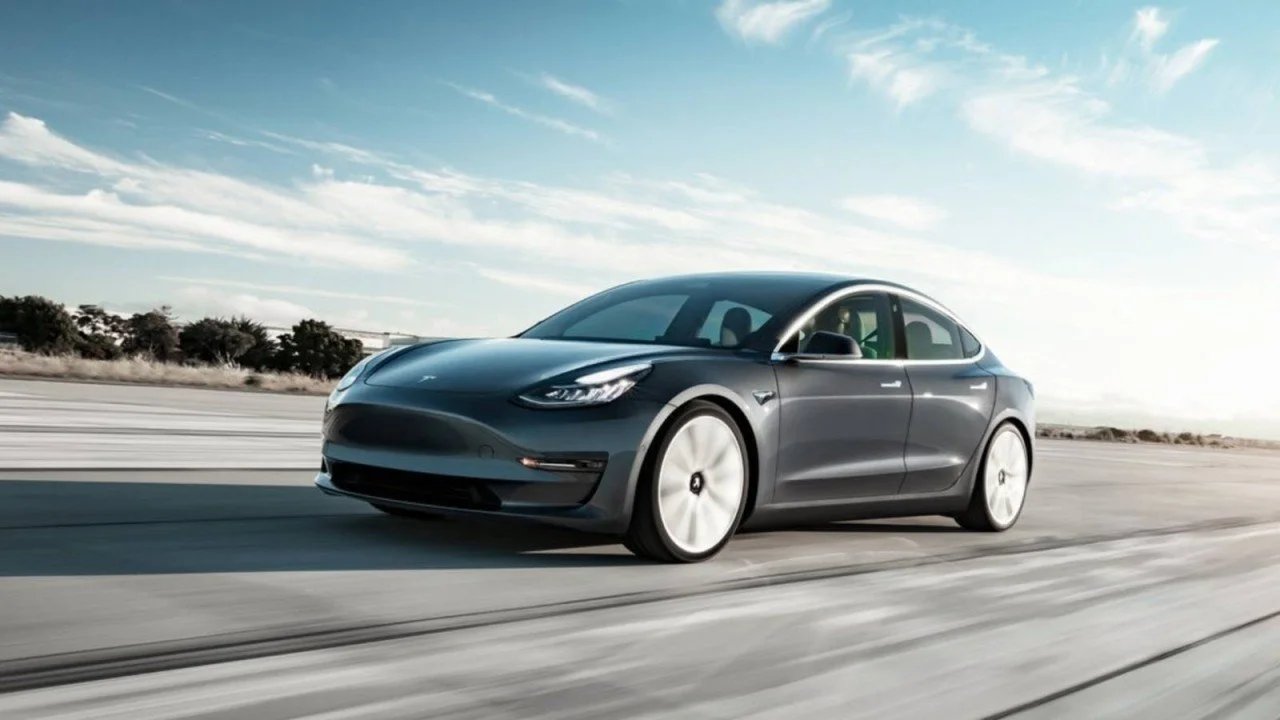
Tesla's Game-Changer: No More Buying FSD Outright After February 14
Why This Shift Could Unlock a Trillion-Dollar Robotaxi Era
Tesla's decision to eliminate outright purchases of Full Self-Driving (FSD) software marks a pivotal turn toward unsupervised autonomy and widespread Robotaxi deployment. This move positions every Tesla vehicle as a potential revenue generator, transforming personal cars into autonomous assets capable of earning owners substantial income while reshaping urban mobility and boosting the company's long-term profitability.
Key Takeaways
Tesla will stop selling FSD for a one-time $8,000 fee after February 14, shifting entirely to a subscription model starting at $99 per month.
This signals that unsupervised FSD—where drivers no longer need to pay attention—is imminent, potentially arriving by mid-2026, dramatically increasing vehicle value.
Vehicles with unsupervised capabilities could function as robotaxis, generating up to $100,000 in annual profit per car by operating without human intervention.
Existing FSD owners may receive lifetime access, possibly including unsupervised features, while hardware 3 owners could get transfer options to newer models.
The change simplifies pricing, maximizes fleet participation in a future Robotaxi network, and could triple or quadruple Tesla's profit per vehicle through recurring revenue.
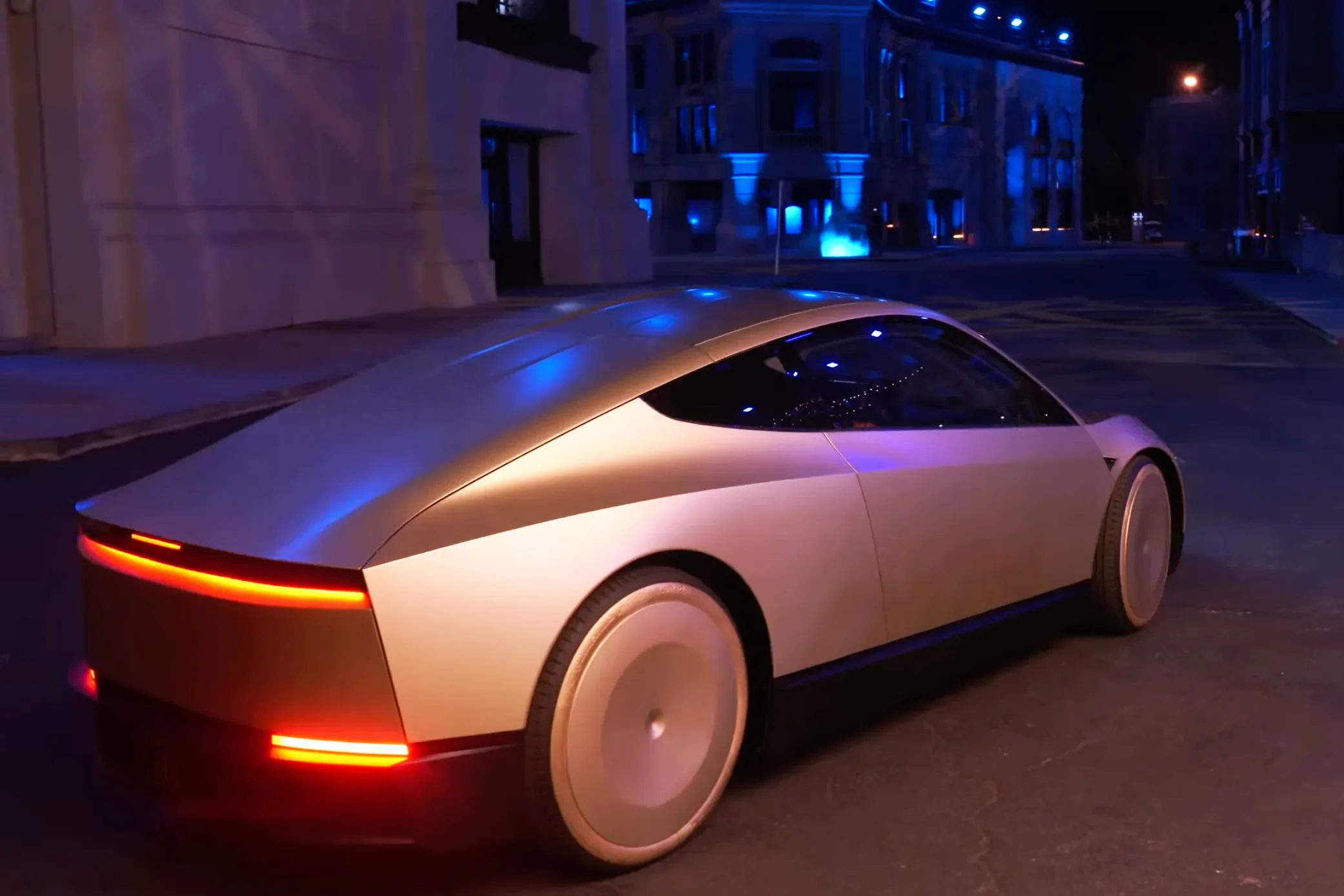
Cybercab Onslaught: Tesla's Driverless Future Accelerates
Tesla's Cybercab is ramping up toward mass production, promising cheaper rides and massive scale—but regulatory caps could force a pivot to manual controls.
The Cybercab is emerging as a game-changer in autonomous vehicles, with prototypes spotted across major cities and a production timeline set for April 2026. This two-seater, built without steering wheels or pedals, leverages a new manufacturing method to cut costs and boost output, potentially slashing per-mile expenses to half that of traditional cars. Yet, hurdles like U.S. limits on driverless vehicle production threaten to slow the rollout, possibly leading to versions with added controls for broader sales.
Key Takeaways
Cybercab prototypes are testing in cities like Chicago, Buffalo, Austin, and California, signaling readiness for an April 2026 launch.
The unboxed manufacturing process enables parallel assembly, reducing factory space and allowing for higher production volumes to meet expected demand.
Priced around $20,000 to build, the Cybercab could offer rides at 20-40 cents per mile, far below the 80 cents typical for personal vehicles.
Regulatory caps limit driverless cars to 2,500 units annually in the U.S., with efforts underway to raise it to 95,000—critical for Tesla's scale.
Steer-by-wire and brake-by-wire tech makes adding removable controls straightforward, providing a fallback if regulations lag.
Tesla's existing fleet of millions could integrate advanced autonomy, giving it an edge over rivals like Waymo in robotaxi deployment.
Full unsupervised autonomy requires billions more miles of data, likely delaying widespread driverless operations until late 2026 or beyond.
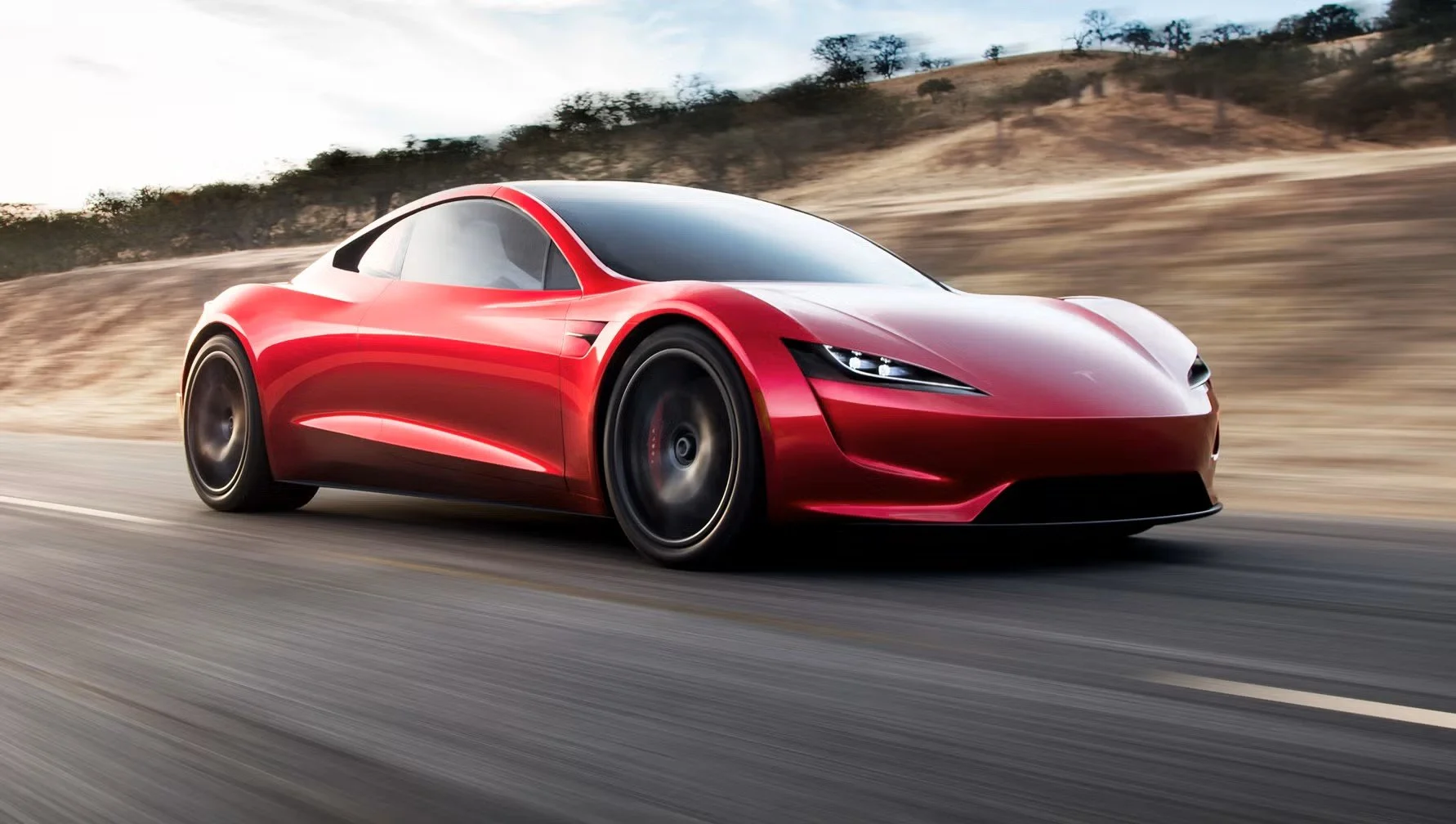
Tesla's 2026: Autonomy Takes the Wheel
Unleashing self-driving tech, surging energy storage, and humanoid robots in a rebounding economy.
Tesla wrapped up 2025 with mixed results in vehicle production and deliveries, but its energy business hit record highs. Looking ahead, 2026 promises breakthroughs in full self-driving software, Robotaxi networks, and early humanoid robot deployments, all fueled by AI advancements and favorable economic shifts.
Key Takeaways
Tesla's vehicle deliveries dropped 9% year-over-year in 2025 amid a broader auto market slowdown, but outperformed rivals like Rivian, which saw an 18% decline.
Energy storage deployments soared to 14.2 gigawatt-hours in Q4 2025, up 29% from the prior year, driven by AI data center demands.
Full self-driving (FSD) version 14 marks a turning point, enabling seamless point-to-point autonomy that mimics human driving behaviors.
Cybercab production ramps up in April 2026, but regulatory hurdles may force adaptations like adding steering wheels to scale deployments.
Humanoid robots could debut in simple, repetitive tasks this year, transforming labor in factories and warehouses.
Economic factors like lower interest rates, tax breaks, and AI-driven growth position Tesla for strong demand in vehicles and energy solutions.
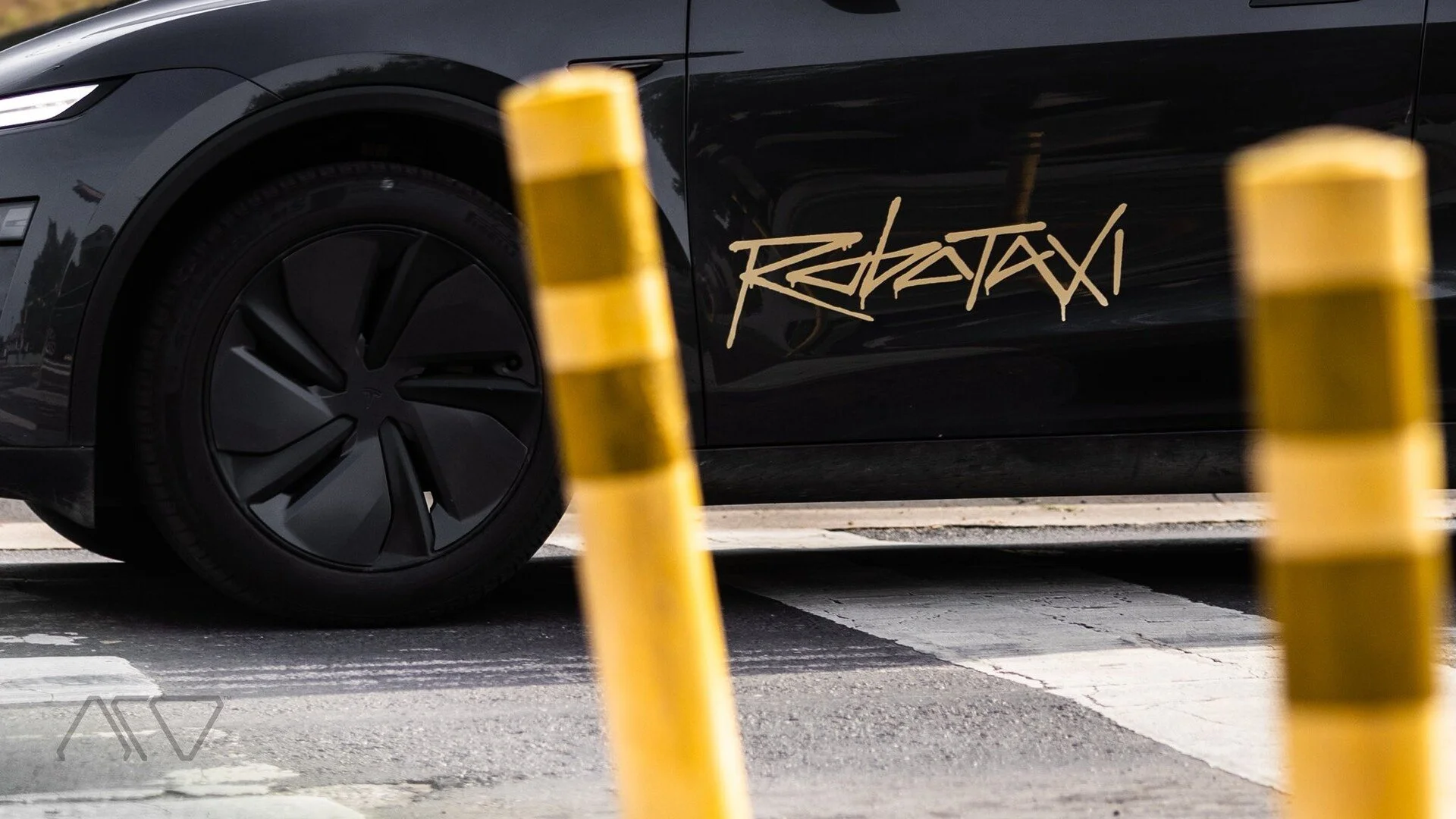
Tesla's Autonomy Leap: Unlocking the Robotaxi Era
Revolutionizing Mobility with Safer, Smoother Self-Driving Tech
Tesla's stock has surged to record levels as the market recognizes the company's strides in autonomous driving. Recent software updates deliver performance that rivals or exceeds human drivers in safety and ride quality, paving the way for widespread Robotaxi deployment. This shift promises to flood cities with affordable, efficient autonomous vehicles, generating substantial profits while outpacing rivals.
Key Takeaways
Tesla's latest full self-driving software achieves safety levels comparable to or better than human drivers, based on extensive real-world testing and minimal incident reports.
Comfort in autonomous rides sets Tesla apart, with smooth handling of turns, accelerations, and intersections that mimic top human drivers.
Robotaxi networks can scale rapidly without safety drivers, starting in key areas like Austin and the Bay Area, thanks to regulatory-friendly safety profiles.
Manufacturing advantages allow Tesla to produce and deploy thousands of Robotaxis at low cost, undercutting competitors on fares and utilization.
Each Robotaxi could generate around $100,000 in annual profit through efficient operations, with costs as low as 60 cents per mile versus $2.50+ charges.
Broader AI applications from this tech extend to humanoid robots, amplifying Tesla's potential in automation.
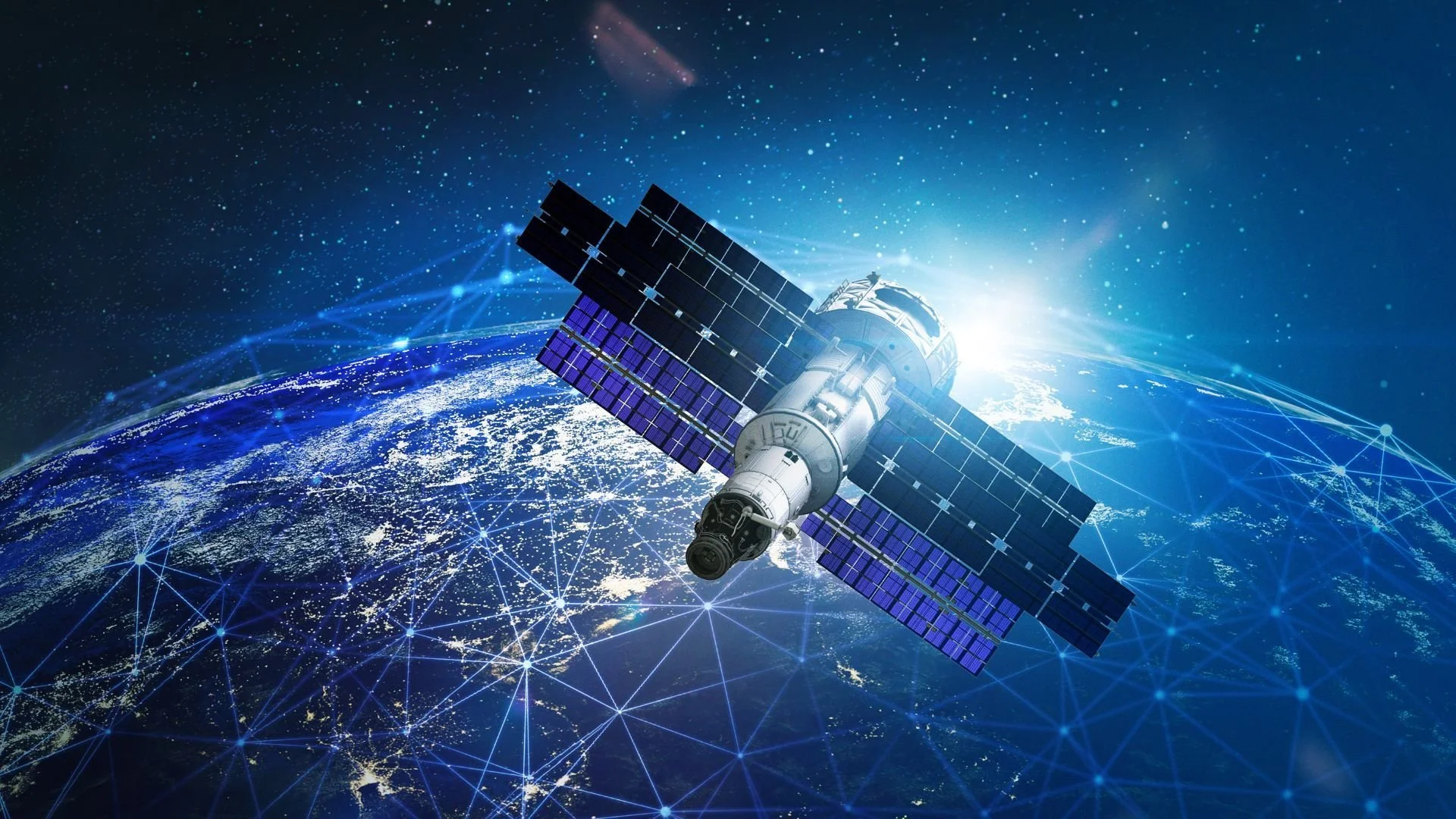
Orbiting AI: Revolutionizing Compute from Space
Why Space Could Power the AI Boom and Beyond
Advancements in launch tech are making orbital data centers a reality, promising near-unlimited solar energy for AI training and inference. This could cut electricity costs by up to 90% compared to ground-based systems, while global rollouts of autonomous tech accelerate mobility worldwide. Yet, these shifts demand new economic models to handle falling costs and rising disruptions in energy and jobs.
Key Takeaways
Space-based AI clusters leverage constant sunlight, reducing reliance on batteries and slashing operational costs for compute-intensive tasks.
Launch vehicles like Starship enable massive payloads to sun-synchronous orbits, though challenges in sites and reusability persist.
Autonomous ride-hailing apps are expanding to over a dozen countries, signaling faster adoption in regions with flexible regulations.
Energy could emerge as a universal value measure, with kilowatt-hours trading like currency to fuel AI and electric ecosystems.
Reversing inflation through tech abundance in essentials like food and housing could redistribute wealth, but requires proactive adaptation.
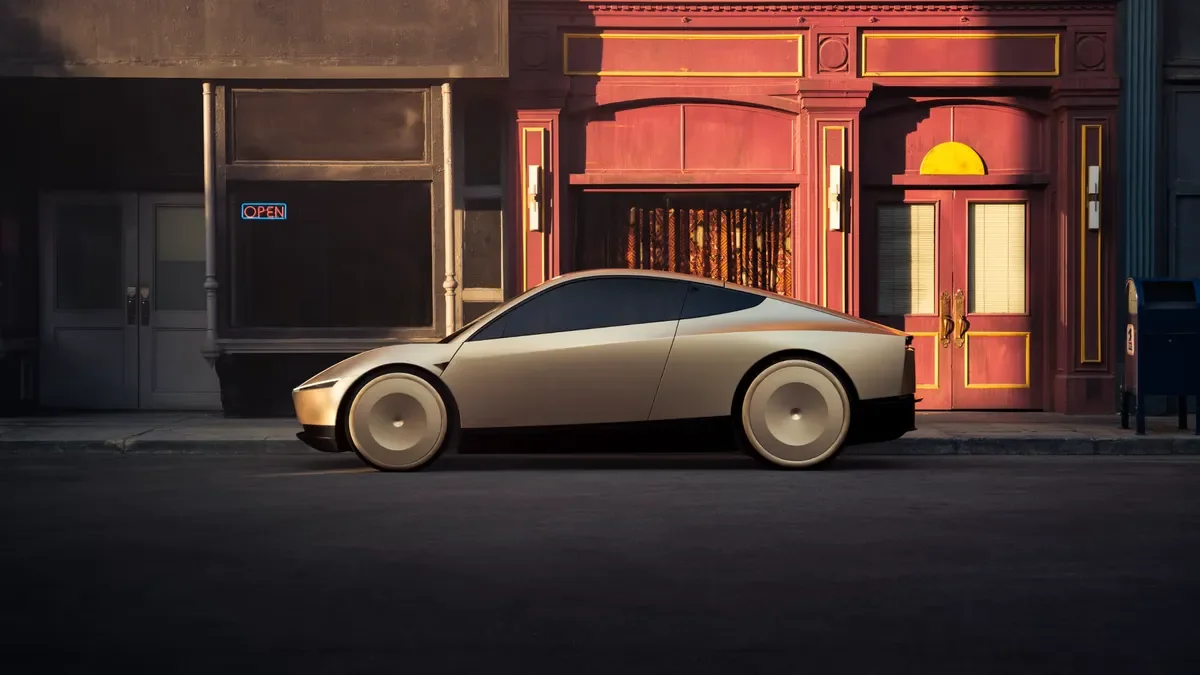
Tesla's Robotaxi Edge: Scaling Autonomy to Every Corner
Why Small Cities and Global Streets Are Tesla's Next Frontier
Tesla is pushing boundaries with Robotaxi trials in unlikely spots like Harrisburg, Pennsylvania, while Cybertrucks equipped with the latest Full Self-Driving software handle urban drives in Europe. These moves highlight a scalable approach to autonomy that could reshape transportation economics worldwide, outpacing rivals limited by hardware and mapping constraints.
Key Takeaways
Tesla's Robotaxi network is expanding into smaller markets like Harrisburg, leveraging massive vehicle production to enter areas competitors ignore.
Full Self-Driving version 14 enables vehicles like the Cybertruck to navigate diverse environments, from U.S. suburbs to European cities, without specialized sensors or pre-mapped routes.
Unlike companies relying on lidar and high-definition maps, Tesla uses camera-based AI trained on billions of miles of real-world data for broader, faster deployment.
This technology promises to lower transportation costs below 50 cents per mile, boosting local economies in underserved regions by reducing friction for travel and commerce.
Global scalability means Tesla can upgrade millions of existing vehicles via software, creating a ride-hailing fleet that transforms affordability and accessibility everywhere.