
Tesla Tears Down Fremont Model S and X Lines for Optimus
A 46-day decommissioning of the original premium vehicle floor is set to free space for a humanoid line targeting as much as one million robots a year, while CyberCab rides, Starship static fire, China Model Y Performance, and Grok trials advance in parallel.
SpaceX Outlines Orbital AI Compute as Tesla Pushes FSD Abroad and NHTSA Eyes Steering-Wheel Rules
StarMind’s AI1 satellite specs, a staged FSD Supervised 14 Lite launch in South Korea, and a federal signal on driverless hardware land on the same day that Falcon 9 hits a 36-flight reuse mark.
SpaceX Asks the FCC to Clear a 100,000-Satellite Starlink Network Built on Starship
The third-generation, non-geostationary system would spread up to 100,000 satellites across two very-low-orbit shells packed with beamforming and optical inter-satellite links to multiply capacity, but the entire plan hinges on regulators clearing spectrum and Starship becoming routine enough to fly
Tesla's Registered Texas Robotaxi Fleet Reaches 102 Model Ys as Steering-Wheel-Free Cybercab Hits Austin Roads
Tesla has more than doubled its registered Austin-area robotaxi fleet since late May and is now road-testing a production Cybercab without a steering wheel or pedals, even as regulation, not vehicle count, remains the real gate on unsupervised service.
Tesla Delivers 480,126 Cars in Q2 as 13.5 GWh Storage Quarter Steals the Story
A 25% year-over-year delivery jump blew past the ~406,000 Wall Street expected, yet shares still dropped about 7% and the real signal sat in an energy business now deploying near-record storage ahead of the July 22nd earnings update.
Tesla Job Listing Signals In-House Push Into Distributed AI Training and Inference
Two Palo Alto software engineering roles built around PyTorch and low-level GPU tooling point to Tesla owning the AI compute layer that sets how fast it can scale FSD, Optimus, and the CyberCab, even as viral crash narratives and safety scrutiny escalate alongside.
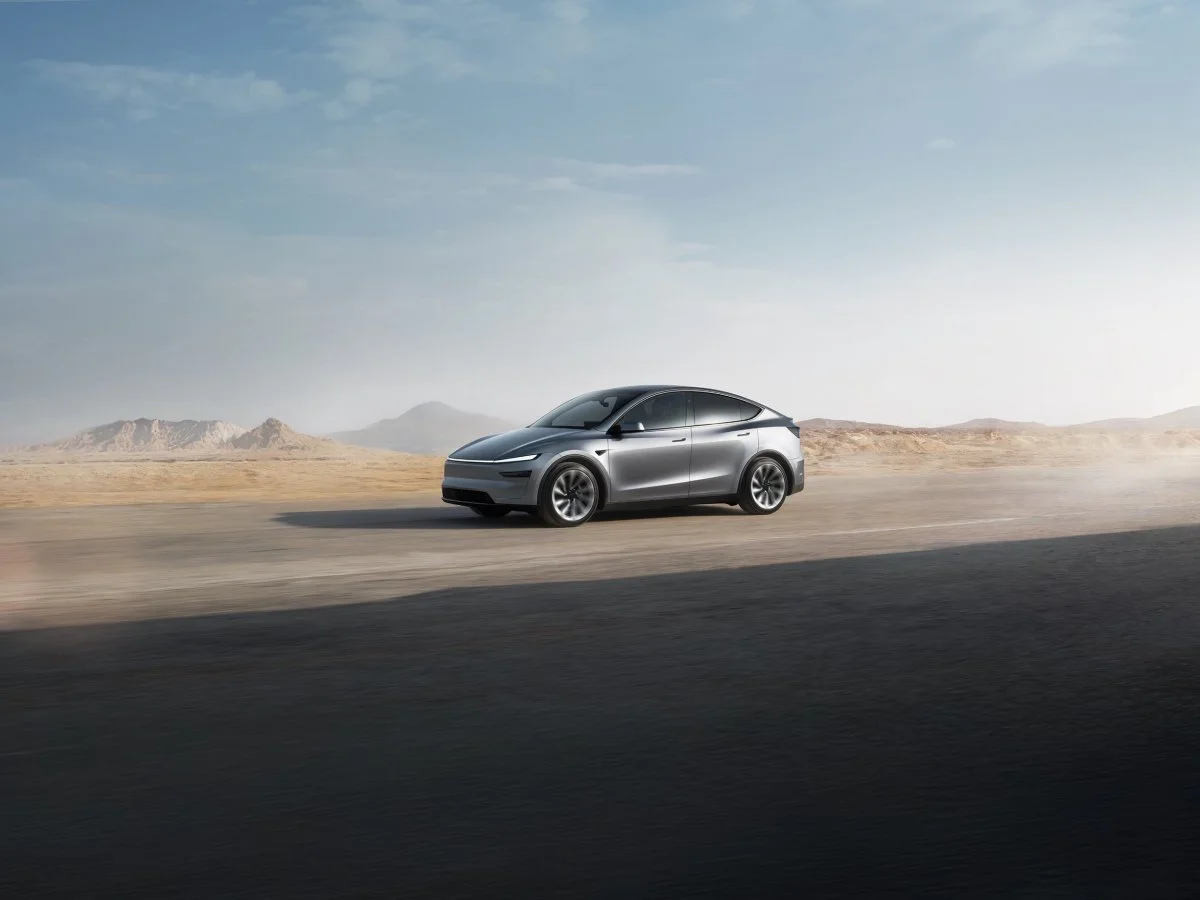
Why Tesla's Robotaxi Advantage Is Growing Faster Than Anyone Notices
It's not the current fleet size that matters most—it's the explosive growth in data miles and production scale driving down costs exponentially.
Tesla is pushing unsupervised robotaxis into more Texas cities, while competitors like Waymo operate thousands of vehicles across multiple metros. Yet the numbers reveal one player building an insurmountable lead through sheer data volume and manufacturing muscle. With 10 billion cumulative full self-driving miles already logged and the count growing by a billion monthly, the foundation for cheaper, smarter autonomy is solidifying rapidly.
Key Takeaways
Tesla's cumulative FSD miles stand at around 10 billion—50 times the roughly 200 million driverless miles accumulated by its closest rival across its entire history.
Both double autonomous miles approximately every nine months, but Tesla's vastly larger base means its lead widens dramatically each cycle.
Tesla achieves robotaxi costs near 81 cents per mile today, roughly 60% of competitors' current levels.
Production capacity gives Tesla the ability to manufacture hundreds of thousands of capable vehicles quarterly, dwarfing rivals reliant on third-party supply.
Paid unsupervised robotaxi miles nearly tripled quarter-over-quarter in early 2026, signaling accelerating commercial traction.
At scale, autonomous transportation could drop to 25 cents per mile, slashing annual personal mobility costs from hundreds to thousands of dollars.
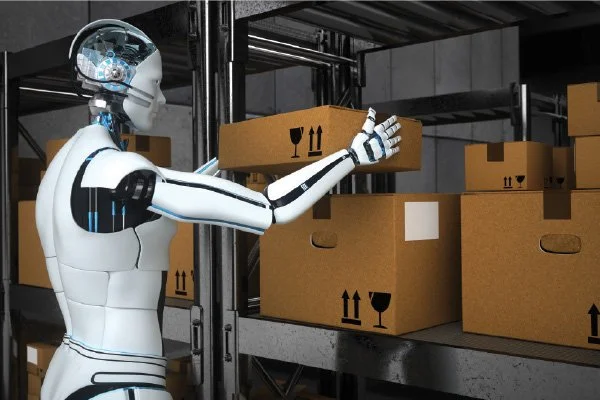
Robotaxis, Humanoids, and the New Logistics Empire: How Automation Will Make Goods and Labor Nearly Free
Inside the convergence of AI robots, autonomous fleets, and centralized supply chains reshaping the global economy.
Recent breakthroughs in humanoid robots and logistics infrastructure point to a future where physical goods move as easily as data in the cloud, while autonomous labor handles repetitive work around the clock. These shifts could drive costs toward zero for transportation, storage, and manufacturing—opening massive opportunities for businesses of any size while concentrating power in the hands of a few tech giants. The pieces are falling into place faster than most realize.
Key Takeaways
Humanoid robots are scaling production quickly, with at least one company now building a unit per day and using innovative wireless foot-charging pads that let them operate continuously without leaving their workstation.
Amazon has launched an end-to-end logistics platform that lets any business plug directly into its warehousing, shipping, and delivery network—essentially turning physical supply chains into a cloud service.
When combined with self-driving vehicles and humanoids, this infrastructure could make point-to-point movement and storage of goods extremely cheap and accessible, even for small operators with limited capital.
The result is accelerating centralization: a handful of companies could dominate labor, logistics, and data, echoing historical monopolies like railroads or oil but at global scale.
Tesla’s Robotaxi rollout faces a practical production bottleneck; early Cybercab output may include steering wheels and pedals to keep factory lines running at full capacity until unsupervised fleets can absorb volume.
Unsupervised autonomy, once achieved, unlocks enormous profit-per-mile margins—potentially $0.60–$1.00—driving rapid fleet expansion and dramatic company re-ratings.
Broader forces include corporations acting as the real power centers in geopolitics, with examples like China functioning as a single massive enterprise, alongside America’s commanding lead in AI, space launch, and defense technology.
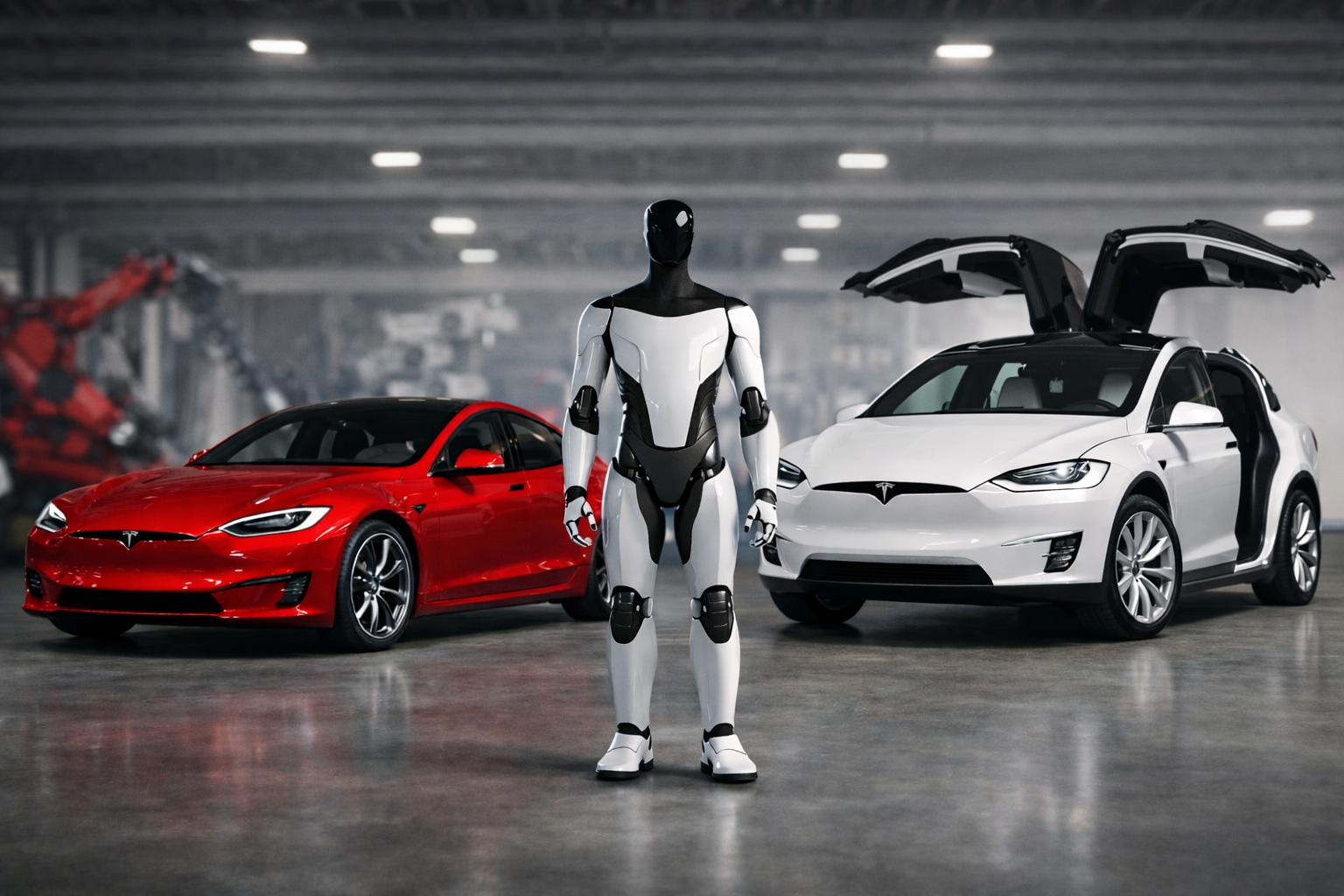
Tesla’s 2025 Production Tsunami Is Here: Cybercab, Optimus, and Sleep-in-the-Car Autonomy Arrive
The next 12 months deliver technical readiness for unsupervised autonomy, scaled robotaxi output, and the first practical humanoid assistants—milestones that reposition Tesla at the center of AI hardware and sustainable manufacturing.
Key Takeaways
Full self-driving software reaches the level where passengers can fall asleep and wake at their destination from a purely technical standpoint this year.
Cybercab production scales at Giga Texas starting April, targeting significant volumes by year-end, with European manufacturing under active consideration.
Optimus humanoid robots begin with household tasks such as childcare, dog walking, and elder support, progressing toward medical roles including surgery that surpass today’s human standards.
Five major production lines enter volume output across Tesla facilities, including 4680 battery cells at Giga Berlin plus lithium and nickel cathode refineries.
Legacy automakers face structural decline after years of minimal innovation and resistance to both electrification and autonomy.
Long-term vision includes Tesla factories on the Moon within 20 years and a future where work becomes optional, pursued for personal satisfaction rather than necessity.
Giga Berlin is positioned for massive expansion into batteries, Cybercab, Optimus, and additional products, potentially becoming Europe’s largest manufacturing complex if external conditions remain supportive.
Advice for the next generation emphasizes optimism, relentless learning through books and experimentation, and choosing roles that involve building tangible, useful things.
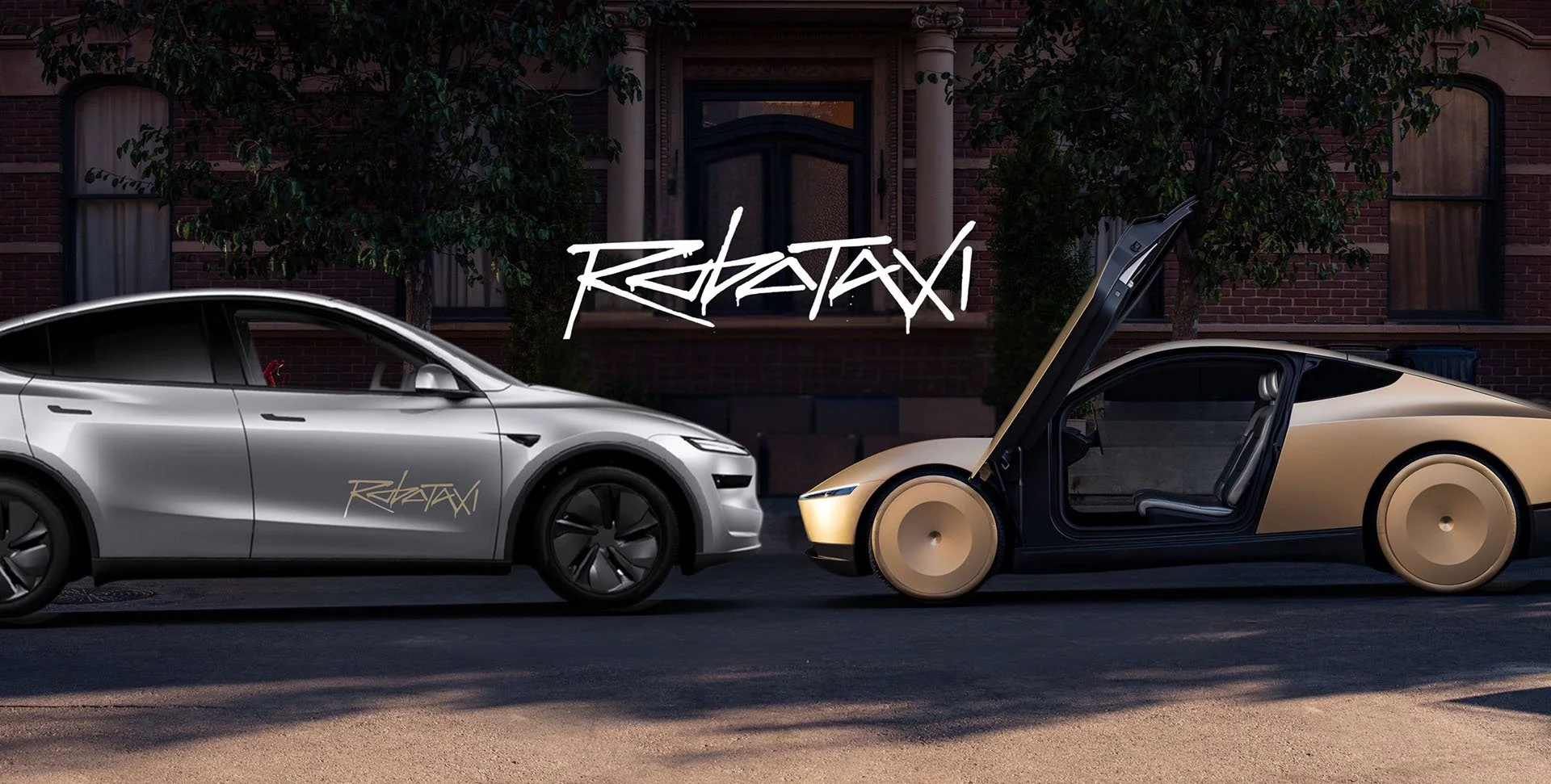
Tesla's 2026 Leap: Unlocking Robotaxis and AI Dominance
Revolutionizing Transportation and Compute in One Bold Year
Tesla's trajectory heads into overdrive as unsupervised self-driving tech nears reality, Cybercab production ramps up, and AI hardware reshapes the company's future. These shifts promise massive value unlocks for vehicles, energy, and beyond, setting the stage for explosive growth.
Key Takeaways
Unsupervised full self-driving (FSD) could multiply vehicle values by five times through higher margins and new revenue streams.
Cybercab enters volume production in April, starting slow but scaling to thousands per week, with flexible designs to navigate regulations.
AI hardware advancements pave the way for safer robotaxis, distributed computing, and pathways to bots and satellites.
Energy demand surges infinitely due to AI needs, bolstering Tesla's bottom line.
Subscription models for vehicles and software could transform ownership, blending transport, power backup, and personal AI computing.
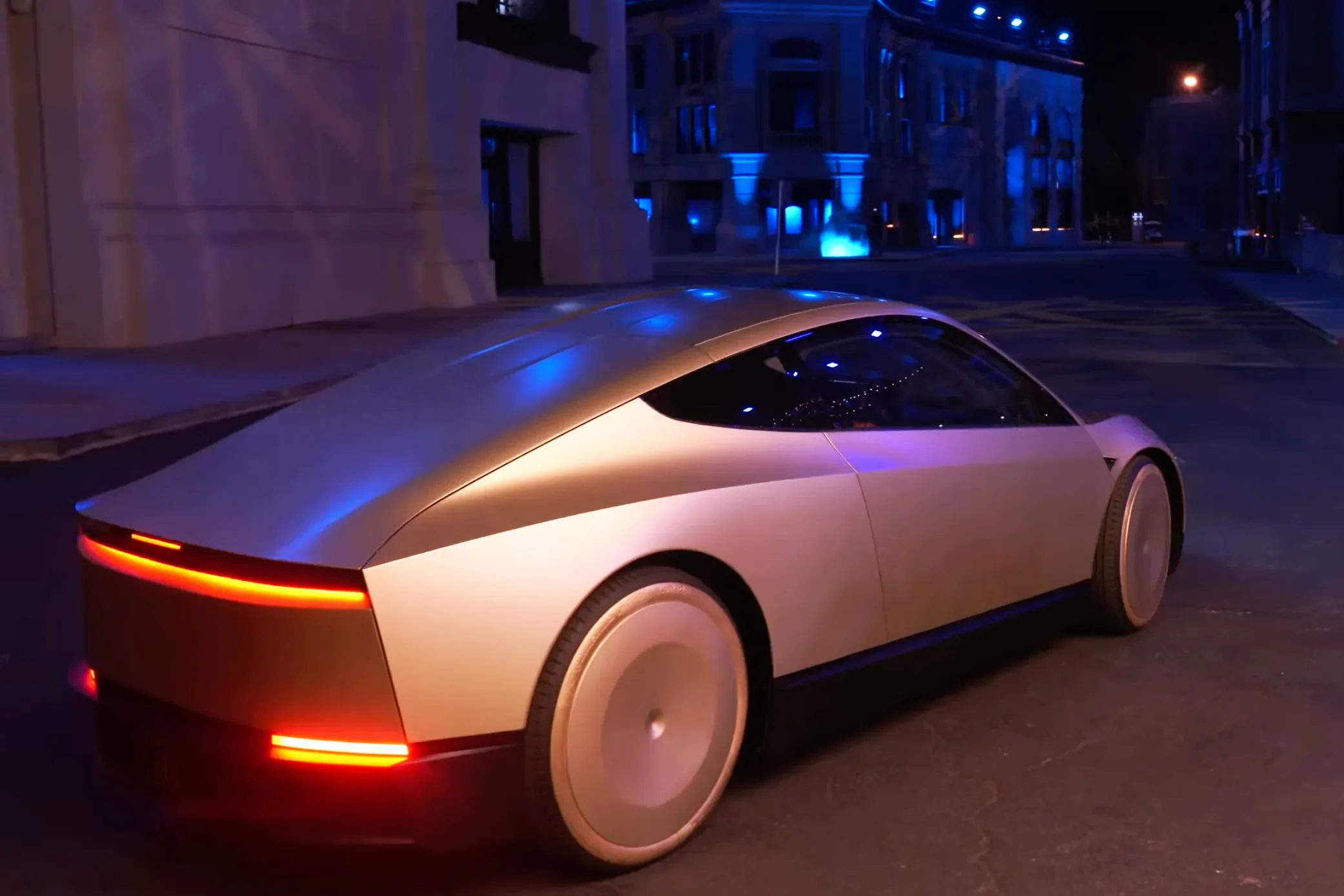
Cybercab Onslaught: Tesla's Driverless Future Accelerates
Tesla's Cybercab is ramping up toward mass production, promising cheaper rides and massive scale—but regulatory caps could force a pivot to manual controls.
The Cybercab is emerging as a game-changer in autonomous vehicles, with prototypes spotted across major cities and a production timeline set for April 2026. This two-seater, built without steering wheels or pedals, leverages a new manufacturing method to cut costs and boost output, potentially slashing per-mile expenses to half that of traditional cars. Yet, hurdles like U.S. limits on driverless vehicle production threaten to slow the rollout, possibly leading to versions with added controls for broader sales.
Key Takeaways
Cybercab prototypes are testing in cities like Chicago, Buffalo, Austin, and California, signaling readiness for an April 2026 launch.
The unboxed manufacturing process enables parallel assembly, reducing factory space and allowing for higher production volumes to meet expected demand.
Priced around $20,000 to build, the Cybercab could offer rides at 20-40 cents per mile, far below the 80 cents typical for personal vehicles.
Regulatory caps limit driverless cars to 2,500 units annually in the U.S., with efforts underway to raise it to 95,000—critical for Tesla's scale.
Steer-by-wire and brake-by-wire tech makes adding removable controls straightforward, providing a fallback if regulations lag.
Tesla's existing fleet of millions could integrate advanced autonomy, giving it an edge over rivals like Waymo in robotaxi deployment.
Full unsupervised autonomy requires billions more miles of data, likely delaying widespread driverless operations until late 2026 or beyond.
Tesla's Autonomous Leap: Robotaxis, Cybercab, and the Road to Trillion-Dollar Value
Revolutionizing Mobility with Self-Driving Tech at the Forefront
Tesla is on the cusp of major breakthroughs in autonomous vehicles, from expanding robotaxi fleets to deploying advanced software across diverse models. These developments point to lower costs for riders, flexible manufacturing, and potential partnerships that could reshape the auto industry.
Key Takeaways
Tesla aims to deploy over 1,000 robotaxis in the Bay Area and 500 in Austin by year-end, signaling a shift to unsupervised operations.
The latest full self-driving software update performs exceptionally on the Cybertruck, demonstrating adaptability to different vehicle sizes.
Robotaxi fares are already half the price of traditional rideshares, with even greater savings expected once safety monitors are removed.
A dedicated robotaxi vehicle without steering wheels or pedals is set for unveiling soon, alongside possible variants for regulated markets.
Tesla's software could be licensed to other manufacturers, accelerating the adoption of affordable self-driving cars under $30,000.
The upcoming shareholder vote is expected to approve a massive compensation plan tied to ambitious valuation goals.

Tesla's Robotaxi Revolution: Accelerating Autonomy in Austin and Beyond
Redefining Urban Mobility with Self-Driving Tech at Scale
Tesla's rapid rollout of its Robotaxi network in Austin marks a pivotal shift in autonomous transportation, blending AI-driven expansion with practical strategies to navigate regulatory landscapes. This development unlocks new ways for everyday users to experience self-driving vehicles, from city-wide coverage to affordable personal ownership models that could outpace fleet operations.
Key Takeaways
Tesla's Robotaxi network in Austin expanded from a small South Austin area to cover about 80% of the city in just four months, now including high-traffic zones like the Domain in the northwest and a large portion of east Austin.
Current challenges include long wait times due to a limited fleet of around 18-20 vehicles, far short of the 50-100 needed to service the expanded area effectively.
The network uses standard Model Y vehicles, which Tesla produces at a rate of over 1.2 million units annually, enabling quick scaling once safety data supports it.
Regulatory limits cap production of steering-wheel-free vehicles at 2,500 per year without exemptions, pushing Tesla toward models with optional steering wheels and pedals to comply with federal and state rules.
Future strategy focuses on selling low-cost autonomous vehicles (around $20,000 to build) on subscription plans of $400-600 monthly, including maintenance, insurance, and self-parking features, potentially generating more revenue than robotaxi fleets in the next 3-5 years.
Advanced AI in the latest Full Self-Driving (FSD) software allows seamless operation across diverse U.S. environments, setting the stage for unsupervised autonomy that lets vehicles handle everything from parking to service visits independently.
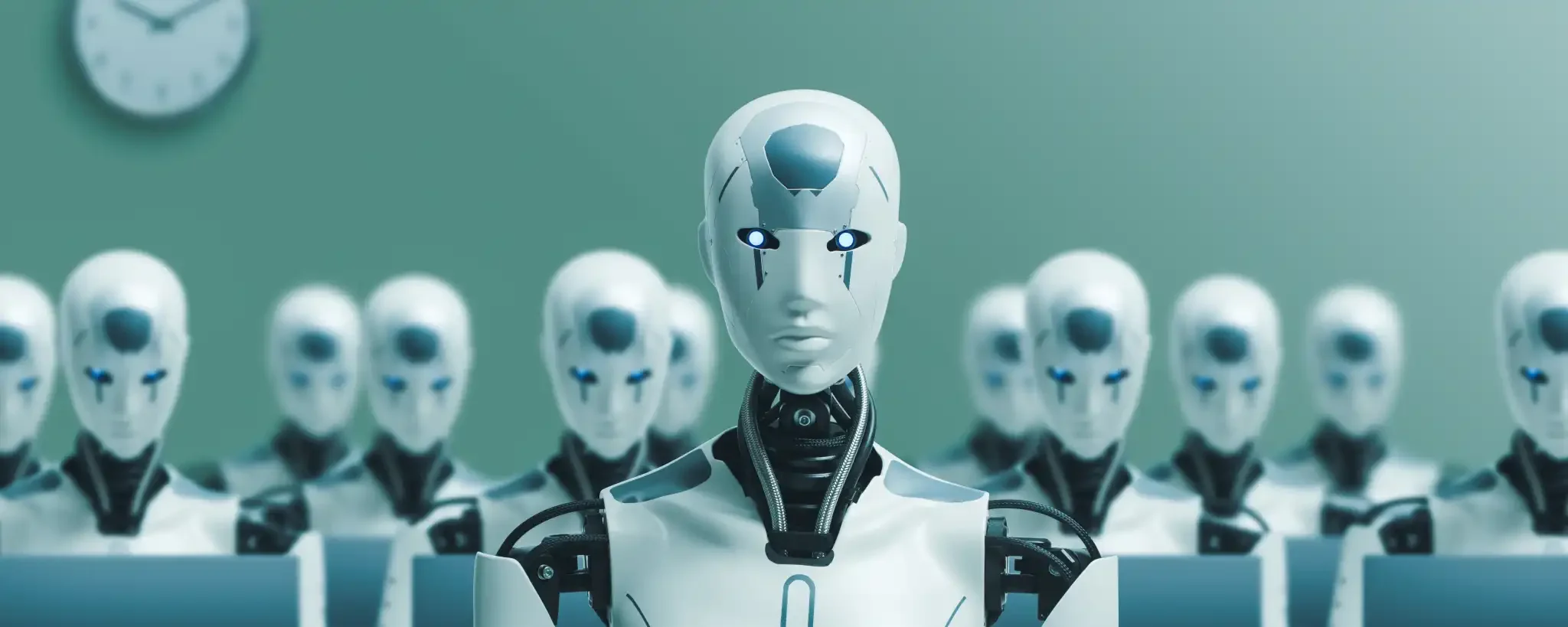
Humanoid Robots and Robotaxis: The Transportation Revolution Is Here
Why Autonomous Vehicles Are Poised to Upend Ridesharing and Redefine Mobility
The age of autonomous transportation is no longer a distant dream—it’s unfolding now, faster than most realize. Self-driving technology, led by advancements in AI and robotics, is set to transform how we move, with robotaxis at the forefront. These driverless vehicles promise cheaper, safer, and more convenient rides, threatening to disrupt traditional ridesharing giants like Uber. The implications are massive, from reshaping urban mobility to redefining vehicle ownership. Here’s what you need to know about this seismic shift.
Key Takeaways
Rapid Rollout: Supervised autonomous driving systems are expected to reach widespread use by late 2025, with unsupervised systems potentially following by mid-2026.
Robotaxi Scaling: Driverless ridesharing services are expanding in cities like Austin and could soon spread to new regions like Arizona, with safety observers likely removed within months.
Market Disruption: Robotaxis offer lower costs, greater privacy, and enhanced safety, positioning them to outcompete traditional ridesharing platforms.
Regulatory Hurdles: Insurance and liability frameworks remain critical barriers to fully unsupervised driving for personal vehicles.
Consumer Behavior Shift: Early adopters in areas like the Bay Area already prefer autonomous rides over human-driven options, signaling a broader trend.