

Cybertruck's Near-Miss Off-Road Run Shows Why Tesla's Platform Strategy Matters More Than Looks
Real-world durability tests, modular interiors, DC energy rethinking, and agent orchestration are quietly defining the next wave of useful hardware.
A recent off-road outing in rugged Hill Country terrain put the Cybertruck through conditions most owners will never encounter. The truck handled narrow, rocky ATV trails and sudden drops when its systems were engaged properly, but the episode also showed how quickly capability turns risky without clear route judgment. That same platform thinking now points toward a three-row SUV variant that could solve family hauling needs while keeping the core advantages of shared production and component architecture. At the same time, the push to cut power conversion losses in homes and data centers is gaining practical momentum through integrated solar, storage, and local compute. AI tooling is shifting from single clever models to orchestrated systems with real safeguards. And autonomous van platforms are opening the door to living arrangements that treat mobility as a core feature rather than an afterthought. These threads matter because they focus on integration, efficiency, and adaptability rather than isolated specs.
Key Takeaways
The Cybertruck proved its hardware margin in demanding terrain when using maximum suspension and recovery modes, but the incident reinforced that operator decisions remain the primary variable in extreme use.
Tesla is positioned to launch a three-row SUV on the existing Cybertruck line, likely with configurable seating on tracks, higher interior volume, and shared 48-volt and networking architecture for fast reconfiguration between passenger and cargo layouts.
Native DC power chains in homes and data centers with on-site generation can recover substantial energy currently lost to repeated AC conversions, enabling tighter integration of batteries, HVAC, and local AI hardware.
Effective AI agent systems now emphasize hierarchical permissions, auditability, and task reliability over raw model power, with local frameworks showing clear differences in sustained execution performance.
Autonomous high-roof platforms that double as living spaces reduce the friction of relocation and create climate-resilient, scalable housing options that align with human patterns of mobility seen throughout history.
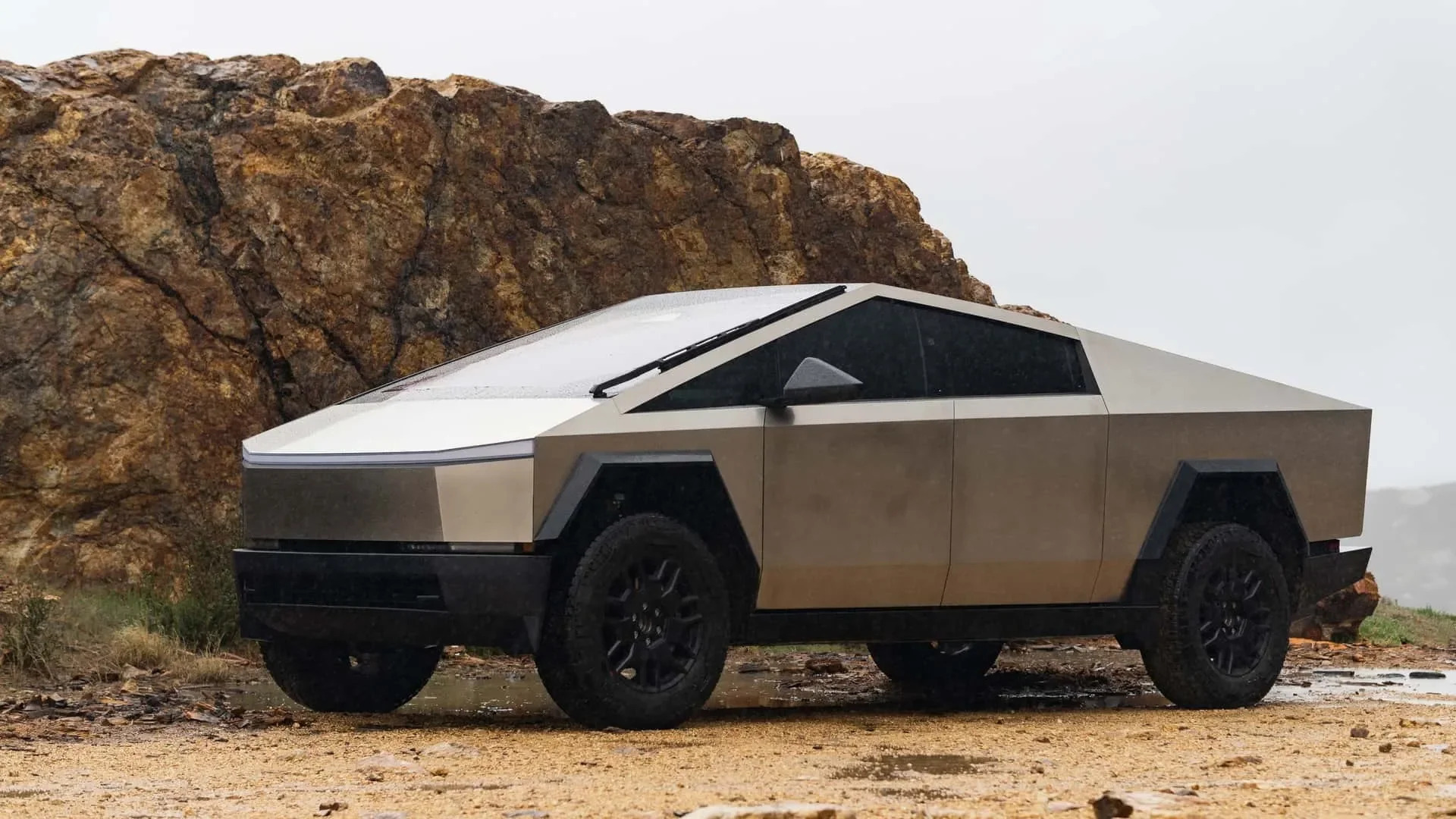
Cybertruck Tackles Austin's Urban Jungle
Navigating Traffic Mayhem and Tech Hurdles in Tesla's Electric Powerhouse
Austin's roads throw everything at drivers—construction zones, hefty tolls, and unpredictable obstacles. Yet, Tesla's Cybertruck slices through it all, showcasing how advanced electric vehicles handle real-world demands without breaking a sweat.
Key Takeaways
Cybertruck manages complex traffic scenarios like blocked roads and uphill climbs independently, reducing driver stress in dense urban areas.
Austin's toll system hits hard with charges around $1.50 for short stretches, reflecting high demand on metro infrastructure.
Navigation systems sometimes lag behind rapid road updates, leading to minor detours in construction-heavy zones.
The vehicle excels in spotting poor driving from others and parking efficiently, even in crowded spots.
Overall, zero-intervention drives highlight the reliability of Tesla's tech in everyday chaos.
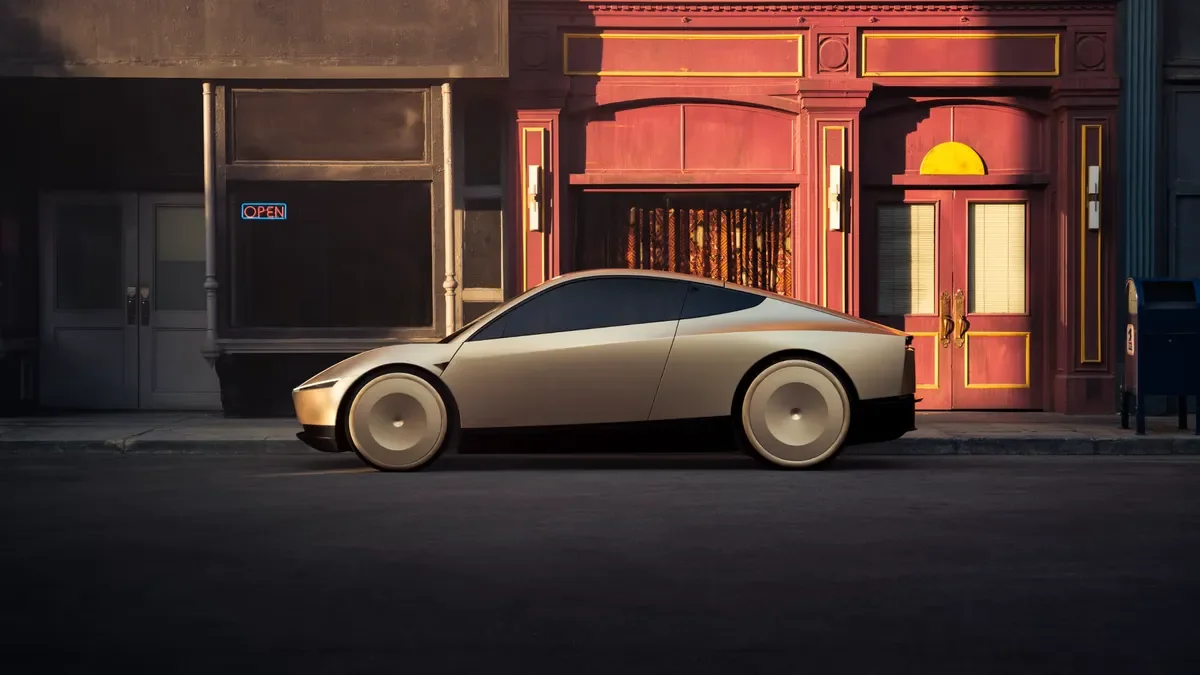
Tesla's Robotaxi Edge: Scaling Autonomy to Every Corner
Why Small Cities and Global Streets Are Tesla's Next Frontier
Tesla is pushing boundaries with Robotaxi trials in unlikely spots like Harrisburg, Pennsylvania, while Cybertrucks equipped with the latest Full Self-Driving software handle urban drives in Europe. These moves highlight a scalable approach to autonomy that could reshape transportation economics worldwide, outpacing rivals limited by hardware and mapping constraints.
Key Takeaways
Tesla's Robotaxi network is expanding into smaller markets like Harrisburg, leveraging massive vehicle production to enter areas competitors ignore.
Full Self-Driving version 14 enables vehicles like the Cybertruck to navigate diverse environments, from U.S. suburbs to European cities, without specialized sensors or pre-mapped routes.
Unlike companies relying on lidar and high-definition maps, Tesla uses camera-based AI trained on billions of miles of real-world data for broader, faster deployment.
This technology promises to lower transportation costs below 50 cents per mile, boosting local economies in underserved regions by reducing friction for travel and commerce.
Global scalability means Tesla can upgrade millions of existing vehicles via software, creating a ride-hailing fleet that transforms affordability and accessibility everywhere.
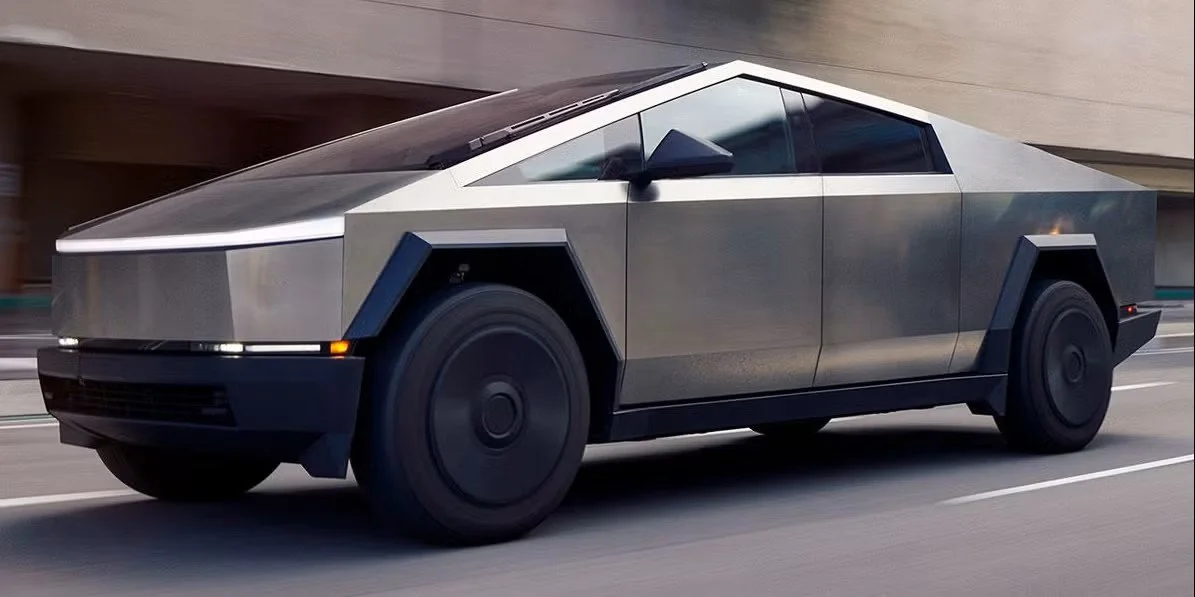
Cybertruck's Self-Driving Breakthrough: FSD v14.1.7 Takes on Austin Rush Hour
Pushing Autonomy to New Heights in Real-World Chaos
Tesla's latest Full Self-Driving update demonstrates remarkable progress in handling urban and highway scenarios, blending speed with safety in ways that rival human drivers.
Key Takeaways
FSD v14.1.7 maintains smooth, natural acceleration and braking, adapting seamlessly to traffic flow without abrupt movements.
The system excels in lane management, preferring middle lanes for cruising and shifting left only for passing, avoiding common pitfalls like left-lane camping.
Pedestrian detection and courtesy stand out, with the vehicle yielding appropriately at crosswalks and four-way stops, even in busy pedestrian areas.
Highway performance handles construction zones, merges, and speed variations up to 85 mph cap effectively, though minor hesitations occur in complex merges.
Parking garage navigation needs refinement, as the system sometimes fails to enter designated areas, but overall urban maneuvering in crowded spots shows strong politeness and caution.
Mad Max mode delivers assertive yet controlled driving, prioritizing empathy and safety over aggressive tactics.
School zones and low-speed areas trigger cautious speed adjustments, potentially geofenced for added safety around sensitive locations.
The update marks a pivotal step toward unsupervised autonomy, with potential for widespread deployment removing the need for constant driver attention by mid-2026.
Tesla's Full Self-Driving (FSD) system in version 14.1.7 represents a significant leap in autonomous vehicle technology, particularly when tested in a Cybertruck during Austin's demanding rush hour. This update showcases how AI-driven driving can integrate into everyday traffic, from highways to pedestrian-heavy domains, with a focus on reliability and user comfort. The performance highlights advancements in real-time decision-making, making self-driving tech feel increasingly viable for mass adoption.
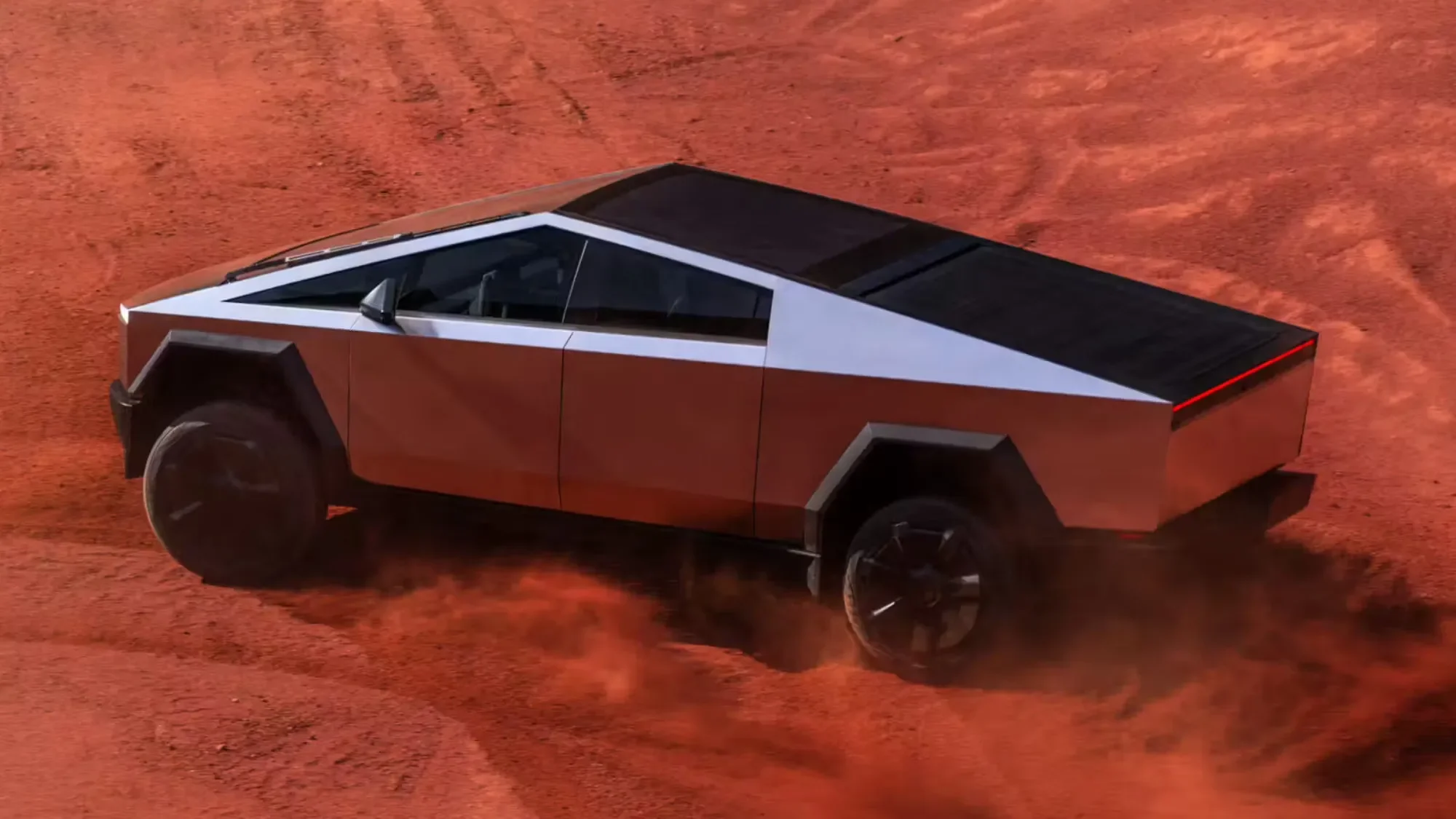
Tesla's Cybertruck Hits Peak Autonomy with FSD v14.1.7
Revolutionizing Roads: From Parking Lots to Profit Machines
Tesla's latest Full Self-Driving update delivers seamless, assertive navigation in real-world conditions, unlocking massive potential for robotaxis and transforming vehicle utility from idle assets to round-the-clock earners.
Key Takeaways
FSD v14.1.7 enables hands-off driving in the Cybertruck, handling everything from parking lot exits to highway merges with minimal intervention.
Mad Max mode prioritizes speed and efficiency, selecting optimal lanes and exceeding speed limits to minimize travel time.
Hardware 4 vehicles like the Cybertruck are poised for unsupervised autonomy soon, eliminating the need for driver attention.
Self-driving tech could multiply vehicle utility by 5x or more, turning personal cars into revenue-generating units.
Robotaxis promise profits of up to $2 per mile, driven by low operating costs around 50 cents per mile without human drivers.
Tesla's production scale gives it a massive edge over competitors like Waymo, which struggles with supply chain dependencies and complex sensor suites.
Widespread adoption may drive down ride costs below $1 per mile long-term, reshaping urban travel and reducing reliance on short-haul flights.