
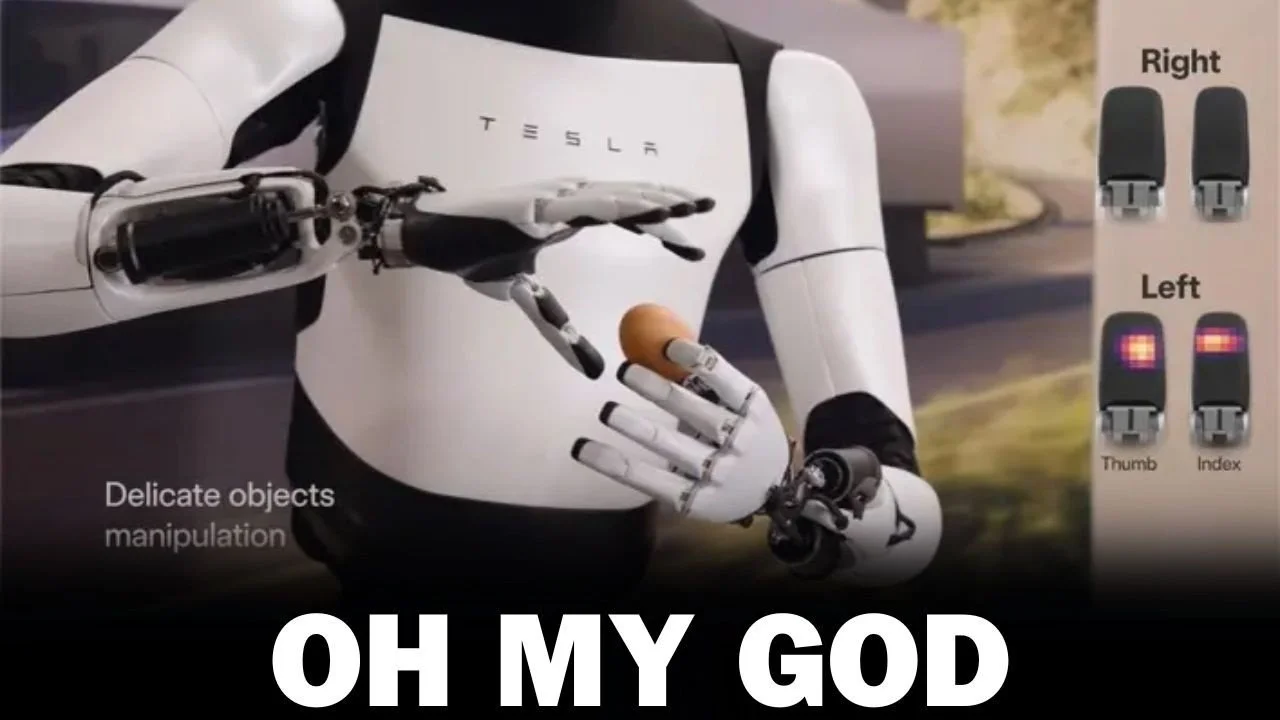
SpaceX Bets Its IPO Future on AI-1, a 70-Meter Orbital Supercomputer
A 747-wide, chip-agnostic compute satellite targeting 150 kilowatts in orbit sits at the center of the roughly $85 billion float, and the economics only close if Starship drives launch costs toward $200 per kilogram.
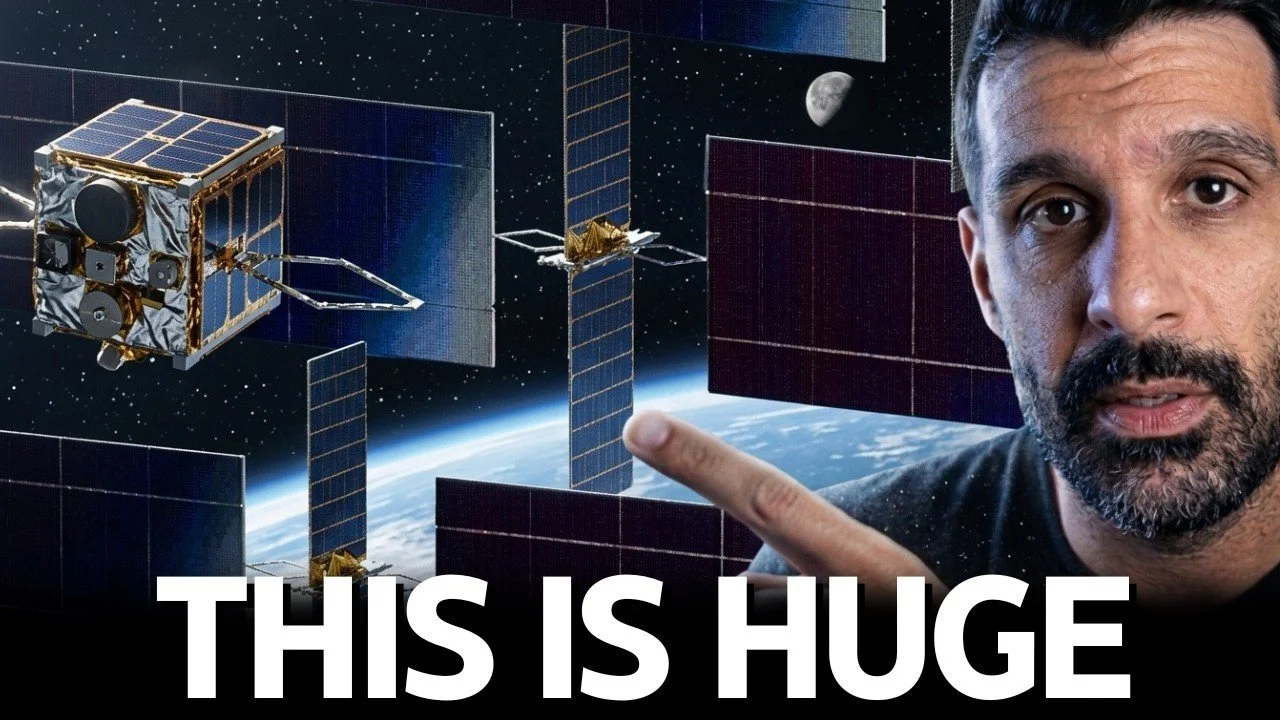
SpaceX Bets Public Markets on AI-1 Orbital Compute
A 70-meter AI satellite, an $85 billion IPO, and a thermal math problem that decides whether space compute ever undercuts Earth.

Nvidia's 800-Volt Pivot and the ASIC Land Grab Redraw the Data Center Map
As hyperscale equipment prices quadruple in eight months, the industry is racing toward 800-volt racks, model-specific silicon, and a co-designed home inference box that fuses compute, power, and connectivity into one appliance.

Virginia's Data Center Alley Hits a Political Wall as the AI Buildout Outgrows the Grid
The nation’s densest cluster of compute is now cycling backup generators as primary power and colliding with a new governor’s moratorium, exposing how permitting fights over nuclear and battery storage are throttling the AI boom’s real bottleneck: electricity.

SpaceX Debuts Public With 4% Float as Retail Gets Slivers and Starlink Storms Mainstream Ads
A thin tradable float, staggered lockup releases starting in August, and a sudden Starlink advertising blitz across the NBA Finals, UFC, and T-Mobile push notifications reframe SpaceX as a multi-revenue ecosystem the moment it hits the open market.
Starlink Crosses 10 Million Users as SpaceX Builds Toward Orbital AI Compute
SpaceX’s connectivity arm doubled its subscriber base to 10.3 million in a year while standing up a gigawatt-scale supercomputer and mapping a path to solar-powered AI data centers in space.
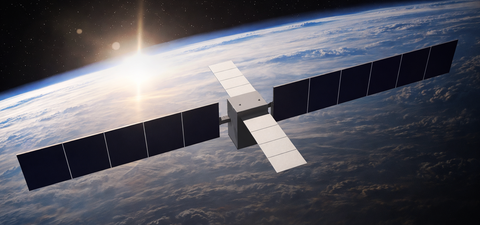
The Orbital AI Revolution: Why a Million Satellites Will Soon Power Every Major AI Model
Earth’s power grids are hitting a hard wall just as AI demand explodes. The solution? Move the data centers to space—where solar energy never stops and cooling is free.
The AI boom is real, but the infrastructure to run it is not. Tech giants have already committed three-quarters of a trillion dollars to data centers for 2026 alone, yet electricity shortages are forcing delays, cancellations, and even regulatory caps in key markets. At the same time, a handful of companies have quietly proven that full AI models can run on actual data-center chips in orbit. The economics, physics, and full-stack control now align to make orbital compute not just possible—but inevitable.
Key Takeaways
Global AI spending hits a record $1 trillion in 2026, but electricity—not money—is the real bottleneck, with major hubs like Northern Virginia maxed out until 2028 and countries like Singapore limiting new builds.
A single NVIDIA H100 chip has already run complete large language models in orbit 325 km above Earth, transmitting results back to the ground in real time.
Orbital solar power delivers roughly five times the efficiency of ground systems thanks to constant sunlight and no atmosphere, while deep-space radiative cooling at near-absolute zero eliminates the billions of gallons of water and massive energy overhead required on Earth.
Launch costs are collapsing: Starship targets under $200 per kilogram (and eventually $20), turning maintenance, redundancy, and refresh cycles from impossible to routine.
One company controls the entire vertical stack—reusable rockets, custom space-optimized chips, ground superclusters, and the world’s largest satellite constellation—positioning it to deploy the first million-satellite orbital data-center network.
Major cloud providers and rocket competitors are accelerating their own orbital plans, creating a high-stakes race that will define the next decade of compute infrastructure.
A pending IPO includes explicit performance milestones tied to 100 terawatts of space-based compute capacity—the power equivalent of 85 billion average U.S. homes.

The Infrastructure Play That Could Decide AI's Next Decade
How record deployment speeds, orbital power constraints, and runaway token demand are forcing a complete rethink of who can actually deliver abundant intelligence at scale.
The real bottlenecks in advanced AI have shifted from model architecture to physical execution. Legal maneuvers around major labs have exposed governance friction without resolving underlying questions about long-term stewardship. At the same time, the ability to stand up massive compute clusters in months rather than years, combined with the hard physics of powering AI workloads off-planet, is creating asymmetric advantages for players who control both the chips and the energy layer. Most overlooked: even steep gains in efficiency will not flatten demand. New applications in video synthesis, persistent agents, and physical robotics multiply token consumption faster than optimization curves can contain it. The organizations that solve the manufacturing, power, and orbital constraints first will set the cost floor for intelligence for years to come.
Key Takeaways
Legal resolutions on procedural grounds in AI governance cases can inflict lasting reputational damage while leaving core structural issues unaddressed, increasing the likelihood of internal leadership changes at scaled labs rather than wholesale unwinds of their corporate form.
Model performance has split along task lines, with some systems delivering superior cost-performance on coding workloads and others advancing faster on general capabilities, accelerated by targeted talent inflows and selective early access programs.
First-principles manufacturing discipline and direct production-line leverage have compressed large-scale GPU cluster deployment to roughly four months, enabling potential cost leadership when paired with integrated renewable generation.
AI satellites operating in higher orbits face rapid solar panel degradation from elevated radiation, requiring specialized space-grade photovoltaics whose global production remains limited to a few megawatts per year and concentrated supply chains.
Token demand follows Jevons paradox dynamics: efficiency improvements from distillation and specialized models unlock entirely new use cases in generative media, autonomous agents, and robotics that drive net consumption sharply higher.
Electricity prices in key technology corridors have risen 200 percent or more in recent years, underscoring the need for co-located generation, deregulation of new capacity, and expanded domestic solar manufacturing to prevent cost curves from throttling AI deployment.
National leadership selection patterns that favor engineering execution correlate with faster delivery of complex infrastructure projects, creating competitive edges in the physical layer of intelligence.
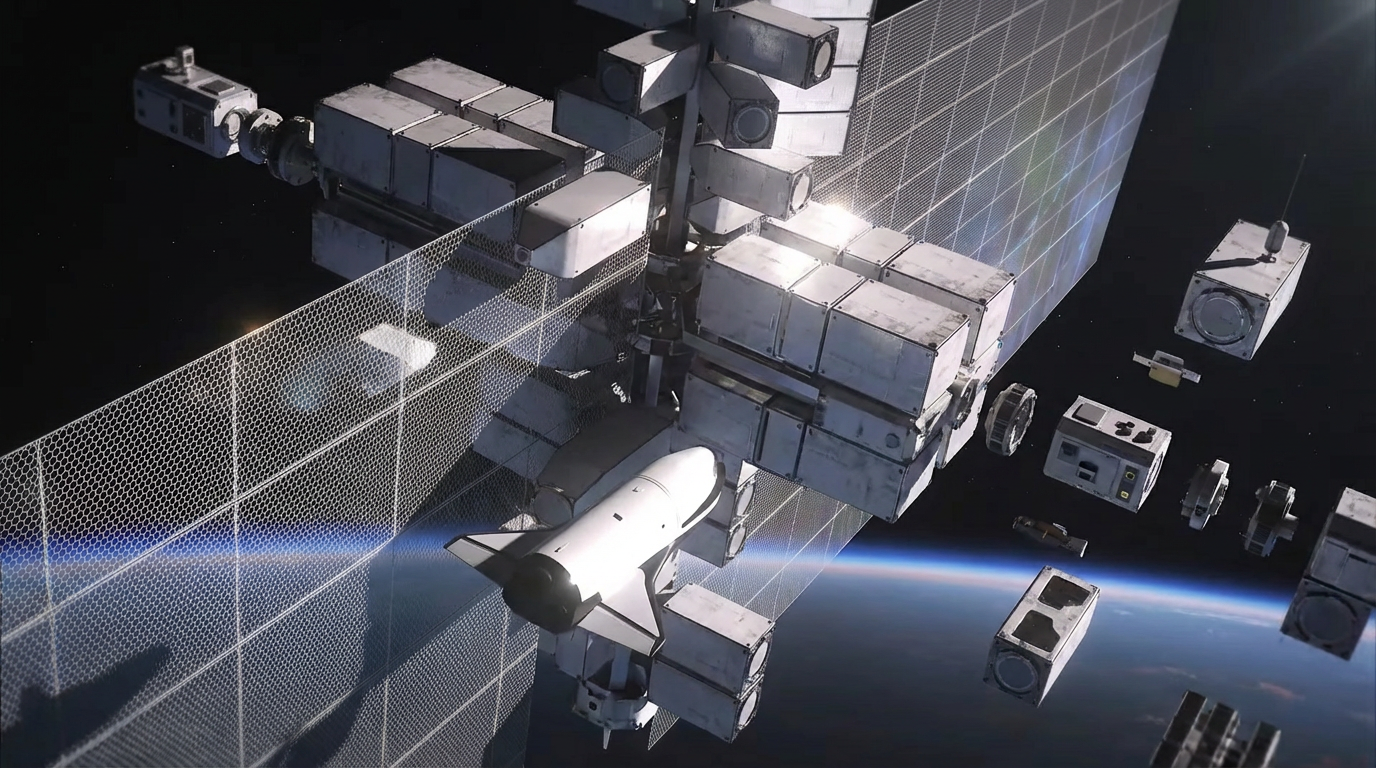
AI Heads to Orbit: Building Data Centers Beyond Earth's Limits
Why space could become the new home for AI's insatiable hunger for power and cooling, unlocking exponential growth in inference and beyond.
Space-based computing is emerging as a game-changer for AI's expansion. With earthly data centers hitting walls on energy availability and water for cooling, shifting operations to orbit taps into unlimited solar power and natural vacuum cooling. This approach not only sidesteps terrestrial bottlenecks but also paves the way for massive scaling in AI inference, where demand is skyrocketing as models become everyday tools.
Key Takeaways
Space offers unlimited, low-cost solar energy without the need for batteries or land permits, producing eight times more power per solar panel than on Earth.
Cooling in space relies on radiating heat into the void, eliminating the massive water consumption that plagues ground-based data centers.
Initial focus will be on AI inference tasks, like generating images or running chatbots, which can operate on isolated nodes rather than massive interconnected clusters needed for training.
Over the next decade, inference compute could dominate AI energy use, potentially doubling every six to twelve months, far outpacing training demands.
Challenges like radiation hardening and deployable radiators are being solved through innovative engineering, making space viable for high-power chips.
Launch costs are plummeting with reusable rockets, enabling terawatts of orbital compute capacity without the constraints of Earth's grid or politics.
By 2035, space might host a small but growing share of new data centers, with full-scale adoption potentially reaching meaningful levels by 2050.
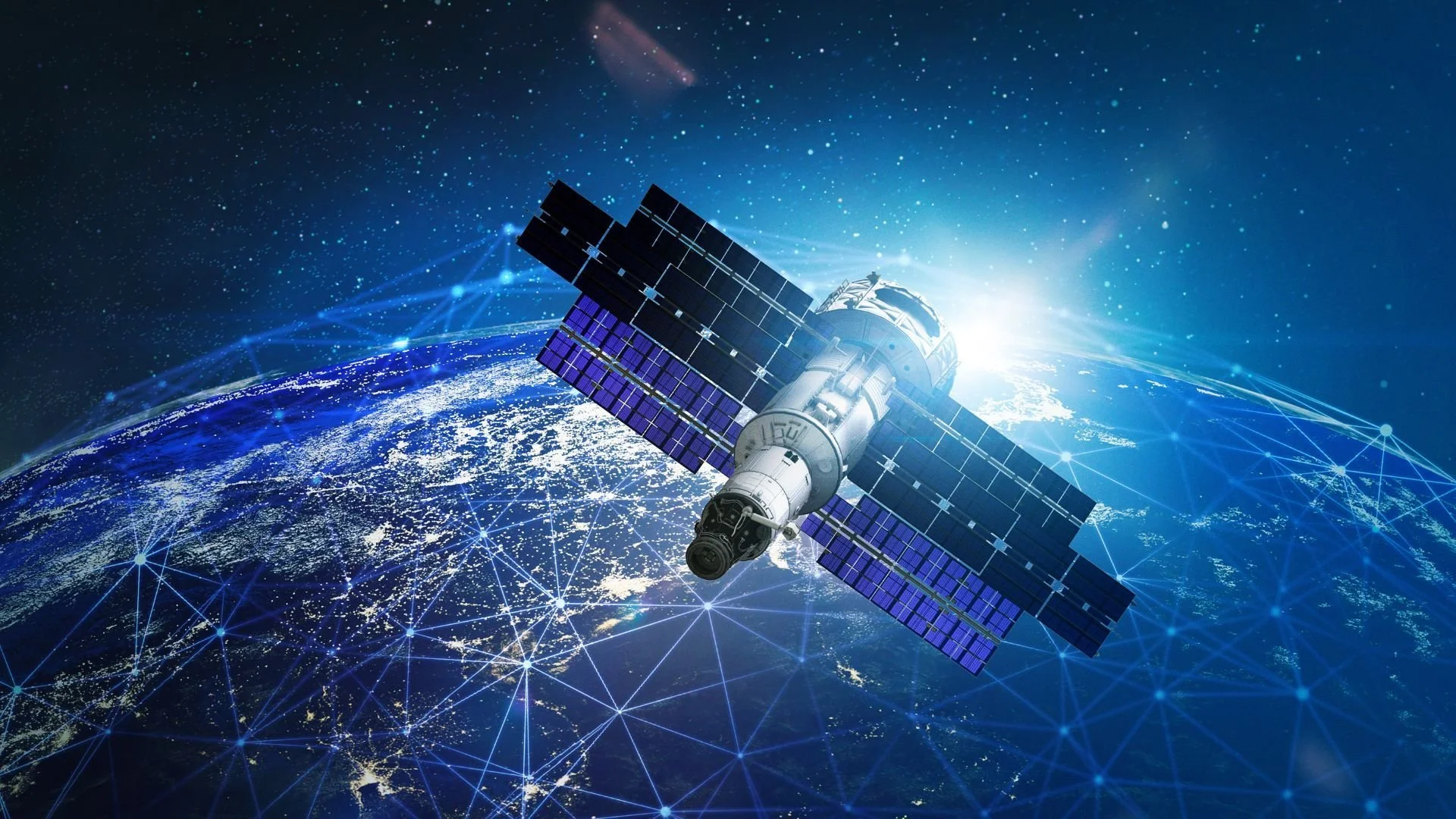
Orbiting AI: Revolutionizing Compute from Space
Why Space Could Power the AI Boom and Beyond
Advancements in launch tech are making orbital data centers a reality, promising near-unlimited solar energy for AI training and inference. This could cut electricity costs by up to 90% compared to ground-based systems, while global rollouts of autonomous tech accelerate mobility worldwide. Yet, these shifts demand new economic models to handle falling costs and rising disruptions in energy and jobs.
Key Takeaways
Space-based AI clusters leverage constant sunlight, reducing reliance on batteries and slashing operational costs for compute-intensive tasks.
Launch vehicles like Starship enable massive payloads to sun-synchronous orbits, though challenges in sites and reusability persist.
Autonomous ride-hailing apps are expanding to over a dozen countries, signaling faster adoption in regions with flexible regulations.
Energy could emerge as a universal value measure, with kilowatt-hours trading like currency to fuel AI and electric ecosystems.
Reversing inflation through tech abundance in essentials like food and housing could redistribute wealth, but requires proactive adaptation.
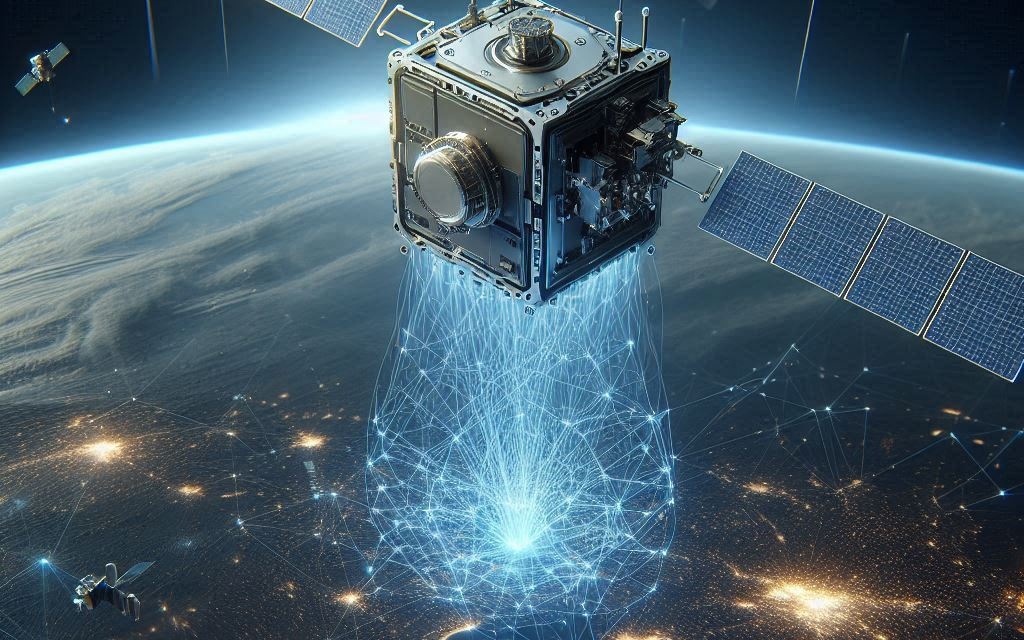
AI Revolution: From Earthbound Factories to Space-Powered Compute
Unlocking abundance through robotics, generative intelligence, and orbital supercomputers
The push toward advanced AI and robotics is accelerating, promising transformations in productivity, energy use, and even the fabric of daily life. Recent developments highlight how these technologies could make work optional, eradicate scarcity, and extend computing power beyond planetary limits, all while fostering new industries and global partnerships.
Key Takeaways
Humanoid robots stand poised to become the largest product category ever, surpassing cell phones by enabling widespread personal and industrial assistance.
AI factories represent a shift from retrieval-based to generative computing, requiring dedicated infrastructure to produce real-time, context-aware content worldwide.
Work may become optional within the next decade or two, akin to hobbies like gardening, as AI handles mundane tasks and boosts overall productivity.
Major collaborations are underway to build massive AI data centers, starting with 500-megawatt facilities, involving key players in tech and energy.
AI in space emerges as the ultimate solution for scalable computing, leveraging solar power and radiative cooling to achieve terawatt-level operations impossible on Earth.
Technological trends consistently create net positives for humanity, shifting workforces to higher-value pursuits like advanced diagnostics in medicine.
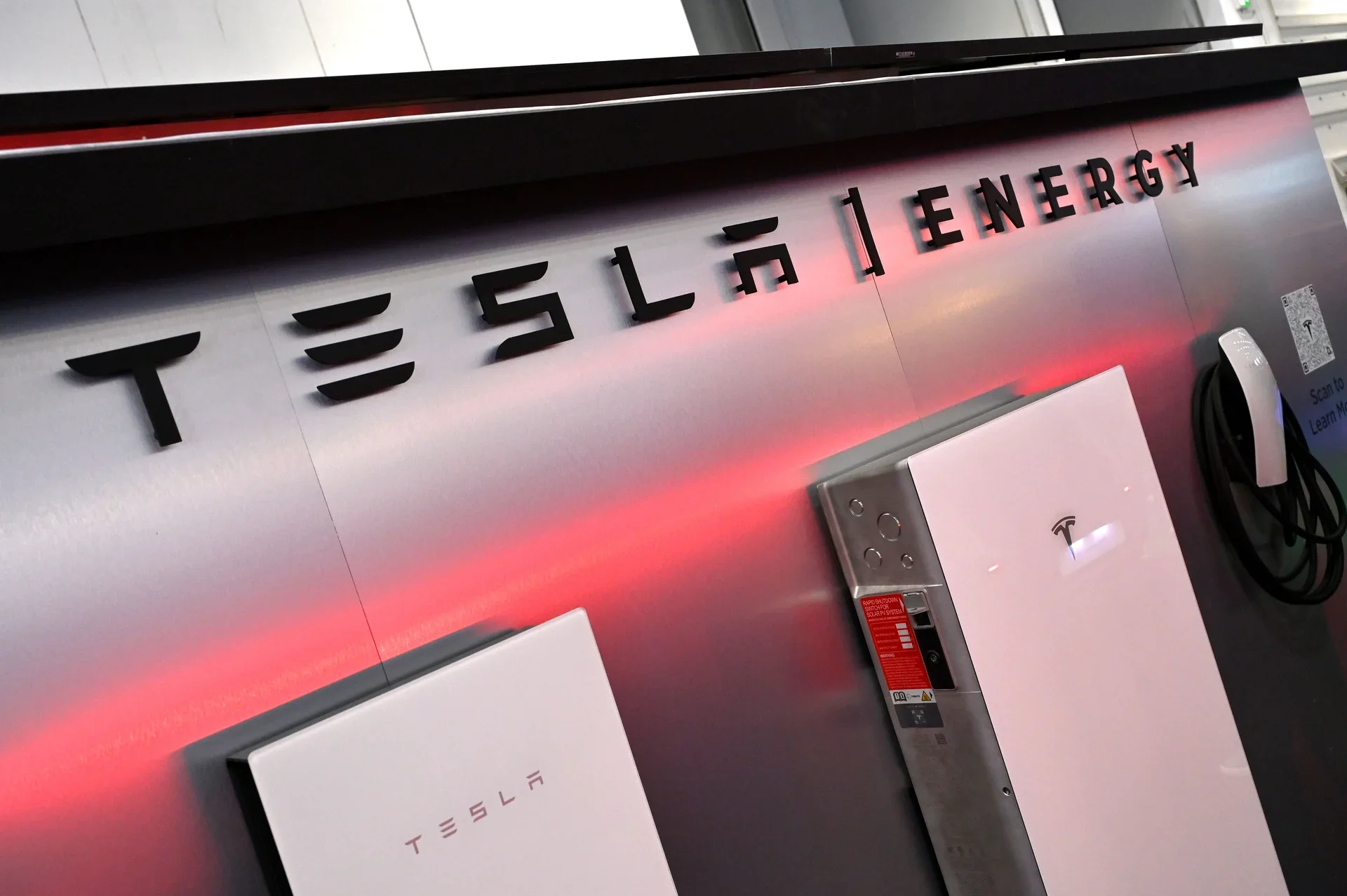
Tesla’s Energy Revolution: Mega Block and the AI-Powered Future
Why Tesla’s latest energy innovations are poised to reshape AI and global power grids.
The energy demands of artificial intelligence (AI) are skyrocketing, and Tesla is positioning itself at the forefront of this transformation with its upgraded Megapack and new Mega Block system. These advancements are not just incremental improvements—they’re strategic moves to address the massive energy needs of AI data centers and the broader shift toward decentralized, renewable-powered grids. Here’s why tech enthusiasts and investors should pay attention.
Key Takeaways
Tesla’s Mega Block enhances scalability: The new system integrates transformers and switchgear, reducing on-site assembly and boosting energy density by 20%, from 3.9 to 5 megawatt hours per unit.
AI is driving unprecedented energy demand: Data centers are scaling to gigawatt levels, with projections of 20–30 gigawatt facilities by 2030, creating a bottleneck in energy generation and storage.
Battery storage is critical for AI: Megapacks stabilize the erratic load profiles of AI data centers, protecting grids from sudden power swings and enabling off-grid solutions.
Decentralized energy is the future: Off-grid data centers using DC power from solar and batteries could bypass traditional grid bottlenecks, with Tesla leading the charge.
Transformers are a key bottleneck: Multi-year lead times for high-quality transformers make Tesla’s potential move to manufacture them a game-changer for rapid deployment.
Tesla's Battery Revolution
AI data centers demand instant power shifts that grids can't handle—batteries step in to smooth the ride and unlock massive efficiency gains.
AI computing has exploded, but its hidden cost is massive power volatility that threatens grid stability. Short-duration batteries address this by absorbing surges and optimizing energy flow, turning a technical headache into a profitable edge. In flexible markets like Texas, these systems are proving their worth, potentially creating a trillion-dollar industry as AI scales up.
Key Takeaways
AI data centers create rapid power fluctuations from synchronized GPUs, stressing traditional grids with megawatt-scale spikes multiple times per second.
Short-duration batteries (2-4 hours) excel at managing these brief surges, offering better efficiency than long-duration options or wasteful GPU idling.
Battery systems can pay for themselves through energy savings by reducing peak power needs and optimizing usage.
Flexible power markets, like those in Texas, accelerate AI infrastructure growth by enabling quick adaptations and cost-effective solutions.
As AI expands, energy storage emerges as essential infrastructure, bridging current grid limits with future computing demands.