

Tesla's Autonomy Revolution: Redefining Transportation, Insurance, and Beyond
Reshaping Mobility in an Autonomous World
Tesla's push into full autonomy isn't just about cars—it's set to overhaul how we move, insure vehicles, and even access healthcare, while navigating global economic shifts.
Key Takeaways
Tesla's vehicle lineup may expand with variants like mid-size pickups or vans on existing platforms, but autonomy could shrink the personal car market to niche segments.
Regional travel faces massive disruption as autonomous rides offer door-to-door convenience at lower costs than flights, bypassing airports and security hassles.
Insurance models will evolve to reward high FSD usage, potentially slashing premiums for autonomous drivers and pressuring legacy providers to adapt.
Healthcare could see AI and robots streamline services, from virtual diagnostics to mobile clinics, cutting costs tied to chronic diseases and inefficient systems.
China's aggressive EV and robotics strategies highlight global tensions, with demographic challenges and regulatory hurdles potentially limiting their long-term dominance.
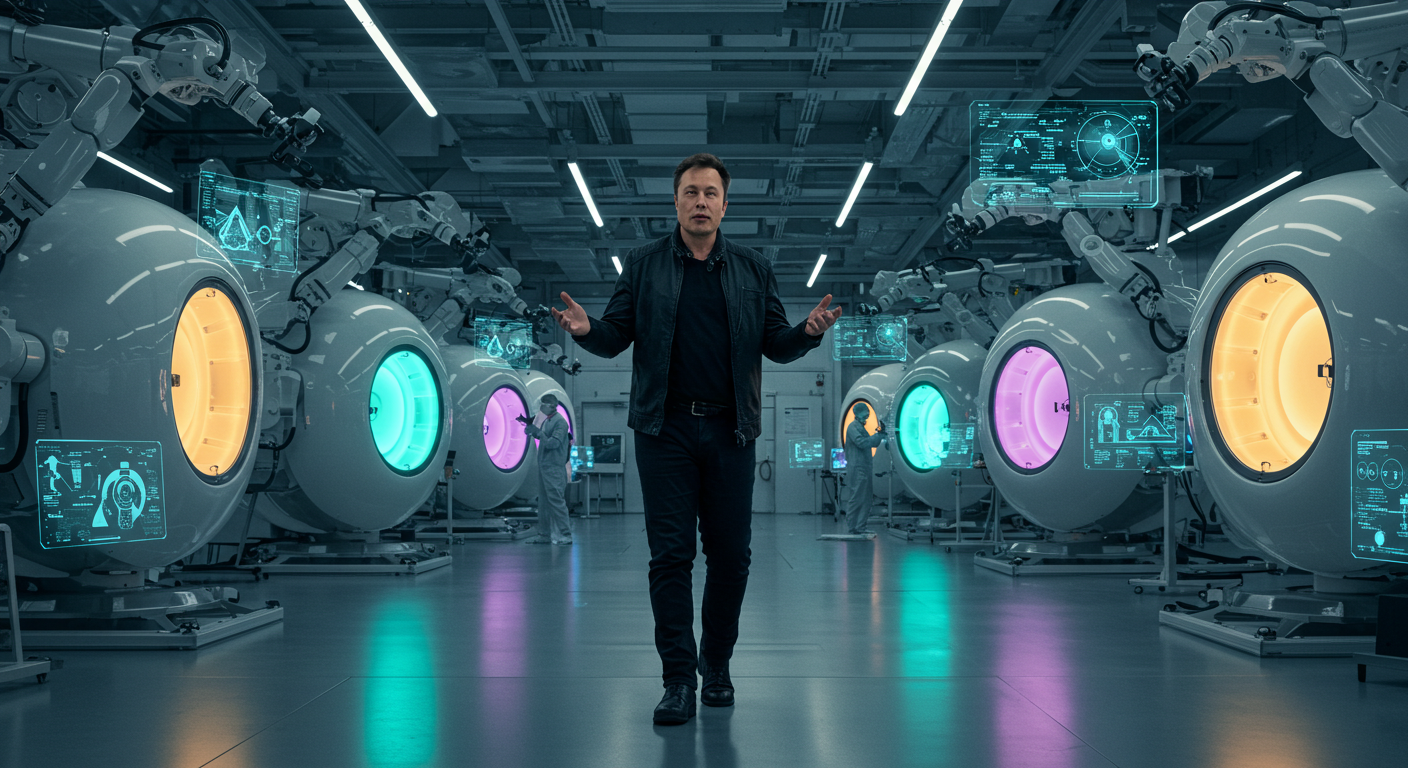
Tesla's AI Edge: Pioneering Autonomy in a World Not Ready
Revolutionizing Transport and Labor with Self-Driving Tech and Humanoid Bots
Tesla stands on the brink of transforming daily life through advanced AI systems in vehicles and robots, outpacing current laws and sparking both innovation and societal shifts. This newsletter explores how these technologies promise safer roads, affordable mobility, and efficient labor—but only if handled with care to benefit everyone.
Key Takeaways
Tesla's self-driving software is advancing to allow drivers to disengage completely, reducing accidents through constant vigilance and 360-degree awareness.
Humanoid robots aim for mass production, starting at a million units annually, with costs dropping to enable tasks from factory work to home chores at under $3 per hour.
These innovations could slash transportation costs to below 30 cents per mile, making private, door-to-door rides as affordable as public transit.
Job displacement looms large for drivers, warehouse workers, and manual laborers, as robots handle tasks without rest or rights.
Regulations lag behind tech capabilities, creating friction, but widespread adoption could revitalize communities by lowering costs and improving access.
Success hinges on ensuring these tools uplift underserved areas, preventing backlash and fostering broad economic gains.

The Robot Revolution Accelerates: Tesla's Edge in an AI-Powered Future
Why Humanoids and Autonomous Tech Could Redefine Society by 2030
Tesla's advancements in AI-driven robotics and self-driving systems are setting the stage for massive economic shifts, with humanoid bots poised to transform factories, homes, and entire industries—potentially unlocking trillions in value while sparking unprecedented disruptions.
Key Takeaways
Tesla's stock could surge to new highs following key approvals, driven by optimism around AI robotics and energy growth, despite short-term earnings challenges.
Humanoid robots like Optimus are advancing faster than expected, with production lines gearing up for factory use by early 2026, signaling practical deployment sooner than skeptics anticipate.
Robotaxis networks are expanding rapidly in select cities, with fleets scaling to hundreds of vehicles by year-end, offering cheaper, safer rides that could outpace traditional services.
AI adoption is growing at triple the rate of the internet, with 10% of the global population already using advanced tools weekly, but businesses struggle to implement it effectively.
The transition to an AI economy will involve significant workforce disruptions, potentially requiring universal basic income to manage upheaval, while creating opportunities for new AI-native ventures.
Humanoid bots will likely enter workplaces before homes due to safety and complexity issues, starting with repetitive tasks in controlled environments.
Nvidia's dominance in chips underscores an ongoing AI arms race, with massive investments in data centers fueling growth, even as profitability lags for many players.
Future cities may split between tech-embracing hubs with robot-integrated services and those resisting automation, leading to uneven societal adoption.
AI could lower barriers to human interaction by making transportation and daily tasks frictionless, fostering more social connections in an abundant era.
The path to sustainable abundance involves balancing rapid innovation with equitable access, as new tools enable entrepreneurial reinvention in fields like farming and services.

Tesla's Robot Revolution: Unlocking Trillion-Dollar Potential in Humanoids and Beyond
Why Tesla's bets on AI-driven robots could redefine global industries—and how investors are missing the bigger picture.
Tesla stands at the forefront of transformative technologies, from humanoid robots poised to reshape labor markets to autonomous ride-sharing networks that could dominate urban mobility. These innovations aren't just incremental improvements; they're gateways to massive economic shifts, drawing on lessons from past disruptors like Nvidia and Amazon. For tech enthusiasts, understanding the underlying models and market dynamics reveals opportunities that traditional finance often overlooks.
Key Takeaways
Humanoid robots represent Tesla's most explosive growth driver, with potential unit economics suggesting profits per bot that could scale into trillions as production ramps up.
Robotaxis follow closely, offering a high-margin service model that leverages autonomous tech to disrupt transportation on a global scale.
Wall Street's short-term horizon—typically 12-18 months—blinds it to long-term disruptors, creating arbitrage for patient retail investors who model future scenarios.
Successful investments hinge on visionary leaders who tackle unsexy, high-barrier problems, building unassailable moats through persistence and innovation.
Retail investors outperform pros in innovative sectors by deeply researching theses, maintaining emotional discipline, and committing to multi-year horizons.
Disruption thrives on first-principles thinking: prioritizing mission-critical features like superior performance over perfection in non-essentials.
Historical examples show that enduring companies emerge from years of "wilderness" development, emerging with unbeatable advantages once they cross key thresholds.
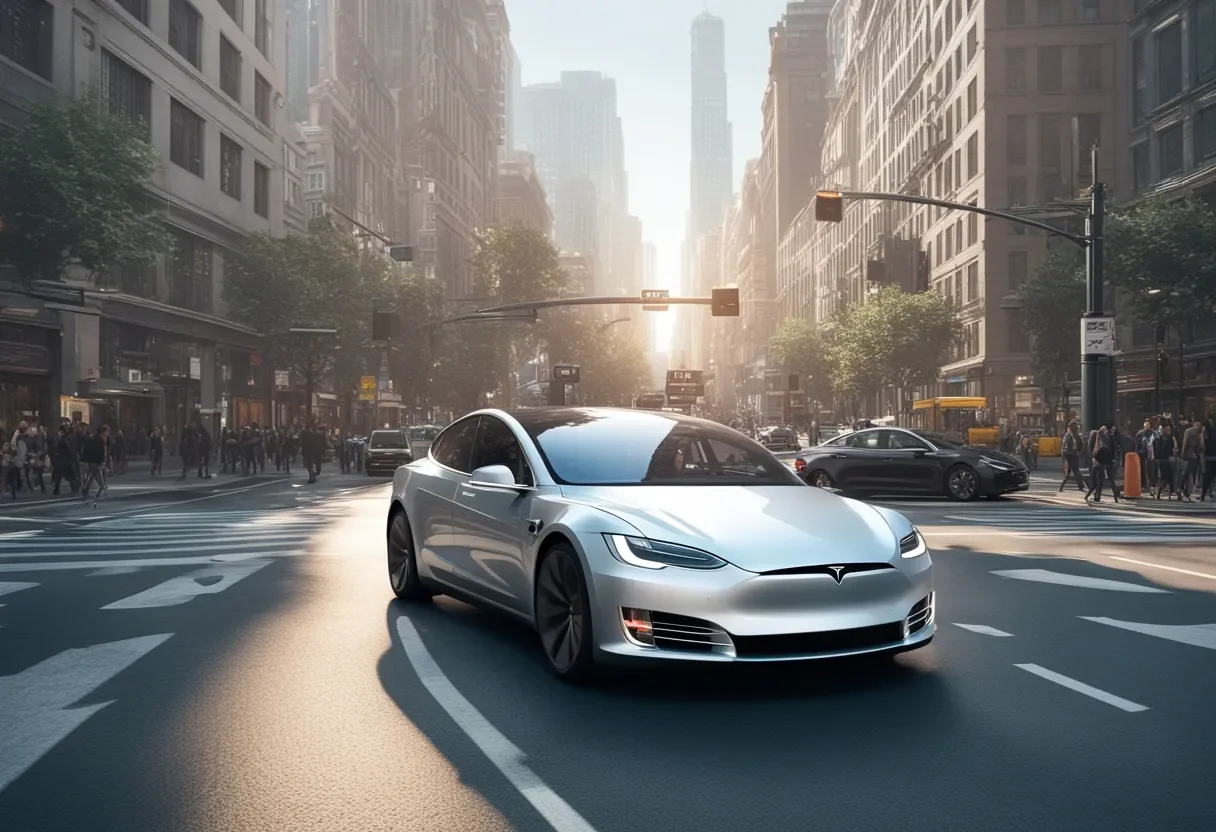
Tesla's Robotaxi Surge: Public Rollout Set to Transform Mobility
Unlocking Autonomy: Why Tesla's Next Move Could Redefine Urban Transport
Tesla's robotaxi service stands at a pivotal moment, with plans to open access to the general public starting next month. This shift promises lower-cost rides, massive efficiency gains, and a leap in vehicle utilization, potentially turning every Tesla into a revenue-generating asset while slashing personal car ownership expenses.
Key Takeaways
Tesla's robotaxi fleet in Austin uses Model Y vehicles with advanced Full Self-Driving software, currently operating with safety monitors but advancing toward unsupervised autonomy.
Expansion to public access is slated for September, beginning in Austin and potentially extending to California, with job postings indicating growth into cities like New York, Las Vegas, and Miami.
Operating costs could drop to around 60 cents per mile once safety drivers are removed, enabling profits of up to $2 per mile in high-demand areas like the Bay Area.
The service validates Tesla's hardware-first approach, embedding sensors and computers in mass-produced cars to gather billions of miles of real-world data for AI training.
Broader adoption may displace millions of ride-hailing jobs but could save thousands of lives annually by reducing accidents from human error, while increasing mobility access for underserved populations.
Regulatory hurdles remain, especially in California, where permits for driverless operations are pending, but Texas approvals pave the way for statewide scaling.

AI's Next Frontier: Navigating the Choppy Waters of Disruption
Why the AI Revolution Feels Like a Locked Door—and What’s on the Other Side
The AI landscape is buzzing with promise, but it’s also teetering on the edge of massive disruption. From self-driving taxis to the future of work, the tech world is grappling with a reality that’s both exhilarating and unsettling. Here’s what you need to know about where AI is headed, why it’s harder than it looks, and how it might reshape society in ways we’re only beginning to understand.
Key Takeaways
AI’s Progress Is Slower Than Hyped: Current advancements are incremental, focusing on refining existing capabilities rather than delivering transformative breakthroughs.
Physical World Disruption Outweighs Digital: The potential market for AI in physical applications (e.g., self-driving cars, robotics) dwarfs digital applications like coding or content creation.
Economic Upheaval Is Coming: AI-driven automation, like robotaxis, could displace workers (e.g., Uber drivers), raising questions about job transitions and societal impacts.
Deflation Could Redefine Wealth: Lower wages might coexist with cheaper goods and services, potentially improving quality of life despite smaller paychecks.
Human Connection and Exploration Will Thrive: Future economies may prioritize scarce resources like human attention, leading to growth in sports, entertainment, and space exploration.
A Choppy Transition Awaits: The path to an AI-driven future will be turbulent, with regulatory, economic, and societal hurdles complicating the journey.
The AI Revolution: Tesla, Nvidia, and the Future of Compute
Why Tesla and Nvidia Are Poised to Redefine the Global Economy
The AI revolution is reshaping industries, and at its core are two juggernauts: Tesla and Nvidia. Their advancements in artificial intelligence, robotics, and compute infrastructure signal a future where energy, data, and intelligence converge to create unprecedented economic value. From autonomous robotaxis to distributed inference networks, the synergy of these technologies could disrupt entire markets, leaving traditional players like Uber struggling to adapt. Here’s why the stakes are higher than ever and what it means for the future.
Key Takeaways
Tesla’s Robotaxi Dominance: Tesla’s robotaxi network, with dynamic pricing and unmatched cost efficiency, is set to capture significant market share from Uber and Waymo, potentially rendering traditional ride-hailing models obsolete.
Nvidia’s Compute Supremacy: Nvidia’s platform strategy fuels the AI boom, but its long-term margins may face pressure as compute becomes commoditized, creating opportunities for specialized players like Tesla.
Energy and Compute Synergy: Pairing energy storage (like Tesla’s Megapacks) with AI chips enables distributed inference, turning idle energy into valuable computational output.
Video Data as the Ultimate Resource: Video data’s infinite scalability makes it the backbone of AI training, giving Tesla a unique edge with its vast fleet of camera-equipped vehicles.
Retail Investing’s AI Edge: Advanced AI tools are empowering retail investors to uncover opportunities in stocks like Tesla, potentially increasing market liquidity and driving more IPOs.