
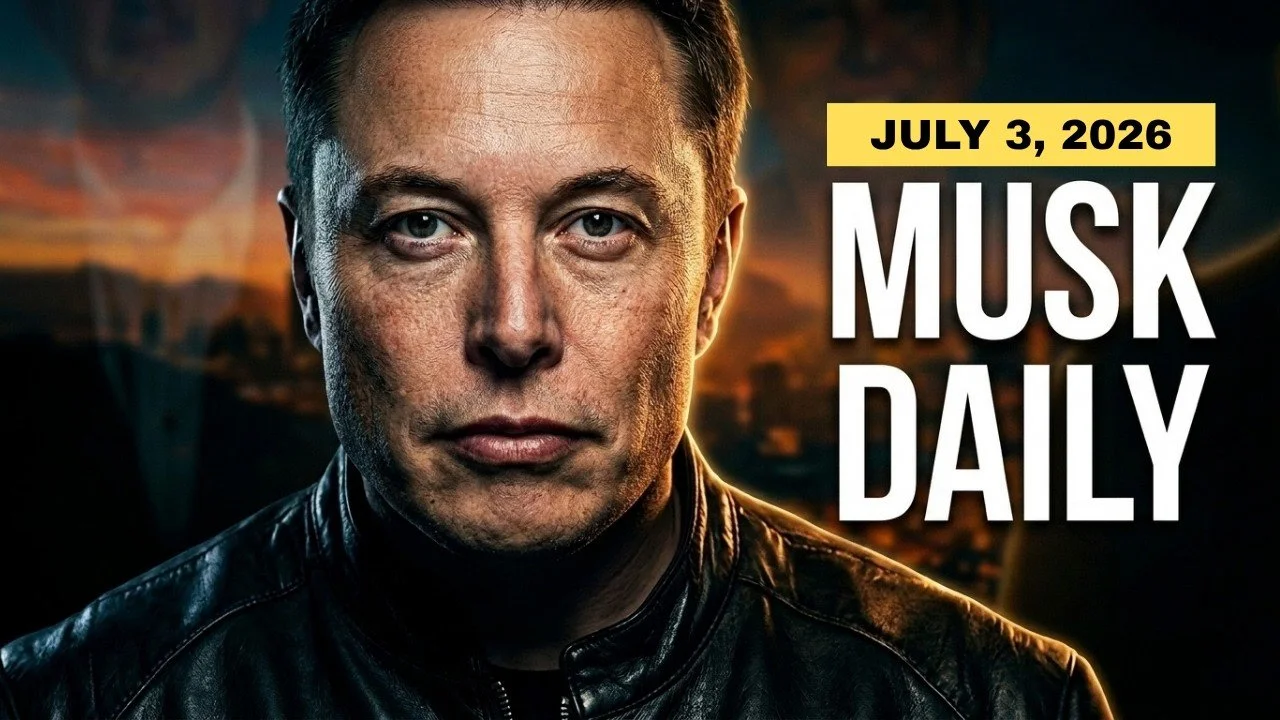
Tesla Delivers 480,126 Cars in Q2 as 13.5 GWh Storage Quarter Steals the Story
A 25% year-over-year delivery jump blew past the ~406,000 Wall Street expected, yet shares still dropped about 7% and the real signal sat in an energy business now deploying near-record storage ahead of the July 22nd earnings update.
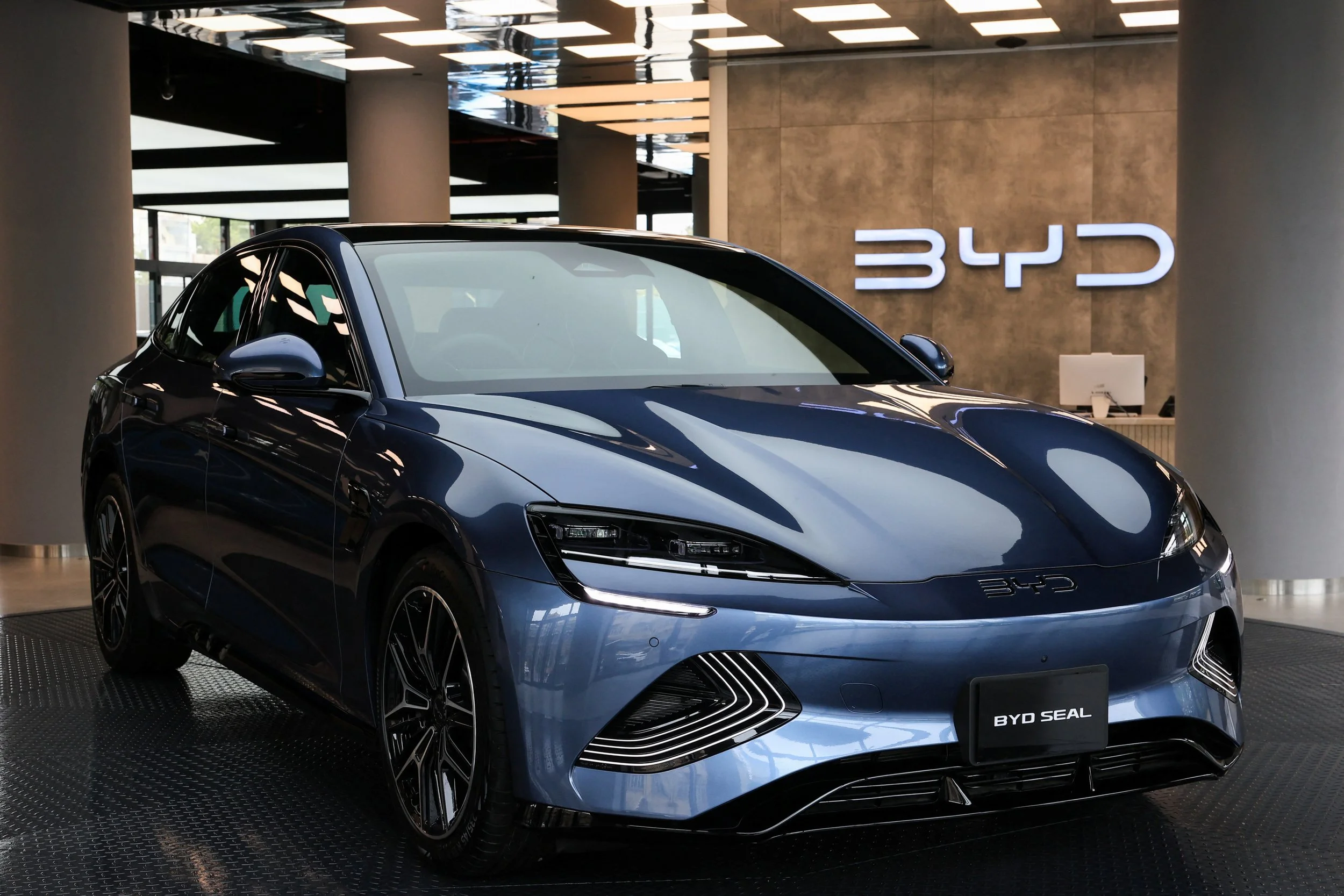
Tesla Just Got "Humiliated" – And It's the Best Thing That Could Have Happened
$1.5 trillion valuation after a second straight year of declining deliveries proves the market sees what headlines refuse to
Tesla delivered 1.64 million vehicles in 2025 – down 8.5% from 2024 – while BYD sold 2.26 million pure EVs, up 28%. The crown changed hands again. Headlines screamed defeat. Yet the stock ended the year up 11% at a $1.5 trillion market cap and a P/E of 279 – a multiple that makes Nvidia look cheap. Either every institution on Earth has lost its mind, or the market is aggressively pricing something that has almost nothing to do with selling cars.
It’s the second one.
Key Takeaways
Car deliveries fell 8.5% YoY while the stock rose 11% and hit $1.5 trillion – the highest P/E in big tech
Energy storage deployments more than doubled to 46.7 GWh with Q4 gross margins of 31.4% – nearly 2× the automotive margin
7+ billion FSD miles driven, on track for 10 billion by mid-2026 – no competitor is within an order of magnitude
Unsupervised robotaxi testing (zero humans in the front seat) is live in Austin today, expanding to multiple cities in 2026
Cybercab (purpose-built, no wheel/pedals) mass production still targeted for April 2026 – on schedule so far
BYD unit volume is up but profits are down 30% YoY and gross margins collapsed to ~16% – classic race-to-the-bottom playbook
Tesla is intentionally walking away from the volume game to dominate autonomy, robotics, and grid-scale energy instead
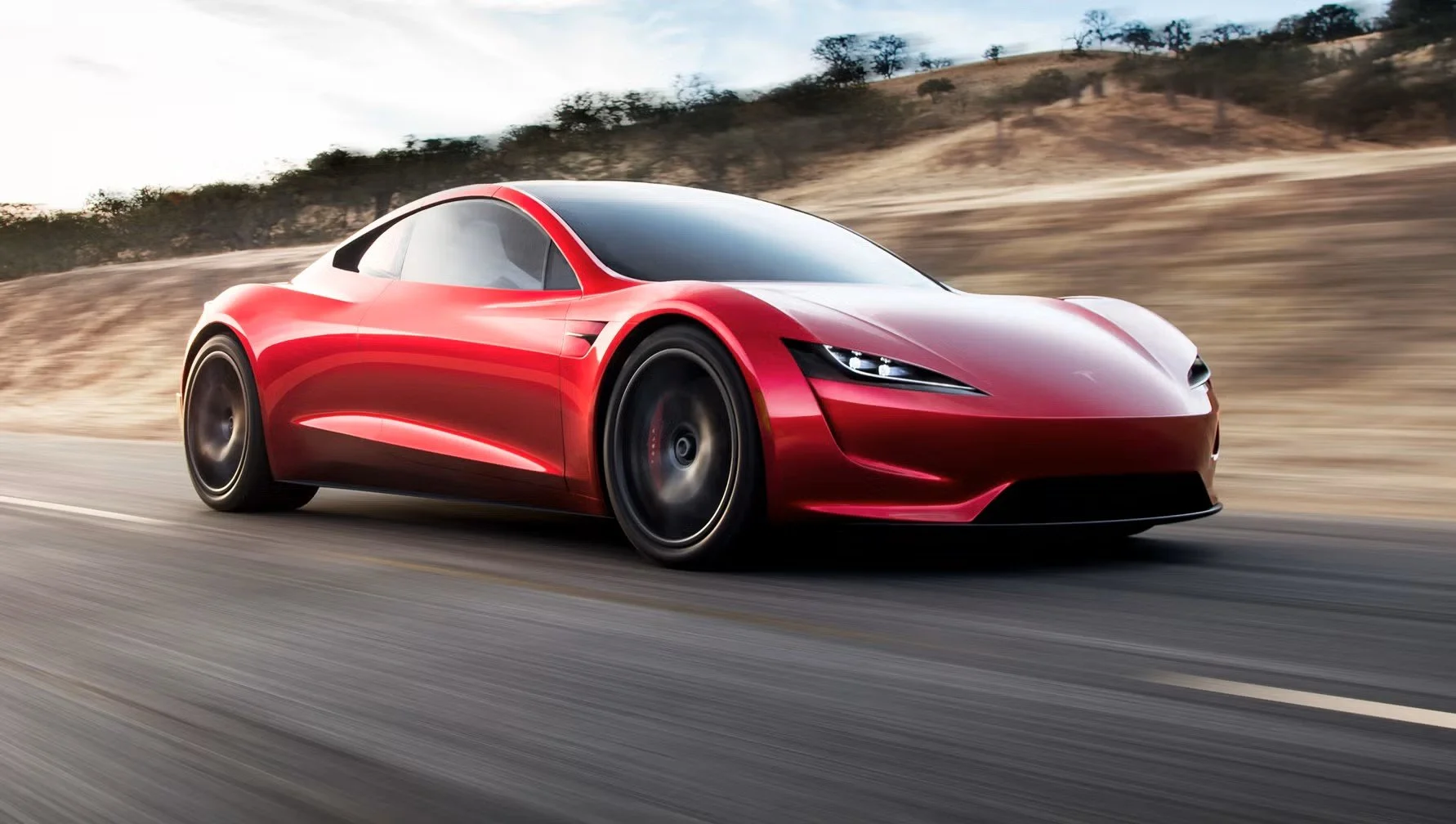
Tesla's 2026: Autonomy Takes the Wheel
Unleashing self-driving tech, surging energy storage, and humanoid robots in a rebounding economy.
Tesla wrapped up 2025 with mixed results in vehicle production and deliveries, but its energy business hit record highs. Looking ahead, 2026 promises breakthroughs in full self-driving software, Robotaxi networks, and early humanoid robot deployments, all fueled by AI advancements and favorable economic shifts.
Key Takeaways
Tesla's vehicle deliveries dropped 9% year-over-year in 2025 amid a broader auto market slowdown, but outperformed rivals like Rivian, which saw an 18% decline.
Energy storage deployments soared to 14.2 gigawatt-hours in Q4 2025, up 29% from the prior year, driven by AI data center demands.
Full self-driving (FSD) version 14 marks a turning point, enabling seamless point-to-point autonomy that mimics human driving behaviors.
Cybercab production ramps up in April 2026, but regulatory hurdles may force adaptations like adding steering wheels to scale deployments.
Humanoid robots could debut in simple, repetitive tasks this year, transforming labor in factories and warehouses.
Economic factors like lower interest rates, tax breaks, and AI-driven growth position Tesla for strong demand in vehicles and energy solutions.
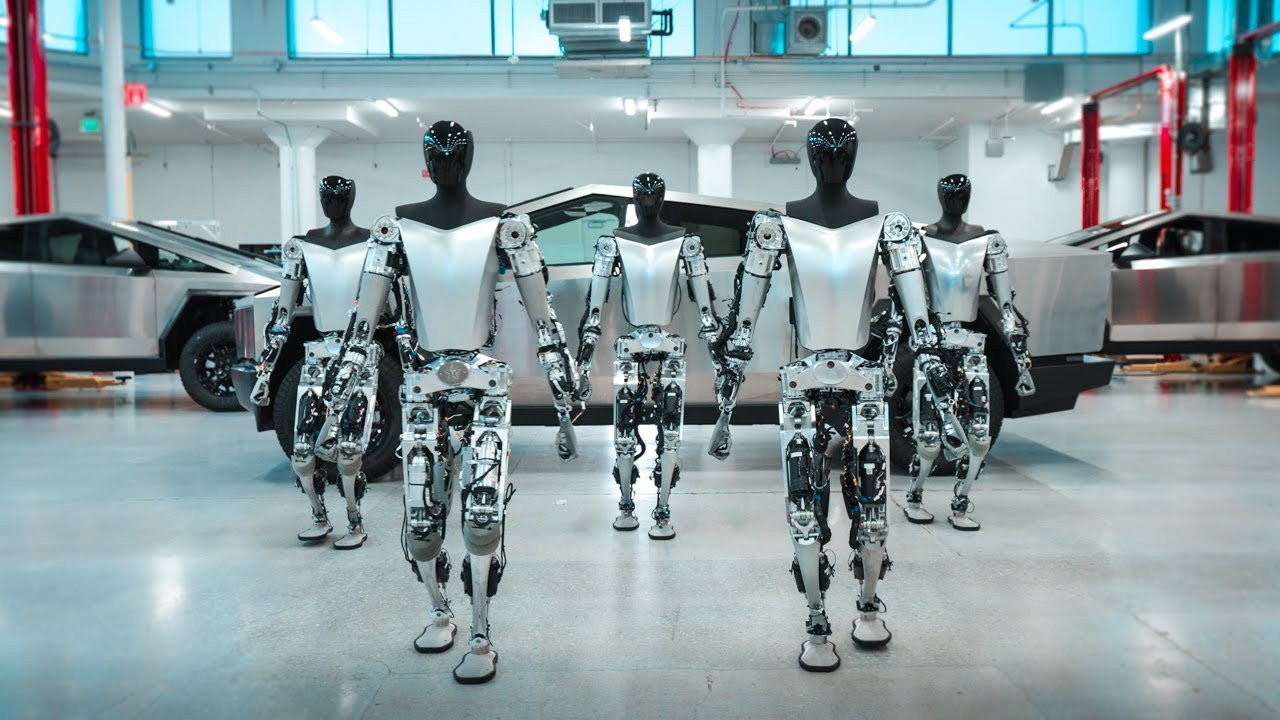
The AI Tsunami: Why Tesla's Robot Economy Could Be Your Lifeline
Preparing for a World Where AI Redefines Work and Wealth
The surge of artificial intelligence promises unprecedented efficiency and scale, but it also threatens widespread job displacement across industries. Yet, by investing in the companies leading this charge, everyday people can turn potential upheaval into personal opportunity—positioning themselves to benefit from the very technologies reshaping society.
Key Takeaways
AI-driven companies are set to generate trillions in value by optimizing transportation, labor, and energy systems.
Tesla stands out as a key player, targeting massive markets through Robotaxis, humanoid robots, and energy storage.
Owning shares in disruptors like Tesla could create passive income streams that offset job losses from automation.
Expect significant profits from Robotaxis alone, potentially reaching hundreds of billions annually at scale.
Humanoid robots could capture portions of the global labor market, operating at costs far below human wages.
Energy solutions like battery storage are already high-margin and poised for explosive growth in an AI-powered world.
Risks include leadership dependencies, regulatory hurdles, execution delays, and competition, but Tesla's integrated approach gives it a unique edge.

Tesla's AI Revolution: Betting Big on Autonomy and Abundance
Redefining Mobility, Energy, and Humanoid Robotics in a Post-AI World
Tesla is pushing boundaries in real-world AI, positioning itself as a frontrunner in transforming transportation, energy systems, and even daily life through advanced robotics. The company's aggressive expansion in production, coupled with breakthroughs in unsupervised full self-driving and humanoid robots, signals a shift toward a future of sustainable abundance where technology eliminates scarcity and makes work optional. These developments aren't just incremental—they promise to double energy outputs, create fleets of autonomous vehicles, and deploy millions of AI-powered robots.
Key Takeaways
Tesla leads in real-world AI density, enabling cars to operate as intelligent entities with 360-degree vision and reasoning capabilities for tasks like optimal parking.
Unsupervised full self-driving is on track for rollout in multiple U.S. states by year-end, with robotaxi operations expanding to 8-10 metro areas, prioritizing safety through cautious deployment.
Optimus humanoid robots are advancing rapidly, with production scaling to millions annually, focusing on dexterous hands and vertical integration to overcome supply chain gaps.
AI chip designs like AI5 promise 40x performance gains over predecessors, optimized for Tesla's stack, potentially creating oversupplied compute for distributed inference fleets.
Energy storage via Megapacks could double U.S. energy output without new power plants, integrating substation features for faster deployment.
Cybercab production starts in Q2 2025, designed solely for autonomy, minimizing costs per mile and allowing passengers full device use during rides.
Overall strategy aims for sustainable abundance, where AI and robotics eradicate poverty and provide universal access to advanced services like surgery.
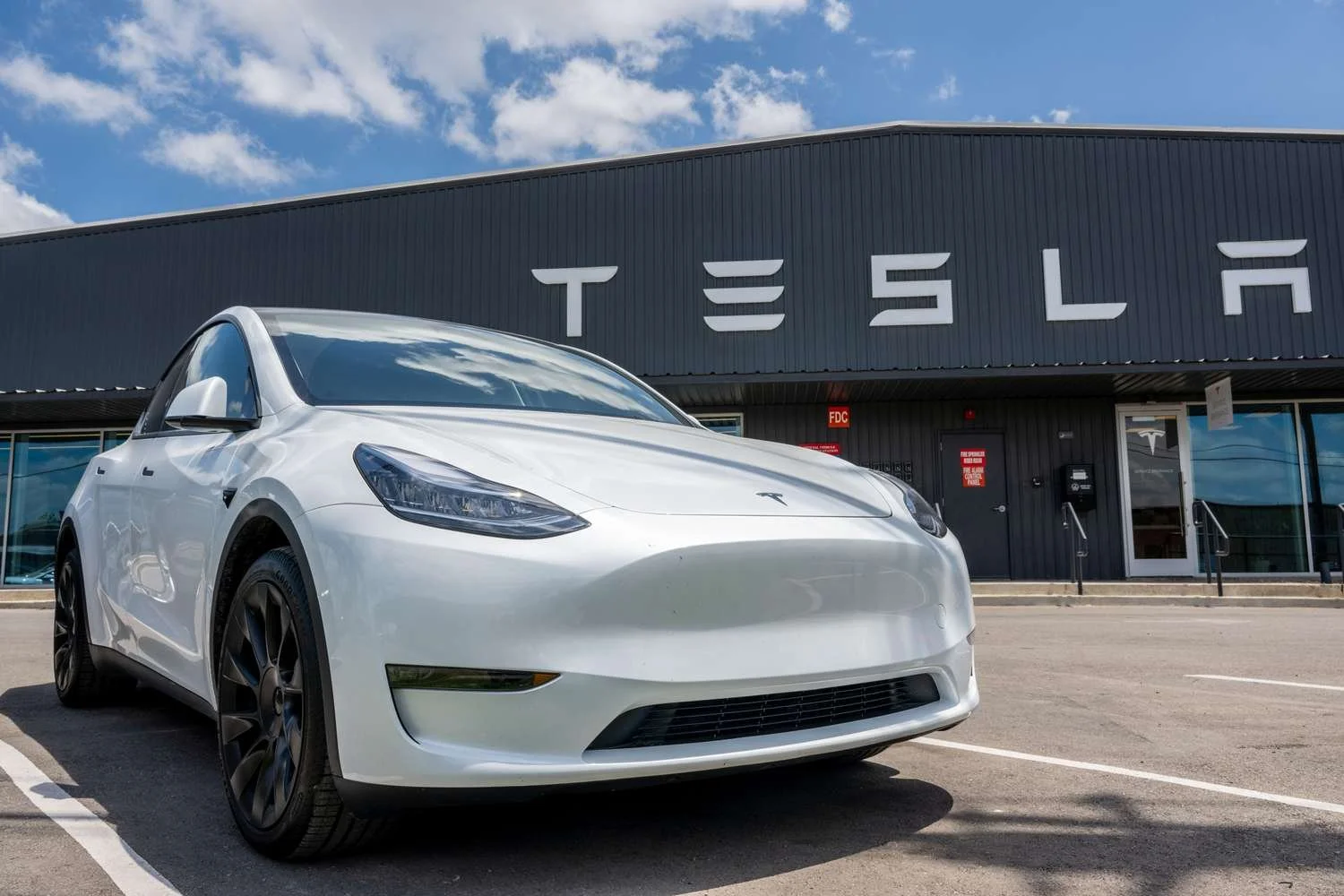
Tesla’s Q3 Triumph: Record Deliveries, AI Ambitions, and a Path to Affordable EVs
Why Tesla’s third quarter signals a bold pivot to AI-driven growth and mass-market appeal
Tesla’s third quarter of 2025 delivered a stunning performance: over 497,000 vehicles delivered, 447,000 produced, and a record 12.5 gigawatt-hours of energy storage deployed. These numbers not only defy skeptics who predicted Tesla’s decline but also highlight a strategic shift toward inventory management, cost reduction, and a future powered by autonomous driving and affordable vehicles. For tech enthusiasts, this moment underscores Tesla’s evolution from a carmaker to a physical AI powerhouse with ambitions far beyond traditional automotive.
Key Takeaways
Record-Breaking Quarter: Tesla delivered 497,000 vehicles and deployed 12.5 GWh of energy storage, marking a high for both metrics.
Inventory Strategy Shift: Delivered 50,000 more vehicles than produced, reducing built-up inventory and leveraging the expiring U.S. EV tax credit.
Affordable EVs on Horizon: Plans for a more affordable Model Y and Model 3 with reduced features to hit a 3-million-vehicle annual production goal.
FSD as a Game-Changer: Full Self-Driving (FSD) version 14 aims for unsupervised driving, potentially making Tesla’s vehicles a compelling alternative to traditional cars.
AI and Robotics Vision: Tesla’s driverless network and upcoming Cybercab and Semi projects position it to dominate AI-driven mobility, outpacing competitors like Uber.
Financial Strength: Expected to add $3.5–5 billion in cash from operations, with high-margin energy storage (30%) boosting profitability.

Key Takeaways from Tesla's Q2 2025 Earnings Call: AI Dominance and the Road Ahead
Tesla's latest earnings reveal a bold pivot to AI-driven growth, with humanoid robots and autonomous tech set to unlock trillion-dollar markets amid short-term financial hurdles.
Tesla's Q2 2025 results underscore a strategic shift toward artificial intelligence and autonomy, positioning the company to lead in transformative sectors like robotics and self-driving vehicles. While near-term earnings face pressure, the focus on scalable AI solutions promises massive long-term value, drawing from expertise in manufacturing, energy, and real-world data.
Key Takeaways
Earnings are expected to stay below prior peaks for at least the next year, potentially leading to flat or declining stock performance unless market multiples rise.
The company is fully committed to AI and autonomy, with all initiatives aligned around advancing robotaxis, humanoid robots, and energy storage.
Leadership expresses strong confidence in dominating future markets through these technologies, backed by plans to use debt if needed to fund capital expenditures.
Market valuation treats Tesla as an AI powerhouse, far exceeding projections from vehicle sales or energy growth alone, with investors eyeing robotaxi rollout speed and profitability.
Humanoid robots could prove viable through cost reductions in factories or sales for urban services, tapping into high-labor-cost industries.
Unsupervised full self-driving capabilities represent the critical threshold for mass adoption, far outpacing current supervised systems in appeal.
Batteries remain essential for balancing energy supply and demand fluctuations, ensuring ongoing demand as global consumption grows.
Progress in AI aspirations can sustain high valuations, enabling self-funding, but any setbacks in robotaxis or bots could trigger sharp declines.
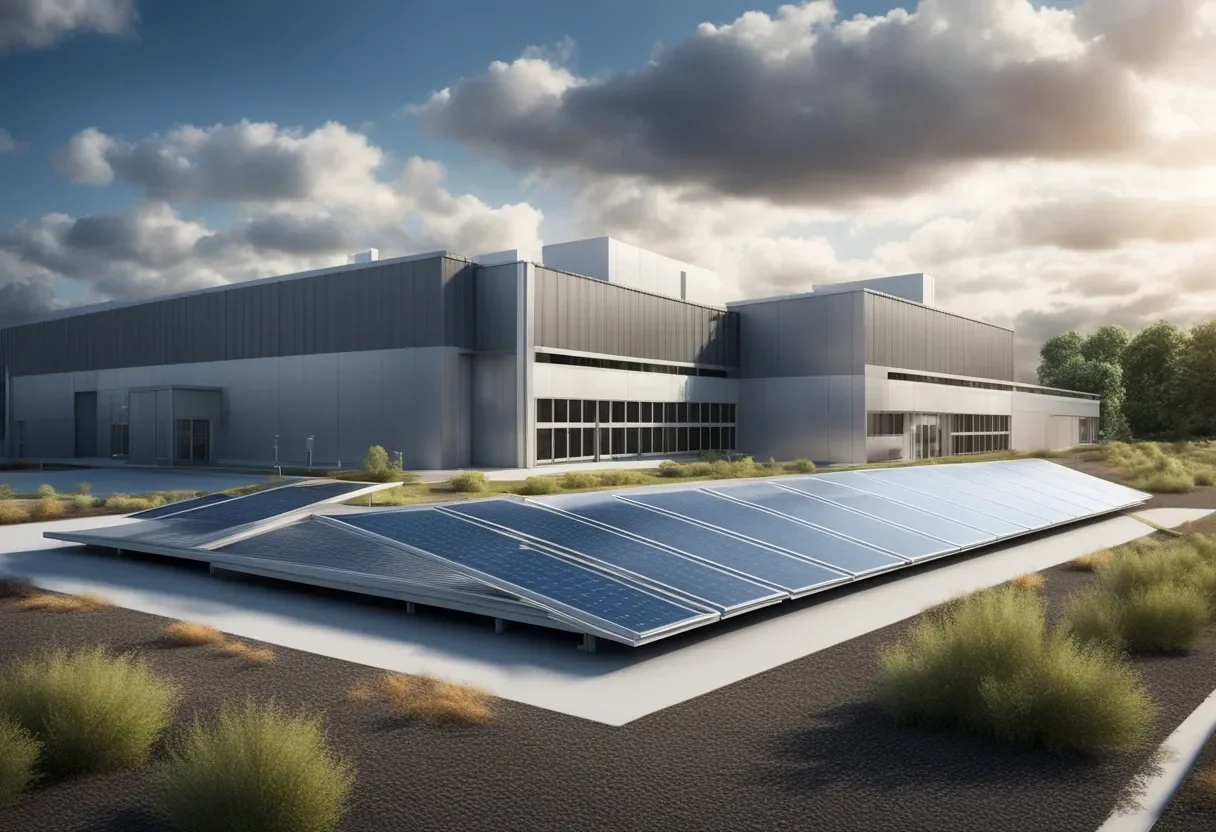
Tesla's Battery Revolution
AI data centers demand instant power shifts that grids can't handle—batteries step in to smooth the ride and unlock massive efficiency gains.
AI computing has exploded, but its hidden cost is massive power volatility that threatens grid stability. Short-duration batteries address this by absorbing surges and optimizing energy flow, turning a technical headache into a profitable edge. In flexible markets like Texas, these systems are proving their worth, potentially creating a trillion-dollar industry as AI scales up.
Key Takeaways
AI data centers create rapid power fluctuations from synchronized GPUs, stressing traditional grids with megawatt-scale spikes multiple times per second.
Short-duration batteries (2-4 hours) excel at managing these brief surges, offering better efficiency than long-duration options or wasteful GPU idling.
Battery systems can pay for themselves through energy savings by reducing peak power needs and optimizing usage.
Flexible power markets, like those in Texas, accelerate AI infrastructure growth by enabling quick adaptations and cost-effective solutions.
As AI expands, energy storage emerges as essential infrastructure, bridging current grid limits with future computing demands.