
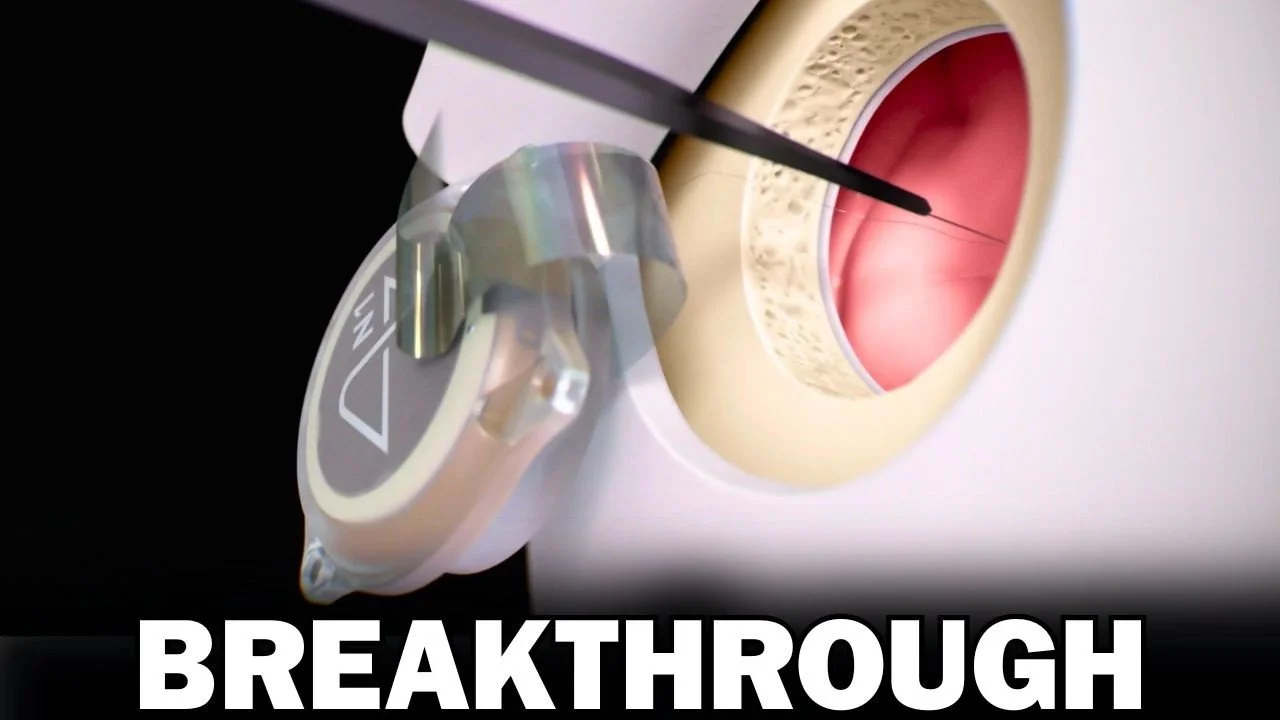
Neuralink Performs Its First Brain Implant Without Cutting the Dura
In May 2026, at Toronto’s UHN alongside neurosurgeon Andres Lozano, the company drove electrode threads straight through the brain’s toughest membrane, using a vein-injected dye and a laser depth-sensor to see and steer where the surgeon is now working blind.
The Master Plan You Can't Unsee: Wiring Civilization's Next Foundation
How energy systems, self-driving fleets, humanoid robots, satellite networks, and orbital infrastructure are stacking into one coherent architecture for abundance—and why Mars ambitions are already reshaping what is possible on Earth.
A single Tesla completing a 13,000-mile coast-to-coast journey on full self-driving in January 2026 without any human intervention on the controls was more than an autonomy milestone. It marked the visible activation of something larger: a stacked foundation of technologies now advancing in parallel across energy, transport, labor, intelligence, connectivity, and space. The most valuable pattern is not any single product but the way these layers reinforce one another, with physics-first requirements for multi-planetary settlement acting as the forcing function that accelerates practical progress everywhere else. Cost curves in AI, robotics, and solar are collapsing at the same moment, pointing toward a period where intelligence, physical work, and energy become abundant enough to reorder how economies measure value.
Key Takeaways
Eight interlocking layers—energy generation and storage, physical transport, humanoid robotics for labor, AI agents for knowledge work, frontier model intelligence, global satellite networks, off-world transport, and direct brain-computer interfaces—are being built together rather than as isolated bets.
Reusable orbital-class rockets and mass-market electric vehicles both moved from expert consensus of impossibility to routine operation, showing that compressed timelines often precede large-scale delivery once the underlying engineering locks in.
Hardware and data integrations across projects, such as satellite antennas embedded in vehicle roofs, energy storage powering training clusters, and vehicle fleets supplying training data for robots, create closed loops that multiply progress beyond what any single company could achieve alone.
The requirement to settle Mars drives demand for electric propulsion, robotic construction crews, subsurface habitats, and reliable interplanetary links—technologies that simultaneously relieve energy, labor, infrastructure, and connectivity constraints on Earth.
Observed cost trajectories show AI inference dropping by roughly 36 times in two years, robotic labor approaching a couple of dollars per hour at scale, and solar generation costs having already fallen 99 percent over recent decades, with further declines continuing.
Physical infrastructure at new orders of magnitude, including chip fabrication targeting 100–200 billion specialized AI units per year and launch costs falling toward $10–100 per kilogram to orbit, is enabling both terrestrial AI expansion and space industrialization at the same time.
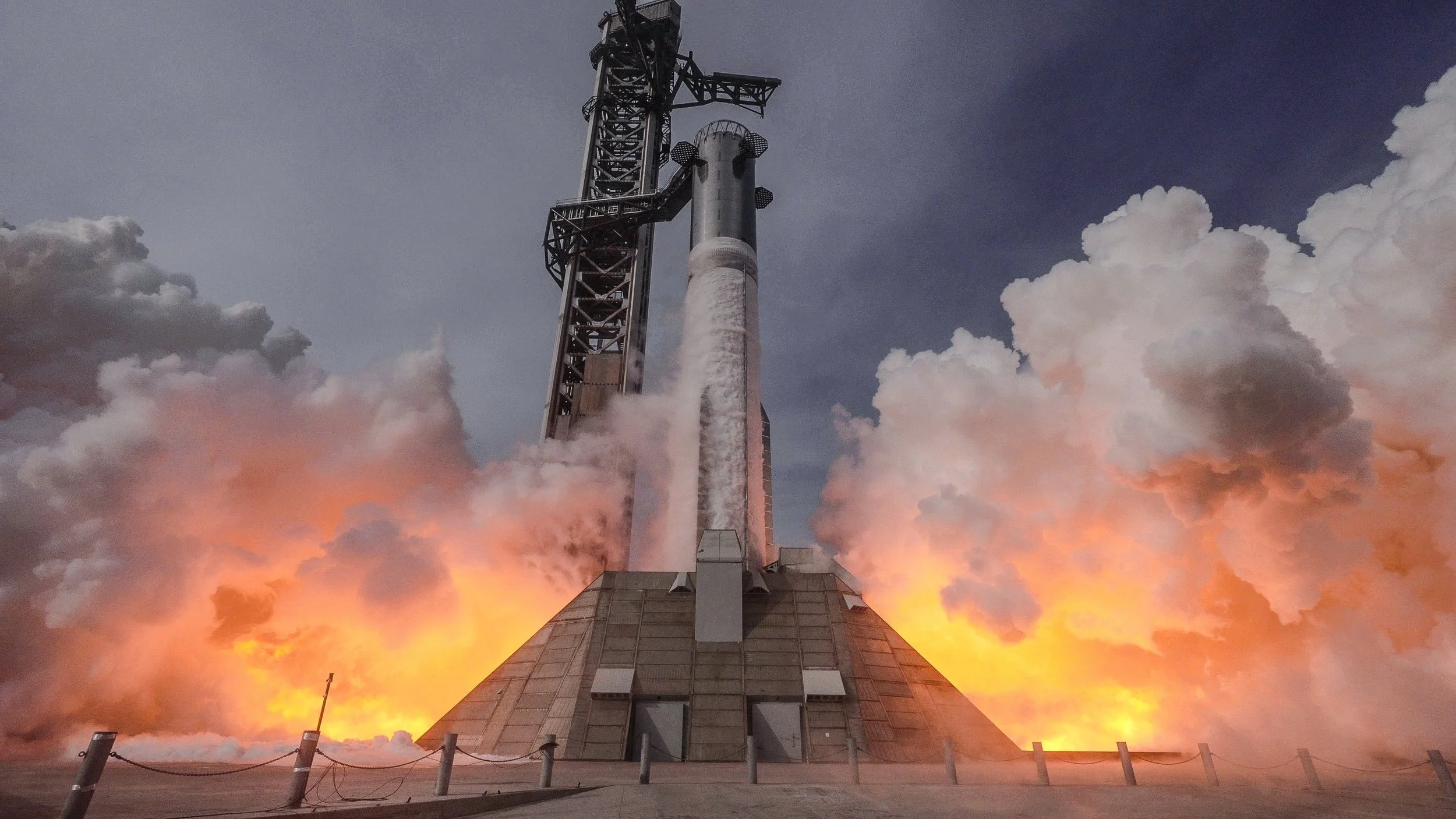
Starship Version 3: The Rocket That Turns Physics Into Progress
How SpaceX's latest booster and Raptor engines are proving full reusability isn't a dream—it's the next engineering step.
SpaceX has just pushed Starship Version 3 through its most intense ground tests yet. The first V3 booster completed a full 33-engine static fire after an initial 10-engine run, while the upgraded ship design cleared key orbital milestones in simulation and early checkouts. These tests highlight a system built for propellant transfer in space—the missing link that makes Moon landings routine and Mars missions practical. The scale, the simplifications, and the rapid learning loop show exactly how a company scales from small rockets to solar-system capability without breaking the laws of physics.
Key Takeaways
Starship Version 3 represents a clean-sheet redesign that directly fixes reliability and performance issues from earlier versions, enabling the booster to support crewed lunar landings and the first Mars city.
Raptor 3 engines feature massive simplification—fewer parts, higher integration, and improved reliability—making them cheaper, faster to build, and lighter while maintaining reusability on the level of commercial aircraft engines.
Testing follows a deliberate risk-reduction strategy: 10-engine static fires first on the new V3 booster to contain any problems before committing to a full 33-engine burn.
Orbital propellant transfer is the core technology that unlocks the entire solar system; once demonstrated, Starship can refuel in orbit and reach anywhere.
SpaceX's iterative flight-test approach delivered a successful booster catch in just five flights, proving the rapid cycle of hardware improvement and data-driven fixes.
Full reusability of both the booster and ship is the economic foundation for frequent, affordable access to orbit and beyond.
The Operating System Behind World-Changing Innovation
How intensity, technical depth, and strategic boldness create results that redefine what's possible in tech and beyond.
The principles shaping one of tech’s most effective operators deliver a rare edge for any builder or entrepreneur aiming for outsized impact. They reveal how purpose, mindset, and execution combine to solve problems at planetary scale while building durable companies that last for decades.
Key Takeaways
A singular profile fuses extreme energy and discipline with unconventional technical genius and Napoleonic strategic vision with bias to action.
Purpose acts as the core engine, driving decisions that ignore short-term financial or reputational optimization in favor of meaningful missions.
Upbringing and biology create dual fuel: running toward ambitious goals while escaping personal demons of inadequacy.
Effective leadership holds impossibly high standards, convincing teams they can achieve what they initially deem unfeasible.
Hardware success requires full vertical integration, domestic manufacturing mastery, and direct customer relationships rather than outsourcing everything.
AI and robotics convergence with ambitious entrepreneurship accelerates deflation and abundance across energy, transport, food, and space.
Wealth accumulates as a natural outcome of scaling solutions to civilization-level problems.
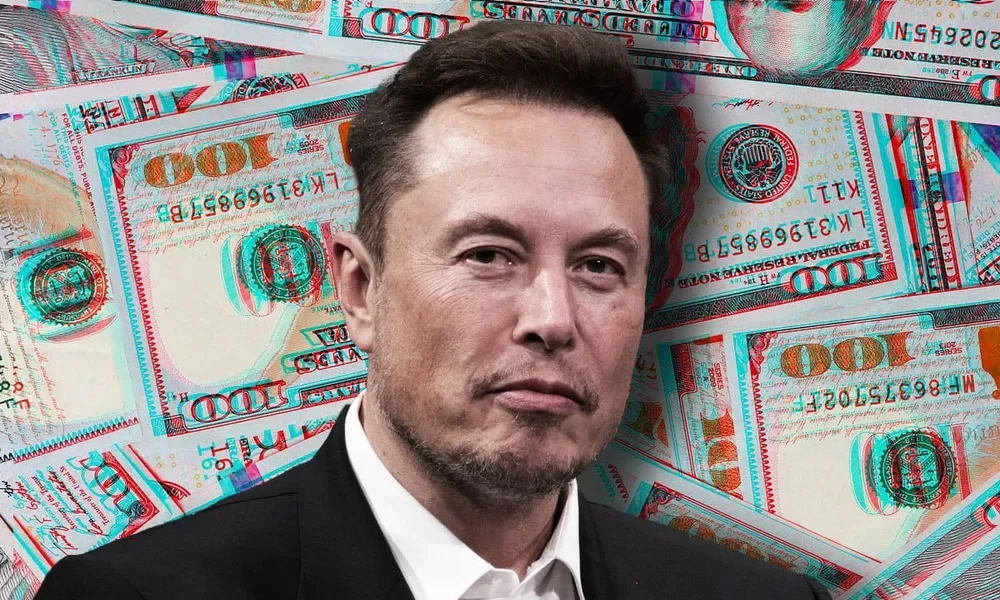
Elon Musk's Bombshell: Mass and Energy as the New Global Currency
The Shift That Redefines Wealth in an AI-Driven World
Rapid advances in AI, robotics, and solar power are converging to make intelligence, labor, and energy nearly free, positioning mass and energy as the core drivers of future economies. This transformation echoes historical currency shifts and points to a deflationary era where energy production becomes the ultimate measure of value.
Key Takeaways
AI training and inference costs have plummeted, with benchmarks dropping from thousands of dollars to pennies, making cognitive tasks approach zero cost.
Robotic labor could reach 20 cents per hour by 2032, disrupting a $40 trillion global market in physical work.
Solar energy costs have fallen 99.6% since 1976, outpacing other sources and enabling exponential growth in power generation.
Historical currency systems—from gold to petrodollars—evolved with dominant economic inputs; energy now emerges as the next anchor.
Orbital solar data centers could multiply Earth's energy output by millions, turning space into the ultimate power source.
In this framework, companies controlling energy, AI, and robotics stacks stand to dominate, while traditional fiat currencies face unprecedented pressure.
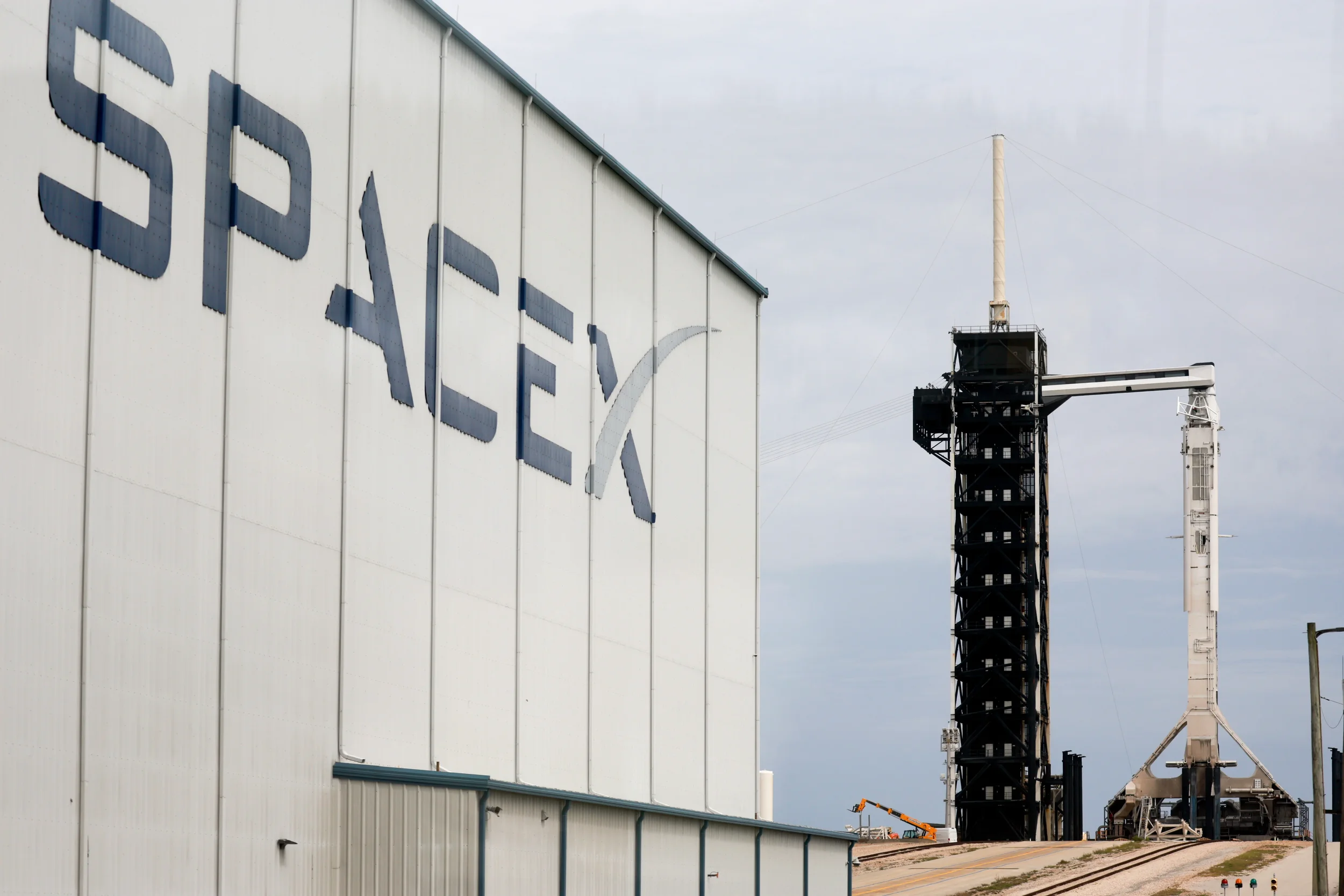
SpaceX Swallows xAI: The Dawn of Orbital AI Powerhouses
Revolutionizing Compute from the Stars – Why This Merger Changes Everything
The fusion of SpaceX and xAI unlocks a new era where AI training escapes Earth's limits, powered by endless solar energy in orbit. This deal catapults innovation by sidestepping power shortages and regulatory hurdles, paving the way for breakthroughs in physics, tech, and human expansion beyond our planet.
Key Takeaways
SpaceX's acquisition of xAI creates a $1.25 trillion entity, the world's most valuable private company, focused on integrating AI with space tech.
AI compute moves to space-based satellites, harnessing constant solar power and natural cooling to scale far beyond Earth's energy constraints.
This solves immediate bottlenecks like electricity demand and environmental concerns, enabling 10-100 times more AI capacity annually.
Starship rockets will launch millions of tons into orbit yearly, funding moon bases, Mars cities, and vast AI constellations.
The merger opens AI training services to other companies, accelerating global tech advances while fueling multi-planetary goals.
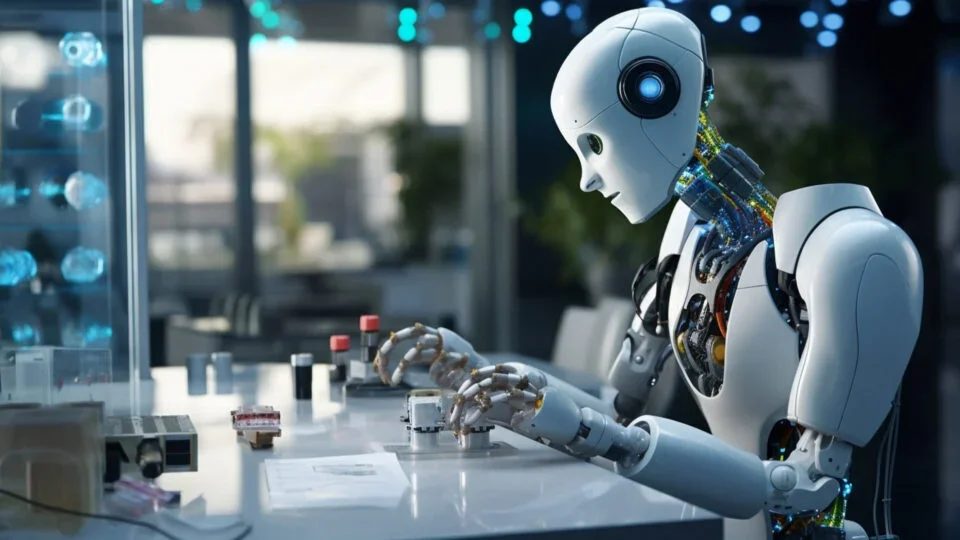
Elon Musk's Davos Vision: Abundance Through AI, Robots, and Space Power
The path to a future where robots outnumber humans, energy becomes limitless, and consciousness survives beyond Earth.
Key Takeaways
Electrical power has emerged as the primary bottleneck for scaling AI, with chip production outpacing grid additions in most regions except China.
Humanoid robots will drive unprecedented economic abundance, eventually outnumbering people and saturating needs like elder care, childcare, and household tasks.
Tesla plans to deploy Optimus robots for complex factory tasks by the end of 2026 and sell them to the public by the end of 2027, once safety and functionality reach high reliability.
Full rocket reusability with Starship could slash space access costs by 100x, enabling cheap satellite deployment and space-based solar for AI data centers.
Space-based solar offers 5x more effective power collection than ground-based systems, with no weather, night cycles, or atmospheric losses—making orbit the lowest-cost location for AI compute within a few years.
AI could surpass individual human intelligence by the end of 2026 or early 2027, and exceed all of humanity combined by around 2030-2031.
Large-scale solar arrays (roughly 100x100 miles) could power entire nations like the US or Europe, but deployment faces barriers like high tariffs on imported panels.
Consciousness is viewed as rare and fragile, making multiplanetary life essential to protect it from Earth-bound disasters.
Optimism about technological progress outweighs risks, as abundance from AI and robotics can broadly benefit society if energy constraints are solved.
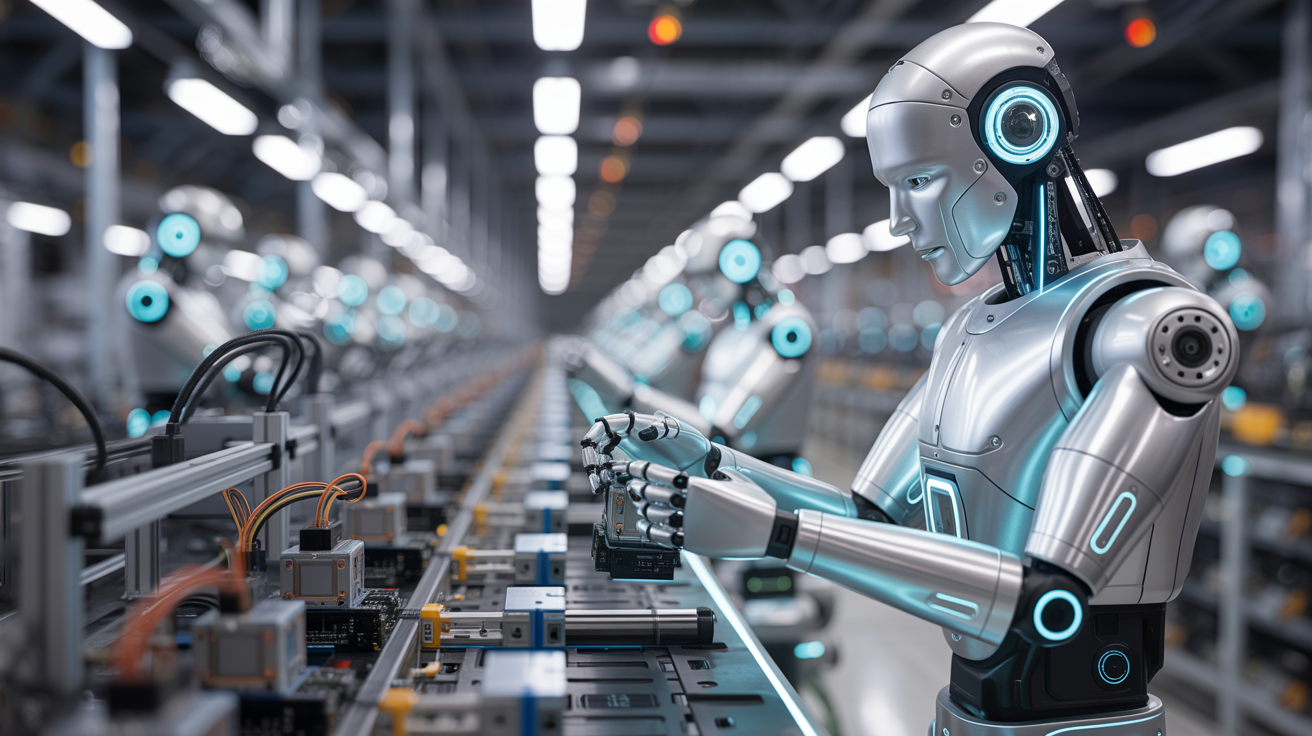
The Dawn of Optional Work: AI, Robots, and Humanity's Next Leap
Redefining Existence in a World of Infinite Possibility
The rapid evolution of AI and robotics is set to transform society, making traditional jobs optional while pushing humanity toward multi-planetary sustainability. At the core lies a vision where technology ensures abundance, but challenges like population decline threaten long-term progress.
Key Takeaways
AI and robotics advancements could make working optional within 10-20 years, turning jobs into hobbies much like gardening today.
Becoming a multi-planetary species ranks among the top evolutionary milestones, ensuring redundancy against planetary catastrophes.
Future economies may shift to universal high income, where competition focuses on relative status rather than survival needs.
Population decline poses a risk to expanding human consciousness, as more people increase the chances of unlocking universal truths.
Leadership in tech involves building trusted teams that act as extensions of visionary minds, enabling massive scale in projects like rockets and robots.
Early Mars settlements will be harsh and dangerous, akin to historical frontiers, requiring mission-driven pioneers.
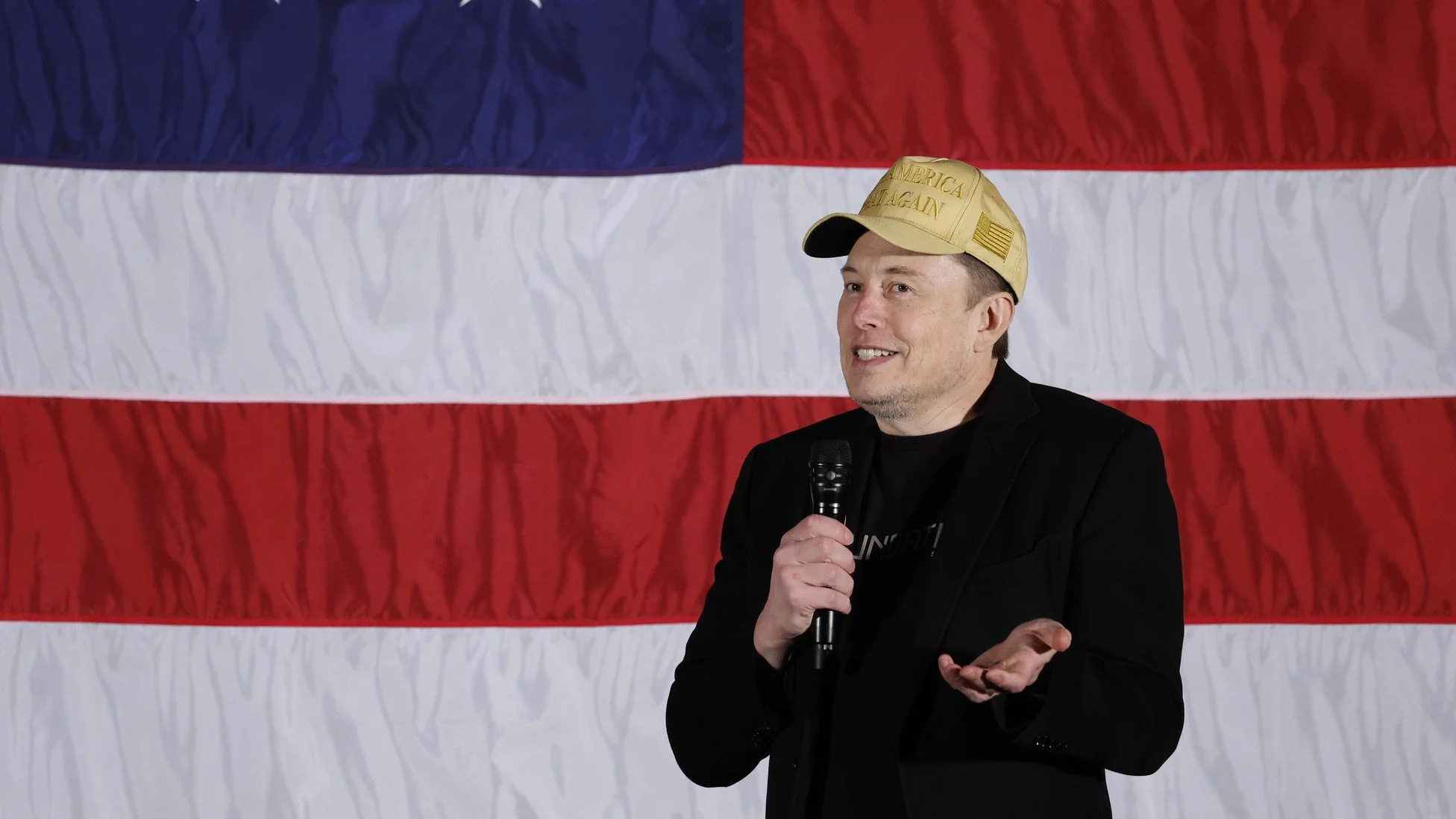
The Visionary Powerhouse Reshaping America’s Future
How One Innovator’s Drive Fuels National Security and Global Progress
The United States stands at a pivotal moment in technological and industrial advancement, driven by a singular force whose impact spans electric vehicles, space exploration, and global connectivity. This individual’s ability to challenge conventional approaches, prioritize purpose over profit, and execute on an unparalleled scale has redefined what’s possible for American innovation. From revolutionizing transportation to securing national interests through space and communication technologies, the ripple effects of this work are profound and far-reaching.
Key Takeaways
Catalyst for Innovation: Without this visionary, critical advancements in electric vehicles, space exploration, and artificial intelligence might have been delayed by decades, stalling U.S. progress.
National Security Asset: The development of American-made rockets and global communication networks strengthens the country’s strategic position.
First Principles Thinking: By rejecting traditional research methods and focusing on fundamental truths, this leader has disrupted stagnant industries.
Purpose-Driven Leadership: A relentless focus on existential goals, like making humanity multi-planetary, drives unmatched productivity and impact.
Accessibility and Transparency: Unlike many global leaders, this figure engages directly with the public, fostering trust and inspiring entrepreneurs.