
Musk Lifts Tesla Stake to 20% After SpaceX Listing, Clearing Path for Historic Merger
A June 2026 options exercise, a public SpaceX, and an xAI combination already done leave Tesla as the last piece of a roughly $4 trillion ecosystem deal.
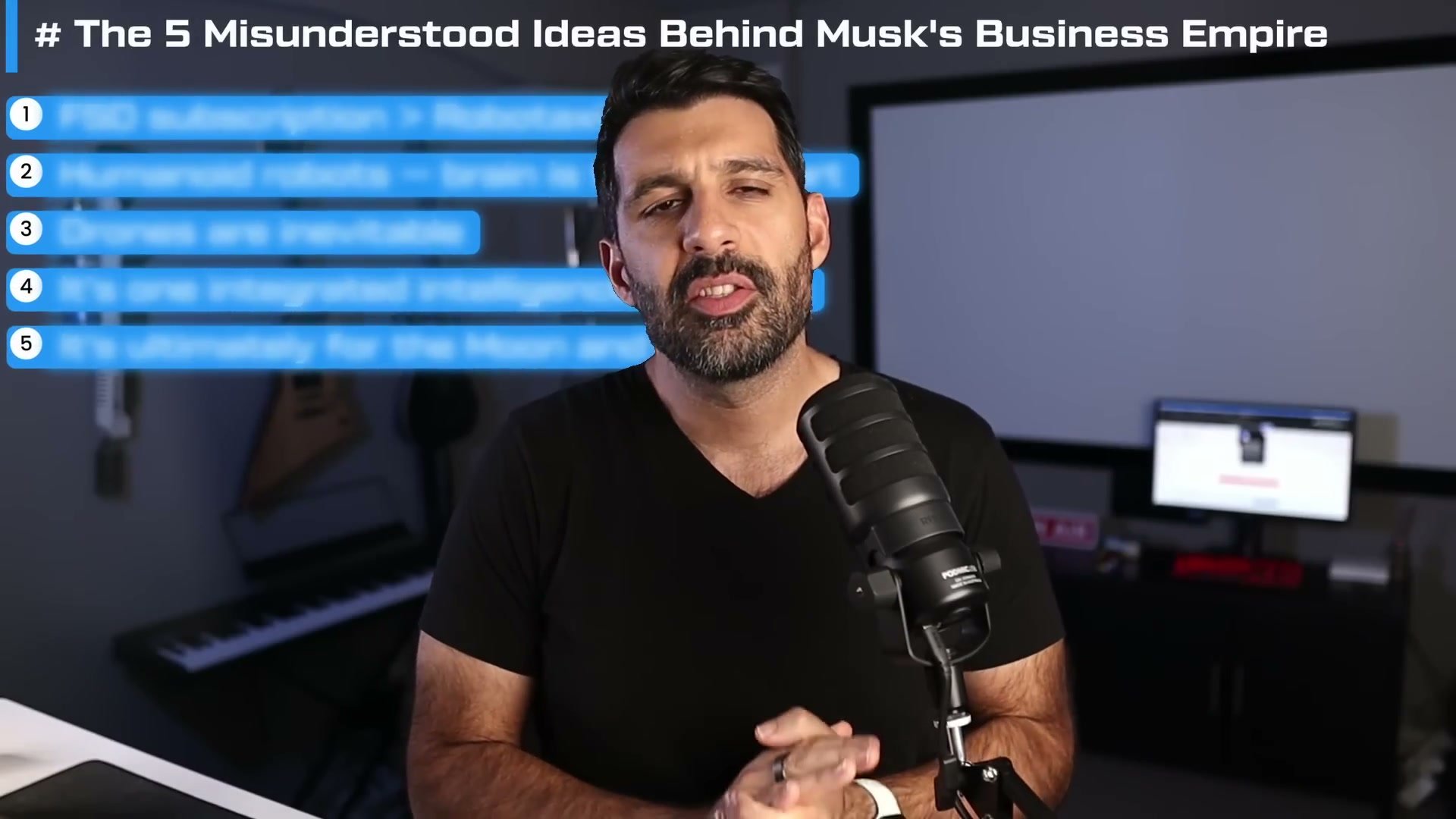
Five Misread Bets Across Musk’s Empire Point to Software Margins, Humanoids, and Multiplanetary Infrastructure
From $99-a-month FSD on cars people already own to Gen 3 Optimus on the old Model S/X floor, the stack that matters is recurring intelligence - not the flashiest hardware headline.
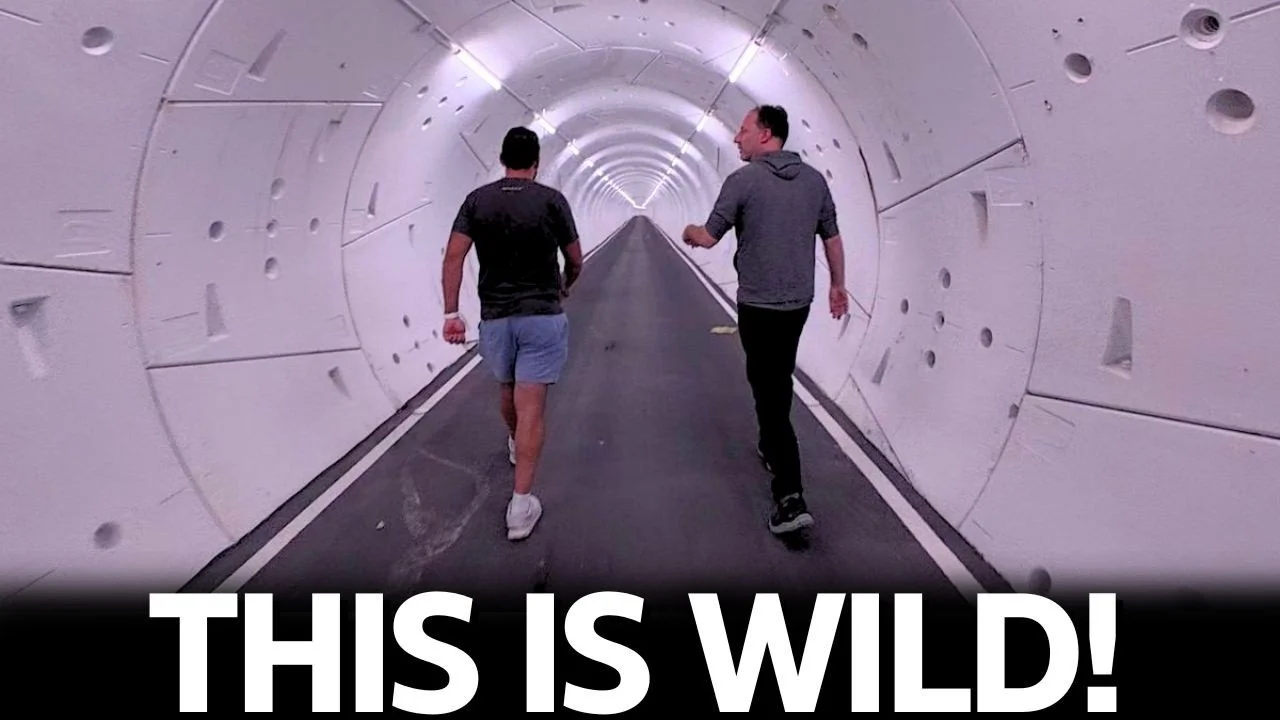
Boring Company’s Vegas Loop Is Quietly Building America’s Biggest Transit System
With tunneling under $10 million a mile, point-to-point Teslas, and airport lines nearly live, the network already moves stadium-scale crowds and is racing toward top-tier U.S. ridership.
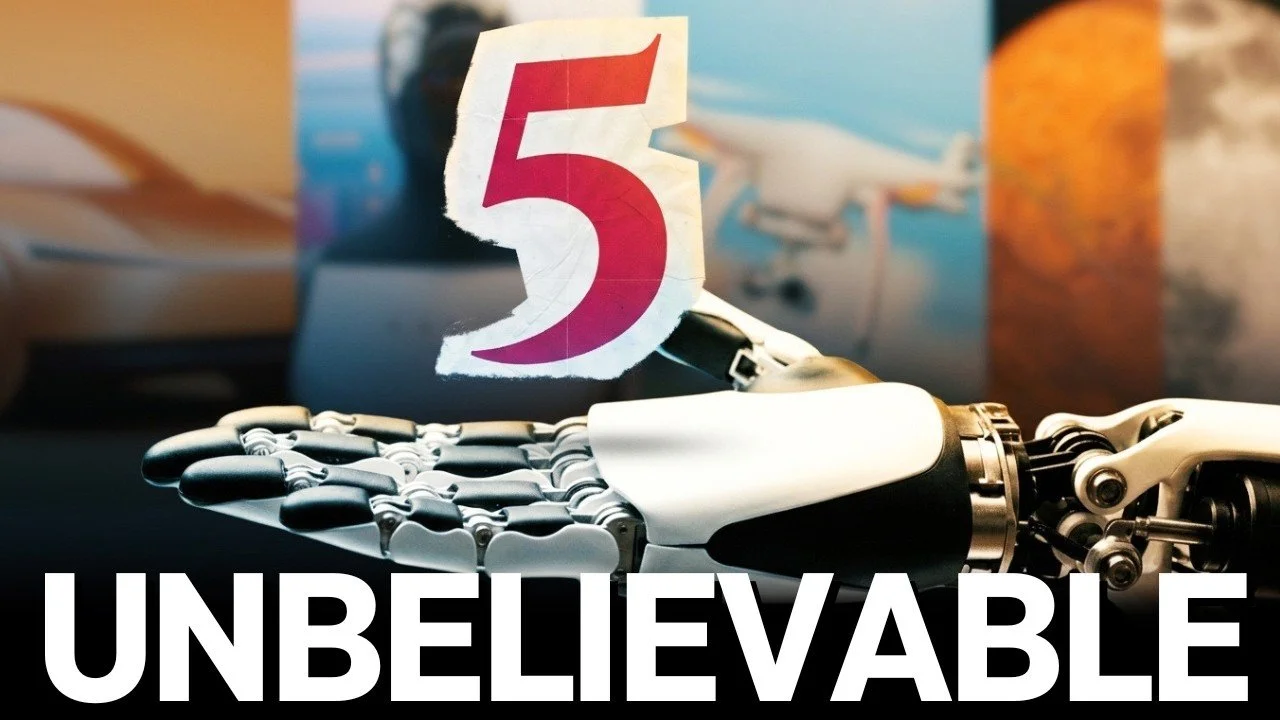
Five Ideas That Misread the Entire Musk Empire
FSD subscriptions, Optimus, drones, one intelligence stack, and a Moon-and-Mars endgame reframe how Tesla, SpaceX, and the rest of the complex actually fit together.
Tesla's Registered Texas Robotaxi Fleet Reaches 102 Model Ys as Steering-Wheel-Free Cybercab Hits Austin Roads
Tesla has more than doubled its registered Austin-area robotaxi fleet since late May and is now road-testing a production Cybercab without a steering wheel or pedals, even as regulation, not vehicle count, remains the real gate on unsupervised service.
Tesla Delivers 480,126 Cars in Q2 as 13.5 GWh Storage Quarter Steals the Story
A 25% year-over-year delivery jump blew past the ~406,000 Wall Street expected, yet shares still dropped about 7% and the real signal sat in an energy business now deploying near-record storage ahead of the July 22nd earnings update.
Musk Warns Optimus Production Will Start Extremely Slow at Fremont
Tesla is building a modular Optimus line in Fremont designed for iteration before scale, and the deliberately slow start is the strongest signal yet that the humanoid robot is a twenty-year manufacturing story rather than a near-term revenue event.
Tesla Files "Megapod" Trademark As SpaceX Preps Starfall Orbital Return Demo
A June 18 intent-to-use filing points Tesla’s energy and AI stacks at data center hardware, while SpaceX lines up a June 23 Falcon 9 test of a cargo capsule built to bring payloads home from orbit.
Tesla Job Listing Signals In-House Push Into Distributed AI Training and Inference
Two Palo Alto software engineering roles built around PyTorch and low-level GPU tooling point to Tesla owning the AI compute layer that sets how fast it can scale FSD, Optimus, and the CyberCab, even as viral crash narratives and safety scrutiny escalate alongside.
Spain's Traffic Regulator Logs 171,000 Miles of Tesla FSD With No Serious Incidents
A government registry from Spain’s Dirección General de Tráfico shows Tesla’s 30-car supervised test fleet has driven roughly 275,000 kilometers on public roads since November 2025, handing the company rare third-party evidence just as it pushes for European approval.
SpaceX Lands First Investment-Grade Ratings, Notches Above Tesla, as Robotaxi Groundwork Clears SFO
Moody’s, S&P, and Fitch all stamped the privately-held launch company investment-grade—Moody’s BA-1 sitting two notches above Tesla’s BA-3—while Tesla quietly won airport ride-hailing rights in San Francisco, shipped FSD v14 to Australia and New Zealand, and pushed its Australian Supercharger count
Why Tesla's Robotaxi Advantage Is Growing Faster Than Anyone Notices
It's not the current fleet size that matters most—it's the explosive growth in data miles and production scale driving down costs exponentially.
Tesla is pushing unsupervised robotaxis into more Texas cities, while competitors like Waymo operate thousands of vehicles across multiple metros. Yet the numbers reveal one player building an insurmountable lead through sheer data volume and manufacturing muscle. With 10 billion cumulative full self-driving miles already logged and the count growing by a billion monthly, the foundation for cheaper, smarter autonomy is solidifying rapidly.
Key Takeaways
Tesla's cumulative FSD miles stand at around 10 billion—50 times the roughly 200 million driverless miles accumulated by its closest rival across its entire history.
Both double autonomous miles approximately every nine months, but Tesla's vastly larger base means its lead widens dramatically each cycle.
Tesla achieves robotaxi costs near 81 cents per mile today, roughly 60% of competitors' current levels.
Production capacity gives Tesla the ability to manufacture hundreds of thousands of capable vehicles quarterly, dwarfing rivals reliant on third-party supply.
Paid unsupervised robotaxi miles nearly tripled quarter-over-quarter in early 2026, signaling accelerating commercial traction.
At scale, autonomous transportation could drop to 25 cents per mile, slashing annual personal mobility costs from hundreds to thousands of dollars.
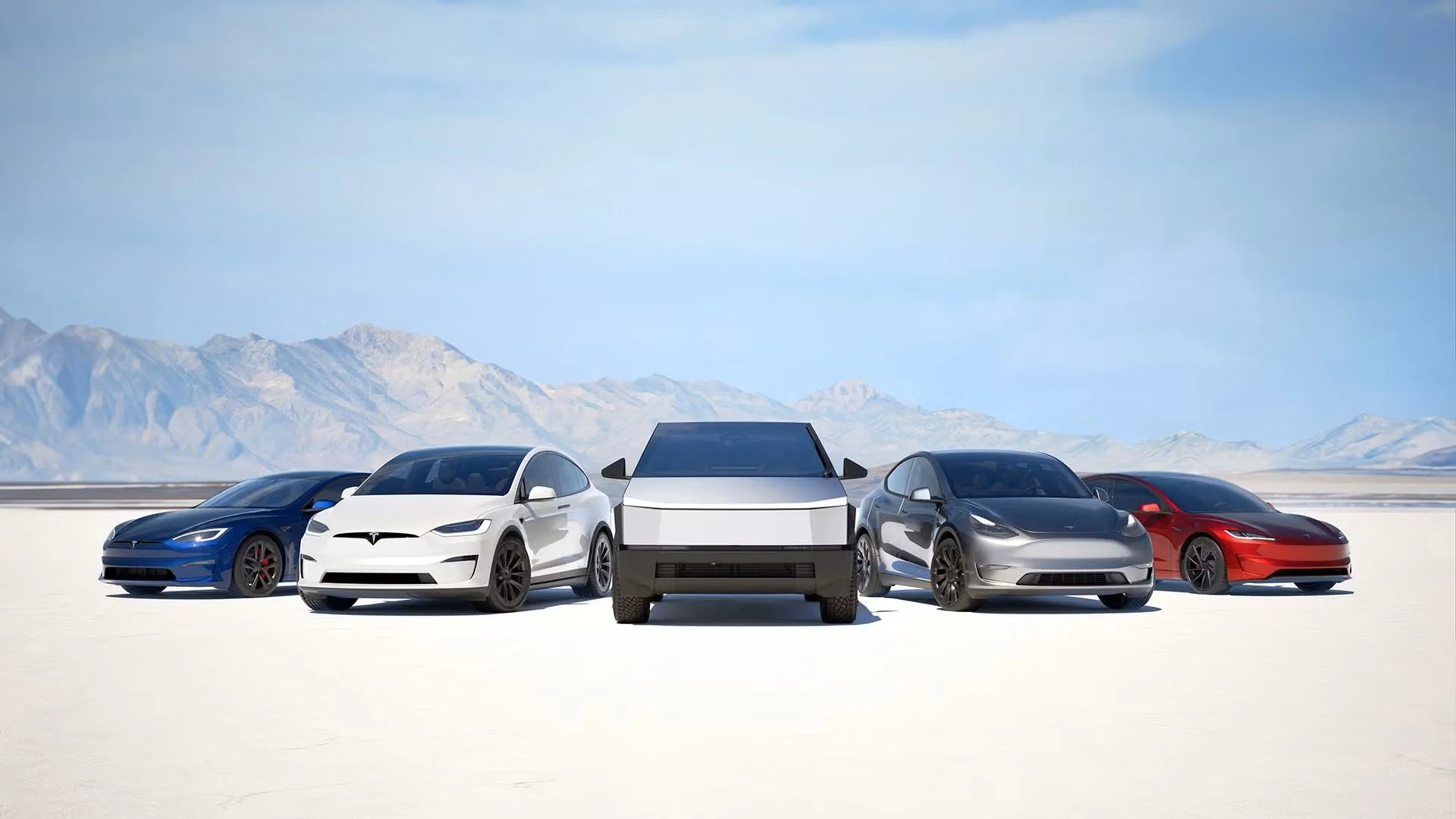
Tesla's Fleet Awakening: The Dawn of Unsupervised Autonomy
Unlocking Millions of Self-Driving Cars Overnight – And Why It Crushes the Competition
Tesla's latest move in Austin marks a pivotal shift in autonomous driving, turning everyday vehicles into fully independent machines. This isn't just about robotaxis in select cities; it's about transforming over six million existing cars into assets that drive, earn, and redefine mobility through a simple software push.
Key Takeaways
Tesla has enabled unsupervised full self-driving (FSD) in Austin robotaxis, allowing passengers to ride without any human oversight.
Over six million Tesla vehicles already on roads come equipped with FSD hardware, ready for activation via software updates.
Tesla's data advantage, with over seven billion miles driven, dwarfs competitors and accelerates neural network improvements.
Unlike rivals relying on expensive custom fleets and detailed city mapping, Tesla's approach scales instantly across any location.
Regulatory changes in 2026, including federal preemption, could enable nationwide unsupervised driving.
This shift boosts Tesla's car sales by offering unmatched features, like vehicles that earn money or run errands autonomously.
The business model favors capital efficiency, as customers own and maintain the vehicles while Tesla provides the software capability.
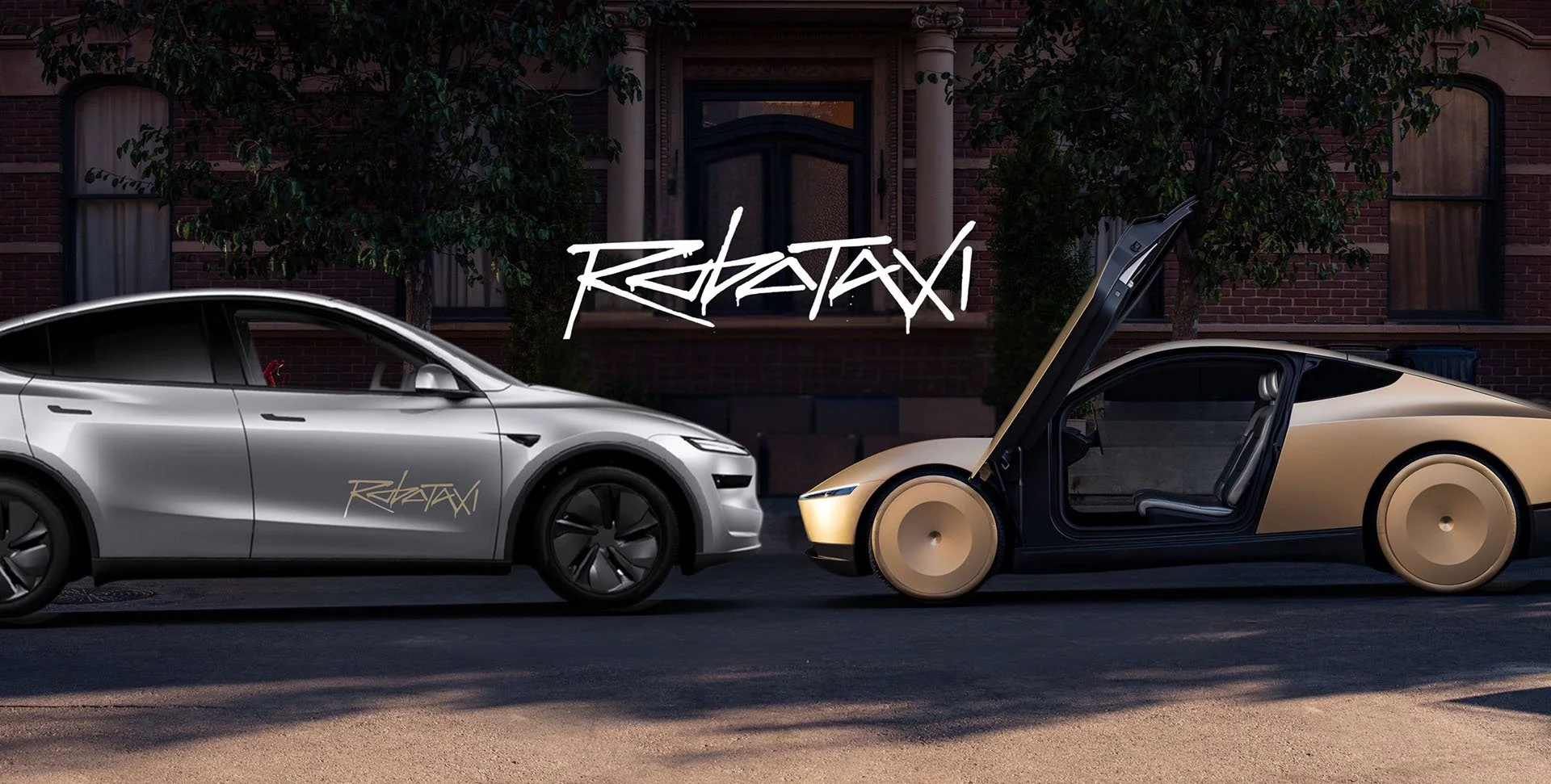
Tesla's 2026 Leap: Unlocking Robotaxis and AI Dominance
Revolutionizing Transportation and Compute in One Bold Year
Tesla's trajectory heads into overdrive as unsupervised self-driving tech nears reality, Cybercab production ramps up, and AI hardware reshapes the company's future. These shifts promise massive value unlocks for vehicles, energy, and beyond, setting the stage for explosive growth.
Key Takeaways
Unsupervised full self-driving (FSD) could multiply vehicle values by five times through higher margins and new revenue streams.
Cybercab enters volume production in April, starting slow but scaling to thousands per week, with flexible designs to navigate regulations.
AI hardware advancements pave the way for safer robotaxis, distributed computing, and pathways to bots and satellites.
Energy demand surges infinitely due to AI needs, bolstering Tesla's bottom line.
Subscription models for vehicles and software could transform ownership, blending transport, power backup, and personal AI computing.
Tesla's Robotaxi Breakthrough: Unsupervised Rides Begin in Austin
The first truly driverless Tesla robotaxis are now carrying paying passengers in Austin, Texas—using standard Model Y vehicles with no human in the front seat. This milestone, combined with third-party insurance slashing rates by 50% on FSD miles, signals that Tesla's vision-based autonomy has reached a level of safety and capability that could reshape transportation economics worldwide.
Key Takeaways
Tesla has launched public robotaxi rides in Austin with fully unsupervised vehicles—no safety driver or monitor inside the car—starting with a small number mixed into the existing fleet.
The service uses unmodified Model Y vehicles equipped with the same camera-only hardware and AI software available in consumer Teslas.
A major insurer now offers roughly 50% lower per-mile rates for miles driven with Tesla's Full Self-Driving (FSD) engaged, based on real-world data showing sharply reduced accident risk.
Removing the human driver collapses operating costs to energy, maintenance, and repairs—potentially dropping per-mile expenses to 40-60 cents versus $2+ for human-driven rides.
Tesla's camera-based, data-driven approach—trained on billions of miles from its global fleet—enables scalability far beyond sensor-heavy competitors, with potential for rapid expansion to new cities and countries.
Future production of the purpose-built Cybercab, lacking steering wheel or pedals, could push Tesla's annual output beyond 5 million self-driving-capable vehicles.
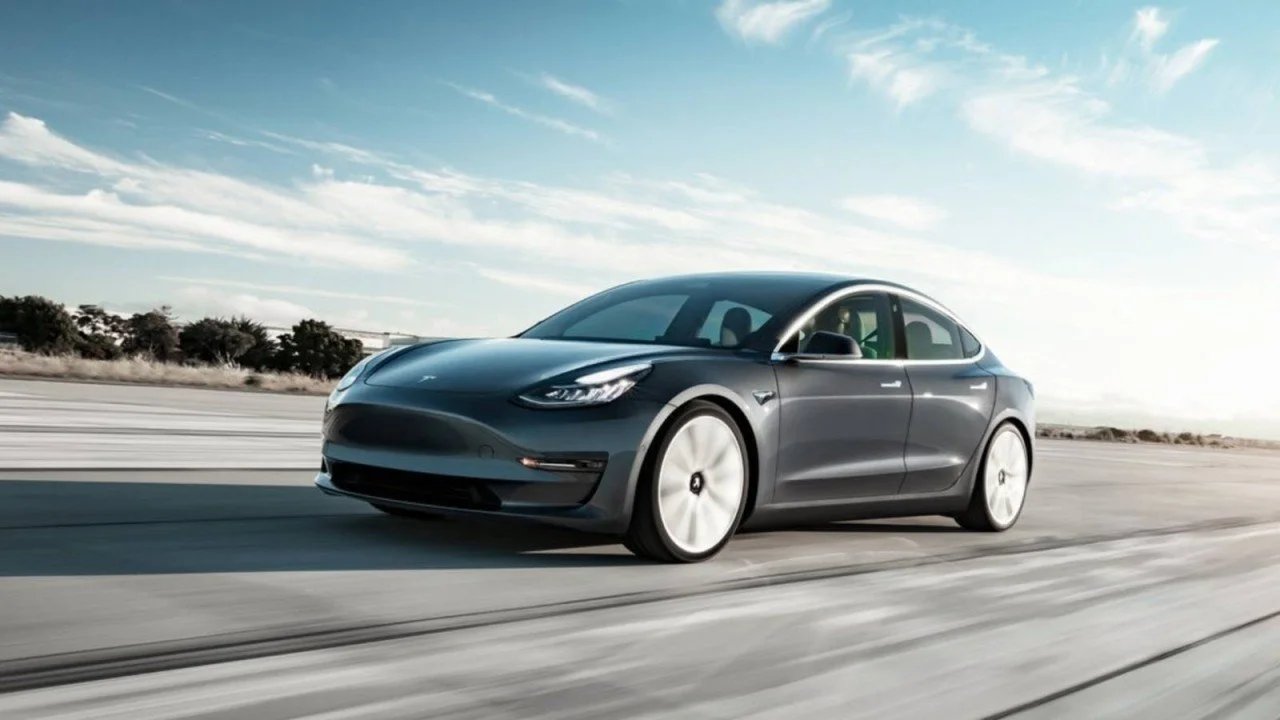
Tesla's Game-Changer: No More Buying FSD Outright After February 14
Why This Shift Could Unlock a Trillion-Dollar Robotaxi Era
Tesla's decision to eliminate outright purchases of Full Self-Driving (FSD) software marks a pivotal turn toward unsupervised autonomy and widespread Robotaxi deployment. This move positions every Tesla vehicle as a potential revenue generator, transforming personal cars into autonomous assets capable of earning owners substantial income while reshaping urban mobility and boosting the company's long-term profitability.
Key Takeaways
Tesla will stop selling FSD for a one-time $8,000 fee after February 14, shifting entirely to a subscription model starting at $99 per month.
This signals that unsupervised FSD—where drivers no longer need to pay attention—is imminent, potentially arriving by mid-2026, dramatically increasing vehicle value.
Vehicles with unsupervised capabilities could function as robotaxis, generating up to $100,000 in annual profit per car by operating without human intervention.
Existing FSD owners may receive lifetime access, possibly including unsupervised features, while hardware 3 owners could get transfer options to newer models.
The change simplifies pricing, maximizes fleet participation in a future Robotaxi network, and could triple or quadruple Tesla's profit per vehicle through recurring revenue.
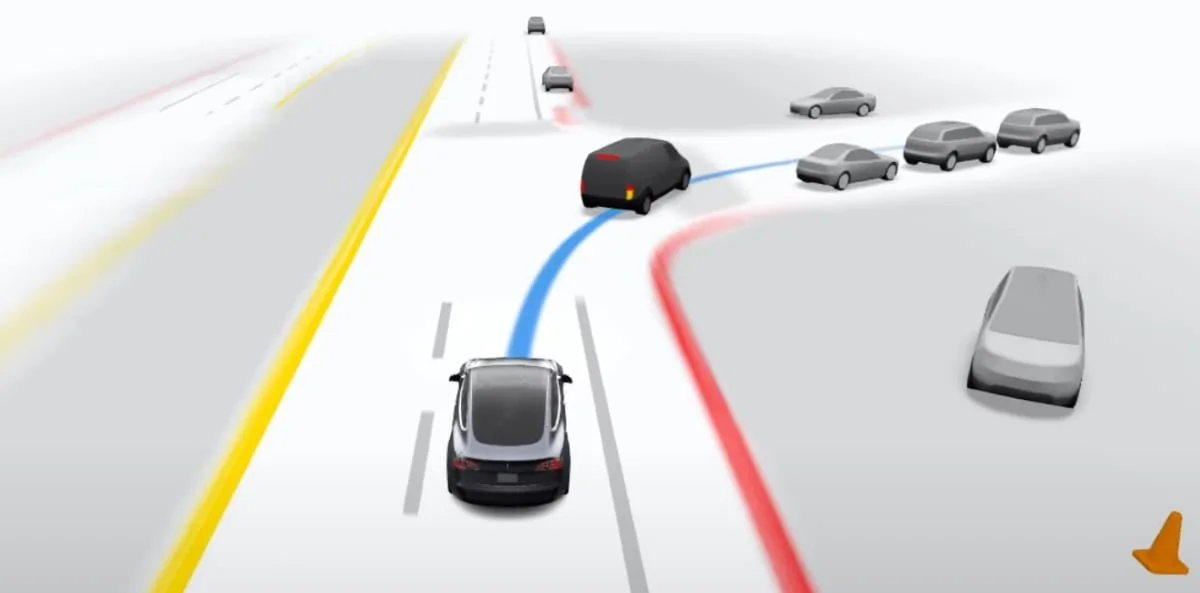
Tesla's Self-Driving Leap: Conquering Roads Worldwide
Why FSD's Rapid Progress Signals a Transportation Overhaul
Tesla's Full Self-Driving software has reached a stage where it handles 99% of miles autonomously in diverse conditions, from snowy terrains to narrow European streets. This breakthrough points to a future where robotaxis scale globally, potentially transforming economies through safer, cheaper mobility—yet regulatory hurdles could force creative solutions like adding steering wheels to cyber cabs.
Key Takeaways
Tesla's FSD software now operates reliably in challenging environments like snow and European roads, demonstrating its adaptability beyond U.S. cities.
Global rollout of the Tesla app opens doors for wider adoption, signaling preparations for robotaxi services in countries outside the U.S.
Regulatory landscapes vary worldwide, with potential for nations like Indonesia or the UAE to approve robotaxis faster than fragmented U.S. states, accelerating Tesla's expansion.
Waymo's geofenced approach limits scalability to thousands of vehicles annually, while Tesla's vision-based system aims for millions, creating a competitive edge.
Outdated mapping remains a minor issue, but upcoming updates will incorporate more human-like logic to override such limitations.
Self-driving tech promises massive safety gains and cost reductions in transportation, outweighing concerns around privacy and control.
If global approvals align with production capacity, Tesla could deploy millions of cyber cabs, leading to trillions in market value through profitable robotaxi networks.
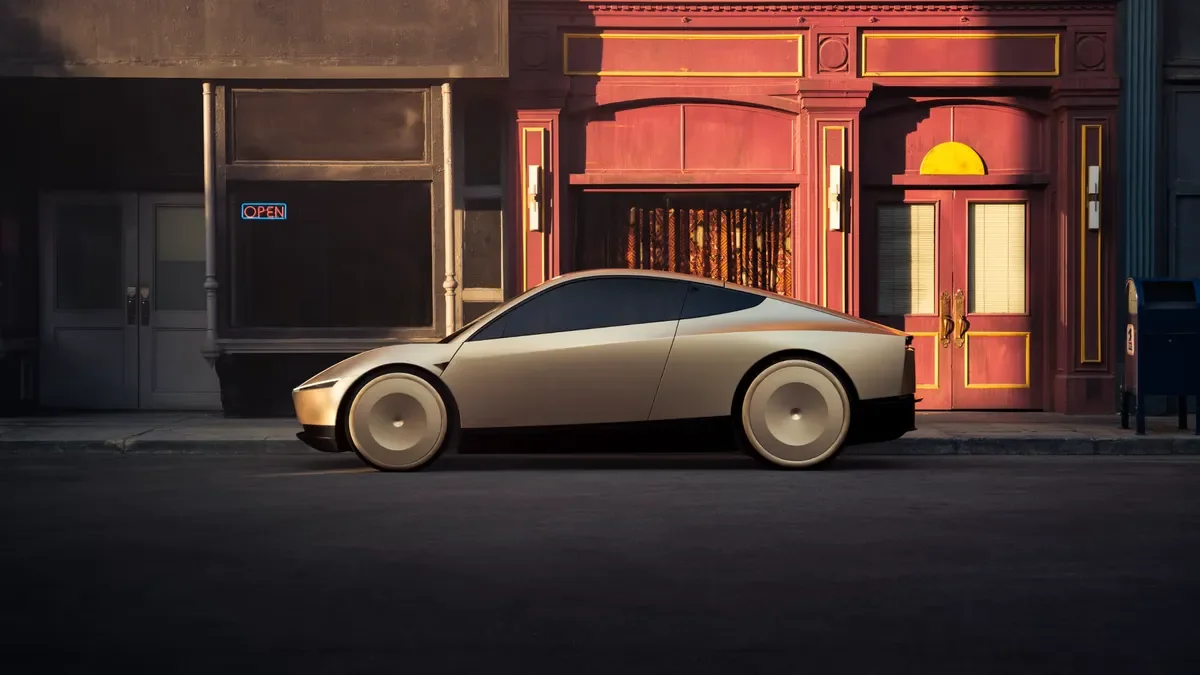
Tesla's Robotaxi Edge: Scaling Autonomy to Every Corner
Why Small Cities and Global Streets Are Tesla's Next Frontier
Tesla is pushing boundaries with Robotaxi trials in unlikely spots like Harrisburg, Pennsylvania, while Cybertrucks equipped with the latest Full Self-Driving software handle urban drives in Europe. These moves highlight a scalable approach to autonomy that could reshape transportation economics worldwide, outpacing rivals limited by hardware and mapping constraints.
Key Takeaways
Tesla's Robotaxi network is expanding into smaller markets like Harrisburg, leveraging massive vehicle production to enter areas competitors ignore.
Full Self-Driving version 14 enables vehicles like the Cybertruck to navigate diverse environments, from U.S. suburbs to European cities, without specialized sensors or pre-mapped routes.
Unlike companies relying on lidar and high-definition maps, Tesla uses camera-based AI trained on billions of miles of real-world data for broader, faster deployment.
This technology promises to lower transportation costs below 50 cents per mile, boosting local economies in underserved regions by reducing friction for travel and commerce.
Global scalability means Tesla can upgrade millions of existing vehicles via software, creating a ride-hailing fleet that transforms affordability and accessibility everywhere.
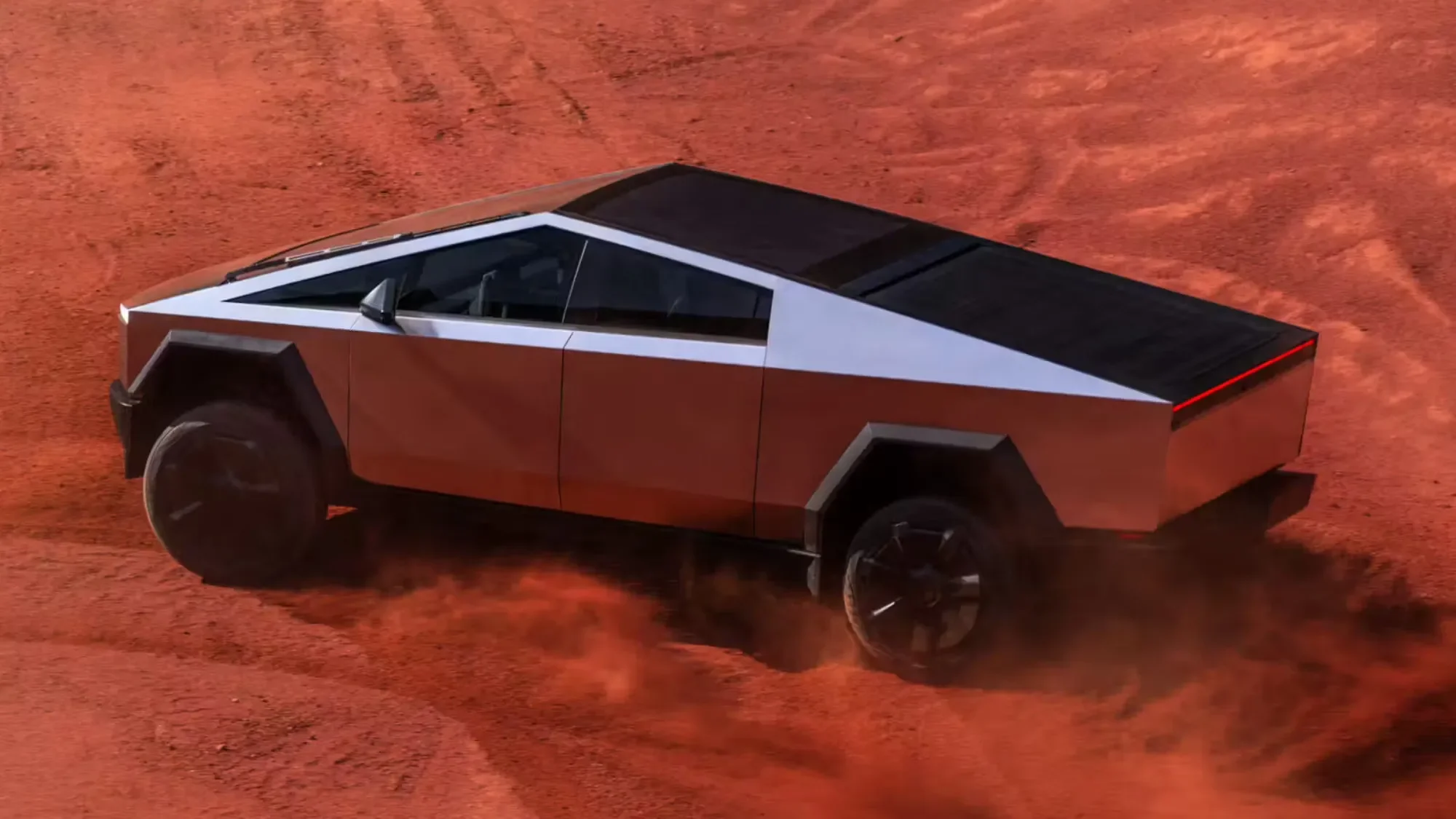
Tesla's Cybertruck Hits Peak Autonomy with FSD v14.1.7
Revolutionizing Roads: From Parking Lots to Profit Machines
Tesla's latest Full Self-Driving update delivers seamless, assertive navigation in real-world conditions, unlocking massive potential for robotaxis and transforming vehicle utility from idle assets to round-the-clock earners.
Key Takeaways
FSD v14.1.7 enables hands-off driving in the Cybertruck, handling everything from parking lot exits to highway merges with minimal intervention.
Mad Max mode prioritizes speed and efficiency, selecting optimal lanes and exceeding speed limits to minimize travel time.
Hardware 4 vehicles like the Cybertruck are poised for unsupervised autonomy soon, eliminating the need for driver attention.
Self-driving tech could multiply vehicle utility by 5x or more, turning personal cars into revenue-generating units.
Robotaxis promise profits of up to $2 per mile, driven by low operating costs around 50 cents per mile without human drivers.
Tesla's production scale gives it a massive edge over competitors like Waymo, which struggles with supply chain dependencies and complex sensor suites.
Widespread adoption may drive down ride costs below $1 per mile long-term, reshaping urban travel and reducing reliance on short-haul flights.
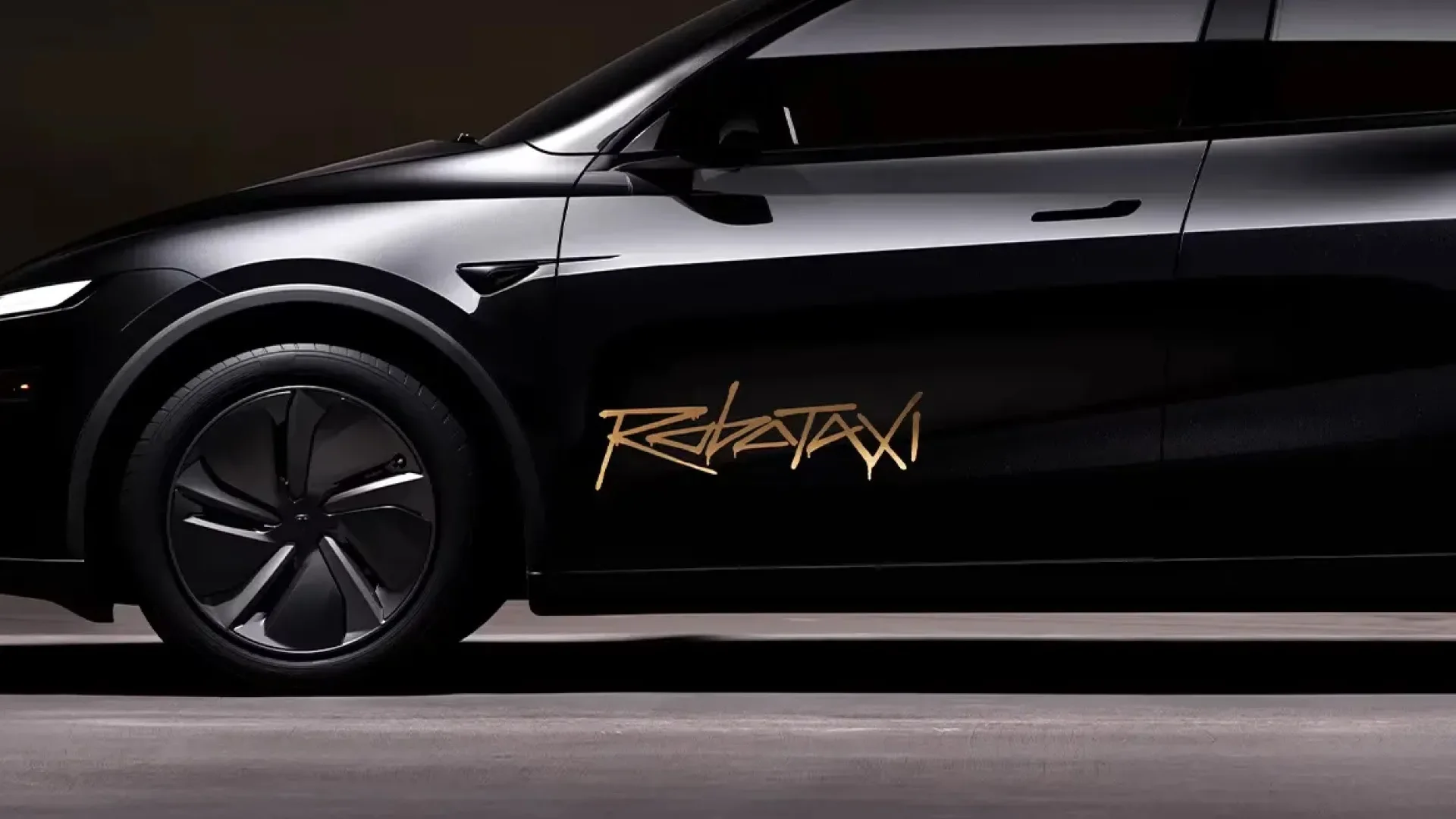
Tesla's Robotaxi: Half the Price, Twice the Future
A real-world ride reveals V14's assertive smarts navigating Austin's chaos—while the network scales up to crush Uber.
Tesla's robotaxi service in Austin is delivering rides for $15 on an 11-mile trip—half the cost of Uber—while showcasing FSD V14's newfound edge in handling pedestrians, construction, and split-second decisions. The real game-changer? Vehicles that prioritize safety without sacrificing speed, all backed by data that's proving this tech is ready for prime time.
Key Takeaways
Robotaxi fares hit $15 for an 11-mile Austin route, undercutting Uber's $30 by 50%, making autonomous rides the budget-friendly choice for urban travel.
FSD V14 brings assertive lane changes and real-time rerouting around obstacles, turning potential hazards into seamless maneuvers.
Vehicles demonstrate heightened awareness, braking preemptively for encroaching traffic and yielding politely to pedestrians, enhancing passenger comfort.
Network scaling is the main bottleneck: 11-minute wait times and local-road routing add 20 minutes versus Uber's highway efficiency, but adding 500 cars could flip the script.
Technical performance shines in complex scenarios like four-way stops and cone-lined detours, with no unsafe moments despite minor hesitations.
Highway access remains limited, keeping ETAs longer, but once unlocked, it promises unbeatable speed and reliability at current pricing.