
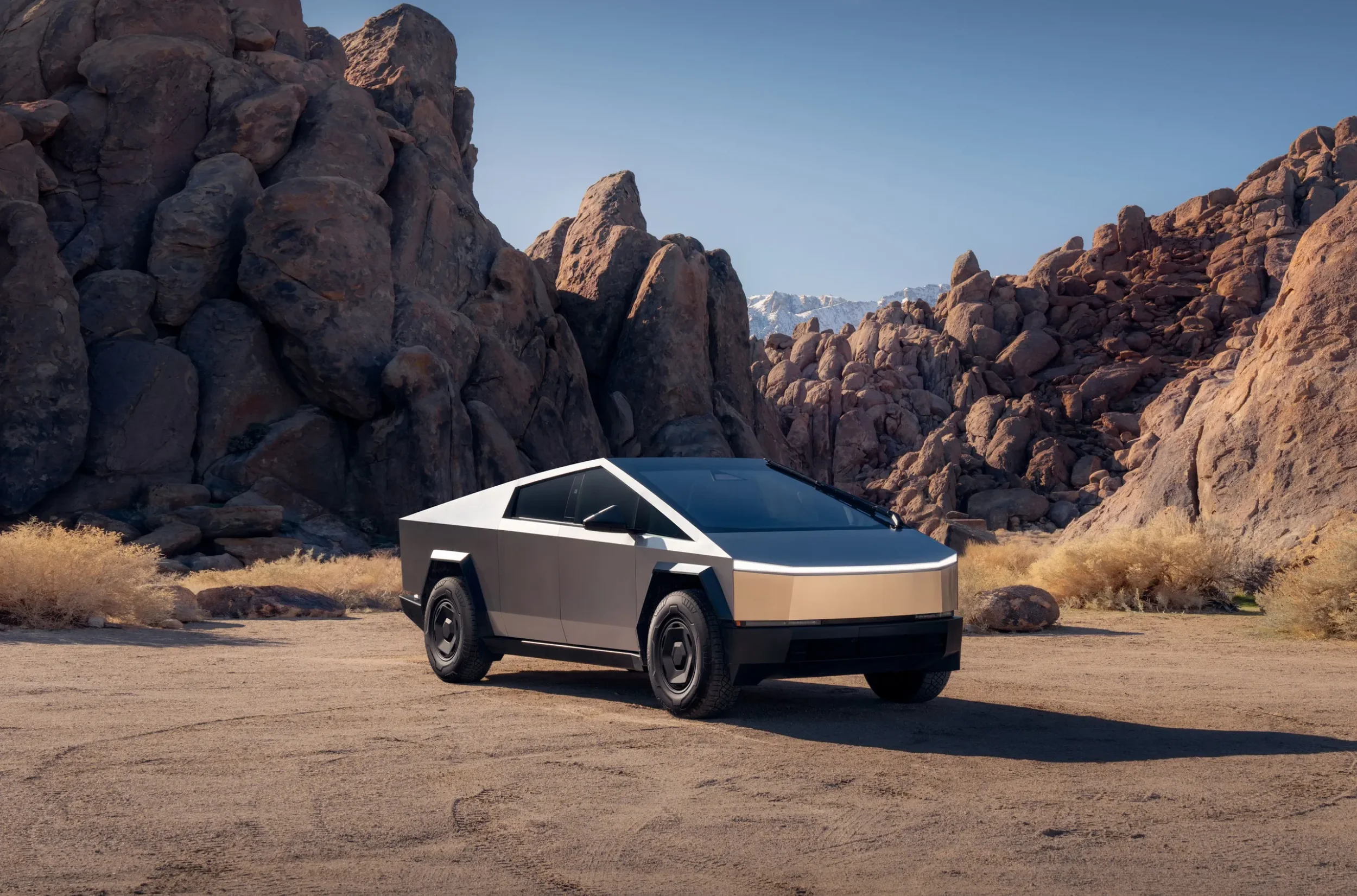
Cybertruck's Near-Miss Off-Road Run Shows Why Tesla's Platform Strategy Matters More Than Looks
Real-world durability tests, modular interiors, DC energy rethinking, and agent orchestration are quietly defining the next wave of useful hardware.
A recent off-road outing in rugged Hill Country terrain put the Cybertruck through conditions most owners will never encounter. The truck handled narrow, rocky ATV trails and sudden drops when its systems were engaged properly, but the episode also showed how quickly capability turns risky without clear route judgment. That same platform thinking now points toward a three-row SUV variant that could solve family hauling needs while keeping the core advantages of shared production and component architecture. At the same time, the push to cut power conversion losses in homes and data centers is gaining practical momentum through integrated solar, storage, and local compute. AI tooling is shifting from single clever models to orchestrated systems with real safeguards. And autonomous van platforms are opening the door to living arrangements that treat mobility as a core feature rather than an afterthought. These threads matter because they focus on integration, efficiency, and adaptability rather than isolated specs.
Key Takeaways
The Cybertruck proved its hardware margin in demanding terrain when using maximum suspension and recovery modes, but the incident reinforced that operator decisions remain the primary variable in extreme use.
Tesla is positioned to launch a three-row SUV on the existing Cybertruck line, likely with configurable seating on tracks, higher interior volume, and shared 48-volt and networking architecture for fast reconfiguration between passenger and cargo layouts.
Native DC power chains in homes and data centers with on-site generation can recover substantial energy currently lost to repeated AC conversions, enabling tighter integration of batteries, HVAC, and local AI hardware.
Effective AI agent systems now emphasize hierarchical permissions, auditability, and task reliability over raw model power, with local frameworks showing clear differences in sustained execution performance.
Autonomous high-roof platforms that double as living spaces reduce the friction of relocation and create climate-resilient, scalable housing options that align with human patterns of mobility seen throughout history.
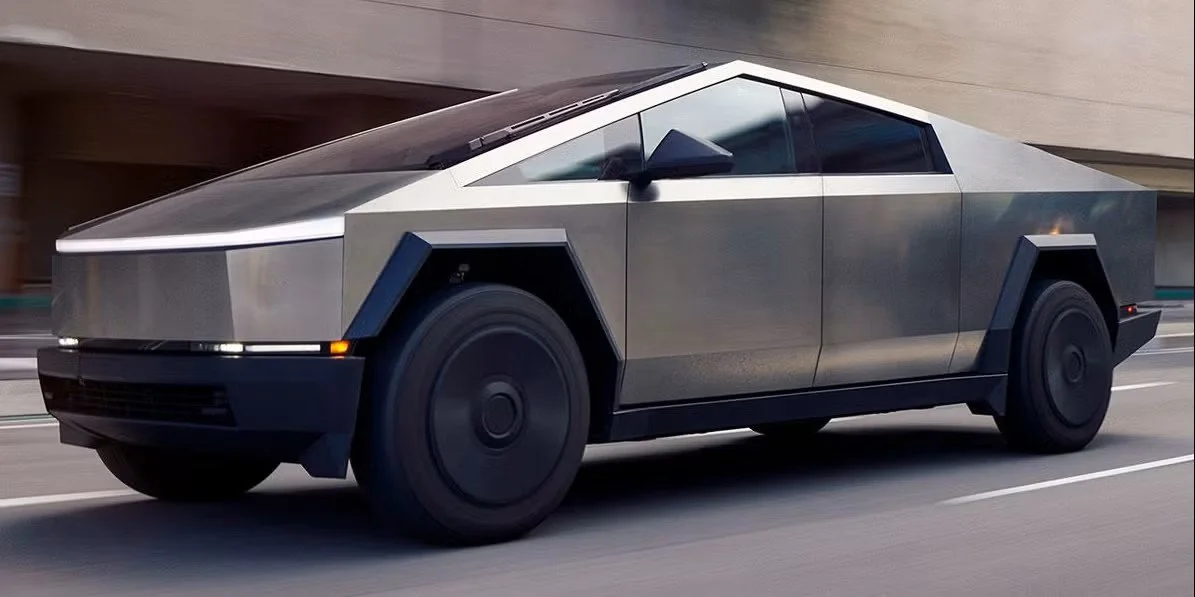
Cybertruck's Self-Driving Breakthrough: FSD v14.1.7 Takes on Austin Rush Hour
Pushing Autonomy to New Heights in Real-World Chaos
Tesla's latest Full Self-Driving update demonstrates remarkable progress in handling urban and highway scenarios, blending speed with safety in ways that rival human drivers.
Key Takeaways
FSD v14.1.7 maintains smooth, natural acceleration and braking, adapting seamlessly to traffic flow without abrupt movements.
The system excels in lane management, preferring middle lanes for cruising and shifting left only for passing, avoiding common pitfalls like left-lane camping.
Pedestrian detection and courtesy stand out, with the vehicle yielding appropriately at crosswalks and four-way stops, even in busy pedestrian areas.
Highway performance handles construction zones, merges, and speed variations up to 85 mph cap effectively, though minor hesitations occur in complex merges.
Parking garage navigation needs refinement, as the system sometimes fails to enter designated areas, but overall urban maneuvering in crowded spots shows strong politeness and caution.
Mad Max mode delivers assertive yet controlled driving, prioritizing empathy and safety over aggressive tactics.
School zones and low-speed areas trigger cautious speed adjustments, potentially geofenced for added safety around sensitive locations.
The update marks a pivotal step toward unsupervised autonomy, with potential for widespread deployment removing the need for constant driver attention by mid-2026.
Tesla's Full Self-Driving (FSD) system in version 14.1.7 represents a significant leap in autonomous vehicle technology, particularly when tested in a Cybertruck during Austin's demanding rush hour. This update showcases how AI-driven driving can integrate into everyday traffic, from highways to pedestrian-heavy domains, with a focus on reliability and user comfort. The performance highlights advancements in real-time decision-making, making self-driving tech feel increasingly viable for mass adoption.
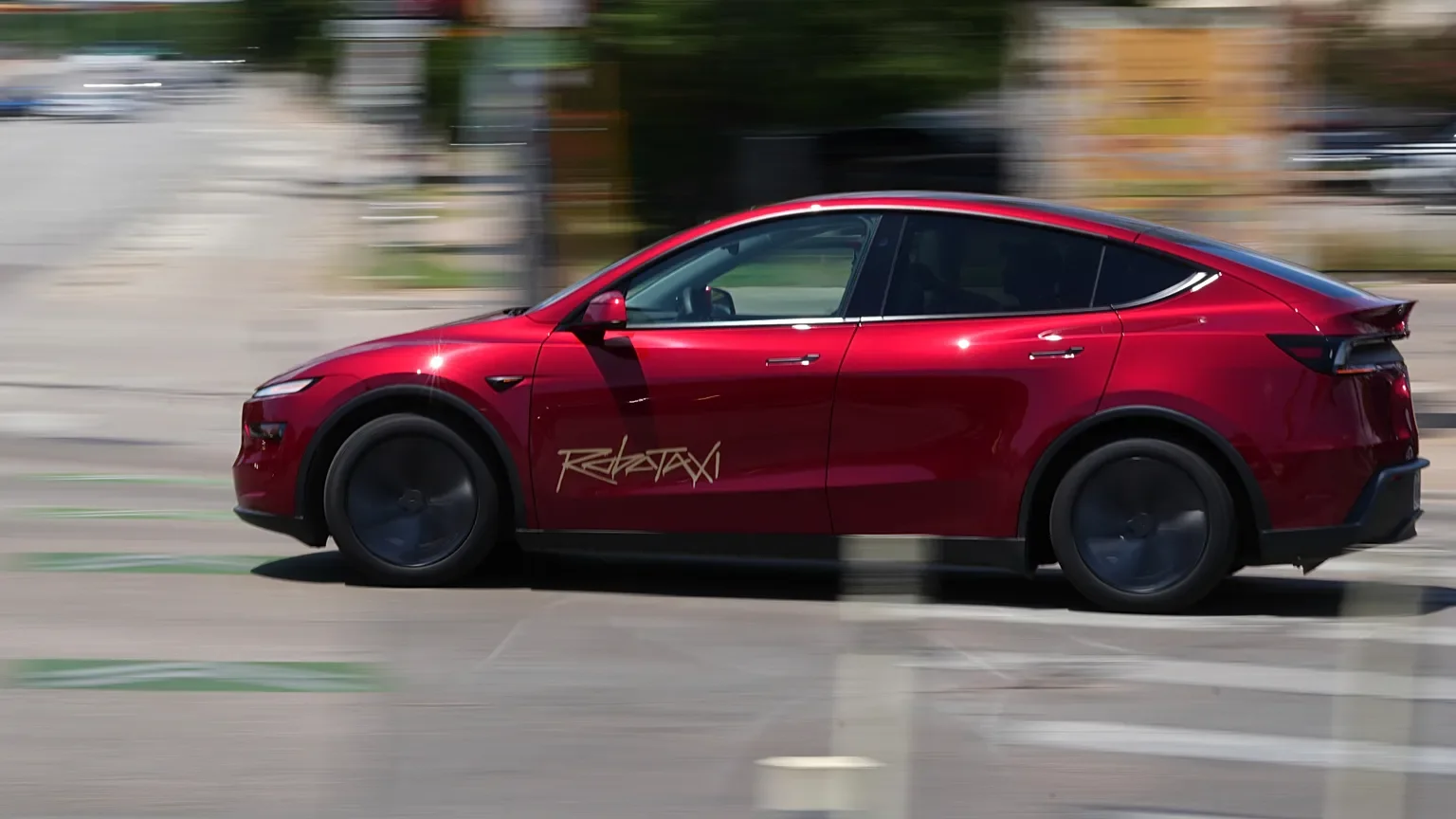
Self-Driving Revolution: How AI is Redefining Urban Life and Transportation
Unlocking Safer Streets, Reclaimed Spaces, and a Post-Scarcity Future
Self-driving technology stands on the brink of transforming cities, economies, and daily routines through advanced AI systems that outperform human drivers in consistency and safety.
Key Takeaways
Self-driving cars will reduce parked vehicles and parking lots, freeing up urban space for human use while cutting noise pollution and boosting road safety.
AI-driven autonomy enables cheaper, faster delivery of goods and redirects human attention from driving to more productive activities.
Tesla's vision-only approach, using cameras and neural networks, has advanced to handle complex urban scenarios flawlessly, surpassing earlier versions that struggled with basic curves.
This tech shifts from rule-based programming to learning from billions of miles of real-world data, similar to AI mastering chess through pattern recognition.
Broader impacts include massive drops in transportation and labor costs, but also potential job displacement, pushing society toward valuing human existence over work output.
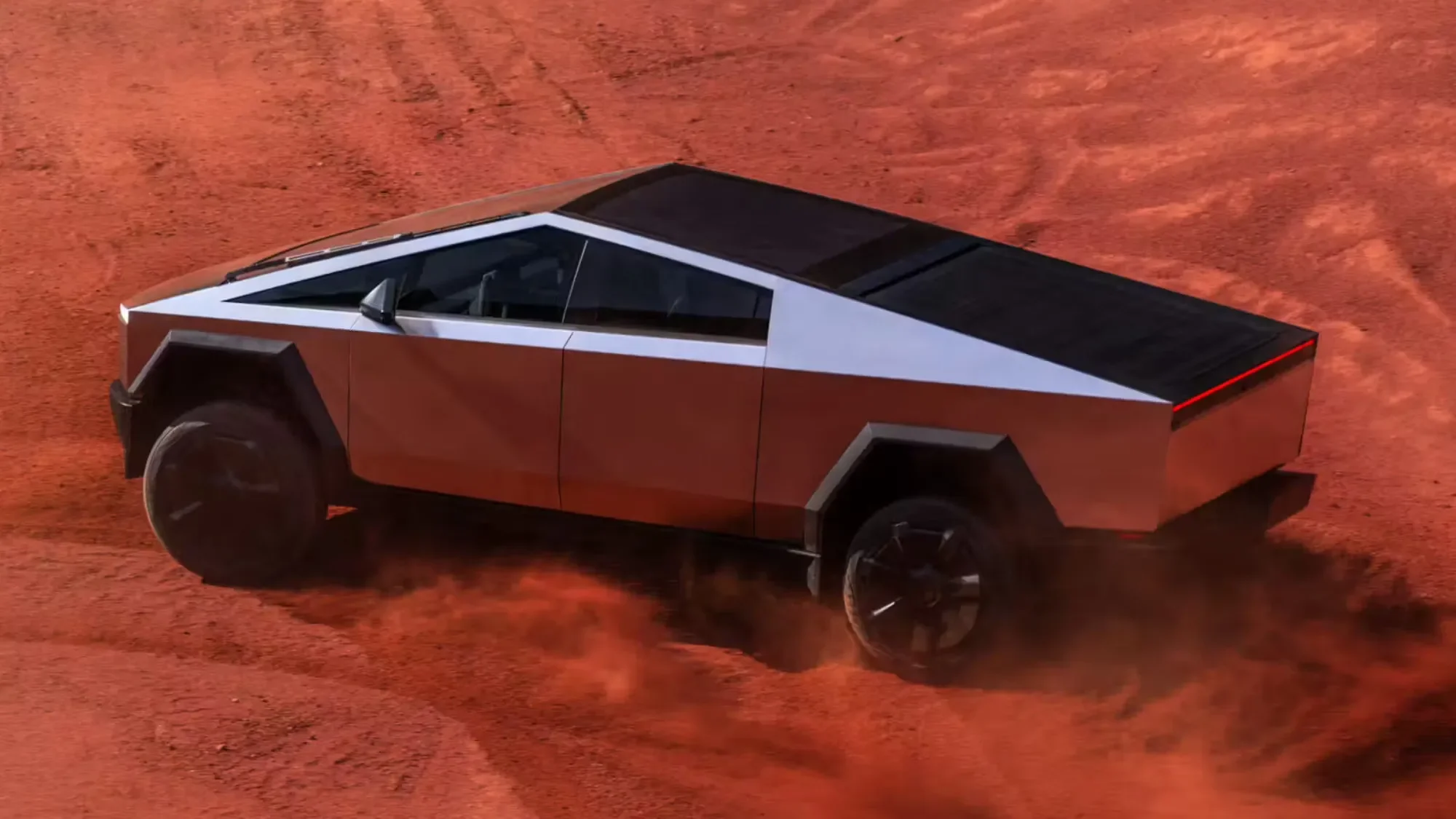
Tesla's Cybertruck Hits Peak Autonomy with FSD v14.1.7
Revolutionizing Roads: From Parking Lots to Profit Machines
Tesla's latest Full Self-Driving update delivers seamless, assertive navigation in real-world conditions, unlocking massive potential for robotaxis and transforming vehicle utility from idle assets to round-the-clock earners.
Key Takeaways
FSD v14.1.7 enables hands-off driving in the Cybertruck, handling everything from parking lot exits to highway merges with minimal intervention.
Mad Max mode prioritizes speed and efficiency, selecting optimal lanes and exceeding speed limits to minimize travel time.
Hardware 4 vehicles like the Cybertruck are poised for unsupervised autonomy soon, eliminating the need for driver attention.
Self-driving tech could multiply vehicle utility by 5x or more, turning personal cars into revenue-generating units.
Robotaxis promise profits of up to $2 per mile, driven by low operating costs around 50 cents per mile without human drivers.
Tesla's production scale gives it a massive edge over competitors like Waymo, which struggles with supply chain dependencies and complex sensor suites.
Widespread adoption may drive down ride costs below $1 per mile long-term, reshaping urban travel and reducing reliance on short-haul flights.
Tesla's Robotaxi: Half the Price, Twice the Future
A real-world ride reveals V14's assertive smarts navigating Austin's chaos—while the network scales up to crush Uber.
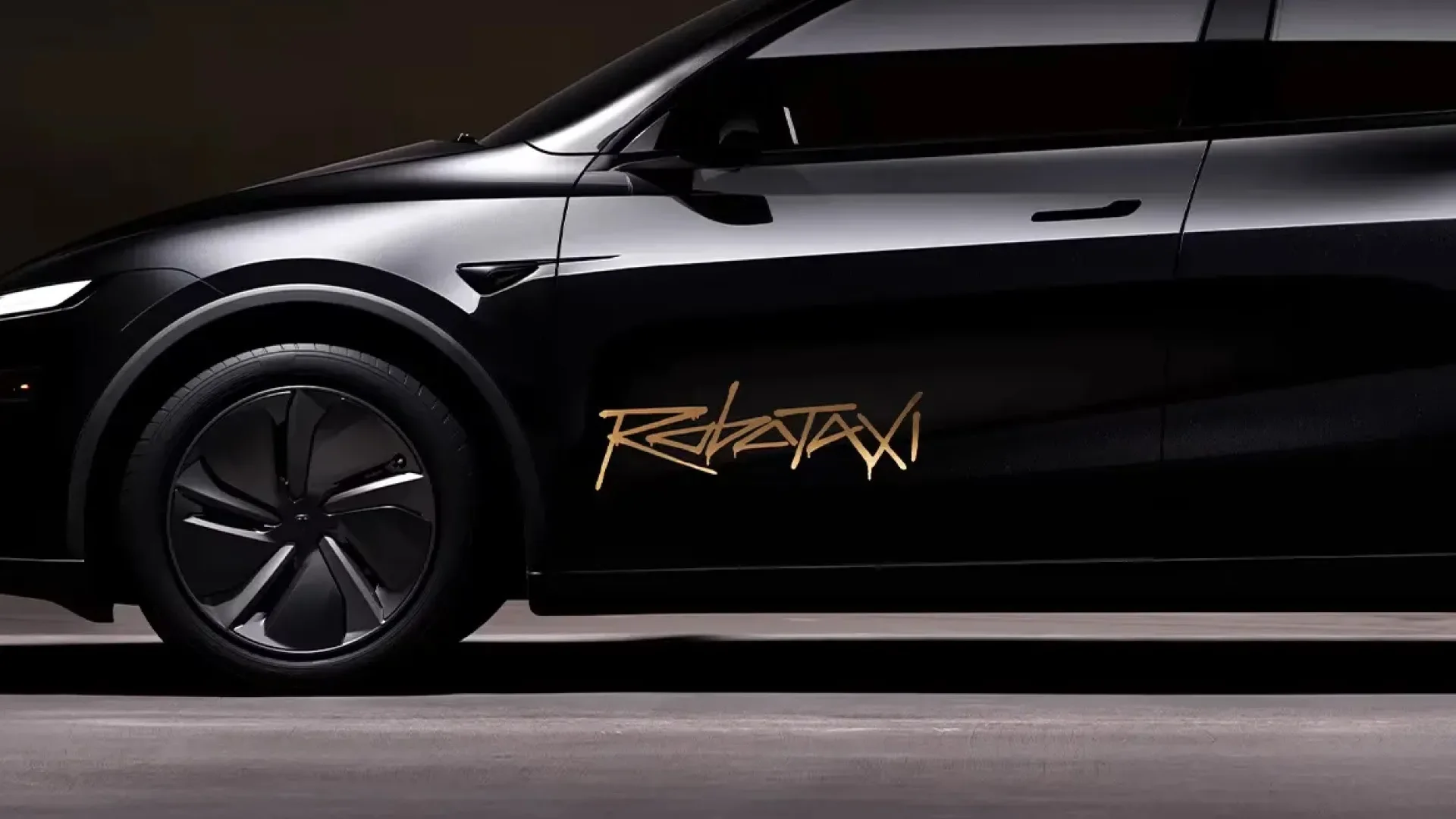
Tesla's robotaxi service in Austin is delivering rides for $15 on an 11-mile trip—half the cost of Uber—while showcasing FSD V14's newfound edge in handling pedestrians, construction, and split-second decisions. The real game-changer? Vehicles that prioritize safety without sacrificing speed, all backed by data that's proving this tech is ready for prime time.
Key Takeaways
Robotaxi fares hit $15 for an 11-mile Austin route, undercutting Uber's $30 by 50%, making autonomous rides the budget-friendly choice for urban travel.
FSD V14 brings assertive lane changes and real-time rerouting around obstacles, turning potential hazards into seamless maneuvers.
Vehicles demonstrate heightened awareness, braking preemptively for encroaching traffic and yielding politely to pedestrians, enhancing passenger comfort.
Network scaling is the main bottleneck: 11-minute wait times and local-road routing add 20 minutes versus Uber's highway efficiency, but adding 500 cars could flip the script.
Technical performance shines in complex scenarios like four-way stops and cone-lined detours, with no unsafe moments despite minor hesitations.
Highway access remains limited, keeping ETAs longer, but once unlocked, it promises unbeatable speed and reliability at current pricing.
Tesla's Autonomous Rental Revolution
Redefining Mobility in the Age of Autonomy
Tesla's latest rental offering signals a shift toward flexible, on-demand transportation that could upend traditional car ownership and rental models.
Key Takeaways
Tesla now offers short-term rentals for models like the Model 3 or Model Y, covering charging, maintenance, and insurance for a hassle-free experience.
This program lays the groundwork for a subscription-based transportation system, where vehicles can be summoned via app and returned autonomously.
Self-driving technology enables vehicles to operate without human intervention, maximizing their utility and reducing idle time compared to conventional cars.
Tesla's direct control over sales, service, and fleet management gives it a competitive edge over legacy automakers reliant on dealership networks.
Future expansions could include long-term subscriptions, ride-hailing, and even package delivery, dramatically boosting revenue per vehicle.
Competitors like Waymo face scalability challenges due to higher costs and smaller fleets, while Tesla leverages millions of existing vehicles for rapid deployment.
This model could lower transportation costs globally but may displace jobs in driving and logistics sectors.

Tesla's Cybercab Pivot: Unlocking Mass-Market Autonomy
Revolutionizing Affordable EVs with a Regulatory Twist
Tesla's upcoming Cybercab is set to reshape the electric vehicle landscape by blending cutting-edge autonomy with practical design adaptations, potentially delivering a sub-$30,000 car that drives itself without constant supervision. This move addresses production bottlenecks and regulatory hurdles, paving the way for high-volume sales starting in 2026.
Key Takeaways
Tesla plans to equip the Cybercab with a steering wheel and pedals if needed, allowing it to bypass strict U.S. regulations that cap driverless vehicle sales at 2,500 units per year.
This design flexibility positions the Cybercab as an affordable EV option below the Model 3's price point, targeting under $30,000 to expand market reach.
Production ramps up mid-2026 on a new assembly line with capacity for around 800,000 units annually, but regulations in the U.S., Europe, and China limit demand for fully driverless models without controls.
Tesla's advanced autonomy tech is nearing completion, enabling unsupervised full self-driving (FSD) capabilities that could make the Cybercab a game-changer for everyday commuting.
By adding traditional controls, Tesla avoids idle factories and maximizes output, drawing from past pivots like the Model Y to meet safety standards while pushing innovation.

The AI Revolution Behind Self-Driving Cars: Tesla’s End-to-End Breakthroughs
Unveiling the tech powering autonomous vehicles and the future of robotics
Self-driving cars are no longer a distant dream—they’re hitting the roads, navigating complex scenarios, and transforming how we think about transportation. Recent advancements in AI, particularly Tesla’s end-to-end neural network approach, are pushing the boundaries of autonomy, making vehicles safer, smoother, and more intuitive. From robotaxi services to factory-to-home deliveries, these innovations are reshaping mobility and paving the way for broader robotic applications. Here’s a deep dive into the technologies driving this revolution and what they mean for the future.
Key Takeaways
End-to-End Neural Networks: Tesla’s shift to a single, large neural network eliminates traditional modular systems, enabling direct processing from raw sensor data to driving actions for smoother and safer performance.
Data Advantage: Tesla leverages its massive fleet to collect diverse, real-world driving data, refining models to handle rare and complex scenarios effectively.
Advanced Debugging Tools: Techniques like Gaussian Splatting and natural language prompts allow Tesla to interpret and debug neural network decisions, ensuring safety and reliability.
Simulation for Evaluation: Neural network simulators generate consistent, multi-camera video streams, enabling robust testing of edge cases and adversarial scenarios without real-world risks.
Scalability Across Platforms: The same AI technology powers Tesla’s vehicles, upcoming Cybercab, and Optimus humanoid robots, promising broad applications in robotics.

Tesla’s Autonomous Revolution: Redefining Travel with Next-Gen Vehicles
How Tesla’s self-driving platforms could transform RVs, party buses, and accessible transport for a new era of mobility.
The future of transportation is hurtling toward us, and Tesla is at the forefront with vehicles that promise to redefine how we move, live, and socialize. Imagine a world where self-driving RVs roam highways, party buses ferry fans to games, and autonomous vehicles empower those with disabilities to travel effortlessly. Tesla’s advancements in autonomy, coupled with innovative vehicle platforms like the Semi and Robo Van, are poised to create a seismic shift in mobility. From customizable interiors to game-changing accessibility, these vehicles could unlock new ways to work, play, and explore.
Key Takeaways
Autonomous RVs and vans: Tesla’s platforms, like the Semi and Robo Van, could become self-driving RVs or party buses, with interiors tailored for sleeping, working, or socializing.
Safety first for large vehicles: The sheer size of a self-driving Semi demands rigorous safety standards, potentially delaying full autonomy until 2040 to prevent catastrophic accidents.
Third-party customization: Tesla may focus on producing vehicle shells, leaving interior customization to fleet operators, creating a marketplace of specialized experiences.
Frictionless travel: Autonomous vehicles could make short intercity trips faster and cheaper than flights, with added benefits like sleeping or relaxing en route.
Accessibility revolution: Self-driving tech, paired with steer-by-wire systems, could enable people with disabilities or the elderly to travel independently.
Humanoid Robots and Robotaxis: The Transportation Revolution Is Here
Why Autonomous Vehicles Are Poised to Upend Ridesharing and Redefine Mobility
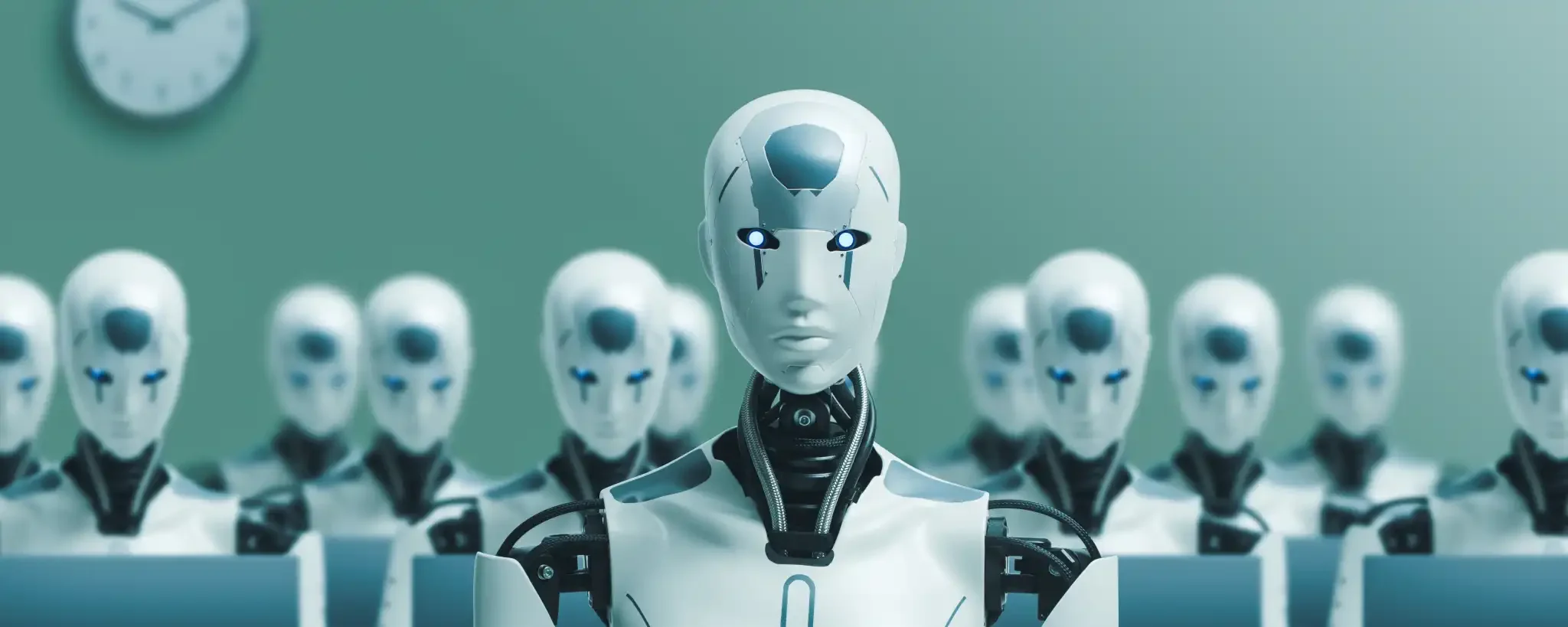
The age of autonomous transportation is no longer a distant dream—it’s unfolding now, faster than most realize. Self-driving technology, led by advancements in AI and robotics, is set to transform how we move, with robotaxis at the forefront. These driverless vehicles promise cheaper, safer, and more convenient rides, threatening to disrupt traditional ridesharing giants like Uber. The implications are massive, from reshaping urban mobility to redefining vehicle ownership. Here’s what you need to know about this seismic shift.
Key Takeaways
Rapid Rollout: Supervised autonomous driving systems are expected to reach widespread use by late 2025, with unsupervised systems potentially following by mid-2026.
Robotaxi Scaling: Driverless ridesharing services are expanding in cities like Austin and could soon spread to new regions like Arizona, with safety observers likely removed within months.
Market Disruption: Robotaxis offer lower costs, greater privacy, and enhanced safety, positioning them to outcompete traditional ridesharing platforms.
Regulatory Hurdles: Insurance and liability frameworks remain critical barriers to fully unsupervised driving for personal vehicles.
Consumer Behavior Shift: Early adopters in areas like the Bay Area already prefer autonomous rides over human-driven options, signaling a broader trend.

Tesla's FSD v14: Awakening the Machine Mind
Revolutionizing Autonomy with Faster Reactions, Emergent Behaviors, and a Push Toward True Self-Driving
Tesla's latest Full Self-Driving software update, version 14, marks a pivotal shift in how vehicles handle real-world scenarios. From navigating drive-thrus without explicit training to reacting quicker than human drivers, this version demonstrates capabilities that bring unsupervised autonomy closer than ever. It handles complex maneuvers with newfound intelligence, though not without some rough edges in smoothness and speed control.
Key Takeaways
Version 14 excels at beginning and end-of-drive tasks, reliably backing out of tight driveways and finding parking spots, turning point-to-point travel into a seamless experience.
Reaction times have improved dramatically, allowing the system to respond to environmental changes—like ambulances or opening car doors—faster than previous versions, often before a human notices.
Emergent behaviors, such as stopping at drive-thru stations and windows based on contextual clues like transactions or screens, show the software's ability to generalize without specific programming.
Braking feels more abrupt due to rapid decision-making, but this stems from heightened caution rather than errors, prioritizing safety over smoothness.
Lane changes are more hesitant, requiring larger gaps, which contrasts with the aggressiveness of prior versions but enhances overall caution.
Speed management relies on predefined profiles (sloth, chill, standard, hurry) without manual overrides, leading to occasional mismatches with real-world limits like school zones or construction.
Parking decisions vary, sometimes choosing suboptimal spots like alleys or handicapped areas, highlighting needs for refinement in spot selection and legal awareness.
Hardware differences, such as the presence of a front bumper camera, influence performance, but even older setups show strong results in core driving tasks.
The system introduces alerts for increased attention in tricky situations, paving the way for SAE Level 3 autonomy where drivers can relax until prompted.
Overall, version 14 feels closer to robotaxi readiness than driver assistance, though it demands tolerance for quirks from testers while smoothing out for broader use.

Tesla's FSD v14: AI That's Rewriting the Rules of the Road
How emergent behaviors in self-driving cars are turning everyday drives into a glimpse of autonomous futures—and why Tesla's data edge makes competitors look like they're stuck in neutral.
Tesla's latest Full Self-Driving software update, version 14, isn't just incremental—it's a leap where vehicles start anticipating human quirks without explicit programming. Imagine a car that pauses mid-drive-thru not because of a stop sign, but because it overhears the "thank you" signaling order complete. Or one that yields to sirens miles away, edging over in traffic jams to let emergency responders through. These aren't scripted routines; they're AI piecing together real-world patterns from vast datasets. For tech enthusiasts, this signals the shift from rule-based systems to generalized intelligence, where cars learn like neural networks trained on the chaos of actual roads.
Key Takeaways
Emergent Decision-Making: FSD v14 exhibits behaviors like waiting for drive-thru conversations to end or pulling over for distant ambulances, learned from millions of driving hours rather than hardcoded rules.
Data-Driven Advantage: Tesla's 7 million+ vehicle fleet generates exponentially more training data than rivals like Waymo's 1,500-unit operation, accelerating AI improvements at scale.
Cost Disruption Potential: Autonomous fleets could slash ride costs to 40-50 cents per mile—versus $1.80+ for human-driven services—enabling fares as low as $3 for a 3-mile trip.
Physical AI Frontier: This mirrors digital AI breakthroughs like large language models, but applied to real-world actions: steering, stopping, and yielding based on contextual cues from cameras and mics.
Edge Polishing Needed: While safe overall, the software shows minor hesitations like abrupt braking near pedestrians, typical of rapid AI iterations that refine with more data.
Broader Implications: Widespread adoption could reshape labor markets, from ride-sharing drivers to urban logistics, as robotaxis roll out in cities like Austin and the Bay Area.
Tesla’s Bold Pivot: Affordable EVs and the All-In Bet on Autonomy
Why Tesla’s Latest Moves Signal a Radical Shift Toward Self-Driving Innovation
Tesla’s recent announcement of more affordable Model 3 and Model Y vehicles has sparked heated discussion among tech enthusiasts and investors alike. While these price cuts aim to make electric vehicles (EVs) more accessible, they also reveal a deeper strategy: Tesla is betting big on autonomous driving to redefine the automotive industry. By prioritizing software-driven, fully self-driving vehicles like the Cybercab, Tesla is moving away from traditional car manufacturing and toward a future where steering wheels and pedals may become obsolete. This newsletter unpacks the implications of Tesla’s strategy, its challenges, and why 2026 could be a pivotal year for the company.
Key Takeaways
Affordable Models Fall Short of Expectations: The new Model 3 and Model Y are priced competitively, but the loss of the $7,500 EV tax credit in the U.S. offsets much of the cost advantage, leaving them only marginally cheaper than before.
Tesla’s Growth Is Stalled Without Autonomy: With a production capacity of 3 million units annually, Tesla’s current lineup (Model 3, Y, S, X, Cybertruck) is unlikely to exceed 2.2 million units per year, far from the company’s ambitious goals.
Full Self-Driving (FSD) Is the Core Strategy: Tesla is banking on its advanced FSD software, particularly version 14, to drive demand by offering unmatched convenience and safety, making its vehicles a compelling alternative to traditional cars.
Cybercab Signals a Driverless Future: Tesla’s autonomous Cybercab, a two-seater with no steering wheel or pedals, is designed to dominate ride-sharing with a cost per mile as low as $0.40, potentially disrupting services like Uber.
Regulatory Hurdles Loom Large: Tesla’s autonomous ambitions hinge on faster-than-expected regulatory approvals, with only Texas and Arizona currently allowing driverless operations at scale.
Holistic Ownership Model: Tesla is integrating financing, insurance, maintenance, and charging into a single monthly payment, aiming to simplify and lower the cost of ownership to boost sales.
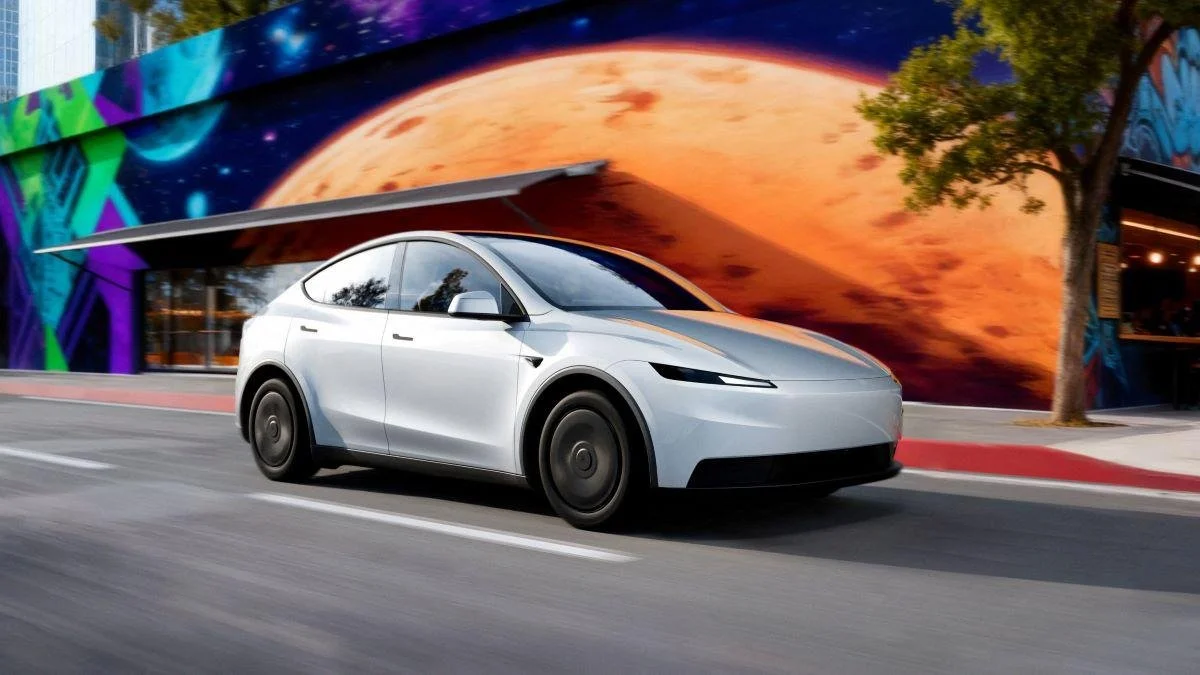
Tesla's Affordable EV Gambit: Model 3 and Y Standards Hit the Road Under $40K
Stripped-down powerhouses with 300+ mile range promise to shake up the mass-market EV race—but will they truly democratize electric driving?
Tesla's latest move drops two entry-level versions of its flagship sedans and SUVs, blending cost-cutting with core performance to target everyday buyers. These standards pack real-world efficiency gains and seamless tech integration, setting the stage for broader EV adoption amid a crowded market.
Key Takeaways
The Model 3 Standard starts at $36,990 with 321 miles of EPA-estimated range, rear-wheel drive, and 0-60 mph in 5.8 seconds, making it a nimble daily driver for urban commuters.
The Model Y Standard kicks off at $39,990, offering the same 321-mile range in SUV form, with 75 cubic feet of cargo space and a 3,500-pound towing capacity for family haulers.
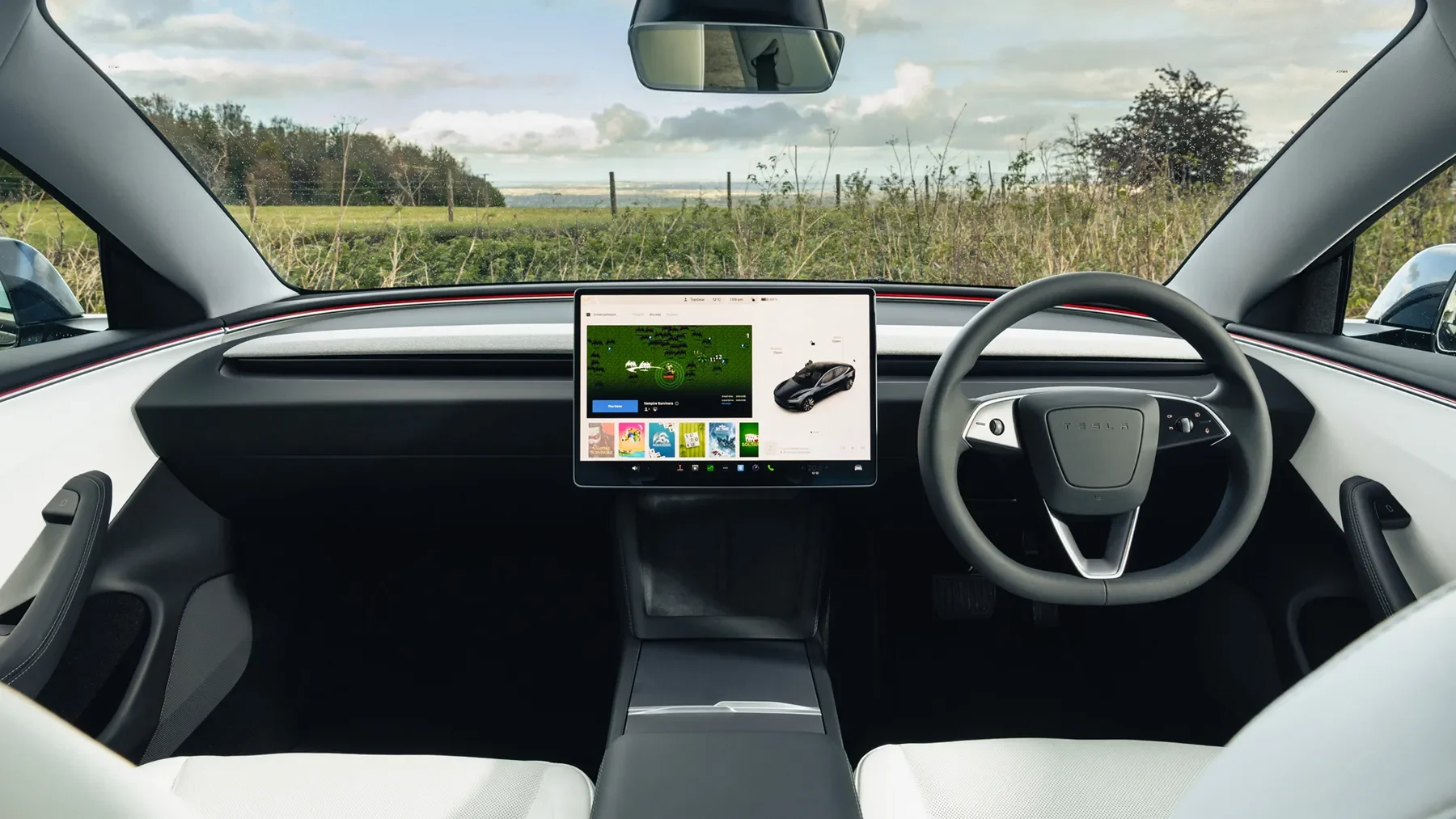
Both models trim luxuries like premium audio, heated rear seats, and advanced driver aids to hit affordability targets, but retain essentials such as a 15.4-inch touchscreen, heated front seats, and access to the Supercharger network.
Deliveries begin in December 2025 for most U.S. markets, with immediate ordering available online—positioning Tesla to rebound from recent sales dips.
Battery tweaks deliver up to 160 miles of charge in 15 minutes, emphasizing practical fast-charging that rivals gas station stops for road trips.
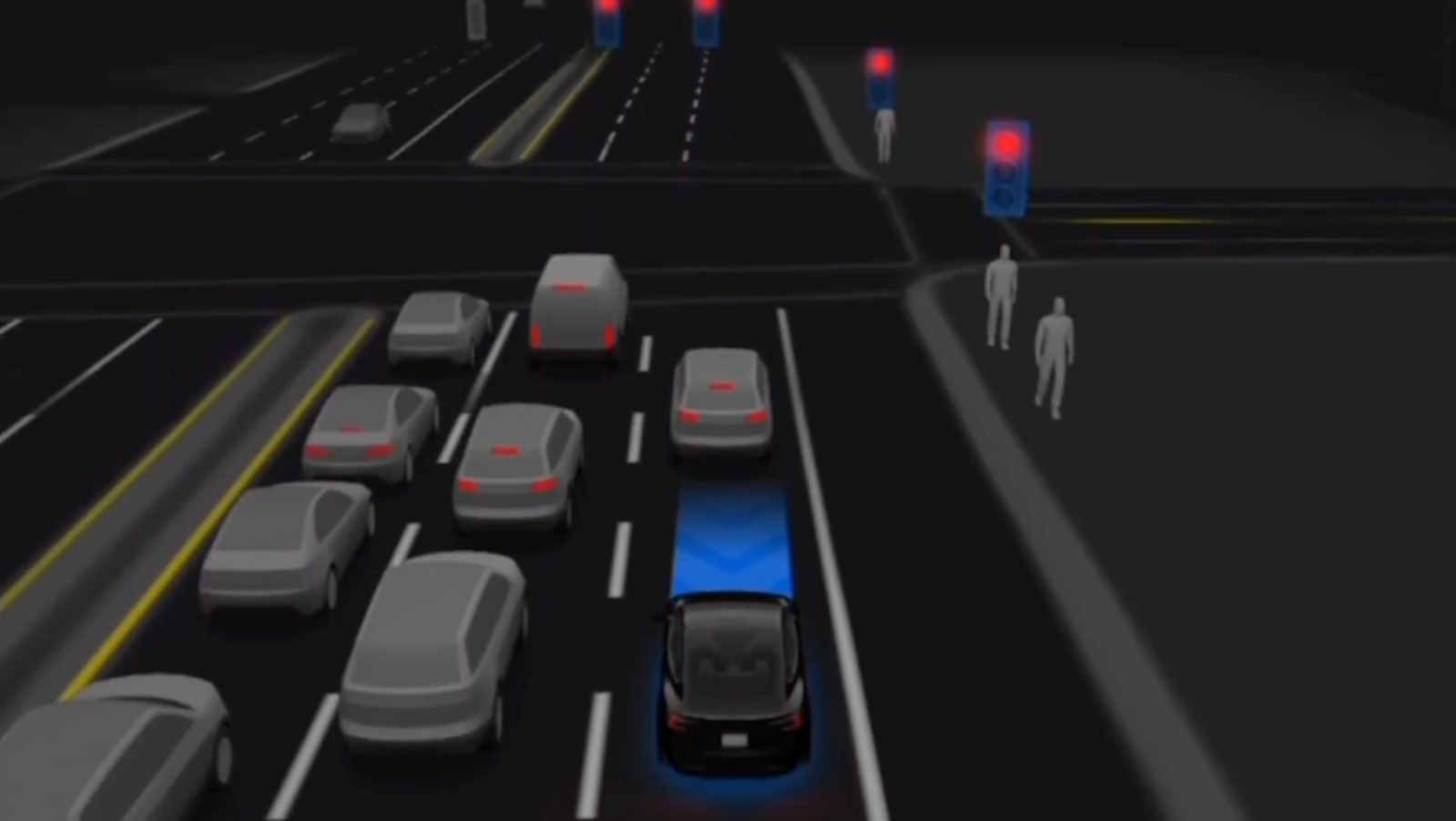
Tesla's FSD v14: Sentient Driving Arrives, Unlocking Robotaxi Riches
The upgrade that makes your Tesla feel alive—smoother, smarter, and primed for hands-off autonomy that could redefine car ownership.
Full Self-Driving (FSD) version 14 hits the road with a leap in human-like intuition, turning everyday drives into effortless experiences while paving the way for unsupervised rides that generate income. Early tests show flawless parking in tight spots and adaptive behaviors that outpace prior versions, signaling Tesla's push toward a future where vehicles earn their keep.
Key Takeaways
FSD v14 introduces customizable arrival options, letting drivers pick parking spots like driveways, curbside, or garages for precise, user-directed endings to trips.
New driving profiles—Sloth for ultra-conservative pacing, alongside Chill, Standard, and Hurry—cater to varied comfort levels, with overall gains in smoothness and decision confidence.
Hands-free mode activates in supervised settings, but alerts ramp up in tricky zones like construction or rail crossings, hinting at broader attention relaxation elsewhere.
Parking precision shines: vehicles now navigate narrow gates, ticket booths, and spots flawlessly, often without human tweaks, feeling like a glimpse of tomorrow.
Minor hitches persist, such as brief braking jolts in low-speed maneuvers or speed nudges beyond limits, but these pale against zero-intervention drives spanning hours.
Broader rollout suggests boosted safety metrics, with rapid follow-ups expected to polish edges, much like the neural net evolutions in v12 and v13.
Unsupervised horizons loom: Robotaxi fleets in Austin and the Bay Area already test advanced variants, collecting data and fares to validate attention-free ops by early 2026.
Economic upside: Autonomous cars could slash ride costs below Uber levels, enabling owners to monetize vehicles via Tesla's network—potentially 10-30% cuts per mile—while fueling decades of demand.
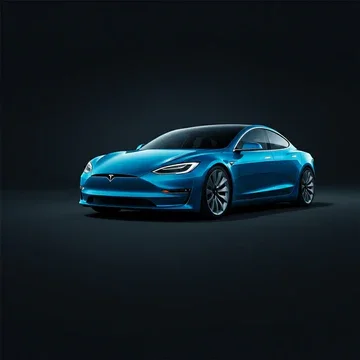
Tesla's FSD V14: On the Verge of Sentient Autonomy
Unlocking Driverless Freedom and Massive Scale in Robotaxis
Tesla stands at the edge of a major breakthrough with its Full Self-Driving software, where vehicles could soon handle complex real-world scenarios with human-like intuition. This update promises to boost safety far beyond current levels, enable hands-off driving for owners, and accelerate the expansion of autonomous ride-hailing networks.
Key Takeaways
Tesla plans to roll out FSD V14 in stages, starting with an early wide release next week, followed by V14.1 in about two weeks, and V14.2 soon after, where the system may exhibit near-sentient behavior.
The update increases parameters by roughly 10 times, allowing the AI to process more variables for nuanced decision-making in unpredictable situations.
Safety could reach 2-3 times better than human drivers, or even up to 10 times, potentially meaning accidents only every 1-5 million miles.
Existing Tesla owners with Hardware 4 could access unsupervised driving via software updates, possibly at a premium monthly fee around $99-200.
The same technology will power Tesla's robotaxi fleets in locations like Austin, the Bay Area, and Arizona, enabling rapid scaling with minimal human oversight.
Higher safety reduces the need for remote operators, potentially allowing one overseer per 1,000 vehicles at 10x human safety levels.
This positions Tesla to undercut competitors like Uber with operating costs as low as 40 cents per mile, driving massive market disruption.
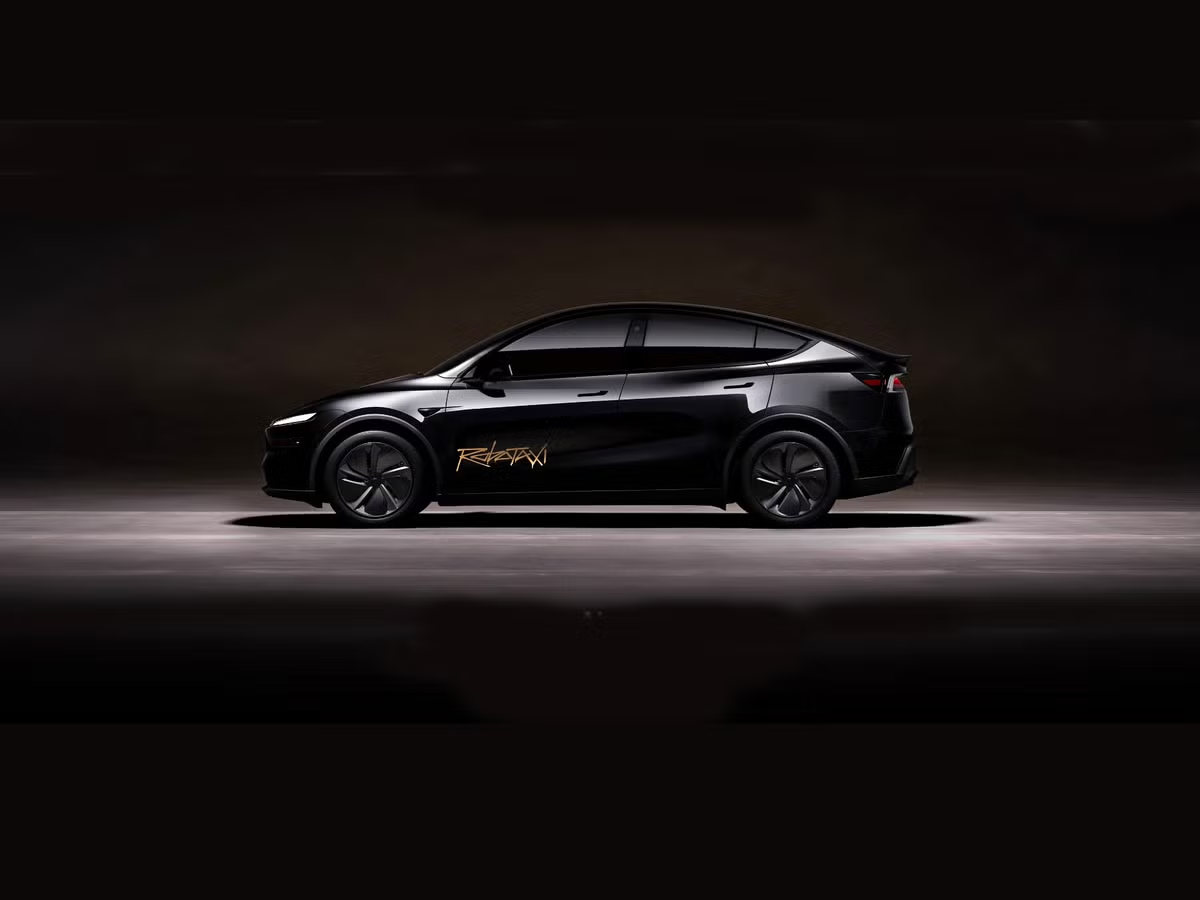
Tesla's Robotaxi Surge: Nevada Green Light Accelerates Nationwide Rollout
Unlocking Driverless Highways and Smarter AI: How Tesla's Latest Approvals Could Redefine Urban Mobility
Tesla's autonomous driving push hits a milestone with Nevada's testing approval, paving the way for rapid expansion into permissive states. This move highlights key advantages in safety tech and regulatory navigation, setting the stage for scalable robotaxi networks that could outpace rivals by integrating highways and public access sooner.
Key Takeaways
Tesla secured approval from the Nevada DMV to test robotaxis on public roads, enabling operations without a driver in permissive environments similar to Texas.
Nevada's regulations require $5 million insurance and incident reporting but allow straightforward testing, mirroring Texas's hands-off approach that favors quick scaling.
Current robotaxi services in Austin cover 173 square miles, including highways with safety operators, while Bay Area operations span 400 square miles and aim for 100 driverless vehicles by month's end.
Upcoming FSD V14 software promises 2-3x human-level safety unsupervised, with a 10x parameter boost for fewer interventions and smoother performance.
Tesla's edge over competitors like Waymo lies in public highway access and open ridership, allowing faster data collection and service growth in states like Arizona and Florida.
Profitability from robotaxis may emerge in 2+ years, starting with 3:1 to 5:1 vehicle-to-supervisor ratios yielding 20-30% gross margins per unit.
Expansion targets half the U.S. population by year-end, leveraging an app-based waitlist to prioritize high-demand regions and build a nationwide network.
Tesla’s Model Y L and the Self-Driving Revolution: Why Autonomy Could Redefine Transportation
Elon Musk’s bold vision for Tesla’s autonomous future raises questions about the Model Y L’s U.S. launch and the transformative potential of Version 14 self-driving technology.
Tesla’s latest moves in the electric vehicle and autonomous driving space are sparking intense discussion among tech enthusiasts. The introduction of the Model Y L in China and advancements in Tesla’s self-driving technology, particularly Version 14, signal a potential shift in how we think about transportation. With Elon Musk hinting that the Model Y L may not come to the U.S. due to the state of autonomy, and posts on X buzzing about the next generation of self-driving software, there’s a lot to unpack. Here’s why these developments could reshape the automotive industry and what they mean for the future of mobility.
Key Takeaways
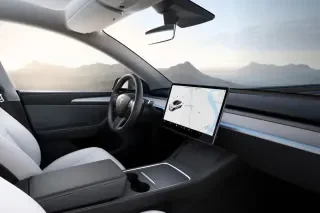
Model Y L Debuts in China: A stretched version of the bestselling Model Y, featuring a proper third row and captain’s chairs, is set to launch in China at a price equivalent to $47,000, but its U.S. arrival is uncertain due to Tesla’s focus on autonomy.
Autonomy Over New Models: Tesla may prioritize self-driving technology over introducing the Model Y L in the U.S., betting that unsupervised Full Self-Driving (FSD) will drive demand for existing models like the Model Y and Model 3.
Version 14 Breakthrough: The upcoming Version 14 of Tesla’s self-driving software is touted as a significant leap, potentially rivaling the jump from Version 11 to 12, bringing unsupervised autonomy closer to reality.
Robotaxi Momentum: Tesla’s robotaxi service, currently operating with Model Ys in Austin, is a testing ground for unsupervised FSD, with Version 14 expected to enhance reliability and safety.
Disrupting Transportation: If Tesla achieves reliable unsupervised autonomy, it could render traditional vehicles obsolete, transforming cars into productivity hubs and boosting their value as income-generating assets.
Tesla's Robotaxi Surge: Public Rollout Set to Transform Mobility
Unlocking Autonomy: Why Tesla's Next Move Could Redefine Urban Transport
Tesla's robotaxi service stands at a pivotal moment, with plans to open access to the general public starting next month. This shift promises lower-cost rides, massive efficiency gains, and a leap in vehicle utilization, potentially turning every Tesla into a revenue-generating asset while slashing personal car ownership expenses.
Key Takeaways
Tesla's robotaxi fleet in Austin uses Model Y vehicles with advanced Full Self-Driving software, currently operating with safety monitors but advancing toward unsupervised autonomy.
Expansion to public access is slated for September, beginning in Austin and potentially extending to California, with job postings indicating growth into cities like New York, Las Vegas, and Miami.
Operating costs could drop to around 60 cents per mile once safety drivers are removed, enabling profits of up to $2 per mile in high-demand areas like the Bay Area.
The service validates Tesla's hardware-first approach, embedding sensors and computers in mass-produced cars to gather billions of miles of real-world data for AI training.
Broader adoption may displace millions of ride-hailing jobs but could save thousands of lives annually by reducing accidents from human error, while increasing mobility access for underserved populations.
Regulatory hurdles remain, especially in California, where permits for driverless operations are pending, but Texas approvals pave the way for statewide scaling.
Tesla Accelerates: CEO Rewards and Robo-Taxi Expansion Signal a New Era in Autonomy
Unlocking Leadership and Low-Cost Rides in the AI-Driven Future
Tesla has taken decisive steps to secure its leadership in electric vehicles, AI, and robotics by approving an interim compensation package for its CEO while rapidly expanding its robo-taxi network in Austin, Texas. These moves address ongoing legal battles over past awards and position the company to capitalize on surging demand for autonomous services, potentially transforming urban mobility and shareholder value.
Key Takeaways
Tesla's board approved 96 million restricted stock shares as an interim award, increasing CEO ownership to about 14.6% and aligning incentives amid AI talent competition.
The award includes a two-year vesting period, a $23 per share purchase price, and restrictions on sales to minimize market impact.
If the 2018 performance award is reinstated by courts, this interim package will be adjusted to avoid overlap.
Robo-taxi rides in Austin are priced at roughly half of Uber's rates, with a 50-minute trip costing around $18 compared to $31–$34 on Uber.
The Austin geo-fence for robo-taxi operations has doubled in size twice in the past six weeks, now covering expanded areas without major incidents reported.
New Texas regulations effective September 1, 2025, could enable unsupervised robo-taxi operations, paving the way for profitability through low operational costs.
An upcoming shareholder meeting on November 6, 2025, will vote on a long-term CEO compensation strategy and potential investment in xAI, enhancing synergies in AI development.
Retaining top talent, including leadership, is critical as Tesla shifts toward AI, robotics, and services, with the award designed to boost focus and voting control.