
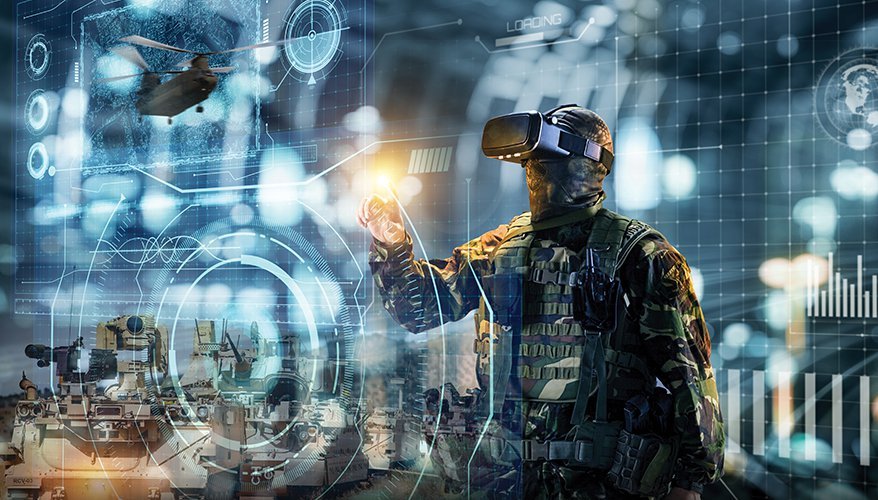
The AI Edge: Battlefield-Proven Tech Reshaping Global Power
Why Defense-Born AI Could Define the Next Decade of Innovation and Inequality
AI built under extreme conditions isn't just surviving—it's thriving in ways that expose hidden weaknesses in systems worldwide, from militaries to corporations. This shift promises massive efficiency gains and strategic advantages, but it also risks amplifying divides between nations and workforces.
Key Takeaways
AI from defense applications excels in harsh, real-world scenarios, offering tools that organize data, enhance decision-making, and adapt dynamically—far beyond off-the-shelf models.
Businesses adopting this tech can slash costs by up to 80% in targeted areas while boosting top-line growth, turning unique internal knowledge into unbeatable competitive edges.
Adoption hurdles stem from legacy systems and failed experiments with basic AI, but structured approaches like ontology-driven models make it viable for regulated industries.
Job landscapes will evolve: vocational and technical roles gain value through AI augmentation, while traditional white-collar paths face reevaluation, favoring aptitude over formal credentials.
Globally, the US and China lead in scaling AI for military and economic gains, potentially widening gaps with Europe and parts of the developing world unless structural reforms address underlying inefficiencies.

2026: The Year AI Breaks Reality
Why Tech's Explosive Growth Signals a Turning Point We Can't Ignore
AI capabilities are accelerating at an unprecedented pace, reshaping industries, jobs, and daily life faster than any technology before. From supercomputers powering massive models to robots integrating advanced intelligence, the foundations for transformative change are already in place—offering both massive opportunities and profound challenges for those prepared to adapt.
Key Takeaways
AI models now outperform human experts in fields like science, coding, and math, with scores hitting 90-100% on PhD-level benchmarks.
Massive investments, including $20 billion data centers and supercomputers with millions of GPUs, are fueling rapid AI infrastructure growth.
Key indicators of approaching singularity include exponential AI self-improvement, benchmark saturation, and integration with real-world data from vehicles and social platforms.
Economic impacts could displace up to 47% of jobs by 2034, but also unlock abundance through automation solving global issues like disease and climate change.
Practical steps: Master human-centric skills like creativity and empathy, stay adaptable, and invest in AI-driven companies to thrive in this shift.
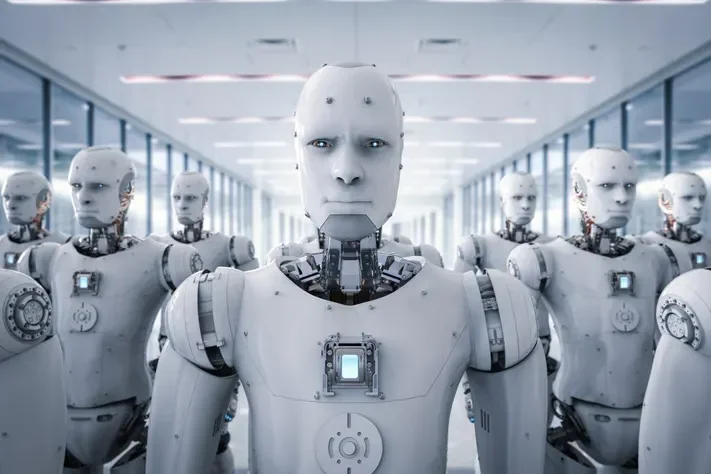
The Robot Revolution Is Here
Unlocking Abundance Through Humanoid Automation and AI
Humanoid robots stand poised to transform global economies by slashing labor costs and enabling unprecedented productivity, but the path forward demands careful navigation of job disruptions and societal shifts. This edition dives into how these machines could foster sustainable abundance on Earth while paving the way for interplanetary expansion.
Key Takeaways
Humanoid robots could triple the US workforce equivalent, allowing production of goods at scales 350 times current levels, with costs dropping to around $3 per hour for physical labor.
Transition periods may disrupt 40-50 million manual jobs in the US alone, requiring strategies like universal basic services to mitigate unrest and support retraining.
Robots excel at dangerous, repetitive tasks, from mining rare earths in extreme conditions to disaster cleanup, potentially reversing globalization by enabling localized production.
AI integration in vehicles and robots enables telepathic-like coordination among fleets, boosting efficiency in teams of machines or mixed human-robot groups.
Long-term visions include revitalizing degraded lands and communities through robot-led projects, reducing transportation friction, and achieving universal high income via abundant resources.