
Starship Version 3: The Rocket That Turns Physics Into Progress
How SpaceX's latest booster and Raptor engines are proving full reusability isn't a dream—it's the next engineering step.
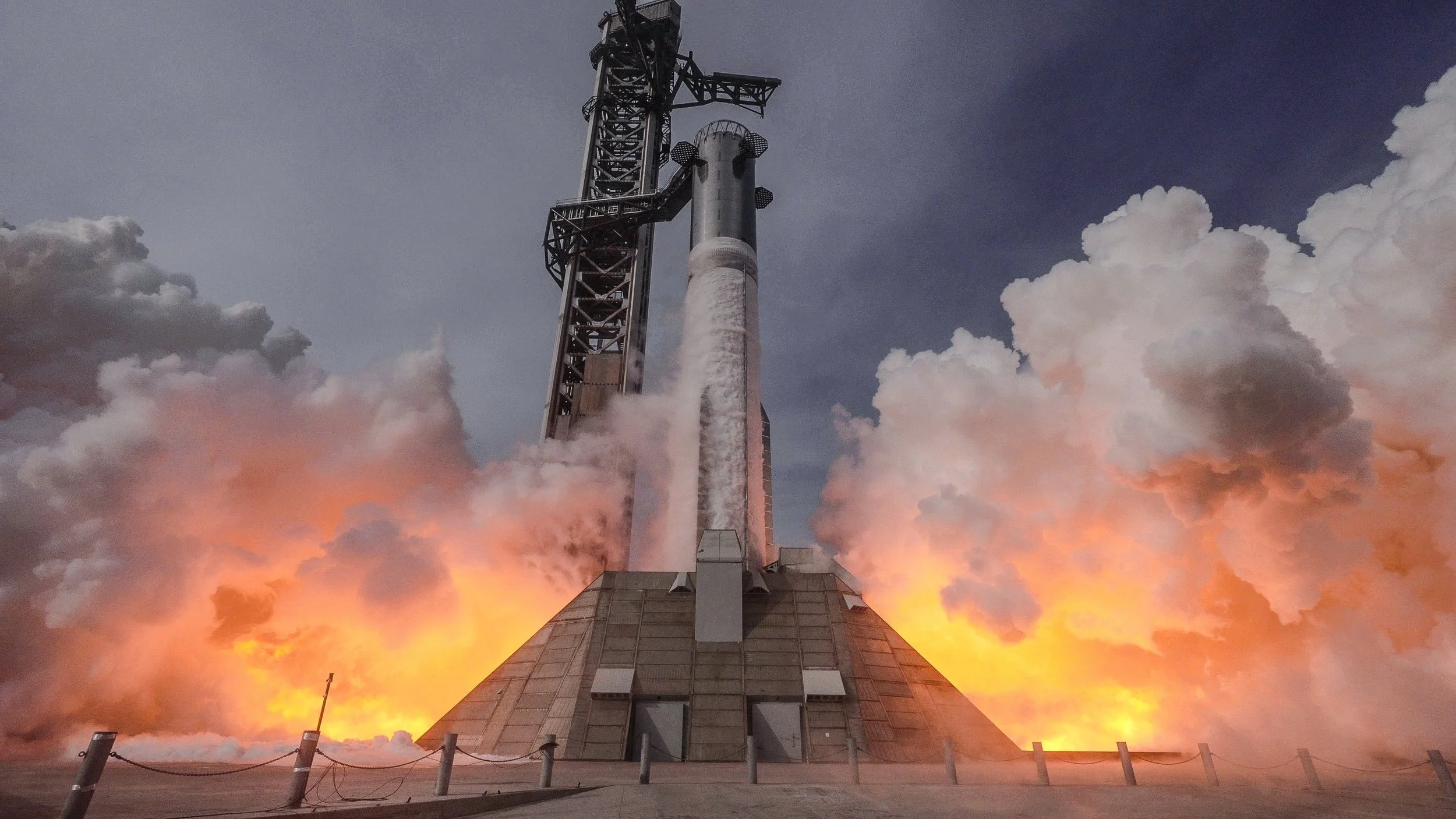
SpaceX has just pushed Starship Version 3 through its most intense ground tests yet. The first V3 booster completed a full 33-engine static fire after an initial 10-engine run, while the upgraded ship design cleared key orbital milestones in simulation and early checkouts. These tests highlight a system built for propellant transfer in space—the missing link that makes Moon landings routine and Mars missions practical. The scale, the simplifications, and the rapid learning loop show exactly how a company scales from small rockets to solar-system capability without breaking the laws of physics.
Key Takeaways
Starship Version 3 represents a clean-sheet redesign that directly fixes reliability and performance issues from earlier versions, enabling the booster to support crewed lunar landings and the first Mars city.
Raptor 3 engines feature massive simplification—fewer parts, higher integration, and improved reliability—making them cheaper, faster to build, and lighter while maintaining reusability on the level of commercial aircraft engines.
Testing follows a deliberate risk-reduction strategy: 10-engine static fires first on the new V3 booster to contain any problems before committing to a full 33-engine burn.
Orbital propellant transfer is the core technology that unlocks the entire solar system; once demonstrated, Starship can refuel in orbit and reach anywhere.
SpaceX's iterative flight-test approach delivered a successful booster catch in just five flights, proving the rapid cycle of hardware improvement and data-driven fixes.
Full reusability of both the booster and ship is the economic foundation for frequent, affordable access to orbit and beyond.
Starship’s Epic Flight 11: Pushing the Limits of Space Exploration
Unveiling the Future of Reusable Rockets and Global Connectivity
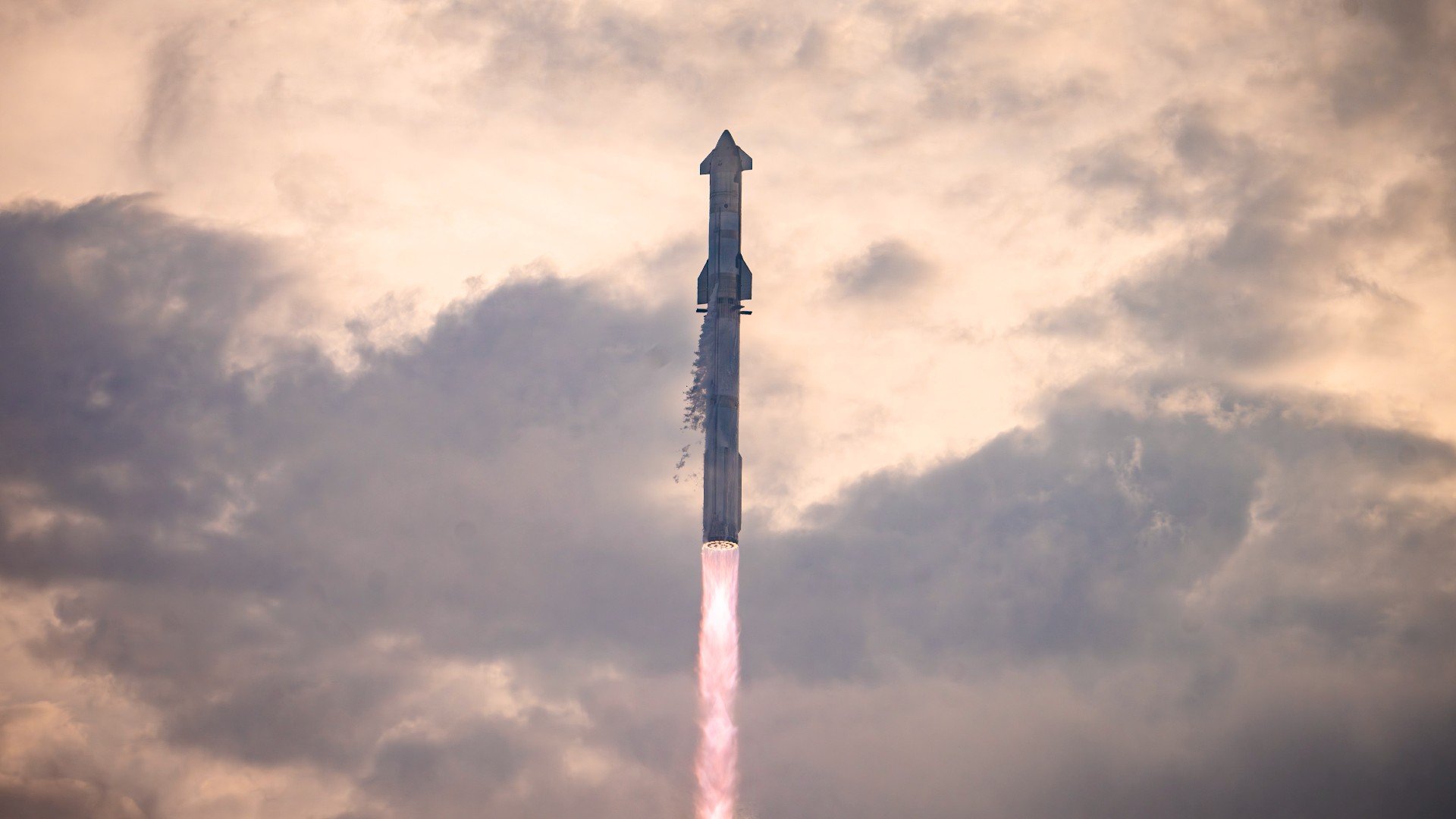
The latest Starship test flight has once again redefined what’s possible in space exploration. From a flawless launch to daring reentry experiments, this mission showcased the resilience of SpaceX’s ambitious rocket and its role in shaping the future of interplanetary travel and global internet access. Tech enthusiasts, buckle up—this flight delivered groundbreaking insights into reusable rocket technology, thermal protection systems, and the power of Starlink’s connectivity.
Key Takeaways
Successful Hot Staging and Separation: Starship executed a precise hot staging maneuver, with the Super Heavy booster and Starship separating cleanly, marking a significant step toward reliable reusability.
Raptor Engine Reliability: All 33 Raptor engines on the Super Heavy booster and six on Starship performed nominally, with a successful in-space Raptor relight demonstrating critical deorbit capabilities.
Payload Deployment Milestone: Eight Starlink simulators were deployed, paving the way for future missions to carry up to 60 advanced V3 Starlink satellites, boosting network capacity by 60 terabits per second per launch.
Thermal Protection Testing: Intentional removal of heat shield tiles tested Starship’s resilience under extreme reentry conditions, providing valuable data for future iterations.
Starlink’s Real-Time Data Power: Starlink’s connectivity enabled uninterrupted HD video and telemetry during reentry, overcoming plasma interference to deliver critical engineering data.