
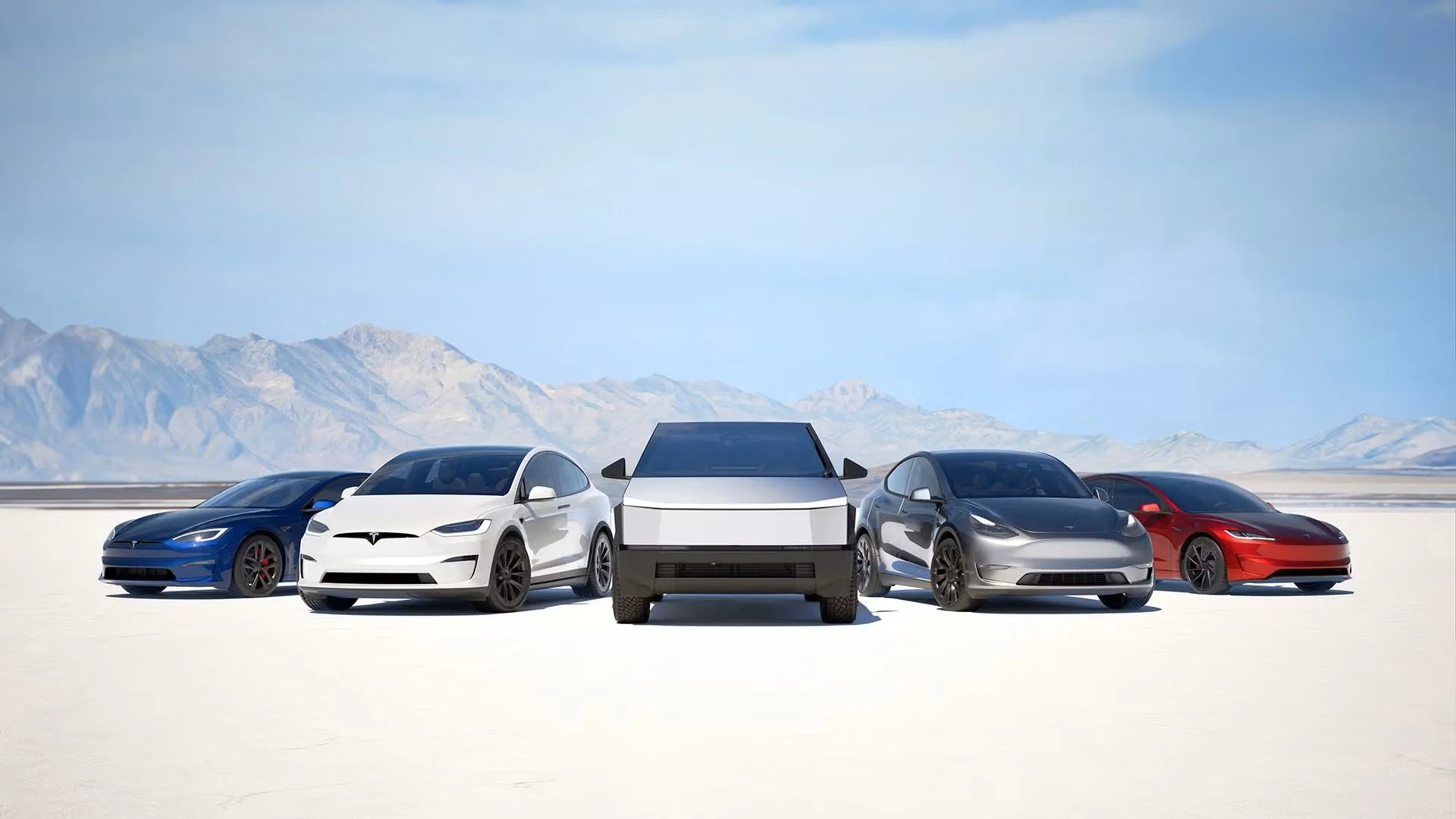
Tesla's Fleet Awakening: The Dawn of Unsupervised Autonomy
Unlocking Millions of Self-Driving Cars Overnight – And Why It Crushes the Competition
Tesla's latest move in Austin marks a pivotal shift in autonomous driving, turning everyday vehicles into fully independent machines. This isn't just about robotaxis in select cities; it's about transforming over six million existing cars into assets that drive, earn, and redefine mobility through a simple software push.
Key Takeaways
Tesla has enabled unsupervised full self-driving (FSD) in Austin robotaxis, allowing passengers to ride without any human oversight.
Over six million Tesla vehicles already on roads come equipped with FSD hardware, ready for activation via software updates.
Tesla's data advantage, with over seven billion miles driven, dwarfs competitors and accelerates neural network improvements.
Unlike rivals relying on expensive custom fleets and detailed city mapping, Tesla's approach scales instantly across any location.
Regulatory changes in 2026, including federal preemption, could enable nationwide unsupervised driving.
This shift boosts Tesla's car sales by offering unmatched features, like vehicles that earn money or run errands autonomously.
The business model favors capital efficiency, as customers own and maintain the vehicles while Tesla provides the software capability.

The AI Revolution Behind Self-Driving Cars: Tesla’s End-to-End Breakthroughs
Unveiling the tech powering autonomous vehicles and the future of robotics
Self-driving cars are no longer a distant dream—they’re hitting the roads, navigating complex scenarios, and transforming how we think about transportation. Recent advancements in AI, particularly Tesla’s end-to-end neural network approach, are pushing the boundaries of autonomy, making vehicles safer, smoother, and more intuitive. From robotaxi services to factory-to-home deliveries, these innovations are reshaping mobility and paving the way for broader robotic applications. Here’s a deep dive into the technologies driving this revolution and what they mean for the future.
Key Takeaways
End-to-End Neural Networks: Tesla’s shift to a single, large neural network eliminates traditional modular systems, enabling direct processing from raw sensor data to driving actions for smoother and safer performance.
Data Advantage: Tesla leverages its massive fleet to collect diverse, real-world driving data, refining models to handle rare and complex scenarios effectively.
Advanced Debugging Tools: Techniques like Gaussian Splatting and natural language prompts allow Tesla to interpret and debug neural network decisions, ensuring safety and reliability.
Simulation for Evaluation: Neural network simulators generate consistent, multi-camera video streams, enabling robust testing of edge cases and adversarial scenarios without real-world risks.
Scalability Across Platforms: The same AI technology powers Tesla’s vehicles, upcoming Cybercab, and Optimus humanoid robots, promising broad applications in robotics.