
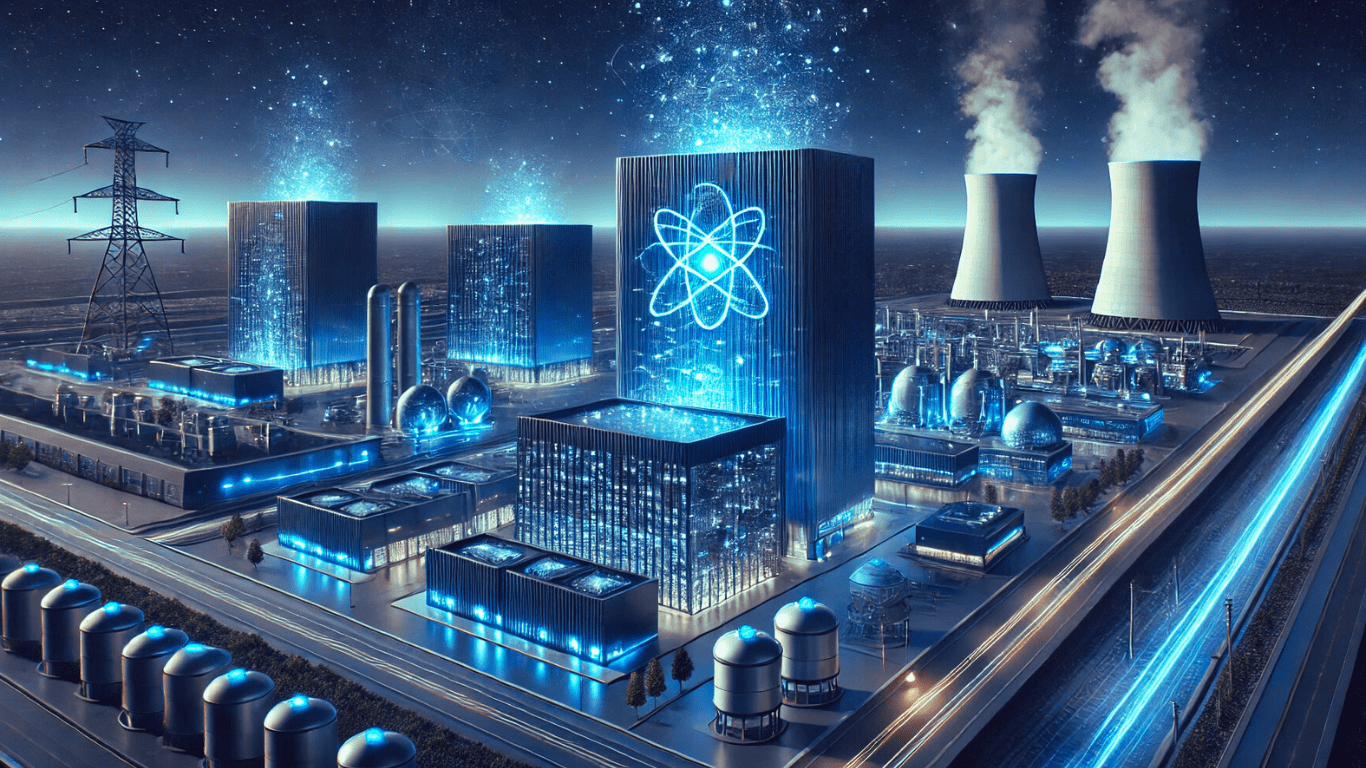
Iran’s Regime Falls: How One Historic Shift Could Flood the World With Cheap Energy and Accelerate the AI Boom
The collapse of Iran’s theocratic government after 47 years isn’t just Middle East news. It removes the single biggest sponsor of regional chaos, frees a population of 90 million that is young, educated, and entrepreneurial, and opens vast oil and gas reserves at the exact moment AI data centers are about to consume unprecedented amounts of power. At the same time, artificial intelligence is already driving transportation costs toward zero, turning $50 airport rides into $5 trips and making door-to-door autonomy cheaper than owning a car. The combination is explosive: stable energy supply meets deflationary mobility technology.
Key Takeaways
AI will make personal transportation radically cheaper, forcing adoption even among skeptics because the price difference is too large to ignore.
Robo-vans unlock flexible, high-frequency urban transit that traditional buses never could, potentially running as free services funded entirely by in-vehicle advertising.
Autonomous freight tunnels separate trucks from passenger traffic, slashing logistics costs and removing semi-trucks from daytime roads without raising goods prices.
Iran’s pre-1979 society was modern and Western-facing; today’s population largely rejects the regime that replaced it, with hardline support estimated below 20 percent.
A post-regime Iran aligned with global markets could add hundreds of billions in productive capacity and become a major energy exporter again.
Transactional, deal-focused leadership resonates strongly in the Middle East because it prioritizes mutual profit over ideology.
The 2028 U.S. election will be decided by candidates who offer concrete answers to AI-driven job displacement and broad participation in AI-created wealth.

AI's Hidden Revolution: Why America Leads and What It Means for Our Future
Redefining value, rights, and power in a world shaped by intelligent machines.
AI isn't just transforming tech—it's reshaping societies, economies, and philosophies at their core. From the dominance of U.S. innovation to the rising value of practical skills, these shifts explain cultural tensions and political changes happening now. Dive in to see how AI ties into America's unique foundations and why embracing it is essential for staying ahead.
Key Takeaways
AI leadership stems from America's cultural and constitutional edge, where rights come from inherent principles rather than consensus or intellect.
Practical, vocationally trained workers are becoming the new high-value creators as AI automates abstract, high-end labor.
Empathy gaps toward working-class Americans fuel political turbulence, but AI-driven value shifts could realign priorities toward those who build and protect.
Meritocracy emerges as a revolutionary force in enterprises, rewarding capability and dedication over backgrounds.
Global AI dominance boils down to U.S. versus China, with Europe sidelined—owning the tech means controlling the rules.
Defending borders, enforcing laws, and fighting for progressive ideals require standing against radicals within parties to protect workers' value.

AI Capitalism: The Path to Socialist Dreams?
The Irony of Tech-Driven Abundance in a Divided America
As socialist ideas gain traction in major U.S. cities, groundbreaking advancements in AI and robotics promise a future of unlimited resources and minimal work. This convergence could redefine economic systems, blending capitalist innovation with universal prosperity—but only if society navigates the massive disruptions ahead.
Key Takeaways
Socialist sentiments are rising among younger voters and women in urban areas, driven by feelings of exclusion from the current economic setup.
Tech companies are pushing toward "sustainable abundance," where AI handles production, potentially eliminating the need for most labor while preserving natural environments.
This tech-fueled future could deliver universal high income, freeing people to pursue passions instead of survival jobs.
Capitalism's strength lies in incentivizing risk and innovation, but without mechanisms to redistribute gains, it risks widening inequality and boosting socialist movements.
Job losses from automation in driving, manufacturing, and services are inevitable, demanding new policies like universal basic income to ease the transition.
Deflationary effects from cheap AI-driven transport and robots could lower living costs dramatically, allowing more people to invest or start businesses.
The ultimate test: Can capitalism absorb displaced workers into better opportunities, or will socialism fill the void?
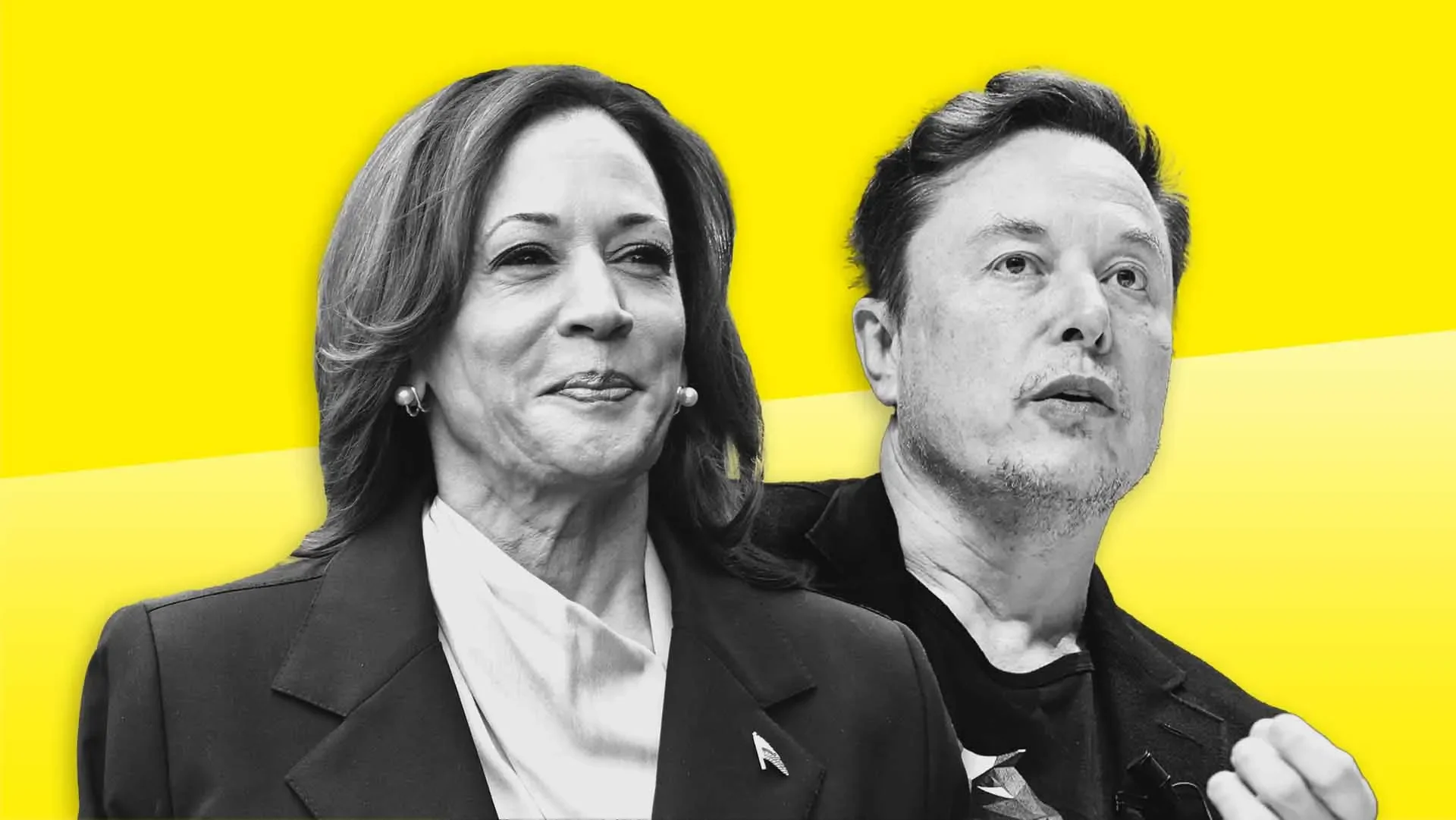
Democrats Mend Fences with Elon Musk: A Turning Point for Tech Innovation
Why political reconciliation could unlock faster progress in EVs, autonomy, and space exploration
Recent admissions from Democratic leaders highlight a key oversight in past electric vehicle policies, opening doors to broader collaboration with innovators like Elon Musk. This shift signals potential bipartisan backing for ambitious projects in autonomous transport and space tech, which could reshape industries and reduce regulatory hurdles ahead.
Key Takeaways
Democrats are publicly recognizing errors in sidelining Elon Musk during early EV initiatives, aiming to rebuild ties for future influence.
SpaceX stands as a critical national asset for U.S. defense and space dominance, making partnership essential regardless of political divides.
Tesla's push into fully autonomous vehicles like the Cybercab promises massive cost reductions in transportation but poses significant disruptions to legacy auto makers and ride-sharing services.
Regulatory de-risking from both parties could accelerate innovations in rocketry, brain-computer interfaces, and humanoid robots over the next decade.
The economic ripple effects include lower transport costs by up to 10x, but require careful planning to mitigate job displacements for millions of drivers.
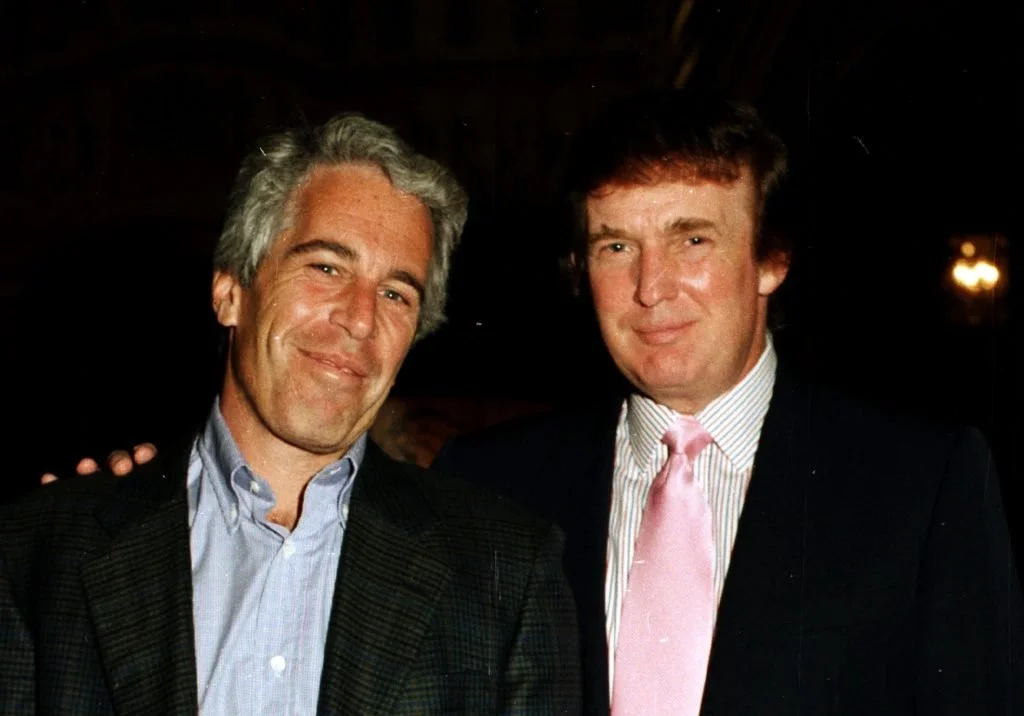
The Epstein Black Hole: Intelligence, Tech, and America's Uncertain Path
Why Scandals Like Epstein Could Reshape Foreign Policy and Spark a Tech-Driven Revival
The Epstein case isn't just a media storm—it's a window into how intelligence networks influence global decisions, while technology offers a lifeline for rebuilding trust and prosperity. In the midst of political gridlock and escalating conflicts, emerging tools like AI and independent platforms are challenging old systems, pointing toward a future where transparency and innovation could finally align.
Key Takeaways
Epstein's connections highlight potential intelligence ties that affect U.S. foreign policy, particularly with allies like Israel, raising questions about leverage in ongoing conflicts.
Public frustration with government handling of scandals stems from a perceived lack of transparency, but issues like the economy and immigration often take priority in voter decisions.
Nuclear policy and historical secrecy frameworks continue to justify withholding information, complicating modern accountability in a post-Cold War era.
Independent media and long-form discussions are filling gaps left by traditional outlets, enabling deeper explorations of complex issues and fostering public engagement.
Technological advancements, from AI disrupting jobs to renewable energy promising abundance, represent a hopeful counter to cultural and political decline, though they risk widening divides if not managed carefully.
Political reforms, such as targeted funding for deficit-focused candidates, could create influential voting blocks in Congress, amplifying voices for fiscal responsibility.
COVID-era policies have left lasting psychic impacts, contributing to voter apathy and shifts in party support, especially among younger demographics.
A pro-human approach to tech innovation—balancing benefits like self-driving cars and clean energy with risks like social media isolation—could unify efforts toward a more optimistic national vision.
The America Party Paradox: When Your Biggest Supporter Becomes Your Greatest Threat
Elon Musk's political movement could reshape America—but what happens when the trillionaire who automated your job also controls the party promising to fix it?
Five to ten years from now, America could face an unprecedented political reality: a third party founded by the world's first trillionaire, whose companies eliminated millions of jobs through AI and robotics. This isn't science fiction—it's the logical endpoint of current trajectories in politics, technology, and wealth concentration. The implications are both thrilling and terrifying.
Key Takeaways
America Party targets the mismatch between voter registration (50% independent) and Congressional representation (99% Democrat/Republican).
Success would make Musk both the richest person ever and founder of the nation's most powerful political party—an unprecedented concentration of influence.
The AI/robotics revolution will eliminate drivers, cut management roles by 80%, and transform physical labor, creating massive displacement.
Political opponents will weaponize job losses against the party led by the person whose companies automated those jobs away.
Universal Basic Income becomes inevitable, but which party champions it could determine America's political future for generations.
The venture might serve as a "beta test" for governing Mars, where SpaceX would need to establish political structures.
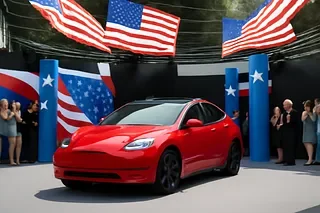
Elon's America Party Gambit: The Biggest Risk Tesla Investors Have Ever Faced
As Musk launches a third political party targeting the national debt, Tesla shareholders confront unprecedented uncertainty in the company's most critical moment
The Fourth of July weekend brought fireworks of a different kind as Elon Musk officially announced the formation of the America Party, positioning himself to disrupt the two-party system that has dominated American politics for centuries. For Tesla investors, this move represents potentially the riskiest decision in the company's tumultuous history—arriving just as robotaxis promise to transform the business forever.
Key Takeaways
Musk's America Party aims to address national debt concerns he claims both major parties ignore, directly challenging GOP power after supporting Trump
Tesla faces unprecedented political risk as disrupting the two-party system could trigger bipartisan retaliation affecting autonomous vehicle regulations
The timing creates a dangerous convergence: political chaos meets Tesla's critical robotaxi scaling phase where cash flow remains unproven
Tesla currently manufactures 1.2 million potential robotaxis annually (Model Y), capable of replacing Uber's entire U.S. fleet each year
Political backlash already manifested in vandalized Tesla stores and customer vehicles following Musk's Trump support
Success depends on robotaxi economics becoming "undeniable" before political headwinds can materialize into regulatory roadblocks