
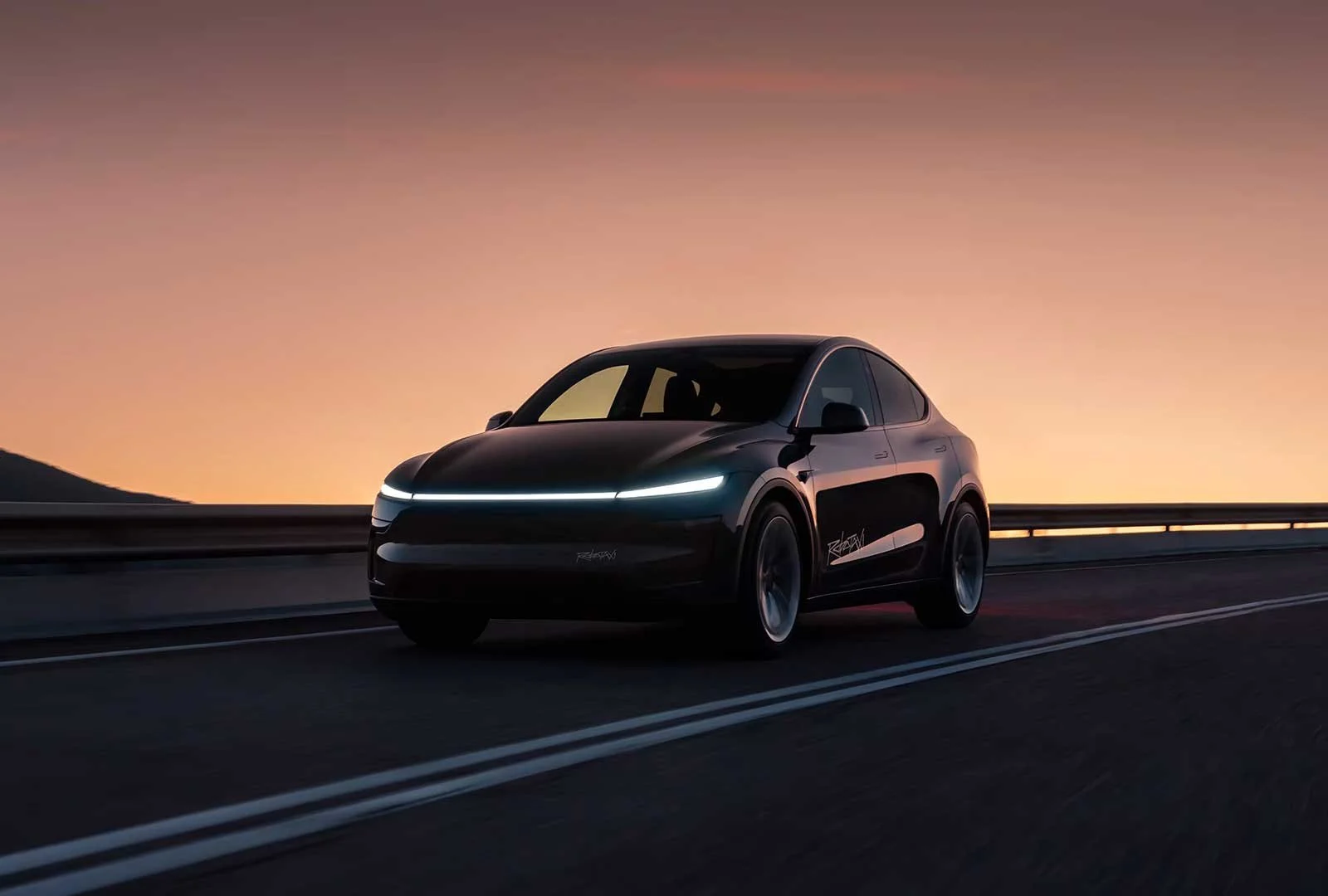
Tesla's Robotaxi Revolution: Crushing Competitors with Cost and Scale
Why Tesla Could Dominate Ride-Sharing and Leave Waymo in the Dust
Robotaxis are set to transform urban mobility, slashing costs while boosting safety and convenience. Yet, early players like Waymo struggle with high expenses and limited scalability, creating an opening for Tesla's efficient, hybrid fleet model to seize massive market share.
Key Takeaways
Robotaxis from Tesla could operate at costs several times lower than competitors, thanks to affordable vehicles and vision-only tech stacks.
Waymo's current model remains uncompetitive against traditional ride-sharing due to expensive cars and sensors, limiting market share to around 15-20% in any single city.
Tesla's hybrid approach—combining company-owned fleets for base demand with owner-contributed cars for peaks—reduces capital needs by up to seven times compared to rivals.
The ride-sharing market is highly elastic; lower prices from Robotaxis could expand total miles driven by 4x or more, displacing public transit options.
Regulation may lag but won't stop adoption, as historical precedents like ride-sharing show public demand overrides barriers.
In the long term, the market might evolve into an oligopoly, with Tesla leading and challengers like Uber partnering with secondary Robotaxi tech providers.
Humanoid Robots and Robotaxis: The Transportation Revolution Is Here
Why Autonomous Vehicles Are Poised to Upend Ridesharing and Redefine Mobility
The age of autonomous transportation is no longer a distant dream—it’s unfolding now, faster than most realize. Self-driving technology, led by advancements in AI and robotics, is set to transform how we move, with robotaxis at the forefront. These driverless vehicles promise cheaper, safer, and more convenient rides, threatening to disrupt traditional ridesharing giants like Uber. The implications are massive, from reshaping urban mobility to redefining vehicle ownership. Here’s what you need to know about this seismic shift.
Key Takeaways
Rapid Rollout: Supervised autonomous driving systems are expected to reach widespread use by late 2025, with unsupervised systems potentially following by mid-2026.
Robotaxi Scaling: Driverless ridesharing services are expanding in cities like Austin and could soon spread to new regions like Arizona, with safety observers likely removed within months.
Market Disruption: Robotaxis offer lower costs, greater privacy, and enhanced safety, positioning them to outcompete traditional ridesharing platforms.
Regulatory Hurdles: Insurance and liability frameworks remain critical barriers to fully unsupervised driving for personal vehicles.
Consumer Behavior Shift: Early adopters in areas like the Bay Area already prefer autonomous rides over human-driven options, signaling a broader trend.
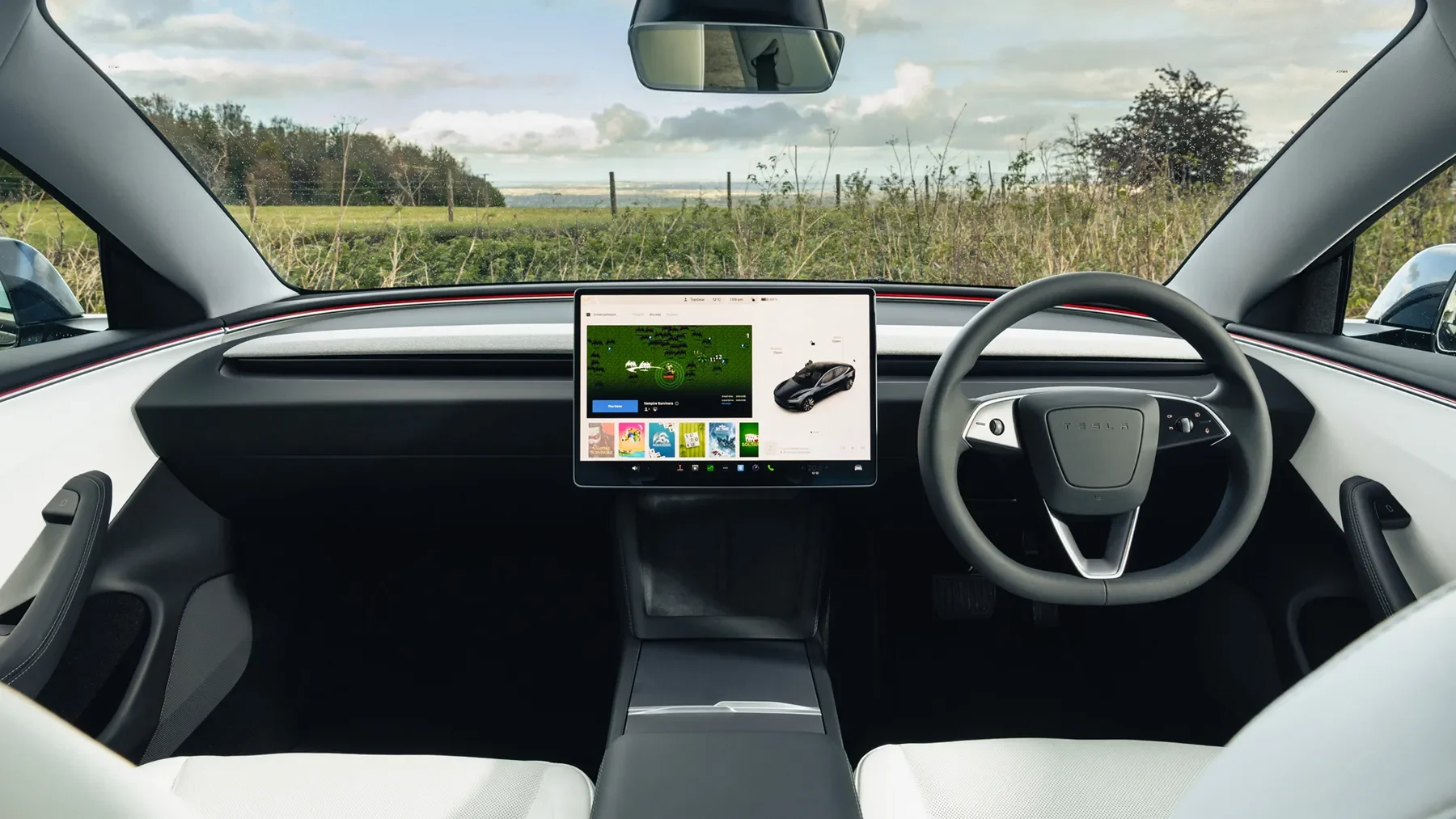
Tesla’s Bold Pivot: Affordable EVs and the All-In Bet on Autonomy
Why Tesla’s Latest Moves Signal a Radical Shift Toward Self-Driving Innovation
Tesla’s recent announcement of more affordable Model 3 and Model Y vehicles has sparked heated discussion among tech enthusiasts and investors alike. While these price cuts aim to make electric vehicles (EVs) more accessible, they also reveal a deeper strategy: Tesla is betting big on autonomous driving to redefine the automotive industry. By prioritizing software-driven, fully self-driving vehicles like the Cybercab, Tesla is moving away from traditional car manufacturing and toward a future where steering wheels and pedals may become obsolete. This newsletter unpacks the implications of Tesla’s strategy, its challenges, and why 2026 could be a pivotal year for the company.
Key Takeaways
Affordable Models Fall Short of Expectations: The new Model 3 and Model Y are priced competitively, but the loss of the $7,500 EV tax credit in the U.S. offsets much of the cost advantage, leaving them only marginally cheaper than before.
Tesla’s Growth Is Stalled Without Autonomy: With a production capacity of 3 million units annually, Tesla’s current lineup (Model 3, Y, S, X, Cybertruck) is unlikely to exceed 2.2 million units per year, far from the company’s ambitious goals.
Full Self-Driving (FSD) Is the Core Strategy: Tesla is banking on its advanced FSD software, particularly version 14, to drive demand by offering unmatched convenience and safety, making its vehicles a compelling alternative to traditional cars.
Cybercab Signals a Driverless Future: Tesla’s autonomous Cybercab, a two-seater with no steering wheel or pedals, is designed to dominate ride-sharing with a cost per mile as low as $0.40, potentially disrupting services like Uber.
Regulatory Hurdles Loom Large: Tesla’s autonomous ambitions hinge on faster-than-expected regulatory approvals, with only Texas and Arizona currently allowing driverless operations at scale.
Holistic Ownership Model: Tesla is integrating financing, insurance, maintenance, and charging into a single monthly payment, aiming to simplify and lower the cost of ownership to boost sales.
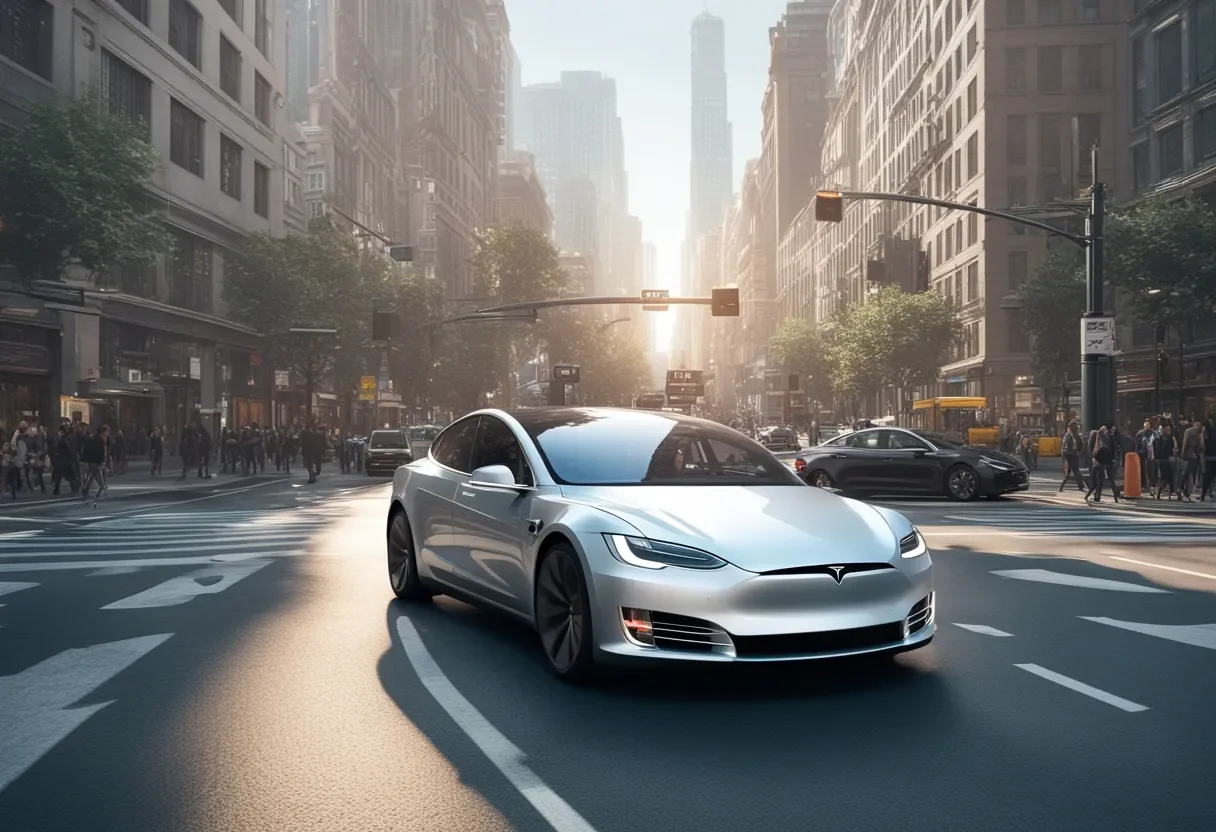
Tesla's Robotaxi Surge: Public Rollout Set to Transform Mobility
Unlocking Autonomy: Why Tesla's Next Move Could Redefine Urban Transport
Tesla's robotaxi service stands at a pivotal moment, with plans to open access to the general public starting next month. This shift promises lower-cost rides, massive efficiency gains, and a leap in vehicle utilization, potentially turning every Tesla into a revenue-generating asset while slashing personal car ownership expenses.
Key Takeaways
Tesla's robotaxi fleet in Austin uses Model Y vehicles with advanced Full Self-Driving software, currently operating with safety monitors but advancing toward unsupervised autonomy.
Expansion to public access is slated for September, beginning in Austin and potentially extending to California, with job postings indicating growth into cities like New York, Las Vegas, and Miami.
Operating costs could drop to around 60 cents per mile once safety drivers are removed, enabling profits of up to $2 per mile in high-demand areas like the Bay Area.
The service validates Tesla's hardware-first approach, embedding sensors and computers in mass-produced cars to gather billions of miles of real-world data for AI training.
Broader adoption may displace millions of ride-hailing jobs but could save thousands of lives annually by reducing accidents from human error, while increasing mobility access for underserved populations.
Regulatory hurdles remain, especially in California, where permits for driverless operations are pending, but Texas approvals pave the way for statewide scaling.