
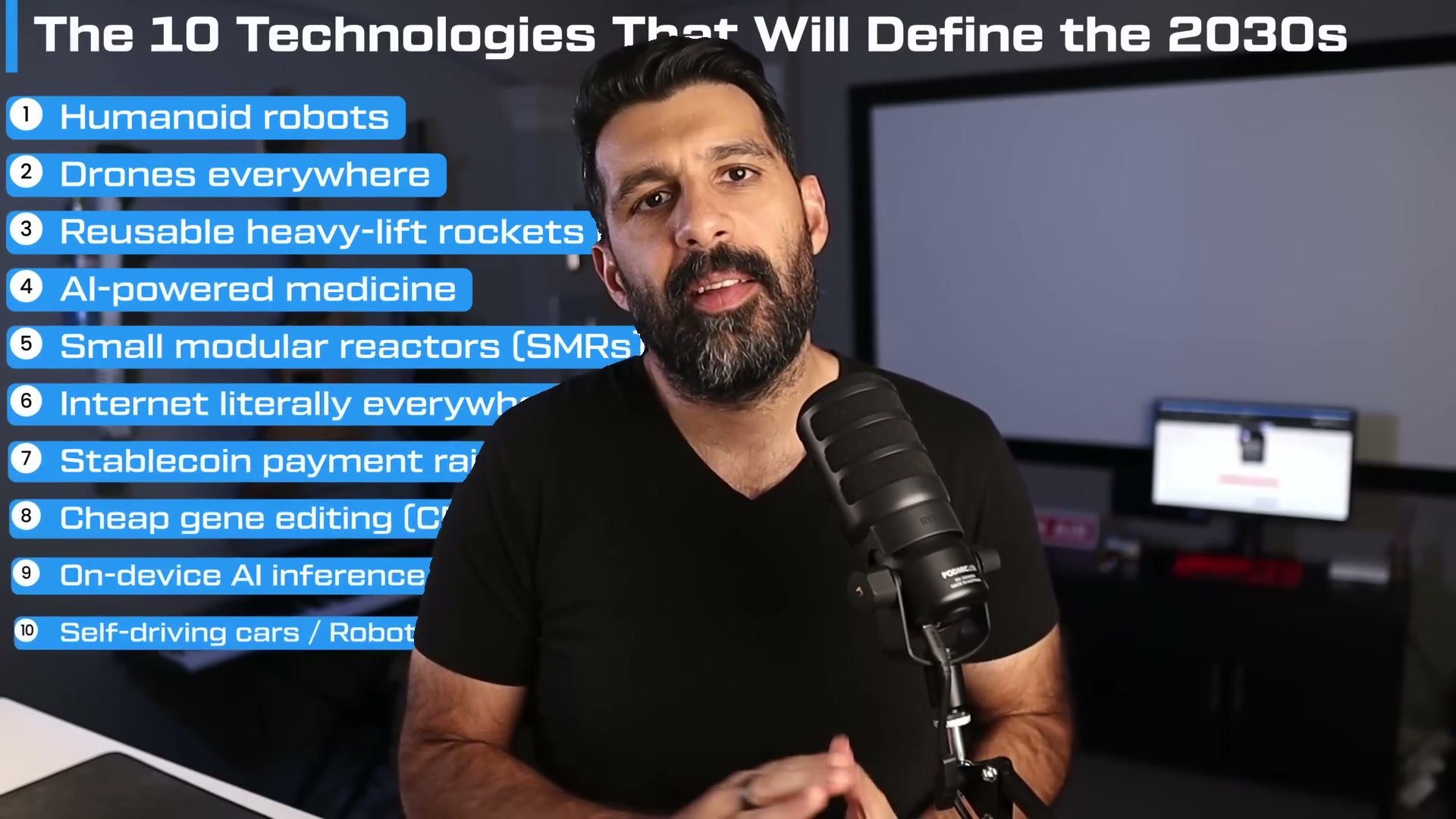
Ten Deployable Technologies Will Redefine Ordinary Life by the Mid-2030s
From robo-taxis and on-device AI chips to CRISPR, stablecoins, Starship, and humanoid labor at roughly $2 an hour, the stack that hits mass scale between 2030 and 2039 is already leaving the lab.

Five Misread Bets Across Musk’s Empire Point to Software Margins, Humanoids, and Multiplanetary Infrastructure
From $99-a-month FSD on cars people already own to Gen 3 Optimus on the old Model S/X floor, the stack that matters is recurring intelligence - not the flashiest hardware headline.
Five Ideas That Misread the Entire Musk Empire
FSD subscriptions, Optimus, drones, one intelligence stack, and a Moon-and-Mars endgame reframe how Tesla, SpaceX, and the rest of the complex actually fit together.
Brazil Clears Six Spectrum Bands for Starlink Direct-to-Cell — But Only Through a Carrier
Anatel’s July 2 allocation of six secondary mobile bands hands SpaceX a regulatory opening in one of its largest markets, yet a mandatory Brazilian carrier partner and 90 days of pending technical rules leave the business case unresolved.
Tesla's Registered Texas Robotaxi Fleet Reaches 102 Model Ys as Steering-Wheel-Free Cybercab Hits Austin Roads
Tesla has more than doubled its registered Austin-area robotaxi fleet since late May and is now road-testing a production Cybercab without a steering wheel or pedals, even as regulation, not vehicle count, remains the real gate on unsupervised service.
Tesla Turns On Unsupervised Robotaxi Rides in Miami, Its First Market Outside Texas and California
The July 3rd launch pushes driverless Model Y ride-hailing into a third state and straight into Waymo’s home turf, even as Tesla stays silent on fleet size, pricing, and safety data.
Tesla Delivers 480,126 Cars in Q2 as 13.5 GWh Storage Quarter Steals the Story
A 25% year-over-year delivery jump blew past the ~406,000 Wall Street expected, yet shares still dropped about 7% and the real signal sat in an energy business now deploying near-record storage ahead of the July 22nd earnings update.
Musk Warns Optimus Production Will Start Extremely Slow at Fremont
Tesla is building a modular Optimus line in Fremont designed for iteration before scale, and the deliberately slow start is the strongest signal yet that the humanoid robot is a twenty-year manufacturing story rather than a near-term revenue event.
Tesla Job Listing Signals In-House Push Into Distributed AI Training and Inference
Two Palo Alto software engineering roles built around PyTorch and low-level GPU tooling point to Tesla owning the AI compute layer that sets how fast it can scale FSD, Optimus, and the CyberCab, even as viral crash narratives and safety scrutiny escalate alongside.
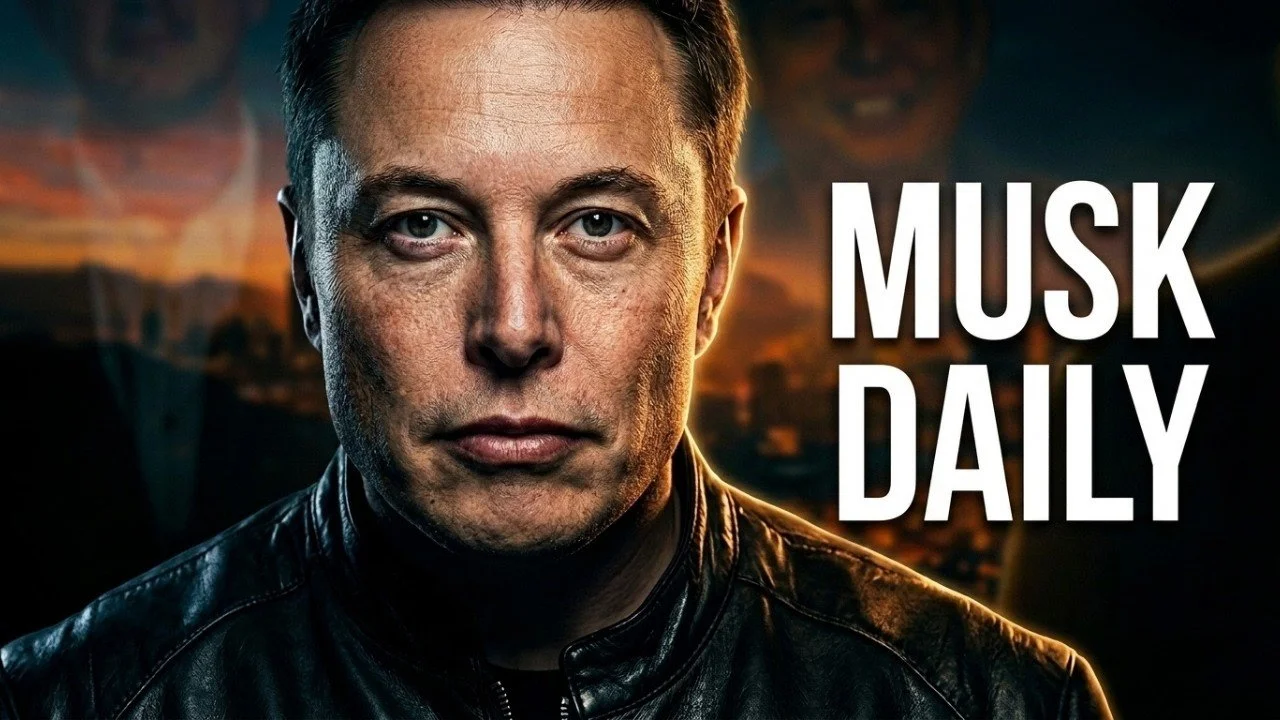
Spain's Traffic Regulator Logs 171,000 Miles of Tesla FSD With No Serious Incidents
A government registry from Spain’s Dirección General de Tráfico shows Tesla’s 30-car supervised test fleet has driven roughly 275,000 kilometers on public roads since November 2025, handing the company rare third-party evidence just as it pushes for European approval.
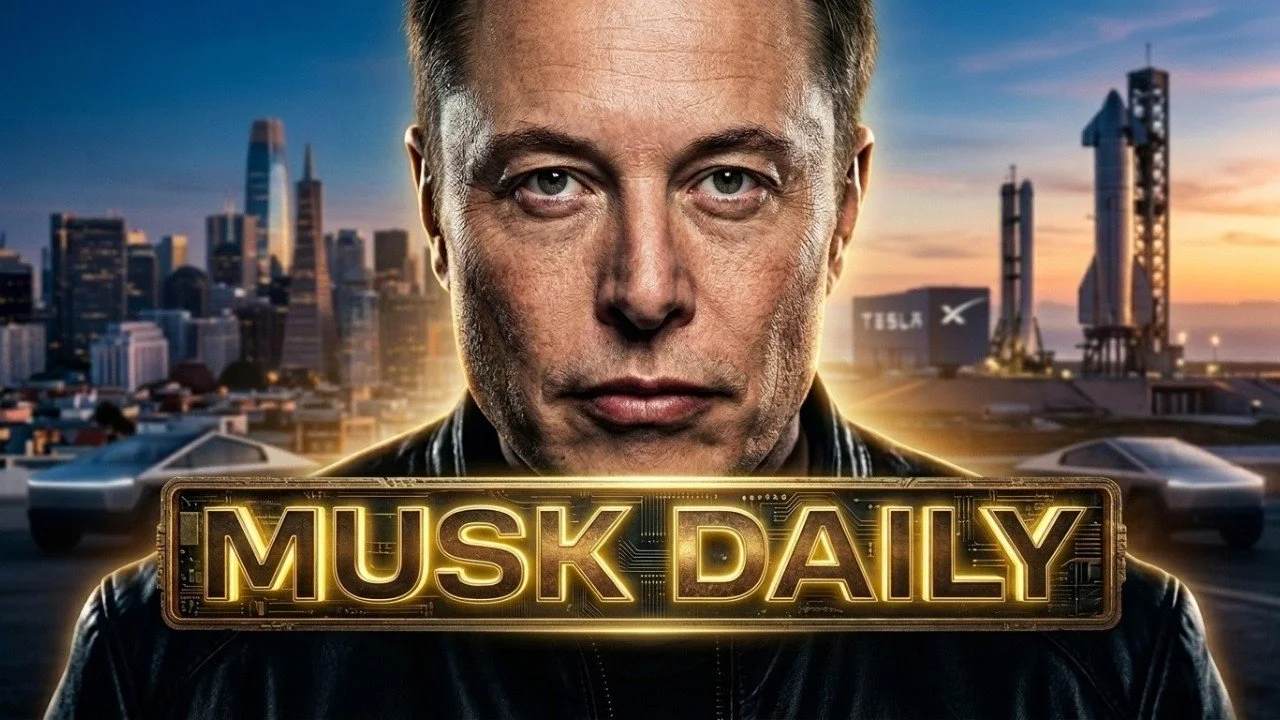
SpaceX Lands First Investment-Grade Ratings, Notches Above Tesla, as Robotaxi Groundwork Clears SFO
Moody’s, S&P, and Fitch all stamped the privately-held launch company investment-grade—Moody’s BA-1 sitting two notches above Tesla’s BA-3—while Tesla quietly won airport ride-hailing rights in San Francisco, shipped FSD v14 to Australia and New Zealand, and pushed its Australian Supercharger count
Musk's Picks and Shovels: How Autonomy and AI Will Power the Next Civilization
Tesla's FSD leaps, Model Y dominance, US-China manufacturing deals, and robotic logistics are laying the groundwork for a transformed economy.
The pace of real-world autonomy is already delivering tangible gains today, with even older versions of advanced driver-assistance systems proving reliable enough for daily commutes and family use. At the same time, high-level diplomatic meetings signal a potential trillion-dollar wave of manufacturing investment flowing back to the United States, powered by Chinese production expertise. Layer in humanoid robots, autonomous heavy trucks, and drone-enabled delivery networks, and the Musk ecosystem emerges as the foundational infrastructure—the literal picks and shovels—for the next era of economic growth.
Key Takeaways
The Tesla Model Y ranks as the best-selling vehicle on the planet for three straight years, leading sales in California and even the top three major cities in China despite aggressive local competition.
Current supervised Full Self-Driving software remains highly capable a full year after its last major update, setting the stage for unsupervised operation that eliminates the need for constant human oversight and enables entirely new use cases like sleeping during long trips.
Upcoming US-China engagements involving key technology and business leaders point toward massive onshoring deals, with Chinese manufacturers potentially bringing high-scale production know-how to American factories in exchange for market access.
Legacy US automakers face structural decline, concentrated in SUVs, trucks, and a handful of models, opening pathways for pivots into defense manufacturing amid rising national security budgets.
Add-on robotic kits already automate heavy equipment like excavators for solar-farm construction, slashing labor hours and unlocking 24/7 operation in energy infrastructure projects.
Musk companies collectively supply the core layers future civilization will run on: autonomous passenger transport, humanoid labor, long-haul freight, satellite connectivity, and energy storage.
Logistics economics shift dramatically once highway autonomy arrives—even partial adoption on interstates cuts driver costs and fuel volatility, while drone-equipped vans and warehouse robots reshape last-mile delivery speed and density.
Why Tesla's Robotaxi Advantage Is Growing Faster Than Anyone Notices
It's not the current fleet size that matters most—it's the explosive growth in data miles and production scale driving down costs exponentially.
Tesla is pushing unsupervised robotaxis into more Texas cities, while competitors like Waymo operate thousands of vehicles across multiple metros. Yet the numbers reveal one player building an insurmountable lead through sheer data volume and manufacturing muscle. With 10 billion cumulative full self-driving miles already logged and the count growing by a billion monthly, the foundation for cheaper, smarter autonomy is solidifying rapidly.
Key Takeaways
Tesla's cumulative FSD miles stand at around 10 billion—50 times the roughly 200 million driverless miles accumulated by its closest rival across its entire history.
Both double autonomous miles approximately every nine months, but Tesla's vastly larger base means its lead widens dramatically each cycle.
Tesla achieves robotaxi costs near 81 cents per mile today, roughly 60% of competitors' current levels.
Production capacity gives Tesla the ability to manufacture hundreds of thousands of capable vehicles quarterly, dwarfing rivals reliant on third-party supply.
Paid unsupervised robotaxi miles nearly tripled quarter-over-quarter in early 2026, signaling accelerating commercial traction.
At scale, autonomous transportation could drop to 25 cents per mile, slashing annual personal mobility costs from hundreds to thousands of dollars.
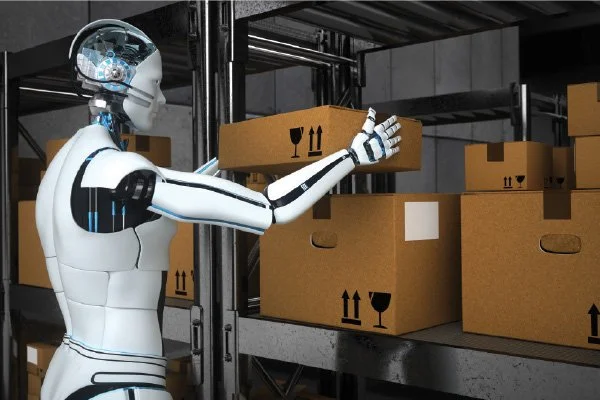
Robotaxis, Humanoids, and the New Logistics Empire: How Automation Will Make Goods and Labor Nearly Free
Inside the convergence of AI robots, autonomous fleets, and centralized supply chains reshaping the global economy.
Recent breakthroughs in humanoid robots and logistics infrastructure point to a future where physical goods move as easily as data in the cloud, while autonomous labor handles repetitive work around the clock. These shifts could drive costs toward zero for transportation, storage, and manufacturing—opening massive opportunities for businesses of any size while concentrating power in the hands of a few tech giants. The pieces are falling into place faster than most realize.
Key Takeaways
Humanoid robots are scaling production quickly, with at least one company now building a unit per day and using innovative wireless foot-charging pads that let them operate continuously without leaving their workstation.
Amazon has launched an end-to-end logistics platform that lets any business plug directly into its warehousing, shipping, and delivery network—essentially turning physical supply chains into a cloud service.
When combined with self-driving vehicles and humanoids, this infrastructure could make point-to-point movement and storage of goods extremely cheap and accessible, even for small operators with limited capital.
The result is accelerating centralization: a handful of companies could dominate labor, logistics, and data, echoing historical monopolies like railroads or oil but at global scale.
Tesla’s Robotaxi rollout faces a practical production bottleneck; early Cybercab output may include steering wheels and pedals to keep factory lines running at full capacity until unsupervised fleets can absorb volume.
Unsupervised autonomy, once achieved, unlocks enormous profit-per-mile margins—potentially $0.60–$1.00—driving rapid fleet expansion and dramatic company re-ratings.
Broader forces include corporations acting as the real power centers in geopolitics, with examples like China functioning as a single massive enterprise, alongside America’s commanding lead in AI, space launch, and defense technology.
AI Leapfrogging: El Salvador's Gamble on Humanoids and Grok to Skip Traditional Development
From cleaning up gang violence to powering education with advanced AI and investing in robotics and geothermal energy, one Central American nation is charting an unconventional path forward. Meanwhile, discussions around AI abundance highlight how human value may increasingly center on irreplaceable in-person experiences and skill-based pursuits.
El Salvador offers a compelling case study in using security reforms as a foundation for rapid technological advancement. By prioritizing AI adoption, humanoid robots, data centers, and renewable energy from its volcanoes, the country aims to bypass decades of incremental progress. This comes as AI systems promise abundance, forcing a reevaluation of human roles—not through replacement, but through new forms of meaning found in live interactions, crafts, and personal mastery aided by intelligent machines.
Key Takeaways
Heavy but non-oppressive police presence has contributed to genuine public happiness and family-friendly public spaces after removing gangs from daily life.
Strategic focus on tech leapfrogging includes humanoids for labor, AI agents, data centers, solar and geothermal power expansion, and Bitcoin mining using volcanic energy.
Public education is transitioning to systems powered by advanced AI like Grok to rapidly build workforce capabilities despite historical under-education challenges.
In an era of AI-driven abundance, premium value accrues to authentic in-person experiences that cannot be easily replicated or spoofed digitally.
AI and robots can serve as highly effective coaches and training partners for sports, crafts, and hobbies, enabling continuous human skill improvement and deeper engagement.
Tesla is progressing on robotaxi deployment with hardware enhancements like improved memory bandwidth for better reasoning in edge cases, alongside Optimus humanoid development as a key long-term driver.
Geopolitical tensions and recent conflicts are accelerating innovation in affordable drone and defense technologies, favoring agile startups over traditional contractors.
Personal branding through content creation serves as a powerful marketing tool for in-person events and services in an AI-saturated media landscape.
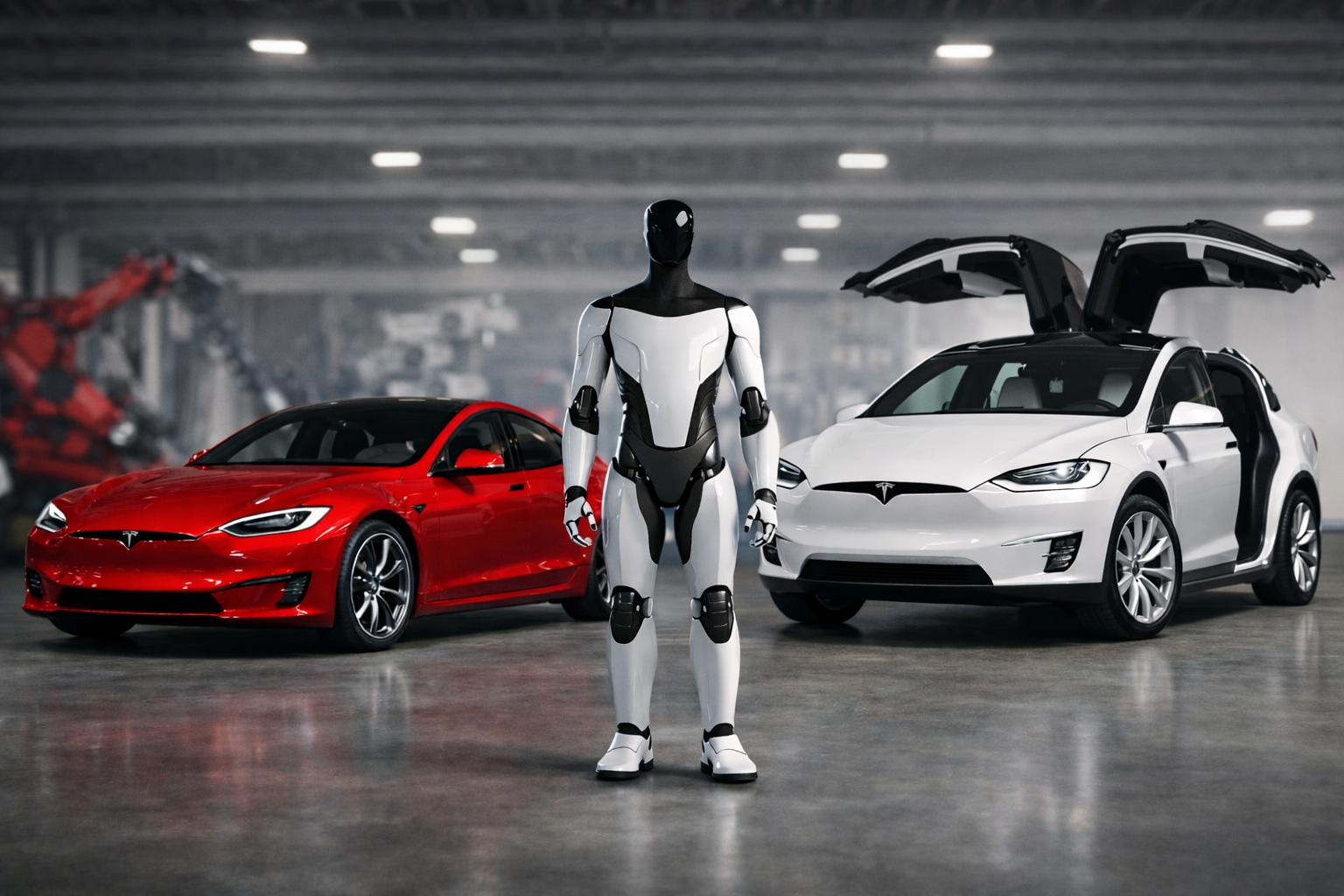
Tesla’s 2025 Production Tsunami Is Here: Cybercab, Optimus, and Sleep-in-the-Car Autonomy Arrive
The next 12 months deliver technical readiness for unsupervised autonomy, scaled robotaxi output, and the first practical humanoid assistants—milestones that reposition Tesla at the center of AI hardware and sustainable manufacturing.
Key Takeaways
Full self-driving software reaches the level where passengers can fall asleep and wake at their destination from a purely technical standpoint this year.
Cybercab production scales at Giga Texas starting April, targeting significant volumes by year-end, with European manufacturing under active consideration.
Optimus humanoid robots begin with household tasks such as childcare, dog walking, and elder support, progressing toward medical roles including surgery that surpass today’s human standards.
Five major production lines enter volume output across Tesla facilities, including 4680 battery cells at Giga Berlin plus lithium and nickel cathode refineries.
Legacy automakers face structural decline after years of minimal innovation and resistance to both electrification and autonomy.
Long-term vision includes Tesla factories on the Moon within 20 years and a future where work becomes optional, pursued for personal satisfaction rather than necessity.
Giga Berlin is positioned for massive expansion into batteries, Cybercab, Optimus, and additional products, potentially becoming Europe’s largest manufacturing complex if external conditions remain supportive.
Advice for the next generation emphasizes optimism, relentless learning through books and experimentation, and choosing roles that involve building tangible, useful things.
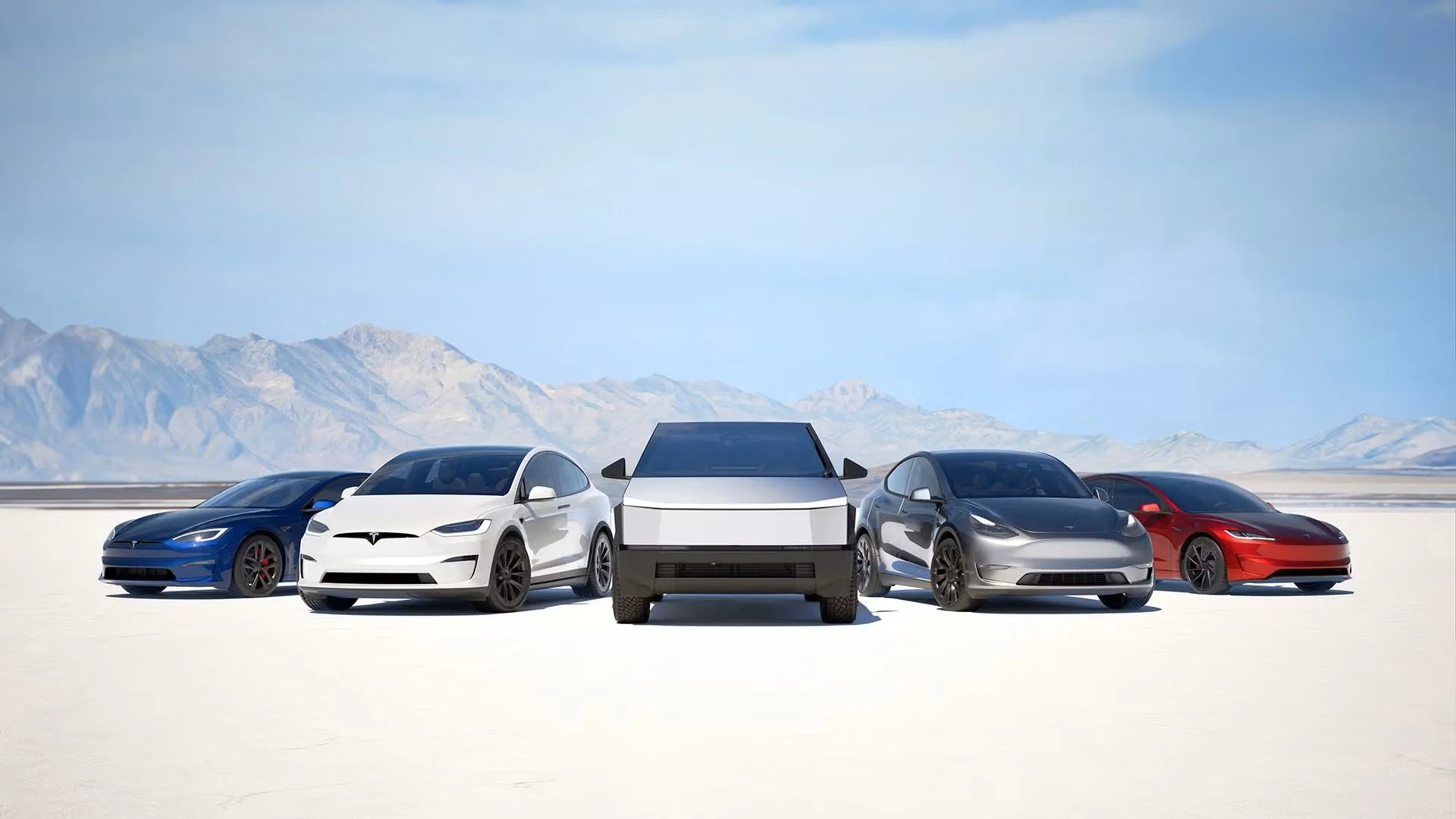
Tesla's Fleet Awakening: The Dawn of Unsupervised Autonomy
Unlocking Millions of Self-Driving Cars Overnight – And Why It Crushes the Competition
Tesla's latest move in Austin marks a pivotal shift in autonomous driving, turning everyday vehicles into fully independent machines. This isn't just about robotaxis in select cities; it's about transforming over six million existing cars into assets that drive, earn, and redefine mobility through a simple software push.
Key Takeaways
Tesla has enabled unsupervised full self-driving (FSD) in Austin robotaxis, allowing passengers to ride without any human oversight.
Over six million Tesla vehicles already on roads come equipped with FSD hardware, ready for activation via software updates.
Tesla's data advantage, with over seven billion miles driven, dwarfs competitors and accelerates neural network improvements.
Unlike rivals relying on expensive custom fleets and detailed city mapping, Tesla's approach scales instantly across any location.
Regulatory changes in 2026, including federal preemption, could enable nationwide unsupervised driving.
This shift boosts Tesla's car sales by offering unmatched features, like vehicles that earn money or run errands autonomously.
The business model favors capital efficiency, as customers own and maintain the vehicles while Tesla provides the software capability.
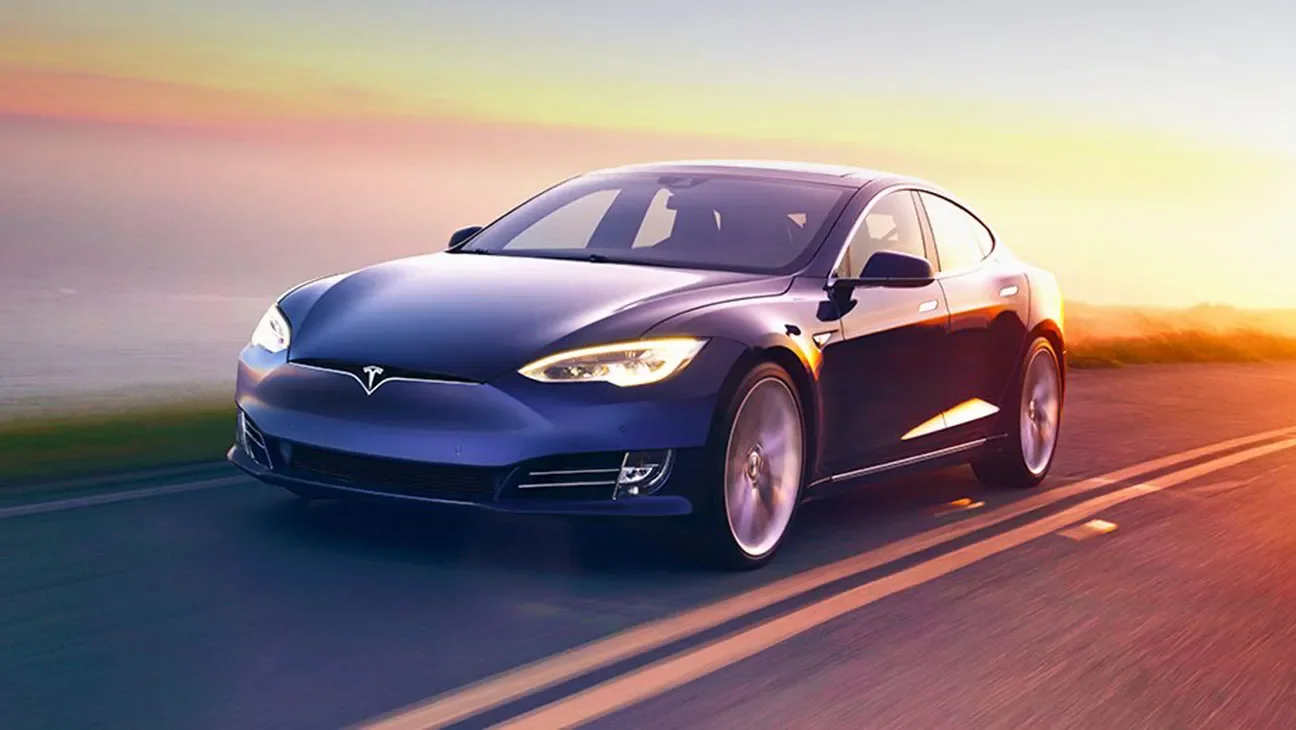
Full Self-Driving Revolution: Why Tesla Owns the Road Ahead
Reshaping Transportation Through AI Scale and Data Dominance
Autonomous vehicles are transforming mobility, slashing costs, boosting safety, and upending industries. Tesla's data-driven approach positions it to dominate, outpacing rivals and making human drivers obsolete in years.
Key Takeaways
Tesla's neural network learns from billions of real-world miles, enabling rapid improvements without predefined maps, unlike competitors reliant on detailed city-specific data.
Manufacturing scale gives Tesla a 200x edge over players like Waymo, allowing faster fleet growth and lower operational costs down to 30 cents per mile.
Robotaxi economics could generate massive margins, with rides cheaper than Uber, potentially eliminating the need for personal car ownership in urban areas.
Safety data shows autonomous systems far outperforming human drivers, pressuring regulators to approve widespread deployment to save lives.
Job displacement looms large, affecting millions in driving professions, signaling broader AI impacts on labor markets.
Tesla's Robotaxi Breakthrough: Unsupervised Rides Begin in Austin
The first truly driverless Tesla robotaxis are now carrying paying passengers in Austin, Texas—using standard Model Y vehicles with no human in the front seat. This milestone, combined with third-party insurance slashing rates by 50% on FSD miles, signals that Tesla's vision-based autonomy has reached a level of safety and capability that could reshape transportation economics worldwide.
Key Takeaways
Tesla has launched public robotaxi rides in Austin with fully unsupervised vehicles—no safety driver or monitor inside the car—starting with a small number mixed into the existing fleet.
The service uses unmodified Model Y vehicles equipped with the same camera-only hardware and AI software available in consumer Teslas.
A major insurer now offers roughly 50% lower per-mile rates for miles driven with Tesla's Full Self-Driving (FSD) engaged, based on real-world data showing sharply reduced accident risk.
Removing the human driver collapses operating costs to energy, maintenance, and repairs—potentially dropping per-mile expenses to 40-60 cents versus $2+ for human-driven rides.
Tesla's camera-based, data-driven approach—trained on billions of miles from its global fleet—enables scalability far beyond sensor-heavy competitors, with potential for rapid expansion to new cities and countries.
Future production of the purpose-built Cybercab, lacking steering wheel or pedals, could push Tesla's annual output beyond 5 million self-driving-capable vehicles.
Tesla's Robotaxi Revolution: Crushing Competitors with Cost and Scale
Why Tesla Could Dominate Ride-Sharing and Leave Waymo in the Dust
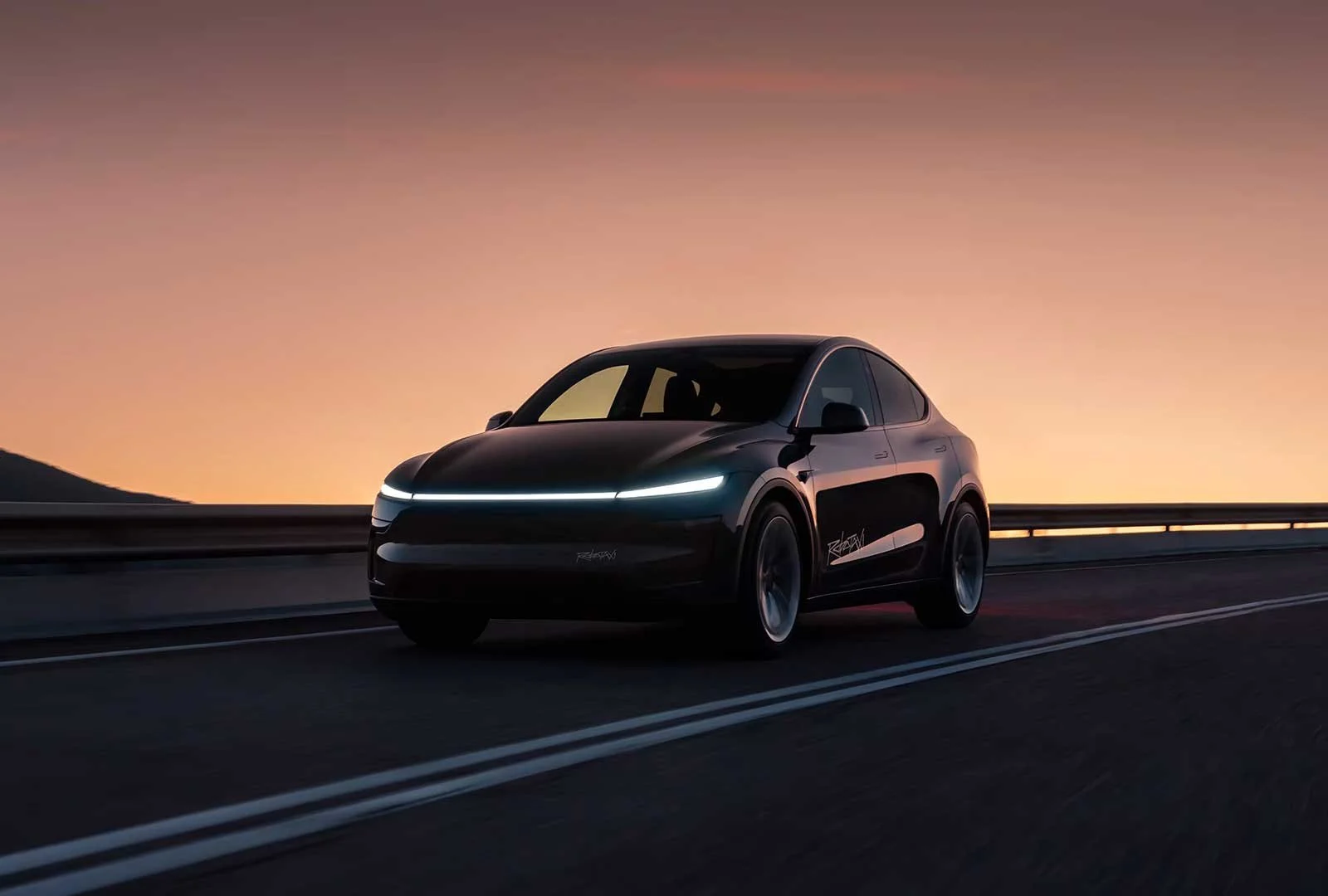
Robotaxis are set to transform urban mobility, slashing costs while boosting safety and convenience. Yet, early players like Waymo struggle with high expenses and limited scalability, creating an opening for Tesla's efficient, hybrid fleet model to seize massive market share.
Key Takeaways
Robotaxis from Tesla could operate at costs several times lower than competitors, thanks to affordable vehicles and vision-only tech stacks.
Waymo's current model remains uncompetitive against traditional ride-sharing due to expensive cars and sensors, limiting market share to around 15-20% in any single city.
Tesla's hybrid approach—combining company-owned fleets for base demand with owner-contributed cars for peaks—reduces capital needs by up to seven times compared to rivals.
The ride-sharing market is highly elastic; lower prices from Robotaxis could expand total miles driven by 4x or more, displacing public transit options.
Regulation may lag but won't stop adoption, as historical precedents like ride-sharing show public demand overrides barriers.
In the long term, the market might evolve into an oligopoly, with Tesla leading and challengers like Uber partnering with secondary Robotaxi tech providers.