
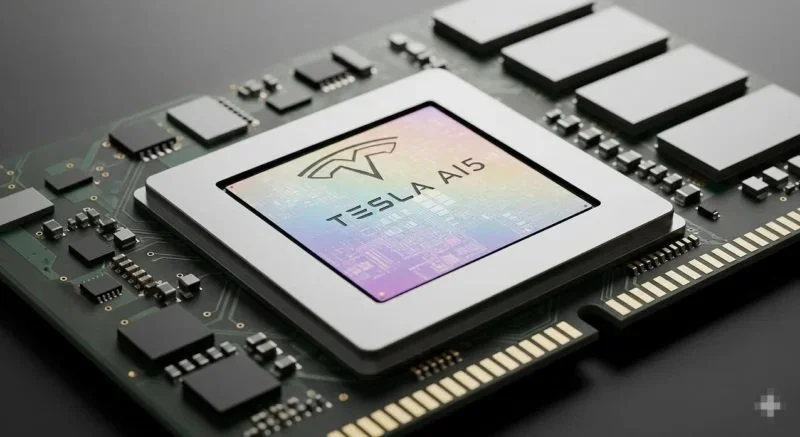
Tesla’s Custom AI Chip Quietly Builds the Foundation for Independence From Nvidia
How a radically simplified inference engine, a $119 billion domestic fab, and orbital data centers powered by constant sunlight could reshape who controls the future of AI infrastructure.
Tesla’s AI5 chip, taped out in April 2026, delivers inference performance in the same range as Nvidia’s H100 for the specific workloads that matter most to large-scale robotics and autonomy systems. Two of the chips together reach territory previously occupied by Nvidia’s Blackwell B200. The difference lies in what the design deliberately left out and where it will actually run first.
Key Takeaways
The AI5 chip matches high-end Nvidia inference throughput for Tesla’s targeted tasks while consuming dramatically less power and costing a fraction as much, because it is built as a narrow-purpose ASIC rather than a general-purpose GPU.
Radical simplification — removing the image processor and other unused blocks — allows the chip to focus exclusively on the low-precision math that runs real-time perception and control in vehicles and humanoid robots.
First deployments target Optimus humanoid robots and internal AI supercomputers rather than next-generation vehicles, since existing hardware already exceeds typical human driving performance in most scenarios.
Tesla continues purchasing hundreds of thousands of Nvidia GPUs for training its largest models, treating custom inference silicon and general-purpose training hardware as complementary tools rather than substitutes.
A rapid internal roadmap calls for AI6 production in 2027 on Samsung’s process with roughly double the performance, followed by AI6.5 on TSMC’s Arizona fab, targeting a new generation every nine to twelve months.
The dedicated Terafab facility carries phase-one costs of $55 billion and total project costs approaching $119 billion — larger than the entire US CHIPS Act — and will be split across Tesla and SpaceX balance sheets ahead of SpaceX’s planned public listing.
SpaceX regulatory filings seek approval for up to one million satellites configured as orbital data centers that run on uninterrupted solar power, with internal projections placing the total addressable market for space-based AI infrastructure at $26 trillion.
The long-term objective is vertical ownership of every critical layer — chip design, domestic fabrication, low-cost launch, and space-based power — so that AI deployment at planetary scale does not depend on any single external supplier for the foundational compute element.
The Master Plan You Can't Unsee: Wiring Civilization's Next Foundation
How energy systems, self-driving fleets, humanoid robots, satellite networks, and orbital infrastructure are stacking into one coherent architecture for abundance—and why Mars ambitions are already reshaping what is possible on Earth.
A single Tesla completing a 13,000-mile coast-to-coast journey on full self-driving in January 2026 without any human intervention on the controls was more than an autonomy milestone. It marked the visible activation of something larger: a stacked foundation of technologies now advancing in parallel across energy, transport, labor, intelligence, connectivity, and space. The most valuable pattern is not any single product but the way these layers reinforce one another, with physics-first requirements for multi-planetary settlement acting as the forcing function that accelerates practical progress everywhere else. Cost curves in AI, robotics, and solar are collapsing at the same moment, pointing toward a period where intelligence, physical work, and energy become abundant enough to reorder how economies measure value.
Key Takeaways
Eight interlocking layers—energy generation and storage, physical transport, humanoid robotics for labor, AI agents for knowledge work, frontier model intelligence, global satellite networks, off-world transport, and direct brain-computer interfaces—are being built together rather than as isolated bets.
Reusable orbital-class rockets and mass-market electric vehicles both moved from expert consensus of impossibility to routine operation, showing that compressed timelines often precede large-scale delivery once the underlying engineering locks in.
Hardware and data integrations across projects, such as satellite antennas embedded in vehicle roofs, energy storage powering training clusters, and vehicle fleets supplying training data for robots, create closed loops that multiply progress beyond what any single company could achieve alone.
The requirement to settle Mars drives demand for electric propulsion, robotic construction crews, subsurface habitats, and reliable interplanetary links—technologies that simultaneously relieve energy, labor, infrastructure, and connectivity constraints on Earth.
Observed cost trajectories show AI inference dropping by roughly 36 times in two years, robotic labor approaching a couple of dollars per hour at scale, and solar generation costs having already fallen 99 percent over recent decades, with further declines continuing.
Physical infrastructure at new orders of magnitude, including chip fabrication targeting 100–200 billion specialized AI units per year and launch costs falling toward $10–100 per kilogram to orbit, is enabling both terrestrial AI expansion and space industrialization at the same time.
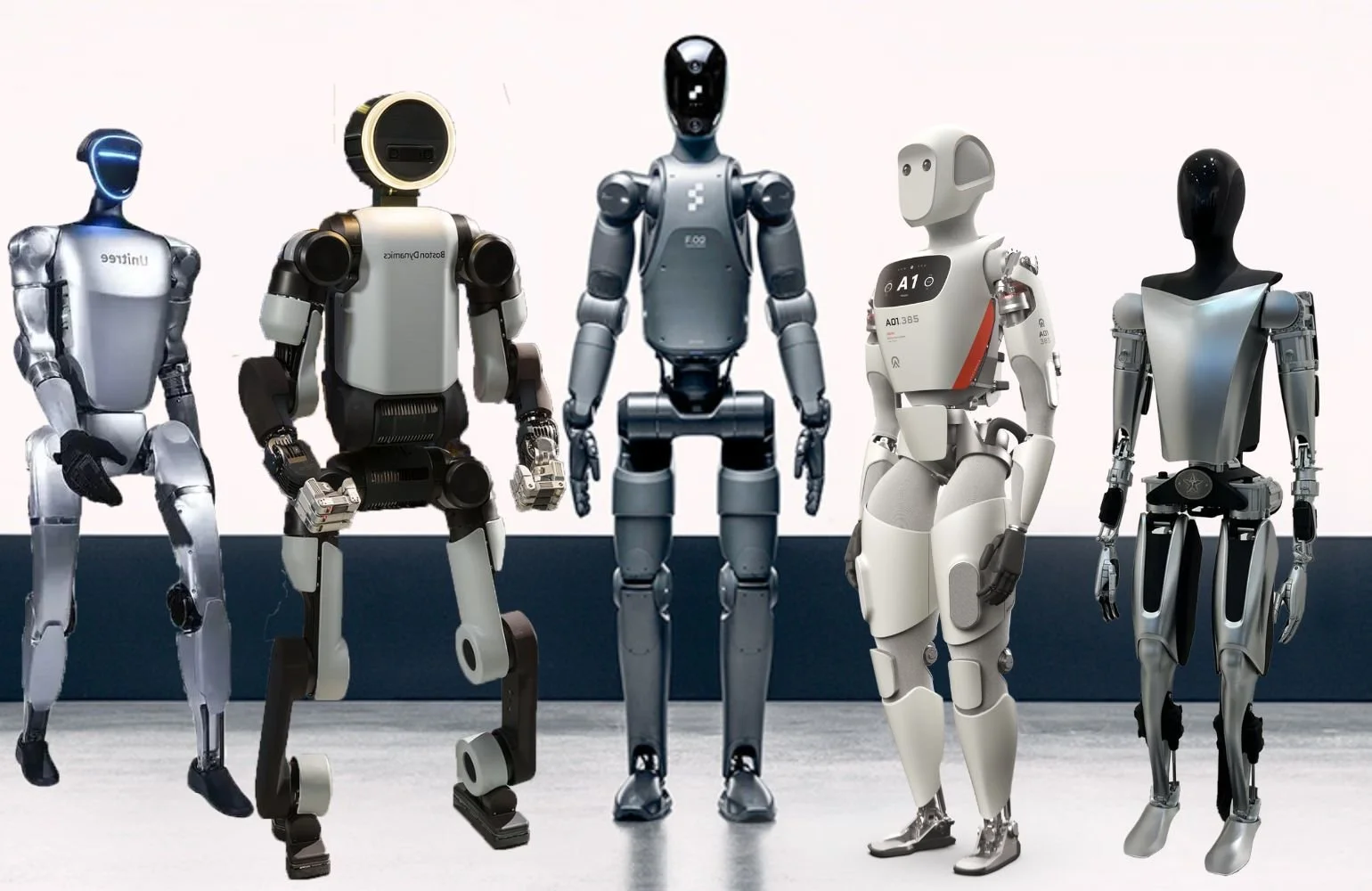
The $40 Trillion Robot Takeover Has Begun
Humanoids just hit their iPhone moment – turning sci-fi into nonstop warehouse reality and rewriting one-third of the global economy.
The convergence happened. Humanoid robots now operate 24/7 in live California warehouses, swapping batteries seamlessly and matching human speed on package sorting for over 60 straight hours. This marks the exact inflection that smartphones triggered in 2007: hardware and software finally aligned, but this time the prize is ten times larger – the entire $40 trillion pool of annual human physical labor across warehouses, farms, hospitals, factories, and every task that moves bodies through space.
Key Takeaways
Three S-curves in AI vision-language-action models, real-plus-synthetic data flywheels, and actuator costs (down 10x in six years thanks to the EV supply chain) aligned in the last 18 months, making capable, affordable humanoids possible at scale.
Robots are already deployed today in automotive body shops, sheet-metal lines, weld inspection, electronics assembly, and logistics centers, filling roles with 90-150% annual turnover where humans quit faster than companies can hire.
First wave targets demographic vacancies created by aging populations and undesirable shifts – Japan’s 3.9:1 eldercare ratio, Germany’s net worker loss in 2026, U.S. trucking shortages climbing toward 160,000 – not eager workers being fired.
Next waves hit 10+ million U.S. material-mover, assembler, and janitor jobs at $30k–$44k median wages, with potential for all three waves to compress into five years if software generalizes and costs drop faster than models predict.
A single unstoppable flywheel links AI training clusters, battery tech, vehicle production lines, and robot manufacturing; pausing it means surrendering competitiveness against China and domestic manufacturing goals.
Visible optics – named robots on livestreams, viral photos of humanoids at stations – will drive regulation, tariffs, union carve-outs, and city-vs-country races long before pure economics play out.
Winners under 35 will treat AI and robotics as the new electricity: adopt tools aggressively, align them with personal strengths, and build new categories (autonomous service fleets, hazardous-site automation) that create abundance for the bottom 20% while the adaptive middle thrives.
The AI Dopamine Trap That Nobody Is Prepared For
Why infinite convenience and pleasure could redefine human purpose—and how to stay grounded
In the coming decades, AI-powered humanoid robots, self-driving delivery systems, neural interfaces, and breakthroughs in longevity will make physical effort almost obsolete. Every craving—food, entertainment, even sensory experiences—could be delivered instantly, creating a personalized dopamine engine so powerful it makes today’s social media feeds look quaint. The real question isn’t whether the technology arrives. It’s what humanity chooses to do with the freedom it unlocks.
Key Takeaways
AI and robotics will create an “infinite dopamine machine” that handles all physical labor, delivers hyper-personalized entertainment directly to the brain, and extends lifespans dramatically—turning passive entertainment into a full-time lifestyle for some.
The future delivers maximum individual freedom: people can pursue purpose, service, and creation or opt for total immersion in digital pleasure, with no external force dictating the choice.
Modern education and comfort have trained many to avoid risk, yet deep down most harbor bigger dreams; removing friction could unlock far more builders than expected.
Real-world experiences—family time, physical projects, friendships—deliver more lasting satisfaction than the machine ever can, but they require deliberate discipline because the digital alternative never runs out.
A living frontier like Mars is essential; without ambitious outlets, internal conflict over resources and status could intensify.
For parents and builders alike, the hardest challenge is self-discipline: intentionally stepping away from the infinite tool to engage with the finite, changing real world before it slips away.
Musk's Picks and Shovels: How Autonomy and AI Will Power the Next Civilization
Tesla's FSD leaps, Model Y dominance, US-China manufacturing deals, and robotic logistics are laying the groundwork for a transformed economy.
The pace of real-world autonomy is already delivering tangible gains today, with even older versions of advanced driver-assistance systems proving reliable enough for daily commutes and family use. At the same time, high-level diplomatic meetings signal a potential trillion-dollar wave of manufacturing investment flowing back to the United States, powered by Chinese production expertise. Layer in humanoid robots, autonomous heavy trucks, and drone-enabled delivery networks, and the Musk ecosystem emerges as the foundational infrastructure—the literal picks and shovels—for the next era of economic growth.
Key Takeaways
The Tesla Model Y ranks as the best-selling vehicle on the planet for three straight years, leading sales in California and even the top three major cities in China despite aggressive local competition.
Current supervised Full Self-Driving software remains highly capable a full year after its last major update, setting the stage for unsupervised operation that eliminates the need for constant human oversight and enables entirely new use cases like sleeping during long trips.
Upcoming US-China engagements involving key technology and business leaders point toward massive onshoring deals, with Chinese manufacturers potentially bringing high-scale production know-how to American factories in exchange for market access.
Legacy US automakers face structural decline, concentrated in SUVs, trucks, and a handful of models, opening pathways for pivots into defense manufacturing amid rising national security budgets.
Add-on robotic kits already automate heavy equipment like excavators for solar-farm construction, slashing labor hours and unlocking 24/7 operation in energy infrastructure projects.
Musk companies collectively supply the core layers future civilization will run on: autonomous passenger transport, humanoid labor, long-haul freight, satellite connectivity, and energy storage.
Logistics economics shift dramatically once highway autonomy arrives—even partial adoption on interstates cuts driver costs and fuel volatility, while drone-equipped vans and warehouse robots reshape last-mile delivery speed and density.
Amazon's Stealth Logistics Empire: The Massive Tailwind Coming for Tesla
How opening its entire supply chain to the world is about to create explosive demand for electric semis, autonomous vans, and humanoid robots.
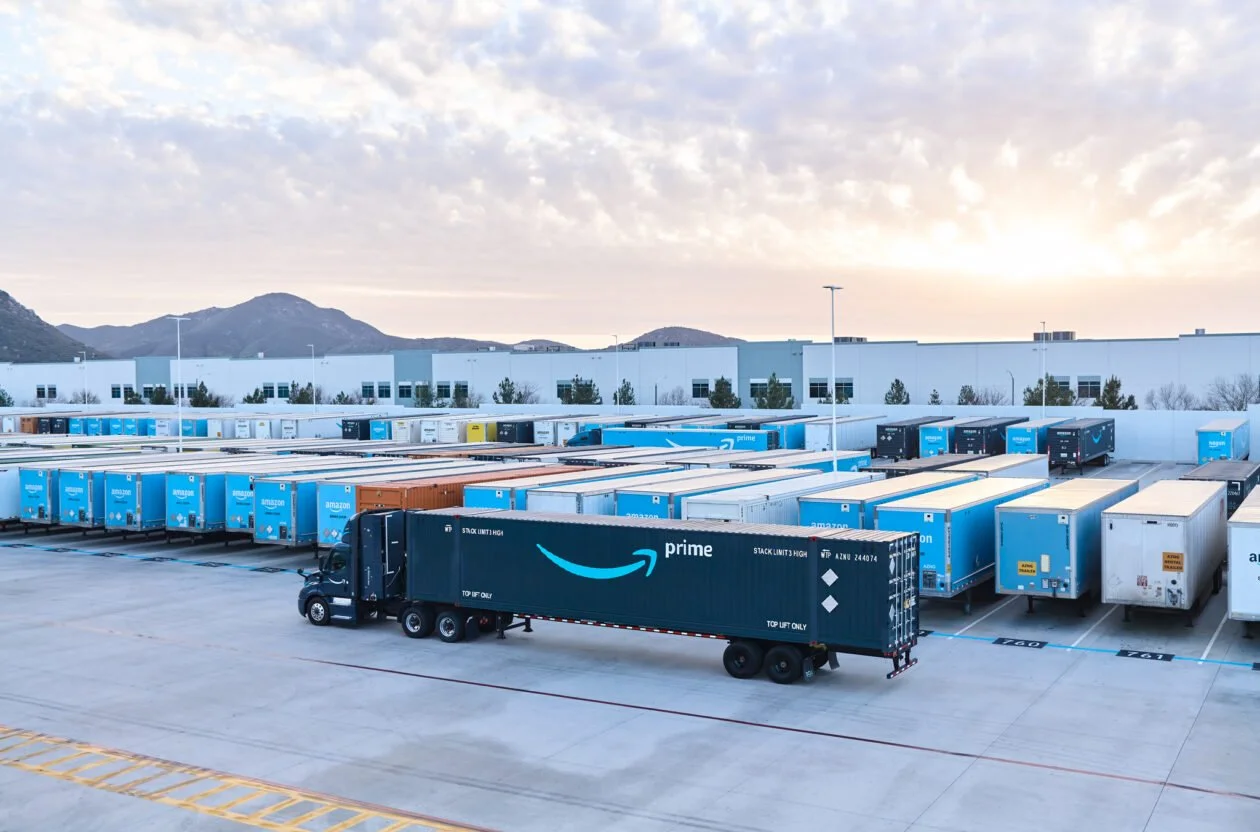
Amazon has turned its vast internal logistics machine into a full-service platform available to any business. The new offering combines freight across ocean, air, ground, and rail; warehousing and distribution; same-style parcel delivery seven days a week; and AI-driven forecasting built on the largest commercial logistics dataset in existence. This isn't a minor expansion—it's the physical-world equivalent of AWS, launched into a $9 trillion market that's already projected to hit $13 trillion by 2035. For Tesla, the implications are generational: a single customer with global scale suddenly needs far more trucks, vans, robots, and autonomy software than it can source today.
Key Takeaways
Amazon Supply Chain Services bundles freight, fulfillment, parcel delivery, and predictive AI optimization into one plug-and-play system that any company can use—exactly how AWS turned internal infrastructure into a profit engine.
The move immediately pressures traditional carriers; UPS, FedEx, and logistics stocks dropped sharply on the announcement because Amazon already operates at a scale that rivals their combined fleets.
Tesla stands to benefit across four hardware categories: electric semis for long-haul freight, autonomous delivery vans to solve driver shortages, Optimus humanoids for warehouse labor, and the unified Full Self-Driving software stack that powers everything.
Amazon's existing assets—1.56 million employees, 1,200 logistics facilities, 40,000+ owned semis, 390,000+ delivery drivers, 30,000 Rivian vans, over one million robots, and its own air fleet—provide the perfect launchpad for rapid scaling.
At scale, a single humanoid robot could deliver labor at roughly $1.50–$2 per hour versus $25–$35 for a human worker, creating economics that make widespread adoption almost inevitable.
Watch for Amazon to break out Supply Chain Services revenue separately in coming quarters; that moment will trigger the same valuation rerating AWS enjoyed.
The Operator Who Just Solved Elon Musk’s Biggest Problem
How one quiet executive is enabling the largest reorganization in tech history—and why it frees the world’s most ambitious engineer to move faster than ever.
The Musk companies are no longer operating as separate bets. They are converging into a single, vertically integrated machine built for the AI age. SpaceX and xAI have already combined. Tesla is the final piece. The person positioned to run day-to-day execution across all of them has spent nearly 25 years proving she can deliver at the hardest engineering problems on Earth. This shift lets Elon Musk leave the Tesla CEO chair he has openly disliked for years and return full-time to the work only he can do: first-principles engineering at planetary scale.
Key Takeaways
Elon Musk has repeatedly stated he does not want to remain Tesla CEO and has been searching for years for a successor he trusts to treat the company as a robotics and AI leader rather than a car company.
The February 2026 merger of SpaceX and xAI created a $1.25 trillion vertically integrated entity focused on AI, rockets, satellites, and orbital infrastructure.
Gwynne Shotwell, SpaceX president and COO since 2008, now oversees operations for the combined SpaceX-xAI business and is the clearest candidate to absorb Tesla’s execution responsibilities in the next phase of consolidation.
Her track record includes turning Falcon 9 into the most reliable launch vehicle ever, delivering Crew Dragon for NASA, scaling Starlink to tens of thousands of satellites, and negotiating critical government contracts that kept SpaceX alive in its earliest days.
The resulting structure creates the infrastructure layer of the AI era—orbital data centers, humanoid robots, autonomous vehicles, energy storage, and chip fabrication—all executing under one operational leader while Musk focuses exclusively on engineering breakthroughs.
Investors and technologists should view this not as Elon stepping away but as the company graduating to a new operating model that removes a massive constraint on his time and attention.
Why Elon Musk May Reshape the 21st Century More Than Any Innovator Before Him
One person advancing seven major industries at once – while the same kind of backlash that hit Edison, Jobs, and Lincoln plays out in real time.
The conversation around Elon Musk stays stuck on personality, politics, and headlines. Yet the measurable outcomes tell a different story: a single entrepreneur has forced global automakers to electrify, slashed space-launch costs by 97 percent, deployed thousands of satellites for internet access in remote regions, and built AI, brain interfaces, and humanoid robots that are already moving from labs to real-world deployment.
History shows this pattern repeatedly. Visionaries who bend entire civilizations get hated in their own era and celebrated later. Musk’s work sits at the widest gap yet between current perception and actual impact – and that gap is closing fast.
Key Takeaways
Musk’s companies are simultaneously transforming seven industries: automotive and energy storage (Tesla), space launch and satellite communications (SpaceX and Starlink), frontier AI (xAI), brain-computer interfaces (Neuralink), and humanoid robotics (Optimus).
SpaceX reduced the cost of reaching orbit from roughly $65,000 per kilogram to about $2,700 – a 97 percent drop – while launching more mass to orbit than every other entity on Earth combined.
Tesla produces over 1.8 million electric vehicles annually and has pushed every major automaker toward full electrification; its Full Self-Driving software is already operating unsupervised in select cities, targeting millions of autonomous robotaxis.
Tesla’s Megapack energy-storage business now delivers higher gross margins than its vehicle side and is scaling grid-scale battery systems worldwide.
The companies form a single flywheel: AI trained on driving data powers robots, battery tech supports rockets, satellite internet connects everything, and each breakthrough accelerates the others.
Personal stakes have been extreme – repeated near-bankruptcies in 2008 and 2018, 120-hour workweeks, and every dollar of early wealth reinvested into high-risk ventures – mirroring the obsessive drive seen in every historical figure who redefined an era.
Long-term civilizational gains include fewer road deaths, accelerated clean-energy transition, abundant low-cost labor through robotics, restored mobility via brain implants, and the infrastructure for multiplanetary expansion.
Today’s polarization focuses on the person; tomorrow’s record will focus on outcomes that change daily life at planetary scale.
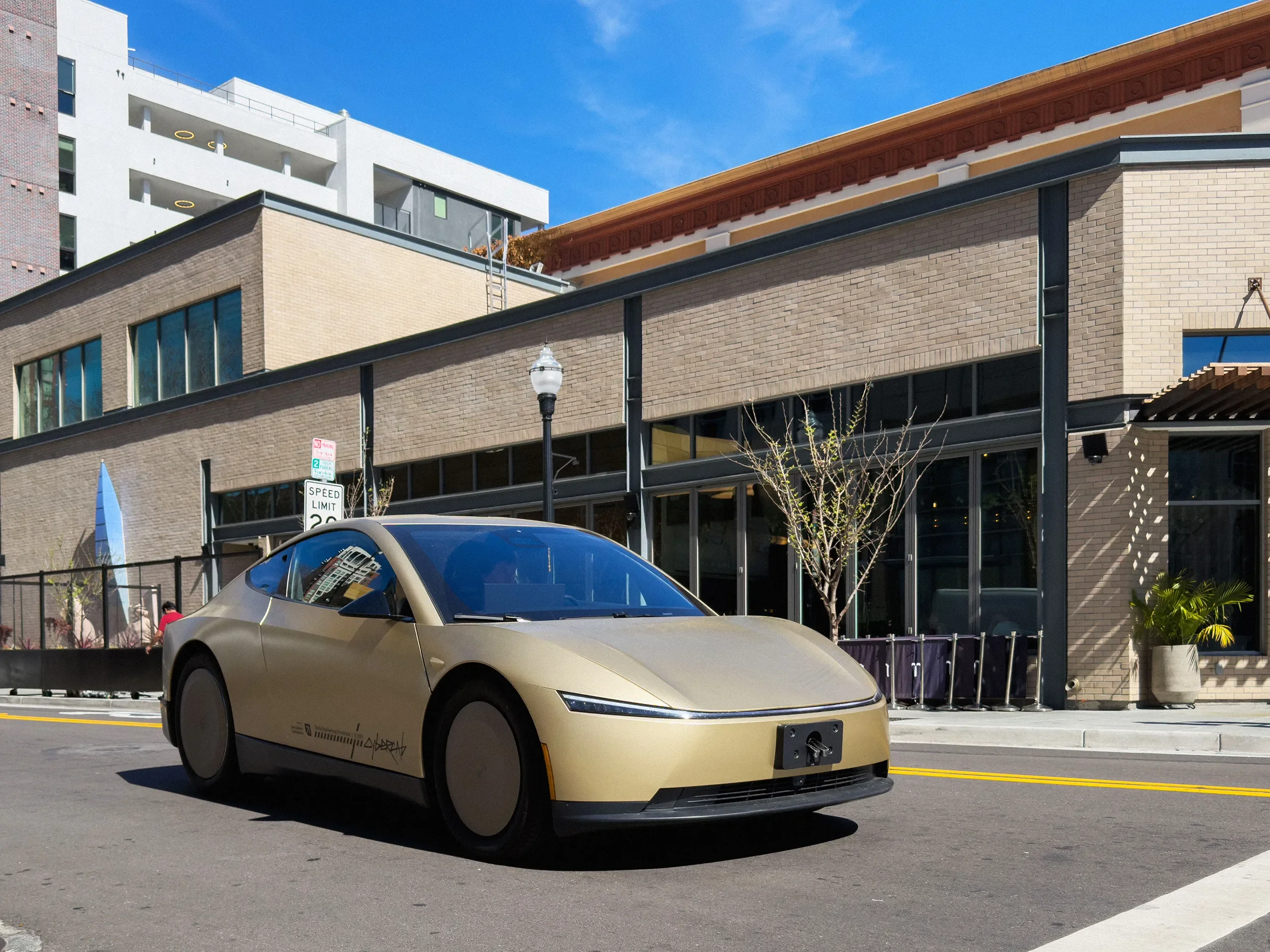
The End of Scarcity? How Radical Abundance Will Remake Cities, Purpose, and Civilization
From robo-taxis and walkable arcologies to lunar megaprojects and the human drive for status in a post-work world.
Automation and advanced robotics are steering us toward a future where material limits fade fast. Everyday movement, living spaces, and even our sense of purpose stand to change in profound ways. Cities could shrink their footprints around people instead of vehicles. New settlements will sprout in breathtaking locations once considered too remote. And in a world of plenty, the real test becomes inventing fresh reasons to strive, create, and connect.
Key Takeaways
Robo-taxis will free up vast urban real estate, creating networks of highly walkable zones packed with green walls, terraces, and integrated ecosystems rather than parking lots and roads.
Personal flight systems with bird-like energy density could eliminate the need for cars and roads altogether, turning journeys into direct, exhilarating point-to-point experiences.
Robotic construction and cheap desalination will unlock development of stunning new towns and cities on high-desert land, mountain foothills, or even ocean platforms—places chosen purely for beauty and livability.
Perfect abundance environments, like those studied in controlled animal populations, can lead to behavioral collapse and population decline, but humans counter this through endless creativity, relative status-seeking, and the constant invention of new social contracts and subcultures.
Lunar resources could fuel enormous off-world compute infrastructure, while early Mars missions may confirm microbial life is common across the solar system, strengthening ideas of panspermia.
Versatile humanoid robots and brain-computer interfaces will handle physical labor and deliver immersive new experiences—from instant skill acquisition to full-sensory simulations—while heightening global competition over autonomous systems and supply chains.
Tesla Just Built the Google of Atoms
The complete physical AI platform no competitor can replicate—and why it will define the next 20 years of technology
The physical world now has its dominant platform. One company has quietly assembled every critical layer—custom silicon, world-class AI models, battery chemistry, factories that scale like nothing else, vast real-estate holdings, and a global logistics network—and wired them together into a single, accelerating flywheel. The result is faster innovation, lower costs, and a data advantage that grows exponentially every day. This is not a car company with side projects. It is the infrastructure layer for the atom economy, and the implications stretch far beyond stock prices.
Key Takeaways
Tesla operates a full physical AI stack: computation, AI models, chemistry, manufacturing, land/real estate, and logistics—all internally controlled and mutually reinforcing.
Manufacturing functions as the CPU, real estate as storage, and logistics as the network in an atoms-based computer model that mirrors digital computing.
Billions of real-world driving miles feed a single neural architecture used for both autonomous vehicles and humanoid robots, creating a data flywheel no rival can match.
In-house battery chemistry, repurposed legacy factories, and continent-spanning energy assets deliver cost and infrastructure advantages that compound across every layer.
Vertical integration turns individual businesses into a cascading advantage: cheaper chips power better AI, better AI improves manufacturing, improved manufacturing lowers battery prices, and so on.
Single-layer competitors face structural economic disadvantages that widen over time, regardless of early leads in narrow domains.
Historical platform cycles suggest massive regulatory scrutiny is coming once dominance becomes obvious.
Elon Musk's New AI Agent Will Replace Entire Companies
Digital Optimist turns parked Teslas, robots, and Supercharger stations into a real-time digital workforce that runs on $650 chips and learns from everything at once.
A groundbreaking edge AI platform is taking shape that processes your computer screen locally, clicks buttons, fills forms, and navigates software in real time. It pairs this instant execution with high-level reasoning from the cloud only when needed, slashing costs to near zero beyond electricity while delivering speed and reliability that cloud-based agents cannot match. The same core intelligence powers self-driving cars, humanoid robots, and these digital workers, creating a single learning flywheel that improves every product simultaneously. At scale, this means fleets of agents could handle entire corporate operations using infrastructure already deployed worldwide.
Key Takeaways
A dual-brain system combines local real-time screen watching and action with cloud-based strategic reasoning for seamless autonomous workflows.
Primary processing runs on low-cost Tesla AI4 chips, delivering near-zero marginal cost per task and eliminating the latency and fees of cloud round-trips.
One foundational model adapts the same vision, spatial reasoning, and decision-making capabilities across vehicles, physical robots, and digital agents, with every task feeding back into shared improvement.
Distributed compute leverages parked cars with onboard batteries or wall power, 7 gigawatts available at Supercharger locations, and idle humanoid robots that switch between physical and digital duties.
Plans extend to solar-powered AI satellites in orbit using the identical chip family, providing free energy and vacuum cooling connected via Starlink.
Full vertical integration spans chip design, manufacturing in a planned Terra Fab, deployment in cars and robots, and space-based infrastructure for unmatched efficiency and scale.
AI: The New Nuclear Arms Race Redefining Global Power
Why the race for artificial superintelligence mirrors the atomic age—and what it means for the next century of dominance
The parallels between today's AI competition and the nuclear era of 1945 are striking and unavoidable. Just as the atomic bomb reshaped alliances, economies, and military strategies overnight, AI infrastructure is forcing nations to realign around control of compute, energy, data pathways, and deployable systems. The United States holds a commanding lead in frontier models and advanced semiconductors, but China advances rapidly in scaled deployment, energy buildout, and open-source disruption. Every tariff, reactor restart, satellite constellation, and robot factory forms part of a deliberate strategy to secure civilizational advantage.
Key Takeaways
The U.S. treats advanced AI chips as strategic weapons, imposing export controls and tariffs equivalent to munitions regulations to maintain its monopoly on the "uranium" of the AI age.
Global data center power demand surges toward levels rivaling entire nations' electricity use, pulling nuclear restarts, natural gas, and renewables into service—China deploys solar and small modular reactors at unmatched speed.
Orbital infrastructure emerges as a game-changer, with plans for massive solar-powered satellite networks to host AI compute beyond earthly grid constraints.
Humanoid robots and autonomous vehicles represent the "warheads"—physical AI embodiments poised to transform a $45+ trillion global labor and transportation market.
The U.S. benefits from uncapped private innovation and capital accumulation, while China's centralized system caps individual power but excels in coordinated infrastructure scaling.
Economic disruption hits hardest in the middle class unless offset by policies like universal basic income or widespread entrepreneurship; the top and bottom socioeconomic tiers stand to gain most from abundance.
The AI Frontier: Building Tomorrow's World Today
Redefining Creativity, Economy, and Human Potential in the Age of Intelligent Machines
The rapid evolution of AI is unlocking new ways to create, collaborate, and rethink society's foundations. From tools that streamline content production to debates on economic safety nets, the insights here reveal how AI could lead to unprecedented abundance—while challenging us to preserve what makes us human.
Key Takeaways
AI agents can learn from shared environments beyond their creators, enabling scalable collaboration and innovation.
Custom AI tools for content creators automate idea generation, scripting, and optimization, making high-quality output accessible and efficient.
Universal Basic Income (UBI) emerges as a potential bridge to an AI-driven economy, providing a floor of security without stifling private incentives or competition.
In a post-scarcity world, human time and attention become the ultimate valuables, shifting economies toward experiences, self-actualization, and creative pursuits.
3D printing advancements lower barriers to personal manufacturing, fostering hobbies that blend digital design with real-world building.
Balancing AI's disruptions requires aligning incentives: private entities may outperform governments in delivering essential services in an abundant future.
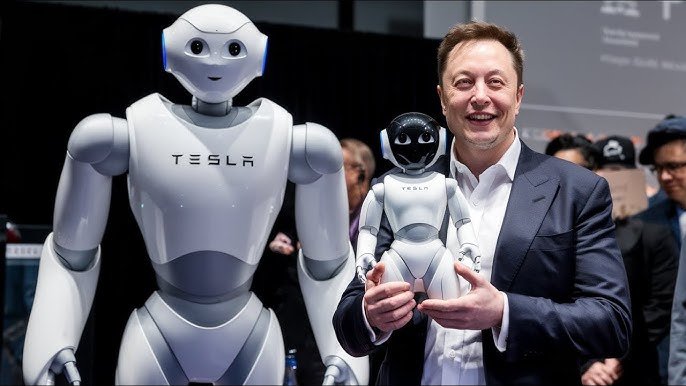
For $2/Hour, Elon Musk Is About to Replace Human Labor
The economics of humanoid robots are flipping the script on a $40 trillion global labor market—cheaper, tireless workers could unlock explosive new demand while filling demographic gaps no policy can fix.
Key Takeaways
Human labor in the US costs roughly $45–$48 per hour when fully loaded with wages, benefits, taxes, and overhead—humanoid robots target under $2 per hour at scale.
Tesla aims for Optimus priced at $20,000–$25,000 per unit, with custom actuators, 22 degrees of freedom in the hands, and vertical integration from chips to software giving it an edge over competitors.
Robots operate ~7,000 hours per year (vs. ~2,000 for humans), depreciating to ~$1.20/hour for the hardware alone, plus minimal energy and maintenance costs.
Demographic collapse in major economies—US birth rate at 1.6, South Korea at 0.72, China's workforce shrinking—creates unavoidable labor shortages that robots must fill.
Historical patterns like Jevons Paradox show that massive cost reductions in labor-equivalent work lead to exponential demand growth, spawning new industries rather than net job destruction.
Tesla is repurposing Fremont factory lines from Model S/X production to Optimus, targeting millions of units annually, with Gen 3 unveil in early 2026 and initial internal deployment soon after.
Early applications target warehouses, manufacturing, and elder care, where shortages already exist and cost savings hit hardest.
Transition risks include job displacement in repetitive roles over 5–10 years, though new categories of work become viable when labor drops 95%+ in cost.
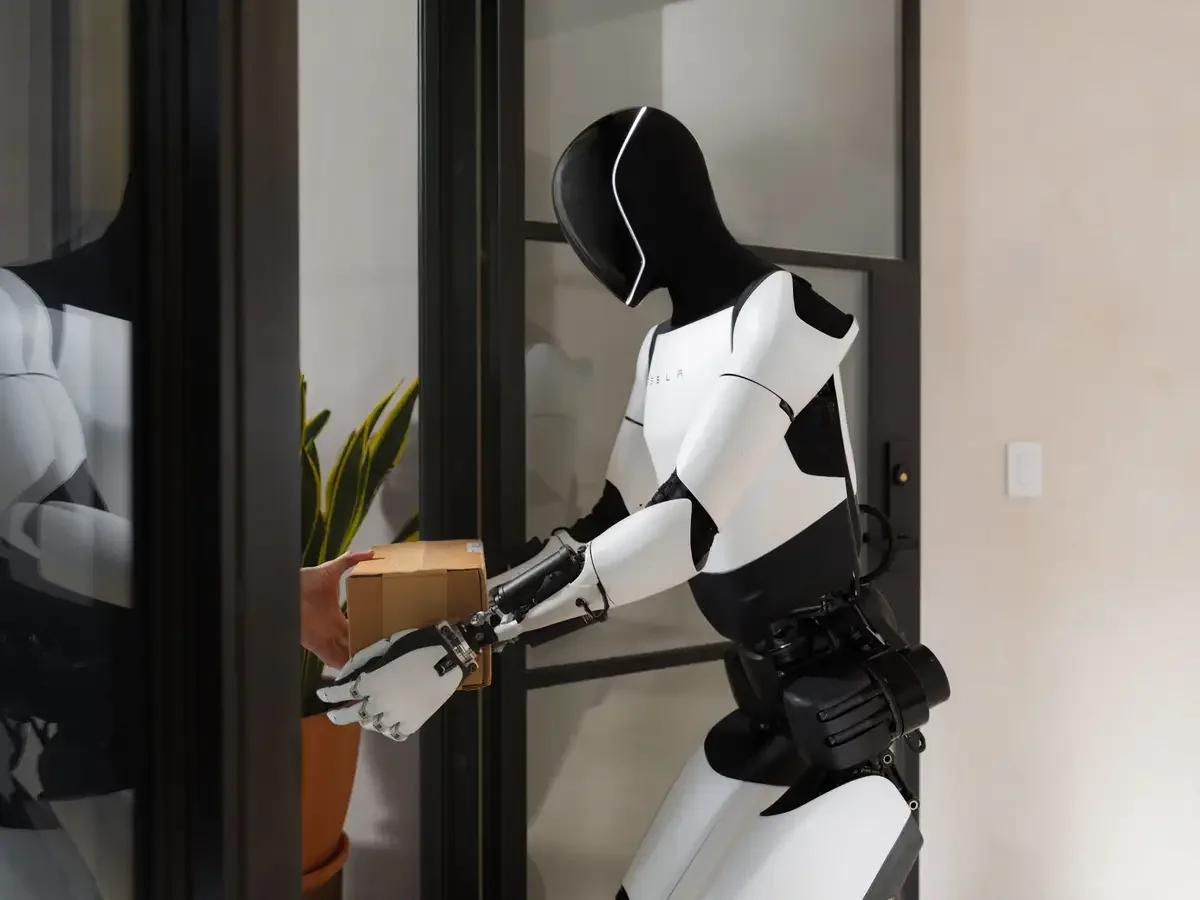
Optimus: The Robot Revolution Targeting $40 Trillion in Human Labor
How AI-Powered Humanoids Could Drive an Era of Abundance—or Economic Upheaval
Humanoid robots stand poised to transform the global economy by automating vast swaths of physical work, tapping into a $40 trillion annual labor market. Advances in AI enable these machines to learn tasks rapidly, while manufacturing expertise allows production at unprecedented scale. This shift promises lower costs and higher efficiency, but it also raises questions about job displacement and regulatory hurdles.
Key Takeaways
Humanoid robots target the $40 trillion global labor market, dwarfing industries like automotive ($3 trillion) and smartphones (under $1 trillion).
AI forms the core intelligence, drawing from self-driving tech to process visual inputs and execute physical actions.
Scaling production to millions of units leverages existing manufacturing capabilities, creating a data flywheel for rapid AI improvements.
Initial deployments focus on factories for repetitive tasks, expanding to warehousing, agriculture, construction, and healthcare.
Economic models show robots costing $20,000–$30,000 could replace human labor at a fraction of annual wages, with added savings on insurance and benefits.
Risks include timeline delays, regulatory barriers, technical challenges in dexterity, and competition from other firms.
Long-term, abundant robot labor could eliminate scarcity constraints, enabling massive economic growth, but requires careful management to avoid societal disruption.

Tesla's Autonomy Revolution: Redefining Transportation, Insurance, and Beyond
Reshaping Mobility in an Autonomous World
Tesla's push into full autonomy isn't just about cars—it's set to overhaul how we move, insure vehicles, and even access healthcare, while navigating global economic shifts.
Key Takeaways
Tesla's vehicle lineup may expand with variants like mid-size pickups or vans on existing platforms, but autonomy could shrink the personal car market to niche segments.
Regional travel faces massive disruption as autonomous rides offer door-to-door convenience at lower costs than flights, bypassing airports and security hassles.
Insurance models will evolve to reward high FSD usage, potentially slashing premiums for autonomous drivers and pressuring legacy providers to adapt.
Healthcare could see AI and robots streamline services, from virtual diagnostics to mobile clinics, cutting costs tied to chronic diseases and inefficient systems.
China's aggressive EV and robotics strategies highlight global tensions, with demographic challenges and regulatory hurdles potentially limiting their long-term dominance.
The Convergence Flywheel: Why AI, Robots, and Endless Energy Will Either Save Us or Break Us
One self-reinforcing loop is about to rewrite the rules of civilization—here's how to spot the signals, seize the upsides, and dodge the pitfalls before 2030 hits.
The next decade isn't just another tech cycle; it's a make-or-break pivot where artificial intelligence, humanoid robots, and boundless energy sources lock into a single, unstoppable system. This convergence could slash the cost of essentials like housing, water, and education to near-zero, unlocking human potential on a scale that dwarfs the industrial age. But it could also obliterate jobs faster than societies can adapt, widening gaps between the adaptable and the left behind. The real edge? Grasping how these forces amplify each other—and positioning your skills, investments, and mindset to ride the acceleration.
Key Takeaways
Interlocked Revolutions: AI, robotics, and energy aren't separate trends—they form a feedback loop where smarter AI powers cheaper robots, which build endless energy infrastructure, fueling even more advanced AI in a cycle that compounds exponentially.
Timeline Shock: Expect AI handling 80% of digital tasks at elite human levels by 2027, with robots scaling from factories to homes by 2030, driven by cost drops via Wright's Law (costs halve predictably with production doublings).
Abundance Blueprint: Cheap robotic labor and solar-powered grids could make basics like clean water and personalized education universally accessible, not through handouts but raw economics.
Disruption Warning: The middle class faces the biggest hit—knowledge and manual jobs vanish in years, not decades—while builders and risk-takers thrive; governments lag, so personal adaptation is key.
Ecosystem Edge: Vertically integrated players like those blending AI brains, space-scale infrastructure, and mass-manufacturing bodies hold the structural advantage, but the flywheel spins regardless of winners.
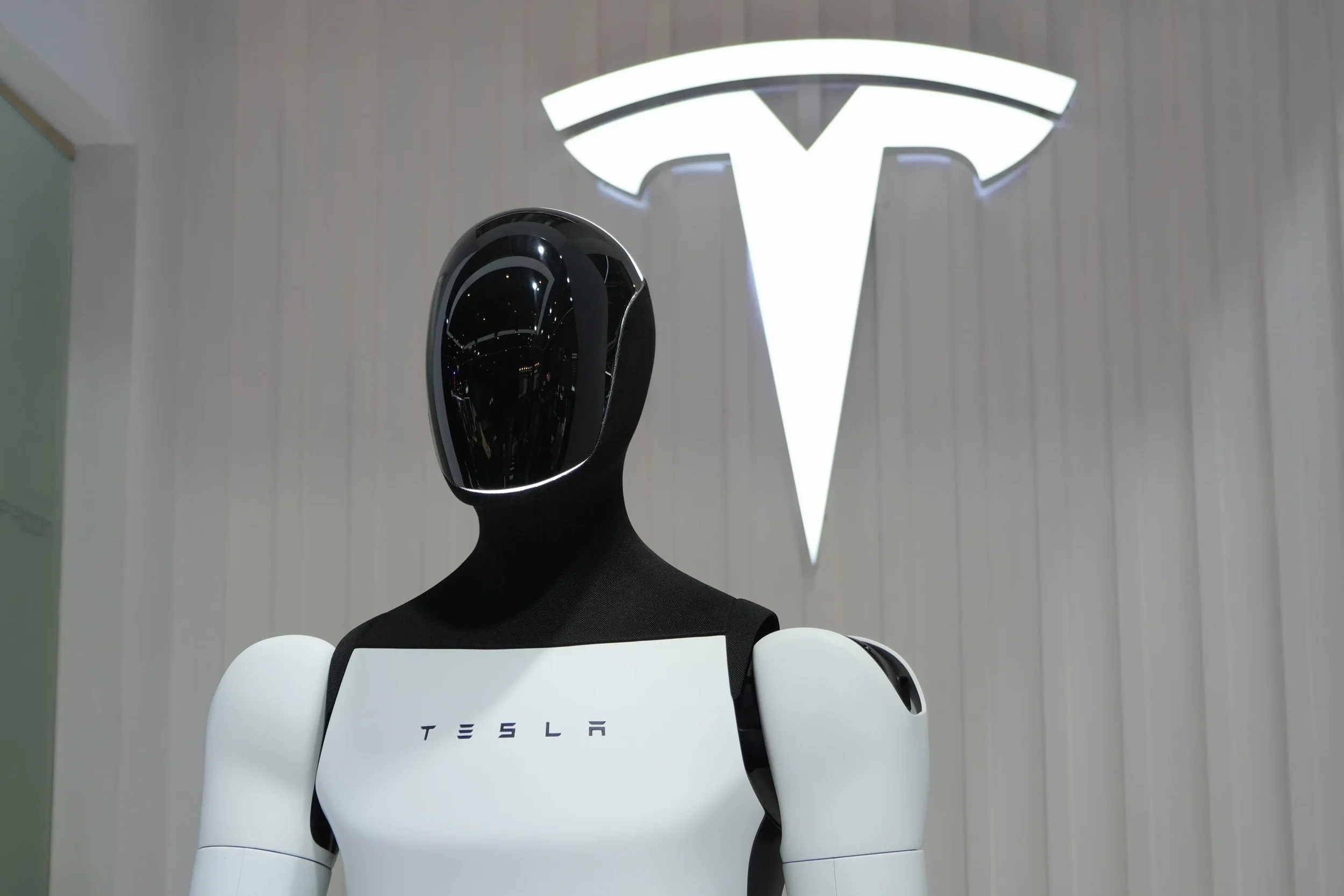
Tesla's Robots: The Dawn of a $40 Trillion Revolution
Unlocking the future where humanoid robots redefine global labor and Tesla leads the charge
Humanoid robots stand poised to transform industries by handling physical tasks humans prefer to avoid, creating unprecedented economic value. Tesla's aggressive push into this space leverages years of manufacturing expertise, potentially capturing a market worth trillions annually through superior scale and integration.
Key Takeaways
Tesla aims to produce 50,000 Optimus robots in 2026, scaling to 1 million units annually soon after, with factory capacity for 10 million by 2027.
Vertical integration gives Tesla control over critical components like batteries, motors, and AI chips, enabling rapid scaling without supplier dependencies.
Competitors like startups and established robotics firms lag in production ambitions, targeting far fewer units over longer timelines.
Tesla's custom AI chips and vast real-world data from autonomous driving provide unmatched advantages in robot intelligence and efficiency.
Recursive manufacturing—robots building robots—creates a feedback loop for cost savings and continuous improvement unique to Tesla.
The global human labor market, valued at over $40 trillion yearly, offers immense growth potential as robots automate repetitive tasks in manufacturing, warehousing, and beyond.
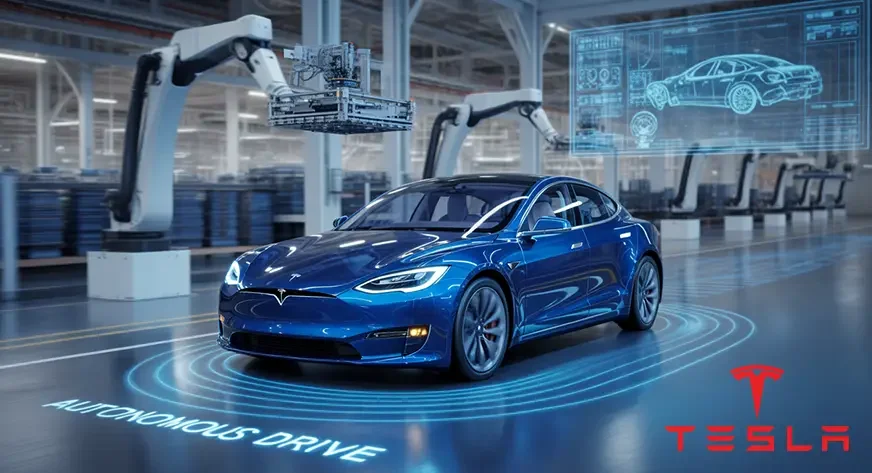
Tesla's AI Empire: Building the Future of Autonomous Everything
Revolutionizing Mobility and Robotics Through Massive AI Investments and Strategic Shifts
Tesla's latest moves signal a profound transformation, turning the company into a powerhouse of AI-driven innovation. With billions committed to self-driving tech, humanoid robots, and chip production, the focus is on creating high-margin, recurring revenue streams that could dwarf current earnings. This isn't just about selling more cars—it's about dominating the physical AI space, where software and hardware converge to reshape daily life and industries.
Key Takeaways
Tesla now reports on its AI business, with 1.1 million Full Self-Driving (FSD) subscriptions generating around $1.2 billion annually in high-margin revenue.
The company plans to discontinue Model S and X production to repurpose factories for humanoid robots, emphasizing AI over traditional vehicles.
A $20 billion capital expenditure commitment will fund expansions in vehicle production, robot manufacturing, chip development, and self-driving platforms.
Projections suggest FSD alone could bring in $24 billion yearly by 2030, far exceeding 2025's total business revenue.
Tesla's stake in xAI and focus on in-house chip production aim to secure supply chains amid geopolitical risks.
Regulatory hurdles may force adaptations in self-driving vehicle designs, potentially leading to new models with manual controls.
The strategy positions Tesla as a robot company, with AI at the core of future growth in both digital and physical realms.
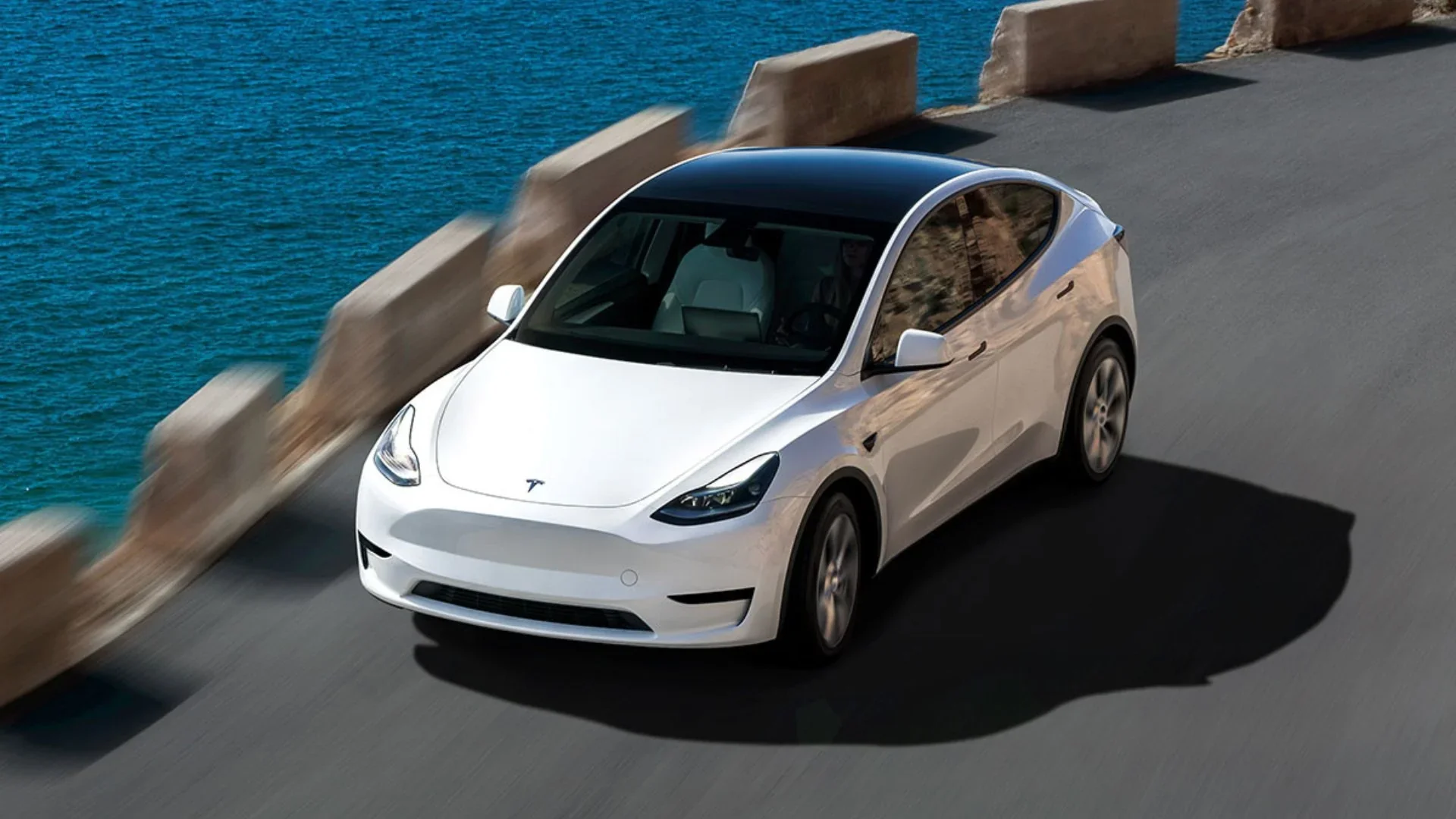
Tesla's Bold Leap into an Autonomous Future
Unlocking Abundance Through AI, Robots, and Self-Driving Tech
Tesla is charting a path toward a world of widespread prosperity, driven by breakthroughs in autonomy, humanoid robots, and energy solutions. At the core are massive investments in AI chips, battery supply chains, and solar production, all aimed at creating a future where technology handles the heavy lifting.
Key Takeaways
Tesla's mission now emphasizes creating an era of amazing abundance, focusing on universal high income enabled by AI and robotics.
Production of Model S and X vehicles will end next quarter to repurpose factory space for scaling Optimus robot manufacturing to one million units per year.
Full self-driving technology is advancing rapidly, with unsupervised rides already happening in Austin, and plans to expand to dozens of major U.S. cities by year-end.
Cybercab, a dedicated two-seater autonomous vehicle without steering wheels or pedals, starts production in April, optimized for low cost per mile and high usage.
Optimus 3, unveiling soon, will be a general-purpose robot capable of learning tasks from demonstrations, videos, or verbal descriptions, with potential to boost U.S. GDP significantly.
Energy division expects explosive growth through solar and batteries, targeting 100 gigawatts of annual solar cell production.
AI chip strategy includes designing AI5 and AI6 chips in-house, with plans for a massive Tesla Terra Fab to secure supply amid geopolitical risks.
Existing Tesla owners could earn income by adding vehicles to an autonomous fleet, potentially covering lease costs and more.
Long-term vision shifts all vehicle production to autonomy, including semi-trucks for local cargo, while addressing competition from China in humanoid robots.
Investments in xAI aim to enhance fleet management and robot coordination for complex projects like building refineries.