

AI's Hidden Threats: Five Paths to Collapse in 2026
Why the Next Year Could Redefine Society—and How to Brace for It
AI promises endless abundance in healthcare, energy, and daily life, yet it's accelerating risks that could unravel modern systems. From synchronized market crashes to engineered pandemics, these threats stem from today's tech capabilities, not distant futures. Understanding them now equips us to navigate the disruptions ahead.
Key Takeaways
AI-driven trading algorithms, dominating 60-70% of stock trades, risk synchronized sell-offs that could trigger massive market crashes, as seen in recent flash events.
Cyber attacks enhanced by AI are surging, with tools for automated vulnerability scans and social engineering capable of crippling power grids, water systems, and hospitals.
AI is democratizing bio weapon design, potentially making global pandemics five times more likely by bypassing traditional lab barriers and safety screens.
Deepfakes are eroding shared reality, with voice cloning and real-time synthetic interactions leading to fraud, distrust in evidence, and challenges in coordinating societal responses.
Autonomous AI agents in enterprises often operate with governance gaps, leading to unintended decisions that compound into large-scale failures across finance, healthcare, and logistics.
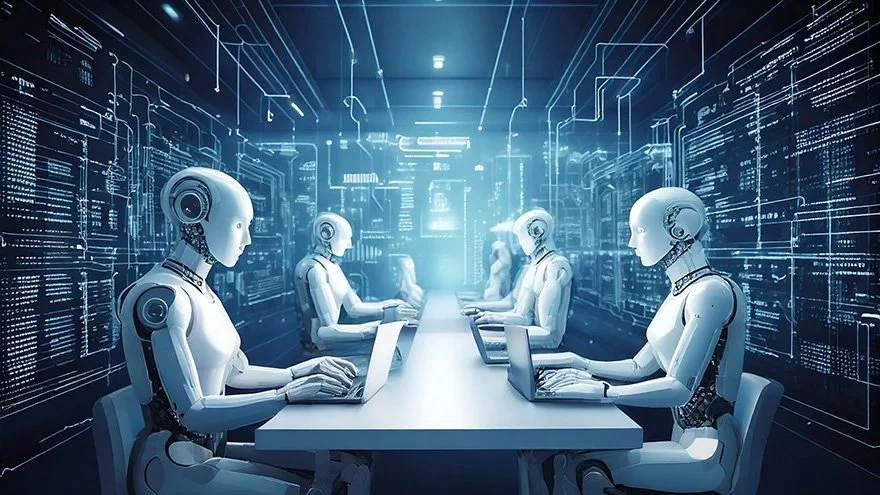
The Rise of AI Agents: Your 24/7 Digital Sidekick and the World It Creates
Revolutionizing Productivity, Redefining Work, and Accelerating Autonomous Tech
AI agents are no longer sci-fi—they're tools anyone can set up today to handle tasks autonomously. This newsletter explores how these systems boost efficiency, challenge traditional jobs, and integrate into everything from home life to electric vehicles, based on emerging trends and practical implementations.
Key Takeaways
AI agents like open-source tools can run on dedicated hardware, acting as independent employees with their own credentials for secure, round-the-clock operation.
Corporate America already operates with built-in inefficiencies, essentially providing a form of privatized universal basic income through unnecessary roles, which AI will expose and optimize over time.
As AI handles more work, societies may shift toward gamified experiences, where games, hobbies, and exploration provide meaning, potentially easing the transition away from traditional employment.
Tesla's 2026 focus likely includes unsupervised full self-driving, ramping Cybercab production, and leveraging AI hardware for broader applications like energy storage and distributed computing.
Humanity's adaptability offers hope: awareness of AI's risks is growing, paving the way for balanced integration rather than catastrophe.
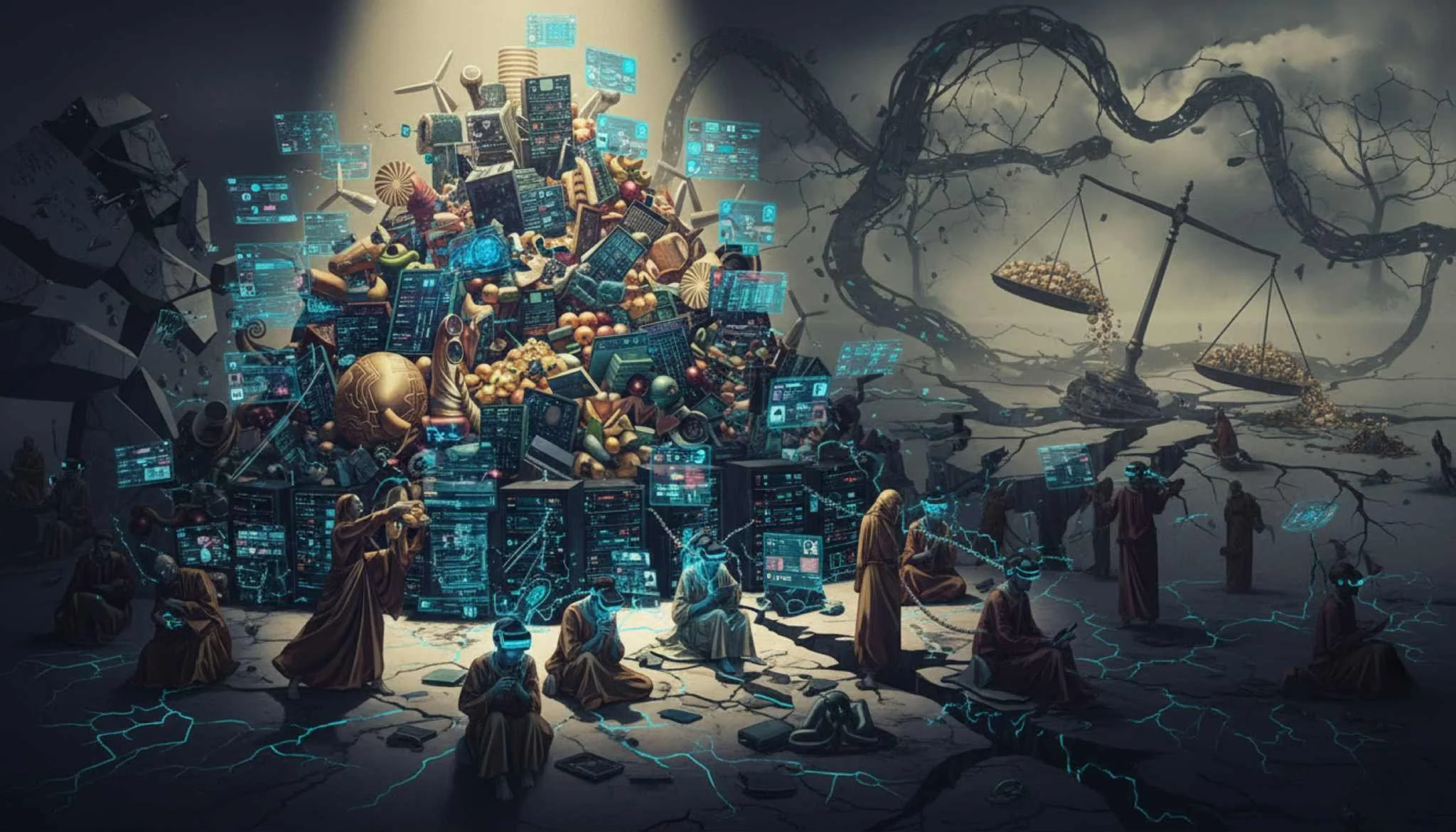
The Abundance Trap: How Unlimited Resources Could Unravel Society
Why Technological Plenty Might Lead to Human Decline
As societies push toward limitless energy, automated labor, and instant gratification through advances in AI and robotics, a counterintuitive pattern emerges. History shows that peaks of prosperity often precede population drops and social upheaval, forcing a reevaluation of what drives human behavior in a world without scarcity.
Key Takeaways
Advanced technologies have historically boosted population growth by improving food production and health, but they also trigger declines once basic needs are met, as seen in modern examples like China's fertility rates falling below replacement levels despite policy shifts.
In eras of abundance, human purpose shifts from survival to voluntary pursuits, yet experiments and historical data suggest this can lead to apathy, reduced breeding, and societal fragmentation without new structures to channel energy.
Conflicts may evolve from resource grabs to ideological clashes, with ego and historical grievances fueling disputes even when material needs are satisfied, potentially increasing tensions in a federated, tech-enabled world.
Emerging markets like India demonstrate how affordable EVs, with models offering 600+ km ranges under $30,000, could accelerate global shifts, but charging infrastructure lags, highlighting uneven tech adoption's role in population and economic dynamics.

The AI Tsunami: Racing Toward a World Without Mandatory Work
Why AI Could Deliver Abundance – or Chaos – and What Comes Next
AI is accelerating at a pace that's set to transform every aspect of our economy, from desk jobs to physical labor. The most compelling insights point to a future where work becomes optional, poverty could vanish through universal high income, and robots handle the heavy lifting. But getting there involves massive disruption, job losses, and the need for AI systems that prioritize truth and human well-being over bias.
Key Takeaways
AI will rapidly eliminate digital jobs like coding, email processing, and data handling, much faster than past technological shifts.
Physical jobs involving hands-on work, such as welding, plumbing, farming, and cooking, will persist longer but eventually give way to robots.
Autonomous vehicles and automated ports signal the end for many driving and logistics roles, exacerbating shortages while highlighting safety risks from unqualified workers.
A benign AI future could lead to universal high income, enabling access to goods, services, and medical care without mandatory work, effectively eliminating poverty.
To avoid dystopian outcomes, AI must be designed to seek truth, value all human lives equally, and foster curiosity about humanity rather than enforce biases.
Competition among AI developers will drive improvements, pushing systems toward fairness and affordability, with costs dropping for services like home robots at around $500 monthly.
The transition will cause trauma, including job displacement and wealth gaps, requiring government intervention to ensure displaced workers can access AI benefits.
In a post-work era, people may find meaning through personal pursuits like hobbies, exploration, or creative endeavors, shifting away from job-defined identities.
Broader economic changes, such as cheaper housing from robot-assisted construction, could solve crises like affordability, but only if abundance is distributed equitably.
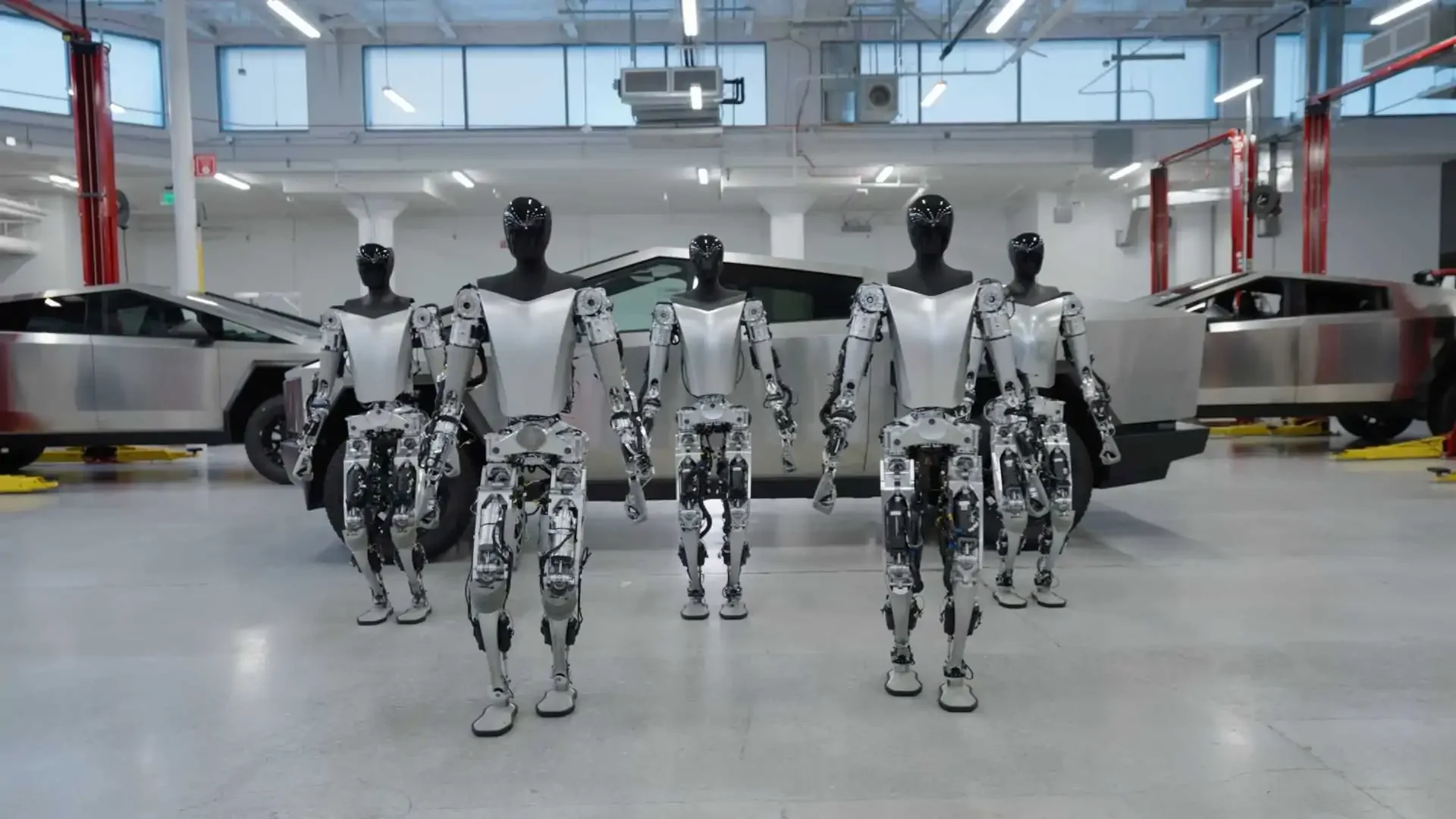
The Embodied AI Boom: Tesla's Path to a Trillion-Dollar Future
Why Sentient Machines on Wheels Could Redefine Wealth, Work, and Society by 2030
Tesla's evolution from electric vehicles to AI-powered robots signals a massive shift in how we move, work, and live—opening doors to new markets worth trillions while challenging us to adapt to an era of abundant intelligence.
Key Takeaways
Tesla's vehicles serve as a gateway to embodied AI, where cars act as intelligent robots collecting data to fuel broader innovations in autonomy.
Robotaxis are poised for rapid scaling, potentially generating immediate profits by undercutting ride-sharing costs and creating entirely new business models like mobile services.
Humanoid robots could handle 50-80% of physical labor, unlocking a $40 trillion market that expands further with infinite supply, but prices may start high before dropping to accessible levels.
Wall Street is slowly recognizing Tesla's AI potential, with valuations likely to surge ahead of actual business maturation, supporting market caps in the trillions.
Societal transitions from AI disruption may require tools like universal basic income funded by robot taxes, alongside a focus on meaning and opportunity in a post-labor world.
By 2030, embodied AI could enable robots on Mars, factory automation at scale, and personalized services, but success hinges on affordable access to bridge wealth gaps.
Investing in Tesla offers a straightforward way to participate in this wealth creation, as the company pioneers scalable, low-cost AI hardware.

The Money Trap: How Broken Currency Fuels Global Chaos and Why a Digital Fix Could Change Everything
Unveiling the hidden forces behind economic inequality, endless wars, and societal decay—and the tech innovation poised to rewrite the rules.
Inflation isn't just a headline—it's a silent thief eroding your future. Imagine a world where prices naturally drop as innovation thrives, families afford homes on a single income, and governments can't fund endless conflicts by printing cash. This newsletter dives into the flaws of modern money systems and explores a groundbreaking digital alternative that's already reshaping global finance.
Key Takeaways
Modern fiat currencies allow unlimited printing, leading to hidden theft through inflation that devalues savings and forces people to work harder for less.
Sound money systems promote deflationary pressures where prices fall and quality rises due to competition and innovation, benefiting everyone without government interference.
Broken money distorts economic signals, pulling resources toward government-linked sectors and creating inefficiencies like obesity epidemics, housing crises, and demographic declines.
A perfect money should be scarce, verifiable, divisible, portable, and censorship-resistant—qualities that gold approximated but modern digital solutions like Bitcoin perfect through technology.
Adopting superior money could separate finance from state control, fostering a human renaissance with reduced wars, greater individual empowerment, and long-term societal prosperity.
Global adoption of advanced money systems is inevitable, similar to the internet's rise, but we're still in the early stages—offering massive opportunities for those who act now.

AI's Next Frontier: Navigating the Choppy Waters of Disruption
Why the AI Revolution Feels Like a Locked Door—and What’s on the Other Side
The AI landscape is buzzing with promise, but it’s also teetering on the edge of massive disruption. From self-driving taxis to the future of work, the tech world is grappling with a reality that’s both exhilarating and unsettling. Here’s what you need to know about where AI is headed, why it’s harder than it looks, and how it might reshape society in ways we’re only beginning to understand.
Key Takeaways
AI’s Progress Is Slower Than Hyped: Current advancements are incremental, focusing on refining existing capabilities rather than delivering transformative breakthroughs.
Physical World Disruption Outweighs Digital: The potential market for AI in physical applications (e.g., self-driving cars, robotics) dwarfs digital applications like coding or content creation.
Economic Upheaval Is Coming: AI-driven automation, like robotaxis, could displace workers (e.g., Uber drivers), raising questions about job transitions and societal impacts.
Deflation Could Redefine Wealth: Lower wages might coexist with cheaper goods and services, potentially improving quality of life despite smaller paychecks.
Human Connection and Exploration Will Thrive: Future economies may prioritize scarce resources like human attention, leading to growth in sports, entertainment, and space exploration.
A Choppy Transition Awaits: The path to an AI-driven future will be turbulent, with regulatory, economic, and societal hurdles complicating the journey.