

The Infrastructure Play That Could Decide AI's Next Decade
How record deployment speeds, orbital power constraints, and runaway token demand are forcing a complete rethink of who can actually deliver abundant intelligence at scale.
The real bottlenecks in advanced AI have shifted from model architecture to physical execution. Legal maneuvers around major labs have exposed governance friction without resolving underlying questions about long-term stewardship. At the same time, the ability to stand up massive compute clusters in months rather than years, combined with the hard physics of powering AI workloads off-planet, is creating asymmetric advantages for players who control both the chips and the energy layer. Most overlooked: even steep gains in efficiency will not flatten demand. New applications in video synthesis, persistent agents, and physical robotics multiply token consumption faster than optimization curves can contain it. The organizations that solve the manufacturing, power, and orbital constraints first will set the cost floor for intelligence for years to come.
Key Takeaways
Legal resolutions on procedural grounds in AI governance cases can inflict lasting reputational damage while leaving core structural issues unaddressed, increasing the likelihood of internal leadership changes at scaled labs rather than wholesale unwinds of their corporate form.
Model performance has split along task lines, with some systems delivering superior cost-performance on coding workloads and others advancing faster on general capabilities, accelerated by targeted talent inflows and selective early access programs.
First-principles manufacturing discipline and direct production-line leverage have compressed large-scale GPU cluster deployment to roughly four months, enabling potential cost leadership when paired with integrated renewable generation.
AI satellites operating in higher orbits face rapid solar panel degradation from elevated radiation, requiring specialized space-grade photovoltaics whose global production remains limited to a few megawatts per year and concentrated supply chains.
Token demand follows Jevons paradox dynamics: efficiency improvements from distillation and specialized models unlock entirely new use cases in generative media, autonomous agents, and robotics that drive net consumption sharply higher.
Electricity prices in key technology corridors have risen 200 percent or more in recent years, underscoring the need for co-located generation, deregulation of new capacity, and expanded domestic solar manufacturing to prevent cost curves from throttling AI deployment.
National leadership selection patterns that favor engineering execution correlate with faster delivery of complex infrastructure projects, creating competitive edges in the physical layer of intelligence.
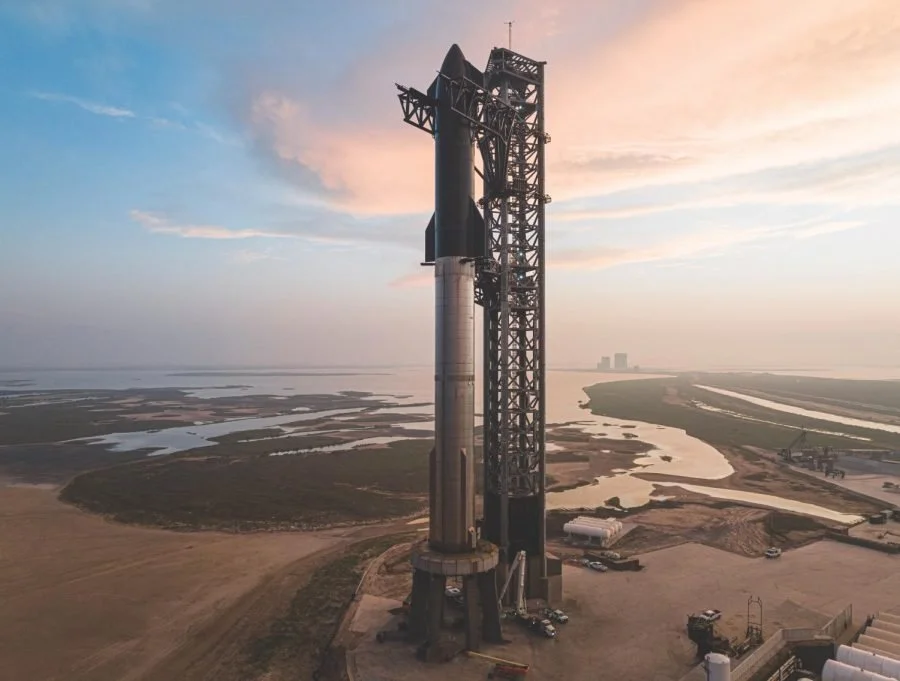
Starship's Rocket Catch Just Unlocked the Most Important Product in Human History
A 5,000x drop in launch costs is turning space into the next global economic engine—cheaper than air travel, with industries emerging that were impossible just a year ago.
The Starship booster catch marks more than an engineering milestone. It proves that access to orbit is about to become dramatically cheaper, unlocking an entirely new economy between Earth and Mars that will dwarf today's satellite sector. This shift will reshape energy, manufacturing, computing, and resource extraction on a scale last seen with container shipping or the internet. The numbers are staggering, and the early players are already raising hundreds of millions while hardware launches into orbit.
Key Takeaways
Launch costs to orbit have fallen from $54,000 per kilogram during the Space Shuttle era to a projected $10–20 per kilogram with Starship, a 5,000x reduction that makes space business models profitable instead of impossible.
Wright's Law is driving relentless cost declines: every doubling of production volume cuts prices by 15–25 percent, the same dynamic that turned solar from $76 per watt in 1977 to 20 cents today.
Orbital manufacturing in microgravity is producing pharmaceutical crystals and semiconductor materials that cannot be made on Earth due to gravity's interference, creating entirely new product categories.
Space-based solar mirrors and orbital AI data centers solve Earth's power, cooling, and land constraints, while robot labor at roughly $2 per hour handles construction and maintenance that humans could never scale.
The second- and third-order effects of this infrastructure will spawn trillion-dollar industries nobody has named yet, exactly as container shipping and cheap bandwidth created globalization and the digital economy.
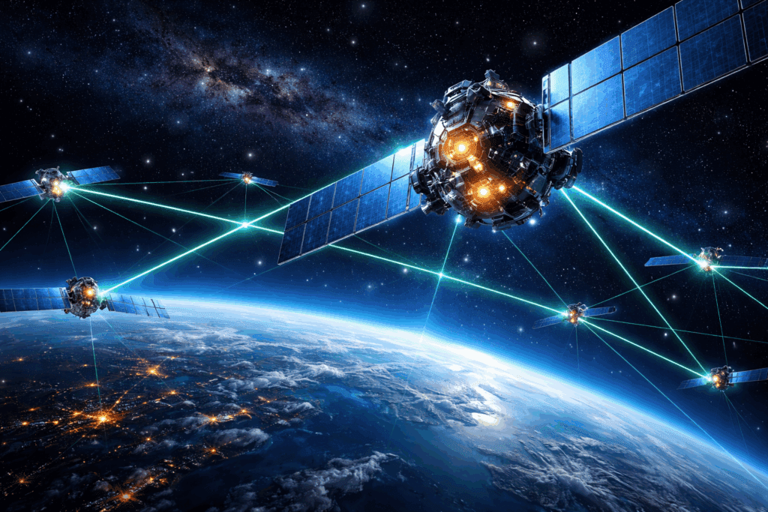
The Orbital AI Boom: Musk's Master Plan for Infinite Compute
Merging Rockets and Intelligence to Fuel the Future
The convergence of space tech and AI is accelerating at a pace that could transform global industries. Recent developments point to orbital data centers becoming a reality, powered by unlimited demand for intelligence and energy. Robotaxis are scaling fast, promising to disrupt transportation with low costs and high safety. These shifts open up massive economic opportunities, from cheaper compute to redefined urban mobility.
Key Takeaways
Orbital AI data centers leverage space for unlimited compute, driven by endless demand for intelligence and energy.
Robotaxis could scale to millions of vehicles, undercutting ride-hail prices and expanding to new use cases like mobile businesses.
SpaceX's launch capacity enables rapid deployment of satellites, potentially shifting focus from Earth networks to space-based AI.
Regulatory frameworks at the federal level will accelerate adoption, prioritizing safety data over hardware specs.
Tesla's vertical integration gives it a cost edge, enabling profitable pricing as low as 25 cents per mile at scale.
Unlimited energy and intelligence create a flywheel for growth, with space as the ideal environment for AI expansion.
Elon's Empire Expands: The SpaceX-xAI Merger Ignites a New Era
Revolutionizing AI, Space Tech, and Global Innovation Through Bold Consolidations
The tech world just witnessed a lightning-fast merger between SpaceX and xAI, turning rumors into reality overnight. This move signals massive shifts in how advanced AI integrates with space infrastructure, paving the way for breakthroughs in compute power, robotics, and national security assets. Readers will discover how these changes could reshape industries from agriculture to defense, with practical implications for efficiency and scalability.
Key Takeaways
SpaceX and xAI's merger accelerates AI-driven advancements in space tech, potentially enabling massive inference compute via satellite networks.
Optimus robots promise versatile skills learned through global networks, with business models likely favoring subscriptions over complex tiered pricing.
AI agents are evolving to handle context without creep, allowing seamless integration across tools like drones and VR for real-world applications.
Tesla's focus on U.S.-based factories hints at prioritizing national security, limiting expansion in markets like China and Europe.
Future data centers in space could outpace earthly ones economically, drawing investments from giants like Google and Nvidia.
AI's role in fields like plant breeding could speed up innovations, such as perennial grains, reducing agricultural labor dramatically.

The Robot Revolution: Reshaping Global Power Through AI and Space
Exploring how massive infrastructure builds, demographic crises, and robotic economies could redefine nations and unlock abundance.
The world stands at a pivotal moment where technology intersects with geopolitics in unprecedented ways. Rapid advancements in AI, robotics, and space infrastructure promise to upend traditional power structures, while countries grapple with internal challenges like economic instability and aging populations. This newsletter dives into these dynamics, revealing opportunities for tech-driven growth amid global uncertainties.
Key Takeaways
Economic pressures and youth demographics are fueling unrest in oppressive regimes, creating openings for pro-Western shifts that could weaken adversaries like Russia and China.
China's aggressive infrastructure investments in remote areas aim to secure unpopulated regions, but demographic collapse from past policies threatens long-term viability.
Surveillance-heavy governance stifles innovation and free speech, limiting a nation's potential compared to open systems that attract global talent.
Robotics will eliminate labor cost advantages for low-wage economies, positioning countries with strong AI ecosystems—like the US—for dominance.
Space-based AI and manufacturing could detach economies from Earth-bound constraints, making national borders less relevant as corporations lead exploration.
Allocating a portion of robot labor to public good—around 15%—could achieve sustainable abundance without relying on inefficient government taxation.
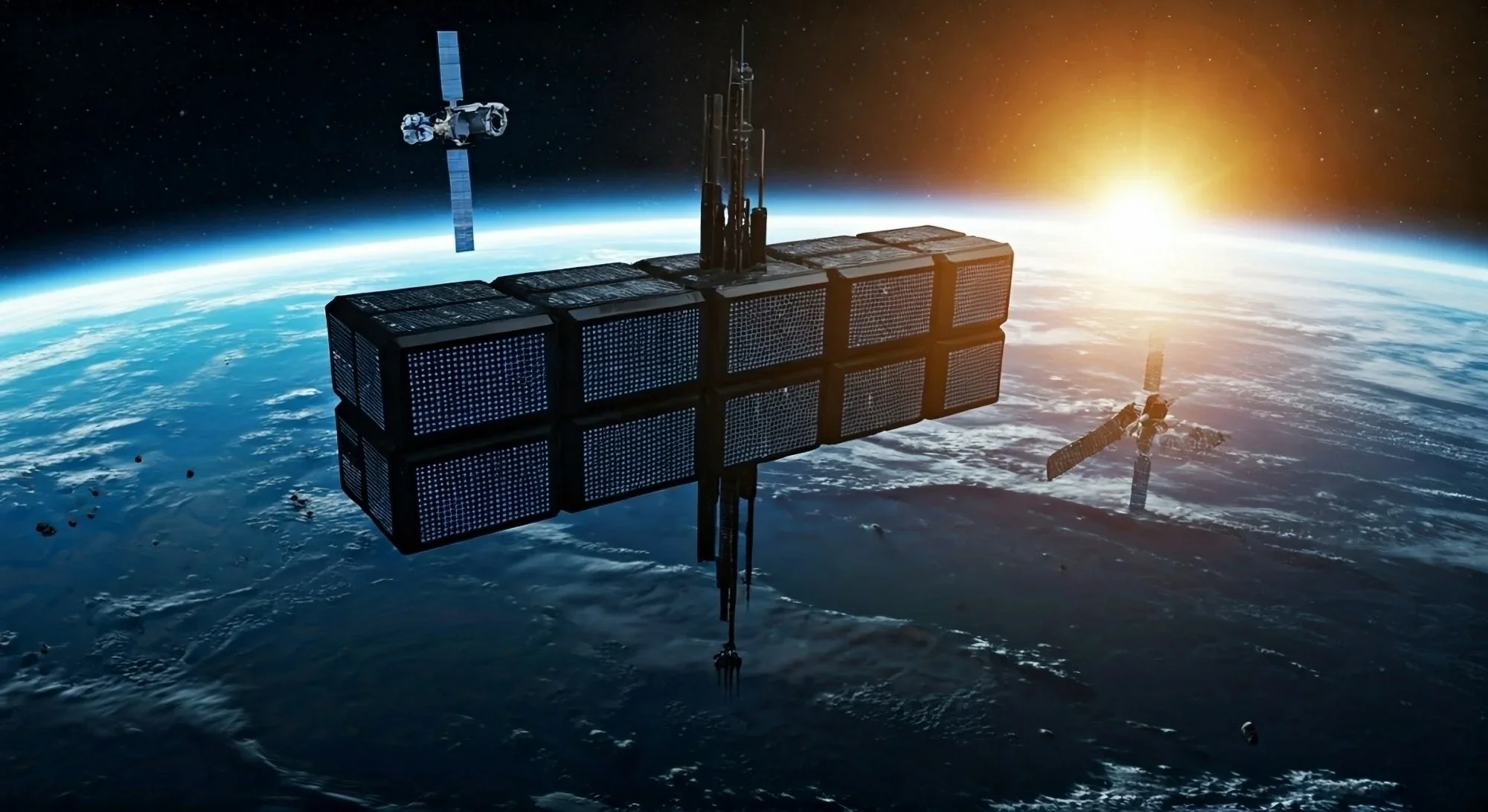
America's Orbital Empire: Securing Dominance for the Next Century
Why space infrastructure is America's unbeatable edge in resources, intelligence, and innovation.
America faces real challenges like mounting debt and shifting manufacturing landscapes, yet a massive shift is underway that positions the country to lead globally for generations. Advances in reusable rockets, satellite networks, and space-based computing are creating an infrastructure that unlocks infinite potential, from unlimited energy to rare resources, all while no other nation can keep pace.
Key Takeaways
America's lead in reusable launch technology enables cheap, scalable access to space, outpacing competitors who lag years behind.
Space-based data centers offer unlimited solar power and zero cooling costs, ideal for training advanced AI models.
Asteroid mining could eliminate bottlenecks in rare earth elements, breaking monopolies and fueling tech manufacturing.
Moon bases will serve as low-gravity launchpads, making deep space exploration and resource extraction far more efficient.
A Mars colony ensures long-term human survival, embedding American tech and values in off-world expansion.
This space ecosystem creates a self-reinforcing loop: better AI designs improved space tech, which enables more compute.
Innovations from space will improve Earth-based systems in internet access, medicine, energy, and sustainability.
Traditional metrics like GDP miss the point; space control redefines global power.
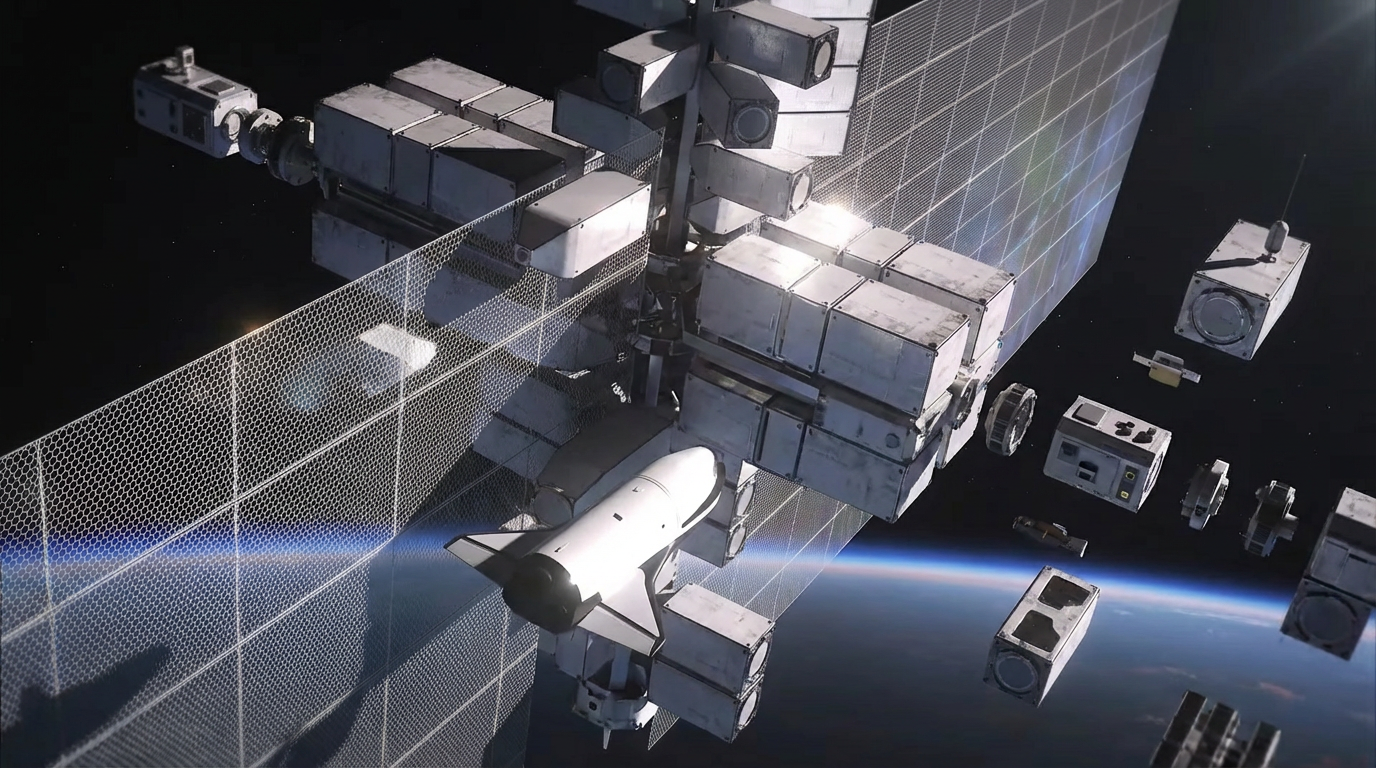
AI Heads to Orbit: Building Data Centers Beyond Earth's Limits
Why space could become the new home for AI's insatiable hunger for power and cooling, unlocking exponential growth in inference and beyond.
Space-based computing is emerging as a game-changer for AI's expansion. With earthly data centers hitting walls on energy availability and water for cooling, shifting operations to orbit taps into unlimited solar power and natural vacuum cooling. This approach not only sidesteps terrestrial bottlenecks but also paves the way for massive scaling in AI inference, where demand is skyrocketing as models become everyday tools.
Key Takeaways
Space offers unlimited, low-cost solar energy without the need for batteries or land permits, producing eight times more power per solar panel than on Earth.
Cooling in space relies on radiating heat into the void, eliminating the massive water consumption that plagues ground-based data centers.
Initial focus will be on AI inference tasks, like generating images or running chatbots, which can operate on isolated nodes rather than massive interconnected clusters needed for training.
Over the next decade, inference compute could dominate AI energy use, potentially doubling every six to twelve months, far outpacing training demands.
Challenges like radiation hardening and deployable radiators are being solved through innovative engineering, making space viable for high-power chips.
Launch costs are plummeting with reusable rockets, enabling terawatts of orbital compute capacity without the constraints of Earth's grid or politics.
By 2035, space might host a small but growing share of new data centers, with full-scale adoption potentially reaching meaningful levels by 2050.
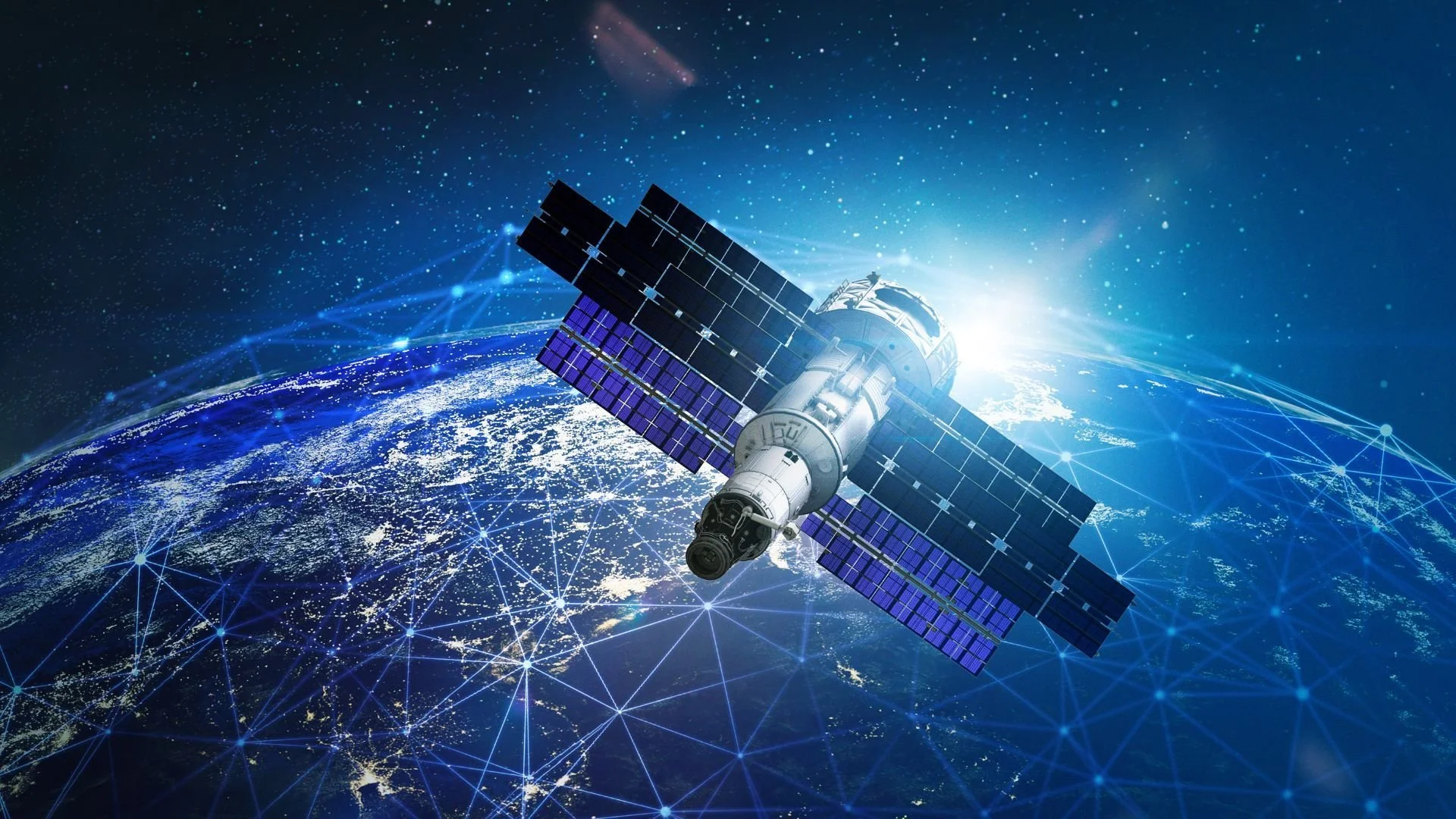
Orbiting AI: Revolutionizing Compute from Space
Why Space Could Power the AI Boom and Beyond
Advancements in launch tech are making orbital data centers a reality, promising near-unlimited solar energy for AI training and inference. This could cut electricity costs by up to 90% compared to ground-based systems, while global rollouts of autonomous tech accelerate mobility worldwide. Yet, these shifts demand new economic models to handle falling costs and rising disruptions in energy and jobs.
Key Takeaways
Space-based AI clusters leverage constant sunlight, reducing reliance on batteries and slashing operational costs for compute-intensive tasks.
Launch vehicles like Starship enable massive payloads to sun-synchronous orbits, though challenges in sites and reusability persist.
Autonomous ride-hailing apps are expanding to over a dozen countries, signaling faster adoption in regions with flexible regulations.
Energy could emerge as a universal value measure, with kilowatt-hours trading like currency to fuel AI and electric ecosystems.
Reversing inflation through tech abundance in essentials like food and housing could redistribute wealth, but requires proactive adaptation.
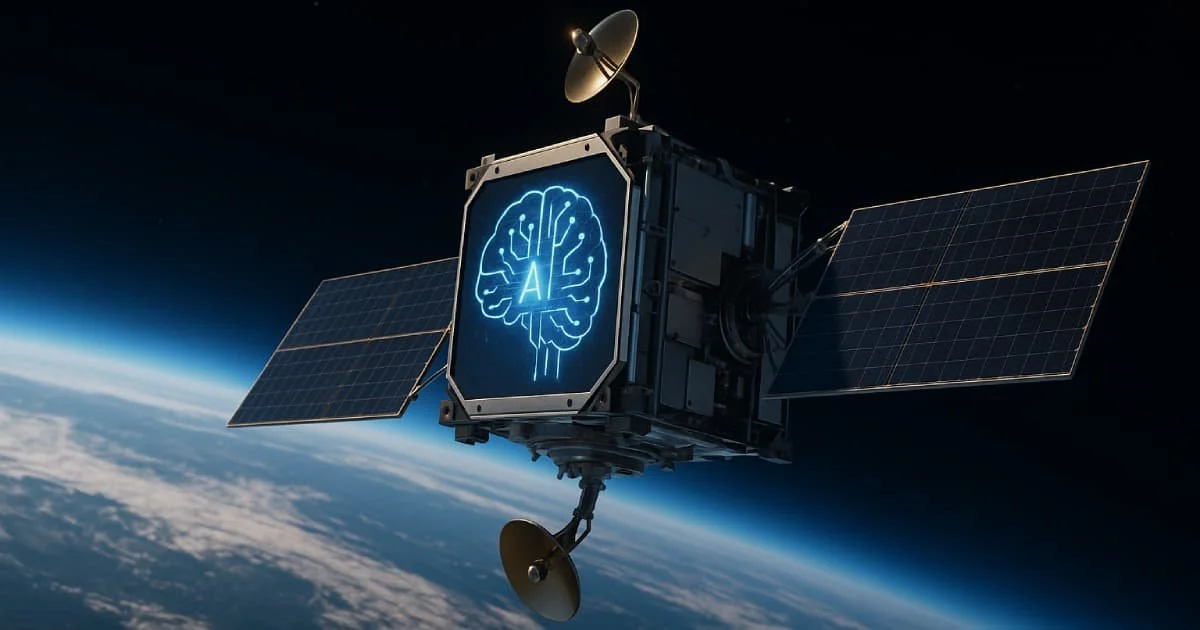
AI Satellites: Unlocking Infinite Compute in Space
Why solar-powered AI systems orbiting Earth could outpace ground-based tech by orders of magnitude—and soon.
The push for advanced AI demands unprecedented levels of energy and cooling, but Earth's resources hit hard limits quickly. Shifting compute to space taps into the sun's vast output, eliminates cooling overhead, and enables scales impossible on the planet. This shift promises terawatt-level AI capabilities, reshaping industries from drug discovery to climate modeling.
Key Takeaways
Earth's energy infrastructure caps AI growth at hundreds of gigawatts, far below the terawatts needed for next-level systems.
Space offers continuous solar power without batteries, using lightweight panels that achieve 100% capacity factor.
Radiative cooling in space eliminates bulky refrigeration, making AI hardware far more efficient and cost-effective.
Projections point to space-based AI becoming cheaper than Earth-based within four to five years.
This technology demands massive launch capacity, boosting reusable rockets and satellite networks.
Geopolitical control over space AI could define global tech leadership for decades.
The Musk Economy: Billions Injected, Myths Busted
Why Elon Musk's Empire Powers Everyday Lives and National Growth
Elon Musk's companies aren't just pushing technological boundaries—they're injecting massive value into the economy, creating high-paying jobs, funding public services through taxes, and revitalizing American manufacturing. At a time when debates rage over wealth and innovation, these facts reveal how one person's drive translates into widespread prosperity, from factory floors to national infrastructure.
Key Takeaways
Over the past five years, Musk's companies have paid out $110 billion in salaries globally, with about 83% directed to U.S. workers earning an average of $170,000 annually—far above the national average of $38,000.
These operations have generated $45 billion in taxes for the U.S., including $31 billion from employee income taxes, $5 billion in corporate taxes, and $9 billion in payroll taxes, averaging $9 billion annually.
Supplier spending in the U.S. totals $182 billion over the same period, supporting over 1,000 companies and their extended networks, amplifying economic ripple effects.
Musk's ventures employ around 150,000 people, many of whom have gained significant wealth through stock options, enabling retirements and financial security.
This ecosystem rivals the GDP of states like Colorado, driving reindustrialization through advanced production in autos, space, energy, and AI, while inspiring broader industrial revival.
Common criticisms, like layoffs or government subsidies, pale in comparison: layoffs represent less than 1% of total employment, and subsidies to his companies are a fraction of those received by competitors.
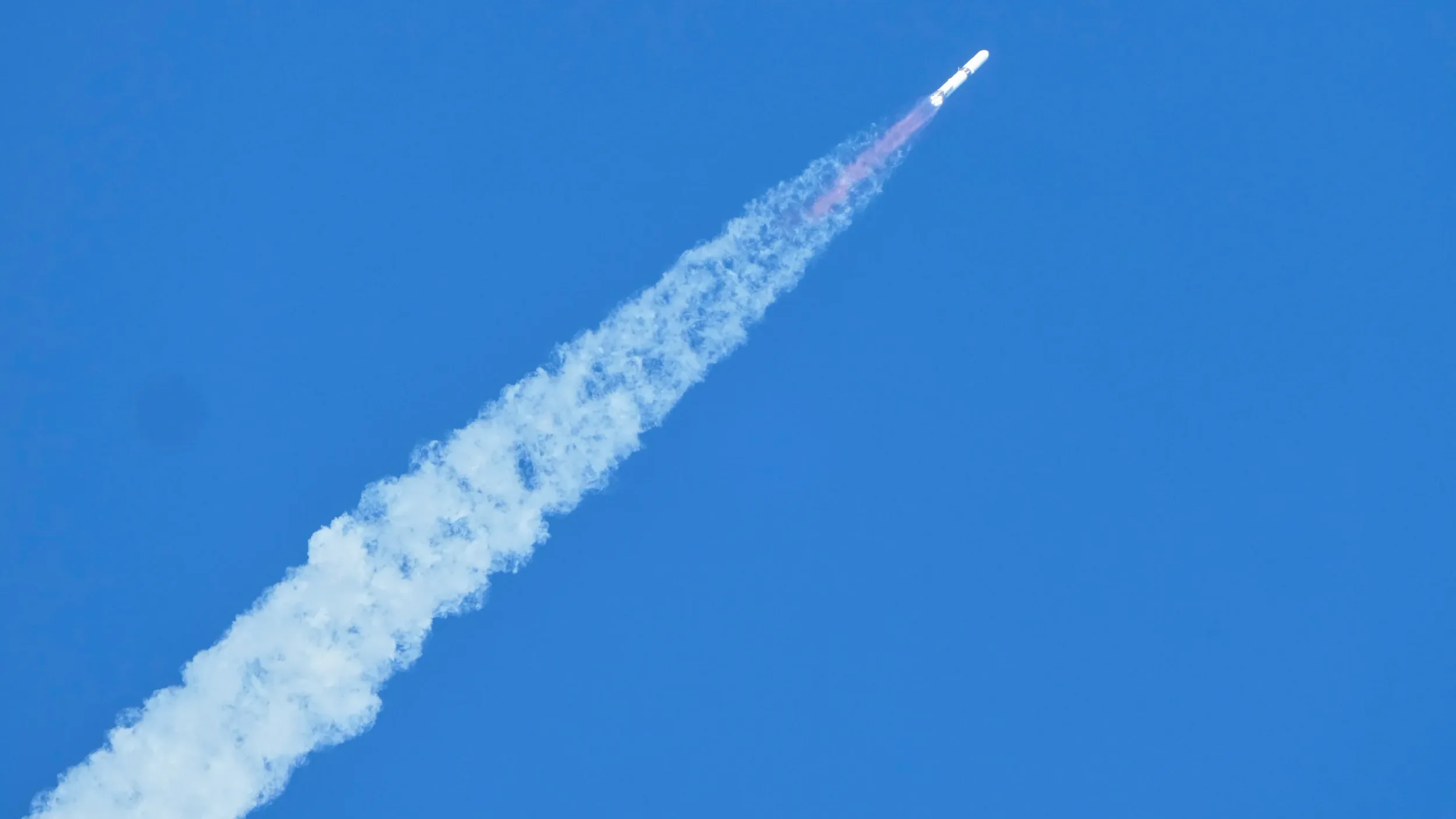
Blue Origin's Giant Leap: New Glenn Nails Historic Booster Landing
Revolutionizing Reusable Rockets and Mars Missions in One Epic Flight
Blue Origin just pulled off a monumental achievement with the second flight of its New Glenn rocket, marking the largest rocket booster landing ever attempted. This success not only demonstrates reliable reusable technology but also propels NASA's Mars-bound satellites into orbit, setting new benchmarks for heavy-lift capabilities and cost-effective space access.
Key Takeaways
New Glenn's second test flight achieved flawless liftoff, stage separation, and second-stage ignition, confirming the rocket's robustness for heavy payloads.
The massive first-stage booster executed a precise ocean landing on a drone ship, proving reusability for boosters larger than any previously recovered.
Payload deployment included NASA's Escapade satellites, now en route to Mars to study the planet's atmosphere and magnetic fields.
Engine performance across the BE-4 and BE-3U models remained nominal throughout, highlighting advancements in methane-fueled propulsion.
This mission builds on the first New Glenn flight, extending progress in reentry and landing sequences for future commercial and scientific launches.