
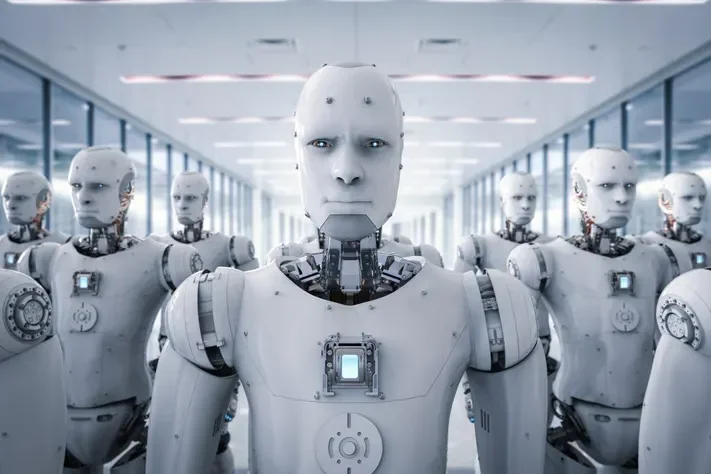
The Robot Revolution Is Here
Unlocking Abundance Through Humanoid Automation and AI
Humanoid robots stand poised to transform global economies by slashing labor costs and enabling unprecedented productivity, but the path forward demands careful navigation of job disruptions and societal shifts. This edition dives into how these machines could foster sustainable abundance on Earth while paving the way for interplanetary expansion.
Key Takeaways
Humanoid robots could triple the US workforce equivalent, allowing production of goods at scales 350 times current levels, with costs dropping to around $3 per hour for physical labor.
Transition periods may disrupt 40-50 million manual jobs in the US alone, requiring strategies like universal basic services to mitigate unrest and support retraining.
Robots excel at dangerous, repetitive tasks, from mining rare earths in extreme conditions to disaster cleanup, potentially reversing globalization by enabling localized production.
AI integration in vehicles and robots enables telepathic-like coordination among fleets, boosting efficiency in teams of machines or mixed human-robot groups.
Long-term visions include revitalizing degraded lands and communities through robot-led projects, reducing transportation friction, and achieving universal high income via abundant resources.

The Supersonic Tsunami: Tech's Relentless March Toward Abundance
Why AI and automation will redefine work, wealth, and human potential—and the bumpy road ahead
Technological progress accelerates at a pace that outstrips societal adaptation, creating both massive opportunities and risks of inequality. In the coming decades, AI-driven automation promises a world where tedious labor vanishes, costs plummet, and abundance becomes the norm. Yet the transition could widen wealth gaps and disrupt jobs, demanding new economic models like universal basic income to maintain stability.
Key Takeaways
Robots and AI will handle all repetitive and dangerous tasks, from mining to creative arts, leading to a society focused on meaningful pursuits like science and culture.
Manufacturing costs could drop to about a dollar per pound for everything, making goods as affordable as basic agriculture products today.
Winner-take-all dynamics in AI-dominated industries will polarize wealth at national, corporate, and individual levels, necessitating policies like universal basic income to bridge gaps.
Starlink and similar technologies will connect 3 billion underserved people to the global economy, sparking innovation and entrepreneurship in remote areas.
Established companies rarely reinvent their core businesses; new entrants leveraging AI will disrupt legacy industries like automotive and aerospace.
Cities remain efficient hubs for innovation and resource use, countering trends toward remote work despite advances in connectivity.
Declining birth rates reduce societal investment in the future; technology must foster optimism to encourage family growth and long-term progress.
Mars colonization drives Earth-bound innovations in sustainable tech, from electric vehicles to alternative proteins, emphasizing in-situ resource use.
Humanoid robots will start in industrial settings for safety, evolving into shared urban resources that transform labor and daily life.
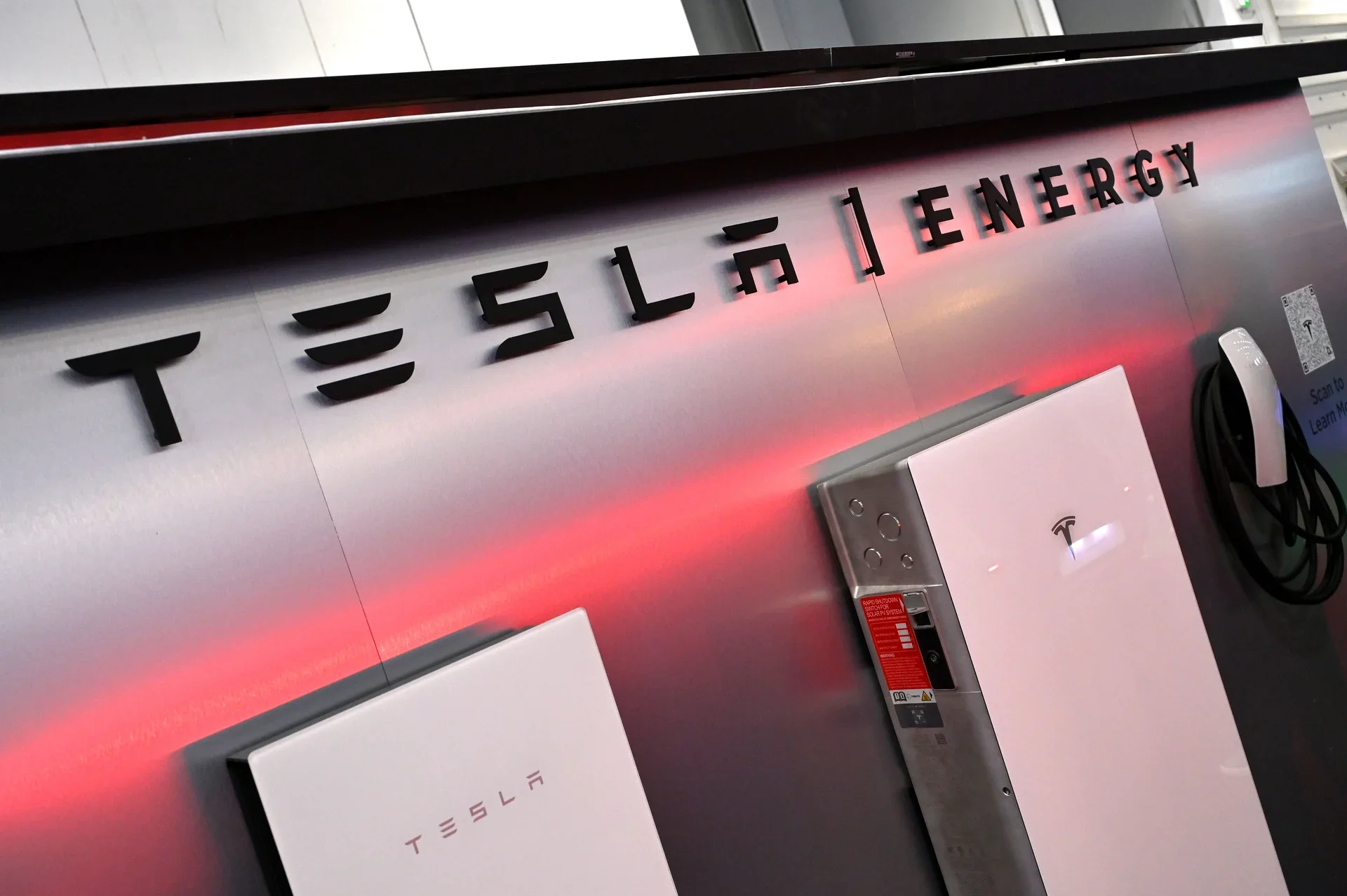
Tesla’s Energy Revolution: Mega Block and the AI-Powered Future
Why Tesla’s latest energy innovations are poised to reshape AI and global power grids.
The energy demands of artificial intelligence (AI) are skyrocketing, and Tesla is positioning itself at the forefront of this transformation with its upgraded Megapack and new Mega Block system. These advancements are not just incremental improvements—they’re strategic moves to address the massive energy needs of AI data centers and the broader shift toward decentralized, renewable-powered grids. Here’s why tech enthusiasts and investors should pay attention.
Key Takeaways
Tesla’s Mega Block enhances scalability: The new system integrates transformers and switchgear, reducing on-site assembly and boosting energy density by 20%, from 3.9 to 5 megawatt hours per unit.
AI is driving unprecedented energy demand: Data centers are scaling to gigawatt levels, with projections of 20–30 gigawatt facilities by 2030, creating a bottleneck in energy generation and storage.
Battery storage is critical for AI: Megapacks stabilize the erratic load profiles of AI data centers, protecting grids from sudden power swings and enabling off-grid solutions.
Decentralized energy is the future: Off-grid data centers using DC power from solar and batteries could bypass traditional grid bottlenecks, with Tesla leading the charge.
Transformers are a key bottleneck: Multi-year lead times for high-quality transformers make Tesla’s potential move to manufacture them a game-changer for rapid deployment.
Tesla's Battery Revolution
AI data centers demand instant power shifts that grids can't handle—batteries step in to smooth the ride and unlock massive efficiency gains.
AI computing has exploded, but its hidden cost is massive power volatility that threatens grid stability. Short-duration batteries address this by absorbing surges and optimizing energy flow, turning a technical headache into a profitable edge. In flexible markets like Texas, these systems are proving their worth, potentially creating a trillion-dollar industry as AI scales up.
Key Takeaways
AI data centers create rapid power fluctuations from synchronized GPUs, stressing traditional grids with megawatt-scale spikes multiple times per second.
Short-duration batteries (2-4 hours) excel at managing these brief surges, offering better efficiency than long-duration options or wasteful GPU idling.
Battery systems can pay for themselves through energy savings by reducing peak power needs and optimizing usage.
Flexible power markets, like those in Texas, accelerate AI infrastructure growth by enabling quick adaptations and cost-effective solutions.
As AI expands, energy storage emerges as essential infrastructure, bridging current grid limits with future computing demands.