

The Barbell Economy Is Already Here: AI's Brutal Squeeze on the Middle Class
AI isn't flattening the world—it's reshaping it into a barbell, with massive gains at the extremes and devastation in the center.
AI deployment is accelerating a historic economic reconfiguration. Capital owners and builders at the top capture exponential productivity gains through agentic tools, while the global poor gain access to basics like water, energy, healthcare, and education at collapsing costs via robotics and automation. Meanwhile, the broad middle—knowledge workers, professionals, and wage earners in developed economies—faces rapid displacement from cognitive tasks that AI now handles faster and cheaper. This isn't a distant risk; early signs appeared in 2025-2026 layoffs, market drawdowns tied to agentic AI awareness, and reports of white-collar job pressure.
Key Takeaways
AI creates a barbell distribution: the top ~20% (capital owners, builders, risk-takers) experience transformative productivity multipliers, often 5-10x or more, by deploying AI agents to replace entire teams.
The bottom ~20% (those in poverty or lacking basics) benefit enormously as robotic labor and AI delivery make clean water, housing, medicine, energy, education, and food abundant and cheap in regions where human labor costs previously blocked progress.
The middle ~60% (most college-educated professionals, managers, analysts, marketers, lawyers, accountants in developed nations) faces the heaviest hit: cognitive and routine knowledge work is automated now, not in the future, leading to job compression, identity loss, and financial strain without quick new opportunities.
Advantages compound for early adopters: hands-on experience with AI agents builds irreplaceable knowledge and intuition that widens gaps monthly; those without time or resources fall behind fast.
Transition risks are severe: mismatched timelines between AI's monthly improvements and years-long retraining or policy responses could trigger widespread psychological and social disruption, potentially rivaling Great Depression-scale effects without strong intervention.
Winner-take-most dynamics intensify: AI-augmented firms capture entire markets at lower costs, shrinking employer pools and suppressing remaining wages.
Developing nations like China may adapt smoother due to collective structures, while Western individualism leaves displaced workers more exposed.
Action window is narrow: 2-5 years for middle-class repositioning toward capital ownership, AI leverage, or irreplaceable human roles; abundance awaits post-transition, but the path there crushes many.
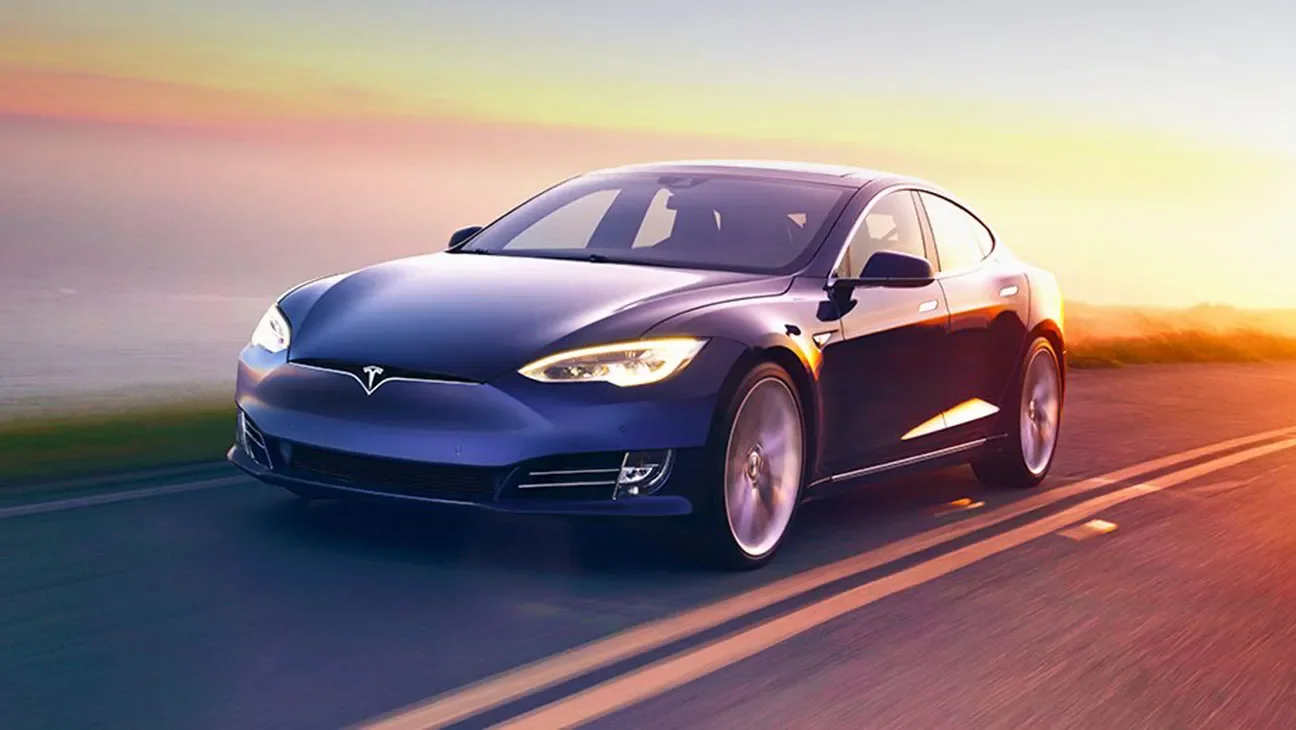
Full Self-Driving Revolution: Why Tesla Owns the Road Ahead
Reshaping Transportation Through AI Scale and Data Dominance
Autonomous vehicles are transforming mobility, slashing costs, boosting safety, and upending industries. Tesla's data-driven approach positions it to dominate, outpacing rivals and making human drivers obsolete in years.
Key Takeaways
Tesla's neural network learns from billions of real-world miles, enabling rapid improvements without predefined maps, unlike competitors reliant on detailed city-specific data.
Manufacturing scale gives Tesla a 200x edge over players like Waymo, allowing faster fleet growth and lower operational costs down to 30 cents per mile.
Robotaxi economics could generate massive margins, with rides cheaper than Uber, potentially eliminating the need for personal car ownership in urban areas.
Safety data shows autonomous systems far outperforming human drivers, pressuring regulators to approve widespread deployment to save lives.
Job displacement looms large, affecting millions in driving professions, signaling broader AI impacts on labor markets.

The Convergence Flywheel: Why AI, Robots, and Endless Energy Will Either Save Us or Break Us
One self-reinforcing loop is about to rewrite the rules of civilization—here's how to spot the signals, seize the upsides, and dodge the pitfalls before 2030 hits.
The next decade isn't just another tech cycle; it's a make-or-break pivot where artificial intelligence, humanoid robots, and boundless energy sources lock into a single, unstoppable system. This convergence could slash the cost of essentials like housing, water, and education to near-zero, unlocking human potential on a scale that dwarfs the industrial age. But it could also obliterate jobs faster than societies can adapt, widening gaps between the adaptable and the left behind. The real edge? Grasping how these forces amplify each other—and positioning your skills, investments, and mindset to ride the acceleration.
Key Takeaways
Interlocked Revolutions: AI, robotics, and energy aren't separate trends—they form a feedback loop where smarter AI powers cheaper robots, which build endless energy infrastructure, fueling even more advanced AI in a cycle that compounds exponentially.
Timeline Shock: Expect AI handling 80% of digital tasks at elite human levels by 2027, with robots scaling from factories to homes by 2030, driven by cost drops via Wright's Law (costs halve predictably with production doublings).
Abundance Blueprint: Cheap robotic labor and solar-powered grids could make basics like clean water and personalized education universally accessible, not through handouts but raw economics.
Disruption Warning: The middle class faces the biggest hit—knowledge and manual jobs vanish in years, not decades—while builders and risk-takers thrive; governments lag, so personal adaptation is key.
Ecosystem Edge: Vertically integrated players like those blending AI brains, space-scale infrastructure, and mass-manufacturing bodies hold the structural advantage, but the flywheel spins regardless of winners.
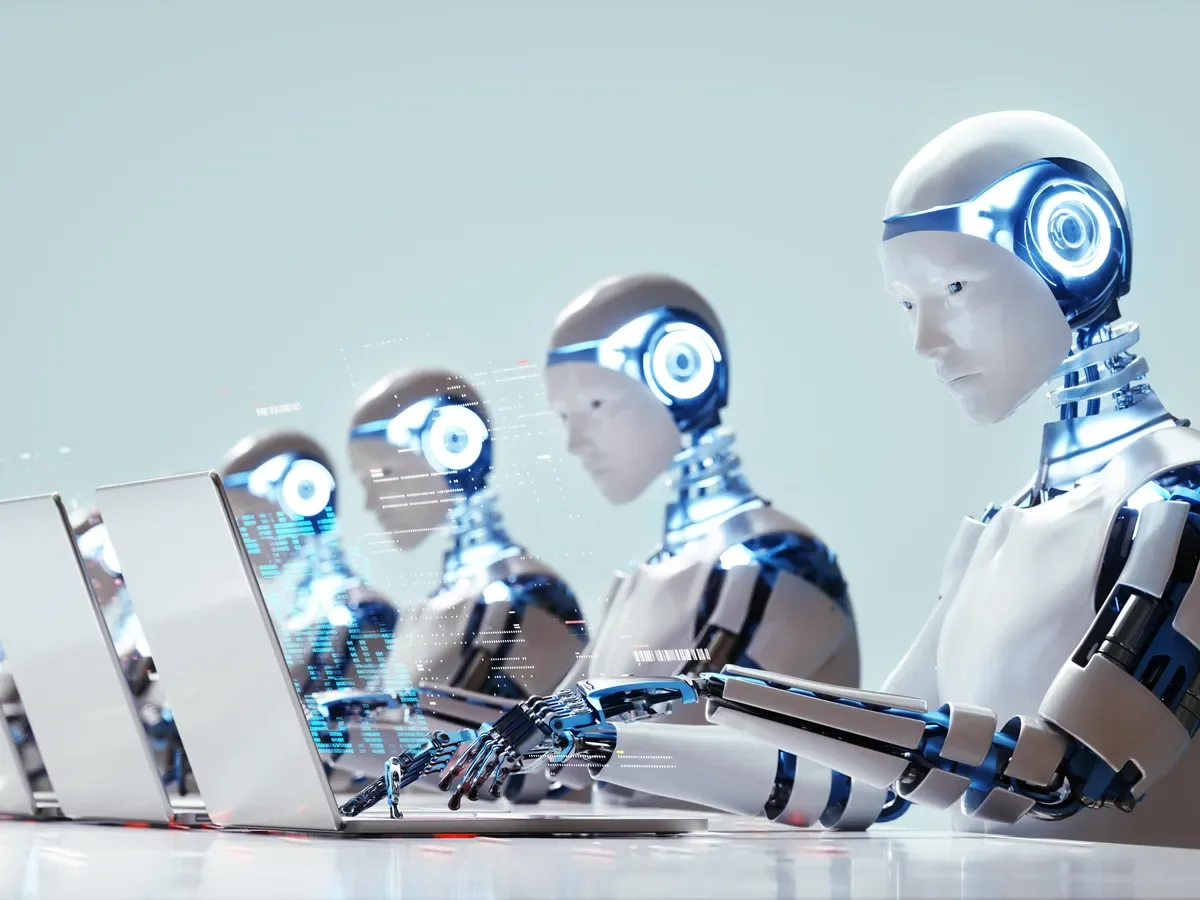
The AI Barbell Economy: Surviving the 2026 Job Tsunami
Why the Middle is Getting Crushed—and How to Position Yourself for the Win
A massive economic shift driven by AI is set to hit in 2026, reshaping jobs and wealth distribution. Tech giants are pouring billions into AI while slashing headcounts, creating a barbell-shaped economy where the top and bottom ends grow stronger, but the middle gets squeezed. Early movers who adapt to AI tools or pivot to hands-on trades stand to gain big, while those stuck in routine cognitive work face tough times.
Key Takeaways
AI is accelerating job polarization, forming a barbell economy: capital owners at the top multiply their wealth through AI leverage, while the bottom benefits from cheaper delivery of essentials like water, healthcare, and housing.
Middle-tier white-collar jobs—accounting, marketing, analysis, and customer service—are at high risk, with predictions of 50% entry-level roles vanishing in 1-5 years, potentially pushing unemployment to 10-20%.
Companies like buy-now-pay-later firms have cut workforces by 40% using AI assistants that handle millions of customer interactions, proving AI can replace hundreds of human roles even if quality dips slightly.
Physical trades such as plumbing, electrical work, and construction are booming, with wages up 20% since 2020 and shortages of over 500,000 workers in the US, driven by demand for AI infrastructure.
To thrive, focus on owning assets, mastering AI agents for automation, or building irreplaceable hands-on skills—staying in the middle assuming your job is safe is the biggest risk.

Tesla's Robotaxi Revolution: Crushing Competitors with Cost and Scale
Why Tesla Could Dominate Ride-Sharing and Leave Waymo in the Dust
Robotaxis are set to transform urban mobility, slashing costs while boosting safety and convenience. Yet, early players like Waymo struggle with high expenses and limited scalability, creating an opening for Tesla's efficient, hybrid fleet model to seize massive market share.
Key Takeaways
Robotaxis from Tesla could operate at costs several times lower than competitors, thanks to affordable vehicles and vision-only tech stacks.
Waymo's current model remains uncompetitive against traditional ride-sharing due to expensive cars and sensors, limiting market share to around 15-20% in any single city.
Tesla's hybrid approach—combining company-owned fleets for base demand with owner-contributed cars for peaks—reduces capital needs by up to seven times compared to rivals.
The ride-sharing market is highly elastic; lower prices from Robotaxis could expand total miles driven by 4x or more, displacing public transit options.
Regulation may lag but won't stop adoption, as historical precedents like ride-sharing show public demand overrides barriers.
In the long term, the market might evolve into an oligopoly, with Tesla leading and challengers like Uber partnering with secondary Robotaxi tech providers.

You're Being Lied to About AI: The Real Revolution in Intelligence and Work
How artificial intelligence is reshaping industries from the ground up—and why legacy systems can't keep up.
AI isn't just a buzzword; it's the force that's already transforming how businesses operate, scale, and compete. In sectors like insurance, companies built on AI foundations are achieving unprecedented efficiency, while traditional players struggle with outdated data and processes. This edition dives into the mechanics of AI-driven disruption, the operational advantages it unlocks, and the broader societal shifts it demands, including ways to handle mass unemployment through smart redistribution.
Key Takeaways
AI-first companies capture hundreds of times more data than traditional models, enabling precise risk assessment and real-time adaptations that legacy systems miss.
Operational leverage from AI allows businesses to triple revenue and add millions of customers without increasing headcount, turning variable costs into fixed ones.
In auto insurance, telematics and per-mile pricing outperform broad demographic averages, positioning AI-native firms to dominate as self-driving vehicles reduce accidents but increase asset values.
Future products like humanoid robots will require new insurance models focused on theft and liability, creating opportunities for data-driven providers.
AI's acceleration means years of work could soon happen in weeks, widening gaps between adaptable companies and rigid incumbents.
Mass unemployment from AI could create surplus rather than scarcity, but requires mechanisms like negative income tax and ring-fenced sales taxes to redistribute abundance.
Without ensuring everyone benefits, AI adoption risks backlash; enlightened policies can make post-AI lives better for all, fostering abundance over inequality.

Ford's $19.5 Billion EV Surrender: Legacy Auto's Road to Irrelevance
Why This Massive Write-Down Signals the Endgame for Traditional Carmakers in the Electric and Autonomous Era
Ford's recent $19.5 billion impairment on its electric vehicle operations exposes deep cracks in legacy automakers' strategies, while highlighting how companies built around EVs from the start are pulling ahead in profitability and future tech like autonomy.
Key Takeaways
Ford has lost $13 billion on EVs since 2023 and is now scrapping plans for larger electric models, including the F-150 Lightning, due to persistent unprofitability.
The pivot to hybrids and gas vehicles prioritizes short-term certainty over long-term innovation, leaving Ford without a viable path to full vehicle autonomy.
Legacy automakers' approach of retrofitting EV tech into gas-designed platforms fails economically, contrasting with vertically integrated EV-native companies that achieve strong margins.
Autonomy will reshape transportation economics, favoring EV fleets for Robotaxis over hybrids, which carry higher maintenance and complexity.
This decision foreshadows broader industry retreat, positioning Tesla and select others as dominant players in a market shifting toward transportation as a service.
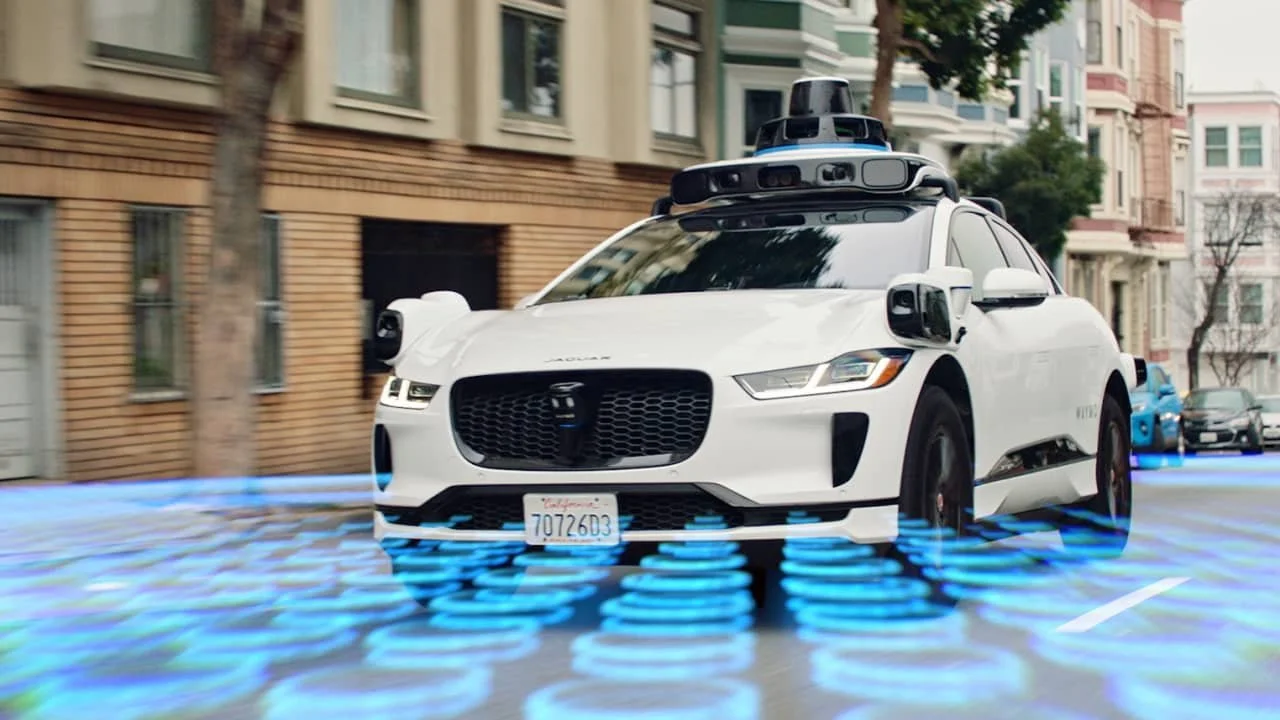
Tesla's Robotaxi Revolution: Why Scale Will Eclipse Waymo's Lead
The Battle for Autonomous Mobility Heats Up as Tesla's Generalized AI Approach Poised to Redefine the Industry
Tesla's strategy in autonomous vehicles centers on building from the ground up with minimal hardware, aiming for massive scale that could rapidly outpace competitors focused on high-cost, region-specific systems. This shift promises not just safer rides but a complete transformation in urban transportation economics.
Key Takeaways
Tesla prioritizes low-cost hardware like eight cameras to enable widespread deployment, contrasting with competitors' reliance on complex sensors and mapping.
While some players lead in current driverless operations across multiple markets, Tesla's focus on generalized AI could allow instant scaling without geographic limits.
Successful validation of Tesla's safety levels could turn its manufacturing dominance into an unbeatable edge in robotaxis.
Current rollouts emphasize safety and data collection, with acceleration in regions and fleet size as key indicators of progress.
Pricing strategies signal a push toward the lowest cost per mile, leveraging scale for long-term profitability once demand surges.
Tesla's Autonomous Rental Revolution
Redefining Mobility in the Age of Autonomy
Tesla's latest rental offering signals a shift toward flexible, on-demand transportation that could upend traditional car ownership and rental models.
Key Takeaways
Tesla now offers short-term rentals for models like the Model 3 or Model Y, covering charging, maintenance, and insurance for a hassle-free experience.
This program lays the groundwork for a subscription-based transportation system, where vehicles can be summoned via app and returned autonomously.
Self-driving technology enables vehicles to operate without human intervention, maximizing their utility and reducing idle time compared to conventional cars.
Tesla's direct control over sales, service, and fleet management gives it a competitive edge over legacy automakers reliant on dealership networks.
Future expansions could include long-term subscriptions, ride-hailing, and even package delivery, dramatically boosting revenue per vehicle.
Competitors like Waymo face scalability challenges due to higher costs and smaller fleets, while Tesla leverages millions of existing vehicles for rapid deployment.
This model could lower transportation costs globally but may displace jobs in driving and logistics sectors.

The Money Game: How NIL is Reshaping College Football’s Soul
Unprecedented wealth is flooding into college athletics, but at what cost to players, coaches, and the sport’s future?
The introduction of Name, Image, and Likeness (NIL) deals and revenue-sharing models has transformed college football into a financial juggernaut, with top athletes earning millions before they even graduate. This seismic shift has brought newfound wealth to young players, but it’s also unleashed a torrent of challenges—psychological pressures, mismanaged expectations, and a fractured system struggling to keep up. For tech enthusiasts who thrive on understanding disruption, the NIL era is a masterclass in how money can upend tradition, alter incentives, and reshape an entire industry. Let’s dive into the chaos, the consequences, and what it means for the future of college football.
Key Takeaways
Massive Earnings, Massive Pressure: Top college athletes are earning $1M-$5M annually through NIL deals and revenue sharing, creating intense expectations and psychological strain for players as young as 18.
Coaching Challenges Amplified: Coaches now juggle roster management, donor relations, and player psychology, acting as financial advisors and therapists in a professionalized landscape.
Systemic Instability: The NCAA’s lack of authority, coupled with inconsistent oversight (e.g., NIL Go portal delays), has created a Wild West where rules are ignored, and workarounds are common.
Financial Mismanagement Risks: Many young athletes, lacking financial education, face pitfalls like overspending on liabilities (e.g., luxury cars) or tax issues, threatening their long-term wealth.
Cultural Shift in Motivation: The influx of money has shifted player priorities from legacy and passion to financial security, potentially fostering complacency and reducing on-field performance.
Program Sustainability at Risk: Donor fatigue and budget cuts in athletic departments signal an unsustainable model, with private equity looming as a potential game-changer.

Tesla's Robo-Taxi Edge: Slashing Prices and Paving the Path to Profit
Decoding how autonomous rides are undercutting traditional services and what it means for the future of mobility
Tesla's robo-taxi service is transforming urban travel with fares that undercut Uber by up to 50%, based on early deployments in key U.S. cities. This pricing power stems from low-cost hardware baked into millions of existing vehicles, pointing toward profitability at scale while delivering safer, more private rides. Yet, as adoption grows, it raises urgent questions about workforce displacement in a driving-dependent economy.
Key Takeaways
Tesla's robo-taxi rides average around $1 per mile, compared to Uber's $2 or more, making it a cost-effective alternative even in early stages with safety oversight.
Operating costs for autonomous vehicles could fall to $0.20-$0.40 per mile once fleets optimize, enabling profits of 40-80 cents per mile at current pricing levels.
Deployments vary by region: Austin operates with a safety rider in the passenger seat and remote monitoring, while the Bay Area requires an active driver due to stricter regulations.
Riders gain privacy, full control over in-car features like climate and entertainment, and superior safety from always-attentive systems that reduce accident risks tied to distraction or impairment.
The technology promises economic unlocks like affordable transport for underserved groups, but it risks displacing millions of drivers, necessitating proactive policy responses to manage labor shifts.
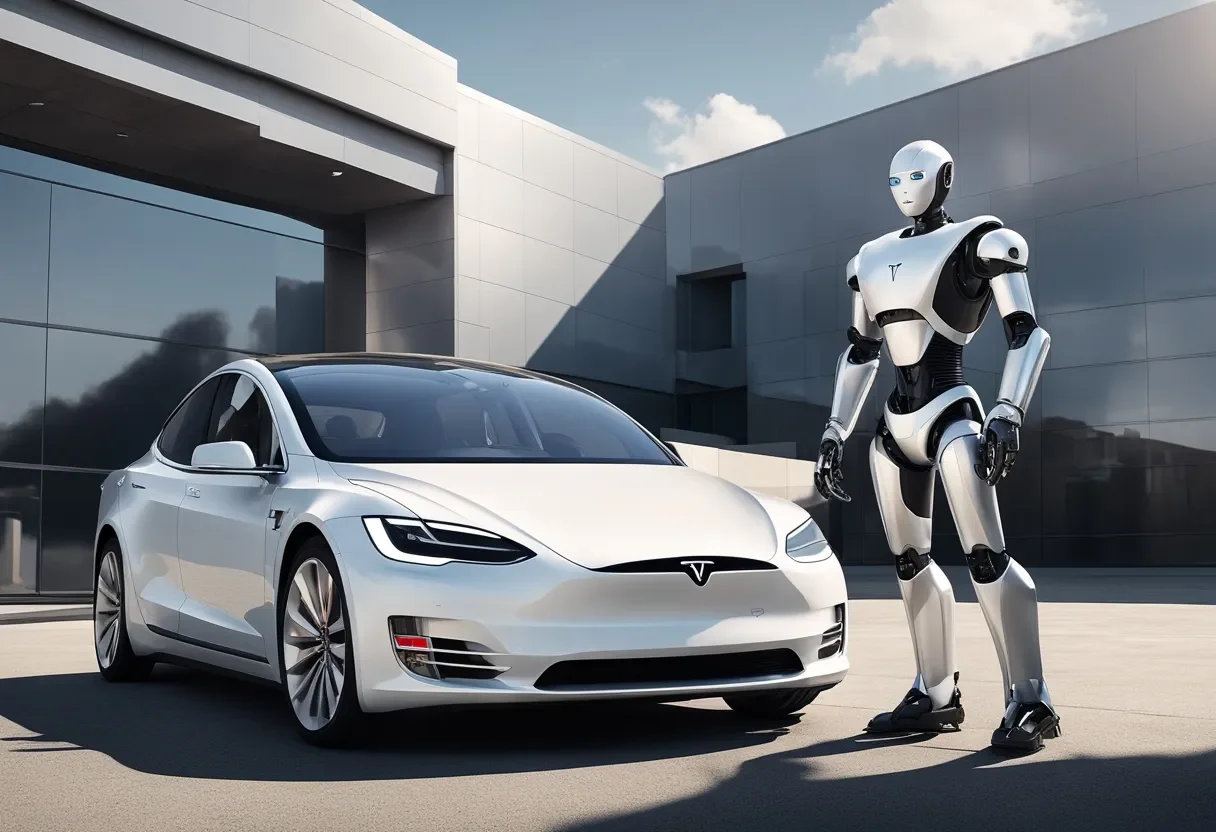
Tesla's Vision
Tesla's Optimus: A Blueprint for Outrunning Debt Through Automation
As federal spending continues to climb without meaningful cuts in sight, a fresh approach is gaining traction: leveraging advanced robotics to drive massive GDP growth. Tesla's humanoid robot program stands out as a prime example, with potential to transform productivity across everyday tasks and industrial operations, making economic expansion the key to managing fiscal pressures.
Key Takeaways
Humanoid robots priced around $30,000 to $40,000 could operate for 5-10 years with low maintenance, slashing costs in services like cleaning and delivery.
By learning tasks through observation and AI, these machines accelerate adoption in homes, warehouses, and factories, boosting overall economic output.
Automation at this scale targets GDP growth to counter rising debt, shifting focus from policy reforms to technological leaps.
Job shifts in driving, manufacturing, and services pose transition risks, but open doors for new entrepreneurial opportunities.
Recent demos show robots handling complex movements and interactions, signaling readiness for broader deployment soon.