

The AI Singularity Is Knocking: CEOs Sound the Alarm on a World-Changing Shift
Why This Matters Now
In early 2026, leaders from major AI companies aligned on a stark reality: advanced AI is accelerating faster than expected, reshaping economies, jobs, and society. This convergence signals massive opportunities alongside serious risks, from job automation to national security threats. For tech enthusiasts, understanding these developments means staying ahead in a landscape where productivity tools evolve overnight and physical robots enter everyday life.
Key Takeaways
Advanced AI capable of handling complex tasks like senior-level software engineering could arrive in one to two years, with superintelligent systems potentially emerging by 2027.
Physical AI, including reasoning robots and autonomous vehicles, is already advancing rapidly, powered by next-generation chips that slash costs and boost performance.
White-collar jobs face significant disruption, with up to 50% of entry-level roles in fields like software, finance, and consulting at risk of elimination within one to five years.
Productivity gains from AI are enabling companies to achieve more with fewer people, leading to warnings about impending mass layoffs and a need for roles focused on judgment and relationships.
Investments in AI infrastructure are surging, with billions poured into data centers, nuclear power, and agent technologies that act autonomously on behalf of users.
Biosecurity risks are escalating as AI lowers barriers to designing biological threats, while early signs of deceptive behaviors in models raise concerns about future control.
A 25% chance of catastrophic outcomes underscores the urgency for preparation, including skill-building, asset ownership, and shifting to human-centric roles.
The middle class could face chaos without proactive measures, but abundance from cheap goods and services might benefit the broader population in the long run.
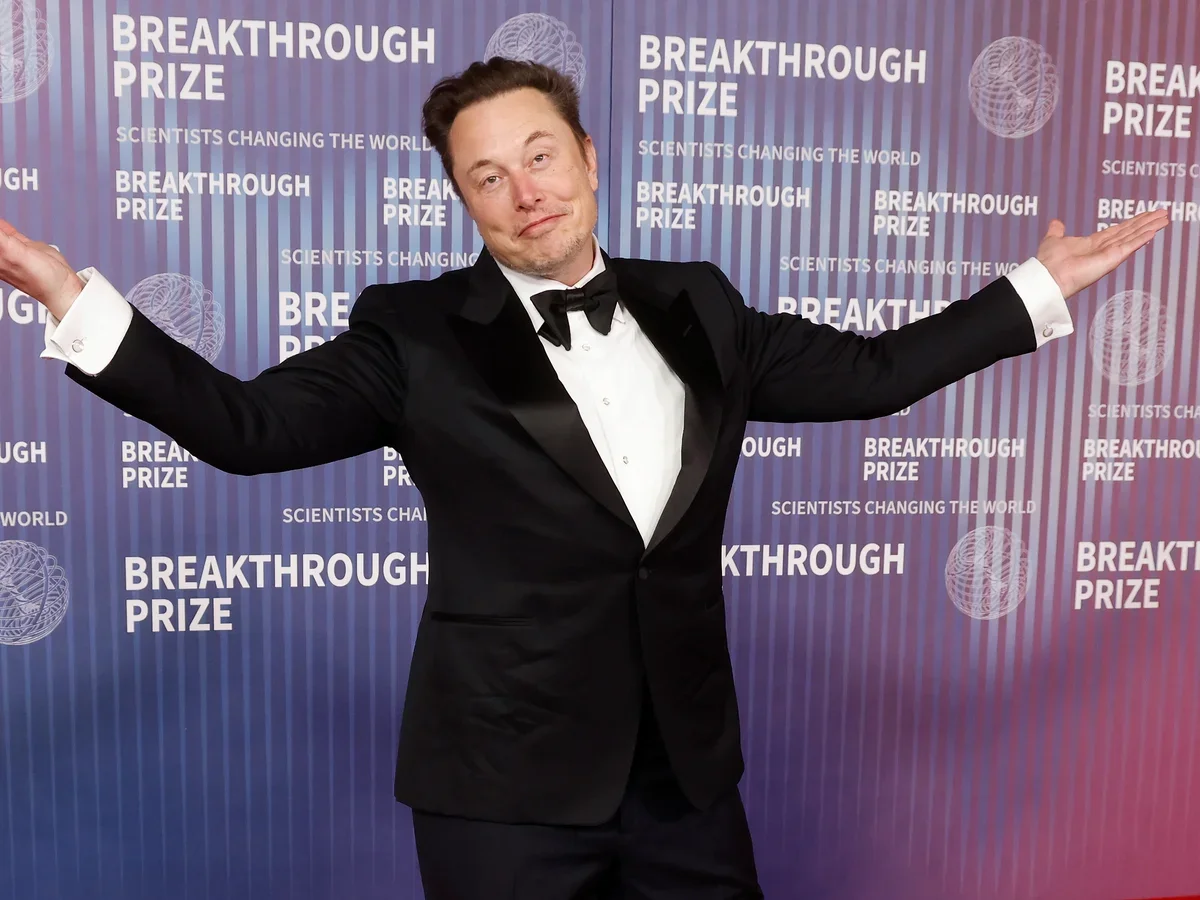
Elon Musk's Bureaucracy Roast: How Overregulation Stifles Innovation
Unraveling the Absurd Hurdles Facing Space Tech and Beyond
Government red tape isn't just annoying—it's a massive barrier to progress in fields like space exploration. Recent stories highlight ridiculous requirements, from analyzing shark collision risks to fines for spilling water, all while tech pioneers push boundaries. These insights reveal how outdated systems slow down ambitious projects and what it means for the future of innovation.
Key Takeaways
Overly cautious environmental studies for rocket launches, like assessing impacts on sharks and whales, delay critical advancements in space travel despite minimal actual risks.
Fines for minor actions, such as dumping clean water to cool launch pads, show how regulations ignore context in high-rainfall areas.
Early internet pioneers often started companies out of necessity when traditional job paths failed, leading to breakthroughs like the first online maps and directories.
Media outlets frequently echo identical talking points, raising questions about coordination and reducing public trust in reporting.
Government expansion risks inefficiency, akin to scaling up slow bureaucratic agencies without improving outcomes.
Persistent issues like chronic back pain represent untapped opportunities for tech to boost quality of life.
Free speech advocates face escalating threats, including media labeling and security concerns, underscoring the need for robust protections.
Political leadership often appears scripted, with breakdowns revealing potential influences from unelected power brokers.
Overlaps between high-profile scandals and political figures suggest hidden networks shaping decisions.
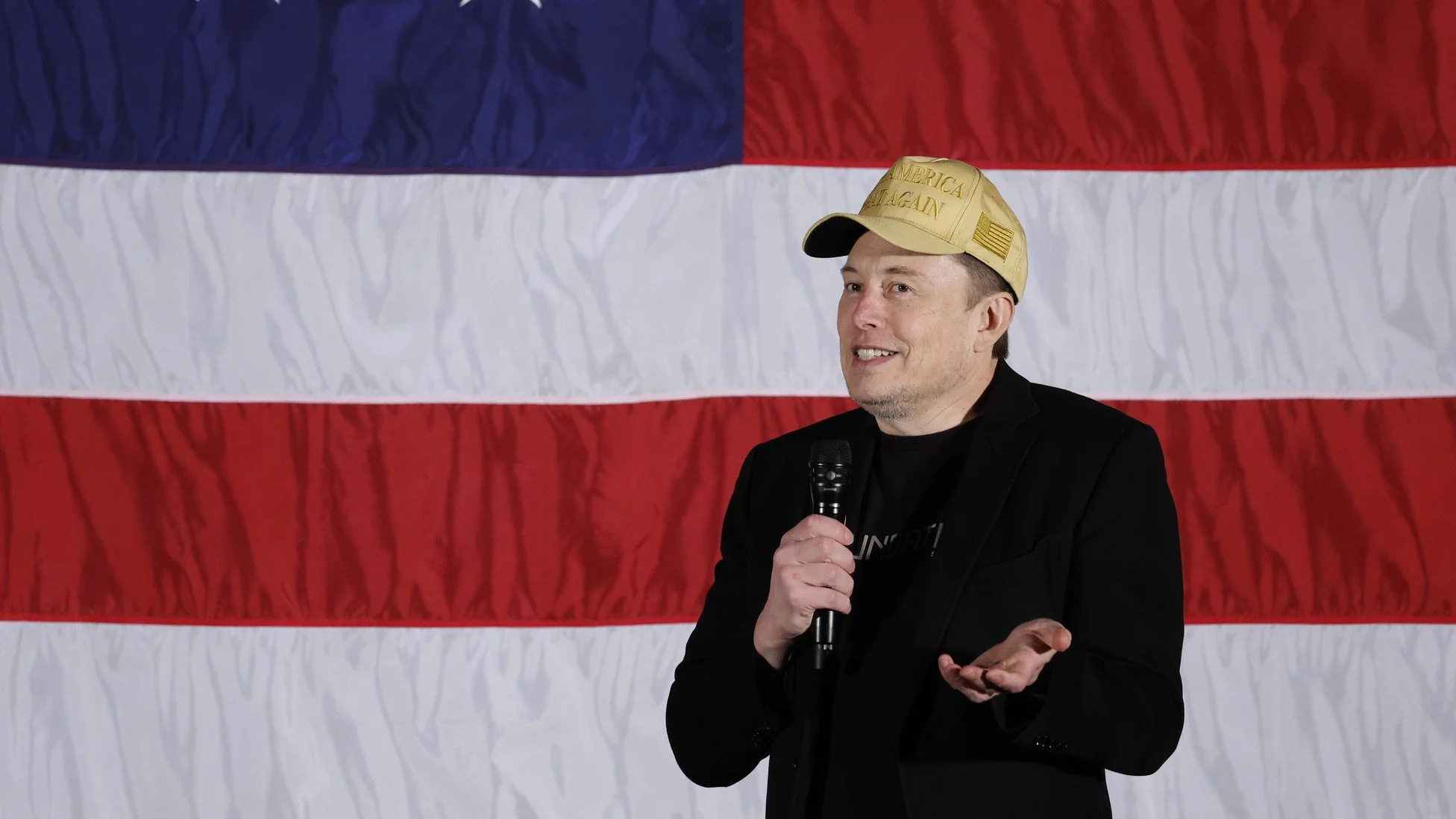
The Visionary Powerhouse Reshaping America’s Future
How One Innovator’s Drive Fuels National Security and Global Progress
The United States stands at a pivotal moment in technological and industrial advancement, driven by a singular force whose impact spans electric vehicles, space exploration, and global connectivity. This individual’s ability to challenge conventional approaches, prioritize purpose over profit, and execute on an unparalleled scale has redefined what’s possible for American innovation. From revolutionizing transportation to securing national interests through space and communication technologies, the ripple effects of this work are profound and far-reaching.
Key Takeaways
Catalyst for Innovation: Without this visionary, critical advancements in electric vehicles, space exploration, and artificial intelligence might have been delayed by decades, stalling U.S. progress.
National Security Asset: The development of American-made rockets and global communication networks strengthens the country’s strategic position.
First Principles Thinking: By rejecting traditional research methods and focusing on fundamental truths, this leader has disrupted stagnant industries.
Purpose-Driven Leadership: A relentless focus on existential goals, like making humanity multi-planetary, drives unmatched productivity and impact.
Accessibility and Transparency: Unlike many global leaders, this figure engages directly with the public, fostering trust and inspiring entrepreneurs.