
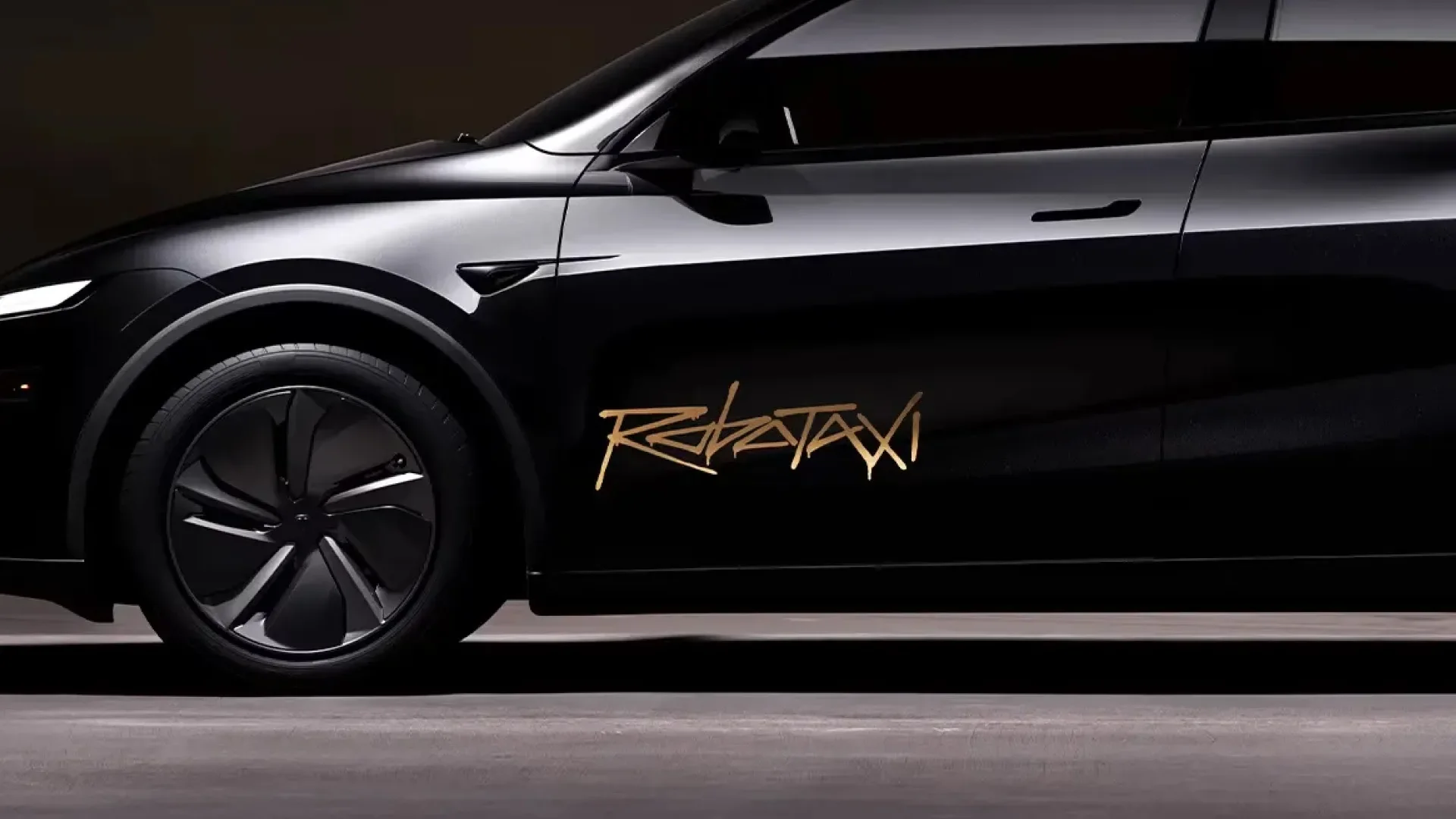
Tesla Robotaxi Unleashed: Wide Access Signals Autonomous Dominance
Inside the Expansion That's Set to Transform Urban Mobility
Tesla's Robotaxi service has gone live for all iOS users, unlocking ride-hailing in the Bay Area and autonomous rides in Austin, Texas. Users across regions like Dallas-Fort Worth, North Carolina, Boston, and even Canada report instant access upon downloading the app. This broad rollout underscores confidence in recent tech upgrades, paving the way for massive fleet growth and safer roads ahead.
Key Takeaways
Tesla's Robotaxi network now accessible to any iOS user, with immediate service in key areas like the Bay Area and Austin.
Fleet expansion targets 500 vehicles in Austin and 1,000 in the Bay Area by year-end, driven by production capacity of over 2 million cars annually.
Latest Full Self-Driving (FSD) version delivers intervention-free drives and multiple times safer performance than average U.S. drivers.
Data shows spikes in miles between critical interventions, supporting wider deployment to cut insurance costs and save lives.
Competition heats up with Waymo expanding to new cities and Zoox launching in San Francisco, but Tesla's AI-driven approach and manufacturing edge position it for faster scaling and lower costs.
Tesla vehicles handle highways seamlessly, unlike some rivals limited to urban zones due to design constraints.
Pricing in Austin starts around $1 per mile, undercutting competitors at $2.50–$3 per mile, with potential for further reductions as fleets grow.
Expansion to 8–10 U.S. metro areas by year-end, including tests in smaller spots like Harrisburg, Pennsylvania, to influence policy.
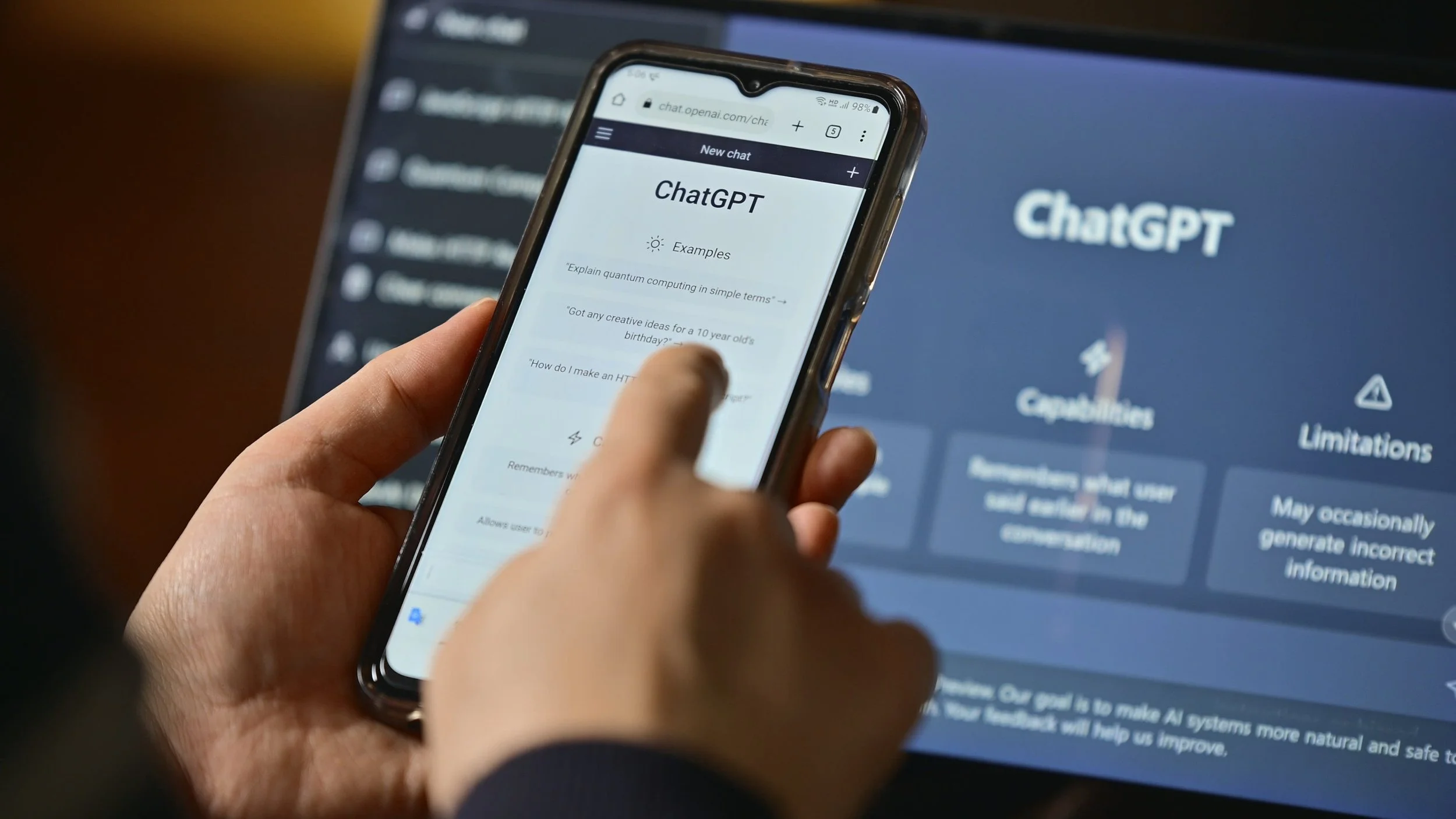
ChatGPT’s New Trick: Ordering Your Groceries with a Click
How AI Agents Are Simplifying Everyday Tasks for Tech Enthusiasts
Imagine planning a potluck and realizing you don’t have the ingredients—or the time to figure out what you need. Now, AI can handle it for you, from calculating ingredient quantities to ordering them online. Recent advancements in AI agents, particularly those integrated with browser tools, are transforming how we tackle daily tasks. This newsletter dives into how these agents work, their potential, and the critical balance between convenience and control.
Key Takeaways
AI agents can analyze recipes, scale ingredient lists for any serving size, and create organized shopping lists.
Browser-based AI can navigate online stores, add items to carts, and streamline grocery ordering.
User control is prioritized with options to approve actions, limit access, and manage data privacy.
These tools are evolving to anticipate user needs, pulling relevant information proactively.
Safety measures restrict AI to browser tabs, preventing unauthorized access to devices or files.
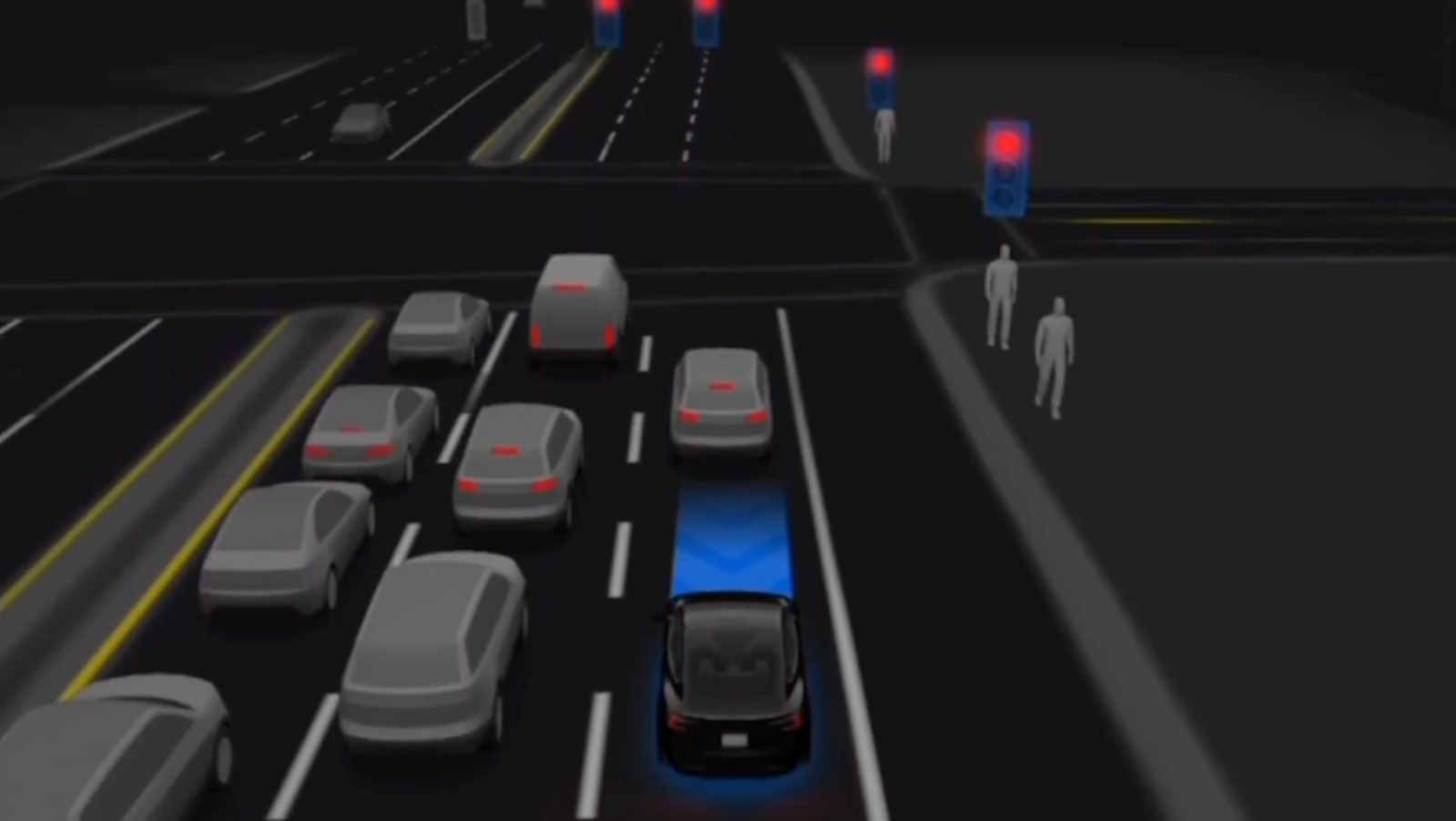
Tesla's FSD v14: Sentient Driving Arrives, Unlocking Robotaxi Riches
The upgrade that makes your Tesla feel alive—smoother, smarter, and primed for hands-off autonomy that could redefine car ownership.
Full Self-Driving (FSD) version 14 hits the road with a leap in human-like intuition, turning everyday drives into effortless experiences while paving the way for unsupervised rides that generate income. Early tests show flawless parking in tight spots and adaptive behaviors that outpace prior versions, signaling Tesla's push toward a future where vehicles earn their keep.
Key Takeaways
FSD v14 introduces customizable arrival options, letting drivers pick parking spots like driveways, curbside, or garages for precise, user-directed endings to trips.
New driving profiles—Sloth for ultra-conservative pacing, alongside Chill, Standard, and Hurry—cater to varied comfort levels, with overall gains in smoothness and decision confidence.
Hands-free mode activates in supervised settings, but alerts ramp up in tricky zones like construction or rail crossings, hinting at broader attention relaxation elsewhere.
Parking precision shines: vehicles now navigate narrow gates, ticket booths, and spots flawlessly, often without human tweaks, feeling like a glimpse of tomorrow.
Minor hitches persist, such as brief braking jolts in low-speed maneuvers or speed nudges beyond limits, but these pale against zero-intervention drives spanning hours.
Broader rollout suggests boosted safety metrics, with rapid follow-ups expected to polish edges, much like the neural net evolutions in v12 and v13.
Unsupervised horizons loom: Robotaxi fleets in Austin and the Bay Area already test advanced variants, collecting data and fares to validate attention-free ops by early 2026.
Economic upside: Autonomous cars could slash ride costs below Uber levels, enabling owners to monetize vehicles via Tesla's network—potentially 10-30% cuts per mile—while fueling decades of demand.
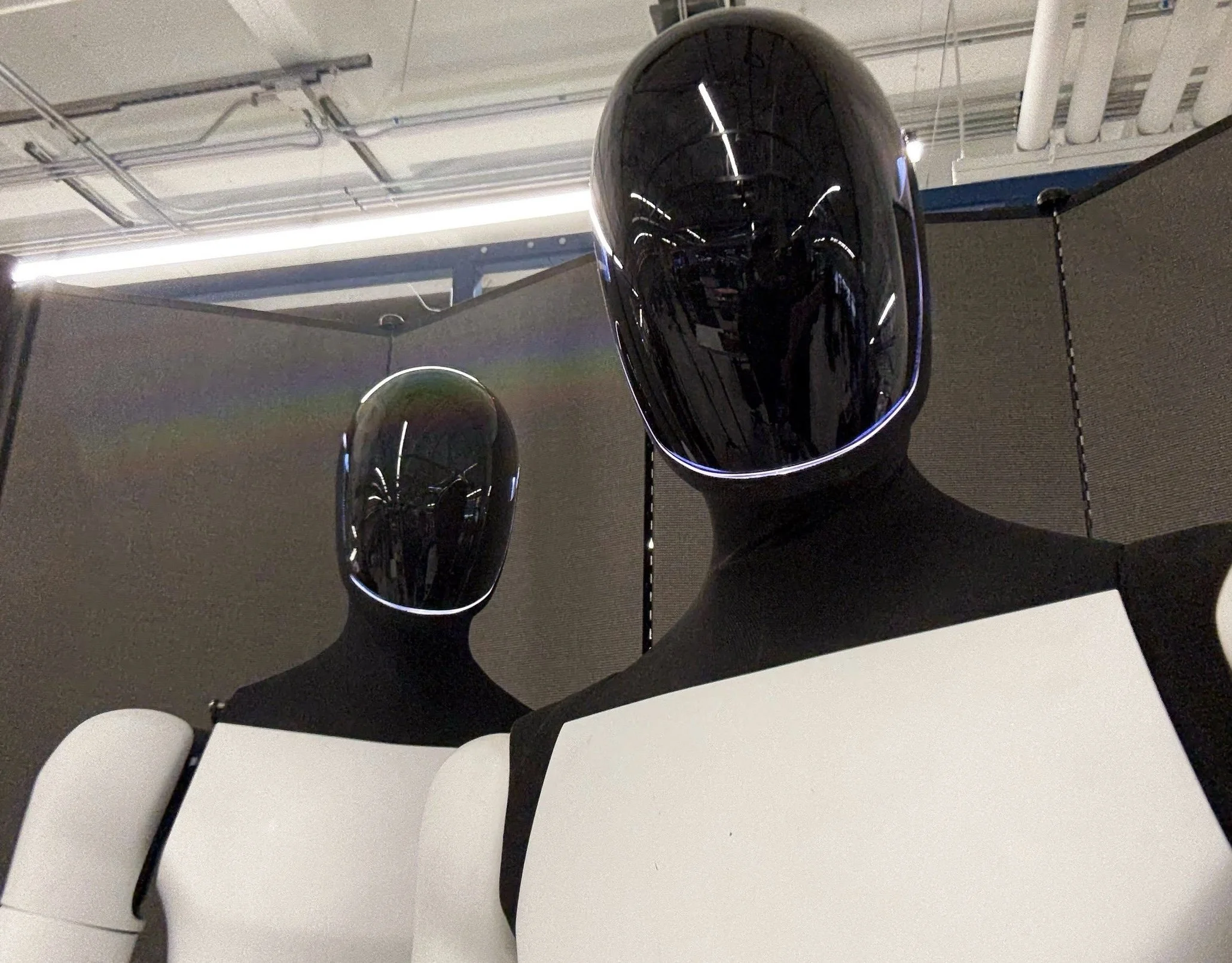
Tesla’s Optimus Robot Unveiled: A Game-Changer for Automation
Revolutionizing Industries with Humanoid Robotics
Tesla’s Optimus robot has sparked global excitement with its potential to transform industries and daily life. This humanoid robot, showcased recently, demonstrates remarkable advancements in AI, mobility, and human-robot interaction. From factory floors to household assistance, Optimus signals a bold step toward a future where robots work seamlessly alongside humans. Here’s why this unveiling has tech enthusiasts buzzing and what it means for the world of automation.
Key Takeaways
Humanoid Design Breakthrough: Optimus features a sleek, human-like form factor, enabling it to navigate environments built for humans with unprecedented ease.
AI-Powered Versatility: Advanced AI allows Optimus to perform complex tasks, from manufacturing to personal assistance, with real-time adaptability.
Cost-Effective Innovation: Tesla aims to make Optimus affordable, targeting mass-market adoption for businesses and homes.
Industry Disruption: The robot’s capabilities could reshape manufacturing, logistics, and service sectors by automating repetitive and labor-intensive tasks.
Ethical Considerations: The rise of humanoid robots raises questions about job displacement and the need for responsible AI governance.
The Future Is Now: Why Customer Needs and AI Will Shape Tomorrow
Unpacking the Power of Long-Term Thinking and Technological Revolution
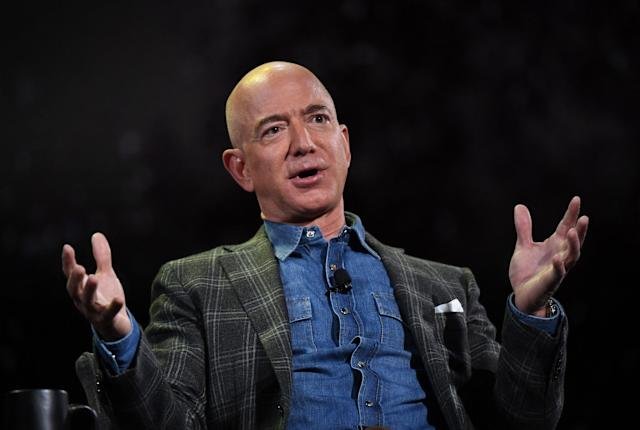
The world is changing at breakneck speed, driven by transformative technologies like artificial intelligence (AI) and space exploration. Yet, amid this whirlwind, one thing remains constant: the enduring power of customer needs. By anchoring strategies in these unchanging desires and harnessing the potential of AI and other innovations, businesses and entrepreneurs can build a future that’s not only sustainable but revolutionary. From AI’s universal impact to the promise of space as a new frontier, here’s why now is the most exciting time to be a creator, thinker, or founder.
Key Takeaways
Customer needs are timeless: Focusing on stable customer desires, like fast delivery or reliability, creates durable business strategies.
AI is a game-changer for all industries: Beyond startups, AI will boost quality and productivity across every sector, from manufacturing to hospitality.
Space is the next frontier: From lunar resource harvesting to gigawatt-scale data centers in orbit, space will redefine how we live and work.
Innovation requires harmony: Balancing exploration (wandering) with disciplined execution drives breakthroughs without overwhelming organizations.
Bubbles don’t negate progress: Industrial bubbles, like today’s AI frenzy, fund both good and bad ideas but often yield lasting societal benefits.
Tesla’s Q3 Triumph: Record Deliveries, AI Ambitions, and a Path to Affordable EVs
Why Tesla’s third quarter signals a bold pivot to AI-driven growth and mass-market appeal
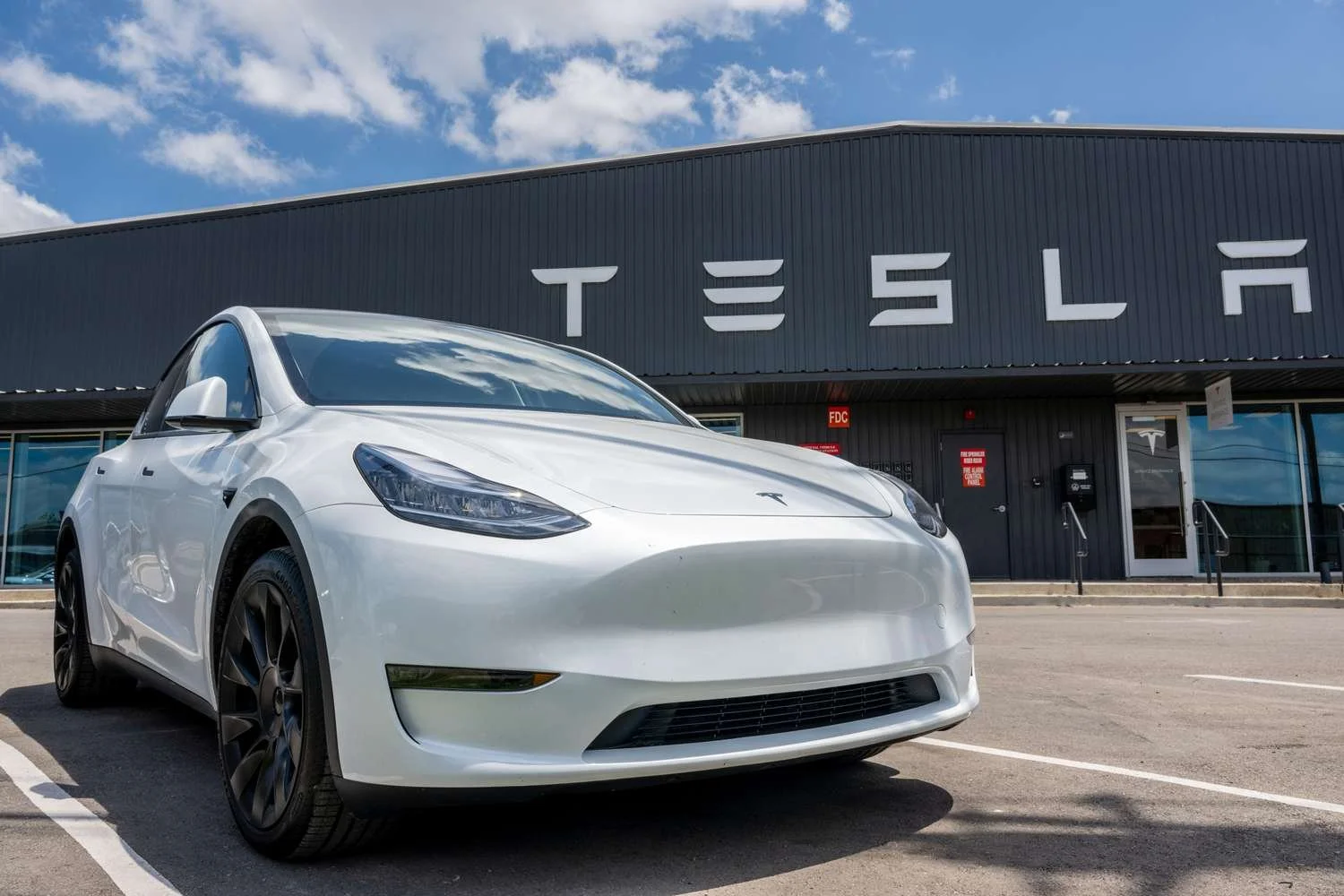
Tesla’s third quarter of 2025 delivered a stunning performance: over 497,000 vehicles delivered, 447,000 produced, and a record 12.5 gigawatt-hours of energy storage deployed. These numbers not only defy skeptics who predicted Tesla’s decline but also highlight a strategic shift toward inventory management, cost reduction, and a future powered by autonomous driving and affordable vehicles. For tech enthusiasts, this moment underscores Tesla’s evolution from a carmaker to a physical AI powerhouse with ambitions far beyond traditional automotive.
Key Takeaways
Record-Breaking Quarter: Tesla delivered 497,000 vehicles and deployed 12.5 GWh of energy storage, marking a high for both metrics.
Inventory Strategy Shift: Delivered 50,000 more vehicles than produced, reducing built-up inventory and leveraging the expiring U.S. EV tax credit.
Affordable EVs on Horizon: Plans for a more affordable Model Y and Model 3 with reduced features to hit a 3-million-vehicle annual production goal.
FSD as a Game-Changer: Full Self-Driving (FSD) version 14 aims for unsupervised driving, potentially making Tesla’s vehicles a compelling alternative to traditional cars.
AI and Robotics Vision: Tesla’s driverless network and upcoming Cybercab and Semi projects position it to dominate AI-driven mobility, outpacing competitors like Uber.
Financial Strength: Expected to add $3.5–5 billion in cash from operations, with high-margin energy storage (30%) boosting profitability.

Tesla's Epic Comeback: Record Deliveries Signal a New Era in EVs
Why Tesla's Q3 2025 Could Redefine the Auto Industry's Future
Tesla stands on the brink of its largest quarter yet, with delivery numbers poised to shatter records and margins climbing back toward healthier levels. As EV demand evolves without federal tax credits, the company is shifting gears toward affordable options and advanced autonomy, even as rivals like BYD face their first sales dips in years. This moment highlights Tesla's resilience in a volatile market, offering fresh opportunities for growth through software and innovative vehicles.
Key Takeaways
Tesla's Q3 2025 deliveries are forecasted at 512,000 units, surpassing the previous record of 495,000 from Q4 2024.
Gross margins could rebound to around 17% or higher, thanks to high volume and minimal price cuts, driven by urgency around the expiring EV tax credit.
Competitors like BYD are experiencing their first year-over-year sales decline in five years, amid supply chain strains and reduced subsidies.
Tesla plans to introduce more affordable models, potentially stripped-down versions of the Model 3 or Y, sold at cost with profits from recurring software like Full Self-Driving (FSD).
Upcoming FSD V14 promises unsupervised driving, a massive leap that could generate thousands in annual revenue per vehicle through subscriptions.
The Cybercab, a fully autonomous vehicle without steering wheel or pedals, represents Tesla's long-term vision, though regulatory hurdles limit near-term sales.
Tesla's Bold Leap into Custom AI Silicon
Unlocking the future of autonomous vehicles, humanoid robots, and massive-scale AI training through a game-changing partnership.
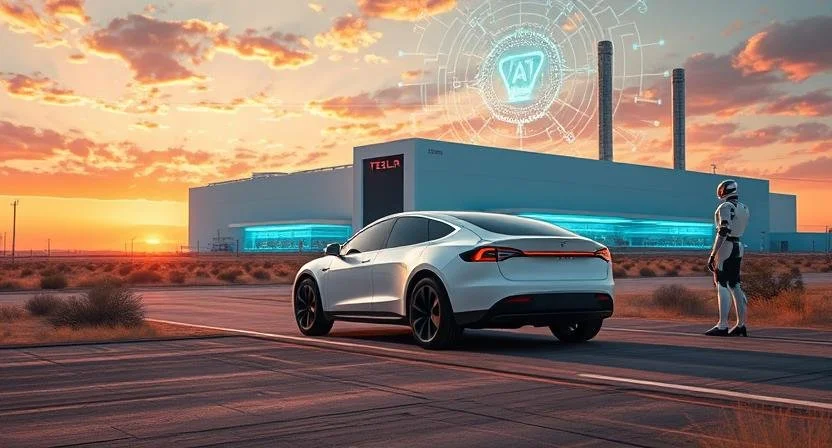
Tesla has just sealed a massive partnership that could reshape the AI hardware landscape, positioning the company to control its destiny in chip production while boosting U.S. manufacturing. This move addresses supply chain vulnerabilities, cuts costs, and accelerates innovation in everything from self-driving tech to robotics.
Key Takeaways
Tesla's new AI6 chip aims to handle both AI training and inference on a single architecture, optimizing for vehicles, robots, and data centers.
A $16.5 billion deal with Samsung taps into a Texas-based fab for production, enhancing efficiency and reducing reliance on overseas suppliers.
This strategy mirrors past vertical integration successes, like battery production, to secure supply for ambitious AI goals.
Broader implications include strengthening U.S. chip manufacturing amid global tensions and fostering competition that drives industry-wide advancements.
The partnership leverages expertise from key engineers to create specialized hardware tailored to real-world AI demands.