
Robotaxis, Humanoids, and the New Logistics Empire: How Automation Will Make Goods and Labor Nearly Free
Inside the convergence of AI robots, autonomous fleets, and centralized supply chains reshaping the global economy.
Recent breakthroughs in humanoid robots and logistics infrastructure point to a future where physical goods move as easily as data in the cloud, while autonomous labor handles repetitive work around the clock. These shifts could drive costs toward zero for transportation, storage, and manufacturing—opening massive opportunities for businesses of any size while concentrating power in the hands of a few tech giants. The pieces are falling into place faster than most realize.
Key Takeaways
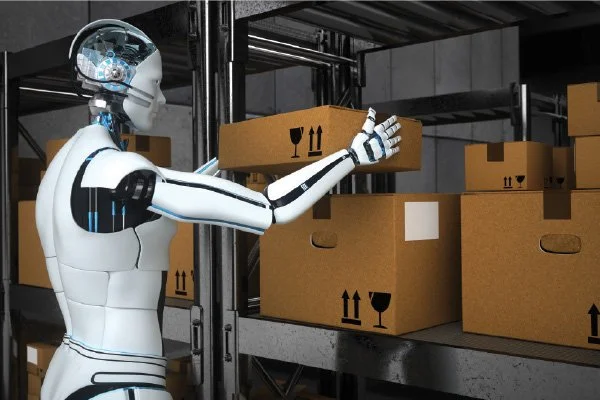
Humanoid robots are scaling production quickly, with at least one company now building a unit per day and using innovative wireless foot-charging pads that let them operate continuously without leaving their workstation.
Amazon has launched an end-to-end logistics platform that lets any business plug directly into its warehousing, shipping, and delivery network—essentially turning physical supply chains into a cloud service.
When combined with self-driving vehicles and humanoids, this infrastructure could make point-to-point movement and storage of goods extremely cheap and accessible, even for small operators with limited capital.
The result is accelerating centralization: a handful of companies could dominate labor, logistics, and data, echoing historical monopolies like railroads or oil but at global scale.
Tesla’s Robotaxi rollout faces a practical production bottleneck; early Cybercab output may include steering wheels and pedals to keep factory lines running at full capacity until unsupervised fleets can absorb volume.
Unsupervised autonomy, once achieved, unlocks enormous profit-per-mile margins—potentially $0.60–$1.00—driving rapid fleet expansion and dramatic company re-ratings.
Broader forces include corporations acting as the real power centers in geopolitics, with examples like China functioning as a single massive enterprise, alongside America’s commanding lead in AI, space launch, and defense technology.

The Hidden Convergence: How Elon's Empire is Building a $3 Trillion Future
Unlocking Abundance Through Integrated Tech Ecosystems
A massive shift is underway in technology, where separate companies are merging their strengths to create something far larger than any single entity. At the core is a vision of robots handling all human tasks, AI anticipating needs before they're voiced, and unlimited energy powering it all. This isn't distant sci-fi—key pieces are already connecting in ways that could reshape industries and economies.
Key Takeaways
Four major companies—Tesla, SpaceX, xAI, and Neuralink—are pooling resources to form an interconnected system worth over $3 trillion in combined value.
AI from xAI is designed to power Tesla's humanoid robots, creating self-sufficient machines that outperform humans in physical and cognitive tasks.
Satellite integration from SpaceX into Tesla vehicles ensures constant global connectivity, enabling real-time data sharing for autonomous driving.
Underground tunnels from The Boring Company serve as ideal testing grounds for self-driving tech, generating valuable data to refine AI models.
Neuralink's brain interfaces aim to blend human and machine intelligence, opening doors to telepathic control of robots and devices.
Despite missed timelines, rapid progress in robot deployment, energy storage, and AI supercomputing shows convergence happening now.
This ecosystem creates unbeatable advantages, like network effects in data and hardware, that competitors can't easily match.
NVIDIA's Alpha Mayo: Ushering in the Era of Reasoning Autonomous Vehicles
Revolutionizing Mobility with AI That Thinks and Adapts
The rapid evolution of AI is transforming how vehicles operate, making self-driving cars not just possible but intelligent enough to handle unpredictable scenarios through reasoning. This shift promises safer roads, widespread adoption of autonomous tech, and a foundation for broader robotics applications that could reshape industries from transportation to manufacturing.
Key Takeaways
Advanced AI models like Alpha Mayo enable end-to-end training for autonomous vehicles, processing camera inputs directly to control steering, brakes, and acceleration while explaining decisions in real-time.
Synthetic data generation tools create trillions of simulated driving miles, overcoming the limitations of real-world data collection for rare scenarios.
Dual software stacks in vehicles provide redundancy: one for advanced AI driving and another for traceable, safety-certified fallback operations.
Open-sourcing AI models accelerates ecosystem growth, allowing partners to build on full stacks for everything from personal cars to robo-taxis.
The same AI techniques apply beyond vehicles to various robots, from humanoid forms to industrial manipulators, trained in virtual simulators.
Integration of AI physics into design tools revolutionizes industries like electronics and systems design, speeding up simulations and innovations.

Tesla's Drone Revolution: Partnering with SpaceX to Dominate the Skies
Why This Could Be the Next Big Leap in Autonomous Tech and National Security
Tesla stands on the brink of transforming the commercial drone market by leveraging its battery expertise and teaming up with SpaceX for advanced materials and aerodynamics. This move could challenge China's dominance, boost U.S. security, and pave the way for flying vehicles.
Key Takeaways
Tesla's low-cost, high-density batteries give drones longer flight times and better efficiency than competitors.
SpaceX's lightweight materials and aerodynamic designs from rockets can create stronger, lighter drone frames and propellers.
Tesla's electric motor production scales easily to drones, enabling high-torque, reliable performance at lower costs.
Integrating Tesla's full self-driving AI allows for fully autonomous drones that navigate complex environments without human input.
Entering the drone market addresses China's control over commercial drones, reducing national security risks for U.S. businesses and governments.
Drones serve as a low-risk testing ground for electric vertical takeoff and landing vehicles, accelerating urban air mobility.
Robotaxis Set to Ignite Economic Revival in Forgotten Neighborhoods
Revolutionizing Mobility for the Underserved: A Path to Broader Prosperity
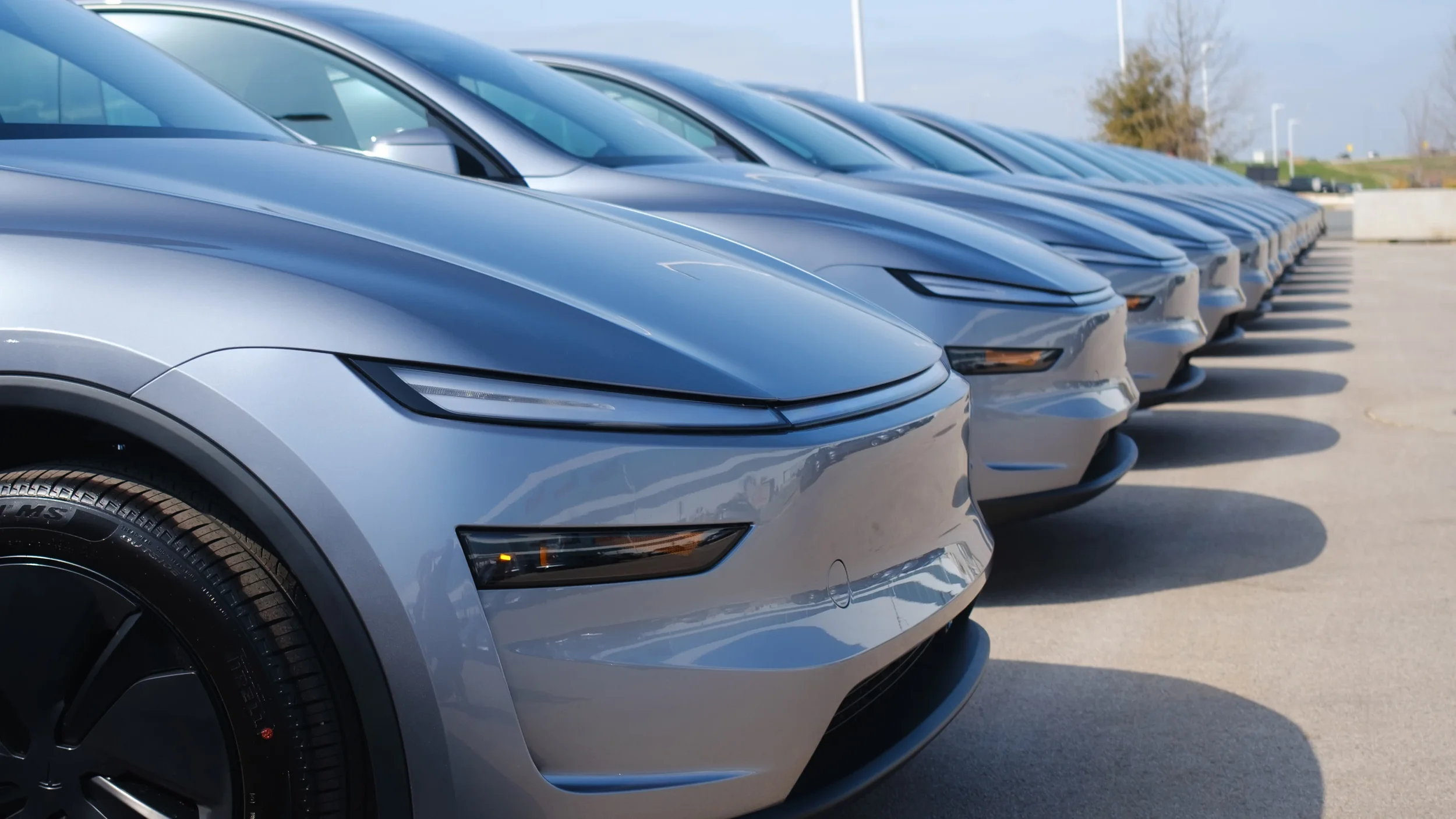
Robotaxis promise to cut transportation costs dramatically, opening doors to jobs, healthcare, and community growth in low-income areas long hampered by isolation.
Key Takeaways
Transportation acts as a major barrier in economically disadvantaged neighborhoods, limiting access to opportunities and contributing to stagnation.
At scale, robotaxis could reduce per-mile costs to around 30 cents, making rides up to 90% cheaper than current options like rideshares.
Lower costs would enable more travel for work, medical visits, and social activities, boosting local economies through increased foot traffic and investment.
Communities in food deserts or with poor public transit stand to gain the most, with affordable rides transforming daily errands into feasible routines.
While job displacement for drivers remains a challenge, competition among providers could drive even better pricing and services.
Overall, this shift expands mental horizons, fostering optimism and long-term societal benefits like reduced segregation and enhanced freedom.