
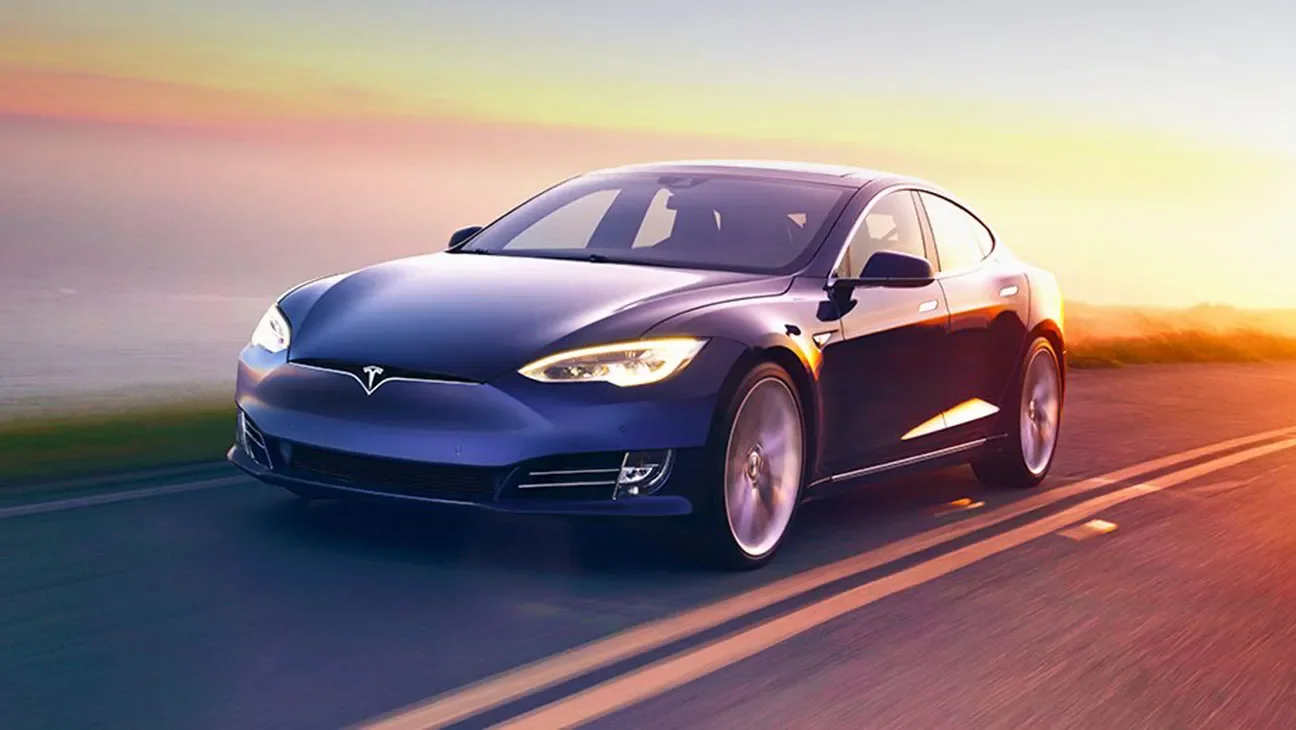
Full Self-Driving Revolution: Why Tesla Owns the Road Ahead
Reshaping Transportation Through AI Scale and Data Dominance
Autonomous vehicles are transforming mobility, slashing costs, boosting safety, and upending industries. Tesla's data-driven approach positions it to dominate, outpacing rivals and making human drivers obsolete in years.
Key Takeaways
Tesla's neural network learns from billions of real-world miles, enabling rapid improvements without predefined maps, unlike competitors reliant on detailed city-specific data.
Manufacturing scale gives Tesla a 200x edge over players like Waymo, allowing faster fleet growth and lower operational costs down to 30 cents per mile.
Robotaxi economics could generate massive margins, with rides cheaper than Uber, potentially eliminating the need for personal car ownership in urban areas.
Safety data shows autonomous systems far outperforming human drivers, pressuring regulators to approve widespread deployment to save lives.
Job displacement looms large, affecting millions in driving professions, signaling broader AI impacts on labor markets.

The Robot Driver Bet: Insurance Giants Stake Billions on AI Outdriving Humans
Why a 50% insurance slash for self-driving Teslas signals the end of human error on roads—and massive savings ahead
Autonomous driving tech has reached a tipping point where data shows machines handle roads far safer than people, leading to dramatic insurance cuts that could reshape transportation economics for everyone.
Key Takeaways
Insurance rates for Tesla owners drop 50% when the car drives itself, based on verified data showing AI reduces crash risks significantly.
Average US car insurance costs $2,300 yearly and keeps rising due to repair expenses and distractions, but AI could halve accidents and reverse that trend.
Machines eliminate common crash causes like fatigue, impairment, and poor judgment, reacting faster with full 360-degree awareness.
This partnership accesses real-time vehicle data for precise risk pricing, setting a model where software updates make cars safer—and cheaper to insure—over time.
Broader impact: Traditional insurers must adapt or lose customers, while Tesla gains a competitive edge no other automaker matches yet.
Long-term shift: Human-driven cars may face higher premiums as AI proves safer, potentially saving thousands of lives annually by cutting US road deaths in half.
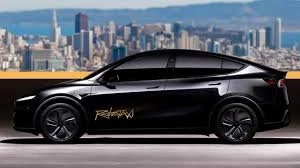
Tesla's Robotaxi Breakthrough: Unsupervised Rides Begin in Austin
The first truly driverless Tesla robotaxis are now carrying paying passengers in Austin, Texas—using standard Model Y vehicles with no human in the front seat. This milestone, combined with third-party insurance slashing rates by 50% on FSD miles, signals that Tesla's vision-based autonomy has reached a level of safety and capability that could reshape transportation economics worldwide.
Key Takeaways
Tesla has launched public robotaxi rides in Austin with fully unsupervised vehicles—no safety driver or monitor inside the car—starting with a small number mixed into the existing fleet.
The service uses unmodified Model Y vehicles equipped with the same camera-only hardware and AI software available in consumer Teslas.
A major insurer now offers roughly 50% lower per-mile rates for miles driven with Tesla's Full Self-Driving (FSD) engaged, based on real-world data showing sharply reduced accident risk.
Removing the human driver collapses operating costs to energy, maintenance, and repairs—potentially dropping per-mile expenses to 40-60 cents versus $2+ for human-driven rides.
Tesla's camera-based, data-driven approach—trained on billions of miles from its global fleet—enables scalability far beyond sensor-heavy competitors, with potential for rapid expansion to new cities and countries.
Future production of the purpose-built Cybercab, lacking steering wheel or pedals, could push Tesla's annual output beyond 5 million self-driving-capable vehicles.
Ford's $19.5 Billion EV Surrender: Legacy Auto's Road to Irrelevance
Why This Massive Write-Down Signals the Endgame for Traditional Carmakers in the Electric and Autonomous Era
Ford's recent $19.5 billion impairment on its electric vehicle operations exposes deep cracks in legacy automakers' strategies, while highlighting how companies built around EVs from the start are pulling ahead in profitability and future tech like autonomy.
Key Takeaways
Ford has lost $13 billion on EVs since 2023 and is now scrapping plans for larger electric models, including the F-150 Lightning, due to persistent unprofitability.
The pivot to hybrids and gas vehicles prioritizes short-term certainty over long-term innovation, leaving Ford without a viable path to full vehicle autonomy.
Legacy automakers' approach of retrofitting EV tech into gas-designed platforms fails economically, contrasting with vertically integrated EV-native companies that achieve strong margins.
Autonomy will reshape transportation economics, favoring EV fleets for Robotaxis over hybrids, which carry higher maintenance and complexity.
This decision foreshadows broader industry retreat, positioning Tesla and select others as dominant players in a market shifting toward transportation as a service.
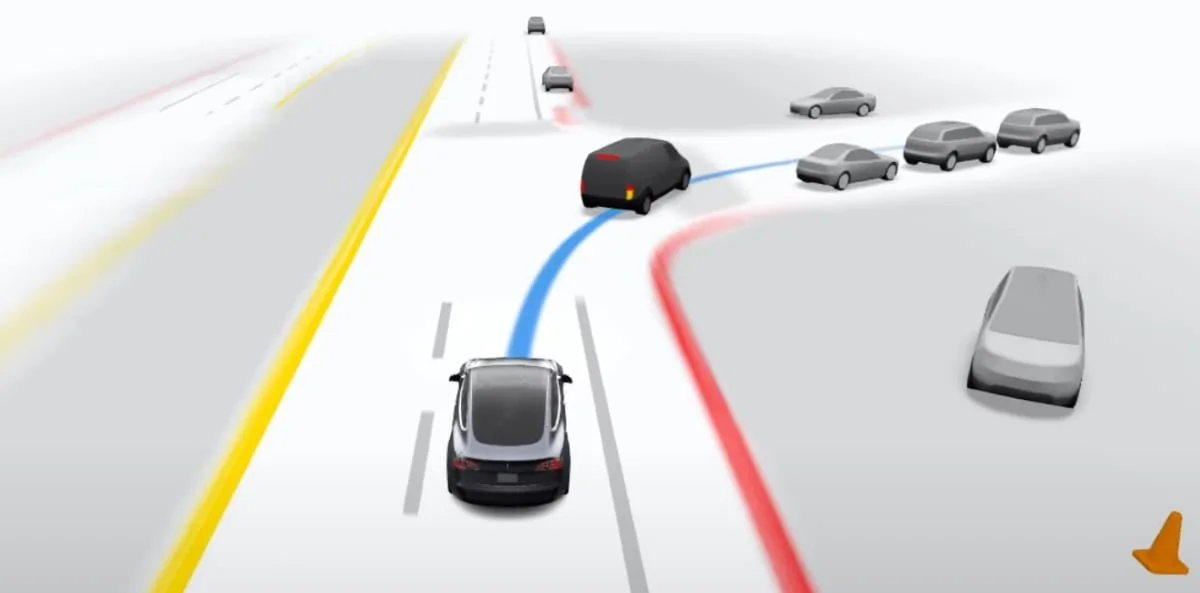
Tesla's Self-Driving Leap: Conquering Roads Worldwide
Why FSD's Rapid Progress Signals a Transportation Overhaul
Tesla's Full Self-Driving software has reached a stage where it handles 99% of miles autonomously in diverse conditions, from snowy terrains to narrow European streets. This breakthrough points to a future where robotaxis scale globally, potentially transforming economies through safer, cheaper mobility—yet regulatory hurdles could force creative solutions like adding steering wheels to cyber cabs.
Key Takeaways
Tesla's FSD software now operates reliably in challenging environments like snow and European roads, demonstrating its adaptability beyond U.S. cities.
Global rollout of the Tesla app opens doors for wider adoption, signaling preparations for robotaxi services in countries outside the U.S.
Regulatory landscapes vary worldwide, with potential for nations like Indonesia or the UAE to approve robotaxis faster than fragmented U.S. states, accelerating Tesla's expansion.
Waymo's geofenced approach limits scalability to thousands of vehicles annually, while Tesla's vision-based system aims for millions, creating a competitive edge.
Outdated mapping remains a minor issue, but upcoming updates will incorporate more human-like logic to override such limitations.
Self-driving tech promises massive safety gains and cost reductions in transportation, outweighing concerns around privacy and control.
If global approvals align with production capacity, Tesla could deploy millions of cyber cabs, leading to trillions in market value through profitable robotaxi networks.
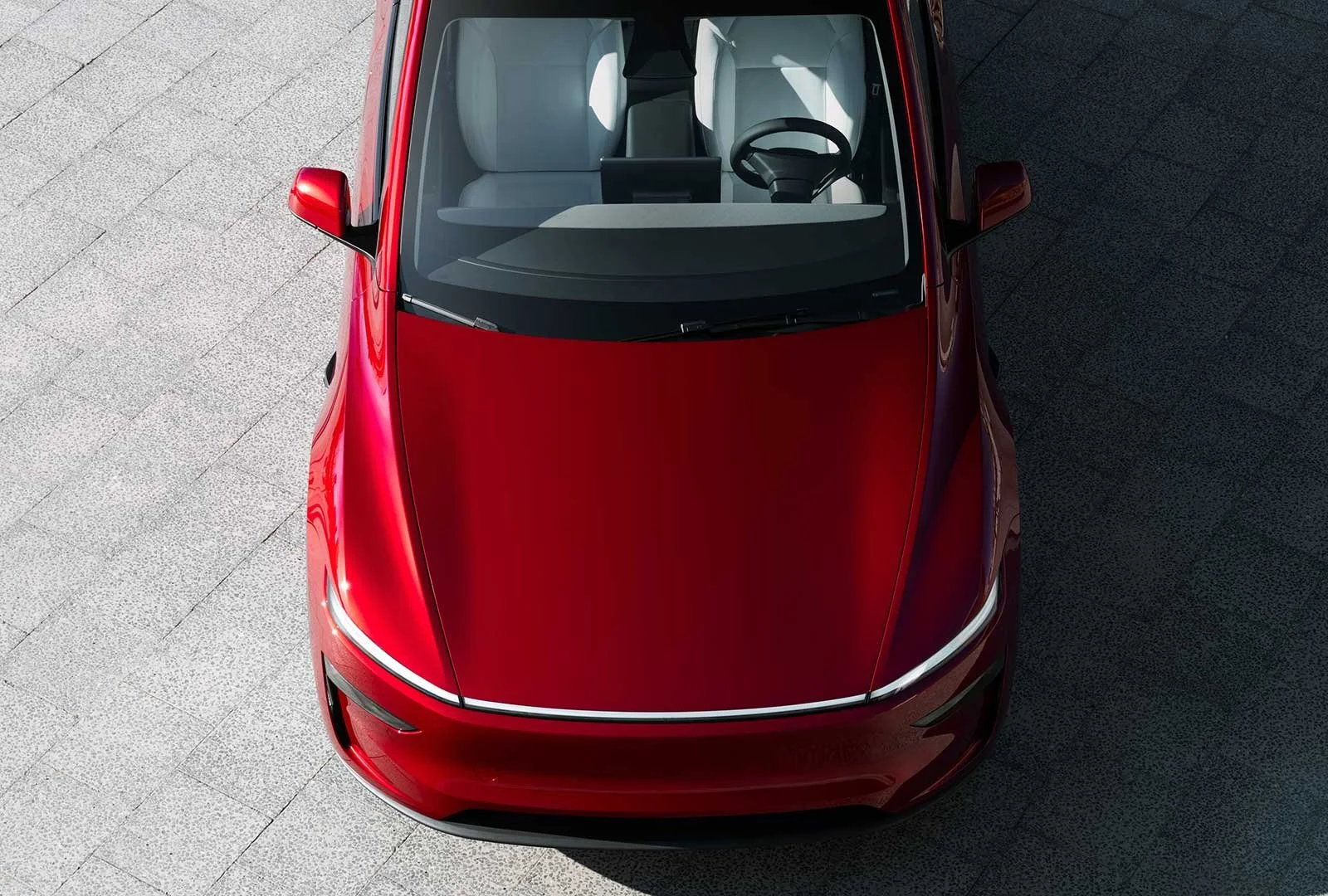
Tesla’s Autonomous Revolution: The Dawn of Robotaxis and Beyond
Why Tesla’s FSD v14 Could Redefine Transportation Forever
Tesla’s latest advancements in autonomous driving technology are poised to reshape the automotive and transportation industries. With Full Self-Driving (FSD) version 14, the company appears to have cracked the code on unsupervised self-driving, a milestone that could transform millions of vehicles into autonomous assets. This breakthrough isn’t just about cars—it’s about a seismic shift in how people move, how cities function, and how businesses compete in a rapidly evolving market.
Key Takeaways
Unsupervised FSD Breakthrough: Tesla’s FSD v14 demonstrates near-human or superhuman driving capabilities, enabling vehicles to navigate complex scenarios without driver intervention.
Massive Fleet Potential: With 3–4 million Tesla vehicles worldwide potentially upgradable to unsupervised FSD, the company could deploy a vast robotaxi network.
Cost and Scale Advantage: Tesla’s ability to produce affordable vehicles (around $30,000) with advanced AI gives it a significant edge over competitors like Waymo.
Market Disruption: The expansion of Tesla’s robotaxi network could challenge ride-hailing giants like Uber by offering lower-cost, driverless services.
Regulatory and Data Hurdles: While the technology is advanced, Tesla must accumulate extensive data and secure regulatory approval to scale unsupervised driving.