

Farzad Q&A - 10/14/25
Join Farzad and his community for an open, unscripted Q&A about technology, investing, business, and the future of innovation. In every session, Farzad answers community questions, breaks down complex topics with clarity, and shares practical insights on building, scaling, and thinking long-term in tech.
Tesla's FSD V14: The Dawn of Unsupervised Robotaxis
Get ready for a seismic shift in transportation! Tesla’s Full Self-Driving (FSD) version 14 marks a pivotal moment, potentially enabling unsupervised autonomous driving for millions of vehicles. This episode dives into how Tesla’s advancements in AI and affordability could redefine the auto industry and challenge competitors like Waymo and Uber.
Key Takeaways
Tesla’s FSD V14 achieves near-human reaction times, paving the way for unsupervised driving.
Over 3 million Tesla vehicles could receive software updates for hands-free operation.
Tesla’s $30,000 vehicles outperform costly competitors, leveraging AI and vast data.
Robotaxi trials in Austin signal Tesla’s scalable, cost-effective autonomous network.
Competitors like Waymo and Uber face challenges due to Tesla’s data-driven approach.
Tesla’s journey from a niche automaker to a mass-market disruptor has reached a new peak with FSD V14. This software update brings Tesla closer to unsupervised self-driving, where drivers can ride without monitoring the vehicle. Unlike competitors, Tesla’s approach relies on a neural network trained by millions of vehicles, capturing real-world scenarios like drive-thru interactions. This data advantage allows Tesla to refine its AI rapidly, achieving superhuman perception and reaction times. With production capacity for 2 million vehicles annually, Tesla can deploy robotaxis at scale, potentially flooding markets like Austin with affordable autonomous cars. This threatens traditional ride-sharing models, as Tesla’s low-cost vehicles could offer cheaper fares without human drivers. While regulatory hurdles and final safety validations remain, Tesla’s path to widespread autonomy seems inevitable, positioning it to dominate the future of transportation.

Tesla FSD v14: Game-Changing Autonomy Insights
FSD v14 marks a leap in Tesla's autonomy, delivering end-to-end driving with human-like decision-making that outpaces prior versions in perception and response.
Key Takeaways
Enhanced beginning and end-of-drive capabilities allow seamless backing out from tight spaces and parking in varied spots.
Rapid reaction times to environmental changes, like ambulances or pedestrians, improve safety but introduce brief brake taps for caution.
Emergent behaviors emerge, such as navigating drive-thrus by detecting transactions via cameras, without specific training.
Hesitancy in lane changes and speed profile adjustments signal a shift toward more conservative, context-aware driving.
Path to SAE Level 3 autonomy appears close, with new alerts for increased attention paving the way for relaxed supervision on highways.
This update transforms Tesla vehicles into more sentient systems, excelling in unprotected turns, obstacle avoidance, and low-speed maneuvers. While smoothness issues like abrupt braking persist, the core advancements in neural network processing enable quicker adaptations to dynamic scenarios, from railroad crossings to construction zones. Hardware 4 models benefit from front cameras for precision, yet hardware 3 compatibility remains a focus for broader rollout. Overall, v14 edges closer to robotaxi viability, prioritizing safety over aggressive actions, with future iterations likely refining speed limits and parking logic for polished performance.
Tesla FSD v14: AI-Driven Autonomy Unleashed
Tesla's FSD v14 isn't just an update—it's a leap where vehicles process surroundings like never before, handling nuanced real-world scenarios with eerie precision. From pausing mid-conversation at a drive-thru to edging aside for a firetruck in gridlock, these aren't scripted moves; they're AI inferring context from millions of driving hours.
Key Takeaways
FSD v14 uses microphones and cameras to detect audio cues, like order completion phrases, without hardcoded rules—pure emergent AI behavior.
In parking garages, the system recognizes temporary barriers (e.g., ticket arms) and waits for human actions, trained on fleet-wide patterns.
Emergency response shines: vehicles pull over for sirens and lights, timing blinkers ahead of passing cop cars or ambulances, even in dense traffic.
Tesla's edge over rivals like Waymo? End-to-end AI on 7M+ vehicles collects data at scale, enabling generalization vs. sensor-heavy, code-dependent approaches.
Future implications: Robotaxis could slash ride costs to $0.40–$0.50/mile, disrupting labor markets as fares drop 75% below Uber equivalents.
Diving deeper, FSD v14 exemplifies end-to-end neural networks fed by Tesla's massive dataset—over 7 million cars logging diverse interactions daily. This lets the AI generalize: spotting a drive-thru window via side cameras, it holds position until a transaction wraps (card handed back, bag received), blending visual and auditory inputs seamlessly. No explicit programming for "wait for 'thank you'"—just patterns from real drives. Similarly, in urban chaos, it nudges right to clear paths for stalled firetrucks, then merges back once safe, anticipating lane flow. Compared to Waymo's 1,500-unit fleet relying on lidar and heuristics, Tesla's vision-only stack scales exponentially, pushing updates to 2M new vehicles yearly. Early quirks like hesitant braking around pedestrians are ironing out, paving for unsupervised autonomy. This tech's ripple: affordable robotaxis in Austin already undercut Uber by 80%, fueling debates on AI's labor shakeup—from Sanders' warnings to Musk's nods. It's physical AI at warp speed, turning everyday drives into proof of concept.
Tesla's Affordable EVs & Bold Autonomy Bet
Tesla’s latest move to launch more affordable Model 3 and Model Y vehicles, coupled with a heavy focus on full self-driving (FSD) technology, signals a pivotal shift in their strategy. This episode dives into the implications of these changes and why Tesla is betting big on autonomy to drive growth, potentially reshaping the EV market.
Key Takeaways
Tesla unveiled Model 3 ($37K) and Model Y ($39K), undercutting the U.S. average car price of $50K.
Loss of the $7,500 EV tax credit offsets affordability, keeping prices near previous levels.
Tesla’s current lineup can’t hit their 3M-unit goal; FSD and cybercab are critical for growth.
Cybercab, a driverless two-seater, aims for 2–3M units annually but faces regulatory hurdles.
FSD v14 shows promise, navigating drive-thrus and parking autonomously.
Tesla’s new Model 3 and Model Y aim to capture the mass market with prices significantly below the U.S. average for new vehicles. However, the expiration of the $7,500 EV tax credit means these cars are only marginally cheaper than prior models with incentives. The Model 3, starting at $37,000, offers strong value with solid range and performance, while the $39,000 Model Y sacrifices more features, nudging buyers toward premium trims. Tesla’s current production capacity supports 3 million units annually, but existing models like the Cybertruck, S, X, and upcoming Roadster won’t push volume beyond 2–2.2 million units. The cybercab, a fully autonomous two-seater, is Tesla’s answer, designed for high-volume production but limited by regulations allowing driverless operation only in Texas and Arizona. Tesla’s banking on FSD v14’s advancements, like navigating drive-thrus and parking lots, to make their vehicles the go-to choice over competitors like Toyota or Honda, offering lower maintenance and no gas costs. A potential “all-in” ownership model—covering leasing, charging, insurance, and FSD for a flat monthly fee—could further boost appeal. By 2026, Tesla’s direction will clarify, with autonomy and cybercab poised to disrupt markets like Uber, offering rides at under 40 cents per mile. Regulatory speed and Tesla’s ability to scale driverless tech will decide their success.
Tesla's Affordable EV Revolution Unveiled
Tesla just redefined entry-level EVs with two new models under $30K, delivering 300+ mile ranges and Autopilot basics—perfect for accelerating global electrification without premium costs.
Key Takeaways
Model Y Compact starts at $25,000 with 320-mile range and rapid charging for urban commuters.
Model 3 Lite priced at $28,000, featuring advanced battery tech for 350 miles and semi-autonomous driving.
Both integrate Tesla's latest software for over-the-air updates, cutting ownership costs by 40%.
Production ramps up in 2026, targeting 500K units annually to challenge legacy automakers.
Sustainability focus: recycled materials and zero-emission drivetrains slash carbon footprints.
Diving deeper, these releases stem from Tesla's push to democratize EVs amid rising demand for affordable green transport. The Compact variant emphasizes efficiency with a streamlined design and LFP batteries for longevity, ideal for city dwellers facing range anxiety. Meanwhile, the Lite builds on the iconic Model 3 platform, adding ventilated seats, premium audio, and enhanced safety suites like automatic emergency braking. Backed by gigafactory expansions, this duo promises quicker delivery times and ecosystem perks like Supercharger access, positioning Tesla to capture 20% more market share in emerging economies. For tech-savvy drivers, it's a gateway to seamless connectivity via the Tesla app, from preconditioning to energy monitoring—all without compromising on thrill or reliability.
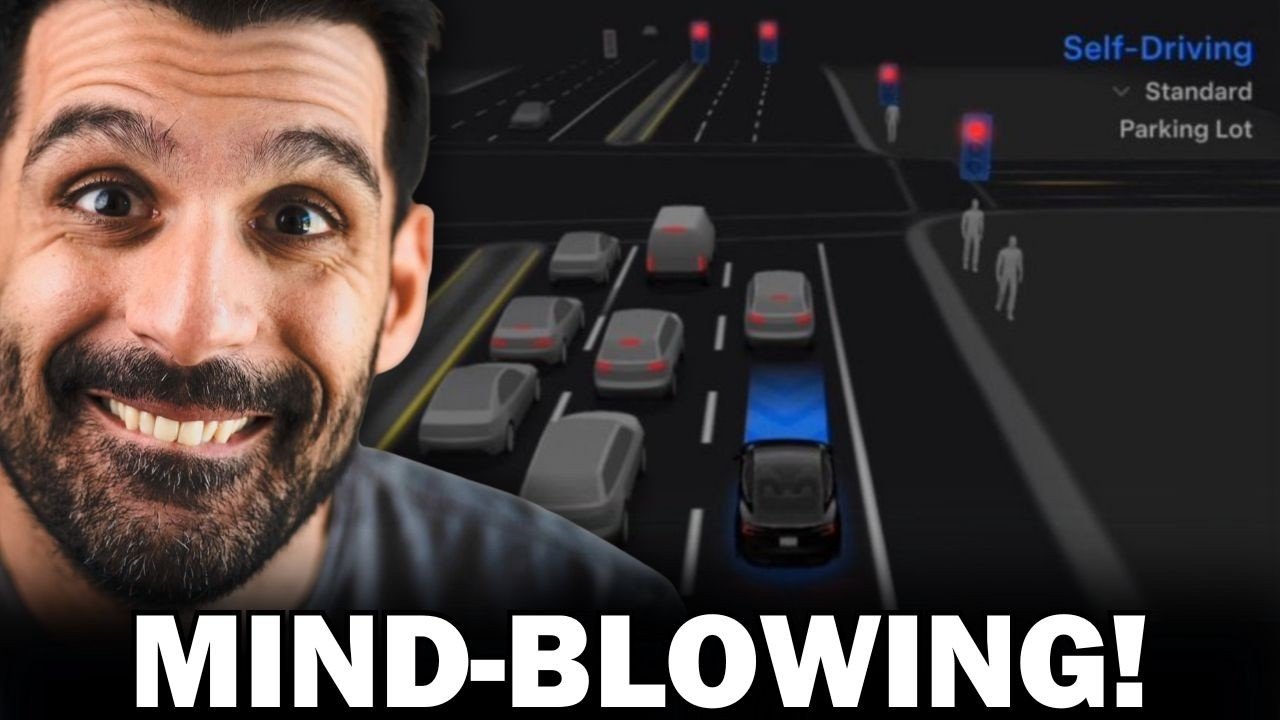
Tesla FSD v14: Sentient Self-Driving Breakthrough
Tesla's FSD v14 transforms everyday drives into seamless experiences, with AI-driven decisions that mimic human intuition—cutting interventions and boosting confidence on roads.
Key Takeaways
Enhanced arrival options let drivers choose precise parking spots like driveways or curbside, executing maneuvers with pinpoint accuracy.
New driving profiles—Sloth for ultra-conservative pacing, up to Hurry—tailor speed and lane changes for personalized control.
Hands-free mode activates in supervised settings, while alerts in tricky spots like construction zones signal evolving trust in the system.
Parking garages and tight gates now handle flawlessly, pulling tickets and slotting between lines without hesitation.
Robotaxi testing in Austin and Bay Area gathers real-world data, paving the way for unsupervised FSD by early 2026, potentially at a premium subscription.
This update marks a leap in Tesla's neural net evolution, building on v13's foundation with broader rollout to everyday owners. Users report zero interventions over hours of mixed urban drives, though minor hitches like brief low-speed braking persist—issues Tesla's rapid follow-ups are poised to polish. The AI core excels at reading nuanced environments, from dodging glare to threading narrow paths, outpacing rigid competitors. Paired with upcoming affordable models, v14 positions Tesla's fleet for robotaxi revenue streams, where vehicles earn passively via network miles. Underpinning this is the same vision tech fueling Optimus robots, hinting at unified AI across mobility and labor—deployable yet, but accelerating toward ubiquity.
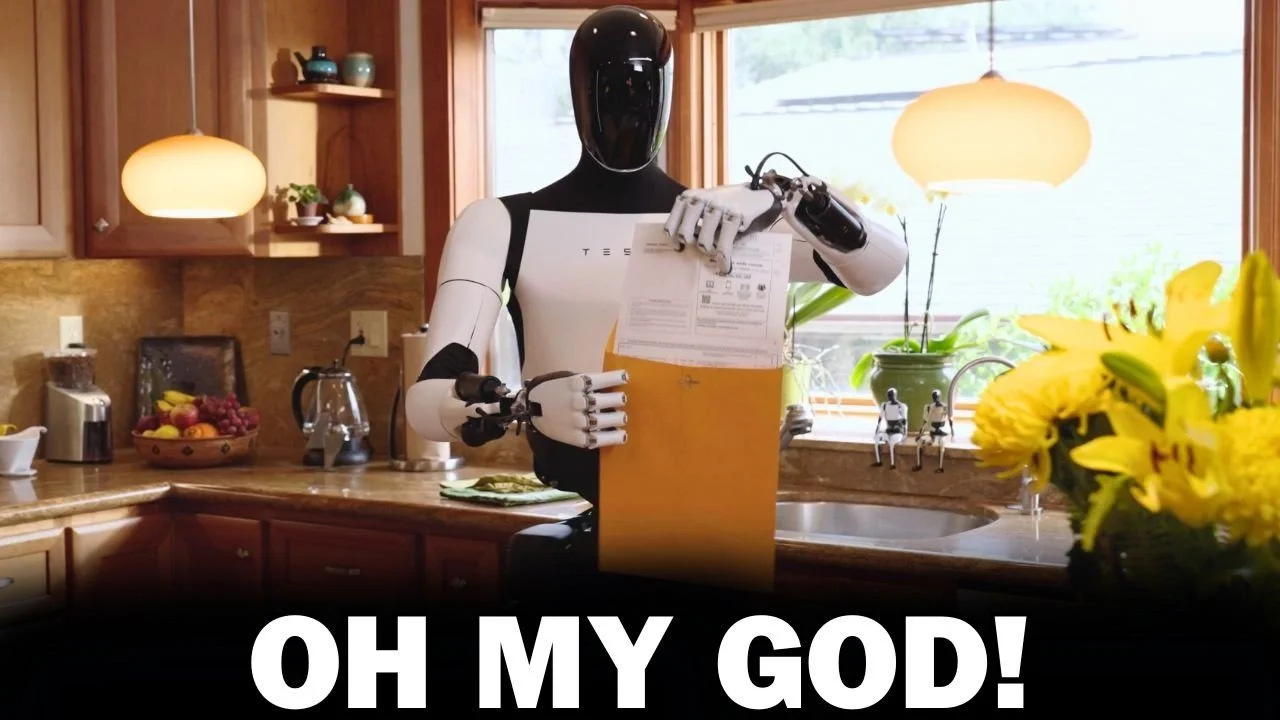
Tesla's Optimus Bot: Revolutionizing Labor and AI
Tesla’s latest showcase of the Optimus robot highlights its potential to redefine physical labor and artificial intelligence, aligning with the company’s ambitious vision for growth. This episode dives into the robot’s advanced capabilities and its connection to Elon Musk’s massive compensation package, offering tech enthusiasts a glimpse into a transformative future.
Key Takeaways
Tesla’s Optimus robot demonstrates nuanced tasks like scrolling an iPad and pulling paper from an envelope.
The robot’s next-generation hand design enhances its ability to manipulate objects, critical for real-world tasks.
Targeting a $40 trillion global labor market, Optimus could disrupt industries with a $3/hour cost compared to human labor.
The robot’s development ties to Elon Musk’s compensation plan, aiming for an $8.5 trillion market cap.
Tesla’s broader AI and autonomy push includes self-driving cars and a new affordable vehicle reveal.
The video emphasizes Tesla’s strategic pivot toward humanoid robotics, with Optimus performing tasks like handling tools and scrolling devices, showcasing tactile feedback and precision. The robot’s next-generation hand, designed for real-world manipulation, marks a leap toward practical applications in warehouses and factories. By targeting repetitive tasks, Optimus could lower costs to $3/hour compared to human wages of $12–$30/hour, opening new markets while disrupting traditional labor. This aligns with Tesla’s broader AI and autonomy goals, including self-driving cars and energy solutions, all tied to Musk’s compensation package, which hinges on achieving an $8.5 trillion market cap. The episode also previews Tesla’s upcoming affordable vehicle, set to launch at around $35,000, reinforcing the company’s multifaceted growth strategy.
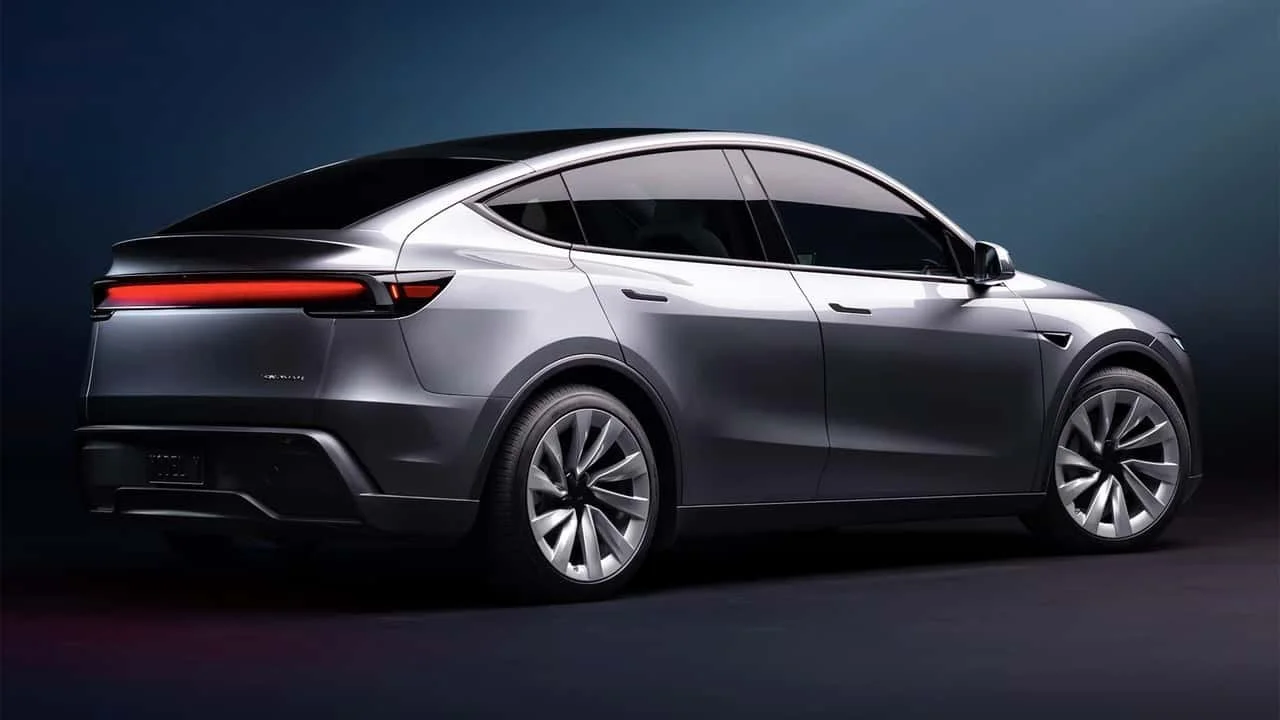
Tesla's Affordable EV Teaser Drops
Tesla's fresh teaser ignites buzz for an entry-level electric vehicle primed to shake up affordability in a post-tax-credit landscape—think razor-sharp headlights and a minimalist wheel design screaming everyday accessibility.
Key Takeaways
Teaser features angular front lights matching leaked factory prototypes from East Austin, signaling a compact hatchback profile.
Community polls lean toward a $30K–$34K price tag, positioning it below the current $42K Model 3 baseline.
Unveil slated for October 7th, aligning with Tesla's push for mass-market EVs as incentives fade.
Wheel element likely a cost-optimized aero cover, not exotic tech like drones or HVAC.
Design echoes efficiency over flash, potentially sharing components with future models for scale.
Diving deeper, the teaser overlays perfectly on earlier leaks: those piercing LED headlights frame a low-slung body optimized for urban range and quick charging. At a projected 300+ mile range, it targets commuters ditching gas guzzlers without premium pain. Tesla's timing couldn't be sharper—EV adoption hinges on sub-$35K options to capture the next wave of buyers. Expect software smarts like adaptive cruise and over-the-air upgrades baked in from day one, blending affordability with the brand's autonomous edge. This isn't just volume play; it's Tesla doubling down on democratizing drive tech for the 2025 surge.
Private Market Investing: AI & Tech Revolution Opportunities
The tech landscape is undergoing a seismic shift, driven by AI, robotics, and healthcare breakthroughs. In this episode, we dive into the world of private market investing with seasoned investors Larry and Bradford. They share insights on spotting high-potential startups, navigating risks, and capitalizing on the next industrial revolution, offering a roadmap for tech enthusiasts eager to invest in humanity’s future.
Key Takeaways
Private markets offer unique opportunities absent from public exchanges, especially in AI and adjacent technologies.
Successful private investments hinge on product-market fit, strong founders, and sufficient funding.
Companies aligned with transformative missions, like those of Elon Musk, hold significant growth potential.
Risks are high, but careful selection can yield exponential returns compared to public markets.
LumaSenti focuses on curated, mission-driven investments, allowing investors to choose individual opportunities.
The episode unpacks the transformative potential of private market investments in an era defined by technological leaps. Larry and Bradford, experienced investors, highlight why private companies—not public ones—are at the forefront of innovation in fields like AI, robotics, and medical devices. They emphasize the importance of identifying startups with proven product-market fit, visionary founders with grit, and secure funding to scale. Unlike venture capital funds, their platform, LumaSenti, offers investors the flexibility to select individual companies, aligning with a mission to advance human consciousness and societal good. The discussion draws parallels to historical industrial revolutions, underscoring the exponential growth potential of today’s tech-driven economy. While acknowledging the risks—many startups fail—they stress that meticulous due diligence can unlock returns far surpassing public market investments. Examples include medical device companies addressing unmet needs and space ventures leveraging cost reductions from innovations like Starship. For accredited investors, this episode offers a compelling case for exploring private markets to shape and profit from the future.
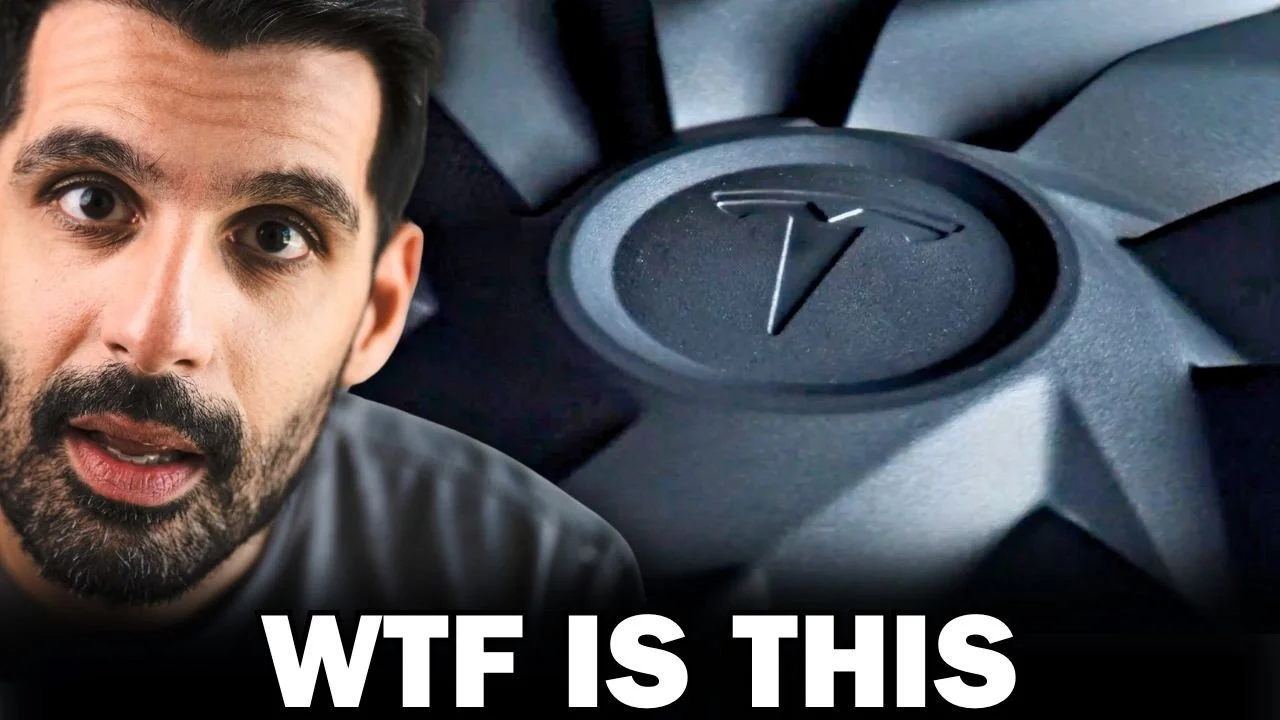
Tesla Teases Mysterious Tech Innovation
Tesla's innovation engine is firing on all cylinders, blending automotive feats with energy and AI advances that could redefine efficiency and performance for everyday users.
Key Takeaways
A mysterious oscillating device, possibly a suction mechanism for the next-gen Roadster, promises extreme downforce for track-level handling in a consumer car.
Tesla's expanding energy ecosystem includes leasing options for solar panels and Powerwall batteries, potentially slashing utility bills in high-cost or remote areas over time.
Optimus bot demonstrates AI-driven motion learning from video, enabling fluid actions like martial arts without manual coding—paving the way for scalable humanoid tech.
Affordable EV models around $35K are on the horizon, alongside rumors of a Cybertruck-inspired van, fueling Tesla's push into broader markets.
Elon Musk's $56B comp package vote on November 8 could unlock massive value, signaling renewed focus on core tech amid recent distractions.
Diving deeper, the spotlight falls on a leaked video of a blade-like component exhibiting subtle vibrations, sparking speculation on its role in Tesla's upcoming lineup. It might anchor the Roadster's rumored ground-effect suction system, drawing from race-car tech to generate downforce that stabilizes high-speed corners without traditional aerodynamics. Alternatively, the design echoes drone propulsion elements, hinting at Tesla venturing into aerial autonomy, or even a compact fan for next-gen HVAC units optimized for energy storage integration—leveraging Tesla's battery expertise to cut household power draw by up to 30% in solar setups.
This ties into broader energy plays, where new U.S. leasing deals for solar roofs and Powerwalls let users offset costs against grid rates, with buyout options boosting home values. For tech-savvy setups, this means seamless scaling from vehicle charging to whole-home autonomy, especially in off-grid scenarios.
On the AI front, recent Optimus footage showcases end-to-end neural nets mimicking complex sequences, like choreographed combat, by analyzing real-world footage—bypassing brittle scripting for adaptive learning that accelerates deployment in factories or homes.
Layered atop this are production teases for sub-$40K EVs and van variants, aligning with an October 7 unveiling that could cascade into refreshed investor confidence ahead of the comp vote. Tesla's resurgence captures that original spark: boundary-pushing hardware fused with software smarts, positioning it as the nexus for electric mobility, smart homes, and robotic labor.
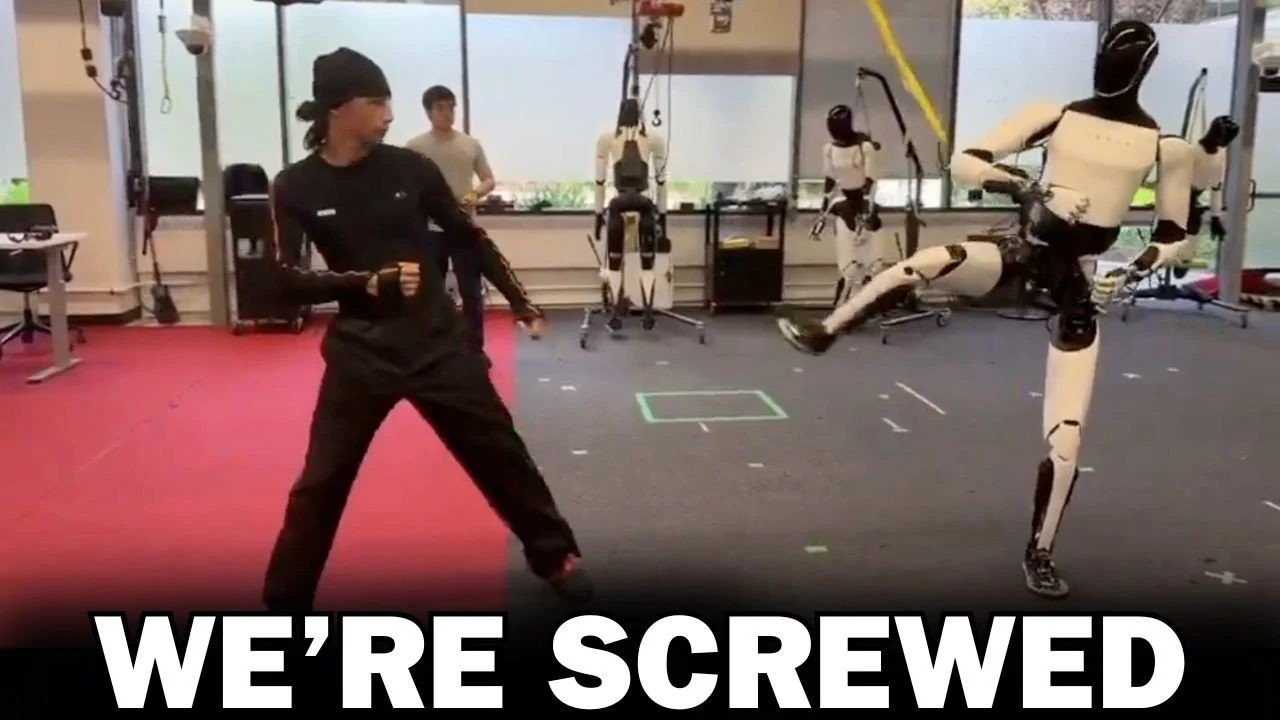
Tesla’s New Robot Unveiled: Game-Changing Tech
Get ready to dive into Tesla’s groundbreaking robotics innovation that’s turning heads worldwide. This episode unveils the latest advancements in Tesla’s robot technology, highlighting its potential to transform industries with cutting-edge AI and automation.
Key Takeaways
Tesla’s new robot leverages advanced AI for enhanced autonomy.
Designed for tasks in manufacturing, logistics, and more.
Features improved dexterity and human-robot collaboration.
Signals Tesla’s push into scalable robotic solutions.
Could disrupt industries with cost-efficient automation.
Tesla’s latest robot represents a leap forward in robotics, integrating sophisticated AI to perform complex tasks with precision. From factory floors to potential home applications, this technology showcases improved movement, decision-making, and adaptability. The episode explores how Tesla’s vision for robotics aligns with its mission to accelerate human progress, offering a glimpse into a future where robots work seamlessly alongside humans.
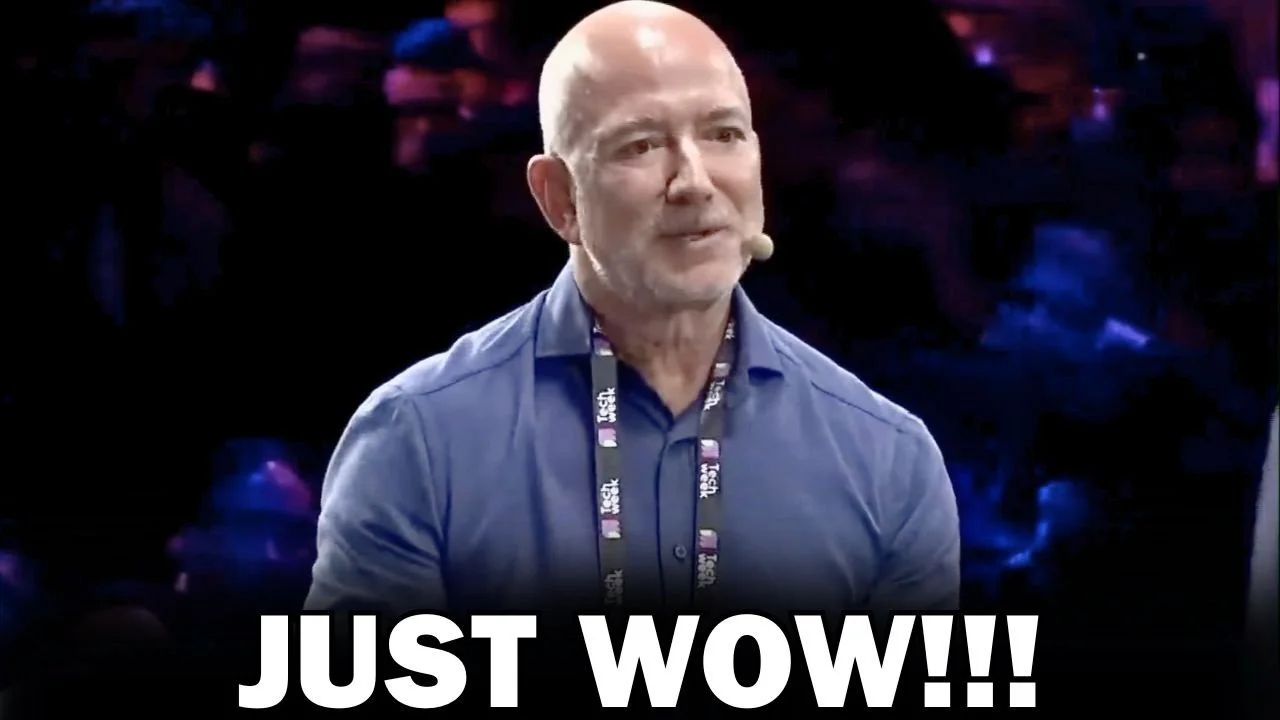
Jeff Bezos on AI, Space, and Customer-Centric Innovation
Dive into a compelling discussion with Jeff Bezos as he shares visionary predictions on AI’s universal impact, the future of space exploration, and the power of customer-centric strategies. From Amazon’s growth to Blue Origin’s lunar ambitions, this episode unveils actionable insights for entrepreneurs and tech enthusiasts navigating a rapidly changing world.
Key Takeaways
AI will revolutionize every industry, boosting quality and productivity.
Space exploration is entering a golden age, with lunar bases and data centers in orbit.
Customer needs change slowly, providing a stable foundation for business strategies.
Harmonizing exploration and execution drives innovation without trade-offs.
Industrial bubbles, like AI, yield societal benefits despite market volatility.
This video delves into Jeff Bezos’ philosophy on innovation, emphasizing the importance of focusing on unchanging customer needs, such as fast delivery and reliability, to build durable strategies. He highlights AI as a transformative force, not just for tech startups but for every sector, from manufacturing to hospitality, predicting it will enhance productivity and quality globally. Bezos also envisions a future where space becomes a hub for data centers and lunar resource utilization, with Blue Origin’s upcoming missions, like the New Glenn launch and a hydrogen-powered lunar lander, paving the way. He advocates for “work-life harmony” over balance, stressing that exploration and execution fuel each other. Reflecting on past bubbles, like the internet in 2000, he notes that while valuations may fluctuate, industrial advancements endure, benefiting society. For entrepreneurs, Bezos advises blending data-driven decisions with intuition and prioritizing ideas to align with organizational capacity, ensuring sustainable innovation.

How Money is Reshaping College Football's Future
The influx of money into college football through Name, Image, and Likeness (NIL) deals and revenue sharing has fundamentally altered the sport. This episode explores the profound effects of this financial revolution, from the pressures on young athletes to the changing dynamics of coaching and team management. We uncover how millions in earnings impact performance, expectations, and the mental fortitude of players, while also examining the broader implications for programs like Penn State.
Key Takeaways
NIL deals have introduced significant financial rewards, with top players earning millions, but this comes with intense psychological pressure.
Front-loaded payments before the season can lead to complacency, affecting on-field performance.
Coaches now face complex roles, balancing financial management, player expectations, and donor pressures alongside traditional coaching duties.
The NCAA’s lack of authority has created a chaotic environment, with players and programs navigating uncharted financial waters.
Financial illiteracy among young athletes, coupled with poor representation, risks long-term consequences like tax issues or mismanaged wealth.
The episode delves into the seismic shift in college football driven by NIL and revenue sharing. Young athletes, some as young as 17, are now earning millions, with examples like a star quarterback reportedly making over $3 million annually from a single school. This financial windfall introduces distractions, from social media scrutiny to family pressures, that challenge players’ focus and mental resilience. The discussion highlights how front-loaded payments—where players receive large sums before the season—can foster complacency, reducing the drive to excel. Coaches, meanwhile, must navigate a new landscape where personnel decisions are complicated by financial investments in players, making it harder to bench underperforming stars who command high salaries. The NCAA’s diminished authority has led to a free-for-all, with programs finding workarounds to caps on payments, such as through external donors and NIL collectives. This chaos extends to administrative challenges, like delays in deal approvals, adding distractions for players already juggling academics and athletics. The episode also touches on the long-term outlook, predicting significant changes in coaching roles, player development, and program sustainability as college football becomes more like a professional league.
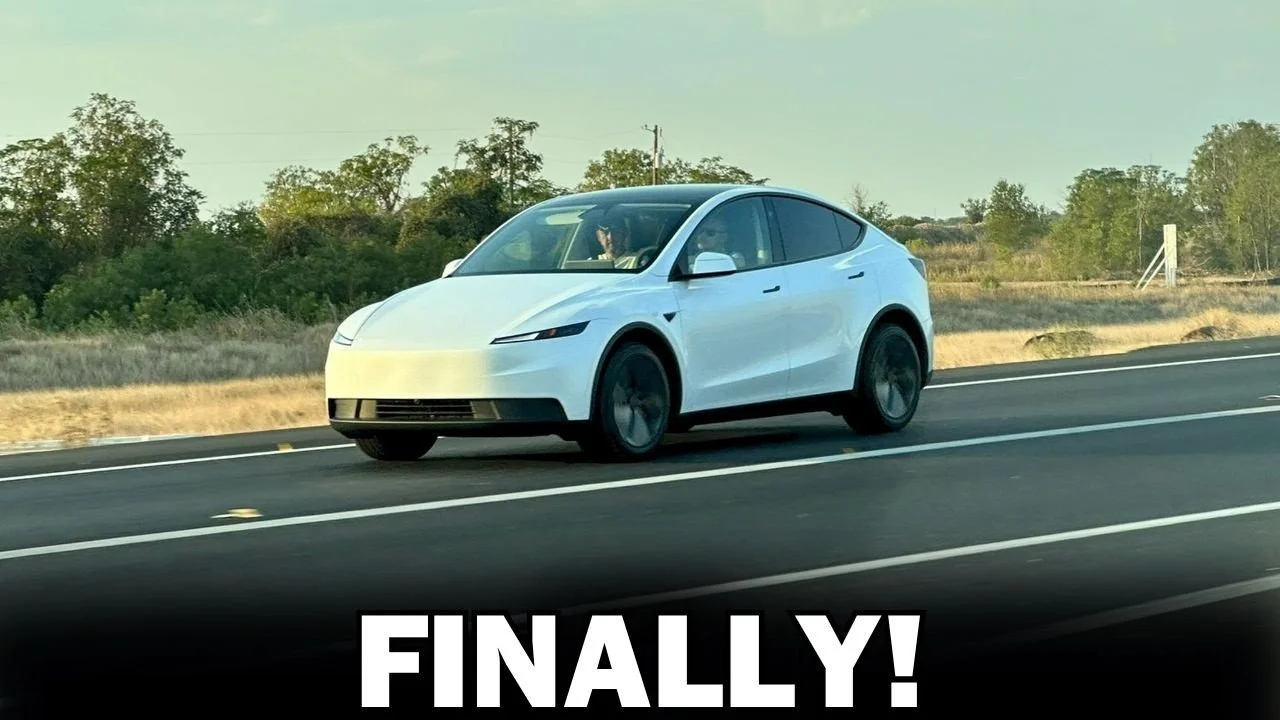
Tesla's Affordable Model Y Leaks
Leaked photos reveal Tesla's budget-friendly Model Y redesign, stripping premium features to hit aggressive price targets while fueling data collection for autonomy—essential viewing for EV buyers eyeing sub-$40K options.
Key Takeaways
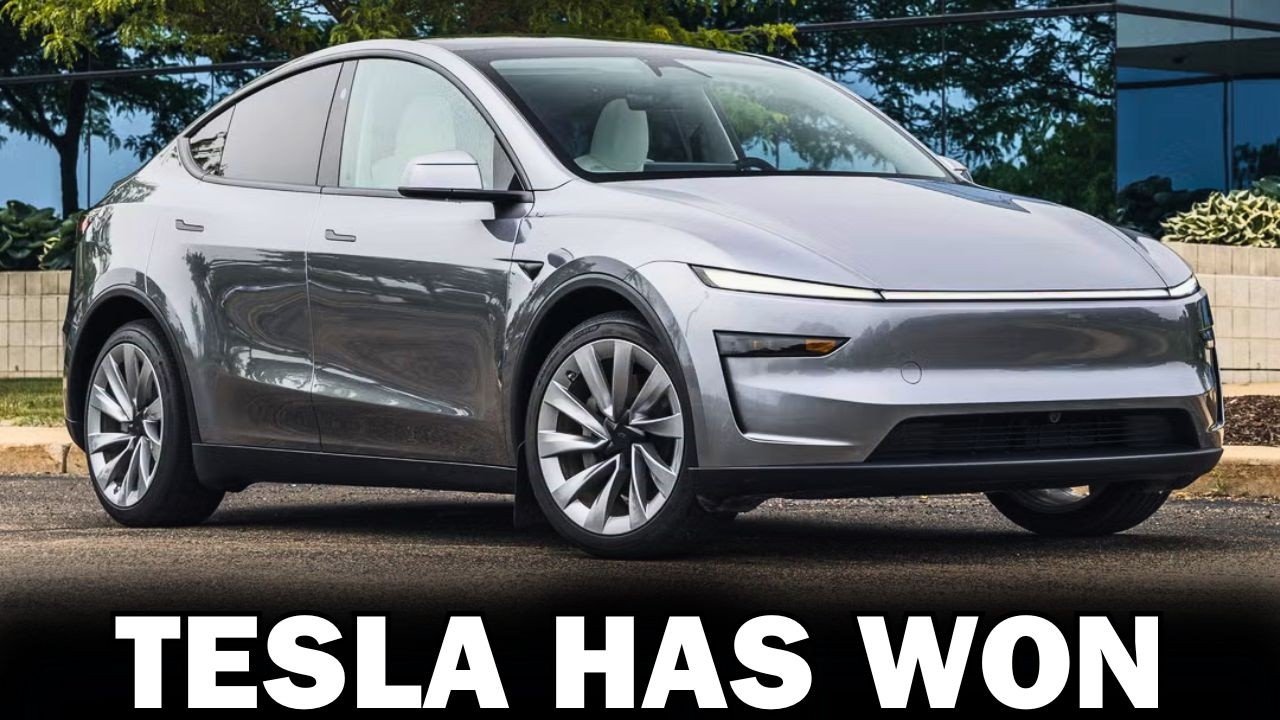
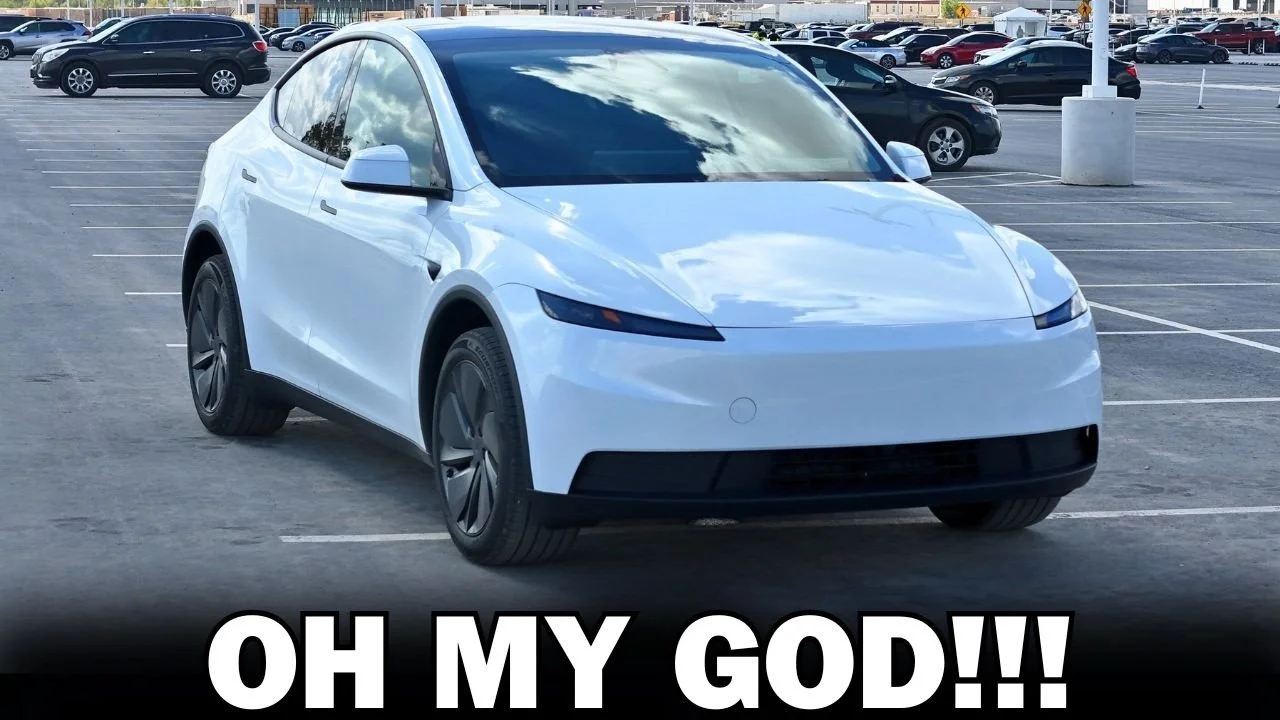
Leaked shots show a simplified front fascia without the light bar, integrated blinkers, and a flatter grille for cost reduction.
Rear design omits the reflector plate and light bar, with altered brake light and trunk lip details.
Potential solid roof replaces glass to cut manufacturing expenses on handling and materials.
Expected pricing: $30K–$38K base, via smaller battery (250–300 miles range), RWD-only, downgraded interiors, and slower motors.
Ties into Tesla's autonomy push: Sell hardware at cost, profit via $200–$300/month FSD subscriptions for unsupervised driving.
Broader lineup teases include a Cybertruck-based three-row SUV and $25K Cybercab for robotaxi fleets.
This video breaks down fresh spy shots of Tesla's entry-level Model Y prototype, captured on Texas highways and shared widely online. The design echoes the familiar Y silhouette but dials back luxuries: headlights merge blinkers into a single unit, erasing the current model's lower accents and aggressive lower lip for a sleeker, shorter-nosed profile. A front grille camera nods to next-gen FSD hardware, while the rear swaps out chrome accents and the full-width light bar for a cleaner diffuser integration. Side profiles hint at thicker tires on simpler wheels, and the roof's opaque panel suggests ditching panoramic glass—a smart move to slash costs amid U.S. tax credit losses.
Tesla's factory ramp-up demands volume: First builds hit in June 2025, with mass production slated for H2. To compete without subsidies, expect trade-offs like reduced range, vegan cloth over premium synthetics, and no AWD at launch—mirroring China's stretched Model Y but in reverse for material savings. At $35K, it revives Model 3 pricing parity; drop to $30K, and it becomes a loss-leader for FSD upsells. This feeds Tesla's data hunger for robotaxis already testing in Austin and California, where unsupervised autonomy turns vehicles into revenue streams. Glimpses of teased CyberSUV (three-row utility beast) and Cybercab (pedal-free two-seater) round out a roadmap prioritizing miles over margins.
Tesla Q3 2025: Record Deliveries & Future Strategy Unveiled
Tesla’s Q3 2025 showcases its resilience and bold vision, delivering over 497,000 vehicles and deploying a record 12.5 gigawatt-hours of energy storage. This episode unpacks Tesla’s strategic inventory management, the impact of expiring EV tax credits, and the company’s pivot toward affordable vehicles and advanced autonomous driving technology. With Full Self-Driving (FSD) V14 on the horizon, Tesla aims to redefine mobility, positioning itself as a leader in AI-driven transportation.
Key Takeaways
Tesla delivered 497,000 vehicles in Q3 2025, surpassing production by 50,000 units.
Record 12.5 GWh of energy storage deployed, highlighting growth in energy solutions.
Inventory sell-off in Q3 utilized expiring U.S. EV tax credits, reducing days-on-hand stock.
Tesla plans affordable Model Y and Model 3 variants for 2025 to hit 3 million annual production.
FSD V14 aims for unsupervised driving, boosting Tesla’s value proposition and driverless network.
Tesla’s Q3 performance reflects a strategic shift, selling 50,000 more vehicles than produced to clear inventory built up over prior quarters. This move leveraged expiring U.S. EV tax credits, reducing stockpile while maintaining strong sales in China and Europe. Looking ahead, Tesla targets 3 million vehicles annually by introducing cost-effective Model Y and Model 3 variants in 2025, potentially with reduced features like cloth seats to lower prices. The upcoming FSD V14 promises near-unsupervised driving, enhancing vehicle appeal and enabling a driverless network that could outscale competitors like Uber. By selling vehicles at cost and monetizing FSD subscriptions, Tesla aims to mirror the printer-ink model, prioritizing software revenue. With regulatory support growing, including a proposed federal framework for autonomous vehicles, Tesla’s 2 million annual vehicle production capacity positions it to dominate the driverless market, potentially tripling the labor equivalent of Uber’s U.S. fleet.
Tesla's Record Q3 2025: Deliveries & Strategy Shift
Tesla is poised to report its biggest quarter ever in Q3 2025, with an estimated 512,000 vehicle deliveries, surpassing Wall Street expectations. This episode explores how Tesla leveraged the expiring U.S. EV tax credit to boost sales, maintained strong margins, and set the stage for future growth with affordable models and advanced self-driving technology.
Key Takeaways
Tesla's Q3 2025 deliveries hit 512,000 units, a record high, beating Q4 2024’s 495,000.
The end of the $7,500 EV tax credit drove demand without Tesla lowering prices.
Gross margins are expected to near 17%, bolstered by high production volume.
Competitors like BYD face sales declines, while Tesla rebounds.
Tesla plans to launch affordable models and monetize self-driving software (FSD V14).
Tesla’s Q3 2025 is shaping up to be a landmark period, with delivery forecasts reaching 512,000 vehicles, a significant jump from the previous high of 495,000 in Q4 2024. The surge was fueled by a strategic push to highlight the expiring $7,500 U.S. EV tax credit, which ended on September 30, 2025, prompting buyers to act quickly. Unlike prior quarters where Tesla relied on price cuts, this approach preserved margins, potentially reaching 17% or higher due to optimized production.
While Tesla regains momentum, competitors like BYD are seeing their first sales decline in five years, impacted by oversupply and supplier payment delays. Tesla’s resilience marks a shift in market perception, moving away from narratives of declining EV demand. Looking ahead, Tesla faces challenges with the tax credit gone but is countering with lease credits of up to $6,500 for Model 3 and Model Y, alongside plans for a stripped-down, affordable model to capture a broader market.
The episode also highlights Tesla’s focus on its Full Self-Driving (FSD) V14 software, expected to offer unsupervised driving capabilities. By selling vehicles at cost and monetizing FSD subscriptions, Tesla aims to transition into a software-driven company, potentially generating significant recurring revenue. The Cybercab, a fully autonomous vehicle without steering wheels or pedals, was also teased, though regulatory hurdles remain. This episode underscores Tesla’s strategic pivot to affordability and software as it navigates a competitive EV landscape.
The Truth About Freedom No One Tells You
Dive into an inspiring tale of transformation as a philosophy professor and his Korean-Russian immigrant wife turn a small North Carolina town into an unexpected art destination. This episode uncovers how their unique backgrounds fuel a bold venture to revitalize Red Springs through a stunning 19,000-square-foot art gallery, blending philosophy, global art, and community spirit.
Key Takeaways
A philosophy professor with a diverse background shares how teaching Socrates to pragmatists shaped his approach to freedom of thought.
The couple’s art gallery in Red Springs, NC, showcases local and international artists, from Native American pieces to European works.
Their journey reflects resilience, from surviving economic challenges to leveraging COVID-era opportunities to build a cultural hub.
The gallery’s success hinges on community engagement, with events drawing up to 110 people, fostering art appreciation in a rural setting.
The episode follows Jeffrey, a philosophy professor who taught for 38 years, and his wife Irina, a PhD historian from Uzbekistan with Korean roots. After retiring, they poured their savings into a massive art gallery in Red Springs, a struggling rural town. Their space, housed in a former department store, features diverse collections—Native American artifacts, Peruvian art, and works by artists like Ana, who connected with Picasso and Rothko. The gallery also serves as an antique haven, with quilts and pottery reflecting North Carolina’s heritage. Their story is one of maverick ambition, blending intellectual rigor with artistic passion to create a cultural beacon in an unlikely place.

Tesla's AI Revolution: Robots and Robotaxis Ahead
Tesla stands at the forefront of AI embodiment, turning vehicles into intelligent robots on wheels and paving the way for massive economic shifts through robotaxis and Optimus bots.
Key Takeaways
Tesla's car business acts as a gateway to understanding its broader AI ambitions, including autonomous fleets and humanoid robots.
Robotaxis could generate immediate profits by undercutting ride-sharing costs, potentially forcing competitors like Waymo out of markets.
Optimus robots may reach Mars by 2030 while revolutionizing factories and daily tasks, creating new markets worth trillions.
Wall Street undervalues Tesla's potential, with stock poised for growth as AI milestones unfold.
Societal transitions demand solutions like universal basic income to address job displacement and inequality.
Tesla's evolution goes beyond electric vehicles, positioning it as the key player in AI-driven autonomy. Robotaxis, already testing in cities like Austin, promise low-cost transport under 40 cents per mile, unlocking innovations like mobile services. Meanwhile, Optimus bots aim to handle 80% of physical labor at costs equivalent to $3 per hour, expanding labor markets exponentially. This creates vast opportunities but raises concerns over wealth gaps, requiring policies to ensure broad access. By decade's end, Tesla could dominate new economies, blending transportation, robotics, and sustainability.

Why Fiat Money Fails and Bitcoin Fixes It
Discover how broken money systems erode prosperity and how Bitcoin emerges as the ultimate fix, unlocking innovation and human potential.
Key Takeaways
Fiat money enables unchecked printing, leading to inflation that steals purchasing power and distorts economic signals.
Sound money, like Bitcoin, promotes deflationary growth where prices fall and quality rises through competition and innovation.
Centralized control over money pulls resources toward government, fostering inefficiency, debt, and societal decay.
Bitcoin perfects money's attributes: fixed supply, censorship resistance, and global accessibility without intermediaries.
Adopting Bitcoin could restore long-term planning, reduce wealth gaps, and spark a global renaissance in productivity.
Inflation from fiat currencies isn't natural—it's a deliberate flaw allowing governments to create money freely, devaluing savings and forcing compromises in daily life. This creates hidden costs like shrinkflation, reduced product quality, and health issues from cheaper, processed goods. Asset bubbles arise as people flee melting cash into speculative investments, widening inequality and trapping families in debt cycles. Bitcoin counters this by tying value to real energy through mining, ensuring scarcity and security. Its design resists manipulation, enabling peer-to-peer transfers at low cost and fostering a system where productivity benefits everyone, not just those near power centers.