
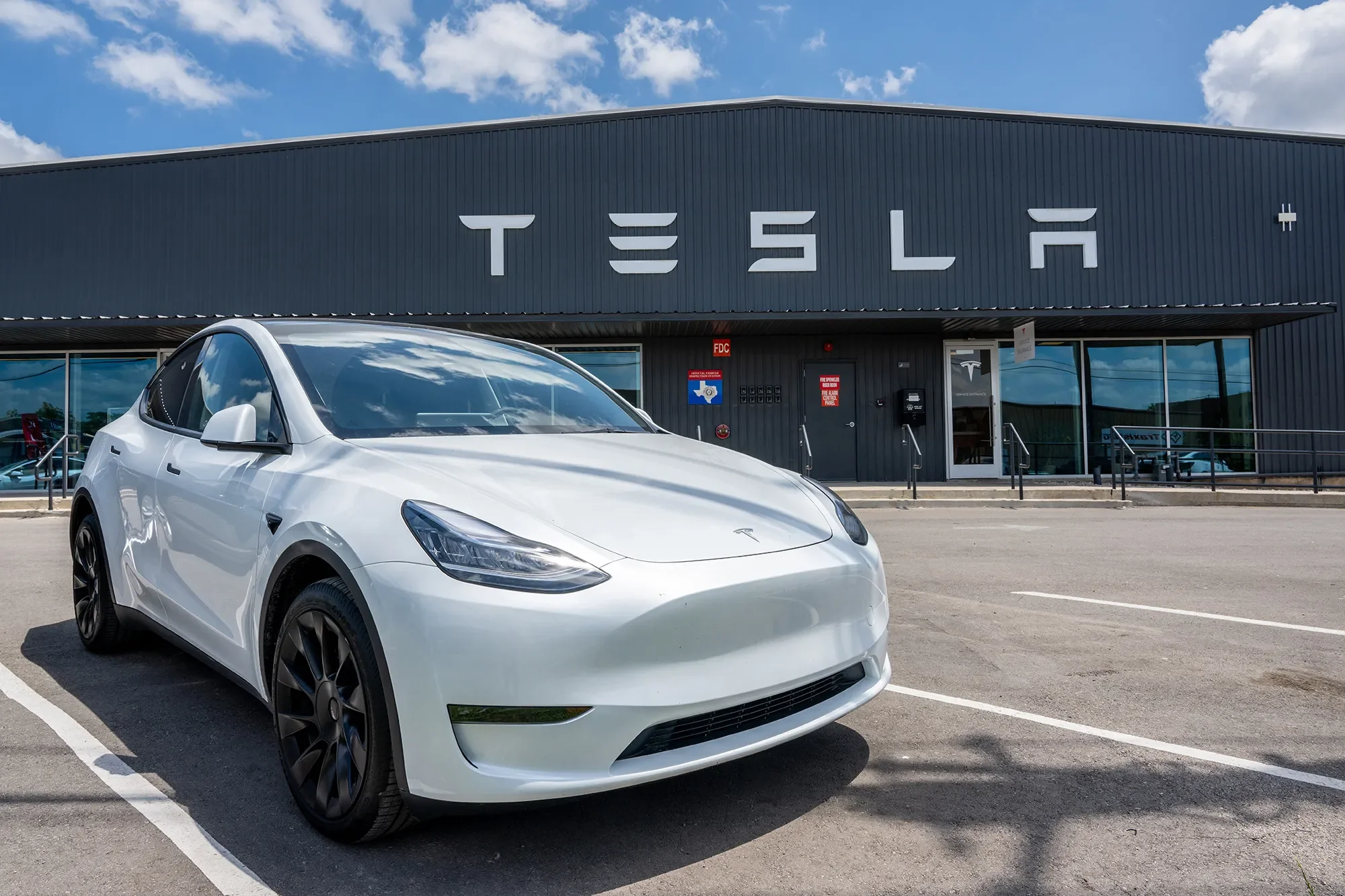
Tesla's Robotaxi Leap: Driverless Rides Hit the Streets
Unleashing mass-scale autonomy that's cheaper, faster, and ready to dominate global roads.
Tesla has just unlocked a new era in autonomous vehicles by deploying Robotaxis in Austin, Texas, without any human supervisors on board. This milestone showcases how a standard production car, built at massive scale, can now handle full self-driving tasks using only cameras and AI—outstripping competitors in speed and cost efficiency. For tech enthusiasts, this signals a rapid shift toward widespread adoption, with profound effects on manufacturing, ridesharing, and daily mobility.
Key Takeaways
Tesla's Model Y, a mass-produced vehicle costing around $30,000 to build, now operates as a fully autonomous Robotaxi without human intervention.
Deployment happened in Austin just months after the app's launch, far quicker than competitors who took years to reach similar unsupervised operations.
Tesla's camera-only AI system contrasts with rivals' complex sensor arrays, enabling faster scaling to millions of units annually.
This tech extends beyond Robotaxis to personal vehicles, potentially making Tesla the default choice for buyers seeking hands-off driving.
Broader implications include labor disruptions in driving and manual work, as the same AI powers upcoming humanoid robots.

AI's Hidden Revolution: Why America Leads and What It Means for Our Future
Redefining value, rights, and power in a world shaped by intelligent machines.
AI isn't just transforming tech—it's reshaping societies, economies, and philosophies at their core. From the dominance of U.S. innovation to the rising value of practical skills, these shifts explain cultural tensions and political changes happening now. Dive in to see how AI ties into America's unique foundations and why embracing it is essential for staying ahead.
Key Takeaways
AI leadership stems from America's cultural and constitutional edge, where rights come from inherent principles rather than consensus or intellect.
Practical, vocationally trained workers are becoming the new high-value creators as AI automates abstract, high-end labor.
Empathy gaps toward working-class Americans fuel political turbulence, but AI-driven value shifts could realign priorities toward those who build and protect.
Meritocracy emerges as a revolutionary force in enterprises, rewarding capability and dedication over backgrounds.
Global AI dominance boils down to U.S. versus China, with Europe sidelined—owning the tech means controlling the rules.
Defending borders, enforcing laws, and fighting for progressive ideals require standing against radicals within parties to protect workers' value.
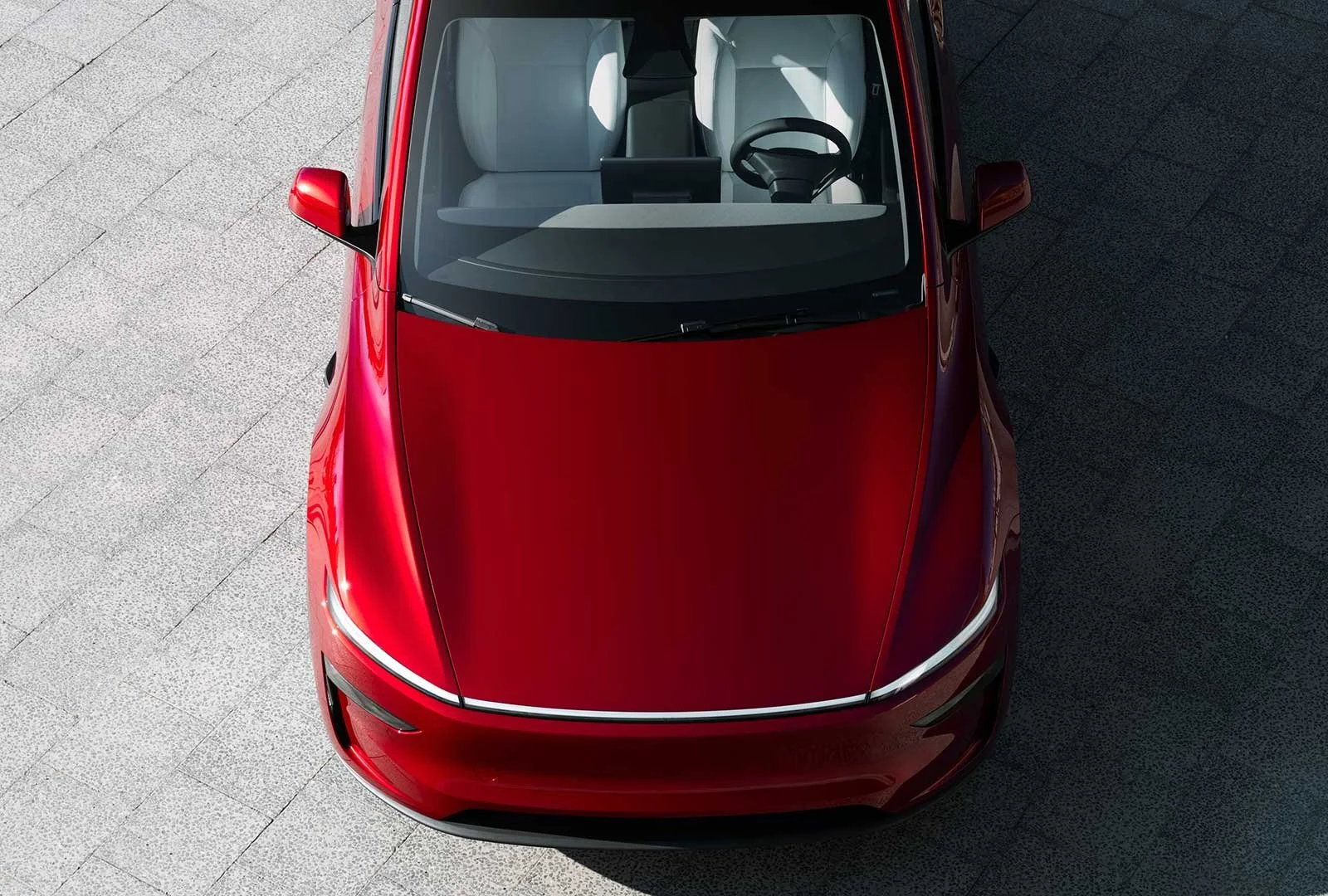
Tesla’s Autonomous Revolution: The Dawn of Robotaxis and Beyond
Why Tesla’s FSD v14 Could Redefine Transportation Forever
Tesla’s latest advancements in autonomous driving technology are poised to reshape the automotive and transportation industries. With Full Self-Driving (FSD) version 14, the company appears to have cracked the code on unsupervised self-driving, a milestone that could transform millions of vehicles into autonomous assets. This breakthrough isn’t just about cars—it’s about a seismic shift in how people move, how cities function, and how businesses compete in a rapidly evolving market.
Key Takeaways
Unsupervised FSD Breakthrough: Tesla’s FSD v14 demonstrates near-human or superhuman driving capabilities, enabling vehicles to navigate complex scenarios without driver intervention.
Massive Fleet Potential: With 3–4 million Tesla vehicles worldwide potentially upgradable to unsupervised FSD, the company could deploy a vast robotaxi network.
Cost and Scale Advantage: Tesla’s ability to produce affordable vehicles (around $30,000) with advanced AI gives it a significant edge over competitors like Waymo.
Market Disruption: The expansion of Tesla’s robotaxi network could challenge ride-hailing giants like Uber by offering lower-cost, driverless services.
Regulatory and Data Hurdles: While the technology is advanced, Tesla must accumulate extensive data and secure regulatory approval to scale unsupervised driving.
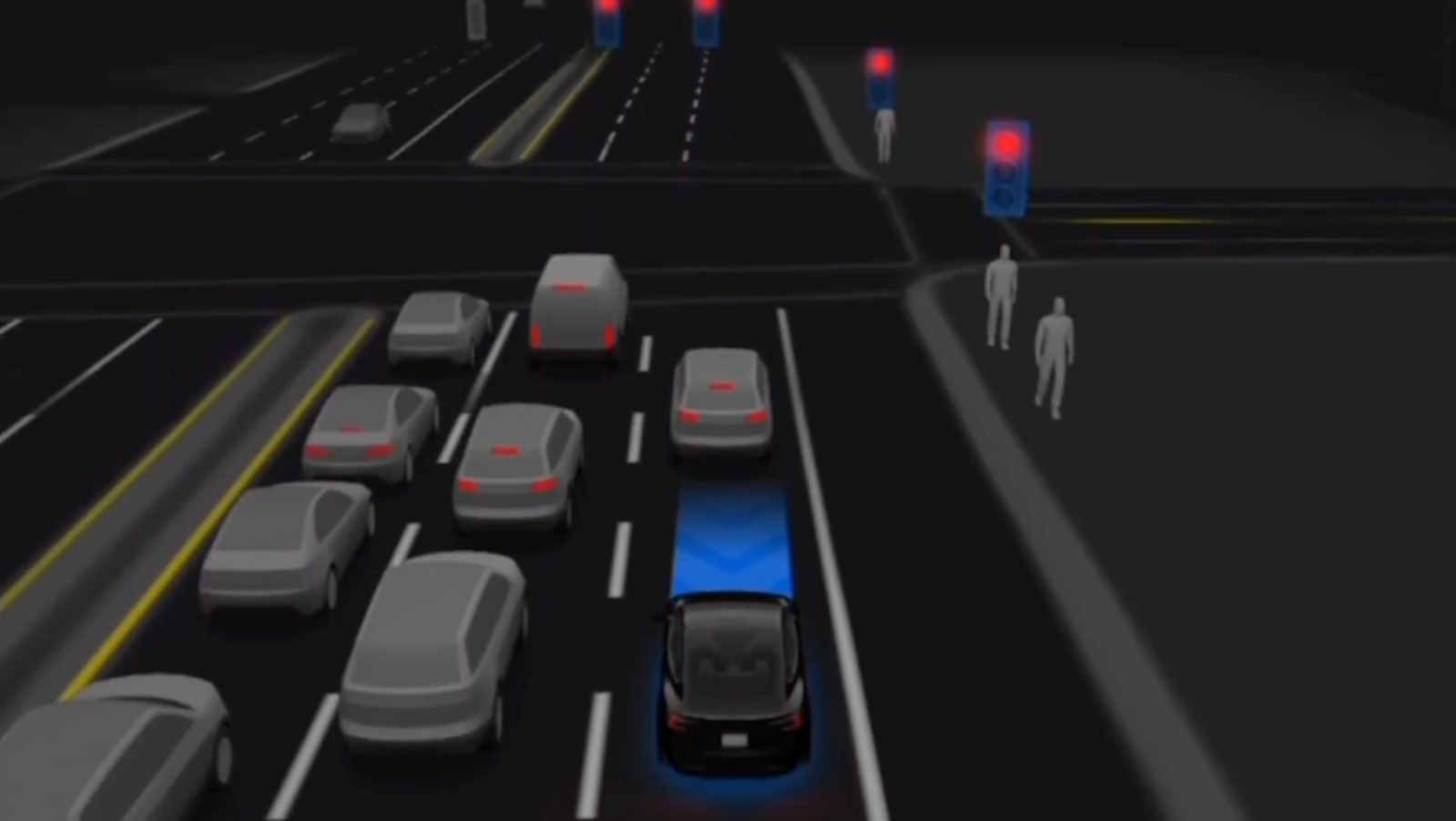
Tesla's FSD v14: Sentient Driving Arrives, Unlocking Robotaxi Riches
The upgrade that makes your Tesla feel alive—smoother, smarter, and primed for hands-off autonomy that could redefine car ownership.
Full Self-Driving (FSD) version 14 hits the road with a leap in human-like intuition, turning everyday drives into effortless experiences while paving the way for unsupervised rides that generate income. Early tests show flawless parking in tight spots and adaptive behaviors that outpace prior versions, signaling Tesla's push toward a future where vehicles earn their keep.
Key Takeaways
FSD v14 introduces customizable arrival options, letting drivers pick parking spots like driveways, curbside, or garages for precise, user-directed endings to trips.
New driving profiles—Sloth for ultra-conservative pacing, alongside Chill, Standard, and Hurry—cater to varied comfort levels, with overall gains in smoothness and decision confidence.
Hands-free mode activates in supervised settings, but alerts ramp up in tricky zones like construction or rail crossings, hinting at broader attention relaxation elsewhere.
Parking precision shines: vehicles now navigate narrow gates, ticket booths, and spots flawlessly, often without human tweaks, feeling like a glimpse of tomorrow.
Minor hitches persist, such as brief braking jolts in low-speed maneuvers or speed nudges beyond limits, but these pale against zero-intervention drives spanning hours.
Broader rollout suggests boosted safety metrics, with rapid follow-ups expected to polish edges, much like the neural net evolutions in v12 and v13.
Unsupervised horizons loom: Robotaxi fleets in Austin and the Bay Area already test advanced variants, collecting data and fares to validate attention-free ops by early 2026.
Economic upside: Autonomous cars could slash ride costs below Uber levels, enabling owners to monetize vehicles via Tesla's network—potentially 10-30% cuts per mile—while fueling decades of demand.
Tesla's Robotaxi Revolution: Unlocking Trillions in Autonomous Mobility
Why Self-Driving Fleets Could Reshape Transportation and Deliver Massive Profits
Tesla's push into robotaxis represents a pivotal shift in mobility, blending advanced AI with massive manufacturing scale to potentially generate enormous profits. At the core are insights into cost efficiencies that could yield up to $150,000 in annual profit per vehicle at scale, paving the way for a business valued in the trillions. This isn't just about cars driving themselves—it's about an ecosystem where data, compute, and smart economics converge to outpace competitors and transform urban travel.
Key Takeaways
Tesla's AI-driven approach to autonomy relies on cameras and massive compute clusters, enabling low-cost vehicles ($35,000 or less) compared to competitors' sensor-heavy setups costing $150,000–$200,000 per unit.
Profitability hinges on the ratio of robotaxis to human supervisors: at 3:1, fleets break even; at higher ratios like 100:1, annual profits per vehicle could hit $136,000 with Uber-like pricing.
A fleet of 1 million robotaxis could generate $136 billion in yearly net profit, leading to a 5-year ROI of $650 billion, assuming conservative costs and average ride data.
The upcoming Cybercab vehicle slashes costs further—to around $20,000 per unit—with enhanced AI hardware, potentially boosting per-vehicle profits to $155,000 annually at extreme scales.
Challenges include regulatory hurdles, safety improvements via more data and compute, and competition, but Tesla's existing factories (producing 1.2 million similar vehicles yearly) provide unmatched scaling potential.
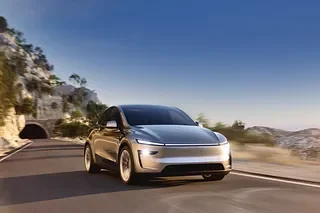
Tesla's Model Y L Ushers in a New Era of Affordable Family EVs and Autonomous Rides
Expanding Tesla's lineup with a stretched, six-seater crossover that bridges gaps in the market while amplifying robo-taxi potential.
Tesla just dropped details on its latest vehicle, the Model Y L, a longer-wheelbase version designed for families needing more space without breaking the bank. This move not only plugs a hole in the affordable three-row EV segment but also ties into broader shifts like robo-taxi fleets and AI integrations that could redefine personal transport. For tech fans eyeing sustainable mobility, this signals Tesla ramping up production efficiency and versatility in a competitive landscape.
Key Takeaways
The Model Y L extends the standard model by 7 inches, adding a usable third row for six passengers, starting around $60,000 in China with potential U.S. pricing between the Model Y and Model X.
It positions Tesla stronger against rivals like the Kia EV9 and Rivian R1S by offering a more affordable three-row EV option.
Robo-taxi services in Austin are expanding, with seamless autonomous rides becoming practical for daily use, costing under $15 round-trip for urban commutes.
This vehicle enhances Tesla's robo-taxi strategy, enabling higher-capacity rides beyond the upcoming two-seater Cybercab, potentially scaling to millions of units annually.
Speculation points to phasing out older models like the S and X to free up factory space for high-volume production or new ventures like drones or AI devices.
Grok AI is rolling out as a car assistant, paving the way for voice-activated features and cross-device integration, potentially challenging smartphone ecosystems.
Overall, these developments aim at sustainable abundance, prioritizing mass-market EVs and AI-driven autonomy over luxury niches.
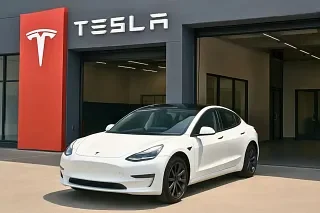
Tesla's India Gambit: High Prices Today, Autonomous Dominance Tomorrow
Revolutionizing Mobility in the World's Largest Market Through Data and AI
Tesla's recent entry into India marks a pivotal moment for electric vehicles and self-driving technology. By starting with the Model Y at premium pricing, the company positions itself to collect vast amounts of real-world data from one of the planet's most challenging driving environments. This could accelerate advancements in autonomy, enabling cheaper models and widespread adoption that bypasses traditional car ownership patterns.
Key Takeaways
Tesla launched the Model Y in India on July 15, 2025, with prices starting at around $71,500 due to high import tariffs, limiting initial appeal to a tiny fraction of the population.
The strategy focuses on long-term data gathering in India's dense, unpredictable roads to refine self-driving software, potentially leading to tariff reductions and more affordable vehicles.
Developing nations like India may skip mass personal car ownership, jumping directly to shared autonomous fleets, similar to how cell phones bypassed landline infrastructure.
Tesla's pure AI-driven approach to autonomy allows rapid scaling, as seen in recent expansions of its supervised robo-taxi service in Austin, outpacing competitors reliant on heavy mapping and sensors.
Future developments could include cheaper models, local manufacturing, and highway-capable self-driving, expanding robo-taxi networks across urban and suburban areas.
Grok 4 Ushers in a New Era of AI Dominance
Why Scale is Redefining the Race to Superintelligent Machines
The latest advancements in AI are reshaping industries at breakneck speed, with breakthroughs that promise to accelerate progress toward human-level intelligence. At the forefront is Grok 4, a model that's not only topping benchmarks but also introducing innovative approaches to reasoning and data handling. Dive in to explore how massive computing power and clever data strategies are giving one player a commanding lead, and what this means for the future of technology.
Key Takeaways
Grok 4 has achieved the highest scores on leading benchmarks, surpassing models from established players and establishing itself as the most capable AI available today.
Built on the principle that raw scale in compute and data outperforms complex shortcuts, this model leverages a colossal supercomputer setup with over 200,000 high-end GPUs, set to expand dramatically.
Innovative use of synthetic data and multimedia training, including video and audio, enables superior reasoning and positions future models to learn more like humans.
Despite its strengths, challenges like high costs—up to $300 per month for advanced access—and ethical concerns highlight ongoing debates about AI accessibility and safety.
The rapid rise of this technology underscores how resource advantages can create insurmountable leads, potentially accelerating the path to artificial general intelligence (AGI).
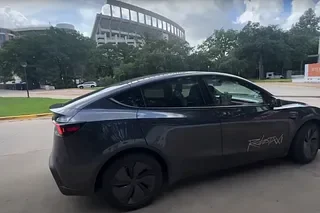
Tesla's Robotaxi Takes Austin by Storm: Rapid Expansion and Real-World Mastery
Pushing Boundaries in Autonomous Mobility: Why This Expansion Signals a Game Changer for Urban Transport
Tesla's Robotaxi service is accelerating its footprint in Austin, demonstrating how AI-driven autonomy can scale quickly and handle complex urban environments with ease. From navigating construction zones to making smart maneuvers in tight spots, the latest tests reveal a system that's not only reliable but also poised to outpace competitors in flexibility and efficiency. For tech enthusiasts tracking the evolution of self-driving tech, this update highlights key advancements in mapping, decision-making, and user experience that could reshape ride-hailing worldwide.
Key Takeaways
Tesla expanded its RoboTaxi network in Austin in just three weeks, covering new areas like North Austin and suburban spots, shaped humorously like a meme-inspired cowboy hat.
The service excels in challenging scenarios, including K-turns in dead-end parking lots, reversing out of tight spaces, and yielding to emergency vehicles.
Compared to rivals like Waymo, Tesla's approach relies less on detailed mapping and more on AI, enabling faster, non-strategic expansions into low-density areas.
Performance remains smooth and confident, avoiding highways for now but handling construction, pedestrians, and traffic with minimal hesitation.
Future potential includes highway access, fleet growth, and undercutting traditional ride-hailing prices once teleoperator ratios improve.