
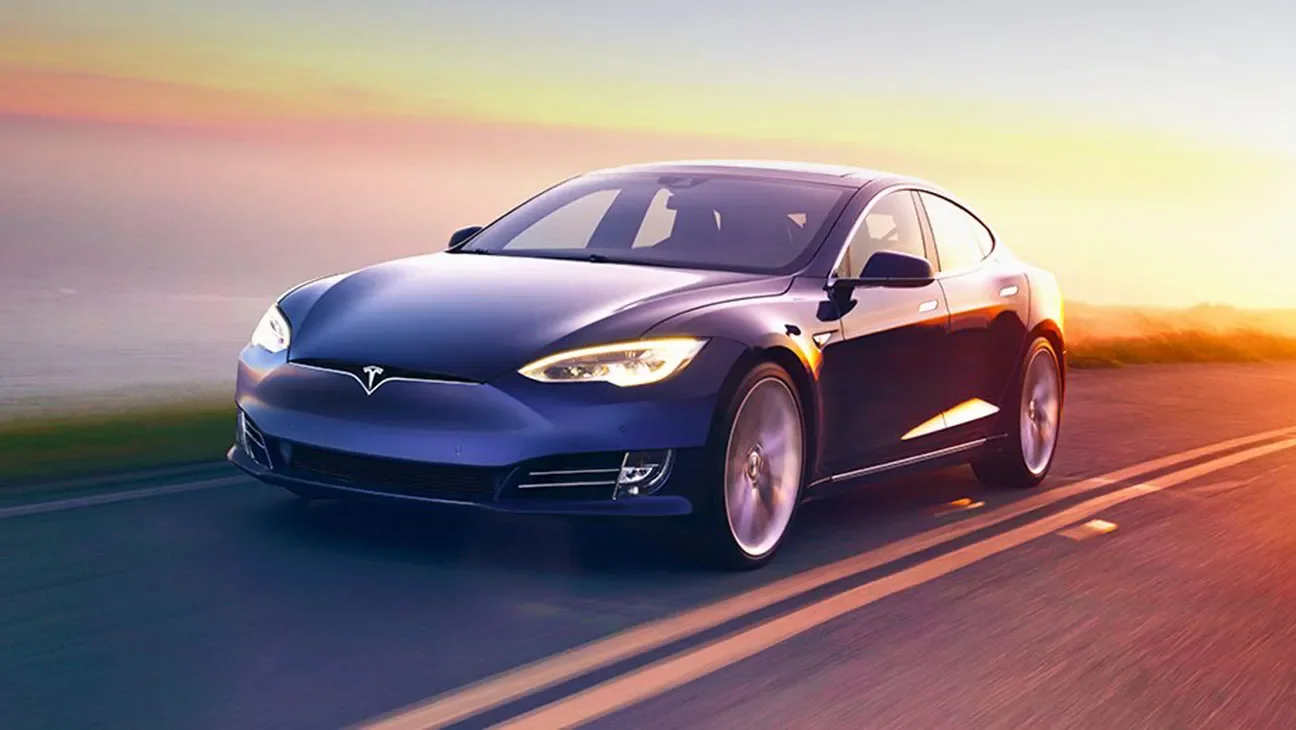
Full Self-Driving Revolution: Why Tesla Owns the Road Ahead
Reshaping Transportation Through AI Scale and Data Dominance
Autonomous vehicles are transforming mobility, slashing costs, boosting safety, and upending industries. Tesla's data-driven approach positions it to dominate, outpacing rivals and making human drivers obsolete in years.
Key Takeaways
Tesla's neural network learns from billions of real-world miles, enabling rapid improvements without predefined maps, unlike competitors reliant on detailed city-specific data.
Manufacturing scale gives Tesla a 200x edge over players like Waymo, allowing faster fleet growth and lower operational costs down to 30 cents per mile.
Robotaxi economics could generate massive margins, with rides cheaper than Uber, potentially eliminating the need for personal car ownership in urban areas.
Safety data shows autonomous systems far outperforming human drivers, pressuring regulators to approve widespread deployment to save lives.
Job displacement looms large, affecting millions in driving professions, signaling broader AI impacts on labor markets.
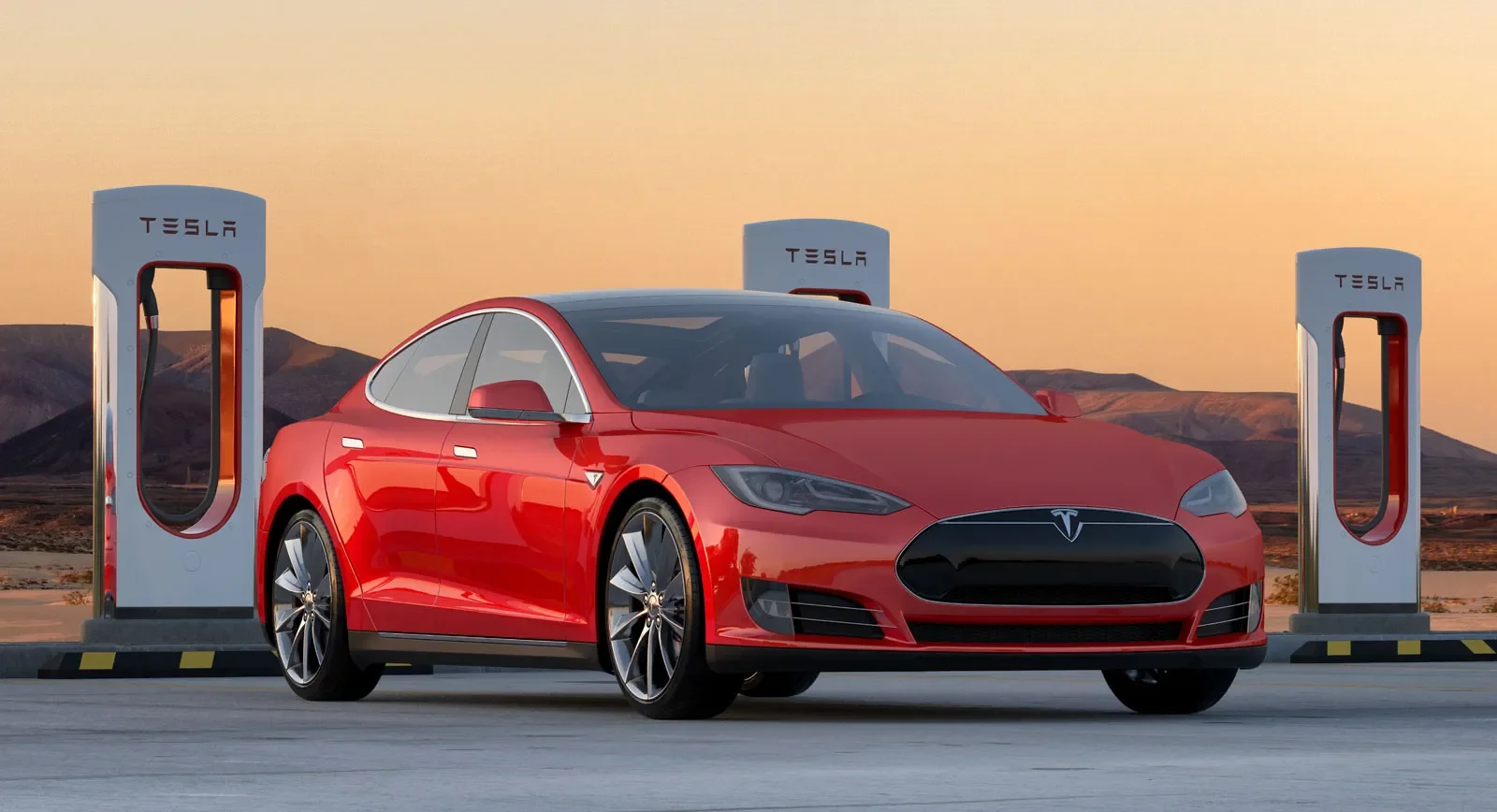
Tesla's Hidden Moat in Self-Driving Tech: Why the Race Isn't Even Close
The Data Wall NVIDIA Can't Climb—Yet
The battle for autonomous vehicles is intensifying, with new players stepping up to challenge established leaders. At its core, success hinges on mastering rare, unpredictable scenarios that no simulation can fully capture. Tesla's vast real-world data collection sets it apart, creating a lead that could take competitors years to close, while pushing the entire field forward through fierce rivalry.
Key Takeaways
Autonomous driving requires handling not just common scenarios but an endless array of rare edge cases, known as the long-tail problem, which demands exponential effort to solve.
Tesla's fleet of millions of vehicles has accumulated billions of miles of real-world data, giving it a decisive edge in training AI for these unpredictable situations.
NVIDIA's new AI system for self-driving, set to debut in production vehicles soon, represents a bold open-source approach aimed at widespread adoption, but it starts with limited data compared to Tesla.
Competition in this space accelerates innovation, improves safety, and compresses timelines, benefiting consumers even if one company maintains a lead.
Achieving human-level safety in self-driving tech means reaching reliability rates of 99.9998% or better, a benchmark that has delayed timelines across the industry.
The Tesla Tsunami: How Self-Driving Cars Are About to Upend Transportation Forever
Redefining Mobility in a World of Autonomous Machines
Tesla's full self-driving technology is reaching a tipping point, delivering flawless performance over long distances without human input. This isn't just incremental progress—it's setting the stage for a massive shift where cars become robots on wheels, slashing costs and reshaping how we move from place to place.
Key Takeaways
Tesla's supervised full self-driving software already handles hours-long trips without touching the wheel or pedals, normalizing what once felt like science fiction.
Unsupervised autonomy is imminent, enabling cars to operate without constant attention, similar to ongoing trials in select cities.
Steer-by-wire systems make it simple to remove traditional controls, paving the way for affordable vehicles that blend human and robotic driving.
At under 30 cents per mile, autonomous transport undercuts human-driven options, disrupting ride-hailing, taxis, and legacy automakers.
Urban areas, where most miles are driven, stand to benefit most from this tech, eliminating the hassle of traffic and distracted drivers.
Analyst upgrades reflect growing recognition of this potential, with stock targets climbing amid a 50% rise over six months.

Tesla's Robotaxi Revolution: Accelerating Autonomy in Austin and Beyond
Redefining Urban Mobility with Self-Driving Tech at Scale
Tesla's rapid rollout of its Robotaxi network in Austin marks a pivotal shift in autonomous transportation, blending AI-driven expansion with practical strategies to navigate regulatory landscapes. This development unlocks new ways for everyday users to experience self-driving vehicles, from city-wide coverage to affordable personal ownership models that could outpace fleet operations.
Key Takeaways
Tesla's Robotaxi network in Austin expanded from a small South Austin area to cover about 80% of the city in just four months, now including high-traffic zones like the Domain in the northwest and a large portion of east Austin.
Current challenges include long wait times due to a limited fleet of around 18-20 vehicles, far short of the 50-100 needed to service the expanded area effectively.
The network uses standard Model Y vehicles, which Tesla produces at a rate of over 1.2 million units annually, enabling quick scaling once safety data supports it.
Regulatory limits cap production of steering-wheel-free vehicles at 2,500 per year without exemptions, pushing Tesla toward models with optional steering wheels and pedals to comply with federal and state rules.
Future strategy focuses on selling low-cost autonomous vehicles (around $20,000 to build) on subscription plans of $400-600 monthly, including maintenance, insurance, and self-parking features, potentially generating more revenue than robotaxi fleets in the next 3-5 years.
Advanced AI in the latest Full Self-Driving (FSD) software allows seamless operation across diverse U.S. environments, setting the stage for unsupervised autonomy that lets vehicles handle everything from parking to service visits independently.

Tesla's Cybercab Pivot: Unlocking Mass-Market Autonomy
Revolutionizing Affordable EVs with a Regulatory Twist
Tesla's upcoming Cybercab is set to reshape the electric vehicle landscape by blending cutting-edge autonomy with practical design adaptations, potentially delivering a sub-$30,000 car that drives itself without constant supervision. This move addresses production bottlenecks and regulatory hurdles, paving the way for high-volume sales starting in 2026.
Key Takeaways
Tesla plans to equip the Cybercab with a steering wheel and pedals if needed, allowing it to bypass strict U.S. regulations that cap driverless vehicle sales at 2,500 units per year.
This design flexibility positions the Cybercab as an affordable EV option below the Model 3's price point, targeting under $30,000 to expand market reach.
Production ramps up mid-2026 on a new assembly line with capacity for around 800,000 units annually, but regulations in the U.S., Europe, and China limit demand for fully driverless models without controls.
Tesla's advanced autonomy tech is nearing completion, enabling unsupervised full self-driving (FSD) capabilities that could make the Cybercab a game-changer for everyday commuting.
By adding traditional controls, Tesla avoids idle factories and maximizes output, drawing from past pivots like the Model Y to meet safety standards while pushing innovation.
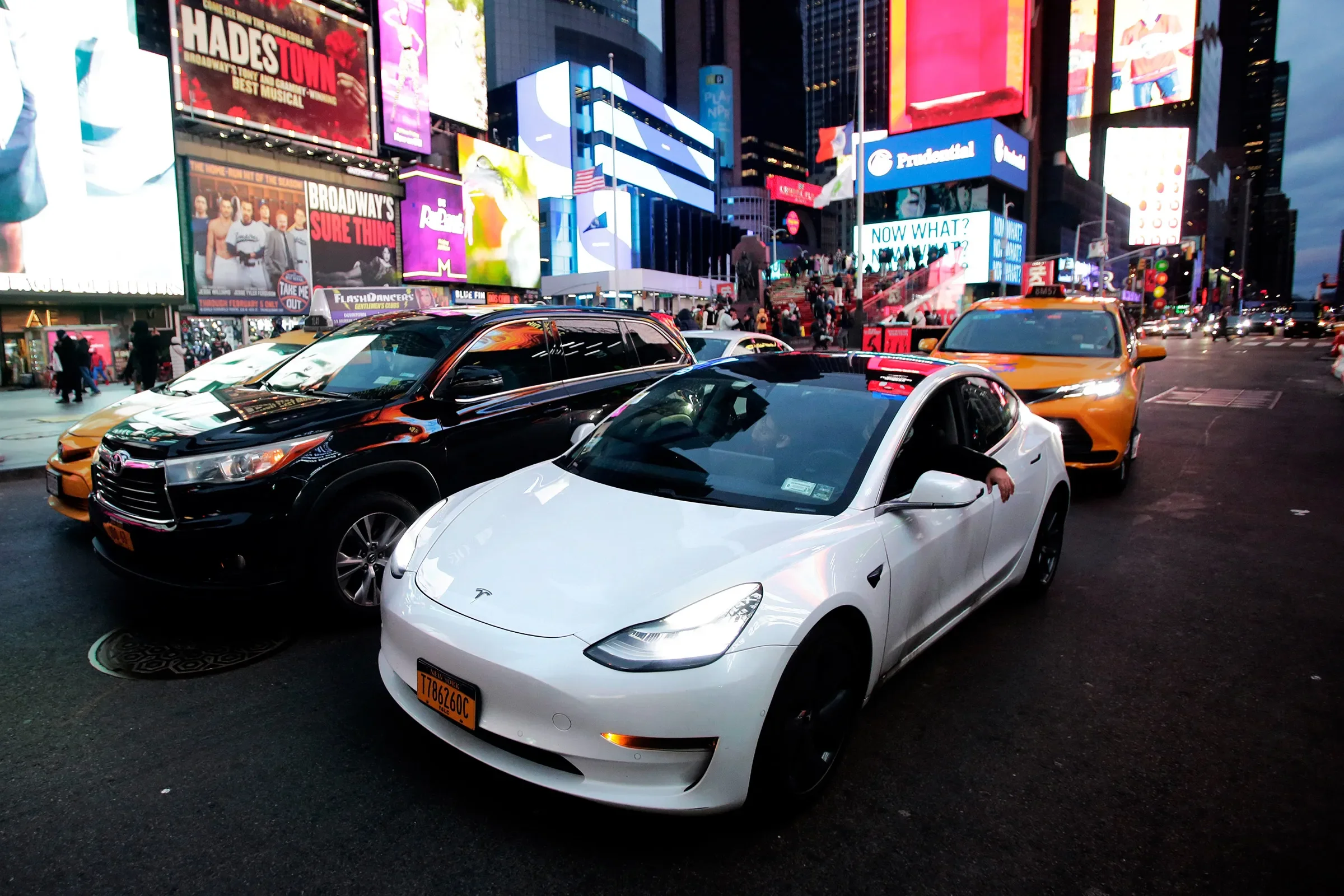
Tesla’s Self-Driving Breakthrough: Conquering Manhattan’s Chaos
Why Version 14 Could Redefine Urban Mobility
Manhattan’s streets are a gauntlet of unpredictable pedestrians, aggressive cabbies, and relentless traffic. Yet, Tesla’s Full Self-Driving (FSD) Version 14 is navigating this chaos with the confidence of a seasoned New Yorker. This isn’t just incremental progress—it’s a leap toward a future where cars don’t just drive but think and react like the best human drivers. For tech enthusiasts, this is a pivotal moment: Tesla’s FSD is proving itself in one of the world’s toughest driving environments, raising questions about the future of transportation, urban living, and vehicle ownership.
Key Takeaways
Manhattan Mastery: FSD Version 14 handles New York City’s chaotic streets with near-human precision, navigating complex scenarios like lane changes, emergency vehicles, and construction zones.
New Yorker Instincts: The software mimics the assertive, quick-decision driving style of native New Yorkers, cutting drive times and boosting efficiency.
Drop-Off and Pickup Progress: Version 14 executes smooth curbside drop-offs and pickups, though parking in complex garages still needs refinement.
User Education Gap: Tesla’s lack of clear tutorials and fragmented update process hinders mainstream adoption, despite the software’s capabilities.
Robotaxi Potential: With further localization and unsupervised driving, Tesla could transform urban mobility, slashing costs like parking (up to $800/month in Manhattan).
Hardware Challenges: Fragmentation across hardware versions (e.g., HW3 vs. HW4) creates confusion, requiring clearer communication from Tesla.

Why Tesla Might Build a Cybercab with a Steering Wheel After All
Unveiling the hidden logic behind Tesla's robotaxi ambitions—and how a hybrid approach could supercharge global adoption.
Tesla's push into fully autonomous vehicles like the Cybercab promises to reshape transportation, but the road ahead involves navigating production efficiencies, regulatory mazes, and fierce market dynamics. At its core, this shift could unlock ultra-low-cost rides, disrupt giants like Uber, and open doors in emerging economies—all while hedging against uncertainties that might otherwise idle billion-dollar factories.
Key Takeaways
Tesla's new unboxed manufacturing process could enable production of up to 2 million Cybercab-like vehicles annually by late 2027 or 2028, far outpacing current lines due to parallel assembly techniques.
Current U.S. regulations cap driverless vehicles without steering wheels or pedals at 2,500 units per year, creating a massive bottleneck for mass production unless federal changes arrive swiftly.
Achieving full autonomy requires not just technological readiness but regulatory approval, including data on millions of miles driven, and a potential national framework to standardize rules across states.
A Cybercab variant with manual controls could fill production gaps, tap into global demand for affordable EVs in markets like Europe, China, and India, and leverage existing Tesla fleets for on-demand robotaxi surges.
Operating costs for autonomous rides could drop to around 30 cents per mile, undercutting Uber's model and offering consistent, private experiences at half the price or less.
International risks, including data privacy concerns and geopolitical tensions, make a steerable version essential for scaling beyond the U.S. without waiting for worldwide approvals.

Tesla's Autonomous Empire: Why the Game Is Already Over
Revolutionizing Mobility and Labor in Ways We Can't Ignore
The shift to fully autonomous vehicles and humanoid robots isn't just on the horizon—it's accelerating faster than most realize, with profound implications for industries, jobs, and economies. This transformation promises cheaper, safer transport and ultra-efficient labor, but it also signals massive disruptions that societies aren't prepared for. Here's what tech enthusiasts need to know about the impending changes.
Key Takeaways
Tesla's self-driving technology positions it to dominate global transportation, potentially rendering ride-sharing giants uncompetitive by the decade's end.
Humanoid robots, built on the same AI frameworks as autonomous cars, will handle repetitive tasks in factories within five years, expanding to complex jobs like cooking by 2040.
Over a billion vehicles worldwide mean the transition to autonomy will be gradual, but the total market opportunity is enormous.
Widespread adoption of robots could drive labor costs below $5 per hour, creating deflationary pressures that might counterbalance recent excessive money printing.
Governments lack the foresight and structure to proactively address job losses affecting millions, leading to reactive economic adjustments.
Competitors in self-driving tech lag far behind, with production capacities limited to thousands of units annually compared to Tesla's scale.
Tesla’s Autonomous Revolution: The Dawn of Robotaxis and Beyond
Why Tesla’s FSD v14 Could Redefine Transportation Forever
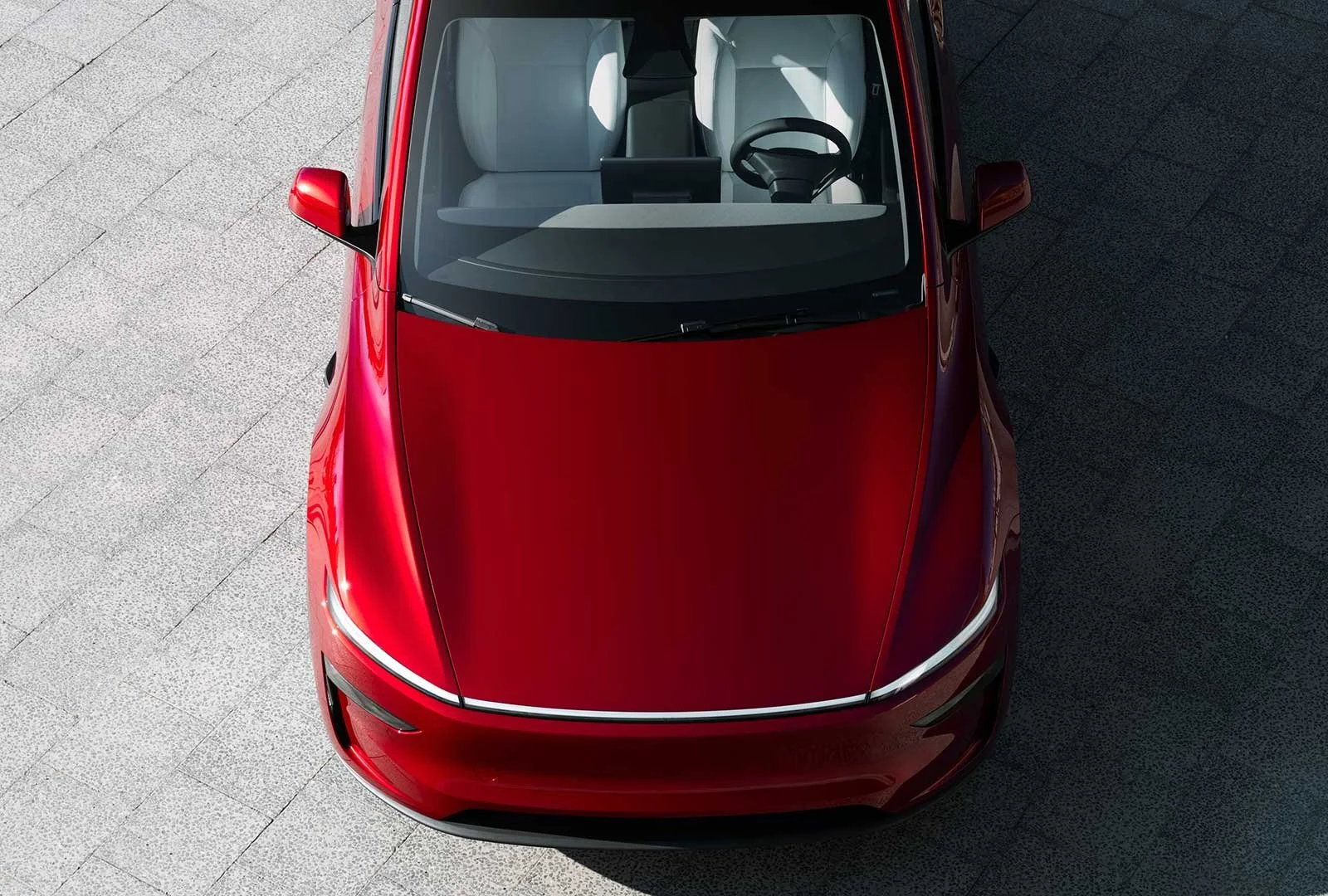
Tesla’s latest advancements in autonomous driving technology are poised to reshape the automotive and transportation industries. With Full Self-Driving (FSD) version 14, the company appears to have cracked the code on unsupervised self-driving, a milestone that could transform millions of vehicles into autonomous assets. This breakthrough isn’t just about cars—it’s about a seismic shift in how people move, how cities function, and how businesses compete in a rapidly evolving market.
Key Takeaways
Unsupervised FSD Breakthrough: Tesla’s FSD v14 demonstrates near-human or superhuman driving capabilities, enabling vehicles to navigate complex scenarios without driver intervention.
Massive Fleet Potential: With 3–4 million Tesla vehicles worldwide potentially upgradable to unsupervised FSD, the company could deploy a vast robotaxi network.
Cost and Scale Advantage: Tesla’s ability to produce affordable vehicles (around $30,000) with advanced AI gives it a significant edge over competitors like Waymo.
Market Disruption: The expansion of Tesla’s robotaxi network could challenge ride-hailing giants like Uber by offering lower-cost, driverless services.
Regulatory and Data Hurdles: While the technology is advanced, Tesla must accumulate extensive data and secure regulatory approval to scale unsupervised driving.

Tesla's FSD v14: Awakening the Machine Mind
Revolutionizing Autonomy with Faster Reactions, Emergent Behaviors, and a Push Toward True Self-Driving
Tesla's latest Full Self-Driving software update, version 14, marks a pivotal shift in how vehicles handle real-world scenarios. From navigating drive-thrus without explicit training to reacting quicker than human drivers, this version demonstrates capabilities that bring unsupervised autonomy closer than ever. It handles complex maneuvers with newfound intelligence, though not without some rough edges in smoothness and speed control.
Key Takeaways
Version 14 excels at beginning and end-of-drive tasks, reliably backing out of tight driveways and finding parking spots, turning point-to-point travel into a seamless experience.
Reaction times have improved dramatically, allowing the system to respond to environmental changes—like ambulances or opening car doors—faster than previous versions, often before a human notices.
Emergent behaviors, such as stopping at drive-thru stations and windows based on contextual clues like transactions or screens, show the software's ability to generalize without specific programming.
Braking feels more abrupt due to rapid decision-making, but this stems from heightened caution rather than errors, prioritizing safety over smoothness.
Lane changes are more hesitant, requiring larger gaps, which contrasts with the aggressiveness of prior versions but enhances overall caution.
Speed management relies on predefined profiles (sloth, chill, standard, hurry) without manual overrides, leading to occasional mismatches with real-world limits like school zones or construction.
Parking decisions vary, sometimes choosing suboptimal spots like alleys or handicapped areas, highlighting needs for refinement in spot selection and legal awareness.
Hardware differences, such as the presence of a front bumper camera, influence performance, but even older setups show strong results in core driving tasks.
The system introduces alerts for increased attention in tricky situations, paving the way for SAE Level 3 autonomy where drivers can relax until prompted.
Overall, version 14 feels closer to robotaxi readiness than driver assistance, though it demands tolerance for quirks from testers while smoothing out for broader use.

Tesla's FSD v14: AI That's Rewriting the Rules of the Road
How emergent behaviors in self-driving cars are turning everyday drives into a glimpse of autonomous futures—and why Tesla's data edge makes competitors look like they're stuck in neutral.
Tesla's latest Full Self-Driving software update, version 14, isn't just incremental—it's a leap where vehicles start anticipating human quirks without explicit programming. Imagine a car that pauses mid-drive-thru not because of a stop sign, but because it overhears the "thank you" signaling order complete. Or one that yields to sirens miles away, edging over in traffic jams to let emergency responders through. These aren't scripted routines; they're AI piecing together real-world patterns from vast datasets. For tech enthusiasts, this signals the shift from rule-based systems to generalized intelligence, where cars learn like neural networks trained on the chaos of actual roads.
Key Takeaways
Emergent Decision-Making: FSD v14 exhibits behaviors like waiting for drive-thru conversations to end or pulling over for distant ambulances, learned from millions of driving hours rather than hardcoded rules.
Data-Driven Advantage: Tesla's 7 million+ vehicle fleet generates exponentially more training data than rivals like Waymo's 1,500-unit operation, accelerating AI improvements at scale.
Cost Disruption Potential: Autonomous fleets could slash ride costs to 40-50 cents per mile—versus $1.80+ for human-driven services—enabling fares as low as $3 for a 3-mile trip.
Physical AI Frontier: This mirrors digital AI breakthroughs like large language models, but applied to real-world actions: steering, stopping, and yielding based on contextual cues from cameras and mics.
Edge Polishing Needed: While safe overall, the software shows minor hesitations like abrupt braking near pedestrians, typical of rapid AI iterations that refine with more data.
Broader Implications: Widespread adoption could reshape labor markets, from ride-sharing drivers to urban logistics, as robotaxis roll out in cities like Austin and the Bay Area.
Tesla's Robotaxi Surge: Nevada Green Light Accelerates Nationwide Rollout
Unlocking Driverless Highways and Smarter AI: How Tesla's Latest Approvals Could Redefine Urban Mobility
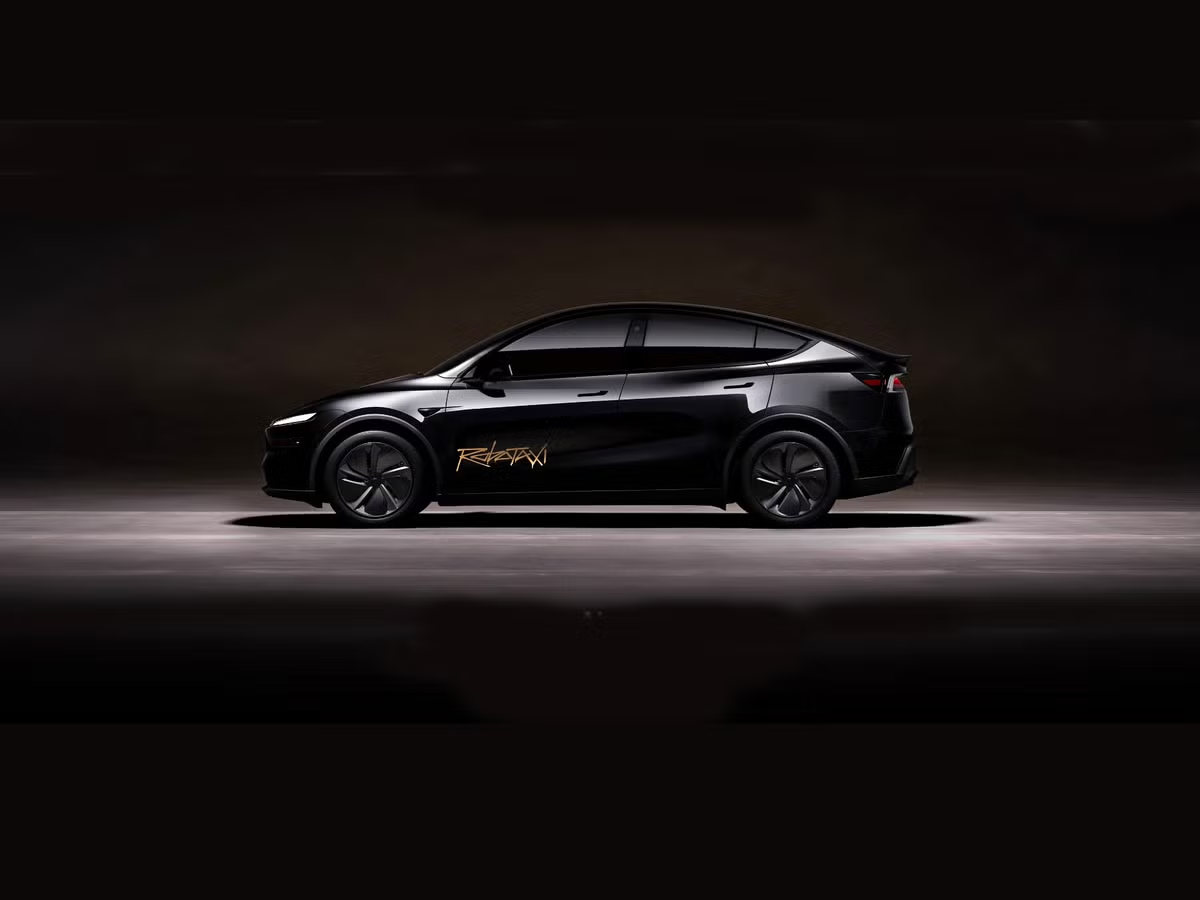
Tesla's autonomous driving push hits a milestone with Nevada's testing approval, paving the way for rapid expansion into permissive states. This move highlights key advantages in safety tech and regulatory navigation, setting the stage for scalable robotaxi networks that could outpace rivals by integrating highways and public access sooner.
Key Takeaways
Tesla secured approval from the Nevada DMV to test robotaxis on public roads, enabling operations without a driver in permissive environments similar to Texas.
Nevada's regulations require $5 million insurance and incident reporting but allow straightforward testing, mirroring Texas's hands-off approach that favors quick scaling.
Current robotaxi services in Austin cover 173 square miles, including highways with safety operators, while Bay Area operations span 400 square miles and aim for 100 driverless vehicles by month's end.
Upcoming FSD V14 software promises 2-3x human-level safety unsupervised, with a 10x parameter boost for fewer interventions and smoother performance.
Tesla's edge over competitors like Waymo lies in public highway access and open ridership, allowing faster data collection and service growth in states like Arizona and Florida.
Profitability from robotaxis may emerge in 2+ years, starting with 3:1 to 5:1 vehicle-to-supervisor ratios yielding 20-30% gross margins per unit.
Expansion targets half the U.S. population by year-end, leveraging an app-based waitlist to prioritize high-demand regions and build a nationwide network.
Tesla’s Model Y L and the Self-Driving Revolution: Why Autonomy Could Redefine Transportation
Elon Musk’s bold vision for Tesla’s autonomous future raises questions about the Model Y L’s U.S. launch and the transformative potential of Version 14 self-driving technology.
Tesla’s latest moves in the electric vehicle and autonomous driving space are sparking intense discussion among tech enthusiasts. The introduction of the Model Y L in China and advancements in Tesla’s self-driving technology, particularly Version 14, signal a potential shift in how we think about transportation. With Elon Musk hinting that the Model Y L may not come to the U.S. due to the state of autonomy, and posts on X buzzing about the next generation of self-driving software, there’s a lot to unpack. Here’s why these developments could reshape the automotive industry and what they mean for the future of mobility.
Key Takeaways
Model Y L Debuts in China: A stretched version of the bestselling Model Y, featuring a proper third row and captain’s chairs, is set to launch in China at a price equivalent to $47,000, but its U.S. arrival is uncertain due to Tesla’s focus on autonomy.
Autonomy Over New Models: Tesla may prioritize self-driving technology over introducing the Model Y L in the U.S., betting that unsupervised Full Self-Driving (FSD) will drive demand for existing models like the Model Y and Model 3.
Version 14 Breakthrough: The upcoming Version 14 of Tesla’s self-driving software is touted as a significant leap, potentially rivaling the jump from Version 11 to 12, bringing unsupervised autonomy closer to reality.
Robotaxi Momentum: Tesla’s robotaxi service, currently operating with Model Ys in Austin, is a testing ground for unsupervised FSD, with Version 14 expected to enhance reliability and safety.
Disrupting Transportation: If Tesla achieves reliable unsupervised autonomy, it could render traditional vehicles obsolete, transforming cars into productivity hubs and boosting their value as income-generating assets.

Tesla's Robo-Taxi Edge: Slashing Prices and Paving the Path to Profit
Decoding how autonomous rides are undercutting traditional services and what it means for the future of mobility
Tesla's robo-taxi service is transforming urban travel with fares that undercut Uber by up to 50%, based on early deployments in key U.S. cities. This pricing power stems from low-cost hardware baked into millions of existing vehicles, pointing toward profitability at scale while delivering safer, more private rides. Yet, as adoption grows, it raises urgent questions about workforce displacement in a driving-dependent economy.
Key Takeaways
Tesla's robo-taxi rides average around $1 per mile, compared to Uber's $2 or more, making it a cost-effective alternative even in early stages with safety oversight.
Operating costs for autonomous vehicles could fall to $0.20-$0.40 per mile once fleets optimize, enabling profits of 40-80 cents per mile at current pricing levels.
Deployments vary by region: Austin operates with a safety rider in the passenger seat and remote monitoring, while the Bay Area requires an active driver due to stricter regulations.
Riders gain privacy, full control over in-car features like climate and entertainment, and superior safety from always-attentive systems that reduce accident risks tied to distraction or impairment.
The technology promises economic unlocks like affordable transport for underserved groups, but it risks displacing millions of drivers, necessitating proactive policy responses to manage labor shifts.
Tesla's Robotaxi Revolution: Unlocking Trillions in Autonomous Mobility
Why Self-Driving Fleets Could Reshape Transportation and Deliver Massive Profits
Tesla's push into robotaxis represents a pivotal shift in mobility, blending advanced AI with massive manufacturing scale to potentially generate enormous profits. At the core are insights into cost efficiencies that could yield up to $150,000 in annual profit per vehicle at scale, paving the way for a business valued in the trillions. This isn't just about cars driving themselves—it's about an ecosystem where data, compute, and smart economics converge to outpace competitors and transform urban travel.
Key Takeaways
Tesla's AI-driven approach to autonomy relies on cameras and massive compute clusters, enabling low-cost vehicles ($35,000 or less) compared to competitors' sensor-heavy setups costing $150,000–$200,000 per unit.
Profitability hinges on the ratio of robotaxis to human supervisors: at 3:1, fleets break even; at higher ratios like 100:1, annual profits per vehicle could hit $136,000 with Uber-like pricing.
A fleet of 1 million robotaxis could generate $136 billion in yearly net profit, leading to a 5-year ROI of $650 billion, assuming conservative costs and average ride data.
The upcoming Cybercab vehicle slashes costs further—to around $20,000 per unit—with enhanced AI hardware, potentially boosting per-vehicle profits to $155,000 annually at extreme scales.
Challenges include regulatory hurdles, safety improvements via more data and compute, and competition, but Tesla's existing factories (producing 1.2 million similar vehicles yearly) provide unmatched scaling potential.
Tesla's India Gambit: High Prices Today, Autonomous Dominance Tomorrow
Revolutionizing Mobility in the World's Largest Market Through Data and AI
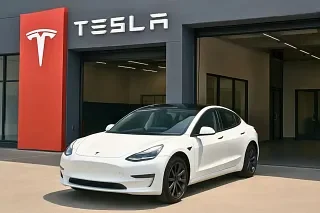
Tesla's recent entry into India marks a pivotal moment for electric vehicles and self-driving technology. By starting with the Model Y at premium pricing, the company positions itself to collect vast amounts of real-world data from one of the planet's most challenging driving environments. This could accelerate advancements in autonomy, enabling cheaper models and widespread adoption that bypasses traditional car ownership patterns.
Key Takeaways
Tesla launched the Model Y in India on July 15, 2025, with prices starting at around $71,500 due to high import tariffs, limiting initial appeal to a tiny fraction of the population.
The strategy focuses on long-term data gathering in India's dense, unpredictable roads to refine self-driving software, potentially leading to tariff reductions and more affordable vehicles.
Developing nations like India may skip mass personal car ownership, jumping directly to shared autonomous fleets, similar to how cell phones bypassed landline infrastructure.
Tesla's pure AI-driven approach to autonomy allows rapid scaling, as seen in recent expansions of its supervised robo-taxi service in Austin, outpacing competitors reliant on heavy mapping and sensors.
Future developments could include cheaper models, local manufacturing, and highway-capable self-driving, expanding robo-taxi networks across urban and suburban areas.
Tesla's Robotaxi Takes Austin by Storm: Rapid Expansion and Real-World Mastery
Pushing Boundaries in Autonomous Mobility: Why This Expansion Signals a Game Changer for Urban Transport
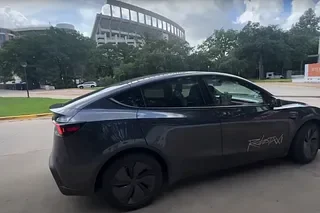
Tesla's Robotaxi service is accelerating its footprint in Austin, demonstrating how AI-driven autonomy can scale quickly and handle complex urban environments with ease. From navigating construction zones to making smart maneuvers in tight spots, the latest tests reveal a system that's not only reliable but also poised to outpace competitors in flexibility and efficiency. For tech enthusiasts tracking the evolution of self-driving tech, this update highlights key advancements in mapping, decision-making, and user experience that could reshape ride-hailing worldwide.
Key Takeaways
Tesla expanded its RoboTaxi network in Austin in just three weeks, covering new areas like North Austin and suburban spots, shaped humorously like a meme-inspired cowboy hat.
The service excels in challenging scenarios, including K-turns in dead-end parking lots, reversing out of tight spaces, and yielding to emergency vehicles.
Compared to rivals like Waymo, Tesla's approach relies less on detailed mapping and more on AI, enabling faster, non-strategic expansions into low-density areas.
Performance remains smooth and confident, avoiding highways for now but handling construction, pedestrians, and traffic with minimal hesitation.
Future potential includes highway access, fleet growth, and undercutting traditional ride-hailing prices once teleoperator ratios improve.
The Robotaxi Panel: 119 Rides Later
Industry insiders share unfiltered insights on pricing wars, expansion strategies, and the race to dominate autonomous transportation
Five Tesla enthusiasts who collectively logged 119 robotaxi rides gathered to dissect the emerging battleground between Tesla and Waymo in Austin. Their candid discussion reveals surprising operational challenges, aggressive expansion possibilities, and why the economics of self-driving cars might destroy traditional ride-sharing sooner than expected.
Key Takeaways
Waymo charges $5-6 more per ride than Uber in San Francisco yet captured 25% market share in just 16 months, proving customers will pay premium for driverless experience
Tesla needs 3 robotaxis per teleoperator to achieve profitability; current 1:2 ratio (one car, two operators) is economically unsustainable
Waymo's Austin operations require "hacking" the Uber app with specific preferences, creating significant user friction compared to Tesla's dedicated app
North Austin expansion faces challenges including heavy foot traffic, University of Texas campus crowds, and 90,000-person football game days
Tesla manufactures Waymo's entire global fleet equivalent every 5 hours, highlighting massive scale advantages
House passage of EV tax credit elimination accelerates Tesla's Q3 timeline, potentially spurring faster robotaxi deployment
Tesla's AI Revolution
Redefining Machine Intelligence Through Observation and Scale
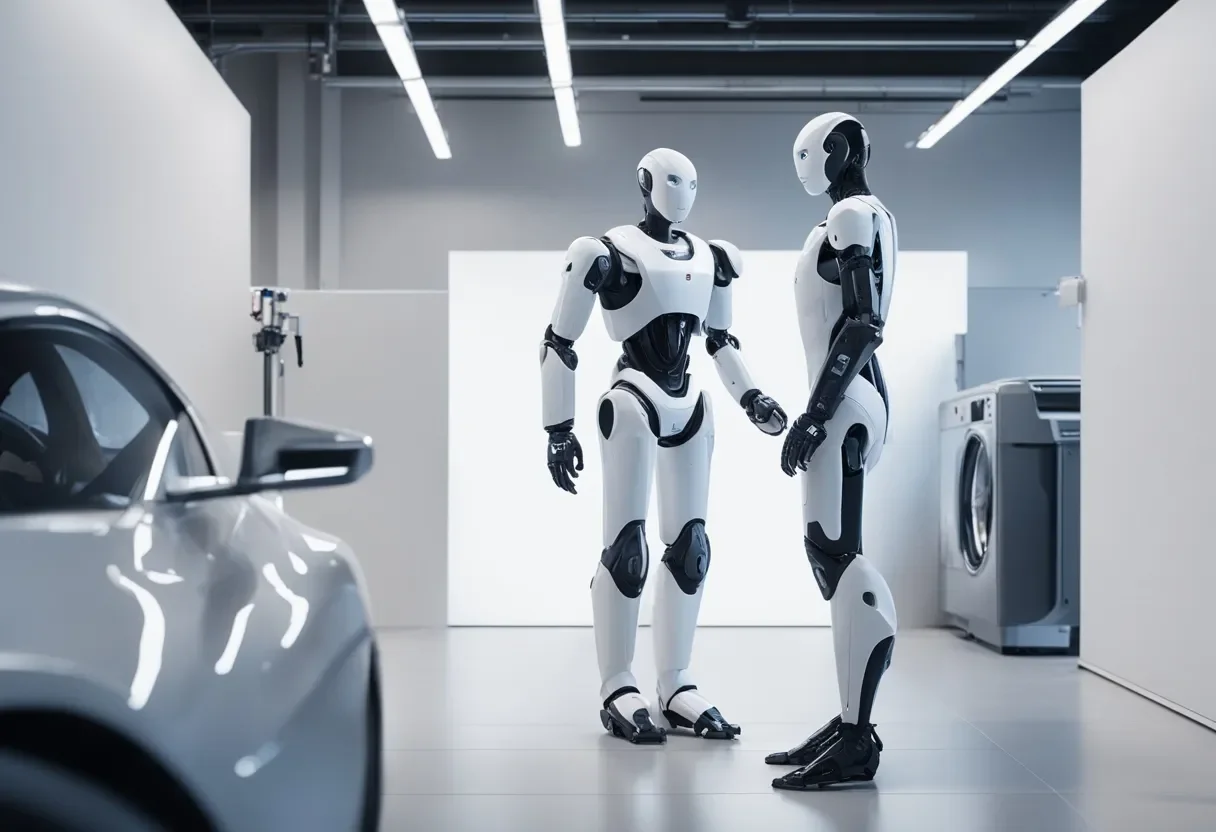
Tesla's latest robotics demo shows how AI can learn tasks by simply watching humans, marking a pivotal change in robot training. This method speeds up deployment while making machines more versatile, and it's powering advancements in self-driving cars too. Combined with massive manufacturing capabilities, this could make intelligent robots affordable and widespread, reshaping industries as regulations begin to catch up.
Key Takeaways
Robots can now learn complex tasks from video demonstrations, eliminating the need for manual programming and accelerating their adaptability.
The same AI system enhances self-driving vehicles by processing visual data to handle intricate driving situations more effectively.
Large-scale manufacturing experience enables cost-effective production of advanced robots, potentially driving down prices through high-volume output.
Evolving regulations, including potential federal frameworks, are paving the way for broader adoption of autonomous technologies.
This integration positions AI as a core driver across products, from vehicles to industrial equipment, signaling a broader shift in human-machine collaboration.