
Iran’s Regime Falls: How One Historic Shift Could Flood the World With Cheap Energy and Accelerate the AI Boom
The collapse of Iran’s theocratic government after 47 years isn’t just Middle East news. It removes the single biggest sponsor of regional chaos, frees a population of 90 million that is young, educated, and entrepreneurial, and opens vast oil and gas reserves at the exact moment AI data centers are about to consume unprecedented amounts of power. At the same time, artificial intelligence is already driving transportation costs toward zero, turning $50 airport rides into $5 trips and making door-to-door autonomy cheaper than owning a car. The combination is explosive: stable energy supply meets deflationary mobility technology.
Key Takeaways
AI will make personal transportation radically cheaper, forcing adoption even among skeptics because the price difference is too large to ignore.
Robo-vans unlock flexible, high-frequency urban transit that traditional buses never could, potentially running as free services funded entirely by in-vehicle advertising.
Autonomous freight tunnels separate trucks from passenger traffic, slashing logistics costs and removing semi-trucks from daytime roads without raising goods prices.
Iran’s pre-1979 society was modern and Western-facing; today’s population largely rejects the regime that replaced it, with hardline support estimated below 20 percent.
A post-regime Iran aligned with global markets could add hundreds of billions in productive capacity and become a major energy exporter again.
Transactional, deal-focused leadership resonates strongly in the Middle East because it prioritizes mutual profit over ideology.
The 2028 U.S. election will be decided by candidates who offer concrete answers to AI-driven job displacement and broad participation in AI-created wealth.

AI's Double-Edged Sword: Revolutionizing Creativity and Redefining Humanity
Navigating the explosion of AI tools that empower creators while reshaping society, work, and even consciousness.
AI is reshaping how people build online businesses, from music education to broader content creation, while sparking debates on privacy, addiction, and the essence of human experience. This newsletter dives into practical strategies for leveraging these tools today and explores the profound shifts they could bring tomorrow—offering actionable insights for anyone eyeing the tech frontier.
Key Takeaways
Start content creation by focusing on genuine passion and audience needs, using simple setups like a camera to demonstrate value upfront.
Treat free platforms as marketing arms that deliver real lessons or insights, leading viewers naturally toward paid offerings like subscriptions or one-on-one sessions.
AI excels at analyzing personal styles and generating new ideas, but its true power emerges when users clearly define problems and experiment deeply.
Future AI agents could automate product searches, negotiations, and reputation checks, transforming how consumers find and buy solutions.
Privacy concerns loom large as AI synthesizes vast personal data, potentially creating tailored realities that deepen societal divides.
Authenticity in content will stand out in an AI-saturated world, fostering human connections amid increasing digital isolation.
Neuralink-like tech could expand human memory and cognition, but risks dependency and evolutionary changes in brain function.
Consciousness might blend with silicon, raising questions about whether AI develops independent will or remains an extension of human intent.
Genetic entropy poses a hidden extinction risk, potentially outpacing threats like asteroids through accumulated mutations in the human genome.
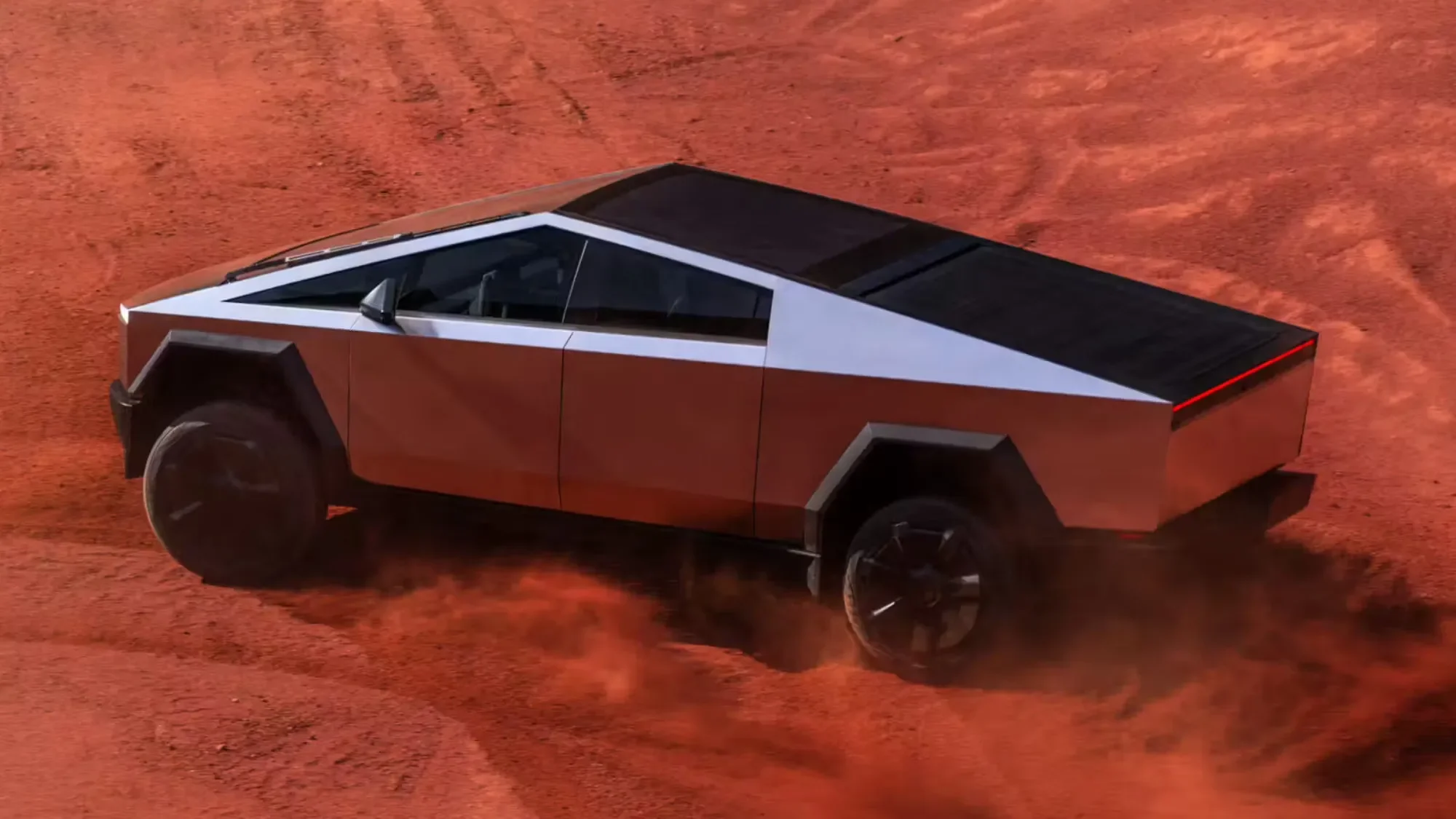
Tesla's Cybertruck Hits Peak Autonomy with FSD v14.1.7
Revolutionizing Roads: From Parking Lots to Profit Machines
Tesla's latest Full Self-Driving update delivers seamless, assertive navigation in real-world conditions, unlocking massive potential for robotaxis and transforming vehicle utility from idle assets to round-the-clock earners.
Key Takeaways
FSD v14.1.7 enables hands-off driving in the Cybertruck, handling everything from parking lot exits to highway merges with minimal intervention.
Mad Max mode prioritizes speed and efficiency, selecting optimal lanes and exceeding speed limits to minimize travel time.
Hardware 4 vehicles like the Cybertruck are poised for unsupervised autonomy soon, eliminating the need for driver attention.
Self-driving tech could multiply vehicle utility by 5x or more, turning personal cars into revenue-generating units.
Robotaxis promise profits of up to $2 per mile, driven by low operating costs around 50 cents per mile without human drivers.
Tesla's production scale gives it a massive edge over competitors like Waymo, which struggles with supply chain dependencies and complex sensor suites.
Widespread adoption may drive down ride costs below $1 per mile long-term, reshaping urban travel and reducing reliance on short-haul flights.

Tesla's Stealth Play: From Cybercab to Global AI Supremacy
Why the Future of Driving, Manufacturing, and Intelligence Hinges on Bold Bets and Brutal Realities
Tesla stands on the brink of transforming transportation with vehicles that could eliminate the need for human drivers entirely. Yet, hurdles like regulation and market demand might force adaptations, such as adding steering wheels to robotaxis. Meanwhile, AI's explosive growth promises superhuman capabilities in every field, but it also sparks geopolitical tensions and societal shifts that could redefine economies worldwide.
Key Takeaways
Tesla's Cybercab production line will likely produce vehicles with optional steering wheels and pedals to meet regulatory demands and boost output, potentially creating a sub-$30,000 autonomous car.
Manufacturing innovations like the unboxed process double efficiency, allowing Tesla to flood markets with low-cost vehicles while preparing for full robotaxi fleets.
Regulatory approval for unsupervised self-driving remains the biggest barrier, with initial Cybercab deployments limited to a few thousand units starting mid-2026.
AI advancements could enable superhuman performance in any domain by 2027, accelerating breakthroughs in medicine, manufacturing, and beyond.
Geopolitical risks, including tariffs on Chinese EVs and chip sales, point to a decoupled world where the U.S. relies on domestic players like Tesla to maintain tech leadership.
The path to singularity involves painful transitions, with job displacements offset by potential universal basic income and unprecedented productivity gains.
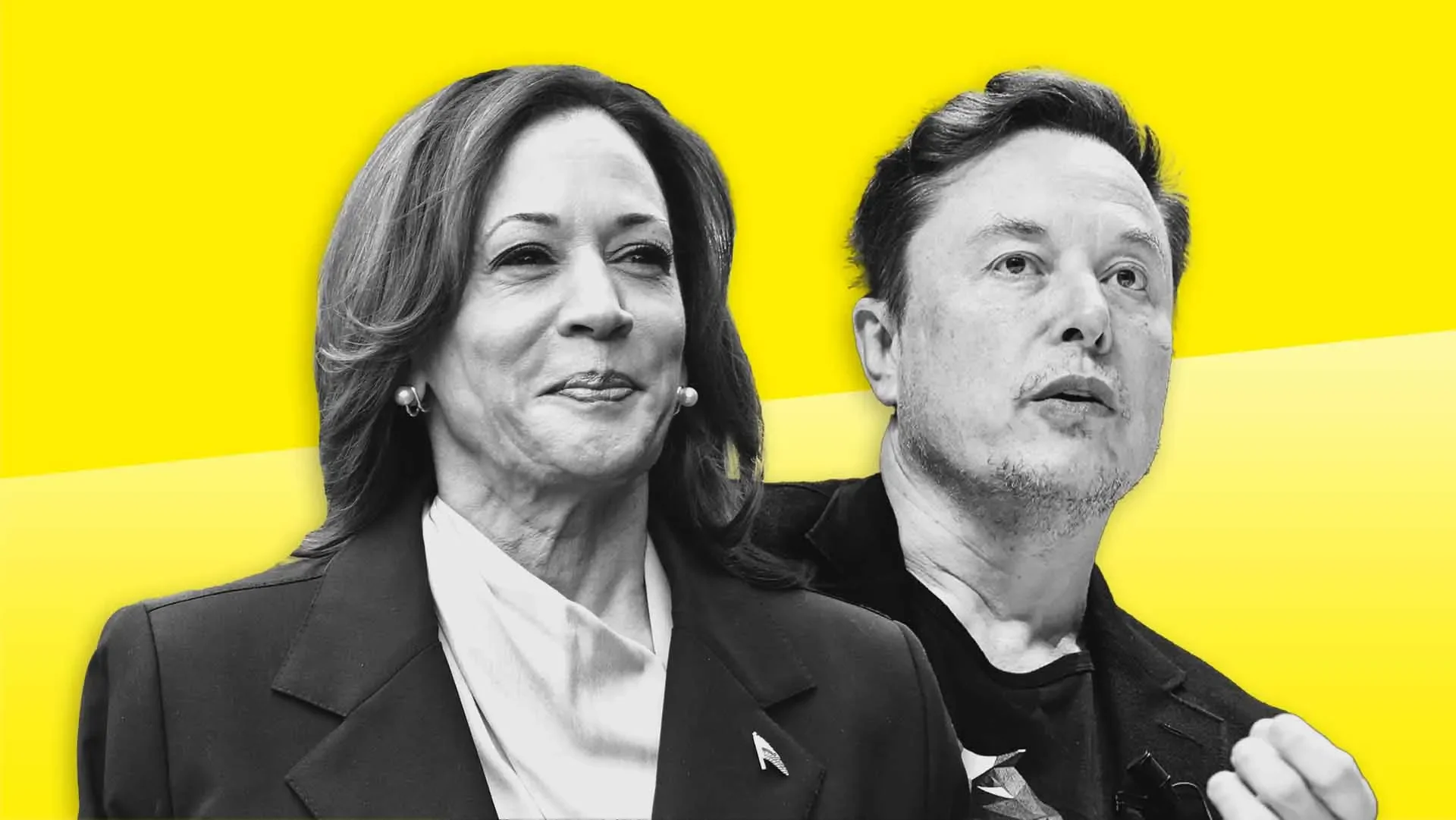
Democrats Mend Fences with Elon Musk: A Turning Point for Tech Innovation
Why political reconciliation could unlock faster progress in EVs, autonomy, and space exploration
Recent admissions from Democratic leaders highlight a key oversight in past electric vehicle policies, opening doors to broader collaboration with innovators like Elon Musk. This shift signals potential bipartisan backing for ambitious projects in autonomous transport and space tech, which could reshape industries and reduce regulatory hurdles ahead.
Key Takeaways
Democrats are publicly recognizing errors in sidelining Elon Musk during early EV initiatives, aiming to rebuild ties for future influence.
SpaceX stands as a critical national asset for U.S. defense and space dominance, making partnership essential regardless of political divides.
Tesla's push into fully autonomous vehicles like the Cybercab promises massive cost reductions in transportation but poses significant disruptions to legacy auto makers and ride-sharing services.
Regulatory de-risking from both parties could accelerate innovations in rocketry, brain-computer interfaces, and humanoid robots over the next decade.
The economic ripple effects include lower transport costs by up to 10x, but require careful planning to mitigate job displacements for millions of drivers.
The AI Revolution: Tesla, Nvidia, and the Future of Compute
Why Tesla and Nvidia Are Poised to Redefine the Global Economy
The AI revolution is reshaping industries, and at its core are two juggernauts: Tesla and Nvidia. Their advancements in artificial intelligence, robotics, and compute infrastructure signal a future where energy, data, and intelligence converge to create unprecedented economic value. From autonomous robotaxis to distributed inference networks, the synergy of these technologies could disrupt entire markets, leaving traditional players like Uber struggling to adapt. Here’s why the stakes are higher than ever and what it means for the future.
Key Takeaways
Tesla’s Robotaxi Dominance: Tesla’s robotaxi network, with dynamic pricing and unmatched cost efficiency, is set to capture significant market share from Uber and Waymo, potentially rendering traditional ride-hailing models obsolete.
Nvidia’s Compute Supremacy: Nvidia’s platform strategy fuels the AI boom, but its long-term margins may face pressure as compute becomes commoditized, creating opportunities for specialized players like Tesla.
Energy and Compute Synergy: Pairing energy storage (like Tesla’s Megapacks) with AI chips enables distributed inference, turning idle energy into valuable computational output.
Video Data as the Ultimate Resource: Video data’s infinite scalability makes it the backbone of AI training, giving Tesla a unique edge with its vast fleet of camera-equipped vehicles.
Retail Investing’s AI Edge: Advanced AI tools are empowering retail investors to uncover opportunities in stocks like Tesla, potentially increasing market liquidity and driving more IPOs.

Key Takeaways from Tesla's Q2 2025 Earnings Call: AI Dominance and the Road Ahead
Tesla's latest earnings reveal a bold pivot to AI-driven growth, with humanoid robots and autonomous tech set to unlock trillion-dollar markets amid short-term financial hurdles.
Tesla's Q2 2025 results underscore a strategic shift toward artificial intelligence and autonomy, positioning the company to lead in transformative sectors like robotics and self-driving vehicles. While near-term earnings face pressure, the focus on scalable AI solutions promises massive long-term value, drawing from expertise in manufacturing, energy, and real-world data.
Key Takeaways
Earnings are expected to stay below prior peaks for at least the next year, potentially leading to flat or declining stock performance unless market multiples rise.
The company is fully committed to AI and autonomy, with all initiatives aligned around advancing robotaxis, humanoid robots, and energy storage.
Leadership expresses strong confidence in dominating future markets through these technologies, backed by plans to use debt if needed to fund capital expenditures.
Market valuation treats Tesla as an AI powerhouse, far exceeding projections from vehicle sales or energy growth alone, with investors eyeing robotaxi rollout speed and profitability.
Humanoid robots could prove viable through cost reductions in factories or sales for urban services, tapping into high-labor-cost industries.
Unsupervised full self-driving capabilities represent the critical threshold for mass adoption, far outpacing current supervised systems in appeal.
Batteries remain essential for balancing energy supply and demand fluctuations, ensuring ongoing demand as global consumption grows.
Progress in AI aspirations can sustain high valuations, enabling self-funding, but any setbacks in robotaxis or bots could trigger sharp declines.