
The Operating System Behind World-Changing Innovation
How intensity, technical depth, and strategic boldness create results that redefine what's possible in tech and beyond.
The principles shaping one of tech’s most effective operators deliver a rare edge for any builder or entrepreneur aiming for outsized impact. They reveal how purpose, mindset, and execution combine to solve problems at planetary scale while building durable companies that last for decades.
Key Takeaways
A singular profile fuses extreme energy and discipline with unconventional technical genius and Napoleonic strategic vision with bias to action.
Purpose acts as the core engine, driving decisions that ignore short-term financial or reputational optimization in favor of meaningful missions.
Upbringing and biology create dual fuel: running toward ambitious goals while escaping personal demons of inadequacy.
Effective leadership holds impossibly high standards, convincing teams they can achieve what they initially deem unfeasible.
Hardware success requires full vertical integration, domestic manufacturing mastery, and direct customer relationships rather than outsourcing everything.
AI and robotics convergence with ambitious entrepreneurship accelerates deflation and abundance across energy, transport, food, and space.
Wealth accumulates as a natural outcome of scaling solutions to civilization-level problems.
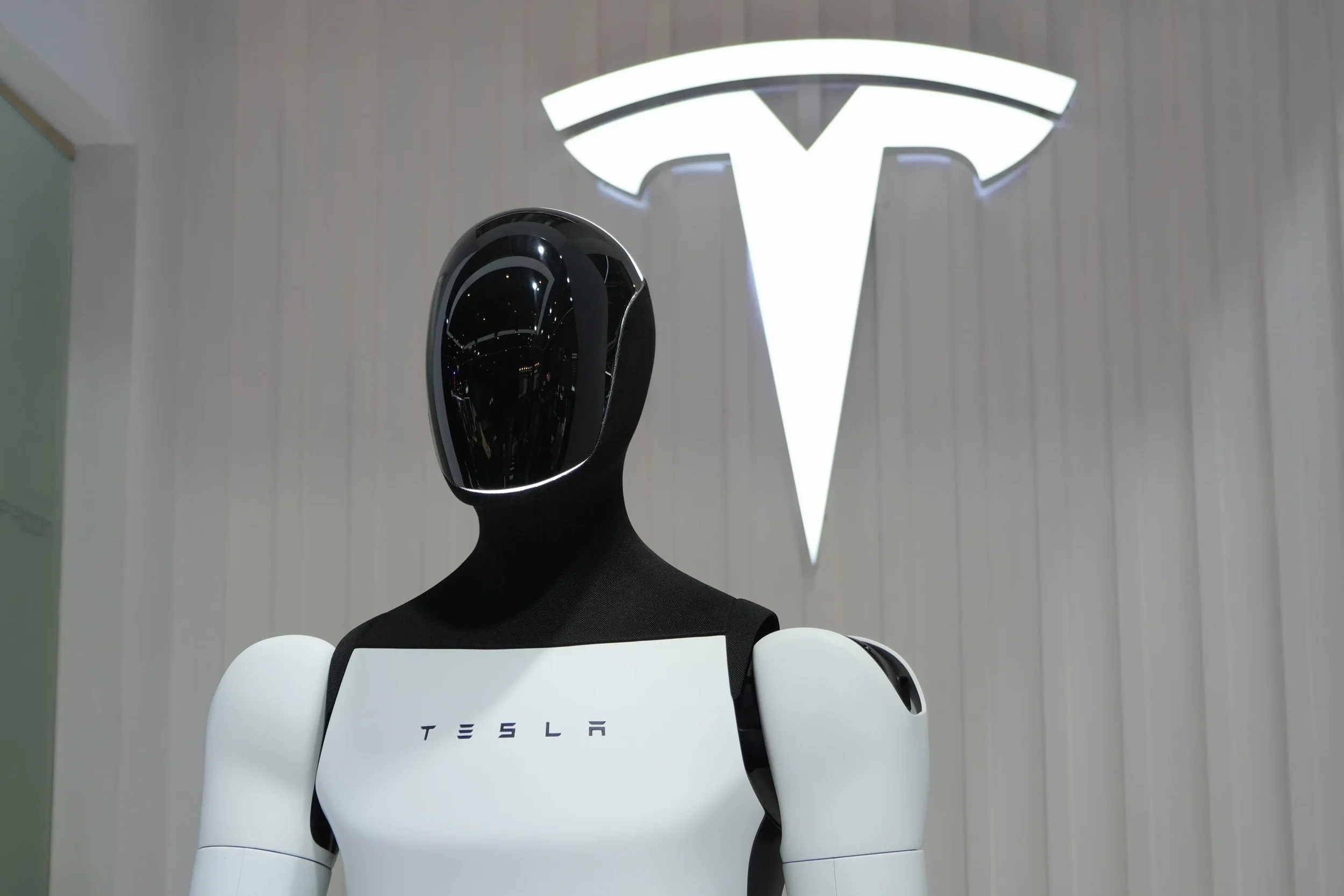
Tesla's Robots: The Dawn of a $40 Trillion Revolution
Unlocking the future where humanoid robots redefine global labor and Tesla leads the charge
Humanoid robots stand poised to transform industries by handling physical tasks humans prefer to avoid, creating unprecedented economic value. Tesla's aggressive push into this space leverages years of manufacturing expertise, potentially capturing a market worth trillions annually through superior scale and integration.
Key Takeaways
Tesla aims to produce 50,000 Optimus robots in 2026, scaling to 1 million units annually soon after, with factory capacity for 10 million by 2027.
Vertical integration gives Tesla control over critical components like batteries, motors, and AI chips, enabling rapid scaling without supplier dependencies.
Competitors like startups and established robotics firms lag in production ambitions, targeting far fewer units over longer timelines.
Tesla's custom AI chips and vast real-world data from autonomous driving provide unmatched advantages in robot intelligence and efficiency.
Recursive manufacturing—robots building robots—creates a feedback loop for cost savings and continuous improvement unique to Tesla.
The global human labor market, valued at over $40 trillion yearly, offers immense growth potential as robots automate repetitive tasks in manufacturing, warehousing, and beyond.
Tesla's Bold Leap into an Autonomous Future
Unlocking Abundance Through AI, Robots, and Self-Driving Tech
Tesla is charting a path toward a world of widespread prosperity, driven by breakthroughs in autonomy, humanoid robots, and energy solutions. At the core are massive investments in AI chips, battery supply chains, and solar production, all aimed at creating a future where technology handles the heavy lifting.
Key Takeaways
Tesla's mission now emphasizes creating an era of amazing abundance, focusing on universal high income enabled by AI and robotics.
Production of Model S and X vehicles will end next quarter to repurpose factory space for scaling Optimus robot manufacturing to one million units per year.
Full self-driving technology is advancing rapidly, with unsupervised rides already happening in Austin, and plans to expand to dozens of major U.S. cities by year-end.
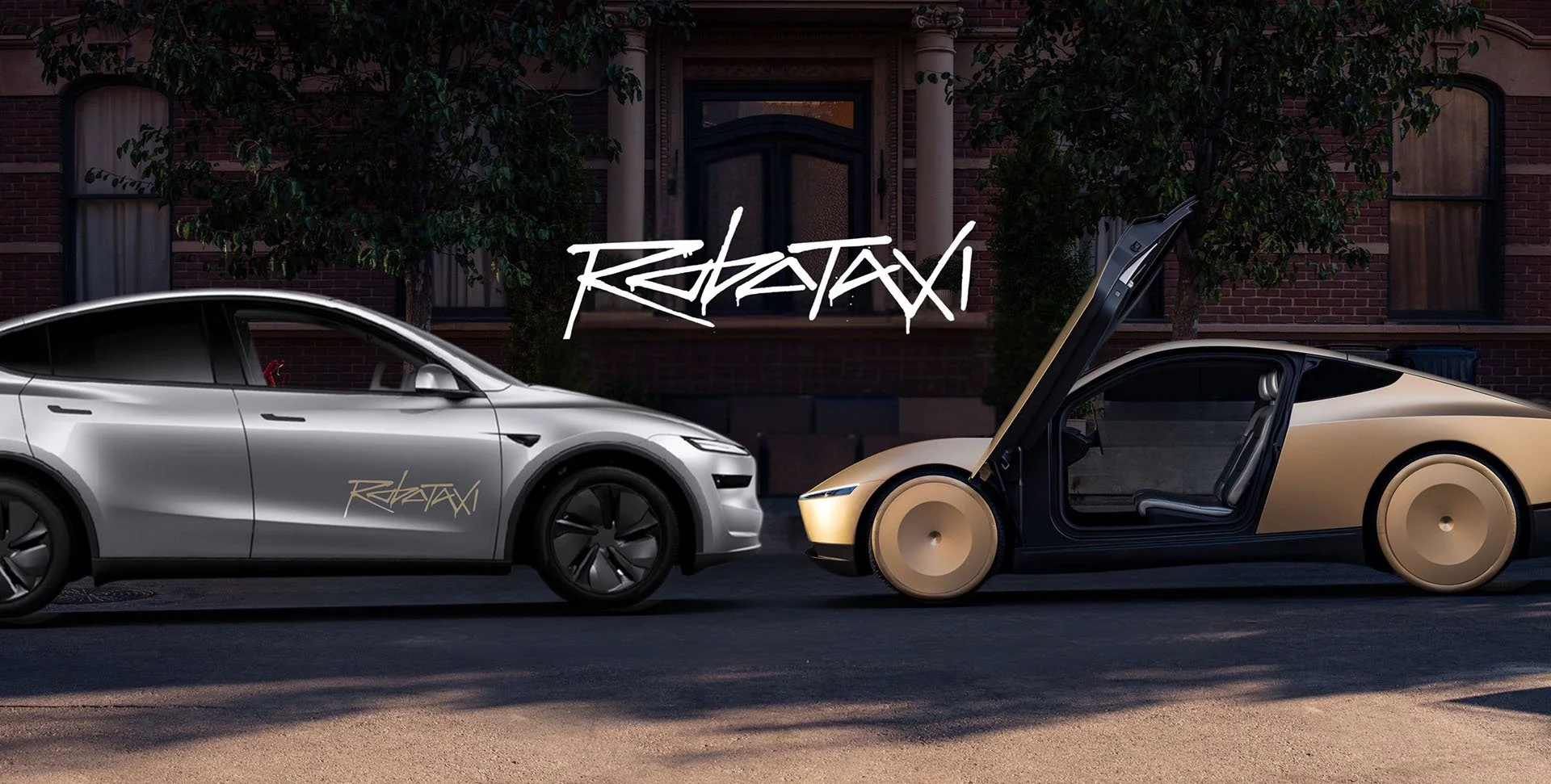
Cybercab, a dedicated two-seater autonomous vehicle without steering wheels or pedals, starts production in April, optimized for low cost per mile and high usage.
Optimus 3, unveiling soon, will be a general-purpose robot capable of learning tasks from demonstrations, videos, or verbal descriptions, with potential to boost U.S. GDP significantly.
Energy division expects explosive growth through solar and batteries, targeting 100 gigawatts of annual solar cell production.
AI chip strategy includes designing AI5 and AI6 chips in-house, with plans for a massive Tesla Terra Fab to secure supply amid geopolitical risks.
Existing Tesla owners could earn income by adding vehicles to an autonomous fleet, potentially covering lease costs and more.
Long-term vision shifts all vehicle production to autonomy, including semi-trucks for local cargo, while addressing competition from China in humanoid robots.
Investments in xAI aim to enhance fleet management and robot coordination for complex projects like building refineries.
Tesla's 2026 Leap: Unlocking Robotaxis and AI Dominance
Revolutionizing Transportation and Compute in One Bold Year
Tesla's trajectory heads into overdrive as unsupervised self-driving tech nears reality, Cybercab production ramps up, and AI hardware reshapes the company's future. These shifts promise massive value unlocks for vehicles, energy, and beyond, setting the stage for explosive growth.
Key Takeaways
Unsupervised full self-driving (FSD) could multiply vehicle values by five times through higher margins and new revenue streams.
Cybercab enters volume production in April, starting slow but scaling to thousands per week, with flexible designs to navigate regulations.
AI hardware advancements pave the way for safer robotaxis, distributed computing, and pathways to bots and satellites.
Energy demand surges infinitely due to AI needs, bolstering Tesla's bottom line.
Subscription models for vehicles and software could transform ownership, blending transport, power backup, and personal AI computing.

The Robot Driver Bet: Insurance Giants Stake Billions on AI Outdriving Humans
Why a 50% insurance slash for self-driving Teslas signals the end of human error on roads—and massive savings ahead
Autonomous driving tech has reached a tipping point where data shows machines handle roads far safer than people, leading to dramatic insurance cuts that could reshape transportation economics for everyone.
Key Takeaways
Insurance rates for Tesla owners drop 50% when the car drives itself, based on verified data showing AI reduces crash risks significantly.
Average US car insurance costs $2,300 yearly and keeps rising due to repair expenses and distractions, but AI could halve accidents and reverse that trend.
Machines eliminate common crash causes like fatigue, impairment, and poor judgment, reacting faster with full 360-degree awareness.
This partnership accesses real-time vehicle data for precise risk pricing, setting a model where software updates make cars safer—and cheaper to insure—over time.
Broader impact: Traditional insurers must adapt or lose customers, while Tesla gains a competitive edge no other automaker matches yet.
Long-term shift: Human-driven cars may face higher premiums as AI proves safer, potentially saving thousands of lives annually by cutting US road deaths in half.
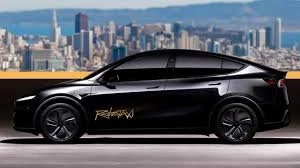
Tesla's Robotaxi Breakthrough: Unsupervised Rides Begin in Austin
The first truly driverless Tesla robotaxis are now carrying paying passengers in Austin, Texas—using standard Model Y vehicles with no human in the front seat. This milestone, combined with third-party insurance slashing rates by 50% on FSD miles, signals that Tesla's vision-based autonomy has reached a level of safety and capability that could reshape transportation economics worldwide.
Key Takeaways
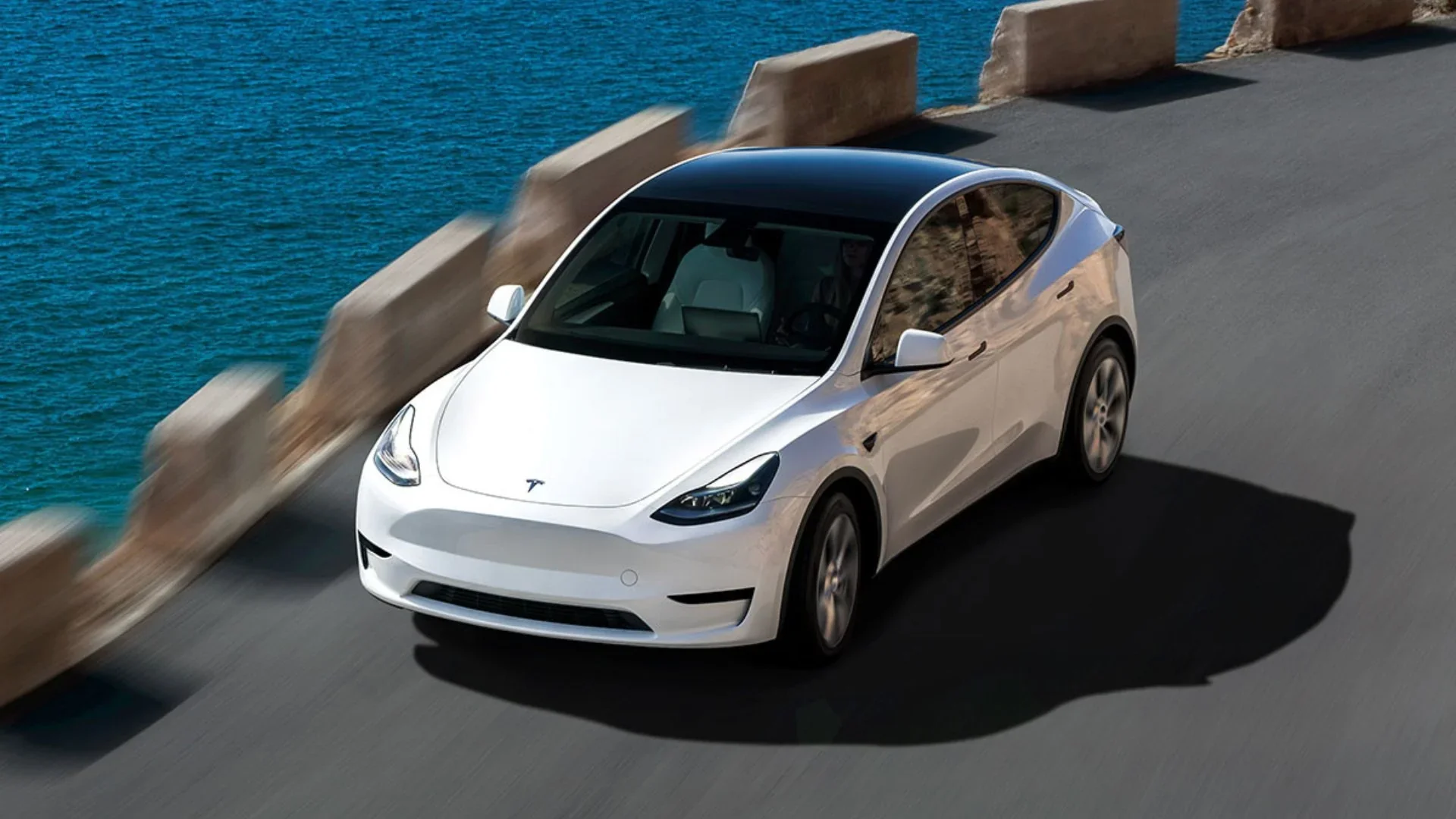
Tesla has launched public robotaxi rides in Austin with fully unsupervised vehicles—no safety driver or monitor inside the car—starting with a small number mixed into the existing fleet.
The service uses unmodified Model Y vehicles equipped with the same camera-only hardware and AI software available in consumer Teslas.
A major insurer now offers roughly 50% lower per-mile rates for miles driven with Tesla's Full Self-Driving (FSD) engaged, based on real-world data showing sharply reduced accident risk.
Removing the human driver collapses operating costs to energy, maintenance, and repairs—potentially dropping per-mile expenses to 40-60 cents versus $2+ for human-driven rides.
Tesla's camera-based, data-driven approach—trained on billions of miles from its global fleet—enables scalability far beyond sensor-heavy competitors, with potential for rapid expansion to new cities and countries.
Future production of the purpose-built Cybercab, lacking steering wheel or pedals, could push Tesla's annual output beyond 5 million self-driving-capable vehicles.
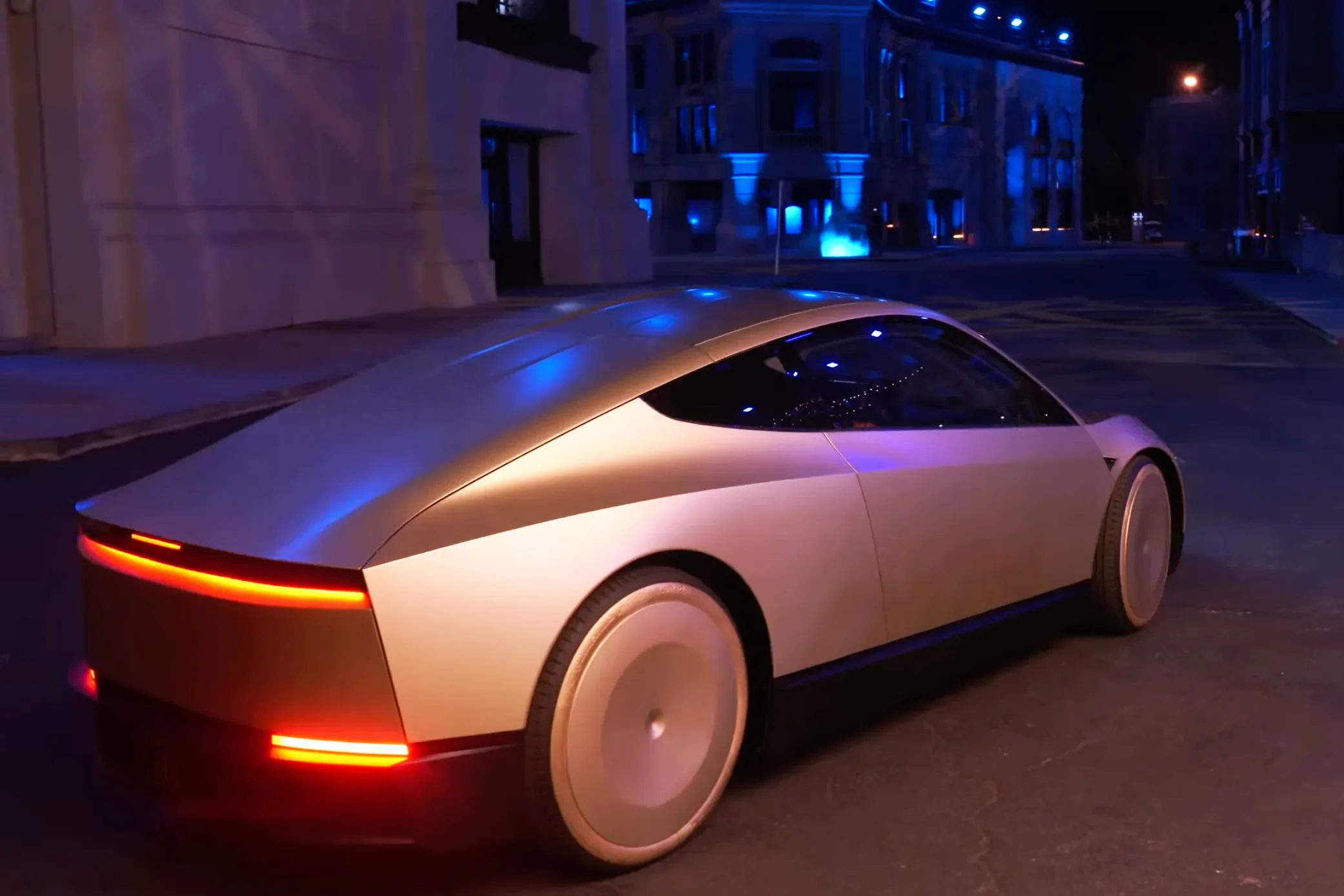
Cybercab Onslaught: Tesla's Driverless Future Accelerates
Tesla's Cybercab is ramping up toward mass production, promising cheaper rides and massive scale—but regulatory caps could force a pivot to manual controls.
The Cybercab is emerging as a game-changer in autonomous vehicles, with prototypes spotted across major cities and a production timeline set for April 2026. This two-seater, built without steering wheels or pedals, leverages a new manufacturing method to cut costs and boost output, potentially slashing per-mile expenses to half that of traditional cars. Yet, hurdles like U.S. limits on driverless vehicle production threaten to slow the rollout, possibly leading to versions with added controls for broader sales.
Key Takeaways
Cybercab prototypes are testing in cities like Chicago, Buffalo, Austin, and California, signaling readiness for an April 2026 launch.
The unboxed manufacturing process enables parallel assembly, reducing factory space and allowing for higher production volumes to meet expected demand.
Priced around $20,000 to build, the Cybercab could offer rides at 20-40 cents per mile, far below the 80 cents typical for personal vehicles.
Regulatory caps limit driverless cars to 2,500 units annually in the U.S., with efforts underway to raise it to 95,000—critical for Tesla's scale.
Steer-by-wire and brake-by-wire tech makes adding removable controls straightforward, providing a fallback if regulations lag.
Tesla's existing fleet of millions could integrate advanced autonomy, giving it an edge over rivals like Waymo in robotaxi deployment.
Full unsupervised autonomy requires billions more miles of data, likely delaying widespread driverless operations until late 2026 or beyond.
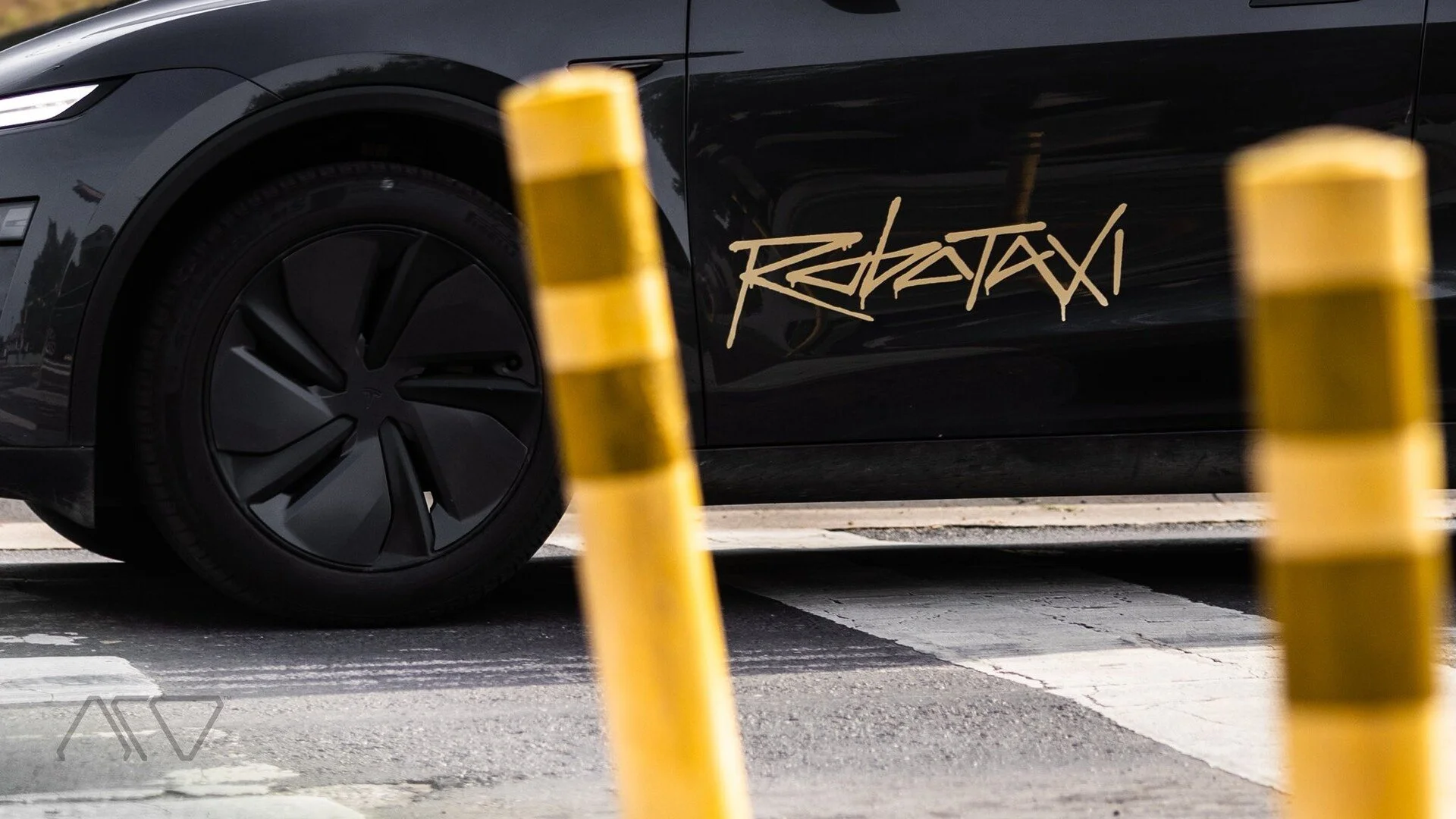
Tesla's Autonomy Leap: Unlocking the Robotaxi Era
Revolutionizing Mobility with Safer, Smoother Self-Driving Tech
Tesla's stock has surged to record levels as the market recognizes the company's strides in autonomous driving. Recent software updates deliver performance that rivals or exceeds human drivers in safety and ride quality, paving the way for widespread Robotaxi deployment. This shift promises to flood cities with affordable, efficient autonomous vehicles, generating substantial profits while outpacing rivals.
Key Takeaways
Tesla's latest full self-driving software achieves safety levels comparable to or better than human drivers, based on extensive real-world testing and minimal incident reports.
Comfort in autonomous rides sets Tesla apart, with smooth handling of turns, accelerations, and intersections that mimic top human drivers.
Robotaxi networks can scale rapidly without safety drivers, starting in key areas like Austin and the Bay Area, thanks to regulatory-friendly safety profiles.
Manufacturing advantages allow Tesla to produce and deploy thousands of Robotaxis at low cost, undercutting competitors on fares and utilization.
Each Robotaxi could generate around $100,000 in annual profit through efficient operations, with costs as low as 60 cents per mile versus $2.50+ charges.
Broader AI applications from this tech extend to humanoid robots, amplifying Tesla's potential in automation.
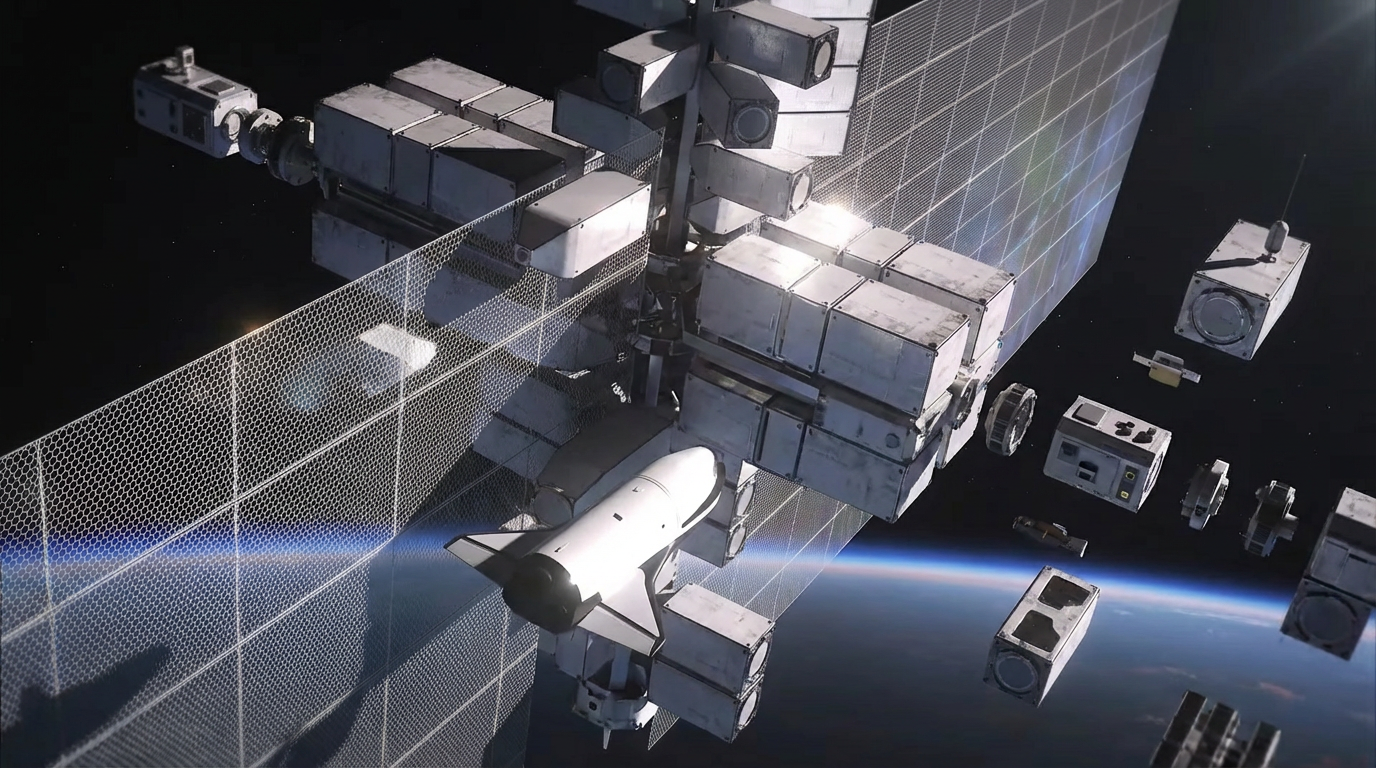
AI Heads to Orbit: Building Data Centers Beyond Earth's Limits
Why space could become the new home for AI's insatiable hunger for power and cooling, unlocking exponential growth in inference and beyond.
Space-based computing is emerging as a game-changer for AI's expansion. With earthly data centers hitting walls on energy availability and water for cooling, shifting operations to orbit taps into unlimited solar power and natural vacuum cooling. This approach not only sidesteps terrestrial bottlenecks but also paves the way for massive scaling in AI inference, where demand is skyrocketing as models become everyday tools.
Key Takeaways
Space offers unlimited, low-cost solar energy without the need for batteries or land permits, producing eight times more power per solar panel than on Earth.
Cooling in space relies on radiating heat into the void, eliminating the massive water consumption that plagues ground-based data centers.
Initial focus will be on AI inference tasks, like generating images or running chatbots, which can operate on isolated nodes rather than massive interconnected clusters needed for training.
Over the next decade, inference compute could dominate AI energy use, potentially doubling every six to twelve months, far outpacing training demands.
Challenges like radiation hardening and deployable radiators are being solved through innovative engineering, making space viable for high-power chips.
Launch costs are plummeting with reusable rockets, enabling terawatts of orbital compute capacity without the constraints of Earth's grid or politics.
By 2035, space might host a small but growing share of new data centers, with full-scale adoption potentially reaching meaningful levels by 2050.
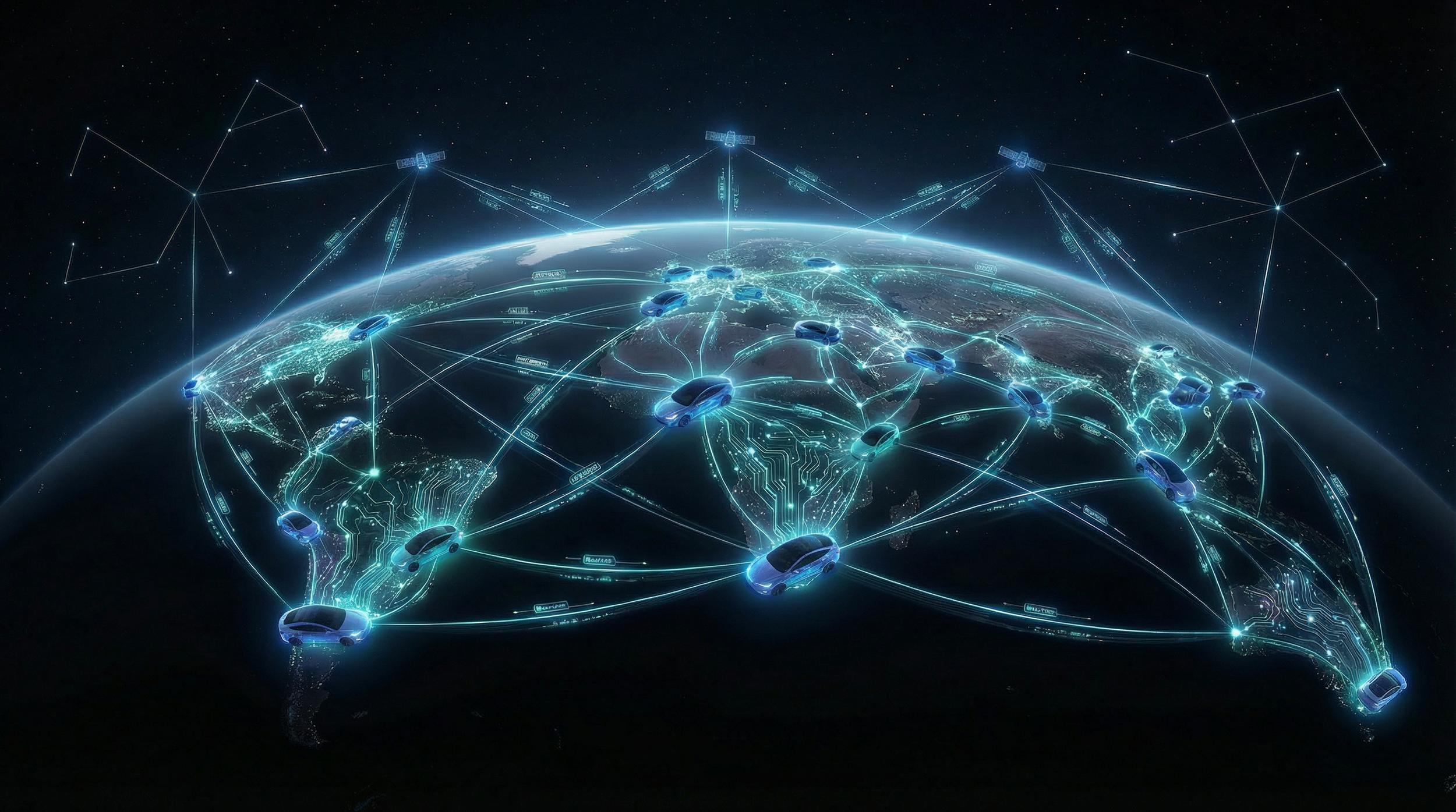
Tesla's Secret Weapon: Turning Cars into the World's Largest AI Network
Revolutionizing Compute Power Through Idle Vehicles and Satellite Connectivity
Imagine a future where millions of electric cars, sitting idle in garages worldwide, form the backbone of a massive AI processing empire. This isn't science fiction—it's a strategic pivot that could redefine computing infrastructure, leveraging existing hardware in ways the market hasn't priced in yet.
Key Takeaways
Tesla's vehicle fleet could evolve into a distributed AI inference system, harnessing unused computing power from parked cars to create a network rivaling major data centers.
With projections of 100 million vehicles, each contributing around a kilowatt of inference capability, this setup might deliver up to 100 gigawatts of compute—equivalent to a significant portion of U.S. power consumption.
Built-in power and cooling systems in electric vehicles solve key data center challenges, making this approach cost-effective and scalable.
Data transfer bottlenecks via traditional Wi-Fi or cellular networks hinder viability, but satellite-based internet offers high-bandwidth, low-latency solutions for seamless coordination.
Integration of satellite tech could enable consistent global connectivity, turning theoretical potential into practical reality for AI workloads.
Challenges include workload allocation, owner incentives, security, and focusing on inference tasks that suit distributed environments over centralized training.
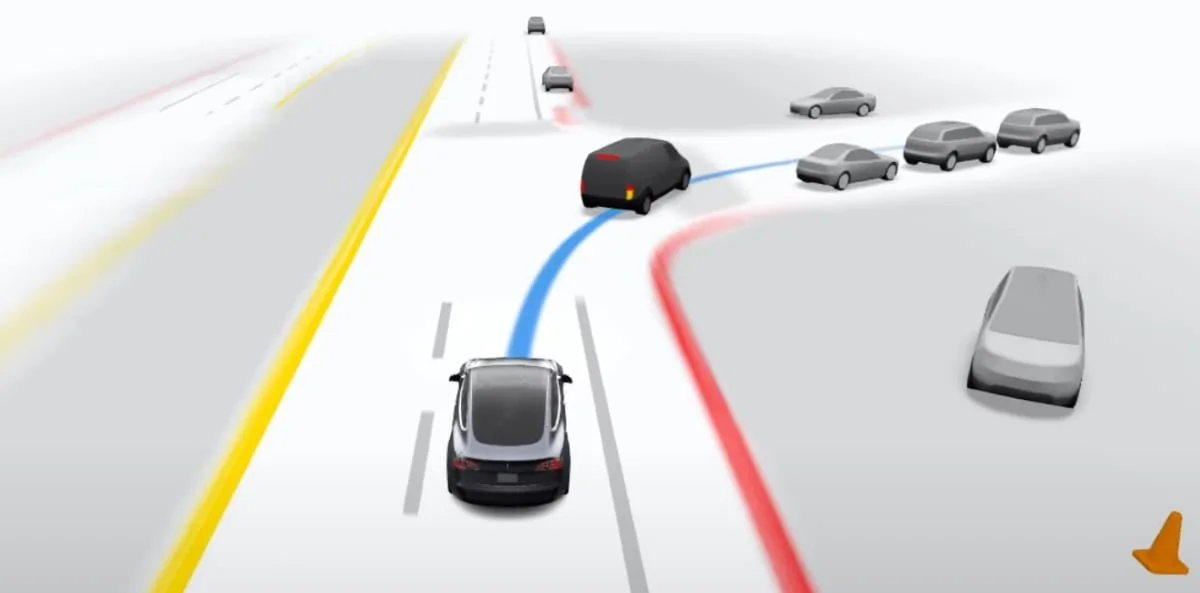
Tesla's Self-Driving Leap: Conquering Roads Worldwide
Why FSD's Rapid Progress Signals a Transportation Overhaul
Tesla's Full Self-Driving software has reached a stage where it handles 99% of miles autonomously in diverse conditions, from snowy terrains to narrow European streets. This breakthrough points to a future where robotaxis scale globally, potentially transforming economies through safer, cheaper mobility—yet regulatory hurdles could force creative solutions like adding steering wheels to cyber cabs.
Key Takeaways
Tesla's FSD software now operates reliably in challenging environments like snow and European roads, demonstrating its adaptability beyond U.S. cities.
Global rollout of the Tesla app opens doors for wider adoption, signaling preparations for robotaxi services in countries outside the U.S.
Regulatory landscapes vary worldwide, with potential for nations like Indonesia or the UAE to approve robotaxis faster than fragmented U.S. states, accelerating Tesla's expansion.
Waymo's geofenced approach limits scalability to thousands of vehicles annually, while Tesla's vision-based system aims for millions, creating a competitive edge.
Outdated mapping remains a minor issue, but upcoming updates will incorporate more human-like logic to override such limitations.
Self-driving tech promises massive safety gains and cost reductions in transportation, outweighing concerns around privacy and control.
If global approvals align with production capacity, Tesla could deploy millions of cyber cabs, leading to trillions in market value through profitable robotaxi networks.
Elon Musk's Bureaucracy Roast: How Overregulation Stifles Innovation
Unraveling the Absurd Hurdles Facing Space Tech and Beyond
Government red tape isn't just annoying—it's a massive barrier to progress in fields like space exploration. Recent stories highlight ridiculous requirements, from analyzing shark collision risks to fines for spilling water, all while tech pioneers push boundaries. These insights reveal how outdated systems slow down ambitious projects and what it means for the future of innovation.
Key Takeaways
Overly cautious environmental studies for rocket launches, like assessing impacts on sharks and whales, delay critical advancements in space travel despite minimal actual risks.
Fines for minor actions, such as dumping clean water to cool launch pads, show how regulations ignore context in high-rainfall areas.
Early internet pioneers often started companies out of necessity when traditional job paths failed, leading to breakthroughs like the first online maps and directories.
Media outlets frequently echo identical talking points, raising questions about coordination and reducing public trust in reporting.
Government expansion risks inefficiency, akin to scaling up slow bureaucratic agencies without improving outcomes.
Persistent issues like chronic back pain represent untapped opportunities for tech to boost quality of life.
Free speech advocates face escalating threats, including media labeling and security concerns, underscoring the need for robust protections.
Political leadership often appears scripted, with breakdowns revealing potential influences from unelected power brokers.
Overlaps between high-profile scandals and political figures suggest hidden networks shaping decisions.

Tesla's Robotaxi Push Gains Momentum: Arizona Unlocks Statewide Access
Regulatory Wins Fuel Autonomous Ride-Hailing Growth
Tesla's latest permit in Arizona marks a critical advancement in scaling robotaxi services, enabling paid autonomous rides across an entire state and positioning the company for broader U.S. deployment amid improving software capabilities.
Key Takeaways
Tesla obtained a Transportation Network Company permit from Arizona authorities, allowing legal operation of paid robotaxi services without city-specific limits.
The approval process was expedited, with the application submitted and granted within days, highlighting efficient navigation of regulatory requirements.
This development supports plans to reach multiple new metro areas nationwide by the end of the year, leveraging existing vehicle fleets.
Initial launches will incorporate safety monitors and teleoperators to ensure reliability, with software updates driving toward unsupervised operations.
Similar statewide frameworks in places like Texas could enable quick expansions to cities such as Dallas and Houston.
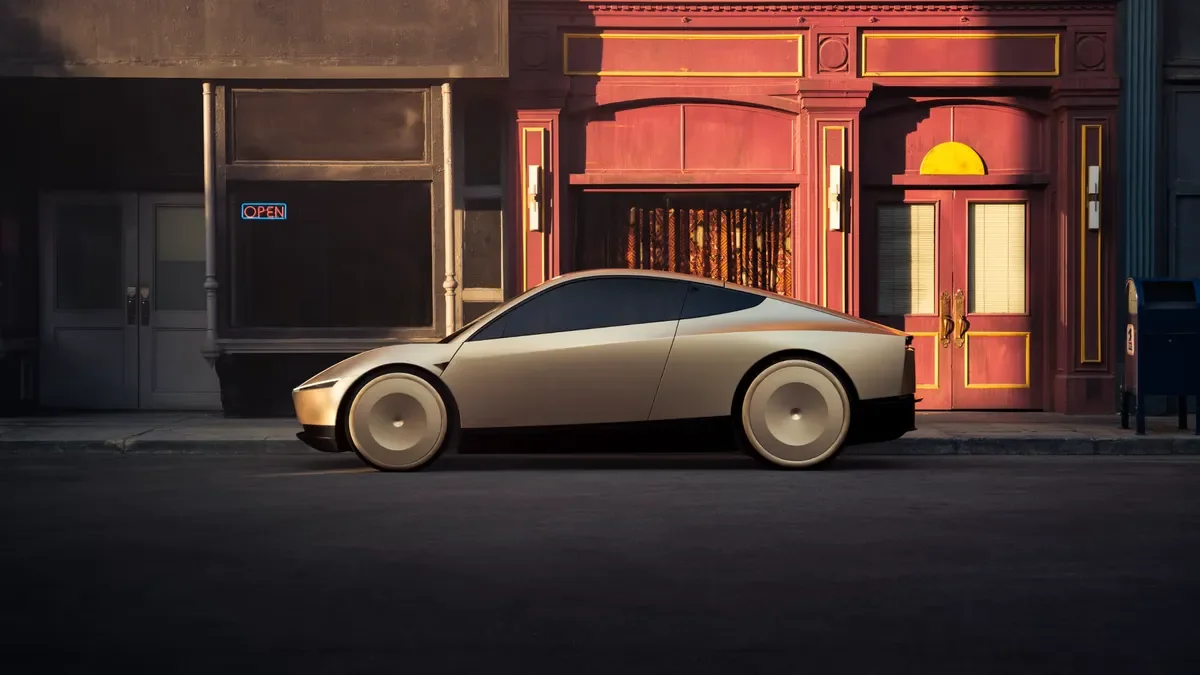
Tesla's Robotaxi Edge: Scaling Autonomy to Every Corner
Why Small Cities and Global Streets Are Tesla's Next Frontier
Tesla is pushing boundaries with Robotaxi trials in unlikely spots like Harrisburg, Pennsylvania, while Cybertrucks equipped with the latest Full Self-Driving software handle urban drives in Europe. These moves highlight a scalable approach to autonomy that could reshape transportation economics worldwide, outpacing rivals limited by hardware and mapping constraints.
Key Takeaways
Tesla's Robotaxi network is expanding into smaller markets like Harrisburg, leveraging massive vehicle production to enter areas competitors ignore.
Full Self-Driving version 14 enables vehicles like the Cybertruck to navigate diverse environments, from U.S. suburbs to European cities, without specialized sensors or pre-mapped routes.
Unlike companies relying on lidar and high-definition maps, Tesla uses camera-based AI trained on billions of miles of real-world data for broader, faster deployment.
This technology promises to lower transportation costs below 50 cents per mile, boosting local economies in underserved regions by reducing friction for travel and commerce.
Global scalability means Tesla can upgrade millions of existing vehicles via software, creating a ride-hailing fleet that transforms affordability and accessibility everywhere.
The Musk Economy: Billions Injected, Myths Busted
Why Elon Musk's Empire Powers Everyday Lives and National Growth
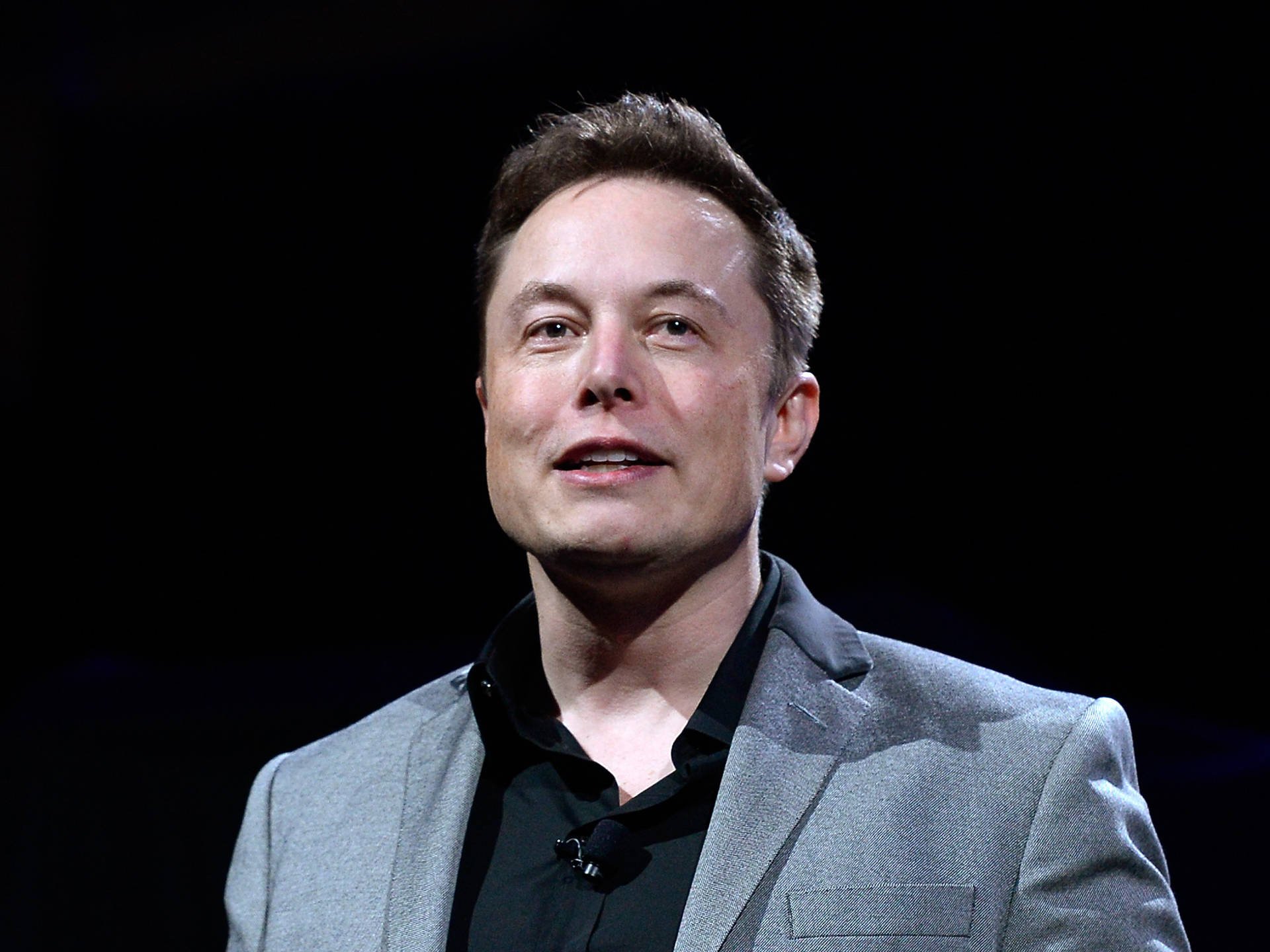
Elon Musk's companies aren't just pushing technological boundaries—they're injecting massive value into the economy, creating high-paying jobs, funding public services through taxes, and revitalizing American manufacturing. At a time when debates rage over wealth and innovation, these facts reveal how one person's drive translates into widespread prosperity, from factory floors to national infrastructure.
Key Takeaways
Over the past five years, Musk's companies have paid out $110 billion in salaries globally, with about 83% directed to U.S. workers earning an average of $170,000 annually—far above the national average of $38,000.
These operations have generated $45 billion in taxes for the U.S., including $31 billion from employee income taxes, $5 billion in corporate taxes, and $9 billion in payroll taxes, averaging $9 billion annually.
Supplier spending in the U.S. totals $182 billion over the same period, supporting over 1,000 companies and their extended networks, amplifying economic ripple effects.
Musk's ventures employ around 150,000 people, many of whom have gained significant wealth through stock options, enabling retirements and financial security.
This ecosystem rivals the GDP of states like Colorado, driving reindustrialization through advanced production in autos, space, energy, and AI, while inspiring broader industrial revival.
Common criticisms, like layoffs or government subsidies, pale in comparison: layoffs represent less than 1% of total employment, and subsidies to his companies are a fraction of those received by competitors.
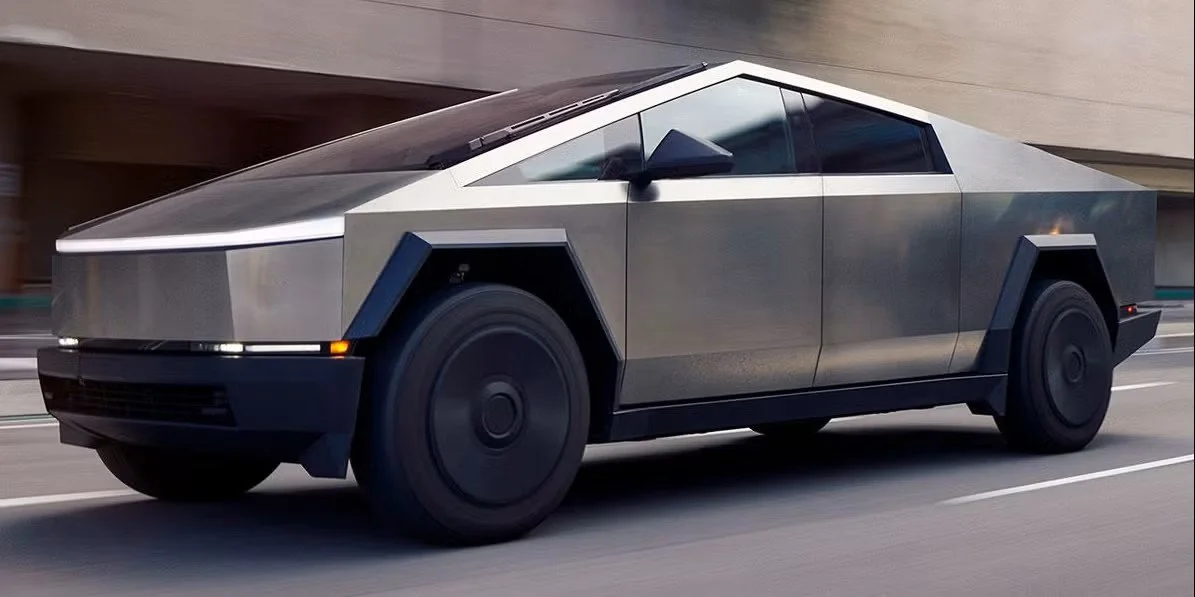
Cybertruck's Self-Driving Breakthrough: FSD v14.1.7 Takes on Austin Rush Hour
Pushing Autonomy to New Heights in Real-World Chaos
Tesla's latest Full Self-Driving update demonstrates remarkable progress in handling urban and highway scenarios, blending speed with safety in ways that rival human drivers.
Key Takeaways
FSD v14.1.7 maintains smooth, natural acceleration and braking, adapting seamlessly to traffic flow without abrupt movements.
The system excels in lane management, preferring middle lanes for cruising and shifting left only for passing, avoiding common pitfalls like left-lane camping.
Pedestrian detection and courtesy stand out, with the vehicle yielding appropriately at crosswalks and four-way stops, even in busy pedestrian areas.
Highway performance handles construction zones, merges, and speed variations up to 85 mph cap effectively, though minor hesitations occur in complex merges.
Parking garage navigation needs refinement, as the system sometimes fails to enter designated areas, but overall urban maneuvering in crowded spots shows strong politeness and caution.
Mad Max mode delivers assertive yet controlled driving, prioritizing empathy and safety over aggressive tactics.
School zones and low-speed areas trigger cautious speed adjustments, potentially geofenced for added safety around sensitive locations.
The update marks a pivotal step toward unsupervised autonomy, with potential for widespread deployment removing the need for constant driver attention by mid-2026.
Tesla's Full Self-Driving (FSD) system in version 14.1.7 represents a significant leap in autonomous vehicle technology, particularly when tested in a Cybertruck during Austin's demanding rush hour. This update showcases how AI-driven driving can integrate into everyday traffic, from highways to pedestrian-heavy domains, with a focus on reliability and user comfort. The performance highlights advancements in real-time decision-making, making self-driving tech feel increasingly viable for mass adoption.

Building a Billion-Dollar AI Mental Health Revolution
Unlocking the Brain Through Everyday Cameras: A Path to Precise Diagnosis and Personalized Care
Mental health care today relies on outdated tools that leave millions misdiagnosed or untreated. Emerging AI technologies, powered by simple smartphone cameras, promise to change that by measuring brain activity through the eyes—offering objective insights into conditions like PTSD, anxiety, and depression. This approach could scale globally, turning subjective questionnaires into data-driven precision.
Key Takeaways
Mental health diagnosis often depends on self-reported questionnaires, which are inaccurate and fail to distinguish between overlapping conditions.
Eye-tracking AI uses off-the-shelf cameras to monitor pupil changes, gaze patterns, and even heart rate, providing objective metrics for cognitive and emotional states.
Traditional eye trackers are expensive and limited, but mobile-based systems make this tech accessible to everyone, potentially reaching billions.
Starting with PTSD detection, this technology aims to expand to severity tracking, treatment matching, and population-level insights.
Building such a system requires years of iteration, from hardware hacks to FDA-approved diagnostics, blending neuroscience with consumer tech.
Tesla's Robotaxi: Half the Price, Twice the Future
A real-world ride reveals V14's assertive smarts navigating Austin's chaos—while the network scales up to crush Uber.
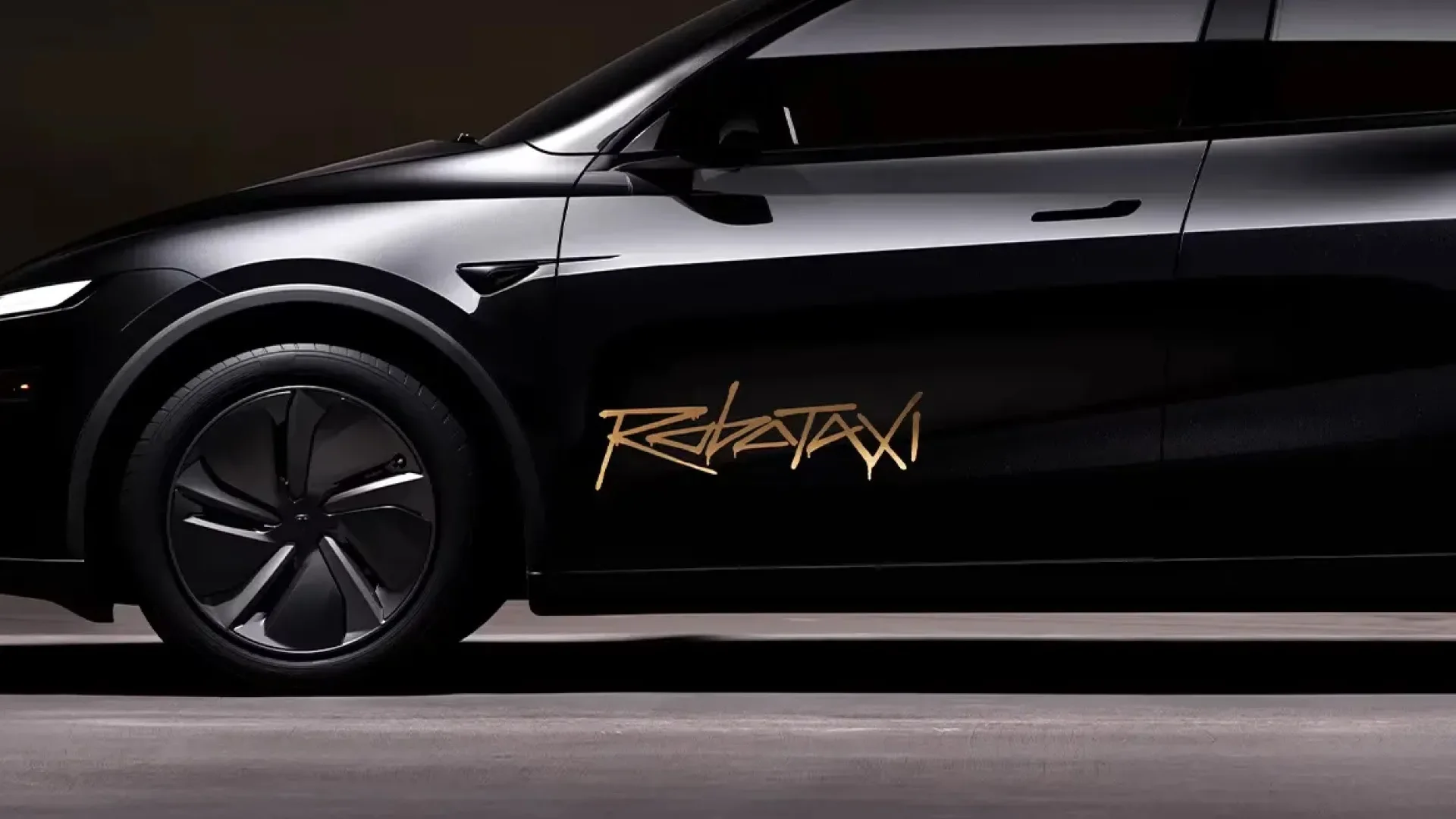
Tesla's robotaxi service in Austin is delivering rides for $15 on an 11-mile trip—half the cost of Uber—while showcasing FSD V14's newfound edge in handling pedestrians, construction, and split-second decisions. The real game-changer? Vehicles that prioritize safety without sacrificing speed, all backed by data that's proving this tech is ready for prime time.
Key Takeaways
Robotaxi fares hit $15 for an 11-mile Austin route, undercutting Uber's $30 by 50%, making autonomous rides the budget-friendly choice for urban travel.
FSD V14 brings assertive lane changes and real-time rerouting around obstacles, turning potential hazards into seamless maneuvers.
Vehicles demonstrate heightened awareness, braking preemptively for encroaching traffic and yielding politely to pedestrians, enhancing passenger comfort.
Network scaling is the main bottleneck: 11-minute wait times and local-road routing add 20 minutes versus Uber's highway efficiency, but adding 500 cars could flip the script.
Technical performance shines in complex scenarios like four-way stops and cone-lined detours, with no unsafe moments despite minor hesitations.
Highway access remains limited, keeping ETAs longer, but once unlocked, it promises unbeatable speed and reliability at current pricing.
Tesla's Robot Army: From Factory Floors to Your Living Room
Unlocking a $1 Trillion Future in AI-Driven Machines and Autonomous Mobility
Tesla has just secured a massive compensation plan that ties its leader to ambitious goals, pushing the company toward an $8.5 trillion valuation. This move signals deep investments in humanoid robots, driverless vehicles, and advanced AI infrastructure, setting the stage for transformative changes in industry and daily life.
Key Takeaways
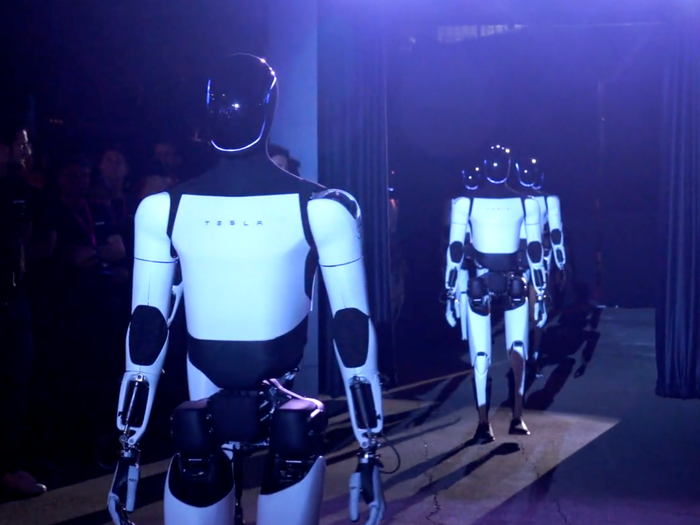
Tesla plans to produce tens of millions of humanoid robots annually, starting with a focus on industrial applications where tasks are repetitive and environments controlled.
Self-driving technology is advancing rapidly, with unsupervised driving potentially available by year-end, though regulatory hurdles could limit widespread adoption.
Production targets aim for 2.6-2.7 million vehicles by end of 2026, scaling to 5 million by 2028, including new models without steering wheels or pedals.
Building a supply chain for robots from scratch will involve significant challenges, including billions in compute investments for AI training.
Tesla may enter chip manufacturing to support its growth, targeting a million wafer starts per month to meet demand for AI hardware in robots and vehicles.

Tesla's Stealth Play: From Cybercab to Global AI Supremacy
Why the Future of Driving, Manufacturing, and Intelligence Hinges on Bold Bets and Brutal Realities
Tesla stands on the brink of transforming transportation with vehicles that could eliminate the need for human drivers entirely. Yet, hurdles like regulation and market demand might force adaptations, such as adding steering wheels to robotaxis. Meanwhile, AI's explosive growth promises superhuman capabilities in every field, but it also sparks geopolitical tensions and societal shifts that could redefine economies worldwide.
Key Takeaways
Tesla's Cybercab production line will likely produce vehicles with optional steering wheels and pedals to meet regulatory demands and boost output, potentially creating a sub-$30,000 autonomous car.
Manufacturing innovations like the unboxed process double efficiency, allowing Tesla to flood markets with low-cost vehicles while preparing for full robotaxi fleets.
Regulatory approval for unsupervised self-driving remains the biggest barrier, with initial Cybercab deployments limited to a few thousand units starting mid-2026.
AI advancements could enable superhuman performance in any domain by 2027, accelerating breakthroughs in medicine, manufacturing, and beyond.
Geopolitical risks, including tariffs on Chinese EVs and chip sales, point to a decoupled world where the U.S. relies on domestic players like Tesla to maintain tech leadership.
The path to singularity involves painful transitions, with job displacements offset by potential universal basic income and unprecedented productivity gains.