
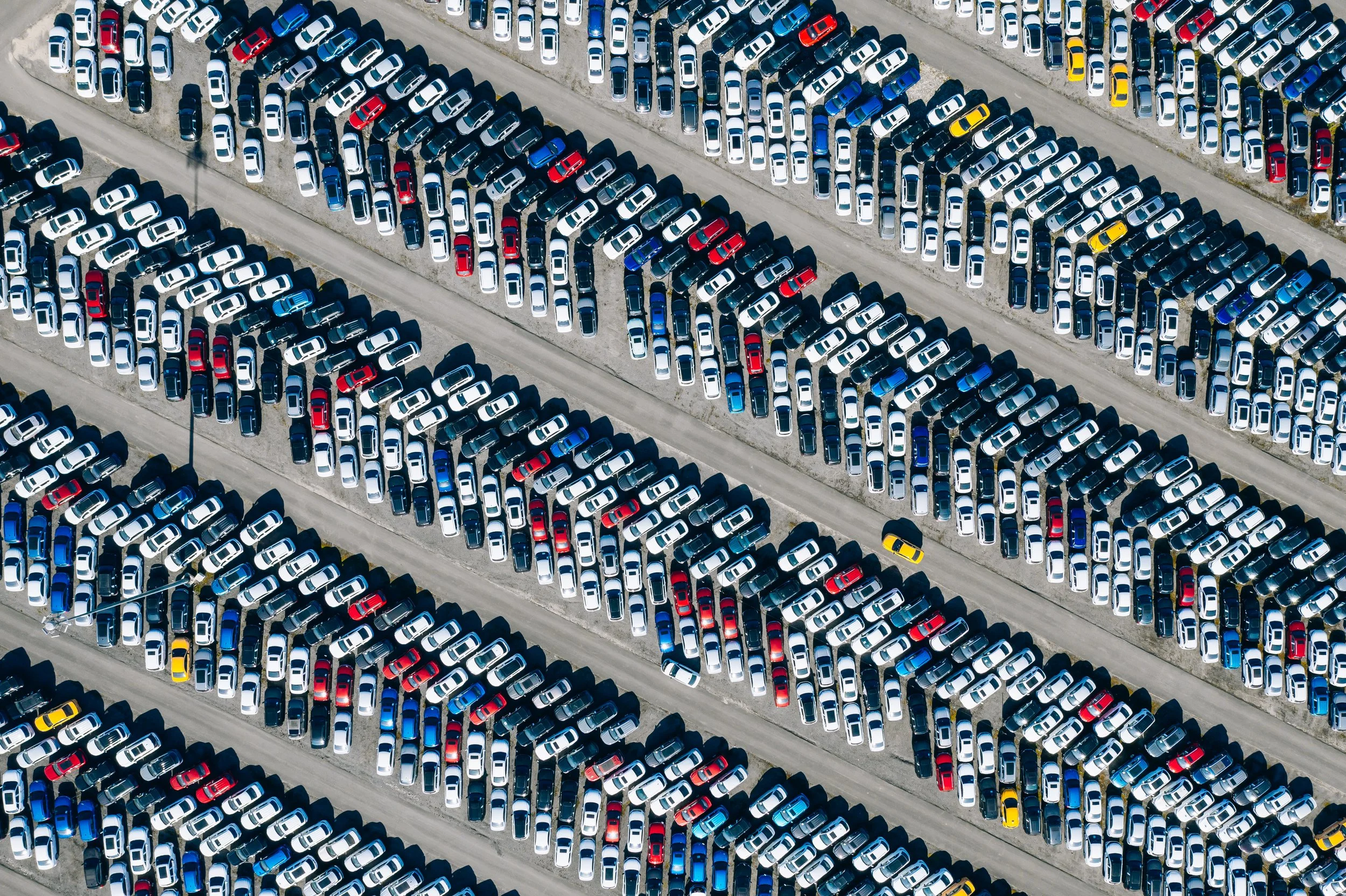
The Car Market Collapse: Why Buying Now Could Cost You $72,000
Brace for the Autonomy Shockwave That's About to Crush Vehicle Values
The rapid rollout of unsupervised full self-driving technology stands poised to slash transportation costs by up to two-thirds, making personal car ownership obsolete in many areas and triggering a massive drop in used car prices. For anyone eyeing a new vehicle, the math points to staggering opportunity costs—potentially turning a $40,000 purchase into an $8,000 asset in just four years while missing out on investments that could double that money.
Key Takeaways
Unsupervised autonomous driving approval could arrive in major U.S. markets within 12-18 months, fundamentally shifting car ownership from essential to optional.
Current average new car costs around $48,000, with typical depreciation hitting 60% in four years—but autonomy could double that loss to 80% or more in disrupted markets.
Robotaxis aim for 25-30 cents per mile operating costs, undercutting personal vehicle ownership's 70-80 cents per mile and saving users $10,000 annually.
Leasing transfers depreciation risk to lenders, making it a smarter short-term play than buying outright amid uncertainty.
Rural or specialized needs (like work trucks or large families) justify purchases, but urban commuters face the biggest risks.
Investing saved funds in AI and autonomy-related stocks could yield 15% annual growth, turning $40,000 into $80,000 over four years—a $72,000 swing versus car depreciation.
Watch Austin's used car market post-Texas FSD approval as an early indicator of nationwide impacts.
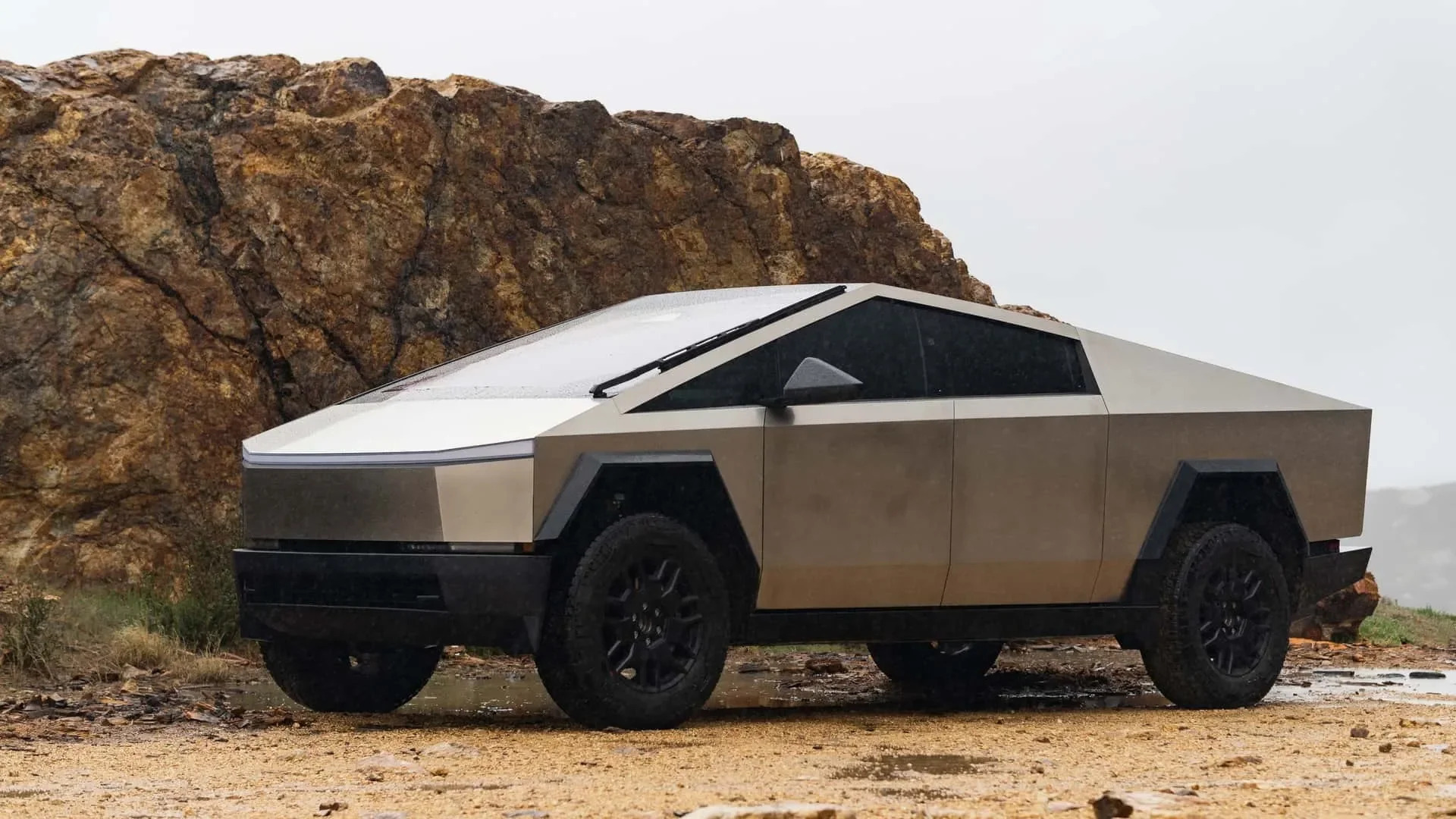
Cybertruck Tackles Austin's Urban Jungle
Navigating Traffic Mayhem and Tech Hurdles in Tesla's Electric Powerhouse
Austin's roads throw everything at drivers—construction zones, hefty tolls, and unpredictable obstacles. Yet, Tesla's Cybertruck slices through it all, showcasing how advanced electric vehicles handle real-world demands without breaking a sweat.
Key Takeaways
Cybertruck manages complex traffic scenarios like blocked roads and uphill climbs independently, reducing driver stress in dense urban areas.
Austin's toll system hits hard with charges around $1.50 for short stretches, reflecting high demand on metro infrastructure.
Navigation systems sometimes lag behind rapid road updates, leading to minor detours in construction-heavy zones.
The vehicle excels in spotting poor driving from others and parking efficiently, even in crowded spots.
Overall, zero-intervention drives highlight the reliability of Tesla's tech in everyday chaos.
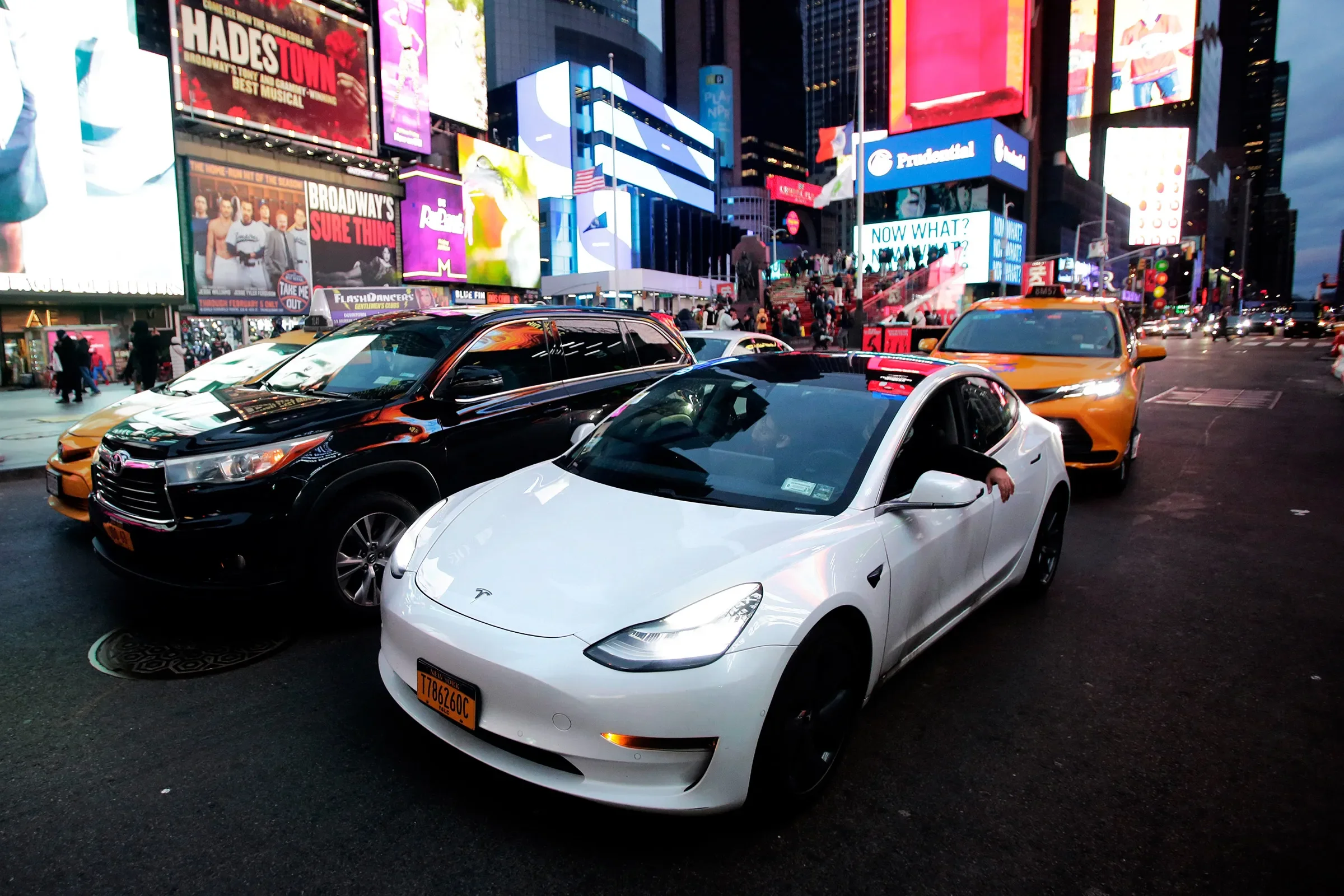
Tesla’s Self-Driving Breakthrough: Conquering Manhattan’s Chaos
Why Version 14 Could Redefine Urban Mobility
Manhattan’s streets are a gauntlet of unpredictable pedestrians, aggressive cabbies, and relentless traffic. Yet, Tesla’s Full Self-Driving (FSD) Version 14 is navigating this chaos with the confidence of a seasoned New Yorker. This isn’t just incremental progress—it’s a leap toward a future where cars don’t just drive but think and react like the best human drivers. For tech enthusiasts, this is a pivotal moment: Tesla’s FSD is proving itself in one of the world’s toughest driving environments, raising questions about the future of transportation, urban living, and vehicle ownership.
Key Takeaways
Manhattan Mastery: FSD Version 14 handles New York City’s chaotic streets with near-human precision, navigating complex scenarios like lane changes, emergency vehicles, and construction zones.
New Yorker Instincts: The software mimics the assertive, quick-decision driving style of native New Yorkers, cutting drive times and boosting efficiency.
Drop-Off and Pickup Progress: Version 14 executes smooth curbside drop-offs and pickups, though parking in complex garages still needs refinement.
User Education Gap: Tesla’s lack of clear tutorials and fragmented update process hinders mainstream adoption, despite the software’s capabilities.
Robotaxi Potential: With further localization and unsupervised driving, Tesla could transform urban mobility, slashing costs like parking (up to $800/month in Manhattan).
Hardware Challenges: Fragmentation across hardware versions (e.g., HW3 vs. HW4) creates confusion, requiring clearer communication from Tesla.
The Robotaxi Revolution: Unlocking Austin's Future of Autonomous Mobility
Redefining Commutes, Costs, and the AI-Driven World Ahead
Robotaxis are transforming urban life in Austin, slashing commuting costs while boosting productivity. Expansions signal rapid scalability, outpacing competitors and paving the way for highway integration. Beyond transport, AI ecosystems are emerging, blending seamless memory across devices and sparking innovations in delivery and societal structures.
Key Takeaways
Robotaxis in Austin now enable cost-effective commutes from suburbs, reducing parking fees from $50+ to near zero and adding productive time during rides.
Geofence expansions doubled in three weeks, with meme-shaped boundaries hinting at flexible, viral marketing and imminent broader coverage including highways.
Tesla's approach outperforms Waymo in scalability, potentially covering entire metro areas soon and offering perks like free employee transport at Gigafactories.
Highways are key to connecting rural and urban zones, enabling long-distance trips with smart fleet allocation and charging stops.
Grok integration in vehicles creates persistent AI memory, extending to ecosystems that could unify transport, devices, and even interplanetary travel.
AI competition is fierce, with xAI focusing on rapid innovation to challenge OpenAI's consumer lead through superior models and viral features.
Apple faces risks of stagnation in AI, potentially leading to hostile takeovers by cash-rich innovators valuing its supply chain under a trillion-dollar cap.
New primitives like drone deliveries (Zipline) and underground robots (Pipe Dream) promise cheaper, faster physical e-commerce, disrupting last-mile logistics.
Batteries drive all advancements; better, faster, cheaper energy storage is essential for drones, vans, and semis.
Societal shifts from AI job disruptions demand temporary redistribution mechanisms to foster entrepreneurship over permanent government dependency.