
Tesla's Autonomous Rental Revolution
Redefining Mobility in the Age of Autonomy
Tesla's latest rental offering signals a shift toward flexible, on-demand transportation that could upend traditional car ownership and rental models.
Key Takeaways
Tesla now offers short-term rentals for models like the Model 3 or Model Y, covering charging, maintenance, and insurance for a hassle-free experience.
This program lays the groundwork for a subscription-based transportation system, where vehicles can be summoned via app and returned autonomously.
Self-driving technology enables vehicles to operate without human intervention, maximizing their utility and reducing idle time compared to conventional cars.
Tesla's direct control over sales, service, and fleet management gives it a competitive edge over legacy automakers reliant on dealership networks.
Future expansions could include long-term subscriptions, ride-hailing, and even package delivery, dramatically boosting revenue per vehicle.
Competitors like Waymo face scalability challenges due to higher costs and smaller fleets, while Tesla leverages millions of existing vehicles for rapid deployment.
This model could lower transportation costs globally but may displace jobs in driving and logistics sectors.
Tesla's AI Edge: Pioneering Autonomy in a World Not Ready
Revolutionizing Transport and Labor with Self-Driving Tech and Humanoid Bots
Tesla stands on the brink of transforming daily life through advanced AI systems in vehicles and robots, outpacing current laws and sparking both innovation and societal shifts. This newsletter explores how these technologies promise safer roads, affordable mobility, and efficient labor—but only if handled with care to benefit everyone.
Key Takeaways
Tesla's self-driving software is advancing to allow drivers to disengage completely, reducing accidents through constant vigilance and 360-degree awareness.
Humanoid robots aim for mass production, starting at a million units annually, with costs dropping to enable tasks from factory work to home chores at under $3 per hour.
These innovations could slash transportation costs to below 30 cents per mile, making private, door-to-door rides as affordable as public transit.
Job displacement looms large for drivers, warehouse workers, and manual laborers, as robots handle tasks without rest or rights.
Regulations lag behind tech capabilities, creating friction, but widespread adoption could revitalize communities by lowering costs and improving access.
Success hinges on ensuring these tools uplift underserved areas, preventing backlash and fostering broad economic gains.
Tesla's Robot Army: From Factory Floors to Your Living Room
Unlocking a $1 Trillion Future in AI-Driven Machines and Autonomous Mobility
Tesla has just secured a massive compensation plan that ties its leader to ambitious goals, pushing the company toward an $8.5 trillion valuation. This move signals deep investments in humanoid robots, driverless vehicles, and advanced AI infrastructure, setting the stage for transformative changes in industry and daily life.
Key Takeaways
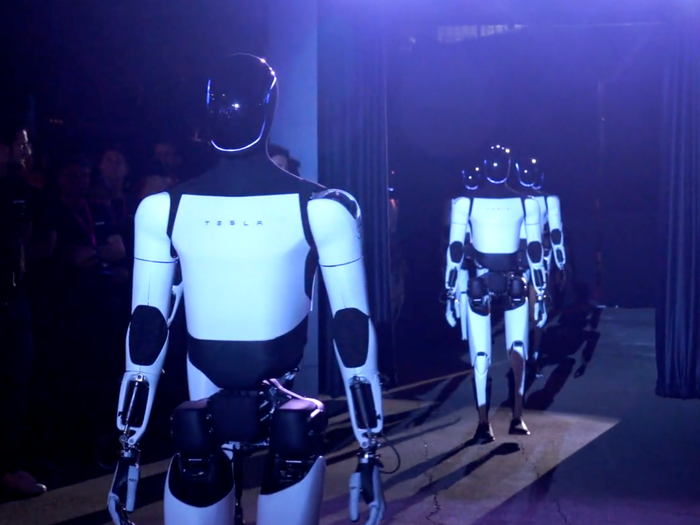
Tesla plans to produce tens of millions of humanoid robots annually, starting with a focus on industrial applications where tasks are repetitive and environments controlled.
Self-driving technology is advancing rapidly, with unsupervised driving potentially available by year-end, though regulatory hurdles could limit widespread adoption.
Production targets aim for 2.6-2.7 million vehicles by end of 2026, scaling to 5 million by 2028, including new models without steering wheels or pedals.
Building a supply chain for robots from scratch will involve significant challenges, including billions in compute investments for AI training.
Tesla may enter chip manufacturing to support its growth, targeting a million wafer starts per month to meet demand for AI hardware in robots and vehicles.
Tesla's Robotic Revolution: Unlocking Infinite Abundance
How AI and humanoid robots could reshape economies, eliminate poverty, and redefine human potential
The future of technology isn't just about smarter gadgets—it's about creating a world where scarcity ends and abundance thrives. Recent advancements in AI, robotics, and autonomous systems point to massive economic growth, safer transportation, and groundbreaking medical applications. These developments promise to multiply global productivity by factors of 10 or even 100, turning science fiction into everyday reality.
Key Takeaways
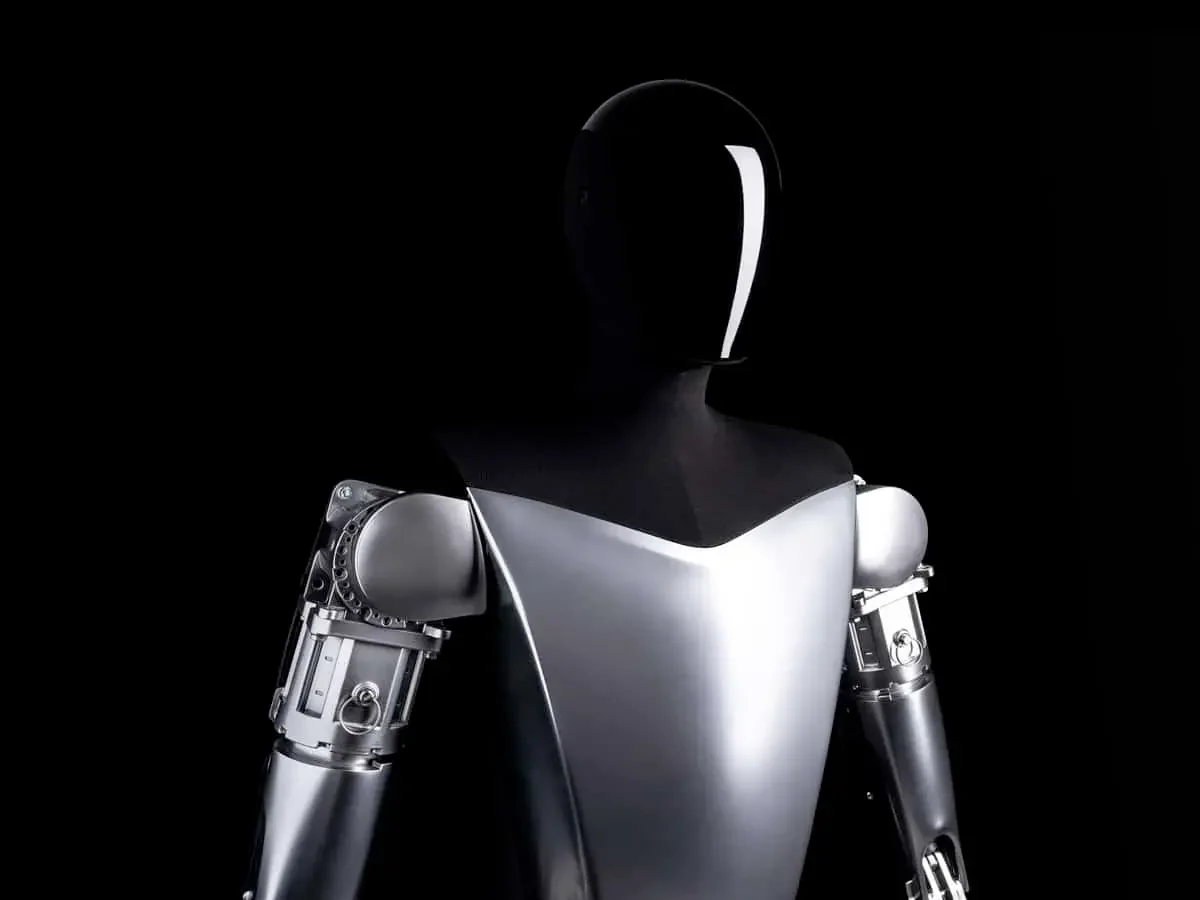
Humanoid robots like Optimus could scale to billions of units, enabling precision surgery beyond human capability and providing personalized crime prevention without prisons.
AI-driven autonomy in vehicles will soon allow safe texting or sleeping while driving, with production ramps targeting millions of units annually starting next year.
Sustainable energy through solar, batteries, and efficient chips will fuel this era, potentially doubling U.S. energy output without new power plants.
Tesla's custom AI chips, optimized for low power and high efficiency, could outperform competitors at a fraction of the cost, powering robots, cars, and distributed computing networks.
Economic shifts may render traditional money obsolete, measuring value in wattage or computational power instead.
Regulatory hurdles in Europe and China are easing, paving the way for global deployment of full self-driving technology by early next year.
Massive production goals aim for 5 million vehicles annually by 2028, alongside humanoid robot lines capable of units every 5 seconds.

AI Capitalism: The Path to Socialist Dreams?
The Irony of Tech-Driven Abundance in a Divided America
As socialist ideas gain traction in major U.S. cities, groundbreaking advancements in AI and robotics promise a future of unlimited resources and minimal work. This convergence could redefine economic systems, blending capitalist innovation with universal prosperity—but only if society navigates the massive disruptions ahead.
Key Takeaways
Socialist sentiments are rising among younger voters and women in urban areas, driven by feelings of exclusion from the current economic setup.
Tech companies are pushing toward "sustainable abundance," where AI handles production, potentially eliminating the need for most labor while preserving natural environments.
This tech-fueled future could deliver universal high income, freeing people to pursue passions instead of survival jobs.
Capitalism's strength lies in incentivizing risk and innovation, but without mechanisms to redistribute gains, it risks widening inequality and boosting socialist movements.
Job losses from automation in driving, manufacturing, and services are inevitable, demanding new policies like universal basic income to ease the transition.
Deflationary effects from cheap AI-driven transport and robots could lower living costs dramatically, allowing more people to invest or start businesses.
The ultimate test: Can capitalism absorb displaced workers into better opportunities, or will socialism fill the void?
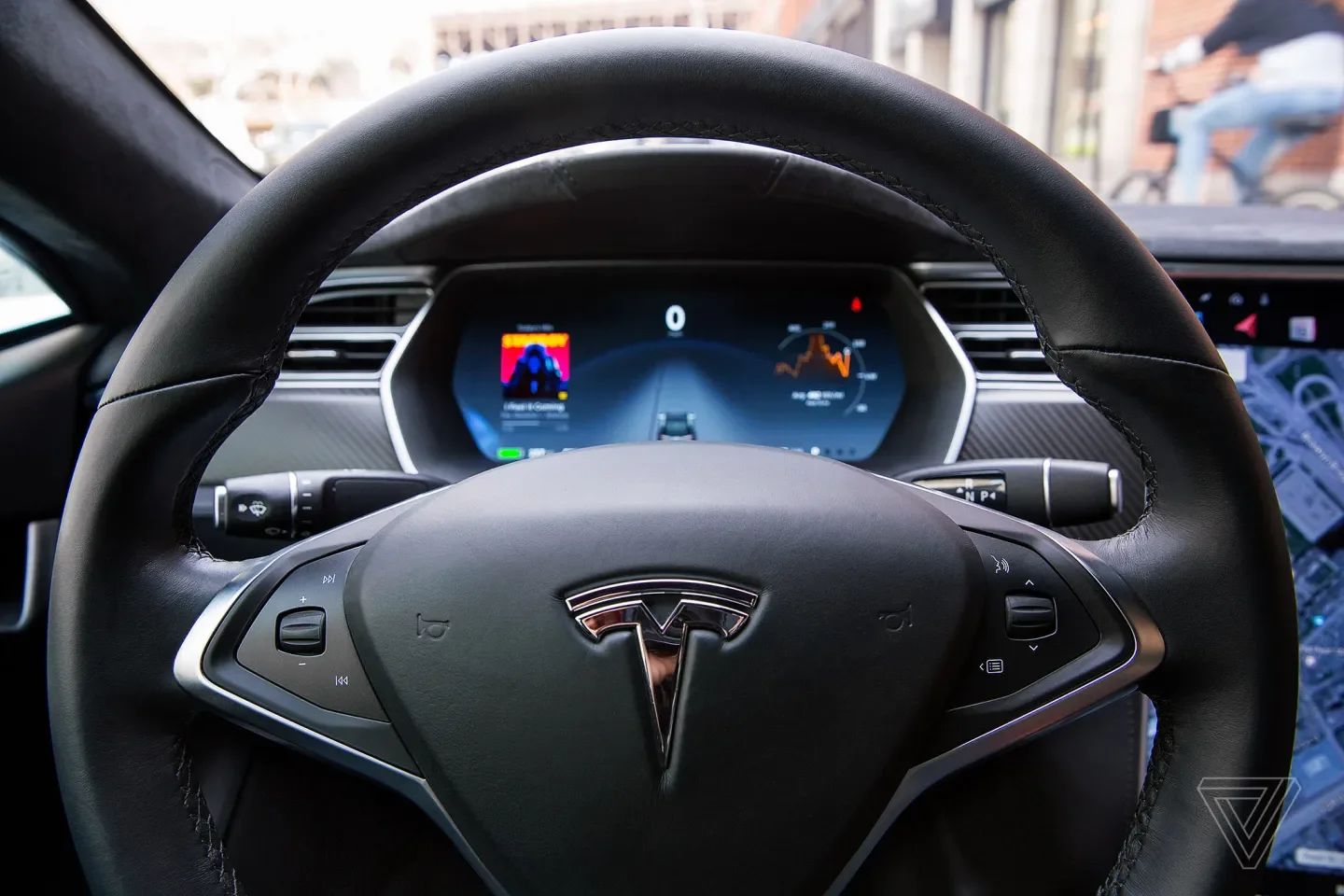
Tesla's Autonomous Leap: Robotaxis, Cybercab, and the Road to Trillion-Dollar Value
Revolutionizing Mobility with Self-Driving Tech at the Forefront
Tesla is on the cusp of major breakthroughs in autonomous vehicles, from expanding robotaxi fleets to deploying advanced software across diverse models. These developments point to lower costs for riders, flexible manufacturing, and potential partnerships that could reshape the auto industry.
Key Takeaways
Tesla aims to deploy over 1,000 robotaxis in the Bay Area and 500 in Austin by year-end, signaling a shift to unsupervised operations.
The latest full self-driving software update performs exceptionally on the Cybertruck, demonstrating adaptability to different vehicle sizes.
Robotaxi fares are already half the price of traditional rideshares, with even greater savings expected once safety monitors are removed.
A dedicated robotaxi vehicle without steering wheels or pedals is set for unveiling soon, alongside possible variants for regulated markets.
Tesla's software could be licensed to other manufacturers, accelerating the adoption of affordable self-driving cars under $30,000.
The upcoming shareholder vote is expected to approve a massive compensation plan tied to ambitious valuation goals.

The Robot Revolution Accelerates: Tesla's Edge in an AI-Powered Future
Why Humanoids and Autonomous Tech Could Redefine Society by 2030
Tesla's advancements in AI-driven robotics and self-driving systems are setting the stage for massive economic shifts, with humanoid bots poised to transform factories, homes, and entire industries—potentially unlocking trillions in value while sparking unprecedented disruptions.
Key Takeaways
Tesla's stock could surge to new highs following key approvals, driven by optimism around AI robotics and energy growth, despite short-term earnings challenges.
Humanoid robots like Optimus are advancing faster than expected, with production lines gearing up for factory use by early 2026, signaling practical deployment sooner than skeptics anticipate.
Robotaxis networks are expanding rapidly in select cities, with fleets scaling to hundreds of vehicles by year-end, offering cheaper, safer rides that could outpace traditional services.
AI adoption is growing at triple the rate of the internet, with 10% of the global population already using advanced tools weekly, but businesses struggle to implement it effectively.
The transition to an AI economy will involve significant workforce disruptions, potentially requiring universal basic income to manage upheaval, while creating opportunities for new AI-native ventures.
Humanoid bots will likely enter workplaces before homes due to safety and complexity issues, starting with repetitive tasks in controlled environments.
Nvidia's dominance in chips underscores an ongoing AI arms race, with massive investments in data centers fueling growth, even as profitability lags for many players.
Future cities may split between tech-embracing hubs with robot-integrated services and those resisting automation, leading to uneven societal adoption.
AI could lower barriers to human interaction by making transportation and daily tasks frictionless, fostering more social connections in an abundant era.
The path to sustainable abundance involves balancing rapid innovation with equitable access, as new tools enable entrepreneurial reinvention in fields like farming and services.

Elon Musk Drops Bombshell: Flying Cars, AI Dominance, and the Death of Apps
Revolutionizing Tech from Wheels to Wings and Beyond
Electric vehicles are evolving into something far more ambitious, with prototypes set to redefine mobility. At the same time, artificial intelligence is poised to eliminate traditional software structures, while massive compute resources could emerge from unexpected places like car fleets. These shifts promise to reshape industries, but they also highlight risks in unchecked tech power and the need for transparent platforms.
Key Takeaways
A new vehicle prototype demo is imminent, featuring technology that could enable flight and surpass anything seen in fiction.
Efforts to balance AI development against dominant players have backfired, leading to closed systems focused purely on revenue.
Vehicle fleets numbering in the hundreds of millions could deliver unprecedented distributed computing power for AI tasks.
Traditional smartphones will give way to AI-driven devices without operating systems or apps, handling all interactions seamlessly.
Most media and entertainment will soon be generated by AI, with coherent long-form videos already emerging.
AI efficiency can improve dramatically by mimicking the human brain's low-power design, unlocking new capabilities.
Acquiring social platforms has become essential to counter information suppression and preserve open discourse.

The AI Tsunami: Racing Toward a World Without Mandatory Work
Why AI Could Deliver Abundance – or Chaos – and What Comes Next
AI is accelerating at a pace that's set to transform every aspect of our economy, from desk jobs to physical labor. The most compelling insights point to a future where work becomes optional, poverty could vanish through universal high income, and robots handle the heavy lifting. But getting there involves massive disruption, job losses, and the need for AI systems that prioritize truth and human well-being over bias.
Key Takeaways
AI will rapidly eliminate digital jobs like coding, email processing, and data handling, much faster than past technological shifts.
Physical jobs involving hands-on work, such as welding, plumbing, farming, and cooking, will persist longer but eventually give way to robots.
Autonomous vehicles and automated ports signal the end for many driving and logistics roles, exacerbating shortages while highlighting safety risks from unqualified workers.
A benign AI future could lead to universal high income, enabling access to goods, services, and medical care without mandatory work, effectively eliminating poverty.
To avoid dystopian outcomes, AI must be designed to seek truth, value all human lives equally, and foster curiosity about humanity rather than enforce biases.
Competition among AI developers will drive improvements, pushing systems toward fairness and affordability, with costs dropping for services like home robots at around $500 monthly.
The transition will cause trauma, including job displacement and wealth gaps, requiring government intervention to ensure displaced workers can access AI benefits.
In a post-work era, people may find meaning through personal pursuits like hobbies, exploration, or creative endeavors, shifting away from job-defined identities.
Broader economic changes, such as cheaper housing from robot-assisted construction, could solve crises like affordability, but only if abundance is distributed equitably.

Tesla's Stealth Play: From Cybercab to Global AI Supremacy
Why the Future of Driving, Manufacturing, and Intelligence Hinges on Bold Bets and Brutal Realities
Tesla stands on the brink of transforming transportation with vehicles that could eliminate the need for human drivers entirely. Yet, hurdles like regulation and market demand might force adaptations, such as adding steering wheels to robotaxis. Meanwhile, AI's explosive growth promises superhuman capabilities in every field, but it also sparks geopolitical tensions and societal shifts that could redefine economies worldwide.
Key Takeaways
Tesla's Cybercab production line will likely produce vehicles with optional steering wheels and pedals to meet regulatory demands and boost output, potentially creating a sub-$30,000 autonomous car.
Manufacturing innovations like the unboxed process double efficiency, allowing Tesla to flood markets with low-cost vehicles while preparing for full robotaxi fleets.
Regulatory approval for unsupervised self-driving remains the biggest barrier, with initial Cybercab deployments limited to a few thousand units starting mid-2026.
AI advancements could enable superhuman performance in any domain by 2027, accelerating breakthroughs in medicine, manufacturing, and beyond.
Geopolitical risks, including tariffs on Chinese EVs and chip sales, point to a decoupled world where the U.S. relies on domestic players like Tesla to maintain tech leadership.
The path to singularity involves painful transitions, with job displacements offset by potential universal basic income and unprecedented productivity gains.
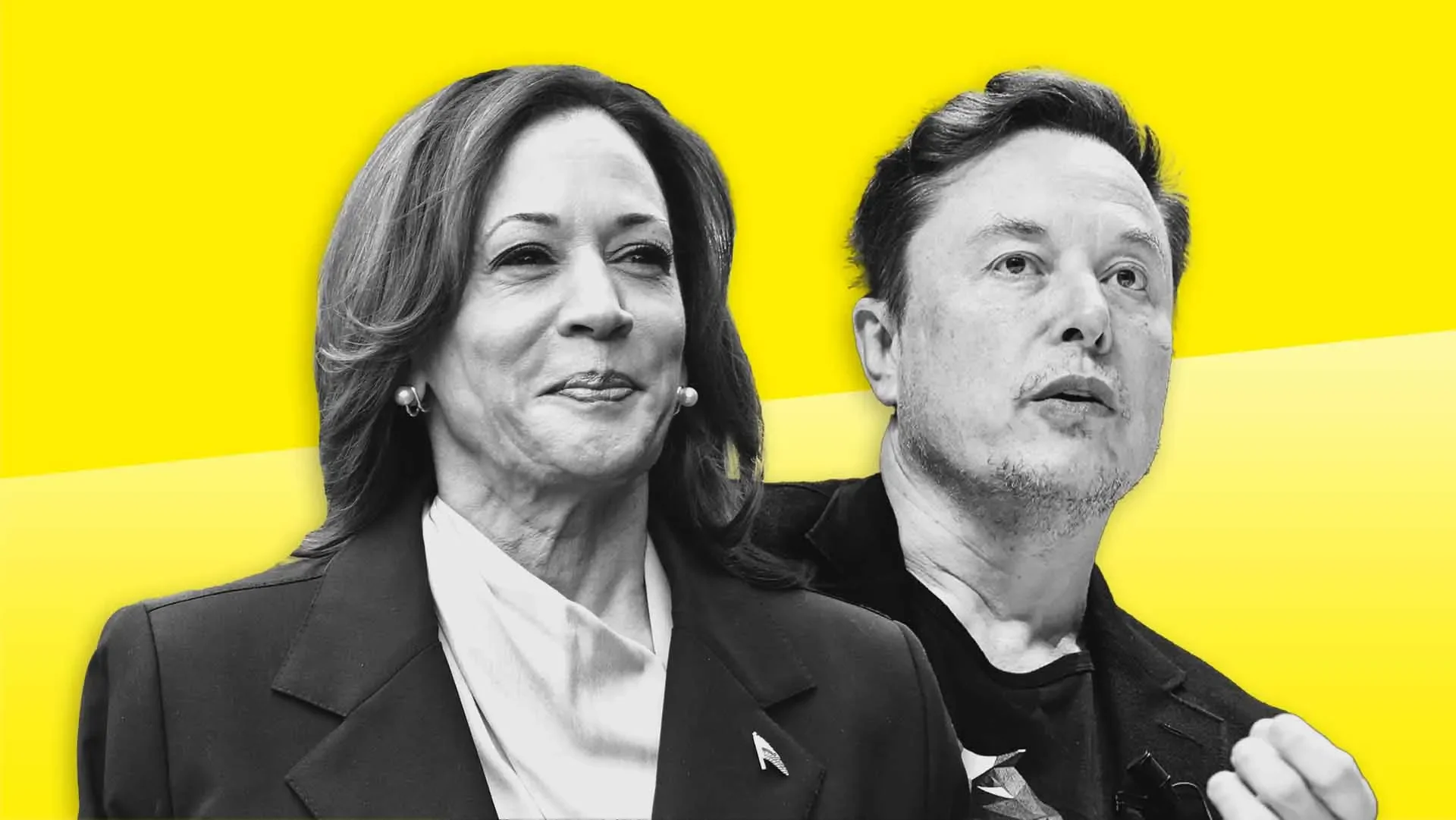
Democrats Mend Fences with Elon Musk: A Turning Point for Tech Innovation
Why political reconciliation could unlock faster progress in EVs, autonomy, and space exploration
Recent admissions from Democratic leaders highlight a key oversight in past electric vehicle policies, opening doors to broader collaboration with innovators like Elon Musk. This shift signals potential bipartisan backing for ambitious projects in autonomous transport and space tech, which could reshape industries and reduce regulatory hurdles ahead.
Key Takeaways
Democrats are publicly recognizing errors in sidelining Elon Musk during early EV initiatives, aiming to rebuild ties for future influence.
SpaceX stands as a critical national asset for U.S. defense and space dominance, making partnership essential regardless of political divides.
Tesla's push into fully autonomous vehicles like the Cybercab promises massive cost reductions in transportation but poses significant disruptions to legacy auto makers and ride-sharing services.
Regulatory de-risking from both parties could accelerate innovations in rocketry, brain-computer interfaces, and humanoid robots over the next decade.
The economic ripple effects include lower transport costs by up to 10x, but require careful planning to mitigate job displacements for millions of drivers.

Tesla's Cybercab Hits Public Roads: Accelerating Toward an Autonomous Revolution
Why Legacy Automakers Are Braking While Tesla Charges Ahead
Tesla's push into fully autonomous vehicles is gaining momentum with the Cybercab now testing on public streets, signaling production readiness by mid-2026. This comes amid broader EV market challenges, including the end of federal tax credits, which are forcing competitors to scale back while Tesla builds its edge in profitable, self-driving tech.
Key Takeaways
Tesla's Cybercab prototype has begun public road testing in California, starting with sightings in Los Altos near the company's engineering headquarters.
Production is on track for Q2 2026 at Gigafactory Texas, supported by a hiring surge in manufacturing and engineering roles.
Regulatory exemptions from NHTSA could allow Tesla to produce and sell vehicles without steering wheels or pedals beyond the current 2,500-unit annual limit.
Legacy automakers like GM are laying off thousands due to slowing EV demand and the loss of tax incentives, highlighting Tesla's unique position in the market.
Tesla's integrated ecosystem—spanning vehicles, software, charging, insurance, and service—positions it to offer affordable, hands-off mobility solutions under $500 monthly.

Tesla's Robotaxi Revolution: Accelerating Autonomy in Austin and Beyond
Redefining Urban Mobility with Self-Driving Tech at Scale
Tesla's rapid rollout of its Robotaxi network in Austin marks a pivotal shift in autonomous transportation, blending AI-driven expansion with practical strategies to navigate regulatory landscapes. This development unlocks new ways for everyday users to experience self-driving vehicles, from city-wide coverage to affordable personal ownership models that could outpace fleet operations.
Key Takeaways
Tesla's Robotaxi network in Austin expanded from a small South Austin area to cover about 80% of the city in just four months, now including high-traffic zones like the Domain in the northwest and a large portion of east Austin.
Current challenges include long wait times due to a limited fleet of around 18-20 vehicles, far short of the 50-100 needed to service the expanded area effectively.
The network uses standard Model Y vehicles, which Tesla produces at a rate of over 1.2 million units annually, enabling quick scaling once safety data supports it.
Regulatory limits cap production of steering-wheel-free vehicles at 2,500 per year without exemptions, pushing Tesla toward models with optional steering wheels and pedals to comply with federal and state rules.
Future strategy focuses on selling low-cost autonomous vehicles (around $20,000 to build) on subscription plans of $400-600 monthly, including maintenance, insurance, and self-parking features, potentially generating more revenue than robotaxi fleets in the next 3-5 years.
Advanced AI in the latest Full Self-Driving (FSD) software allows seamless operation across diverse U.S. environments, setting the stage for unsupervised autonomy that lets vehicles handle everything from parking to service visits independently.

Tesla's Cybercab Pivot: Unlocking Mass-Market Autonomy
Revolutionizing Affordable EVs with a Regulatory Twist
Tesla's upcoming Cybercab is set to reshape the electric vehicle landscape by blending cutting-edge autonomy with practical design adaptations, potentially delivering a sub-$30,000 car that drives itself without constant supervision. This move addresses production bottlenecks and regulatory hurdles, paving the way for high-volume sales starting in 2026.
Key Takeaways
Tesla plans to equip the Cybercab with a steering wheel and pedals if needed, allowing it to bypass strict U.S. regulations that cap driverless vehicle sales at 2,500 units per year.
This design flexibility positions the Cybercab as an affordable EV option below the Model 3's price point, targeting under $30,000 to expand market reach.
Production ramps up mid-2026 on a new assembly line with capacity for around 800,000 units annually, but regulations in the U.S., Europe, and China limit demand for fully driverless models without controls.
Tesla's advanced autonomy tech is nearing completion, enabling unsupervised full self-driving (FSD) capabilities that could make the Cybercab a game-changer for everyday commuting.
By adding traditional controls, Tesla avoids idle factories and maximizes output, drawing from past pivots like the Model Y to meet safety standards while pushing innovation.
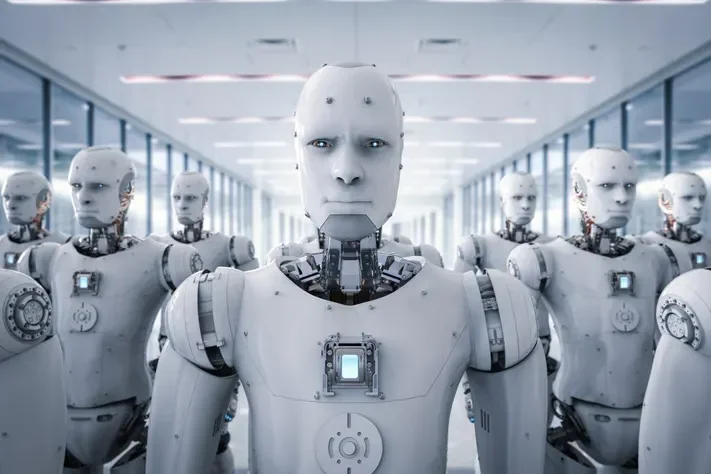
The Robot Revolution Is Here
Unlocking Abundance Through Humanoid Automation and AI
Humanoid robots stand poised to transform global economies by slashing labor costs and enabling unprecedented productivity, but the path forward demands careful navigation of job disruptions and societal shifts. This edition dives into how these machines could foster sustainable abundance on Earth while paving the way for interplanetary expansion.
Key Takeaways
Humanoid robots could triple the US workforce equivalent, allowing production of goods at scales 350 times current levels, with costs dropping to around $3 per hour for physical labor.
Transition periods may disrupt 40-50 million manual jobs in the US alone, requiring strategies like universal basic services to mitigate unrest and support retraining.
Robots excel at dangerous, repetitive tasks, from mining rare earths in extreme conditions to disaster cleanup, potentially reversing globalization by enabling localized production.
AI integration in vehicles and robots enables telepathic-like coordination among fleets, boosting efficiency in teams of machines or mixed human-robot groups.
Long-term visions include revitalizing degraded lands and communities through robot-led projects, reducing transportation friction, and achieving universal high income via abundant resources.

The AI Revolution Behind Self-Driving Cars: Tesla’s End-to-End Breakthroughs
Unveiling the tech powering autonomous vehicles and the future of robotics
Self-driving cars are no longer a distant dream—they’re hitting the roads, navigating complex scenarios, and transforming how we think about transportation. Recent advancements in AI, particularly Tesla’s end-to-end neural network approach, are pushing the boundaries of autonomy, making vehicles safer, smoother, and more intuitive. From robotaxi services to factory-to-home deliveries, these innovations are reshaping mobility and paving the way for broader robotic applications. Here’s a deep dive into the technologies driving this revolution and what they mean for the future.
Key Takeaways
End-to-End Neural Networks: Tesla’s shift to a single, large neural network eliminates traditional modular systems, enabling direct processing from raw sensor data to driving actions for smoother and safer performance.
Data Advantage: Tesla leverages its massive fleet to collect diverse, real-world driving data, refining models to handle rare and complex scenarios effectively.
Advanced Debugging Tools: Techniques like Gaussian Splatting and natural language prompts allow Tesla to interpret and debug neural network decisions, ensuring safety and reliability.
Simulation for Evaluation: Neural network simulators generate consistent, multi-camera video streams, enabling robust testing of edge cases and adversarial scenarios without real-world risks.
Scalability Across Platforms: The same AI technology powers Tesla’s vehicles, upcoming Cybercab, and Optimus humanoid robots, promising broad applications in robotics.
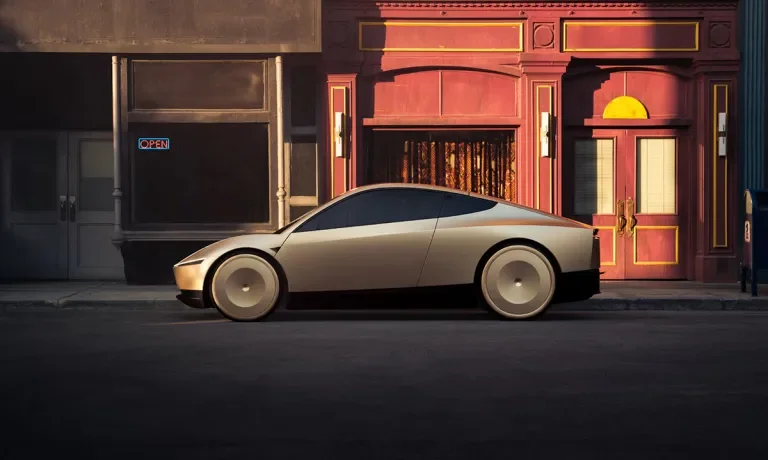
Tesla's AI Revolution: Betting Big on Autonomy and Abundance
Redefining Mobility, Energy, and Humanoid Robotics in a Post-AI World
Tesla is pushing boundaries in real-world AI, positioning itself as a frontrunner in transforming transportation, energy systems, and even daily life through advanced robotics. The company's aggressive expansion in production, coupled with breakthroughs in unsupervised full self-driving and humanoid robots, signals a shift toward a future of sustainable abundance where technology eliminates scarcity and makes work optional. These developments aren't just incremental—they promise to double energy outputs, create fleets of autonomous vehicles, and deploy millions of AI-powered robots.
Key Takeaways
Tesla leads in real-world AI density, enabling cars to operate as intelligent entities with 360-degree vision and reasoning capabilities for tasks like optimal parking.
Unsupervised full self-driving is on track for rollout in multiple U.S. states by year-end, with robotaxi operations expanding to 8-10 metro areas, prioritizing safety through cautious deployment.
Optimus humanoid robots are advancing rapidly, with production scaling to millions annually, focusing on dexterous hands and vertical integration to overcome supply chain gaps.
AI chip designs like AI5 promise 40x performance gains over predecessors, optimized for Tesla's stack, potentially creating oversupplied compute for distributed inference fleets.
Energy storage via Megapacks could double U.S. energy output without new power plants, integrating substation features for faster deployment.
Cybercab production starts in Q2 2025, designed solely for autonomy, minimizing costs per mile and allowing passengers full device use during rides.
Overall strategy aims for sustainable abundance, where AI and robotics eradicate poverty and provide universal access to advanced services like surgery.
Tesla’s Self-Driving Breakthrough: Conquering Manhattan’s Chaos
Why Version 14 Could Redefine Urban Mobility
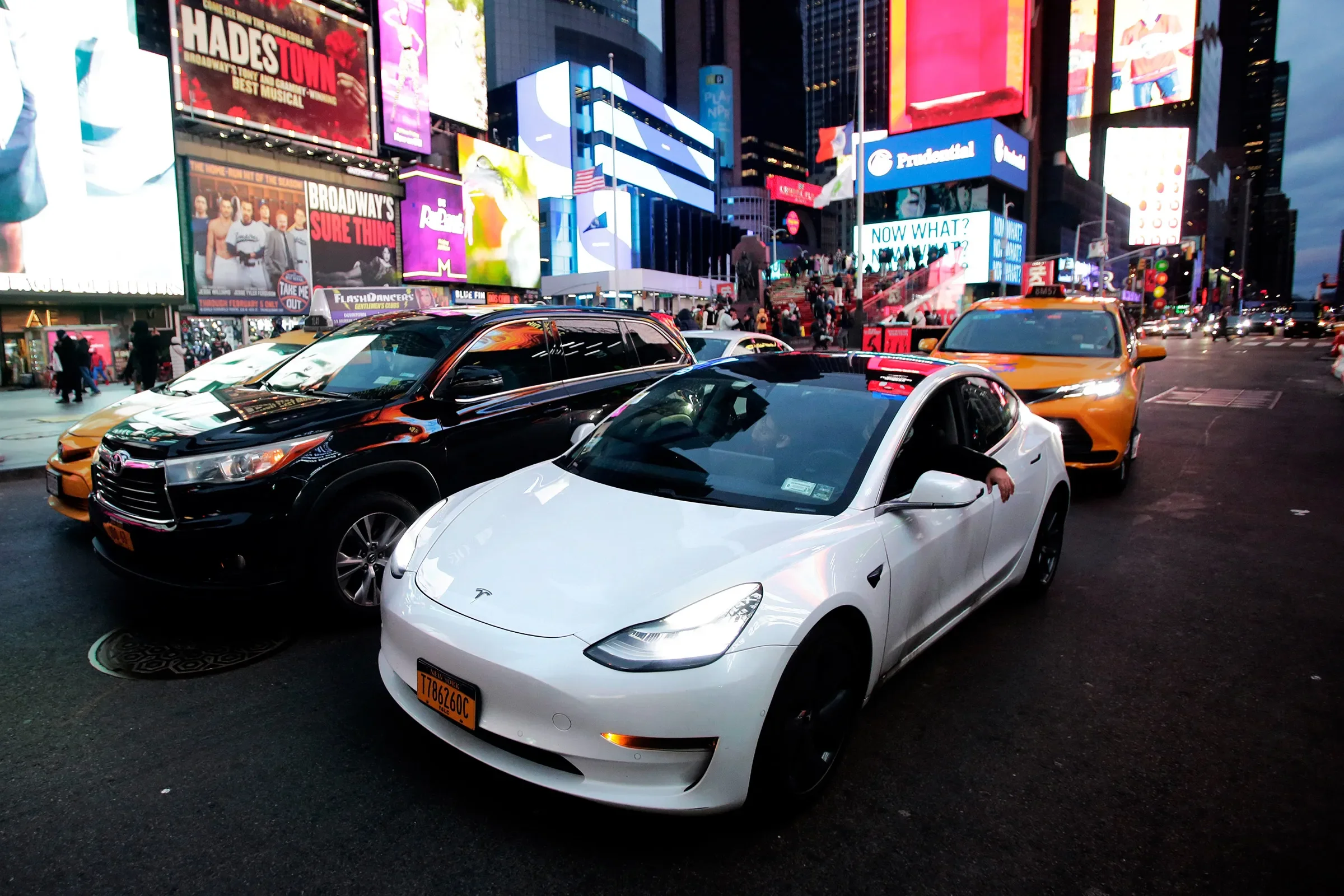
Manhattan’s streets are a gauntlet of unpredictable pedestrians, aggressive cabbies, and relentless traffic. Yet, Tesla’s Full Self-Driving (FSD) Version 14 is navigating this chaos with the confidence of a seasoned New Yorker. This isn’t just incremental progress—it’s a leap toward a future where cars don’t just drive but think and react like the best human drivers. For tech enthusiasts, this is a pivotal moment: Tesla’s FSD is proving itself in one of the world’s toughest driving environments, raising questions about the future of transportation, urban living, and vehicle ownership.
Key Takeaways
Manhattan Mastery: FSD Version 14 handles New York City’s chaotic streets with near-human precision, navigating complex scenarios like lane changes, emergency vehicles, and construction zones.
New Yorker Instincts: The software mimics the assertive, quick-decision driving style of native New Yorkers, cutting drive times and boosting efficiency.
Drop-Off and Pickup Progress: Version 14 executes smooth curbside drop-offs and pickups, though parking in complex garages still needs refinement.
User Education Gap: Tesla’s lack of clear tutorials and fragmented update process hinders mainstream adoption, despite the software’s capabilities.
Robotaxi Potential: With further localization and unsupervised driving, Tesla could transform urban mobility, slashing costs like parking (up to $800/month in Manhattan).
Hardware Challenges: Fragmentation across hardware versions (e.g., HW3 vs. HW4) creates confusion, requiring clearer communication from Tesla.

Tesla’s Autonomous Revolution: Redefining Travel with Next-Gen Vehicles
How Tesla’s self-driving platforms could transform RVs, party buses, and accessible transport for a new era of mobility.
The future of transportation is hurtling toward us, and Tesla is at the forefront with vehicles that promise to redefine how we move, live, and socialize. Imagine a world where self-driving RVs roam highways, party buses ferry fans to games, and autonomous vehicles empower those with disabilities to travel effortlessly. Tesla’s advancements in autonomy, coupled with innovative vehicle platforms like the Semi and Robo Van, are poised to create a seismic shift in mobility. From customizable interiors to game-changing accessibility, these vehicles could unlock new ways to work, play, and explore.
Key Takeaways
Autonomous RVs and vans: Tesla’s platforms, like the Semi and Robo Van, could become self-driving RVs or party buses, with interiors tailored for sleeping, working, or socializing.
Safety first for large vehicles: The sheer size of a self-driving Semi demands rigorous safety standards, potentially delaying full autonomy until 2040 to prevent catastrophic accidents.
Third-party customization: Tesla may focus on producing vehicle shells, leaving interior customization to fleet operators, creating a marketplace of specialized experiences.
Frictionless travel: Autonomous vehicles could make short intercity trips faster and cheaper than flights, with added benefits like sleeping or relaxing en route.
Accessibility revolution: Self-driving tech, paired with steer-by-wire systems, could enable people with disabilities or the elderly to travel independently.
Tesla’s Q3 Triumph: Record-Breaking Growth and a Glimpse into an AI-Powered Future
How Tesla’s Stellar Quarter Signals a Bold Leap Toward Autonomy and Sustainable Energy
Tesla’s third quarter of 2025 delivered a masterclass in resilience and innovation, shattering records in vehicle deliveries, energy storage deployments, and financial performance. Despite navigating a turbulent global market, the company’s focus on scaling its core businesses while investing in AI-driven solutions positions it as a leader in the race toward a sustainable, autonomous future. From record cash reserves to groundbreaking advancements in full self-driving (FSD) technology, Tesla’s latest earnings reveal a company balancing immediate growth with transformative long-term bets.
Key Takeaways
Record Vehicle Deliveries: Tesla achieved unprecedented global vehicle deliveries, with growth across all regions, driven by new affordable models like the Model Y Standard and Model 3 Standard.
Energy Storage Surge: The energy division saw record deployments in residential, industrial, and utility sectors, bolstered by the launch of Megapack 3 and Megablock.
Financial Strength: Revenue hit an all-time high, with $5 billion added to cash reserves, bringing the total to $41.6 billion—nearly matching Ford’s entire market cap.
AI and Autonomy Milestones: FSD version 14 rolled out with intervention-free drives in complex urban environments, while robotaxi services expanded in Austin and the Bay Area.
Future-Ready Investments: Production lines for Optimus, Cybercab, and Tesla Semi are on track for volume production in 2026, signaling Tesla’s pivot toward robotics and AI-driven services.
Cautious Outlook: Despite strong performance, Tesla highlighted uncertainties from global trade, tariffs, and fiscal policies, emphasizing a robust balance sheet to weather challenges.