

SpaceX Bets Its IPO on Turning Space-Based Sunlight Into Intelligence With AI-1 Orbital Data Centers
Alongside its historic public offering, SpaceX unveiled AI-1, a solar-powered satellite carrying a 150-kilowatt computing payload, revealing a vertically integrated plan to manufacture cognition from the cheapest energy in the solar system.

Virginia's Data Center Alley Hits a Political Wall as the AI Buildout Outgrows the Grid
The nation’s densest cluster of compute is now cycling backup generators as primary power and colliding with a new governor’s moratorium, exposing how permitting fights over nuclear and battery storage are throttling the AI boom’s real bottleneck: electricity.

Cybertruck's Near-Miss Off-Road Run Shows Why Tesla's Platform Strategy Matters More Than Looks
Real-world durability tests, modular interiors, DC energy rethinking, and agent orchestration are quietly defining the next wave of useful hardware.
A recent off-road outing in rugged Hill Country terrain put the Cybertruck through conditions most owners will never encounter. The truck handled narrow, rocky ATV trails and sudden drops when its systems were engaged properly, but the episode also showed how quickly capability turns risky without clear route judgment. That same platform thinking now points toward a three-row SUV variant that could solve family hauling needs while keeping the core advantages of shared production and component architecture. At the same time, the push to cut power conversion losses in homes and data centers is gaining practical momentum through integrated solar, storage, and local compute. AI tooling is shifting from single clever models to orchestrated systems with real safeguards. And autonomous van platforms are opening the door to living arrangements that treat mobility as a core feature rather than an afterthought. These threads matter because they focus on integration, efficiency, and adaptability rather than isolated specs.
Key Takeaways
The Cybertruck proved its hardware margin in demanding terrain when using maximum suspension and recovery modes, but the incident reinforced that operator decisions remain the primary variable in extreme use.
Tesla is positioned to launch a three-row SUV on the existing Cybertruck line, likely with configurable seating on tracks, higher interior volume, and shared 48-volt and networking architecture for fast reconfiguration between passenger and cargo layouts.
Native DC power chains in homes and data centers with on-site generation can recover substantial energy currently lost to repeated AC conversions, enabling tighter integration of batteries, HVAC, and local AI hardware.
Effective AI agent systems now emphasize hierarchical permissions, auditability, and task reliability over raw model power, with local frameworks showing clear differences in sustained execution performance.
Autonomous high-roof platforms that double as living spaces reduce the friction of relocation and create climate-resilient, scalable housing options that align with human patterns of mobility seen throughout history.

The Infrastructure Play That Could Decide AI's Next Decade
How record deployment speeds, orbital power constraints, and runaway token demand are forcing a complete rethink of who can actually deliver abundant intelligence at scale.
The real bottlenecks in advanced AI have shifted from model architecture to physical execution. Legal maneuvers around major labs have exposed governance friction without resolving underlying questions about long-term stewardship. At the same time, the ability to stand up massive compute clusters in months rather than years, combined with the hard physics of powering AI workloads off-planet, is creating asymmetric advantages for players who control both the chips and the energy layer. Most overlooked: even steep gains in efficiency will not flatten demand. New applications in video synthesis, persistent agents, and physical robotics multiply token consumption faster than optimization curves can contain it. The organizations that solve the manufacturing, power, and orbital constraints first will set the cost floor for intelligence for years to come.
Key Takeaways
Legal resolutions on procedural grounds in AI governance cases can inflict lasting reputational damage while leaving core structural issues unaddressed, increasing the likelihood of internal leadership changes at scaled labs rather than wholesale unwinds of their corporate form.
Model performance has split along task lines, with some systems delivering superior cost-performance on coding workloads and others advancing faster on general capabilities, accelerated by targeted talent inflows and selective early access programs.
First-principles manufacturing discipline and direct production-line leverage have compressed large-scale GPU cluster deployment to roughly four months, enabling potential cost leadership when paired with integrated renewable generation.
AI satellites operating in higher orbits face rapid solar panel degradation from elevated radiation, requiring specialized space-grade photovoltaics whose global production remains limited to a few megawatts per year and concentrated supply chains.
Token demand follows Jevons paradox dynamics: efficiency improvements from distillation and specialized models unlock entirely new use cases in generative media, autonomous agents, and robotics that drive net consumption sharply higher.
Electricity prices in key technology corridors have risen 200 percent or more in recent years, underscoring the need for co-located generation, deregulation of new capacity, and expanded domestic solar manufacturing to prevent cost curves from throttling AI deployment.
National leadership selection patterns that favor engineering execution correlate with faster delivery of complex infrastructure projects, creating competitive edges in the physical layer of intelligence.

Tesla Just Built the Google of Atoms
The complete physical AI platform no competitor can replicate—and why it will define the next 20 years of technology
The physical world now has its dominant platform. One company has quietly assembled every critical layer—custom silicon, world-class AI models, battery chemistry, factories that scale like nothing else, vast real-estate holdings, and a global logistics network—and wired them together into a single, accelerating flywheel. The result is faster innovation, lower costs, and a data advantage that grows exponentially every day. This is not a car company with side projects. It is the infrastructure layer for the atom economy, and the implications stretch far beyond stock prices.
Key Takeaways
Tesla operates a full physical AI stack: computation, AI models, chemistry, manufacturing, land/real estate, and logistics—all internally controlled and mutually reinforcing.
Manufacturing functions as the CPU, real estate as storage, and logistics as the network in an atoms-based computer model that mirrors digital computing.
Billions of real-world driving miles feed a single neural architecture used for both autonomous vehicles and humanoid robots, creating a data flywheel no rival can match.
In-house battery chemistry, repurposed legacy factories, and continent-spanning energy assets deliver cost and infrastructure advantages that compound across every layer.
Vertical integration turns individual businesses into a cascading advantage: cheaper chips power better AI, better AI improves manufacturing, improved manufacturing lowers battery prices, and so on.
Single-layer competitors face structural economic disadvantages that widen over time, regardless of early leads in narrow domains.
Historical platform cycles suggest massive regulatory scrutiny is coming once dominance becomes obvious.
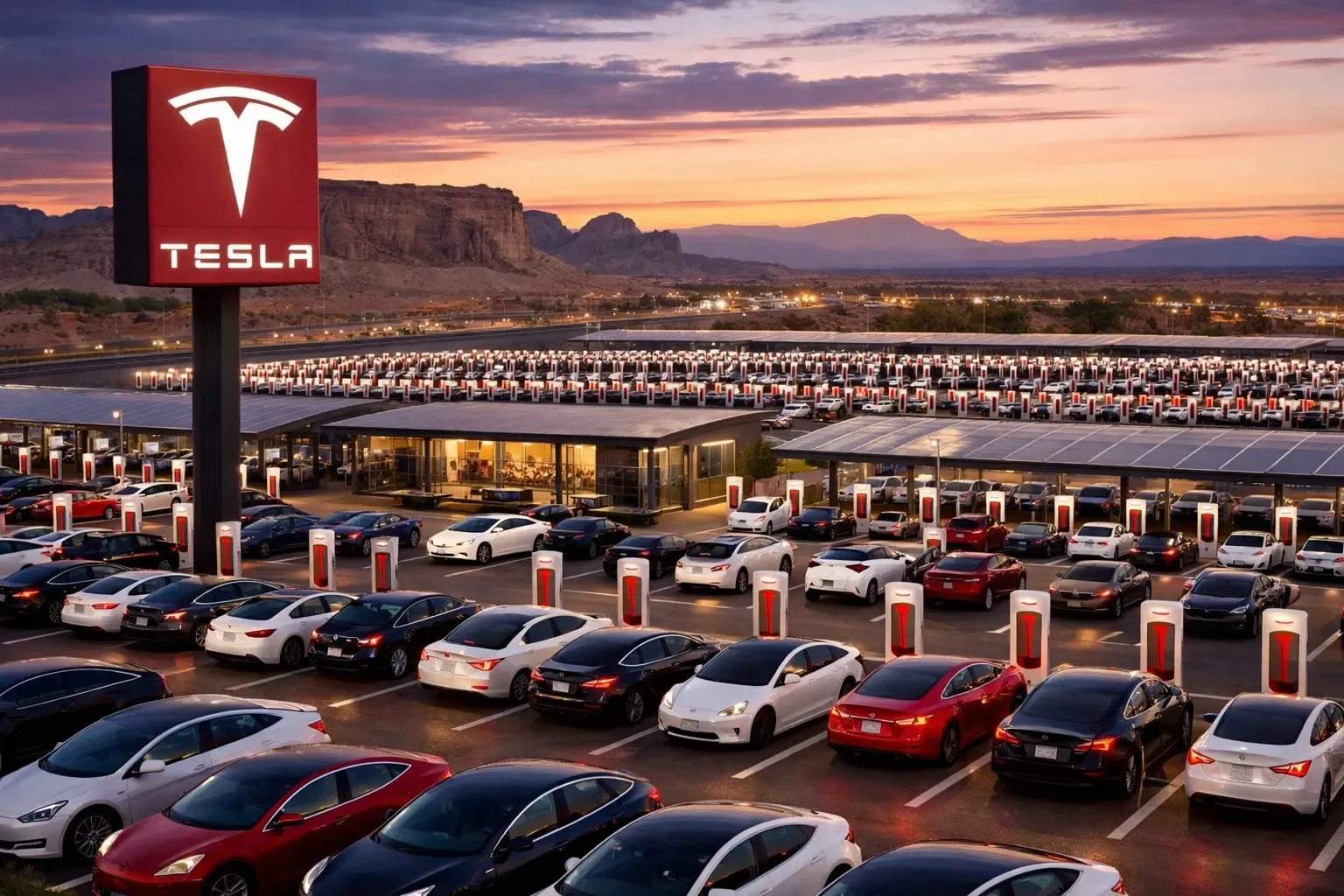
Tesla's Quiet Infrastructure Revolution: Off-Grid Chargers, Business Charging, and the AI Chip Moonshot
How Tesla is quietly building the backbone for massive energy + compute scale while the world debates geopolitics and AI backlash.
The most valuable signals right now aren't in the headlines. They're in the unglamorous but hyper-scalable infrastructure moves: massive off-grid Supercharger sites that double as potential compute nodes, a new program letting businesses host and price their own chargers, and the imminent kickoff of a gigantic in-house AI chip fabrication project. These pieces form the foundation for Tesla's energy storage dominance, fleet-wide inference, and independence from fragile global supply chains.
Key Takeaways
Tesla launched Supercharger for Business in mid-March 2026, allowing property owners to install and set pricing on Superchargers while Tesla handles hardware, software, maintenance, and network integration.
The massive Lost Hills "Project Oasis" station in California—164 stalls, 11 MW solar farm, 39 MWh battery storage—operates primarily off-grid and demonstrates a replicable model for high-utilization solar + battery sites that could host AI inference during low-EV demand periods.
Tesla's Terafab project launches March 21, 2026: a multi-billion-dollar effort to build a 2nm-class semiconductor fab targeting 100–200 billion custom AI chips annually for Dojo, vehicles, and distributed compute.
Geopolitical risks around Taiwan and advanced chip supply remain acute, but Tesla's vertical integration push reduces long-term exposure.
AI graphics breakthroughs like NVIDIA's DLSS 5 show photoreal neural rendering becoming mainstream, yet face cultural resistance that may be amplified by competing interests slowing U.S. AI progress.
Agentic AI tools (Claude Code, OpenRouter, local models) are already automating paperwork, development, and operations—shifting from scarcity to abundance mindsets in creative and professional fields.

AI: The New Nuclear Arms Race Redefining Global Power
Why the race for artificial superintelligence mirrors the atomic age—and what it means for the next century of dominance
The parallels between today's AI competition and the nuclear era of 1945 are striking and unavoidable. Just as the atomic bomb reshaped alliances, economies, and military strategies overnight, AI infrastructure is forcing nations to realign around control of compute, energy, data pathways, and deployable systems. The United States holds a commanding lead in frontier models and advanced semiconductors, but China advances rapidly in scaled deployment, energy buildout, and open-source disruption. Every tariff, reactor restart, satellite constellation, and robot factory forms part of a deliberate strategy to secure civilizational advantage.
Key Takeaways
The U.S. treats advanced AI chips as strategic weapons, imposing export controls and tariffs equivalent to munitions regulations to maintain its monopoly on the "uranium" of the AI age.
Global data center power demand surges toward levels rivaling entire nations' electricity use, pulling nuclear restarts, natural gas, and renewables into service—China deploys solar and small modular reactors at unmatched speed.
Orbital infrastructure emerges as a game-changer, with plans for massive solar-powered satellite networks to host AI compute beyond earthly grid constraints.
Humanoid robots and autonomous vehicles represent the "warheads"—physical AI embodiments poised to transform a $45+ trillion global labor and transportation market.
The U.S. benefits from uncapped private innovation and capital accumulation, while China's centralized system caps individual power but excels in coordinated infrastructure scaling.
Economic disruption hits hardest in the middle class unless offset by policies like universal basic income or widespread entrepreneurship; the top and bottom socioeconomic tiers stand to gain most from abundance.

Iran Uncaged: The Tech Eruption Set to Redefine Global Innovation
Why a Liberated Iran Could Spark the Biggest Tech Boom in Decades
The fall of Iran's regime on February 28, 2026, opens doors to explosive growth in technology, energy, and economy. With vast energy reserves, a highly educated youth population, and a diaspora of top innovators, Iran stands poised to leap into AI leadership and become a key player in powering global compute needs.
Key Takeaways
Iran's 7,000-year civilization boasts foundational contributions to algebra, medicine, human rights, and governance, setting a deep cultural base for innovation.
Pre-1979 modernization drove 9-10.5% annual GDP growth, creating a secular middle class and advanced infrastructure before the regime halted progress.
Today, 90 million people include 42% under 25 with 98% youth literacy and 70% of engineering graduates being women, rivaling developed nations.
The diaspora, exceeding 3 million, has built billions in value through companies like Uber, Intuit, and Databricks, ready to reinvest knowledge and capital.
Historical parallels with South Korea, Singapore, UAE, and Rwanda show how education, resources, and tech focus can multiply GDP by hundreds in decades.
Iran's second-largest natural gas reserves and top-tier solar potential could slash AI data center costs by 90%, attracting global tech investments.
AI tools enable Iran to skip traditional development stages, accelerating startups in healthcare, finance, and energy.
Risks like infrastructure decay and geopolitical tensions exist, but high education, organized civil society, and AI's timing differentiate Iran from past failures.
Predictions point to double-digit GDP growth, top-20 economy status in 15 years, and AI-powered sectors dominating within 25 years.
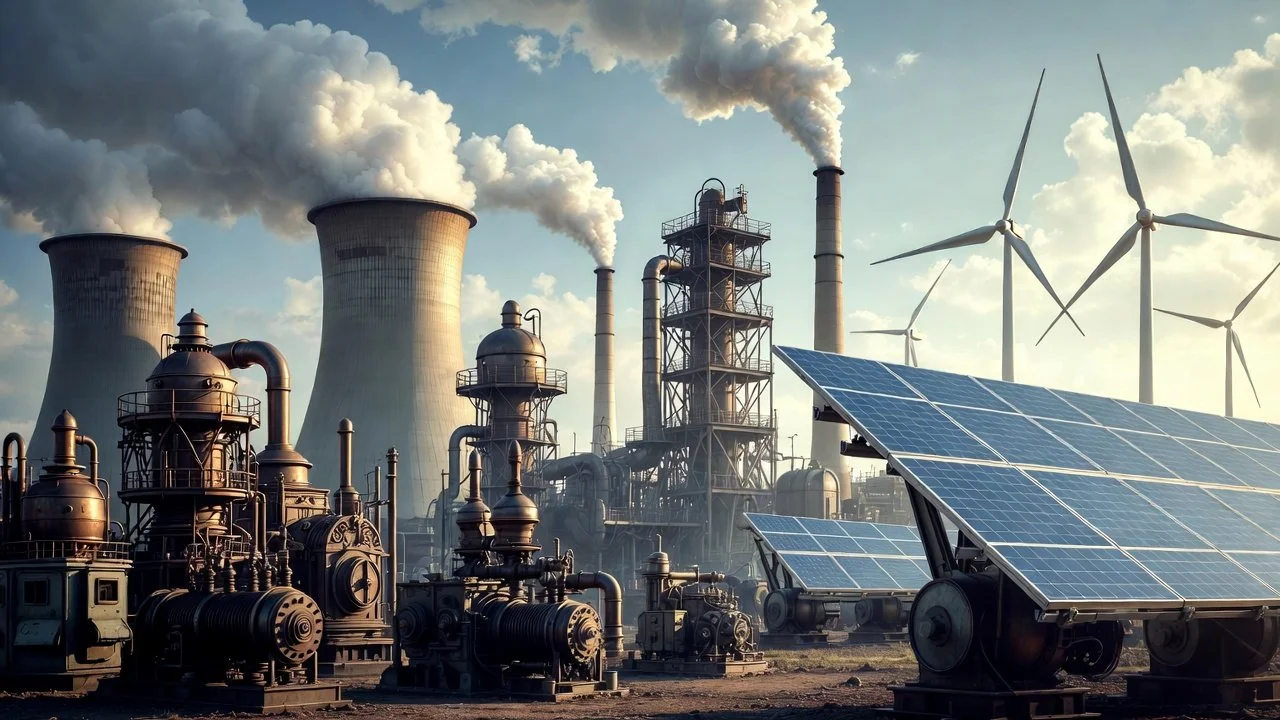
Energy: The Overlooked Force Powering the AI Explosion
Why cheap, abundant power—not just chips or models—will decide winners in the next decade
AI's hunger for electricity is reshaping global energy demand at a scale few appreciate. Massive data centers, GPU clusters, and inference at billions of queries per day require unprecedented power generation and storage. Batteries paired with renewables are emerging as the fastest path to unlocking grid capacity, while long-term visions point to space-based solar compute. Political and regulatory hurdles slow progress in the West, but the physics and economics favor rapid scaling—especially for integrated players.
Key Takeaways
AI data centers consume city-level electricity; cooling alone can eat 40% of usage, with inference scaling to billions of daily queries driving even higher demand.
Batteries + solar effectively double grid capacity by storing off-peak energy and discharging during peaks, bypassing the need for many new power plants or transmission lines.
Tesla deployed 46.7 GWh of energy storage in 2025 (up ~50% year-over-year), with energy gross margins around 29-31%—far outpacing automotive margins.
Battery costs have plummeted from over $1,000/kWh in 2010 to ~$115 today, following Wright's Law patterns of 20-30% cost drops per production doubling.
Distributed home batteries (like Powerwalls) form virtual power plants, stabilizing grids and enabling resilience without centralized failures.
Nuclear offers reliable baseload for AI, with co-location deals accelerating, but permitting delays (15-20 years) favor faster-deploy solar + storage.
China leads in solar and battery rollout; the U.S. faces grid bottlenecks, NIMBY opposition, and regulatory delays.
Space-based solar AI compute—enabled by low-cost launches, free cooling in vacuum, and constant sunlight—could become the lowest-cost path for massive inference in the coming years.
The full ecosystem convergence: solar/batteries for power, rockets for deployment, AI for workloads, and satellite networks for connectivity.
Iran’s Regime Falls: How One Historic Shift Could Flood the World With Cheap Energy and Accelerate the AI Boom
The collapse of Iran’s theocratic government after 47 years isn’t just Middle East news. It removes the single biggest sponsor of regional chaos, frees a population of 90 million that is young, educated, and entrepreneurial, and opens vast oil and gas reserves at the exact moment AI data centers are about to consume unprecedented amounts of power. At the same time, artificial intelligence is already driving transportation costs toward zero, turning $50 airport rides into $5 trips and making door-to-door autonomy cheaper than owning a car. The combination is explosive: stable energy supply meets deflationary mobility technology.
Key Takeaways
AI will make personal transportation radically cheaper, forcing adoption even among skeptics because the price difference is too large to ignore.
Robo-vans unlock flexible, high-frequency urban transit that traditional buses never could, potentially running as free services funded entirely by in-vehicle advertising.
Autonomous freight tunnels separate trucks from passenger traffic, slashing logistics costs and removing semi-trucks from daytime roads without raising goods prices.
Iran’s pre-1979 society was modern and Western-facing; today’s population largely rejects the regime that replaced it, with hardline support estimated below 20 percent.
A post-regime Iran aligned with global markets could add hundreds of billions in productive capacity and become a major energy exporter again.
Transactional, deal-focused leadership resonates strongly in the Middle East because it prioritizes mutual profit over ideology.
The 2028 U.S. election will be decided by candidates who offer concrete answers to AI-driven job displacement and broad participation in AI-created wealth.
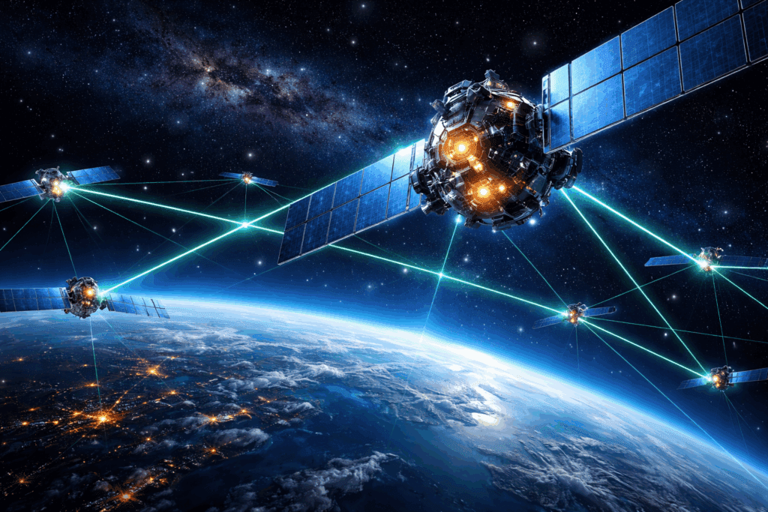
The Orbital AI Boom: Musk's Master Plan for Infinite Compute
Merging Rockets and Intelligence to Fuel the Future
The convergence of space tech and AI is accelerating at a pace that could transform global industries. Recent developments point to orbital data centers becoming a reality, powered by unlimited demand for intelligence and energy. Robotaxis are scaling fast, promising to disrupt transportation with low costs and high safety. These shifts open up massive economic opportunities, from cheaper compute to redefined urban mobility.
Key Takeaways
Orbital AI data centers leverage space for unlimited compute, driven by endless demand for intelligence and energy.
Robotaxis could scale to millions of vehicles, undercutting ride-hail prices and expanding to new use cases like mobile businesses.
SpaceX's launch capacity enables rapid deployment of satellites, potentially shifting focus from Earth networks to space-based AI.
Regulatory frameworks at the federal level will accelerate adoption, prioritizing safety data over hardware specs.
Tesla's vertical integration gives it a cost edge, enabling profitable pricing as low as 25 cents per mile at scale.
Unlimited energy and intelligence create a flywheel for growth, with space as the ideal environment for AI expansion.
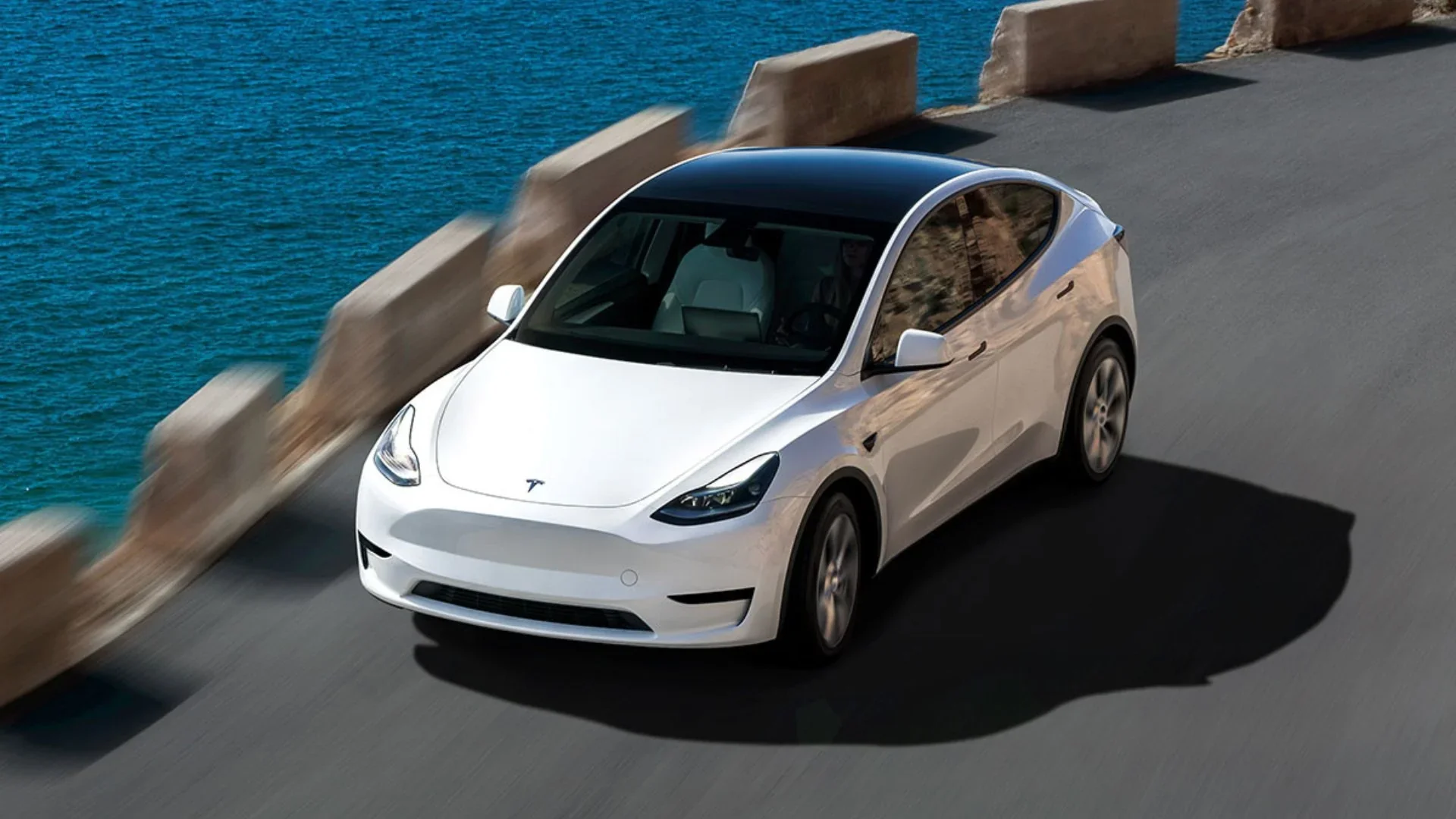
Tesla's Bold Leap into an Autonomous Future
Unlocking Abundance Through AI, Robots, and Self-Driving Tech
Tesla is charting a path toward a world of widespread prosperity, driven by breakthroughs in autonomy, humanoid robots, and energy solutions. At the core are massive investments in AI chips, battery supply chains, and solar production, all aimed at creating a future where technology handles the heavy lifting.
Key Takeaways
Tesla's mission now emphasizes creating an era of amazing abundance, focusing on universal high income enabled by AI and robotics.
Production of Model S and X vehicles will end next quarter to repurpose factory space for scaling Optimus robot manufacturing to one million units per year.
Full self-driving technology is advancing rapidly, with unsupervised rides already happening in Austin, and plans to expand to dozens of major U.S. cities by year-end.
Cybercab, a dedicated two-seater autonomous vehicle without steering wheels or pedals, starts production in April, optimized for low cost per mile and high usage.
Optimus 3, unveiling soon, will be a general-purpose robot capable of learning tasks from demonstrations, videos, or verbal descriptions, with potential to boost U.S. GDP significantly.
Energy division expects explosive growth through solar and batteries, targeting 100 gigawatts of annual solar cell production.
AI chip strategy includes designing AI5 and AI6 chips in-house, with plans for a massive Tesla Terra Fab to secure supply amid geopolitical risks.
Existing Tesla owners could earn income by adding vehicles to an autonomous fleet, potentially covering lease costs and more.
Long-term vision shifts all vehicle production to autonomy, including semi-trucks for local cargo, while addressing competition from China in humanoid robots.
Investments in xAI aim to enhance fleet management and robot coordination for complex projects like building refineries.

Tesla's 2026 Leap: Unlocking Robotaxis and AI Dominance
Revolutionizing Transportation and Compute in One Bold Year
Tesla's trajectory heads into overdrive as unsupervised self-driving tech nears reality, Cybercab production ramps up, and AI hardware reshapes the company's future. These shifts promise massive value unlocks for vehicles, energy, and beyond, setting the stage for explosive growth.
Key Takeaways
Unsupervised full self-driving (FSD) could multiply vehicle values by five times through higher margins and new revenue streams.
Cybercab enters volume production in April, starting slow but scaling to thousands per week, with flexible designs to navigate regulations.
AI hardware advancements pave the way for safer robotaxis, distributed computing, and pathways to bots and satellites.
Energy demand surges infinitely due to AI needs, bolstering Tesla's bottom line.
Subscription models for vehicles and software could transform ownership, blending transport, power backup, and personal AI computing.
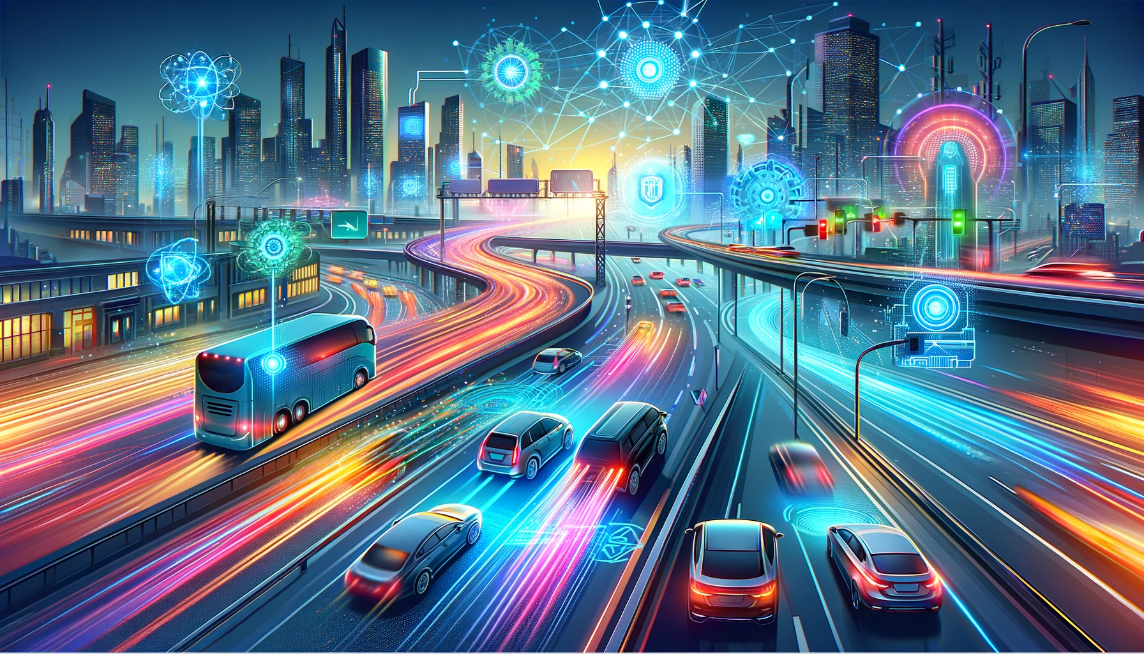
The AI Revolution Accelerates: Tools, Tesla, and the Future of Tech
How emerging AI platforms are democratizing creation while reshaping transportation and energy demands in 2026
AI tools are evolving rapidly, enabling anyone to build complex applications without traditional coding expertise. Tesla continues to lead in autonomous driving, with software updates making vehicles safer and more efficient. Discussions around AI valuations suggest specific companies may be overpriced, but the sector's potential remains vast, driven by energy abundance and societal adaptations.
Key Takeaways
AI development platforms like Replit allow users to create functional apps, such as home remodeling tools, with simple prompts, reducing costs from thousands to hundreds of dollars.
Tesla's Full Self-Driving (FSD) software has reached a point where interventions are rare, signaling readiness for widespread unsupervised autonomy, potentially valuing the company at trillions.
No overarching AI bubble exists; instead, hyperscalers like OpenAI face scrutiny for high valuations relative to revenue, while second-layer AI applications in insurance and robotics promise massive growth.
Energy demand for AI will outstrip supply for decades, enabling innovations like desalination and hydrogen production, with surplus power finding uses in computation or physical tasks.
Societal shifts may include more people opting out of hyper-tech lifestyles, forming communities that cap technology adoption, while AI agents negotiate and provide services efficiently among themselves.
Nvidia's shift to end-to-end neural networks for autonomous vehicles, relying on cameras alone, positions it as a strong competitor to Tesla in reasoning-based driving systems.
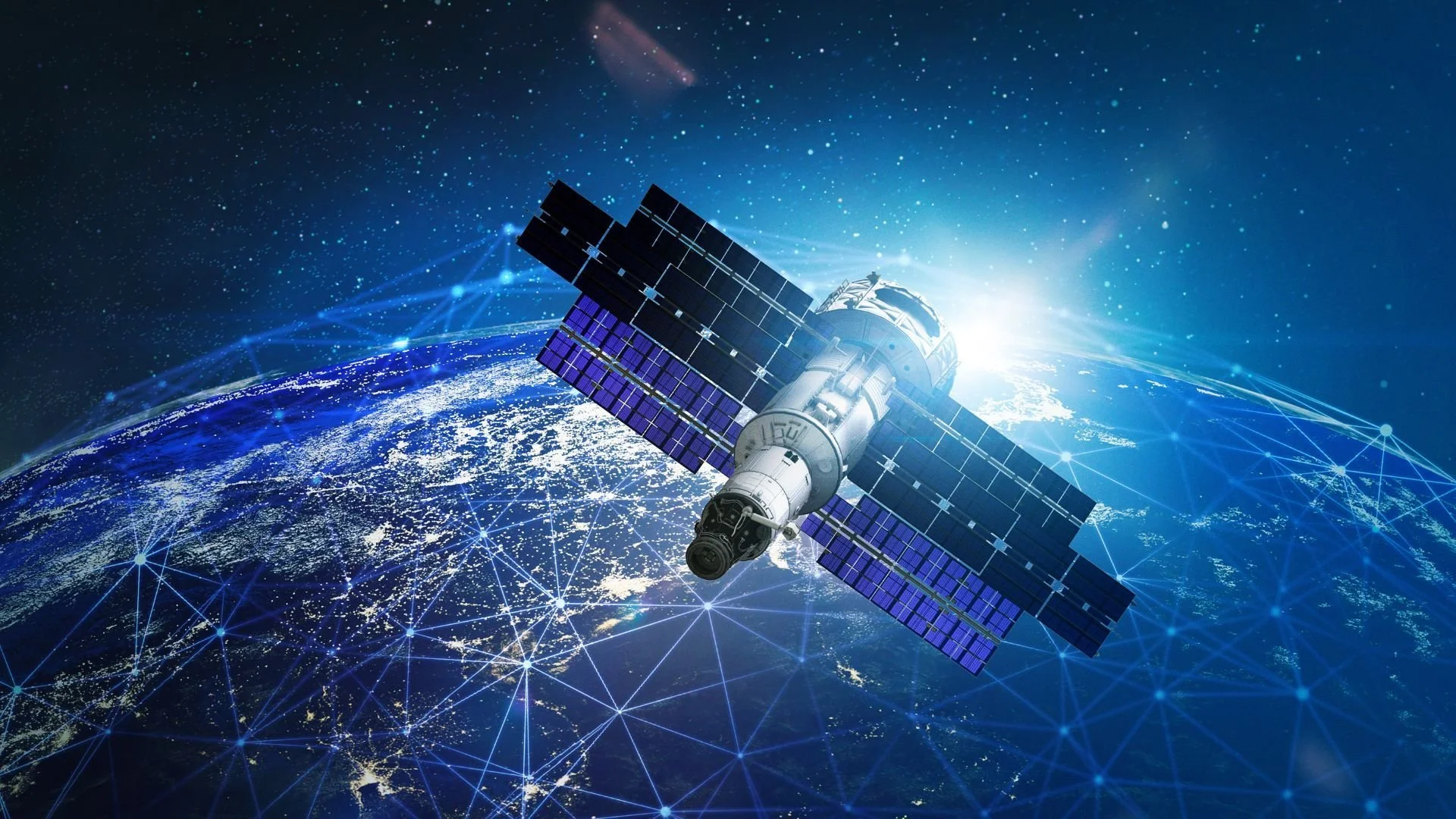
Orbiting AI: Revolutionizing Compute from Space
Why Space Could Power the AI Boom and Beyond
Advancements in launch tech are making orbital data centers a reality, promising near-unlimited solar energy for AI training and inference. This could cut electricity costs by up to 90% compared to ground-based systems, while global rollouts of autonomous tech accelerate mobility worldwide. Yet, these shifts demand new economic models to handle falling costs and rising disruptions in energy and jobs.
Key Takeaways
Space-based AI clusters leverage constant sunlight, reducing reliance on batteries and slashing operational costs for compute-intensive tasks.
Launch vehicles like Starship enable massive payloads to sun-synchronous orbits, though challenges in sites and reusability persist.
Autonomous ride-hailing apps are expanding to over a dozen countries, signaling faster adoption in regions with flexible regulations.
Energy could emerge as a universal value measure, with kilowatt-hours trading like currency to fuel AI and electric ecosystems.
Reversing inflation through tech abundance in essentials like food and housing could redistribute wealth, but requires proactive adaptation.
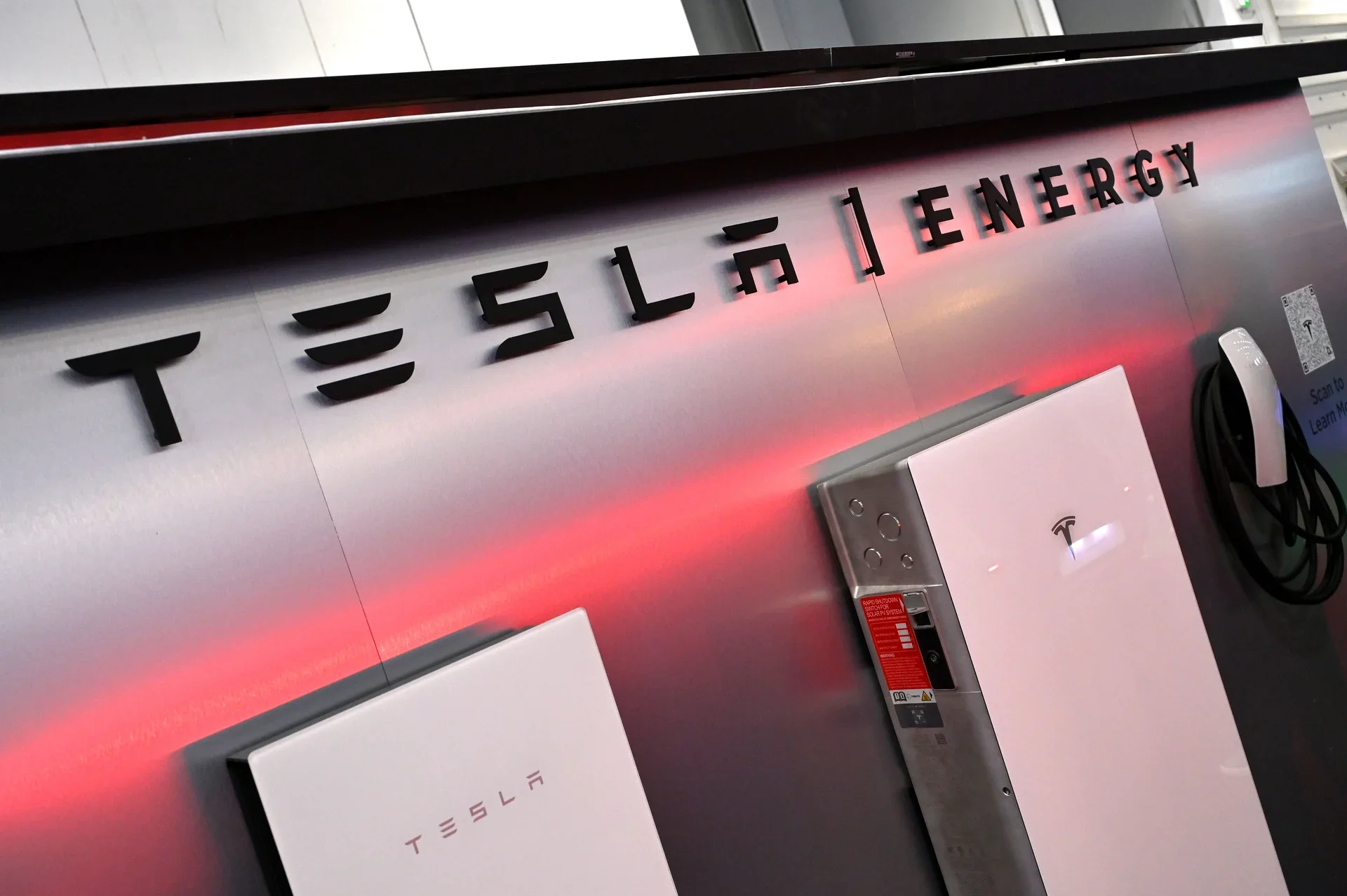
Tesla’s Energy Revolution: Mega Block and the AI-Powered Future
Why Tesla’s latest energy innovations are poised to reshape AI and global power grids.
The energy demands of artificial intelligence (AI) are skyrocketing, and Tesla is positioning itself at the forefront of this transformation with its upgraded Megapack and new Mega Block system. These advancements are not just incremental improvements—they’re strategic moves to address the massive energy needs of AI data centers and the broader shift toward decentralized, renewable-powered grids. Here’s why tech enthusiasts and investors should pay attention.
Key Takeaways
Tesla’s Mega Block enhances scalability: The new system integrates transformers and switchgear, reducing on-site assembly and boosting energy density by 20%, from 3.9 to 5 megawatt hours per unit.
AI is driving unprecedented energy demand: Data centers are scaling to gigawatt levels, with projections of 20–30 gigawatt facilities by 2030, creating a bottleneck in energy generation and storage.
Battery storage is critical for AI: Megapacks stabilize the erratic load profiles of AI data centers, protecting grids from sudden power swings and enabling off-grid solutions.
Decentralized energy is the future: Off-grid data centers using DC power from solar and batteries could bypass traditional grid bottlenecks, with Tesla leading the charge.
Transformers are a key bottleneck: Multi-year lead times for high-quality transformers make Tesla’s potential move to manufacture them a game-changer for rapid deployment.

The AI Revolution: Tesla, Nvidia, and the Future of Compute
Why Tesla and Nvidia Are Poised to Redefine the Global Economy
The AI revolution is reshaping industries, and at its core are two juggernauts: Tesla and Nvidia. Their advancements in artificial intelligence, robotics, and compute infrastructure signal a future where energy, data, and intelligence converge to create unprecedented economic value. From autonomous robotaxis to distributed inference networks, the synergy of these technologies could disrupt entire markets, leaving traditional players like Uber struggling to adapt. Here’s why the stakes are higher than ever and what it means for the future.
Key Takeaways
Tesla’s Robotaxi Dominance: Tesla’s robotaxi network, with dynamic pricing and unmatched cost efficiency, is set to capture significant market share from Uber and Waymo, potentially rendering traditional ride-hailing models obsolete.
Nvidia’s Compute Supremacy: Nvidia’s platform strategy fuels the AI boom, but its long-term margins may face pressure as compute becomes commoditized, creating opportunities for specialized players like Tesla.
Energy and Compute Synergy: Pairing energy storage (like Tesla’s Megapacks) with AI chips enables distributed inference, turning idle energy into valuable computational output.
Video Data as the Ultimate Resource: Video data’s infinite scalability makes it the backbone of AI training, giving Tesla a unique edge with its vast fleet of camera-equipped vehicles.
Retail Investing’s AI Edge: Advanced AI tools are empowering retail investors to uncover opportunities in stocks like Tesla, potentially increasing market liquidity and driving more IPOs.