
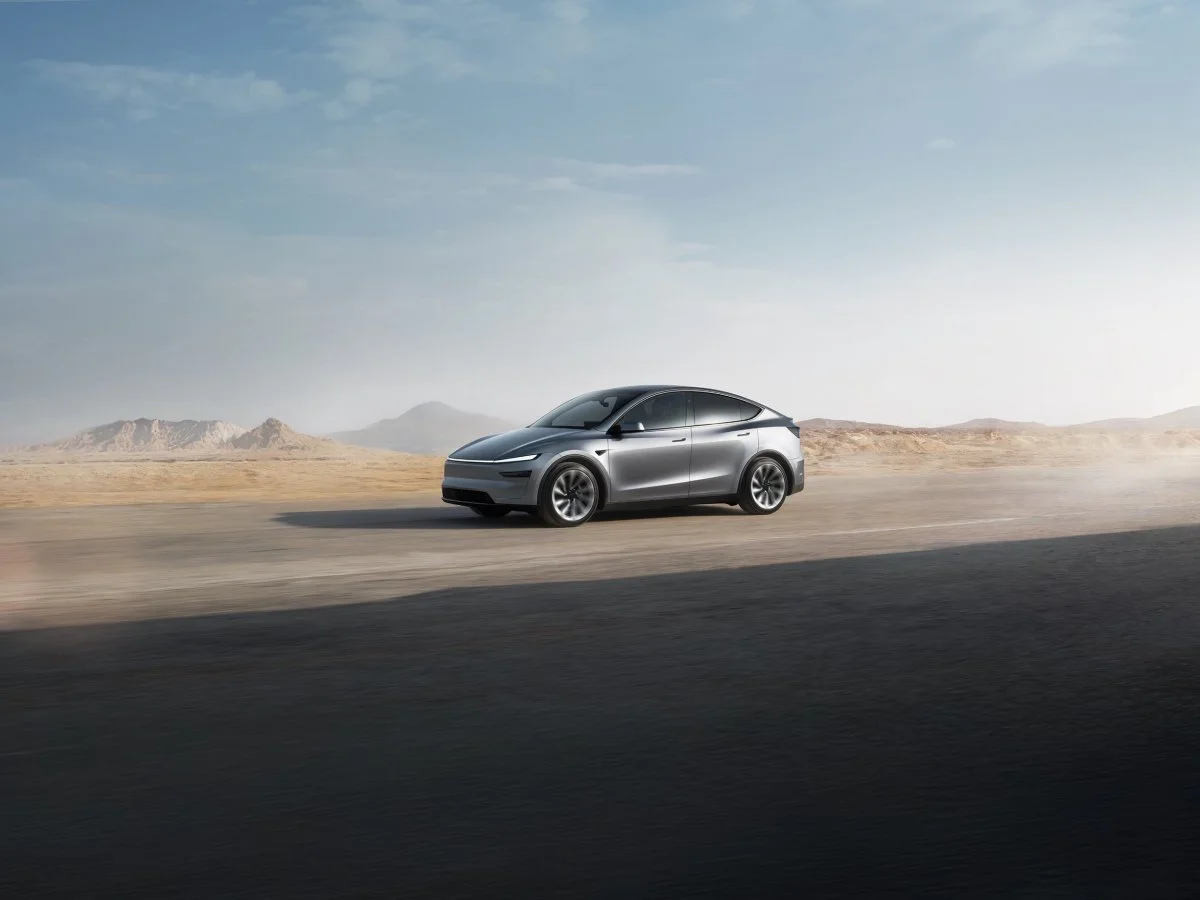
Why Tesla's Robotaxi Advantage Is Growing Faster Than Anyone Notices
It's not the current fleet size that matters most—it's the explosive growth in data miles and production scale driving down costs exponentially.
Tesla is pushing unsupervised robotaxis into more Texas cities, while competitors like Waymo operate thousands of vehicles across multiple metros. Yet the numbers reveal one player building an insurmountable lead through sheer data volume and manufacturing muscle. With 10 billion cumulative full self-driving miles already logged and the count growing by a billion monthly, the foundation for cheaper, smarter autonomy is solidifying rapidly.
Key Takeaways
Tesla's cumulative FSD miles stand at around 10 billion—50 times the roughly 200 million driverless miles accumulated by its closest rival across its entire history.
Both double autonomous miles approximately every nine months, but Tesla's vastly larger base means its lead widens dramatically each cycle.
Tesla achieves robotaxi costs near 81 cents per mile today, roughly 60% of competitors' current levels.
Production capacity gives Tesla the ability to manufacture hundreds of thousands of capable vehicles quarterly, dwarfing rivals reliant on third-party supply.
Paid unsupervised robotaxi miles nearly tripled quarter-over-quarter in early 2026, signaling accelerating commercial traction.
At scale, autonomous transportation could drop to 25 cents per mile, slashing annual personal mobility costs from hundreds to thousands of dollars.
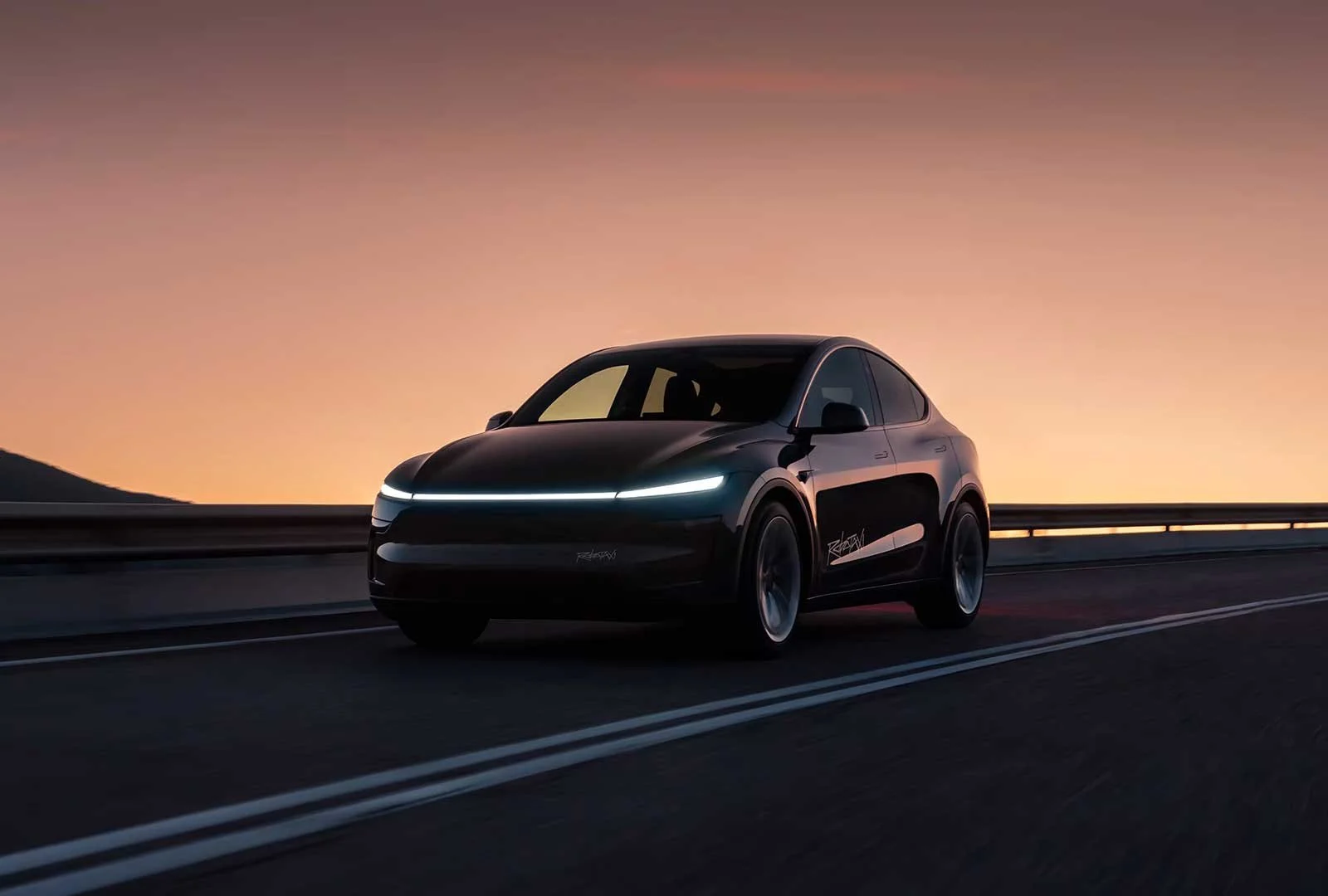
Tesla's Robotaxi Revolution: Crushing Competitors with Cost and Scale
Why Tesla Could Dominate Ride-Sharing and Leave Waymo in the Dust
Robotaxis are set to transform urban mobility, slashing costs while boosting safety and convenience. Yet, early players like Waymo struggle with high expenses and limited scalability, creating an opening for Tesla's efficient, hybrid fleet model to seize massive market share.
Key Takeaways
Robotaxis from Tesla could operate at costs several times lower than competitors, thanks to affordable vehicles and vision-only tech stacks.
Waymo's current model remains uncompetitive against traditional ride-sharing due to expensive cars and sensors, limiting market share to around 15-20% in any single city.
Tesla's hybrid approach—combining company-owned fleets for base demand with owner-contributed cars for peaks—reduces capital needs by up to seven times compared to rivals.
The ride-sharing market is highly elastic; lower prices from Robotaxis could expand total miles driven by 4x or more, displacing public transit options.
Regulation may lag but won't stop adoption, as historical precedents like ride-sharing show public demand overrides barriers.
In the long term, the market might evolve into an oligopoly, with Tesla leading and challengers like Uber partnering with secondary Robotaxi tech providers.
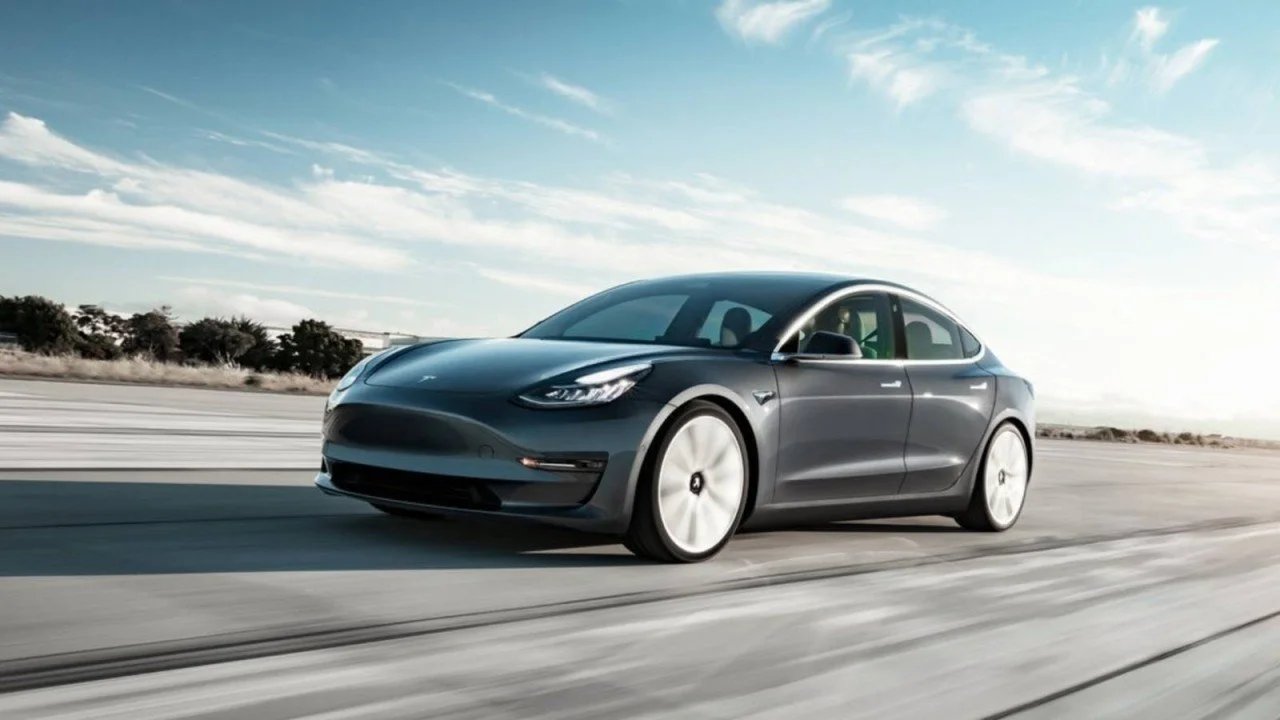
Tesla's Game-Changer: No More Buying FSD Outright After February 14
Why This Shift Could Unlock a Trillion-Dollar Robotaxi Era
Tesla's decision to eliminate outright purchases of Full Self-Driving (FSD) software marks a pivotal turn toward unsupervised autonomy and widespread Robotaxi deployment. This move positions every Tesla vehicle as a potential revenue generator, transforming personal cars into autonomous assets capable of earning owners substantial income while reshaping urban mobility and boosting the company's long-term profitability.
Key Takeaways
Tesla will stop selling FSD for a one-time $8,000 fee after February 14, shifting entirely to a subscription model starting at $99 per month.
This signals that unsupervised FSD—where drivers no longer need to pay attention—is imminent, potentially arriving by mid-2026, dramatically increasing vehicle value.
Vehicles with unsupervised capabilities could function as robotaxis, generating up to $100,000 in annual profit per car by operating without human intervention.
Existing FSD owners may receive lifetime access, possibly including unsupervised features, while hardware 3 owners could get transfer options to newer models.
The change simplifies pricing, maximizes fleet participation in a future Robotaxi network, and could triple or quadruple Tesla's profit per vehicle through recurring revenue.
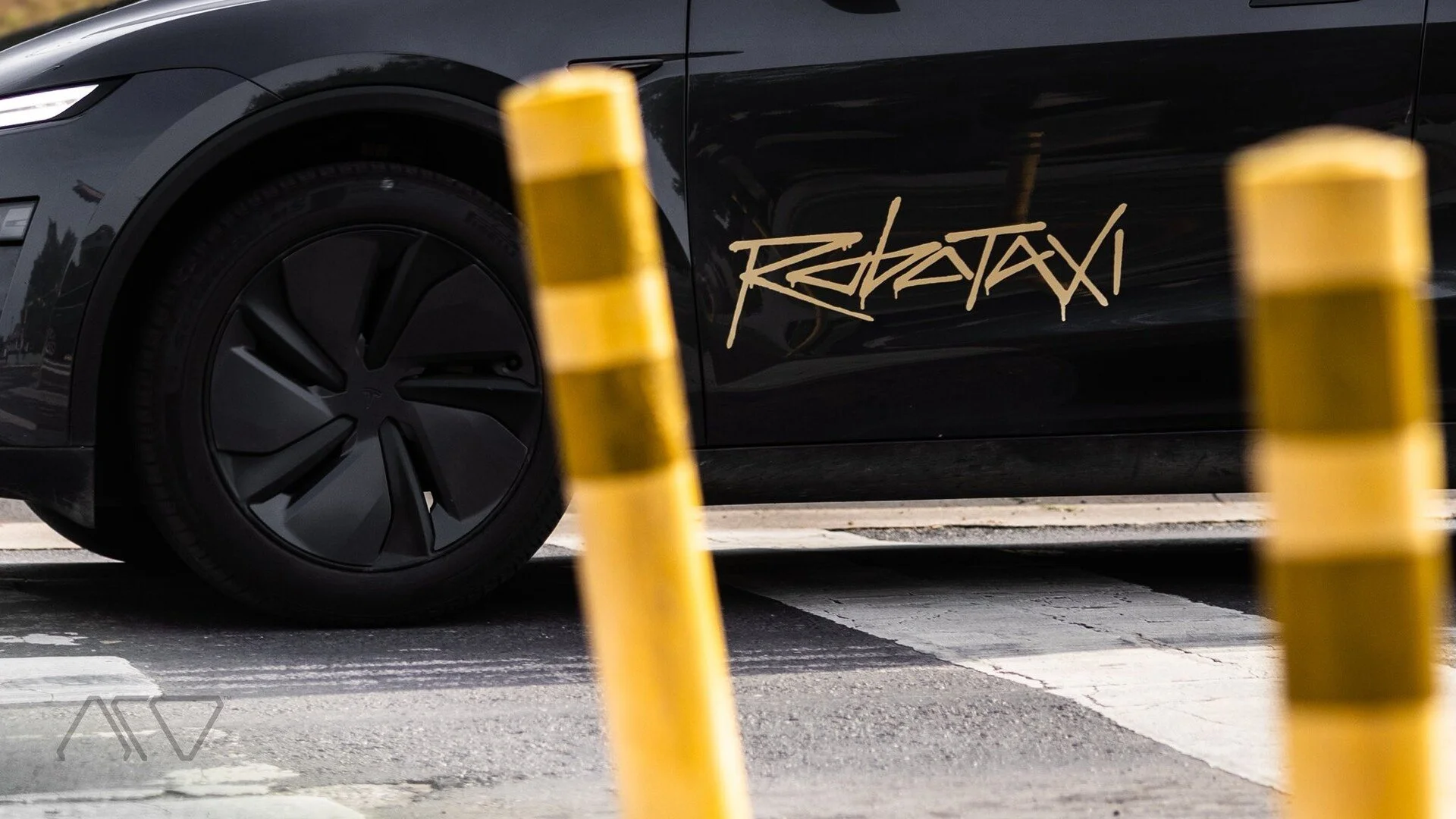
Tesla's Autonomy Leap: Unlocking the Robotaxi Era
Revolutionizing Mobility with Safer, Smoother Self-Driving Tech
Tesla's stock has surged to record levels as the market recognizes the company's strides in autonomous driving. Recent software updates deliver performance that rivals or exceeds human drivers in safety and ride quality, paving the way for widespread Robotaxi deployment. This shift promises to flood cities with affordable, efficient autonomous vehicles, generating substantial profits while outpacing rivals.
Key Takeaways
Tesla's latest full self-driving software achieves safety levels comparable to or better than human drivers, based on extensive real-world testing and minimal incident reports.
Comfort in autonomous rides sets Tesla apart, with smooth handling of turns, accelerations, and intersections that mimic top human drivers.
Robotaxi networks can scale rapidly without safety drivers, starting in key areas like Austin and the Bay Area, thanks to regulatory-friendly safety profiles.
Manufacturing advantages allow Tesla to produce and deploy thousands of Robotaxis at low cost, undercutting competitors on fares and utilization.
Each Robotaxi could generate around $100,000 in annual profit through efficient operations, with costs as low as 60 cents per mile versus $2.50+ charges.
Broader AI applications from this tech extend to humanoid robots, amplifying Tesla's potential in automation.
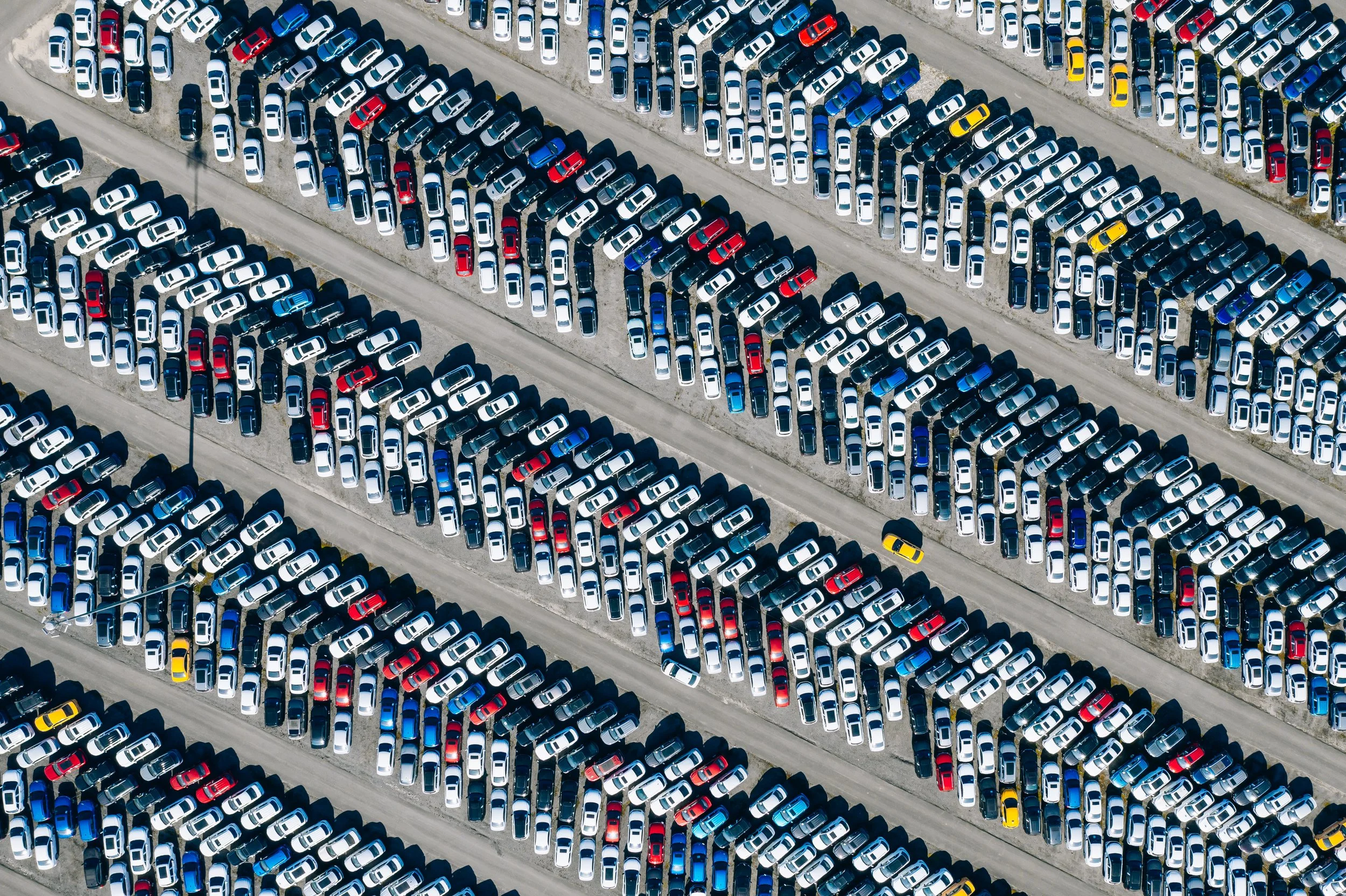
The Car Market Collapse: Why Buying Now Could Cost You $72,000
Brace for the Autonomy Shockwave That's About to Crush Vehicle Values
The rapid rollout of unsupervised full self-driving technology stands poised to slash transportation costs by up to two-thirds, making personal car ownership obsolete in many areas and triggering a massive drop in used car prices. For anyone eyeing a new vehicle, the math points to staggering opportunity costs—potentially turning a $40,000 purchase into an $8,000 asset in just four years while missing out on investments that could double that money.
Key Takeaways
Unsupervised autonomous driving approval could arrive in major U.S. markets within 12-18 months, fundamentally shifting car ownership from essential to optional.
Current average new car costs around $48,000, with typical depreciation hitting 60% in four years—but autonomy could double that loss to 80% or more in disrupted markets.
Robotaxis aim for 25-30 cents per mile operating costs, undercutting personal vehicle ownership's 70-80 cents per mile and saving users $10,000 annually.
Leasing transfers depreciation risk to lenders, making it a smarter short-term play than buying outright amid uncertainty.
Rural or specialized needs (like work trucks or large families) justify purchases, but urban commuters face the biggest risks.
Investing saved funds in AI and autonomy-related stocks could yield 15% annual growth, turning $40,000 into $80,000 over four years—a $72,000 swing versus car depreciation.
Watch Austin's used car market post-Texas FSD approval as an early indicator of nationwide impacts.

Tesla's Robot Revolution: Unlocking Superhuman Potential
Redefining Productivity Through AI and Automation
The push toward advanced robotics and AI is transforming everyday tasks, medical care, and global manufacturing, setting the stage for an era where technology delivers abundance for all.
Key Takeaways
Advanced humanoid robots with precise hands enable complex tasks like surgery, construction, and music, promising widespread access to elite skills.
Neural implants combined with robotic bodies could restore mobility to those with severe disabilities, offering cyborg-level abilities at affordable costs.
Real-time data from massive social networks fuels superior AI models, accelerating progress toward general intelligence.
Massive compute power, like data centers with hundreds of thousands of GPUs, outpaces competitors in training next-generation AI.
Manufacturing breakthroughs aim to produce vehicles every five seconds, driven by physics-inspired efficiency in factories.
Self-driving technology has reached a tipping point, enabling rapid expansion in vehicle production.
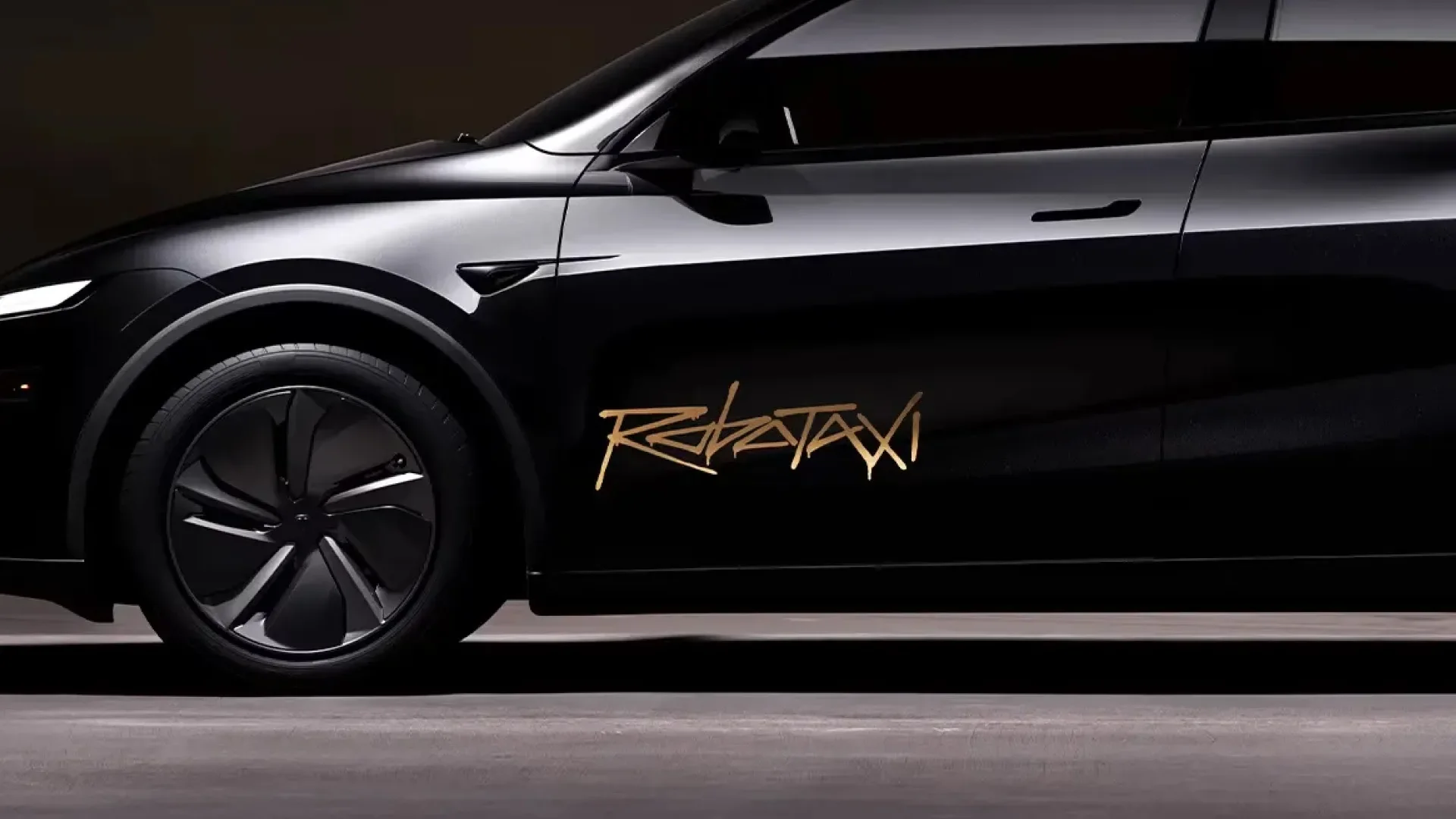
Tesla Robotaxi Unleashed: Wide Access Signals Autonomous Dominance
Inside the Expansion That's Set to Transform Urban Mobility
Tesla's Robotaxi service has gone live for all iOS users, unlocking ride-hailing in the Bay Area and autonomous rides in Austin, Texas. Users across regions like Dallas-Fort Worth, North Carolina, Boston, and even Canada report instant access upon downloading the app. This broad rollout underscores confidence in recent tech upgrades, paving the way for massive fleet growth and safer roads ahead.
Key Takeaways
Tesla's Robotaxi network now accessible to any iOS user, with immediate service in key areas like the Bay Area and Austin.
Fleet expansion targets 500 vehicles in Austin and 1,000 in the Bay Area by year-end, driven by production capacity of over 2 million cars annually.
Latest Full Self-Driving (FSD) version delivers intervention-free drives and multiple times safer performance than average U.S. drivers.
Data shows spikes in miles between critical interventions, supporting wider deployment to cut insurance costs and save lives.
Competition heats up with Waymo expanding to new cities and Zoox launching in San Francisco, but Tesla's AI-driven approach and manufacturing edge position it for faster scaling and lower costs.
Tesla vehicles handle highways seamlessly, unlike some rivals limited to urban zones due to design constraints.
Pricing in Austin starts around $1 per mile, undercutting competitors at $2.50–$3 per mile, with potential for further reductions as fleets grow.
Expansion to 8–10 U.S. metro areas by year-end, including tests in smaller spots like Harrisburg, Pennsylvania, to influence policy.

How Self-Driving Cars Will Redesign Our Entire World
The Urban Revolution Hiding in Autonomous Tech
Self-driving vehicles stand ready to overhaul daily life by freeing up vast swaths of urban land, slashing noise and risks on roads, and handing back hours of wasted time to people everywhere. This shift promises quieter, greener cities and a surge in productivity that could redefine how societies function.
Key Takeaways
Urban areas could reclaim 30-50% of land currently tied up in parking, turning asphalt into parks, housing, and community spaces for better living.
Roads will narrow and become more efficient as vehicles communicate seamlessly, reducing the need for wide lanes and buffer zones.
Noise pollution drops dramatically with quiet electric autonomous fleets, making neighborhoods more peaceful and enjoyable.
Safety improves vastly, cutting annual deaths from 40,000 in the US alone, allowing for designs that mix pedestrian and vehicle spaces more freely.
Commuting time—about an hour daily per person—turns productive, unlocking mental energy for work, reading, or rest across billions of hours yearly.
Delivery costs plummet, enabling faster, cheaper logistics that reshape retail, inventory, and how people access goods.
This multi-decade transition will create new cities built from scratch around autonomy, but it brings challenges like job losses and privacy issues.
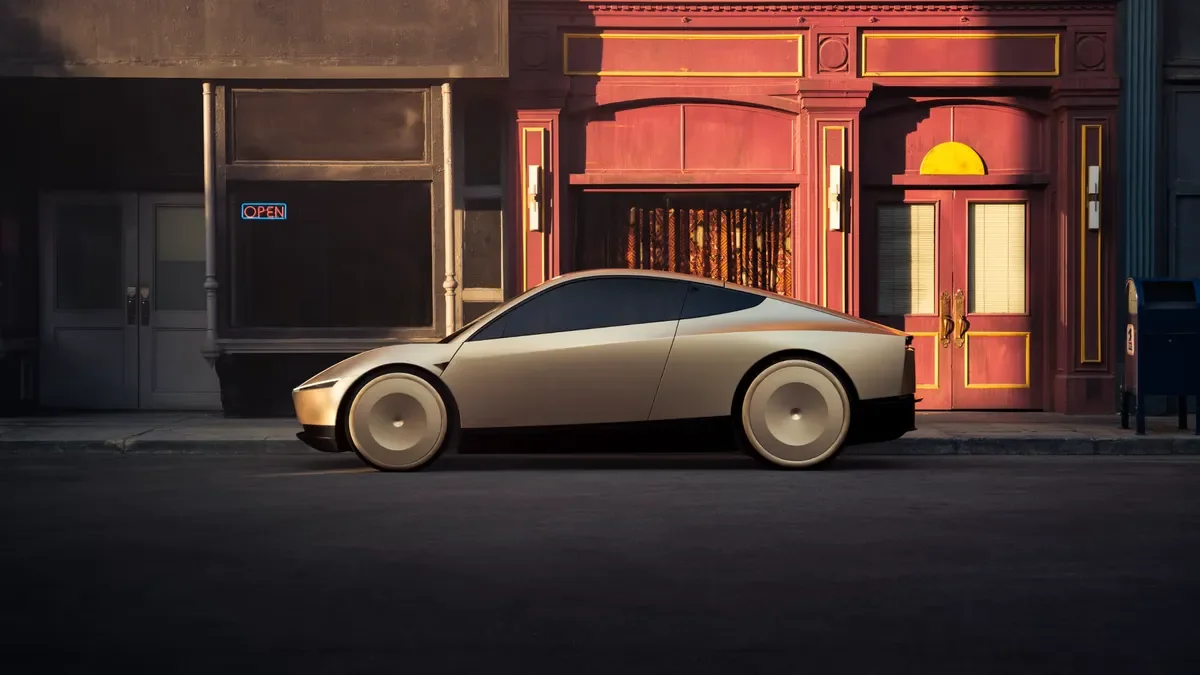
Tesla's Robotaxi Edge: Scaling Autonomy to Every Corner
Why Small Cities and Global Streets Are Tesla's Next Frontier
Tesla is pushing boundaries with Robotaxi trials in unlikely spots like Harrisburg, Pennsylvania, while Cybertrucks equipped with the latest Full Self-Driving software handle urban drives in Europe. These moves highlight a scalable approach to autonomy that could reshape transportation economics worldwide, outpacing rivals limited by hardware and mapping constraints.
Key Takeaways
Tesla's Robotaxi network is expanding into smaller markets like Harrisburg, leveraging massive vehicle production to enter areas competitors ignore.
Full Self-Driving version 14 enables vehicles like the Cybertruck to navigate diverse environments, from U.S. suburbs to European cities, without specialized sensors or pre-mapped routes.
Unlike companies relying on lidar and high-definition maps, Tesla uses camera-based AI trained on billions of miles of real-world data for broader, faster deployment.
This technology promises to lower transportation costs below 50 cents per mile, boosting local economies in underserved regions by reducing friction for travel and commerce.
Global scalability means Tesla can upgrade millions of existing vehicles via software, creating a ride-hailing fleet that transforms affordability and accessibility everywhere.
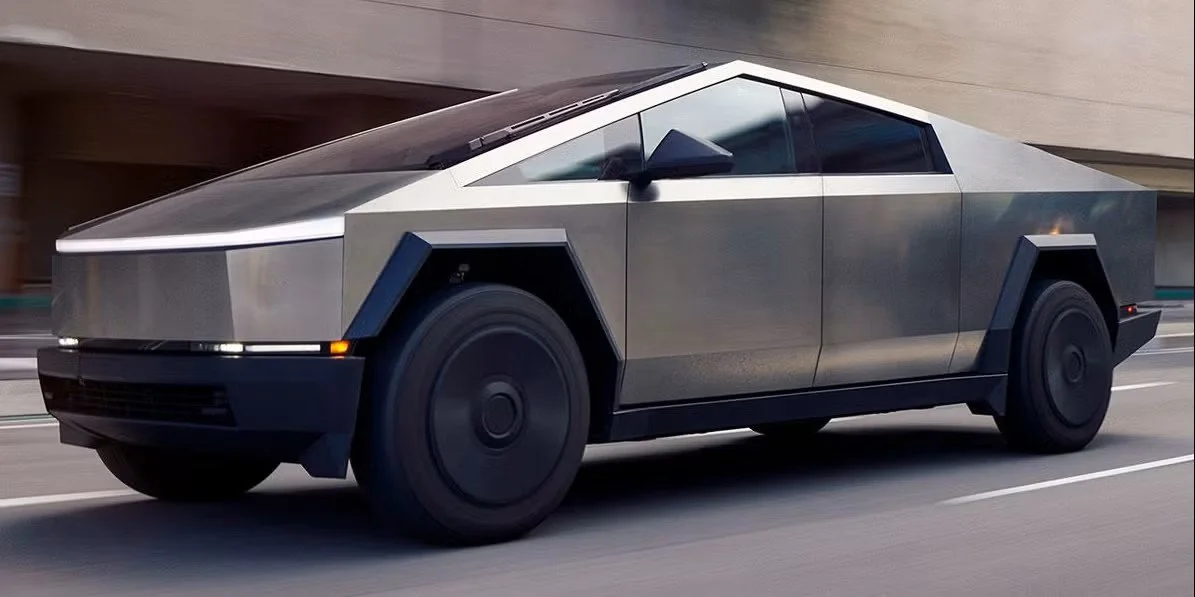
Cybertruck's Self-Driving Breakthrough: FSD v14.1.7 Takes on Austin Rush Hour
Pushing Autonomy to New Heights in Real-World Chaos
Tesla's latest Full Self-Driving update demonstrates remarkable progress in handling urban and highway scenarios, blending speed with safety in ways that rival human drivers.
Key Takeaways
FSD v14.1.7 maintains smooth, natural acceleration and braking, adapting seamlessly to traffic flow without abrupt movements.
The system excels in lane management, preferring middle lanes for cruising and shifting left only for passing, avoiding common pitfalls like left-lane camping.
Pedestrian detection and courtesy stand out, with the vehicle yielding appropriately at crosswalks and four-way stops, even in busy pedestrian areas.
Highway performance handles construction zones, merges, and speed variations up to 85 mph cap effectively, though minor hesitations occur in complex merges.
Parking garage navigation needs refinement, as the system sometimes fails to enter designated areas, but overall urban maneuvering in crowded spots shows strong politeness and caution.
Mad Max mode delivers assertive yet controlled driving, prioritizing empathy and safety over aggressive tactics.
School zones and low-speed areas trigger cautious speed adjustments, potentially geofenced for added safety around sensitive locations.
The update marks a pivotal step toward unsupervised autonomy, with potential for widespread deployment removing the need for constant driver attention by mid-2026.
Tesla's Full Self-Driving (FSD) system in version 14.1.7 represents a significant leap in autonomous vehicle technology, particularly when tested in a Cybertruck during Austin's demanding rush hour. This update showcases how AI-driven driving can integrate into everyday traffic, from highways to pedestrian-heavy domains, with a focus on reliability and user comfort. The performance highlights advancements in real-time decision-making, making self-driving tech feel increasingly viable for mass adoption.
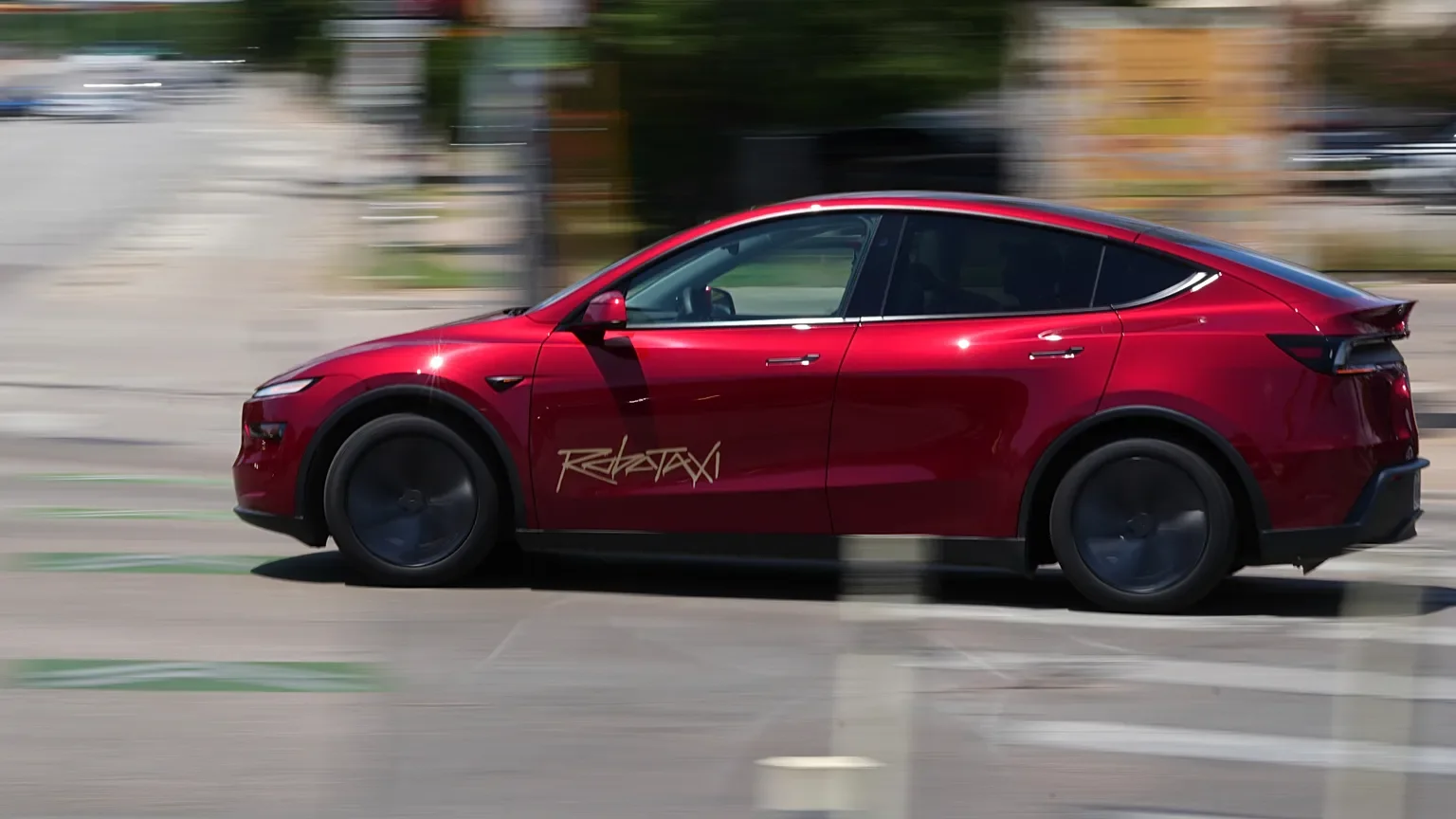
Self-Driving Revolution: How AI is Redefining Urban Life and Transportation
Unlocking Safer Streets, Reclaimed Spaces, and a Post-Scarcity Future
Self-driving technology stands on the brink of transforming cities, economies, and daily routines through advanced AI systems that outperform human drivers in consistency and safety.
Key Takeaways
Self-driving cars will reduce parked vehicles and parking lots, freeing up urban space for human use while cutting noise pollution and boosting road safety.
AI-driven autonomy enables cheaper, faster delivery of goods and redirects human attention from driving to more productive activities.
Tesla's vision-only approach, using cameras and neural networks, has advanced to handle complex urban scenarios flawlessly, surpassing earlier versions that struggled with basic curves.
This tech shifts from rule-based programming to learning from billions of miles of real-world data, similar to AI mastering chess through pattern recognition.
Broader impacts include massive drops in transportation and labor costs, but also potential job displacement, pushing society toward valuing human existence over work output.
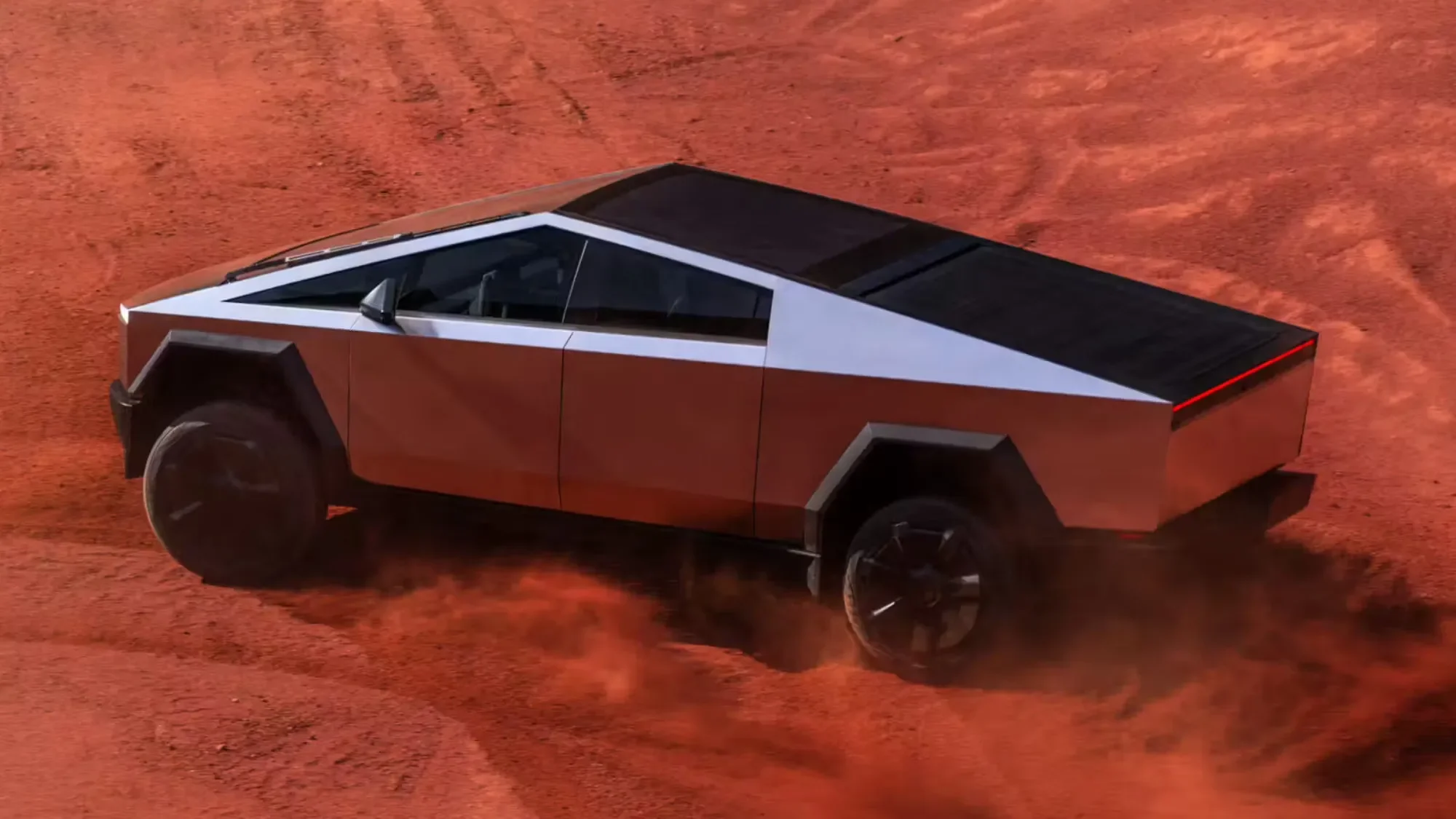
Tesla's Cybertruck Hits Peak Autonomy with FSD v14.1.7
Revolutionizing Roads: From Parking Lots to Profit Machines
Tesla's latest Full Self-Driving update delivers seamless, assertive navigation in real-world conditions, unlocking massive potential for robotaxis and transforming vehicle utility from idle assets to round-the-clock earners.
Key Takeaways
FSD v14.1.7 enables hands-off driving in the Cybertruck, handling everything from parking lot exits to highway merges with minimal intervention.
Mad Max mode prioritizes speed and efficiency, selecting optimal lanes and exceeding speed limits to minimize travel time.
Hardware 4 vehicles like the Cybertruck are poised for unsupervised autonomy soon, eliminating the need for driver attention.
Self-driving tech could multiply vehicle utility by 5x or more, turning personal cars into revenue-generating units.
Robotaxis promise profits of up to $2 per mile, driven by low operating costs around 50 cents per mile without human drivers.
Tesla's production scale gives it a massive edge over competitors like Waymo, which struggles with supply chain dependencies and complex sensor suites.
Widespread adoption may drive down ride costs below $1 per mile long-term, reshaping urban travel and reducing reliance on short-haul flights.
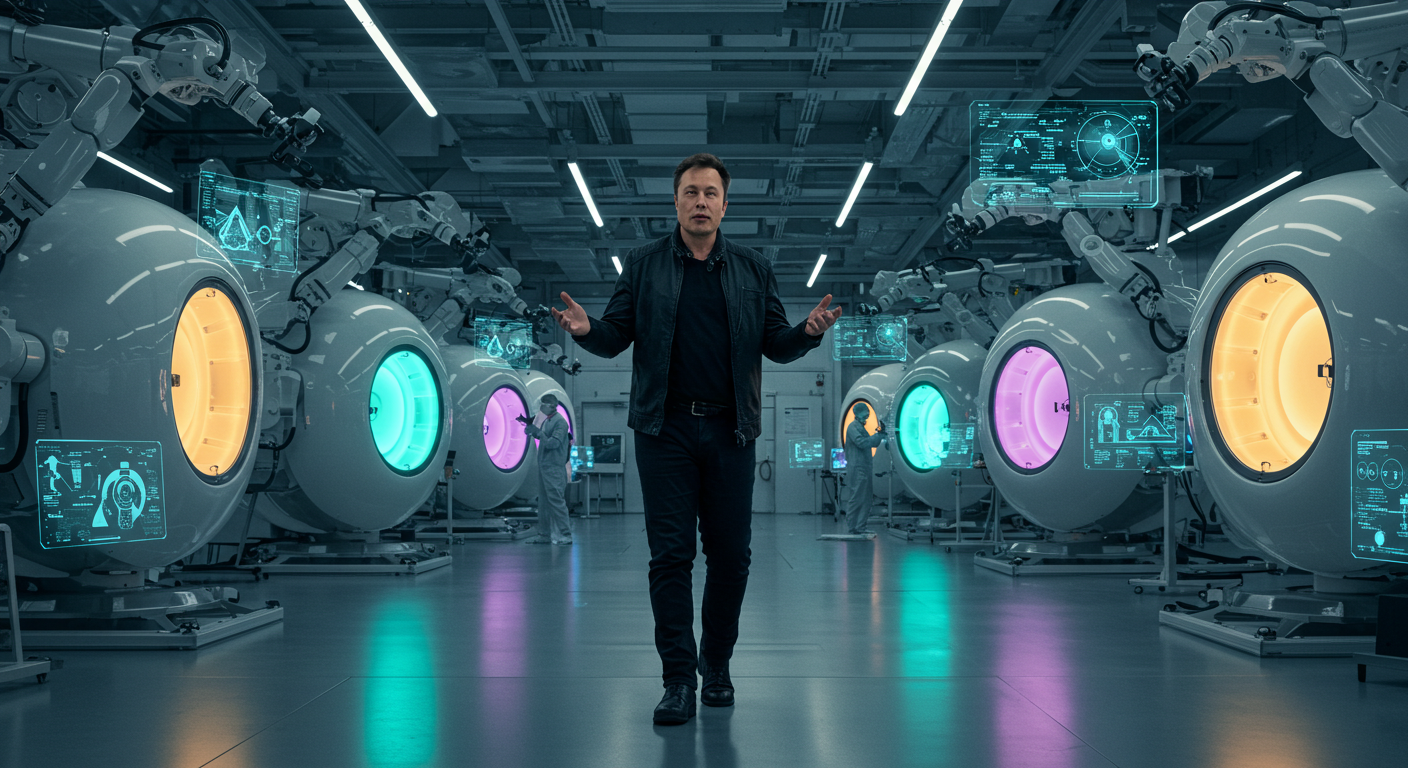
Tesla's AI Edge: Pioneering Autonomy in a World Not Ready
Revolutionizing Transport and Labor with Self-Driving Tech and Humanoid Bots
Tesla stands on the brink of transforming daily life through advanced AI systems in vehicles and robots, outpacing current laws and sparking both innovation and societal shifts. This newsletter explores how these technologies promise safer roads, affordable mobility, and efficient labor—but only if handled with care to benefit everyone.
Key Takeaways
Tesla's self-driving software is advancing to allow drivers to disengage completely, reducing accidents through constant vigilance and 360-degree awareness.
Humanoid robots aim for mass production, starting at a million units annually, with costs dropping to enable tasks from factory work to home chores at under $3 per hour.
These innovations could slash transportation costs to below 30 cents per mile, making private, door-to-door rides as affordable as public transit.
Job displacement looms large for drivers, warehouse workers, and manual laborers, as robots handle tasks without rest or rights.
Regulations lag behind tech capabilities, creating friction, but widespread adoption could revitalize communities by lowering costs and improving access.
Success hinges on ensuring these tools uplift underserved areas, preventing backlash and fostering broad economic gains.
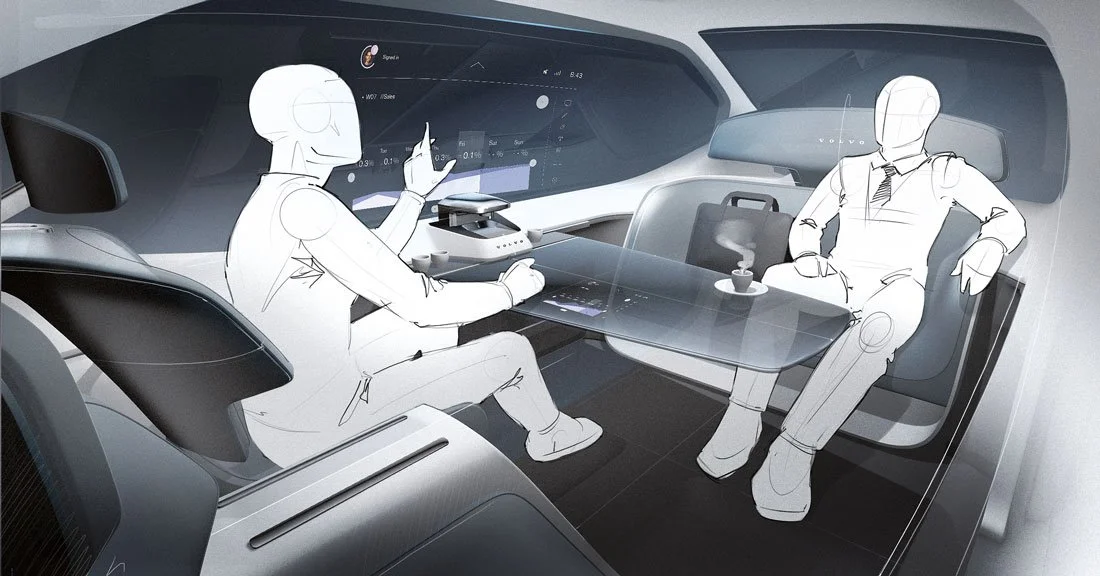
Autonomous Vehicles: Redefining Travel and Lifestyle
Revolutionizing Mobility with Self-Driving Tech
Tesla's upcoming Cybercab is set to reshape the electric vehicle landscape by blending cutting-edge autonomy with practical design adaptations, potentially delivering a sub-$30,000 car that drives itself without constant supervision. This move addresses production bottlenecks and regulatory hurdles, paving the way for high-volume sales starting in 2026.
Key Takeaways
Autonomous tech turns vehicles into movable rooms, enabling interiors optimized for work, sleep, sightseeing, partying, or RV living.
Larger vehicles like semis require higher safety standards due to potential for massive destruction in accidents, delaying full autonomy rollout.
Self-driving RVs and vans could compete in size and use cases, with third-party customization likely handling interior configurations.
Fleet models similar to airlines will allow providers to tailor vehicles for specific experiences, adding them to networks for on-demand access.
Highway autonomy already feels mature, paving the way for hybrid services on long routes that beat short flights in time and cost.
Self-driving tech lowers barriers to social outings, boosting attendance at events like sports games or conventions through convenient, fun group transport.
Accessibility improves dramatically for people with disabilities or elderly individuals, as vehicles handle navigation without traditional controls.
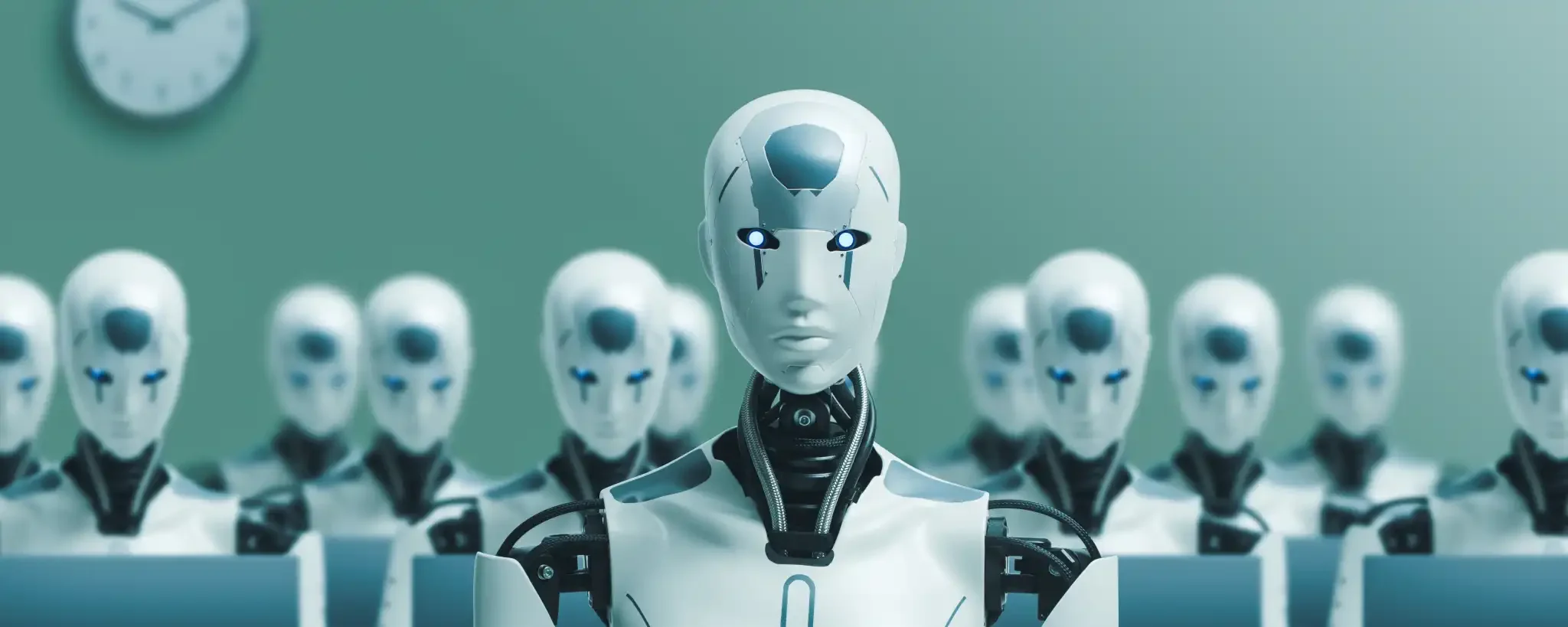
Humanoid Robots and Robotaxis: The Transportation Revolution Is Here
Why Autonomous Vehicles Are Poised to Upend Ridesharing and Redefine Mobility
The age of autonomous transportation is no longer a distant dream—it’s unfolding now, faster than most realize. Self-driving technology, led by advancements in AI and robotics, is set to transform how we move, with robotaxis at the forefront. These driverless vehicles promise cheaper, safer, and more convenient rides, threatening to disrupt traditional ridesharing giants like Uber. The implications are massive, from reshaping urban mobility to redefining vehicle ownership. Here’s what you need to know about this seismic shift.
Key Takeaways
Rapid Rollout: Supervised autonomous driving systems are expected to reach widespread use by late 2025, with unsupervised systems potentially following by mid-2026.
Robotaxi Scaling: Driverless ridesharing services are expanding in cities like Austin and could soon spread to new regions like Arizona, with safety observers likely removed within months.
Market Disruption: Robotaxis offer lower costs, greater privacy, and enhanced safety, positioning them to outcompete traditional ridesharing platforms.
Regulatory Hurdles: Insurance and liability frameworks remain critical barriers to fully unsupervised driving for personal vehicles.
Consumer Behavior Shift: Early adopters in areas like the Bay Area already prefer autonomous rides over human-driven options, signaling a broader trend.