

Tesla Will Kill Uber
Tesla, Uber, and the Future of Everything
While Uber enjoys near all-time stock highs and Wall Street confidence, a far more existential threat is quietly forming beneath the surface. Tesla is gearing up to deploy millions of autonomous vehicles at a pace no competitor can match—and when that happens, Uber’s human-powered network may collapse under its own weight.
Tesla doesn’t need partnerships. It doesn’t need third-party fleets. It owns the factory, the software, the vehicles, and soon—the customer. When robotaxis hit the market at scale, the traditional two-sided platform Uber built its empire on becomes irrelevant. Riders won’t wait for drivers. They’ll summon self-driving Teslas at half the price.
And while Uber scrambles to aggregate 50,000 self-driving vehicles through various partnerships, Tesla’s aiming to manufacture millions. It’s not a fair fight. It’s not even the same game.
But the threat isn’t just coming from the road.
Zipline’s drones are quietly beating everyone to the punch in last-mile delivery. Palantir is shifting from technical hires to “artists who can code.” The middle of the economy—the safe zone between blue-collar labor and elite tech—is vanishing. AI is automating the work. And creators, not corporations, are building the future.
Here’s what we break down:
Why Tesla’s vertical integration gives it a Netflix-like moat
How Uber’s Southeast Asia retreat foreshadowed its bigger vulnerability
The quiet rise of drone delivery—and what it exposes about ground transport
Why Palantir believes creativity is the last irreplaceable skill
The coming barbell economy: mega-corps on one side, AI-powered individuals on the other
What the Musk–Trump fallout reveals about political power, ego, and tech disruption
And the trillion-dollar question no one’s asking: what do humans do in a world that doesn’t need them to work?
The transformation is already underway. What happens next will decide who thrives—and who disappears.

The Great Disruption
Why American Politics Will Never Be the Same
The U.S. faces a convergence of crises that most politicians still refuse to name out loud. Interest payments are consuming the federal budget. Birth rates are falling off a cliff. AI is advancing faster than society can absorb. And the parties in power? Locked in theater, denial, and dysfunction.
At the center of it all is a stark truth: neither side has a real plan. Republicans talk fiscal discipline while passing trillion-dollar bills. Democrats cling to elite consensus while working-class voters drift away. And behind the noise, America’s foundational systems—economic, political, demographic—are quietly failing.
Tech leaders like Elon Musk are sounding the alarm, but even they are caught in internal wars. The Musk-Bannon rift over spending and control signals a deeper fracture between the tech elite and the populist base. It’s not just a feud—it’s a fault line that could shatter the Republican coalition entirely.
Meanwhile, AI is the wild card. It could drive enough growth to outrun our problems—or accelerate collapse by replacing jobs, destabilizing economies, and breaking politics as we know it. Add in a collapsing birth rate and rising global competition, and the U.S. enters a pressure cooker with no historical precedent.
Here’s what we explore:
Why the U.S. debt crisis may be irreversible under current political incentives
The real meaning behind the Musk vs. Bannon feud—and what it signals about 2026
How AI could be our salvation or the match that ignites mass unrest
The demographic doom loop no one in D.C. wants to confront
Why media gatekeepers have lost control—and what that means for political power
The growing class disconnect between elites and everyday Americans
And why the “middle ground” in politics, economics, and culture may no longer exist

SpaceX's Path to $12.8 Trillion
Why the Space Economy's Future is Bigger Than You Think
What if Mars isn’t just a science project—but an actual line item on a trillion-dollar balance sheet?
A groundbreaking new valuation model from ARK Invest and Mach 33 suggests that SpaceX could become the most valuable company in history, with base-case projections reaching $2.5 trillion by 2030 and $12.8 trillion by 2040. And that’s just the middle scenario.
The model goes beyond speculative hype. Built using Monte Carlo simulations and more than 50 variables, it charts a future where Starlink generates massive global cash flows through 2035—then shifts entirely to funding Mars development. At the heart of the plan? Not astronauts. Not colonies. But a million Optimus robots working on Mars by 2040.
Starlink becomes the cash engine. Starship becomes the logistics network. Optimus becomes the labor force. And Mars becomes the next economic frontier—not through abstract sci-fi dreams, but infrastructure, book value, and scalable industrial development.
Inside this analysis:
Why Starlink’s economics are better than most investors realize
How Wright’s Law is driving down satellite costs faster than Moore’s Law
Why competition like Amazon Kuiper may never catch up
What 100+ Starship launches per year really signals
How SpaceX plans to shift from internet provider to interplanetary builder
Why the first Martians will be robots—and why that changes everything
And what the model doesn’t include that could push valuations even higher
This isn’t just about satellites or space travel. It’s the dawn of a new industrial age—off Earth.

Delaware's Legal System Crisis
A Seismic Shift in Corporate Governance
For over a century, Delaware has been the undisputed home of American corporate law. But that era may be ending.
A quiet but dramatic shift is unfolding in Delaware’s Chancery Court, where plaintiff attorneys are now securing attorney fee multipliers of 7–10x, far above the federal standard of 1–2x. In some cases, those awards have surpassed 20x—a legal escalation so extreme that it’s begun reshaping where companies choose to incorporate.
This isn’t just about expensive lawsuits. It’s about activist judges rewriting the rules of corporate governance through precedent-driven decisions that feel increasingly hostile to business. Since 2009, Delaware has seen a surge in rulings favoring plaintiffs, with fee awards occurring 100 times more frequently than in federal court.
Now, a growing number of companies, investors, and legal teams are making a different choice: leave. States like Texas, Nevada, and Arizona are gaining traction as safer harbors—jurisdictions where the law is statute-based, more predictable, and less subject to judicial interpretation.
Here’s what this signals:
How a handful of activist judges triggered a corporate legal exodus
Why plaintiff attorneys are flooding Delaware with lawsuits
The cost mechanics behind fee multipliers that can bankrupt companies
Where startups and VCs are moving instead—and why
And what this means for the future of American corporate law
Delaware isn’t just losing its edge—it may be losing the very trust it was built on.
Tesla's Trillion-Dollar Bet
Why Robotaxis Could Reshape Transportation
Tesla’s core car business is barely growing—but its stock still hovers near a trillion-dollar valuation. Why? Because Wall Street isn’t betting on more car sales. It’s betting on a future where Tesla owns the roads.
The bullish case centers on one radical idea: Tesla isn’t just a car company—it’s building an autonomous transportation platform that could collapse the ride-sharing industry, rewrite insurance economics, and reshape urban infrastructure.
In this breakdown, we explore:
How robotaxis could unlock trillions in annual revenue
Why Tesla’s vertical integration creates a moat no rival can replicate
What the U.S. Secretary of Transportation’s Tesla visit signals for federal regulation
Why Uber may not survive the shift to autonomy
And how Tesla’s insurance strategy could undercut traditional providers by 80%+
If you believe Tesla can lead the robotaxi revolution, its current valuation may seem cheap. If not, the market may be pricing in a fantasy.
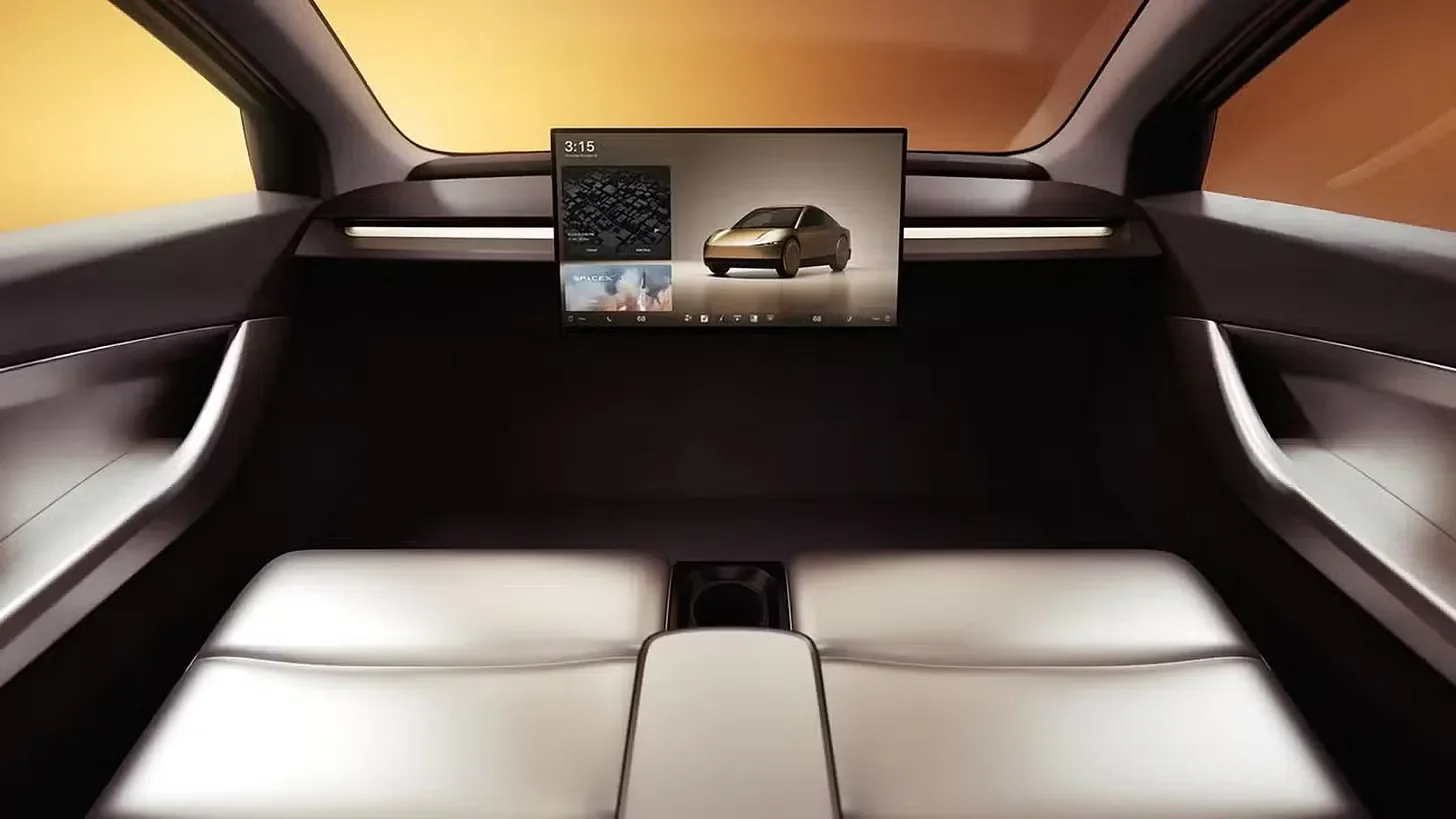
Tesla's Next Chapter
Autonomous Vehicles, Mars Colonization, and the Future of Transportation
Driverless vehicles are now operating on public roads in Austin—no steering wheels, no safety drivers, and no humans behind the curtain. This isn’t a test run. It’s the inflection point.
But the real disruption goes deeper than what’s happening on city streets. We’re entering a new era where vertical integration—not ride-sharing apps—will define the future of mobility. The companies that build the vehicles, write the code, operate the fleets, and own the data will dominate. Aggregators like Uber will struggle to compete with manufacturers deploying millions of purpose-built autonomous vehicles at scale.
And that’s just Earth.
The same technologies powering autonomous taxis—electric drivetrains, AI navigation, satellite networks, and humanoid robotics—are laying the foundation for something bigger: Mars.
Here’s what we explore:
Why vertically integrated players will own the economics of autonomous mobility
The structural disadvantages traditional ride-sharing platforms face
How satellite infrastructure and AI systems built for cities will enable off-planet operations
And why the convergence of mobility, robotics, and space is accelerating faster than anyone expected
This isn’t just about transportation. It’s about the systems that will reshape civilization—on Earth and beyond.
The Next Wave
How AI is Reshaping Markets, Business, and Society
AI isn’t just the next wave of tech—it’s a complete restructuring of how markets, companies, and economies operate. What we’re seeing now isn’t a peak. It’s a beginning.
While many still compare AI to the internet or the mobile revolution, the scale here is fundamentally different. Infrastructure players are growing 50–70% at billion-dollar baselines. Traditional valuation models are breaking down. Culture, execution, and vision now drive market cap as much as cash flow or margins.
This moment is forcing a rethinking of everything from investing frameworks to labor policy. AI won’t just automate routine tasks—it’s already reshaping entire sectors. And the biggest value creation may come from companies that aren’t tech-first, but know how to use AI to reinvent themselves.
Inside this breakdown:
Why traditional metrics no longer explain tech valuations
How company culture and leadership vision became central to AI investing
Where labor displacement may hit hardest—and why policy will need to evolve
And why we’re still early in the AI adoption curve, despite market hype
This isn’t just about opportunity—it’s about understanding the new rules.
Tesla in China
Navigating Geopolitical Risks in the New Era of Global Trade
The rules of global trade are being rewritten—and for Western tech companies, the stakes have never been higher.
As the U.S.–China relationship fractures, what used to be commercial partnerships are turning into strategic liabilities. Tesla, once hailed as a rare Western success story in China, now faces rising political risk, intensifying domestic competition, and the threat of losing access to its second-largest market.
This isn’t just about cars. It’s about AI, robotics, and autonomous systems that now straddle the line between economic asset and national security concern.
The next five years will likely define which companies survive the shift—and which get caught in the crossfire.
Inside this analysis:
Why Tesla’s China play may follow the same pattern as Apple’s—and end the same way
How China’s tech self-sufficiency push threatens Western intellectual property
The new reality: software companies now need geopolitical risk strategies
And how national security is becoming a boardroom issue in every tech company
The global economy isn’t deglobalizing—it’s reorganizing. And the winners will be those who can navigate the politics as well as the product.
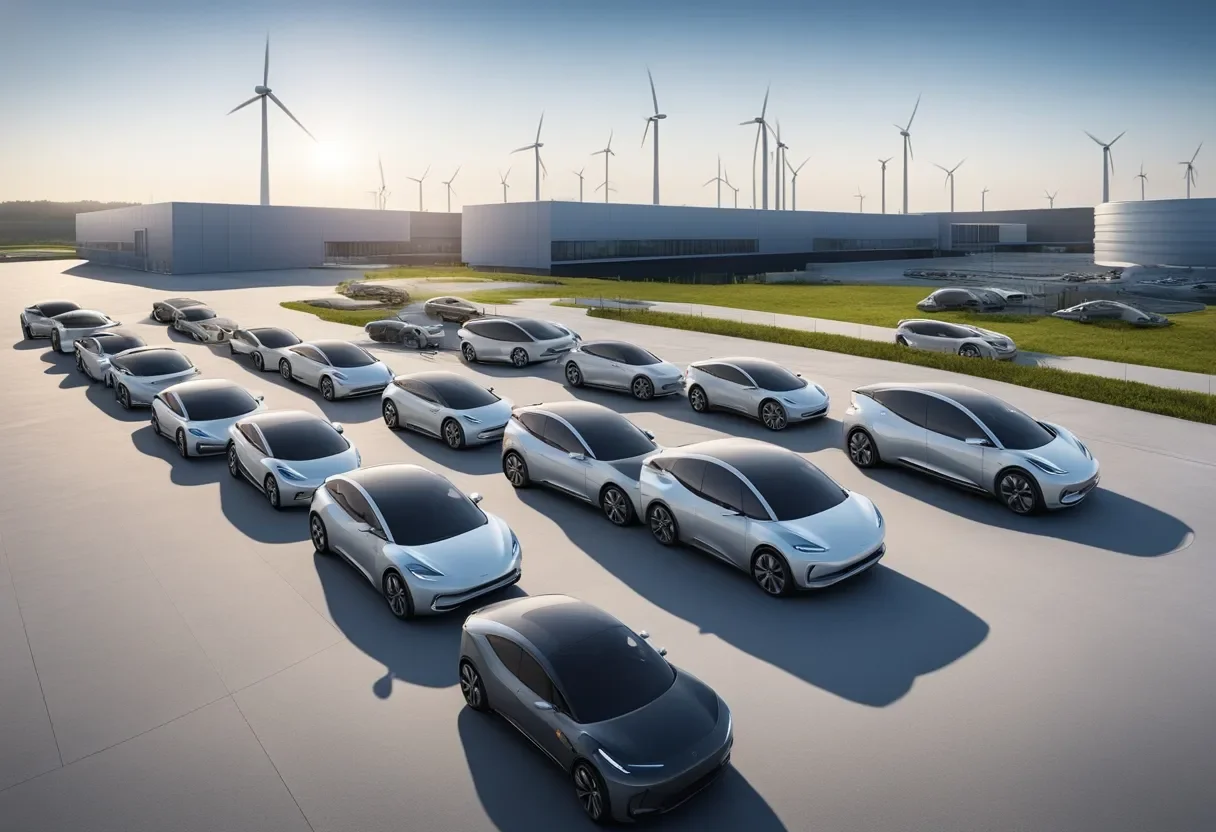
Tesla's Silent Revolution
The Convergence of AI, Autonomy, and Manufacturing
The media may still be fixated on flashy demos and slow-moving robotaxis. But under the surface, a much bigger shift is brewing—one that could reshape entire industries, not just transportation.
Over 2 million vehicles on the road today are already equipped with autonomous-capable hardware, waiting for a software unlock. Once the code catches up, deployment could go vertical—and costs could fall by as much as 90% compared to traditional ride-hailing.
But this revolution won’t be led by software startups. It will be driven by companies that control the entire stack: manufacturing, chips, AI, robotics, data centers, and even energy infrastructure. The result? A convergence of physical and digital systems that gives early leaders an almost unmatchable advantage.
In this breakdown:
Why vertical integration beats aggregation in the autonomy race
How data center infrastructure and AI energy optimization become key economic levers
What convergence means for both vehicle autonomy and robotics
And why the next 12–24 months will set the competitive hierarchy for the next decade
This isn’t just a new chapter for transportation—it’s the foundation for a broader industrial realignment.
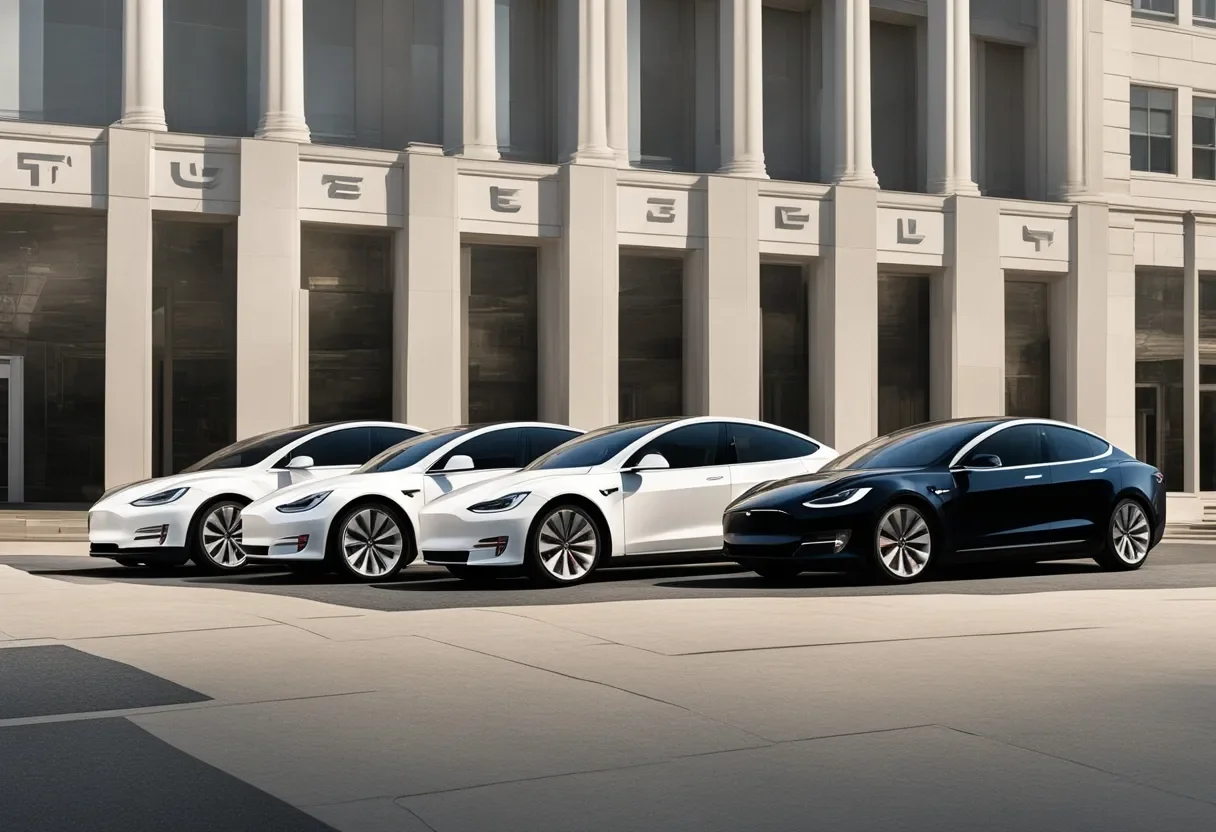
Federal Framework Set to Revolutionize Self-Driving Vehicle Industry
For years, the self-driving industry has been throttled not by technology, but by regulation. A patchwork of inconsistent, state-level rules made it nearly impossible to scale autonomous operations across the U.S.
That’s about to change.
A new federal framework is poised to replace this fractured system with unified national standards—unlocking the ability for companies to deploy autonomous vehicles across all 50 states. And the first movers are ready. Manufacturers with scalable tech stacks and low-cost vehicles could activate entire fleets with a software update—turning regulatory chaos into rapid market capture.
Inside this breakdown:
How sub-$35,000 autonomous vehicles create an unbeatable cost advantage
Why state-by-state regulation stifled deployment—and how federal standards change everything
The key technical differentiators between scalable AI systems and hardware-reliant competitors
And what full-market activation means for commuting, car ownership, and long-distance travel

America's Industrial & Defense Readiness
A Critical Analysis
For decades, the U.S. traded away its industrial base in pursuit of cost efficiency. Today, that strategy is showing its cracks. America now produces just four ships per year—while China builds 400. Fewer than 8,000 toolmakers remain in the entire country. Critical manufacturing skills have vanished, regulatory frameworks are frozen in the 1940s, and the defense sector is increasingly dependent on foreign suppliers.
This isn’t just an economic oversight. It’s a strategic vulnerability.
From shipbuilding to rare earths to heavy industry, the U.S. has allowed core capabilities to wither—while peer rivals scaled up. Our inability to scale production in a crisis, supply weapons quickly, or retrain a skilled workforce fast enough is no longer theoretical. It’s a live risk.
Inside this breakdown:
Why outdated regulations are killing defense-sector innovation
How cultural stigma around trades has gutted America’s technical workforce
Where China’s production capacity now utterly dwarfs ours
And what a modern manufacturing revival would actually require
This isn’t a question of if we need to rebuild industrial strength—but whether we’ll act in time to do it.
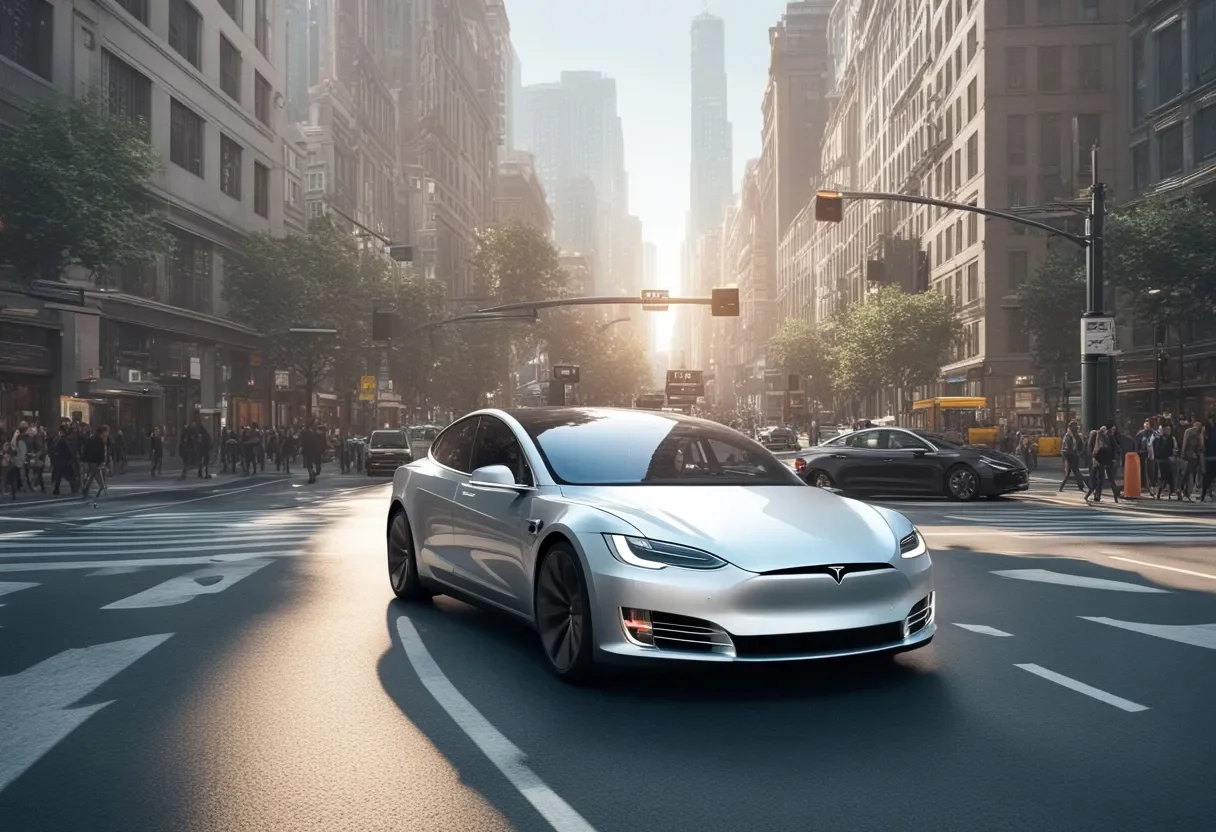
Tesla's AI Breakthrough
Revolutionizing Self-Driving Technology and Robotics Through Advanced Learning Systems
Tesla’s latest Full Self-Driving (FSD) release is more than an upgrade—it’s a turning point.
The system now handles complex driving scenarios with near-human foresight, from merging highways to navigating dense urban chaos. But the real breakthrough? FSD just launched in China without local training data. The AI adapted instantly using only simulation-based learning—no billions of miles needed. That changes everything.
It means Tesla’s AI can scale globally with software, not fleets. It also means the timeline for autonomy—and global robotics—is accelerating faster than anyone expected.
In this analysis:
Why simulation-native AI is Tesla’s real moat
How neural networks are now generalizing edge cases across countries and road systems
What this means for robotaxis, logistics, and global expansion
And how this same tech is being adapted to train humanoid robots
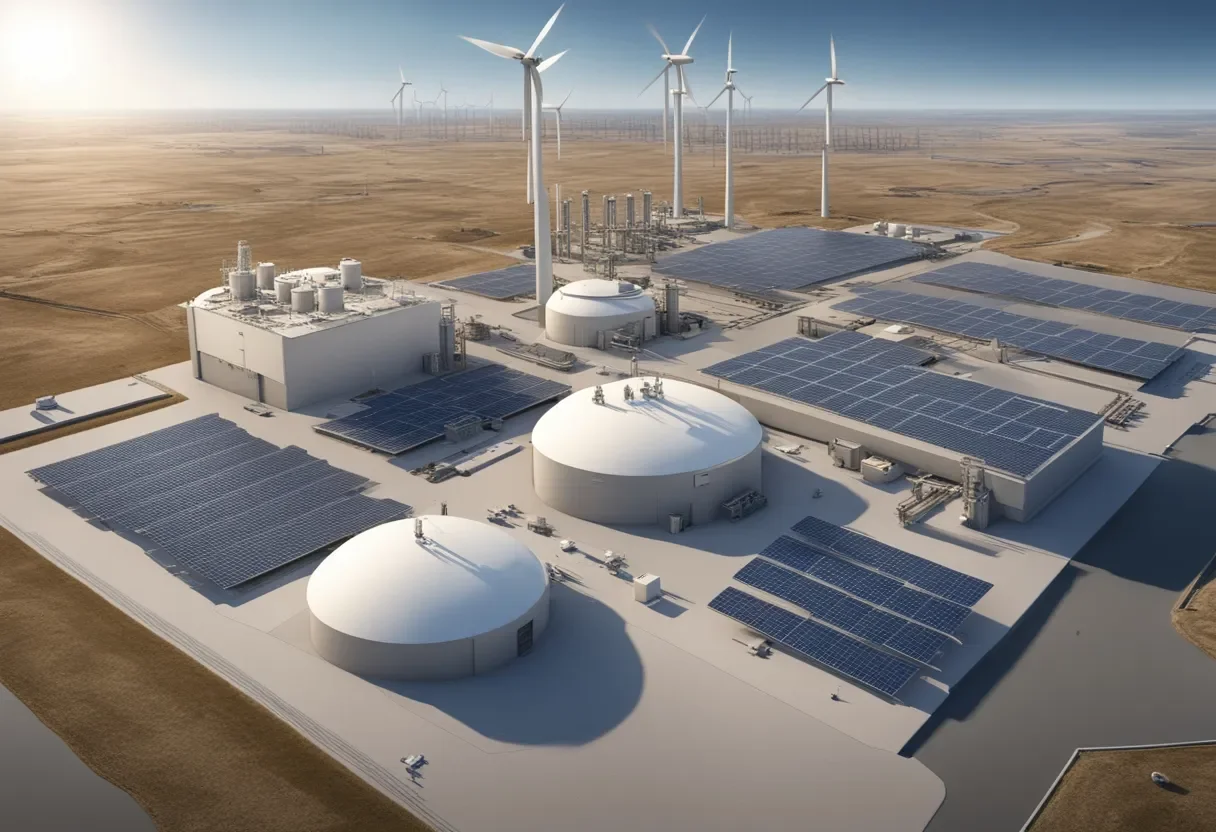
America's Energy Renaissance
How Strategic Resource Development Could Reshape the Nation's Future
The U.S. is no longer just energy independent—it’s on the verge of becoming the energy superpower of the 21st century.
With LNG export capacity now second in the world, vast untapped mineral reserves, and cutting-edge technologies like Small Modular Reactors (SMRs) and AI-driven resource extraction, the United States sits at the intersection of economic renewal, energy dominance, and technological leadership.
But this isn’t just about fossil fuels or renewables. It’s about building a modern energy ecosystem that can power everything from AI superclusters to next-gen manufacturing—while setting global standards for environmental stewardship and strategic resilience.
Inside this analysis:
How energy exports are reshaping America’s geopolitical leverage
Why regulatory reform could unlock trillions in new infrastructure
What powering AI means for national energy planning
And how modern extraction techniques could align development with conservation
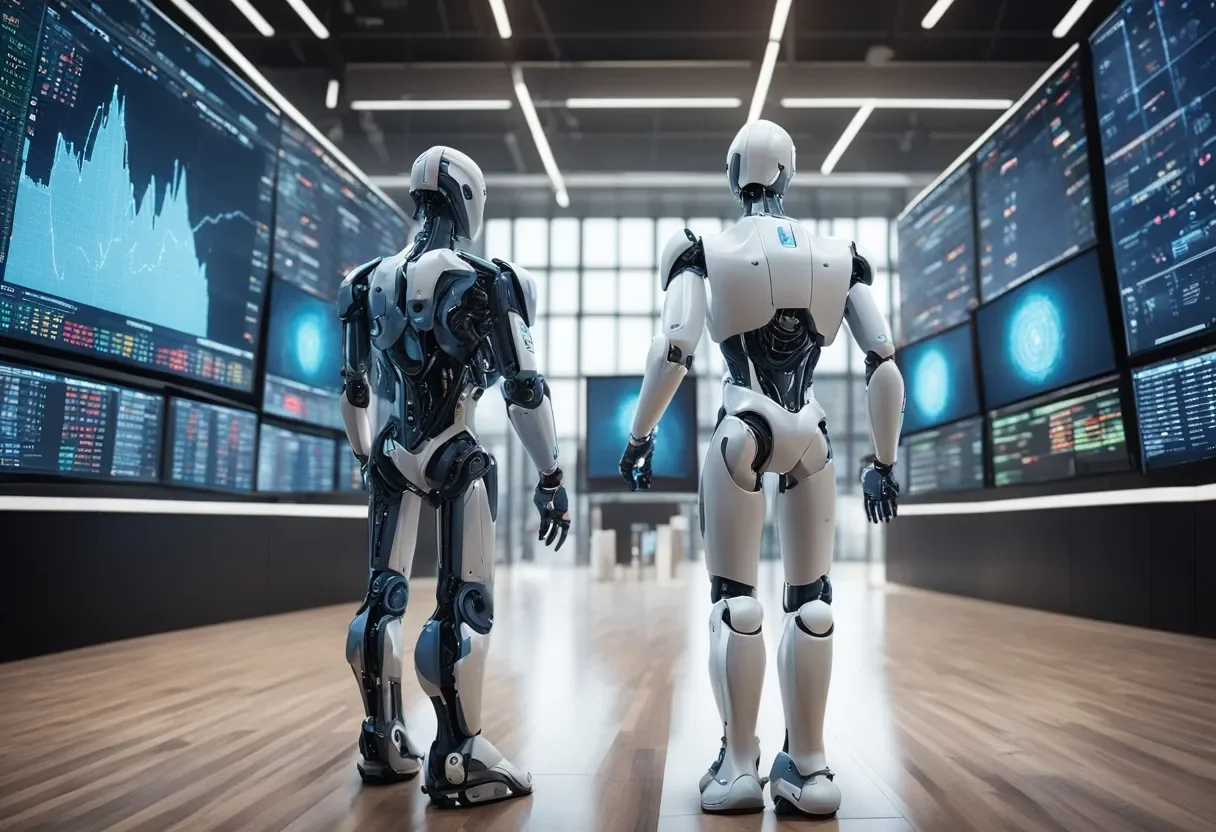
The Dawn of History's Greatest Bull Market
How AI Will Transform Wealth Creation
We’re entering what could be the most explosive period of value creation in modern history—driven not by financial engineering, but by AI, robotics, and automation.
Some of the world’s largest tech companies are growing at 70%+ from billion-dollar baselines. AI tools are reaching hundreds of millions of users in months. And the convergence of software intelligence with physical automation—self-driving vehicles, factory robots, autonomous logistics—is creating entirely new product categories and revenue streams.
This isn’t a tech cycle. It’s a transformation in how value is created, distributed, and captured across the entire economy.
Inside this breakdown:
Why AI infrastructure could underpin a generational bull market
How automation is driving margin expansion across industries
What new wealth-distribution models could emerge from mass job displacement
And why investors are pricing companies more like platforms than businesses
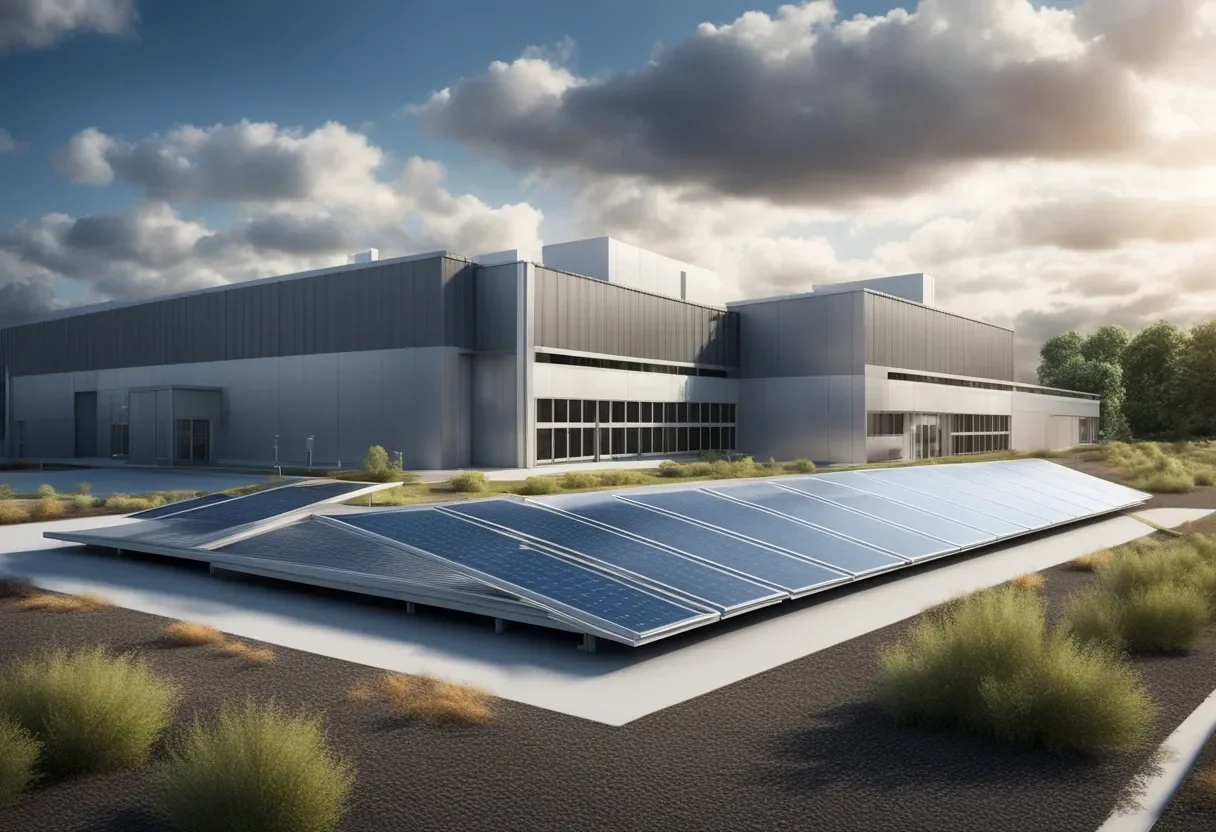
Tesla's Battery Revolution
AI data centers demand instant power shifts that grids can't handle—batteries step in to smooth the ride and unlock massive efficiency gains.
AI computing has exploded, but its hidden cost is massive power volatility that threatens grid stability. Short-duration batteries address this by absorbing surges and optimizing energy flow, turning a technical headache into a profitable edge. In flexible markets like Texas, these systems are proving their worth, potentially creating a trillion-dollar industry as AI scales up.
Key Takeaways
AI data centers create rapid power fluctuations from synchronized GPUs, stressing traditional grids with megawatt-scale spikes multiple times per second.
Short-duration batteries (2-4 hours) excel at managing these brief surges, offering better efficiency than long-duration options or wasteful GPU idling.
Battery systems can pay for themselves through energy savings by reducing peak power needs and optimizing usage.
Flexible power markets, like those in Texas, accelerate AI infrastructure growth by enabling quick adaptations and cost-effective solutions.
As AI expands, energy storage emerges as essential infrastructure, bridging current grid limits with future computing demands.
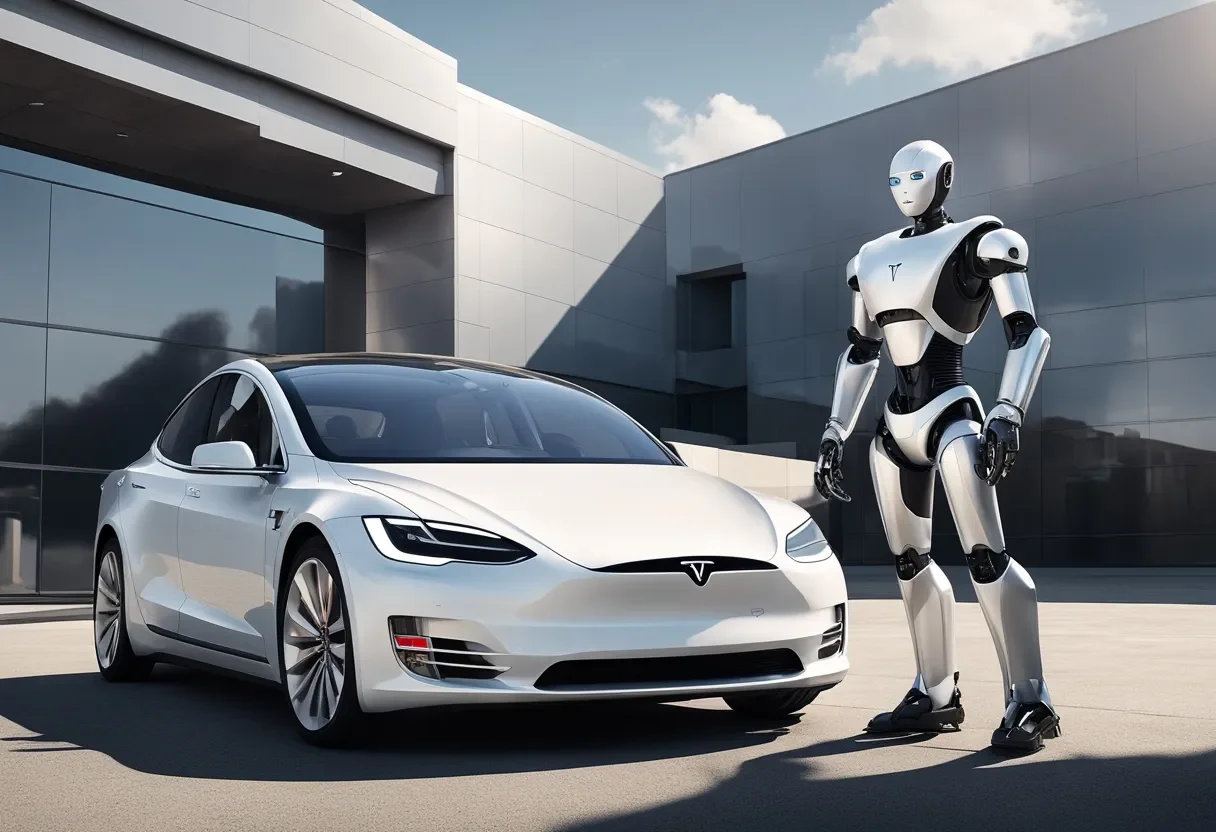
Tesla's Vision
Tesla's Optimus: A Blueprint for Outrunning Debt Through Automation
As federal spending continues to climb without meaningful cuts in sight, a fresh approach is gaining traction: leveraging advanced robotics to drive massive GDP growth. Tesla's humanoid robot program stands out as a prime example, with potential to transform productivity across everyday tasks and industrial operations, making economic expansion the key to managing fiscal pressures.
Key Takeaways
Humanoid robots priced around $30,000 to $40,000 could operate for 5-10 years with low maintenance, slashing costs in services like cleaning and delivery.
By learning tasks through observation and AI, these machines accelerate adoption in homes, warehouses, and factories, boosting overall economic output.
Automation at this scale targets GDP growth to counter rising debt, shifting focus from policy reforms to technological leaps.
Job shifts in driving, manufacturing, and services pose transition risks, but open doors for new entrepreneurial opportunities.
Recent demos show robots handling complex movements and interactions, signaling readiness for broader deployment soon.
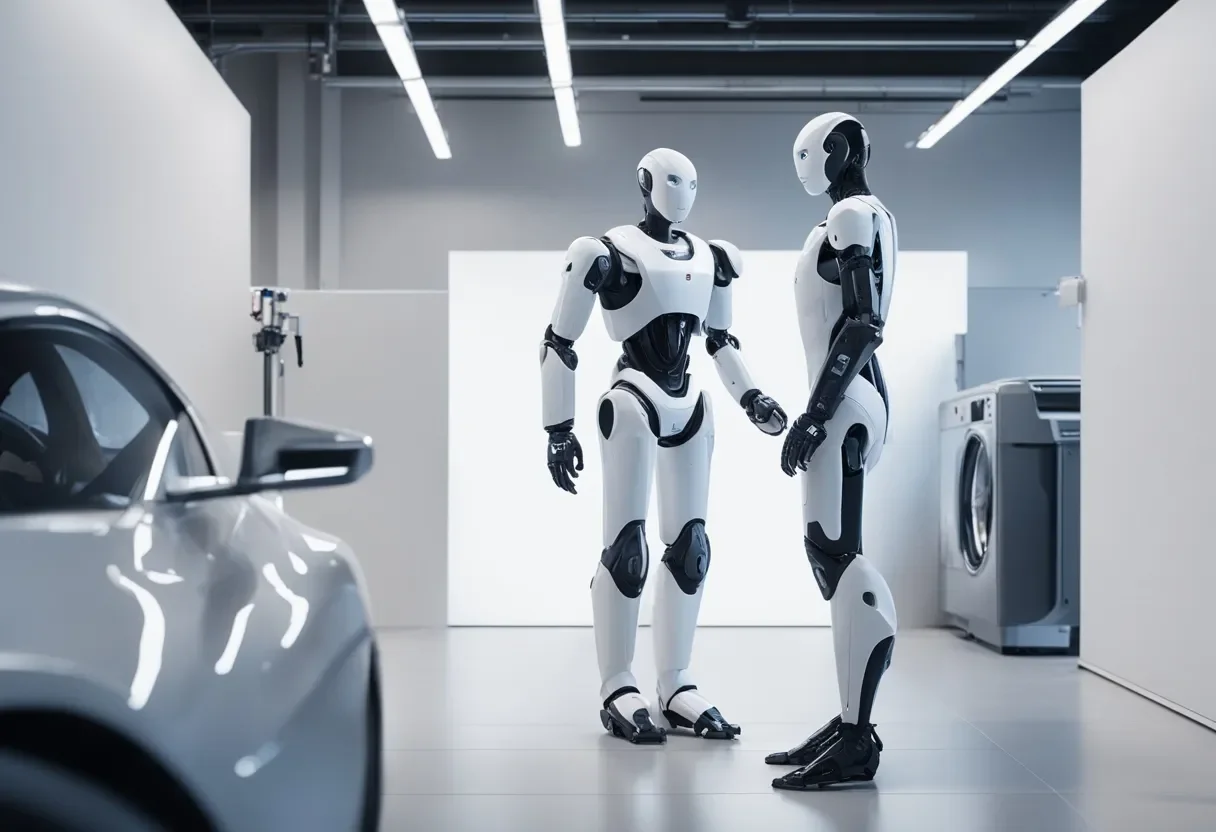
Tesla's AI Revolution
Redefining Machine Intelligence Through Observation and Scale
Tesla's latest robotics demo shows how AI can learn tasks by simply watching humans, marking a pivotal change in robot training. This method speeds up deployment while making machines more versatile, and it's powering advancements in self-driving cars too. Combined with massive manufacturing capabilities, this could make intelligent robots affordable and widespread, reshaping industries as regulations begin to catch up.
Key Takeaways
Robots can now learn complex tasks from video demonstrations, eliminating the need for manual programming and accelerating their adaptability.
The same AI system enhances self-driving vehicles by processing visual data to handle intricate driving situations more effectively.
Large-scale manufacturing experience enables cost-effective production of advanced robots, potentially driving down prices through high-volume output.
Evolving regulations, including potential federal frameworks, are paving the way for broader adoption of autonomous technologies.
This integration positions AI as a core driver across products, from vehicles to industrial equipment, signaling a broader shift in human-machine collaboration.