
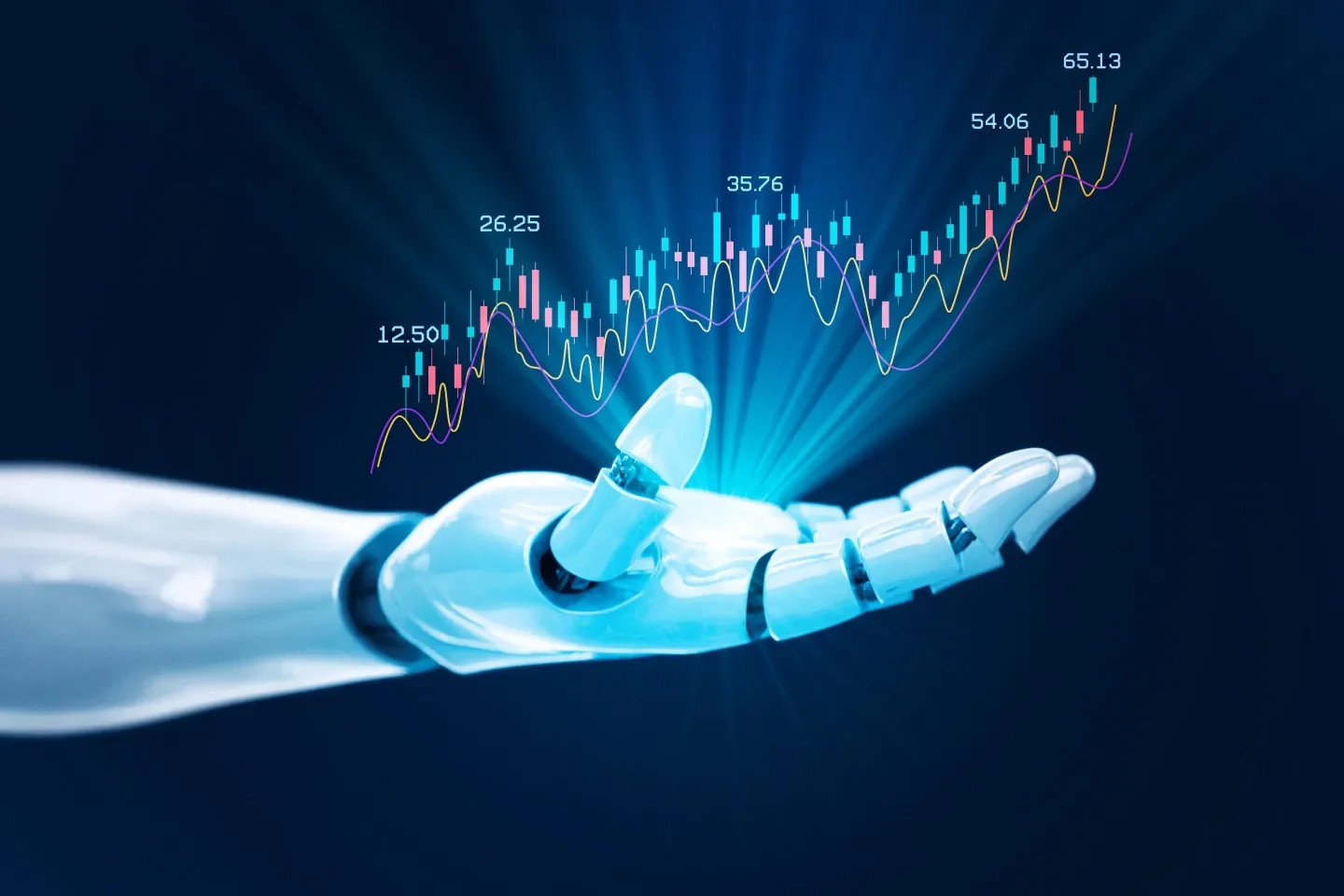
The Supersonic Tsunami: Tech's Relentless March Toward Abundance
Why AI and automation will redefine work, wealth, and human potential—and the bumpy road ahead
Technological progress accelerates at a pace that outstrips societal adaptation, creating both massive opportunities and risks of inequality. In the coming decades, AI-driven automation promises a world where tedious labor vanishes, costs plummet, and abundance becomes the norm. Yet the transition could widen wealth gaps and disrupt jobs, demanding new economic models like universal basic income to maintain stability.
Key Takeaways
Robots and AI will handle all repetitive and dangerous tasks, from mining to creative arts, leading to a society focused on meaningful pursuits like science and culture.
Manufacturing costs could drop to about a dollar per pound for everything, making goods as affordable as basic agriculture products today.
Winner-take-all dynamics in AI-dominated industries will polarize wealth at national, corporate, and individual levels, necessitating policies like universal basic income to bridge gaps.
Starlink and similar technologies will connect 3 billion underserved people to the global economy, sparking innovation and entrepreneurship in remote areas.
Established companies rarely reinvent their core businesses; new entrants leveraging AI will disrupt legacy industries like automotive and aerospace.
Cities remain efficient hubs for innovation and resource use, countering trends toward remote work despite advances in connectivity.
Declining birth rates reduce societal investment in the future; technology must foster optimism to encourage family growth and long-term progress.
Mars colonization drives Earth-bound innovations in sustainable tech, from electric vehicles to alternative proteins, emphasizing in-situ resource use.
Humanoid robots will start in industrial settings for safety, evolving into shared urban resources that transform labor and daily life.
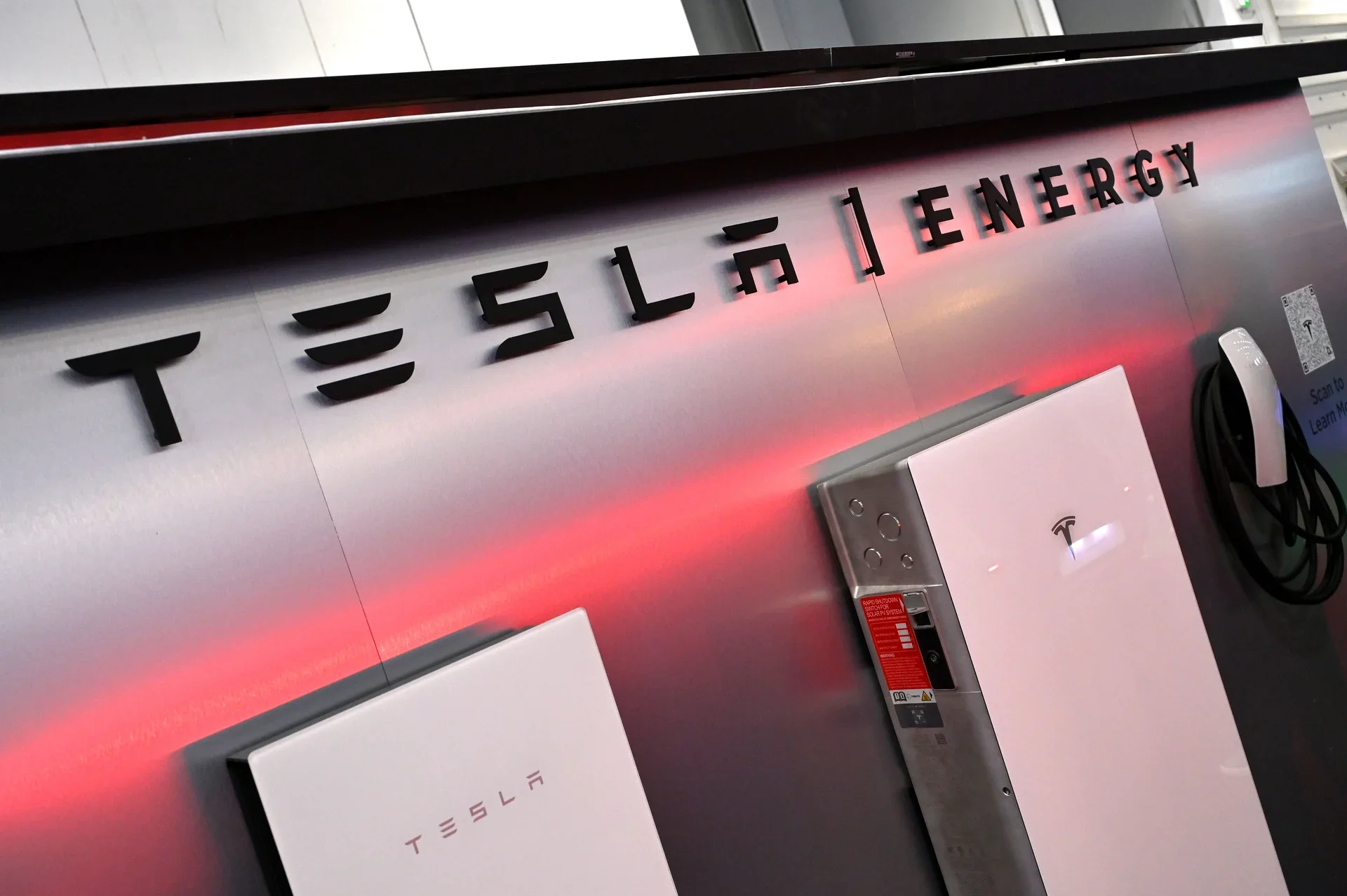
Tesla’s Energy Revolution: Mega Block and the AI-Powered Future
Why Tesla’s latest energy innovations are poised to reshape AI and global power grids.
The energy demands of artificial intelligence (AI) are skyrocketing, and Tesla is positioning itself at the forefront of this transformation with its upgraded Megapack and new Mega Block system. These advancements are not just incremental improvements—they’re strategic moves to address the massive energy needs of AI data centers and the broader shift toward decentralized, renewable-powered grids. Here’s why tech enthusiasts and investors should pay attention.
Key Takeaways
Tesla’s Mega Block enhances scalability: The new system integrates transformers and switchgear, reducing on-site assembly and boosting energy density by 20%, from 3.9 to 5 megawatt hours per unit.
AI is driving unprecedented energy demand: Data centers are scaling to gigawatt levels, with projections of 20–30 gigawatt facilities by 2030, creating a bottleneck in energy generation and storage.
Battery storage is critical for AI: Megapacks stabilize the erratic load profiles of AI data centers, protecting grids from sudden power swings and enabling off-grid solutions.
Decentralized energy is the future: Off-grid data centers using DC power from solar and batteries could bypass traditional grid bottlenecks, with Tesla leading the charge.
Transformers are a key bottleneck: Multi-year lead times for high-quality transformers make Tesla’s potential move to manufacture them a game-changer for rapid deployment.

Tesla's Robotaxi Surge: Nevada Green Light Accelerates Nationwide Rollout
Unlocking Driverless Highways and Smarter AI: How Tesla's Latest Approvals Could Redefine Urban Mobility
Tesla's autonomous driving push hits a milestone with Nevada's testing approval, paving the way for rapid expansion into permissive states. This move highlights key advantages in safety tech and regulatory navigation, setting the stage for scalable robotaxi networks that could outpace rivals by integrating highways and public access sooner.
Key Takeaways
Tesla secured approval from the Nevada DMV to test robotaxis on public roads, enabling operations without a driver in permissive environments similar to Texas.
Nevada's regulations require $5 million insurance and incident reporting but allow straightforward testing, mirroring Texas's hands-off approach that favors quick scaling.
Current robotaxi services in Austin cover 173 square miles, including highways with safety operators, while Bay Area operations span 400 square miles and aim for 100 driverless vehicles by month's end.
Upcoming FSD V14 software promises 2-3x human-level safety unsupervised, with a 10x parameter boost for fewer interventions and smoother performance.
Tesla's edge over competitors like Waymo lies in public highway access and open ridership, allowing faster data collection and service growth in states like Arizona and Florida.
Profitability from robotaxis may emerge in 2+ years, starting with 3:1 to 5:1 vehicle-to-supervisor ratios yielding 20-30% gross margins per unit.
Expansion targets half the U.S. population by year-end, leveraging an app-based waitlist to prioritize high-demand regions and build a nationwide network.

Bitcoin's Unstoppable Rise: Redefining Money in a Decentralized World
Decoding the Tech That Powers Trustless Finance
Bitcoin stands out as a system built for extreme distrust, where participants operate without needing to rely on each other. Its core design ensures that even adversaries can transact securely, making it a prime candidate for future economies driven by AI agents. Large-scale adoption by corporations and governments appears inevitable, driven by its fixed supply and transparency features that outshine traditional assets like gold.
Key Takeaways
Bitcoin operates on a decentralized network where users run nodes to verify transactions, ensuring no single entity controls the system.
The fixed supply of 21 million coins prevents inflation, contrasting with fiat currencies that expand through central bank policies.
Transparency comes from the public ledger, allowing anyone to verify holdings without trusting intermediaries.
Security relies on massive computational power, with attacks like gaining 51% of the hash rate requiring billions in investment and years of chip production.
Forks allow network evolution, but changes need widespread agreement, defaulting to the original hard money rules for stability.
The Lightning Network enables instant, low-cost payments by handling transactions off the main chain before final settlement.
Quantum computing poses risks to current cryptography, but resistant algorithms exist and are under development for integration.
Institutional involvement, such as ETFs, provides exposure but lacks the control and portability of direct ownership.
Bitcoin fosters optimism by protecting wealth from political interference, encouraging long-term planning over short-term survival.

Tesla’s Record-Breaking Q3 2025: Model Y Surge and FSD Ambitions
Why Tesla’s Third Quarter Could Redefine Electric Vehicle Dominance
Tesla is poised to deliver a blockbuster third quarter in 2025, with projections pointing to a record-breaking number of vehicle deliveries, driven by skyrocketing demand for the Model Y and strategic moves to capitalize on expiring U.S. tax credits. The company’s focus on Full Self-Driving (FSD) technology and production ramps signals a bold push to reclaim its edge in the electric vehicle (EV) market, even as competition intensifies. Here’s what tech enthusiasts need to know about Tesla’s trajectory and what’s fueling this comeback.
Key Takeaways
Record Delivery Projections: Analysts forecast Tesla will deliver around 488,000 vehicles in Q3 2025, potentially nearing 500,000, a new quarterly high, driven by strong Model Y demand.
Model Y Inventory Crunch: Low inventory levels, especially in the U.S., reflect surging demand, with some regions like Austin, Texas, reporting zero new Model Y stock within a 200-mile radius.
U.S. EV Tax Credit Impact: The impending expiration of the $7,500 federal EV tax credit on September 30, 2025, is spurring a rush of orders, with buyers securing binding purchase agreements to lock in savings.
Model Y L Success in China: The six-seater Model Y L has sold out for September 2025 in China, pushing delivery dates to October, highlighting robust demand in Tesla’s second-largest market.
FSD as a Game-Changer: Tesla’s advancements in Full Self-Driving (FSD) version 14, expected in late 2025, could significantly boost demand by offering safer-than-human driving capabilities, potentially transforming the company into a leader in autonomous transportation.
Production and Pricing Adjustments: Tesla is considering increasing Model Y production and prices in response to demand, balancing profitability with market expansion.
Tesla’s Model Y L and the Self-Driving Revolution: Why Autonomy Could Redefine Transportation
Elon Musk’s bold vision for Tesla’s autonomous future raises questions about the Model Y L’s U.S. launch and the transformative potential of Version 14 self-driving technology.
Tesla’s latest moves in the electric vehicle and autonomous driving space are sparking intense discussion among tech enthusiasts. The introduction of the Model Y L in China and advancements in Tesla’s self-driving technology, particularly Version 14, signal a potential shift in how we think about transportation. With Elon Musk hinting that the Model Y L may not come to the U.S. due to the state of autonomy, and posts on X buzzing about the next generation of self-driving software, there’s a lot to unpack. Here’s why these developments could reshape the automotive industry and what they mean for the future of mobility.
Key Takeaways
Model Y L Debuts in China: A stretched version of the bestselling Model Y, featuring a proper third row and captain’s chairs, is set to launch in China at a price equivalent to $47,000, but its U.S. arrival is uncertain due to Tesla’s focus on autonomy.
Autonomy Over New Models: Tesla may prioritize self-driving technology over introducing the Model Y L in the U.S., betting that unsupervised Full Self-Driving (FSD) will drive demand for existing models like the Model Y and Model 3.
Version 14 Breakthrough: The upcoming Version 14 of Tesla’s self-driving software is touted as a significant leap, potentially rivaling the jump from Version 11 to 12, bringing unsupervised autonomy closer to reality.
Robotaxi Momentum: Tesla’s robotaxi service, currently operating with Model Ys in Austin, is a testing ground for unsupervised FSD, with Version 14 expected to enhance reliability and safety.
Disrupting Transportation: If Tesla achieves reliable unsupervised autonomy, it could render traditional vehicles obsolete, transforming cars into productivity hubs and boosting their value as income-generating assets.
Bitcoin: The Digital Fortress Redefining Wealth in a World of Infinite Energy and AI
Unlocking the Power of Scarce Digital Assets Amid Economic Shifts and Technological Leaps
Bitcoin stands out as a resilient store of value in an era where traditional currencies lose purchasing power through constant dilution, while emerging technologies like cheap energy and AI promise to disrupt everything from gold mining to global economies. This newsletter dives into how Bitcoin's fixed supply and built-in security could make it essential for preserving wealth, outperforming stocks, real estate, and even precious metals over long horizons.
Key Takeaways
Bitcoin has consistently outperformed major asset classes like stocks, bonds, and commodities over the past decade, with annualized returns often exceeding 100% in early years and stabilizing around 20-30% recently.
Traditional currencies have lost 65-99% of their purchasing power in the last 30 years across countries from the US to Venezuela due to inflation and debasement, pushing people toward assets that hold value better.
Bitcoin's capped supply at 21 million units creates deflationary pressure on goods priced in it, making items like electronics cheaper over time when viewed through its lens.
Unlike gold, which could be disrupted by asteroid mining or synthetic production via cheap energy, Bitcoin's scarcity is algorithmically enforced and resistant to physical discoveries.
As a protocol, Bitcoin functions first as a cybersecurity tool using massive computational power to deter attacks, potentially securing digital assets in cyberspace beyond just money.
In a future of AI-driven abundance and potential job displacement, governments may print more money to support populations, accelerating the flow into non-debasable assets like Bitcoin.
Corporations are increasingly adopting Bitcoin as a treasury reserve, with holdings now rivaling major tech firms, offering a hedge against currency dilution and a path to long-term capital growth.

Tesla's Robot Revolution: Unlocking Trillion-Dollar Potential in Humanoids and Beyond
Why Tesla's bets on AI-driven robots could redefine global industries—and how investors are missing the bigger picture.
Tesla stands at the forefront of transformative technologies, from humanoid robots poised to reshape labor markets to autonomous ride-sharing networks that could dominate urban mobility. These innovations aren't just incremental improvements; they're gateways to massive economic shifts, drawing on lessons from past disruptors like Nvidia and Amazon. For tech enthusiasts, understanding the underlying models and market dynamics reveals opportunities that traditional finance often overlooks.
Key Takeaways
Humanoid robots represent Tesla's most explosive growth driver, with potential unit economics suggesting profits per bot that could scale into trillions as production ramps up.
Robotaxis follow closely, offering a high-margin service model that leverages autonomous tech to disrupt transportation on a global scale.
Wall Street's short-term horizon—typically 12-18 months—blinds it to long-term disruptors, creating arbitrage for patient retail investors who model future scenarios.
Successful investments hinge on visionary leaders who tackle unsexy, high-barrier problems, building unassailable moats through persistence and innovation.
Retail investors outperform pros in innovative sectors by deeply researching theses, maintaining emotional discipline, and committing to multi-year horizons.
Disruption thrives on first-principles thinking: prioritizing mission-critical features like superior performance over perfection in non-essentials.
Historical examples show that enduring companies emerge from years of "wilderness" development, emerging with unbeatable advantages once they cross key thresholds.
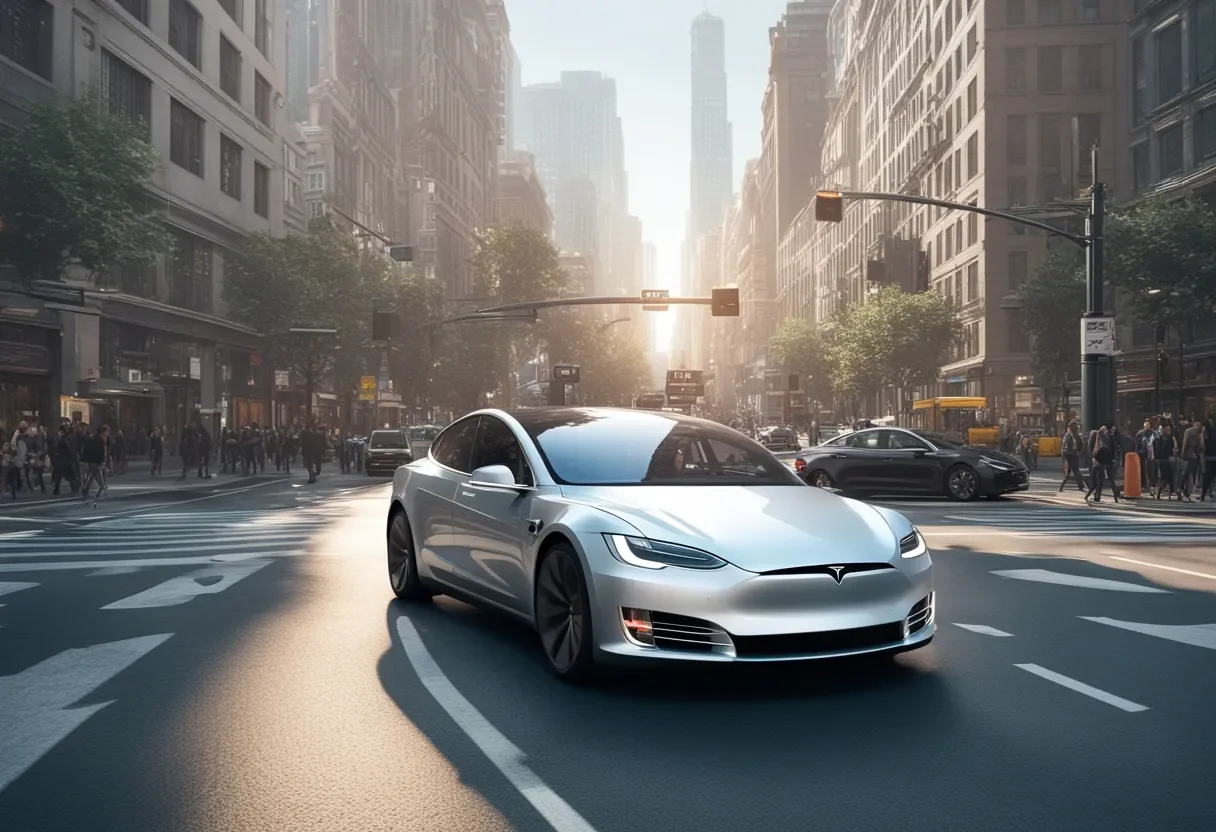
Tesla's Robotaxi Surge: Public Rollout Set to Transform Mobility
Unlocking Autonomy: Why Tesla's Next Move Could Redefine Urban Transport
Tesla's robotaxi service stands at a pivotal moment, with plans to open access to the general public starting next month. This shift promises lower-cost rides, massive efficiency gains, and a leap in vehicle utilization, potentially turning every Tesla into a revenue-generating asset while slashing personal car ownership expenses.
Key Takeaways
Tesla's robotaxi fleet in Austin uses Model Y vehicles with advanced Full Self-Driving software, currently operating with safety monitors but advancing toward unsupervised autonomy.
Expansion to public access is slated for September, beginning in Austin and potentially extending to California, with job postings indicating growth into cities like New York, Las Vegas, and Miami.
Operating costs could drop to around 60 cents per mile once safety drivers are removed, enabling profits of up to $2 per mile in high-demand areas like the Bay Area.
The service validates Tesla's hardware-first approach, embedding sensors and computers in mass-produced cars to gather billions of miles of real-world data for AI training.
Broader adoption may displace millions of ride-hailing jobs but could save thousands of lives annually by reducing accidents from human error, while increasing mobility access for underserved populations.
Regulatory hurdles remain, especially in California, where permits for driverless operations are pending, but Texas approvals pave the way for statewide scaling.

AI's Next Frontier: Navigating the Choppy Waters of Disruption
Why the AI Revolution Feels Like a Locked Door—and What’s on the Other Side
The AI landscape is buzzing with promise, but it’s also teetering on the edge of massive disruption. From self-driving taxis to the future of work, the tech world is grappling with a reality that’s both exhilarating and unsettling. Here’s what you need to know about where AI is headed, why it’s harder than it looks, and how it might reshape society in ways we’re only beginning to understand.
Key Takeaways
AI’s Progress Is Slower Than Hyped: Current advancements are incremental, focusing on refining existing capabilities rather than delivering transformative breakthroughs.
Physical World Disruption Outweighs Digital: The potential market for AI in physical applications (e.g., self-driving cars, robotics) dwarfs digital applications like coding or content creation.
Economic Upheaval Is Coming: AI-driven automation, like robotaxis, could displace workers (e.g., Uber drivers), raising questions about job transitions and societal impacts.
Deflation Could Redefine Wealth: Lower wages might coexist with cheaper goods and services, potentially improving quality of life despite smaller paychecks.
Human Connection and Exploration Will Thrive: Future economies may prioritize scarce resources like human attention, leading to growth in sports, entertainment, and space exploration.
A Choppy Transition Awaits: The path to an AI-driven future will be turbulent, with regulatory, economic, and societal hurdles complicating the journey.

Tesla Accelerates: CEO Rewards and Robo-Taxi Expansion Signal a New Era in Autonomy
Unlocking Leadership and Low-Cost Rides in the AI-Driven Future
Tesla has taken decisive steps to secure its leadership in electric vehicles, AI, and robotics by approving an interim compensation package for its CEO while rapidly expanding its robo-taxi network in Austin, Texas. These moves address ongoing legal battles over past awards and position the company to capitalize on surging demand for autonomous services, potentially transforming urban mobility and shareholder value.
Key Takeaways
Tesla's board approved 96 million restricted stock shares as an interim award, increasing CEO ownership to about 14.6% and aligning incentives amid AI talent competition.
The award includes a two-year vesting period, a $23 per share purchase price, and restrictions on sales to minimize market impact.
If the 2018 performance award is reinstated by courts, this interim package will be adjusted to avoid overlap.
Robo-taxi rides in Austin are priced at roughly half of Uber's rates, with a 50-minute trip costing around $18 compared to $31–$34 on Uber.
The Austin geo-fence for robo-taxi operations has doubled in size twice in the past six weeks, now covering expanded areas without major incidents reported.
New Texas regulations effective September 1, 2025, could enable unsupervised robo-taxi operations, paving the way for profitability through low operational costs.
An upcoming shareholder meeting on November 6, 2025, will vote on a long-term CEO compensation strategy and potential investment in xAI, enhancing synergies in AI development.
Retaining top talent, including leadership, is critical as Tesla shifts toward AI, robotics, and services, with the award designed to boost focus and voting control.
The AI Revolution: Tesla, Nvidia, and the Future of Compute
Why Tesla and Nvidia Are Poised to Redefine the Global Economy
The AI revolution is reshaping industries, and at its core are two juggernauts: Tesla and Nvidia. Their advancements in artificial intelligence, robotics, and compute infrastructure signal a future where energy, data, and intelligence converge to create unprecedented economic value. From autonomous robotaxis to distributed inference networks, the synergy of these technologies could disrupt entire markets, leaving traditional players like Uber struggling to adapt. Here’s why the stakes are higher than ever and what it means for the future.
Key Takeaways
Tesla’s Robotaxi Dominance: Tesla’s robotaxi network, with dynamic pricing and unmatched cost efficiency, is set to capture significant market share from Uber and Waymo, potentially rendering traditional ride-hailing models obsolete.
Nvidia’s Compute Supremacy: Nvidia’s platform strategy fuels the AI boom, but its long-term margins may face pressure as compute becomes commoditized, creating opportunities for specialized players like Tesla.
Energy and Compute Synergy: Pairing energy storage (like Tesla’s Megapacks) with AI chips enables distributed inference, turning idle energy into valuable computational output.
Video Data as the Ultimate Resource: Video data’s infinite scalability makes it the backbone of AI training, giving Tesla a unique edge with its vast fleet of camera-equipped vehicles.
Retail Investing’s AI Edge: Advanced AI tools are empowering retail investors to uncover opportunities in stocks like Tesla, potentially increasing market liquidity and driving more IPOs.

Tesla's Robo-Taxi Edge: Slashing Prices and Paving the Path to Profit
Decoding how autonomous rides are undercutting traditional services and what it means for the future of mobility
Tesla's robo-taxi service is transforming urban travel with fares that undercut Uber by up to 50%, based on early deployments in key U.S. cities. This pricing power stems from low-cost hardware baked into millions of existing vehicles, pointing toward profitability at scale while delivering safer, more private rides. Yet, as adoption grows, it raises urgent questions about workforce displacement in a driving-dependent economy.
Key Takeaways
Tesla's robo-taxi rides average around $1 per mile, compared to Uber's $2 or more, making it a cost-effective alternative even in early stages with safety oversight.
Operating costs for autonomous vehicles could fall to $0.20-$0.40 per mile once fleets optimize, enabling profits of 40-80 cents per mile at current pricing levels.
Deployments vary by region: Austin operates with a safety rider in the passenger seat and remote monitoring, while the Bay Area requires an active driver due to stricter regulations.
Riders gain privacy, full control over in-car features like climate and entertainment, and superior safety from always-attentive systems that reduce accident risks tied to distraction or impairment.
The technology promises economic unlocks like affordable transport for underserved groups, but it risks displacing millions of drivers, necessitating proactive policy responses to manage labor shifts.
The AI Chip Revolution: Tesla's Path to Unified Compute Dominance
Unlocking massive efficiencies in training and inference through innovative hardware partnerships and designs.
AI hardware is evolving at breakneck speed, outpacing traditional computing trends. Recent developments point to chips that handle both training massive models and running real-time inferences efficiently. This shift promises lower costs, faster scaling, and tighter integration with energy systems, paving the way for widespread embodied AI in vehicles, robots, and beyond.
Key Takeaways
Unified AI chips can perform both training and inference tasks, reducing costs by enabling mass production of identical hardware for diverse applications.
Panel-level integration allows for combining hundreds of chips into massive training substrates, improving communication speed and thermal management compared to wafer-based designs.
Hardware convergence integrates processing, memory, and networking on single boards, mirroring biological neurons for better efficiency.
Distributed compute in vehicles and robots could turn idle hardware into cloud resources, solving power and latency challenges.
AI demand accelerates sustainable energy adoption, with solar and batteries emerging as the most scalable solutions for powering data centers.
Future AI systems may enable real-time learning loops, blending training and inference for rapid adaptation without massive batch updates.
Partnerships with foundries like Samsung enable supply chain resilience, proximity to manufacturing hubs, and potential for custom optimizations.
Tesla’s Supply Chain Power Play: Securing the Future of AI and Robotics
Why Tesla’s $16.5B Samsung deal and strategic partnerships signal a new era for AI-driven manufacturing
Tesla’s recent moves in the supply chain arena are nothing short of seismic. A $16.5 billion deal with Samsung for advanced AI chips and a $4 billion partnership with LG Chem for battery production are not just business transactions—they’re bold steps toward dominating the future of AI, robotics, and electric vehicles. These deals highlight Tesla’s unmatched ability to secure critical resources, localize manufacturing, and create a supply chain that’s fast, efficient, and resilient. For tech enthusiasts, this is a masterclass in how to build a technological empire in a world of geopolitical tension and supply chain uncertainty.
Key Takeaways
Strategic Partnerships Secure AI Leadership: Tesla’s $16.5B deal with Samsung prioritizes access to a dedicated chip fabrication facility, ensuring a steady supply of AI chips for vehicles, robotaxis, and humanoid robots.
Battery Supply Scaled for Growth: The $4B LG Chem deal bolsters Tesla’s battery production capacity, critical for meeting the soaring demand for electric vehicles, Megapacks, and future robotics.
Localized Manufacturing Reduces Risk: By prioritizing U.S.-based production, Tesla mitigates geopolitical risks tied to global supply chains, particularly in regions like Taiwan.
Supply Chain Flywheel Drives Efficiency: Tesla’s ability to turn inventory quickly and provide demand certainty creates a win-win for suppliers, fostering stronger partnerships and better terms.
AI and Robotics Poised for Dominance: Tesla’s integrated approach to hardware and software, combined with its supply chain prowess, positions it to lead in emerging fields like robotaxis, humanoid robots, and potentially drones.

Tesla's AI Frontier: Robots, Rides, and the Race to Superintelligence
Exploring the rapid advancements in humanoid robotics, autonomous transport, and AI that could multiply global economic output tenfold while navigating production hurdles and societal shifts
Humanoid robots are advancing faster than expected, with prototypes demonstrating precision in tasks like caregiving and factory work, while autonomous vehicles are hitting roads in select cities. These developments point to a future where machines handle dangerous jobs, boost productivity dramatically, and free humans to pursue meaning beyond labor—but scaling production and overcoming regulatory barriers remain key obstacles.
Key Takeaways
Humanoid robots could target a market of 20-50 billion units, generating trillions in revenue at scale, with initial focus on high-value roles like 24-hour medical assistance and hazardous industrial tasks.
Autonomous robotaxis, designed without steering wheels or pedals, have launched in Austin and are expanding to other U.S. cities, promising safer roads and efficiency gains, though regulatory approvals and public trust are slowing broader rollout.
AI progress is accelerating toward superintelligence, potentially curing diseases and eliminating poverty, but safety relies on rigorous truth-seeking and iterative improvements to align systems with human values.
Engineering humanoid robots demands replicating the human body's intricate mechanics, such as hand dexterity, drawing from automotive expertise to achieve lifelike precision and responsiveness.
A compelling long-term mission drives innovation, aligning teams on goals like sustainable energy and multi-planetary life, while rapid experimentation determines success over static products.
Societal challenges include job displacement for 19% of global workers in driving roles, fear of losing control in autonomous systems, and the need for policies like universal basic income to ensure equitable abundance.
By late 2025, robot production faces delays, with Tesla aiming for thousands of units despite setbacks, while AI models like Grok 4 integrate video generation and real-time search for enhanced usefulness.

Tesla’s AI Revolution: Samsung Chip Deal Signals a Bold Future
How Tesla’s $16.5 Billion Partnership with Samsung for the AI6 Chip Could Redefine AI, Robotics, and Supply Chains
Tesla’s $16.5 billion deal with Samsung to produce the AI6 chip, set to power autonomous vehicles, humanoid robots, and AI data centers starting in 2027, marks a pivotal moment for the company. This strategic move, coupled with Tesla’s advancements in Full Self-Driving (FSD), robotaxis, and the Optimus humanoid robot, underscores its transformation from an electric vehicle (EV) manufacturer to a leader in AI and robotics. Despite challenges in its core EV business, Tesla’s stock has shown resilience, reflecting investor optimism about its AI-driven future. Here’s what this means for Tesla, its supply chain, and the broader AI landscape.
Key Takeaways
Strategic Partnership: Tesla’s $16.5 billion deal with Samsung to produce the AI6 chip at its Texas foundry aims to secure a robust supply chain for AI-driven products, including self-driving cars and Optimus robots, starting in 2027.
Stock Performance: Despite weak EV sales and negative sentiment around Tesla’s political controversies, its stock has risen approximately 45% over the past year, driven by progress in FSD, robotaxis, and robotics.
AI6 Chip Versatility: The AI6 chip is designed for both AI training and inference, potentially reducing costs and improving efficiency across Tesla’s ecosystem of vehicles, robots, and data centers.
Supply Chain Diversification: Partnering with Samsung reduces Tesla’s reliance on TSMC and Nvidia, mitigating geopolitical risks tied to Taiwan and ensuring long-term chip supply for ambitious AI goals.
Humanoid Robot Ambitions: Tesla’s Optimus robot, with production targets of 5,000 units in 2025 and millions by 2030, could tap into a $38 billion market by 2035, with applications in logistics, manufacturing, and urban services.
Market Implications: The deal challenges Nvidia’s dominance in AI hardware and pressures TSMC to innovate, while positioning Samsung as a stronger player in the foundry market.
Tesla's Bold Leap into Custom AI Silicon
Unlocking the future of autonomous vehicles, humanoid robots, and massive-scale AI training through a game-changing partnership.
Tesla has just sealed a massive partnership that could reshape the AI hardware landscape, positioning the company to control its destiny in chip production while boosting U.S. manufacturing. This move addresses supply chain vulnerabilities, cuts costs, and accelerates innovation in everything from self-driving tech to robotics.
Key Takeaways
Tesla's new AI6 chip aims to handle both AI training and inference on a single architecture, optimizing for vehicles, robots, and data centers.
A $16.5 billion deal with Samsung taps into a Texas-based fab for production, enhancing efficiency and reducing reliance on overseas suppliers.
This strategy mirrors past vertical integration successes, like battery production, to secure supply for ambitious AI goals.
Broader implications include strengthening U.S. chip manufacturing amid global tensions and fostering competition that drives industry-wide advancements.
The partnership leverages expertise from key engineers to create specialized hardware tailored to real-world AI demands.

Key Takeaways from Tesla's Q2 2025 Earnings Call: AI Dominance and the Road Ahead
Tesla's latest earnings reveal a bold pivot to AI-driven growth, with humanoid robots and autonomous tech set to unlock trillion-dollar markets amid short-term financial hurdles.
Tesla's Q2 2025 results underscore a strategic shift toward artificial intelligence and autonomy, positioning the company to lead in transformative sectors like robotics and self-driving vehicles. While near-term earnings face pressure, the focus on scalable AI solutions promises massive long-term value, drawing from expertise in manufacturing, energy, and real-world data.
Key Takeaways
Earnings are expected to stay below prior peaks for at least the next year, potentially leading to flat or declining stock performance unless market multiples rise.
The company is fully committed to AI and autonomy, with all initiatives aligned around advancing robotaxis, humanoid robots, and energy storage.
Leadership expresses strong confidence in dominating future markets through these technologies, backed by plans to use debt if needed to fund capital expenditures.
Market valuation treats Tesla as an AI powerhouse, far exceeding projections from vehicle sales or energy growth alone, with investors eyeing robotaxi rollout speed and profitability.
Humanoid robots could prove viable through cost reductions in factories or sales for urban services, tapping into high-labor-cost industries.
Unsupervised full self-driving capabilities represent the critical threshold for mass adoption, far outpacing current supervised systems in appeal.
Batteries remain essential for balancing energy supply and demand fluctuations, ensuring ongoing demand as global consumption grows.
Progress in AI aspirations can sustain high valuations, enabling self-funding, but any setbacks in robotaxis or bots could trigger sharp declines.

The Epstein Black Hole: Intelligence, Tech, and America's Uncertain Path
Why Scandals Like Epstein Could Reshape Foreign Policy and Spark a Tech-Driven Revival
The Epstein case isn't just a media storm—it's a window into how intelligence networks influence global decisions, while technology offers a lifeline for rebuilding trust and prosperity. In the midst of political gridlock and escalating conflicts, emerging tools like AI and independent platforms are challenging old systems, pointing toward a future where transparency and innovation could finally align.
Key Takeaways
Epstein's connections highlight potential intelligence ties that affect U.S. foreign policy, particularly with allies like Israel, raising questions about leverage in ongoing conflicts.
Public frustration with government handling of scandals stems from a perceived lack of transparency, but issues like the economy and immigration often take priority in voter decisions.
Nuclear policy and historical secrecy frameworks continue to justify withholding information, complicating modern accountability in a post-Cold War era.
Independent media and long-form discussions are filling gaps left by traditional outlets, enabling deeper explorations of complex issues and fostering public engagement.
Technological advancements, from AI disrupting jobs to renewable energy promising abundance, represent a hopeful counter to cultural and political decline, though they risk widening divides if not managed carefully.
Political reforms, such as targeted funding for deficit-focused candidates, could create influential voting blocks in Congress, amplifying voices for fiscal responsibility.
COVID-era policies have left lasting psychic impacts, contributing to voter apathy and shifts in party support, especially among younger demographics.
A pro-human approach to tech innovation—balancing benefits like self-driving cars and clean energy with risks like social media isolation—could unify efforts toward a more optimistic national vision.