
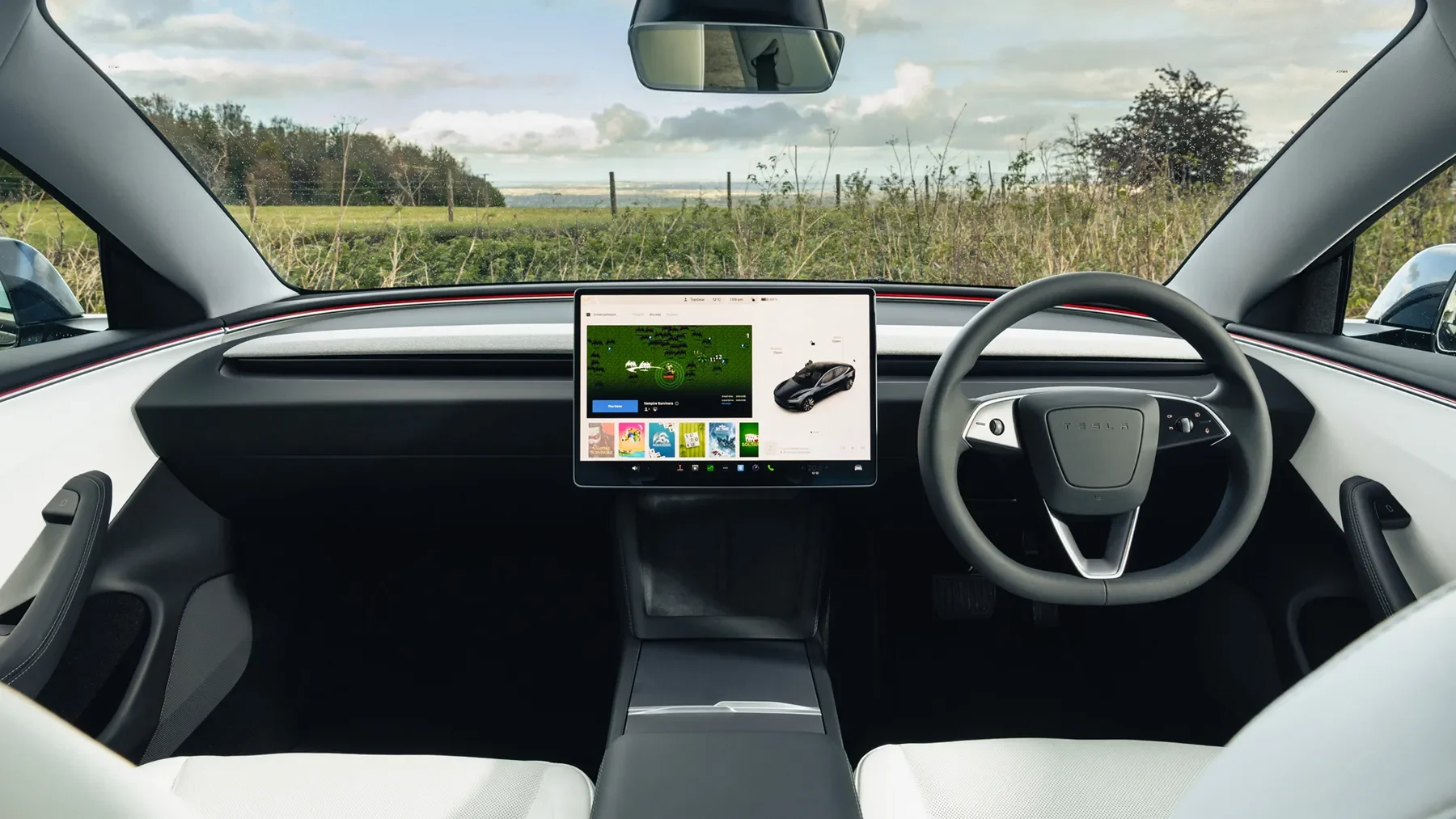
Tesla’s Bold Pivot: Affordable EVs and the All-In Bet on Autonomy
Why Tesla’s Latest Moves Signal a Radical Shift Toward Self-Driving Innovation
Tesla’s recent announcement of more affordable Model 3 and Model Y vehicles has sparked heated discussion among tech enthusiasts and investors alike. While these price cuts aim to make electric vehicles (EVs) more accessible, they also reveal a deeper strategy: Tesla is betting big on autonomous driving to redefine the automotive industry. By prioritizing software-driven, fully self-driving vehicles like the Cybercab, Tesla is moving away from traditional car manufacturing and toward a future where steering wheels and pedals may become obsolete. This newsletter unpacks the implications of Tesla’s strategy, its challenges, and why 2026 could be a pivotal year for the company.
Key Takeaways
Affordable Models Fall Short of Expectations: The new Model 3 and Model Y are priced competitively, but the loss of the $7,500 EV tax credit in the U.S. offsets much of the cost advantage, leaving them only marginally cheaper than before.
Tesla’s Growth Is Stalled Without Autonomy: With a production capacity of 3 million units annually, Tesla’s current lineup (Model 3, Y, S, X, Cybertruck) is unlikely to exceed 2.2 million units per year, far from the company’s ambitious goals.
Full Self-Driving (FSD) Is the Core Strategy: Tesla is banking on its advanced FSD software, particularly version 14, to drive demand by offering unmatched convenience and safety, making its vehicles a compelling alternative to traditional cars.
Cybercab Signals a Driverless Future: Tesla’s autonomous Cybercab, a two-seater with no steering wheel or pedals, is designed to dominate ride-sharing with a cost per mile as low as $0.40, potentially disrupting services like Uber.
Regulatory Hurdles Loom Large: Tesla’s autonomous ambitions hinge on faster-than-expected regulatory approvals, with only Texas and Arizona currently allowing driverless operations at scale.
Holistic Ownership Model: Tesla is integrating financing, insurance, maintenance, and charging into a single monthly payment, aiming to simplify and lower the cost of ownership to boost sales.
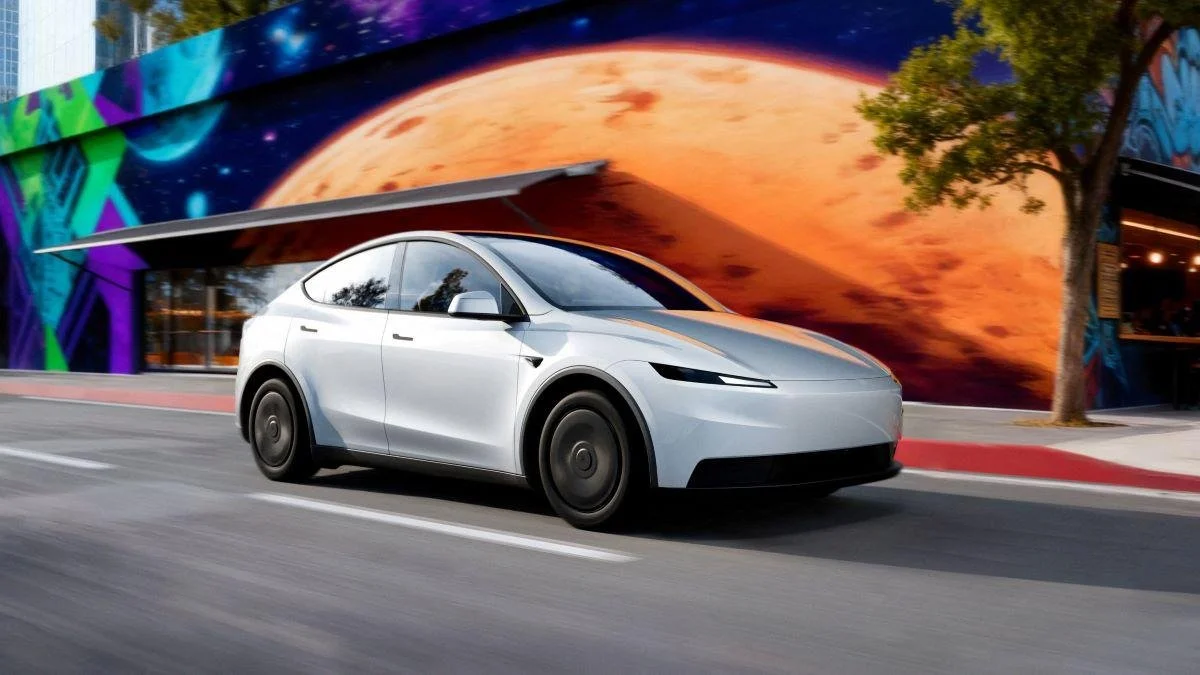
Tesla's Affordable EV Gambit: Model 3 and Y Standards Hit the Road Under $40K
Stripped-down powerhouses with 300+ mile range promise to shake up the mass-market EV race—but will they truly democratize electric driving?
Tesla's latest move drops two entry-level versions of its flagship sedans and SUVs, blending cost-cutting with core performance to target everyday buyers. These standards pack real-world efficiency gains and seamless tech integration, setting the stage for broader EV adoption amid a crowded market.
Key Takeaways
The Model 3 Standard starts at $36,990 with 321 miles of EPA-estimated range, rear-wheel drive, and 0-60 mph in 5.8 seconds, making it a nimble daily driver for urban commuters.
The Model Y Standard kicks off at $39,990, offering the same 321-mile range in SUV form, with 75 cubic feet of cargo space and a 3,500-pound towing capacity for family haulers.
Both models trim luxuries like premium audio, heated rear seats, and advanced driver aids to hit affordability targets, but retain essentials such as a 15.4-inch touchscreen, heated front seats, and access to the Supercharger network.
Deliveries begin in December 2025 for most U.S. markets, with immediate ordering available online—positioning Tesla to rebound from recent sales dips.
Battery tweaks deliver up to 160 miles of charge in 15 minutes, emphasizing practical fast-charging that rivals gas station stops for road trips.
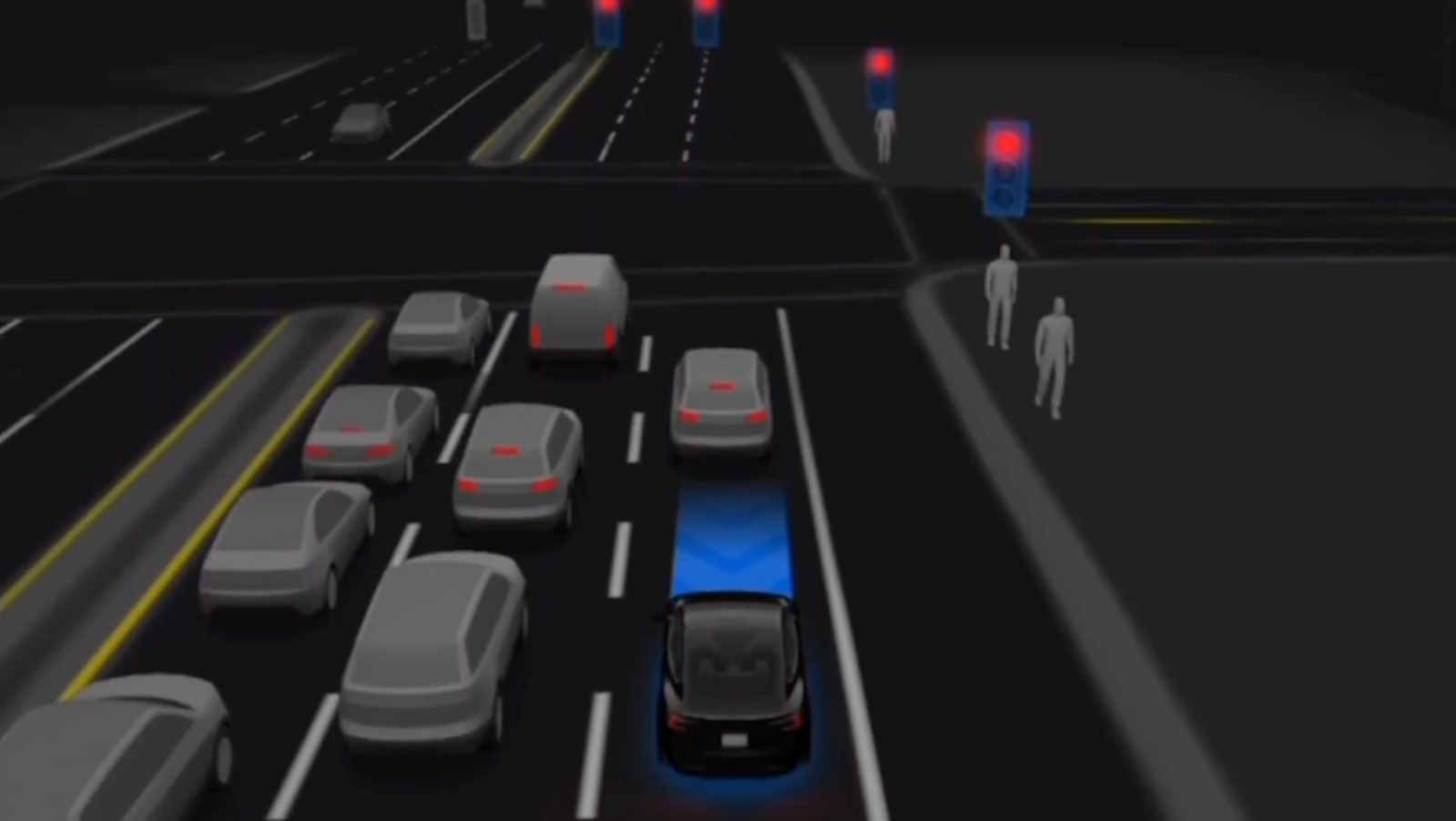
Tesla's FSD v14: Sentient Driving Arrives, Unlocking Robotaxi Riches
The upgrade that makes your Tesla feel alive—smoother, smarter, and primed for hands-off autonomy that could redefine car ownership.
Full Self-Driving (FSD) version 14 hits the road with a leap in human-like intuition, turning everyday drives into effortless experiences while paving the way for unsupervised rides that generate income. Early tests show flawless parking in tight spots and adaptive behaviors that outpace prior versions, signaling Tesla's push toward a future where vehicles earn their keep.
Key Takeaways
FSD v14 introduces customizable arrival options, letting drivers pick parking spots like driveways, curbside, or garages for precise, user-directed endings to trips.
New driving profiles—Sloth for ultra-conservative pacing, alongside Chill, Standard, and Hurry—cater to varied comfort levels, with overall gains in smoothness and decision confidence.
Hands-free mode activates in supervised settings, but alerts ramp up in tricky zones like construction or rail crossings, hinting at broader attention relaxation elsewhere.
Parking precision shines: vehicles now navigate narrow gates, ticket booths, and spots flawlessly, often without human tweaks, feeling like a glimpse of tomorrow.
Minor hitches persist, such as brief braking jolts in low-speed maneuvers or speed nudges beyond limits, but these pale against zero-intervention drives spanning hours.
Broader rollout suggests boosted safety metrics, with rapid follow-ups expected to polish edges, much like the neural net evolutions in v12 and v13.
Unsupervised horizons loom: Robotaxi fleets in Austin and the Bay Area already test advanced variants, collecting data and fares to validate attention-free ops by early 2026.
Economic upside: Autonomous cars could slash ride costs below Uber levels, enabling owners to monetize vehicles via Tesla's network—potentially 10-30% cuts per mile—while fueling decades of demand.
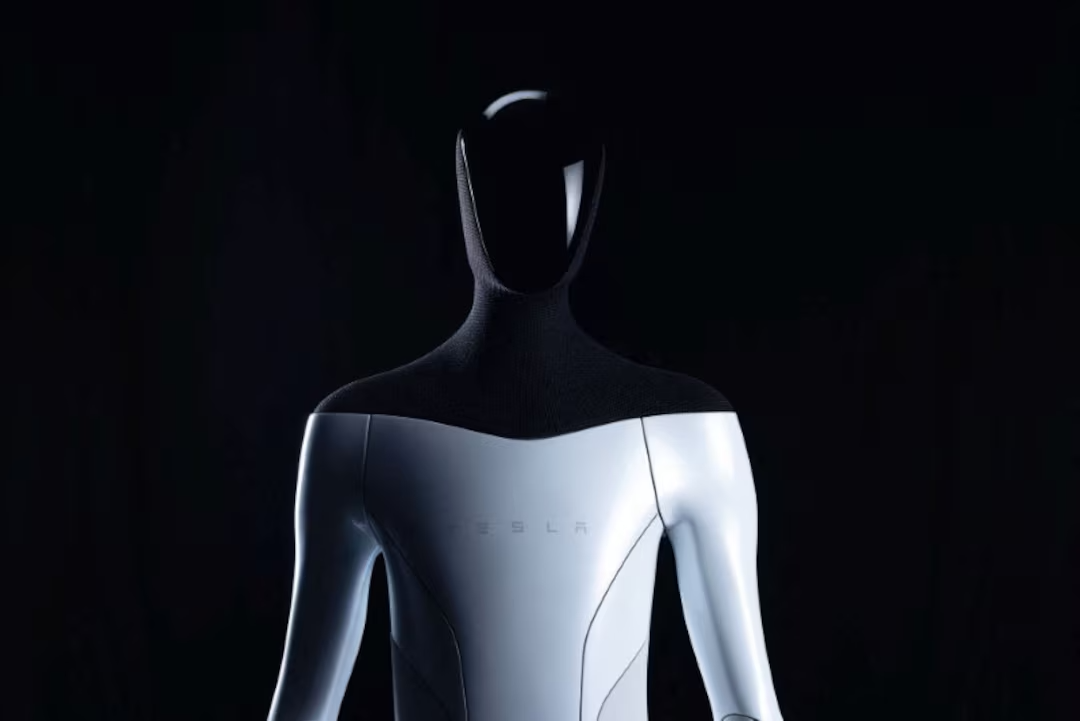
Tesla’s Optimus Robot: A Glimpse into a $40 Trillion Future
How Tesla’s Humanoid Robot Could Redefine Labor and Unlock Unprecedented Economic Value
Tesla’s latest showcase of its Optimus robot signals a bold leap toward a future where humanoid robots could transform industries, economies, and daily life. The technology, still in its early stages, demonstrates nuanced capabilities like tactile feedback and precise hand movements, hinting at its potential to disrupt the massive $40 trillion global labor market. Combined with Tesla’s push for autonomous vehicles and energy solutions, Optimus could be the key to unlocking extraordinary value for the company and its investors.
Key Takeaways
Humanoid Robot Potential: Tesla’s Optimus robot showcases advanced capabilities like tactile feedback and precise manipulation, positioning it to compete in the $40 trillion global market for physical human labor.
Economic Disruption: At an estimated $3/hour operating cost, Optimus could drastically reduce labor expenses compared to human wages ($12-$30/hour), opening new markets and business models.
Massive Market Opportunity: Tesla aims to produce one million robots annually at $20,000-$25,000 each, targeting industries like warehousing and manufacturing where repetitive tasks dominate.
Broader Tesla Vision: Optimus aligns with Tesla’s autonomous vehicles and energy solutions, driving the company toward a potential $8.5 trillion market cap and $400 billion in annual revenue.
Labor and Economic Shifts: While robots promise efficiency, they could disrupt traditional labor markets, necessitating new job creation and economic adaptation.

Tesla's Affordable EV Gambit: Stripped-Down Speed at a Steep Price
Unveiling the Future of Reusable Rockets and Global Connectivity
The latest Starship test flight has once again redefined what’s possible in space exploration. From a flawless launch to daring reentry experiments, this mission showcased the resilience of SpaceX’s ambitious rocket and its role in shaping the future of interplanetary travel and global internet access. Tech enthusiasts, buckle up—this flight delivered groundbreaking insights into reusable rocket technology, thermal protection systems, and the power of Starlink’s connectivity.
Key Takeaways
Successful Hot Staging and Separation: Starship executed a precise hot staging maneuver, with the Super Heavy booster and Starship separating cleanly, marking a significant step toward reliable reusability.
Raptor Engine Reliability: All 33 Raptor engines on the Super Heavy booster and six on Starship performed nominally, with a successful in-space Raptor relight demonstrating critical deorbit capabilities.
Payload Deployment Milestone: Eight Starlink simulators were deployed, paving the way for future missions to carry up to 60 advanced V3 Starlink satellites, boosting network capacity by 60 terabits per second per launch.
Thermal Protection Testing: Intentional removal of heat shield tiles tested Starship’s resilience under extreme reentry conditions, providing valuable data for future iterations.
Starlink’s Real-Time Data Power: Starlink’s connectivity enabled uninterrupted HD video and telemetry during reentry, overcoming plasma interference to deliver critical engineering data.
Tesla's Tease Machine: From Wobbly Wheels to Kung Fu Bots
Unveiling the Next Wave of Innovation That's Priming Investors for a $8.5 Trillion Payday
Tesla's latest product hints point to a surge in affordable EVs, high-performance gadgets, and home energy efficiencies that could slash utility bills while boosting stock value. Investors are buzzing as these reveals align with a pivotal vote on executive compensation, signaling a return to the company's disruptive roots.
Key Takeaways
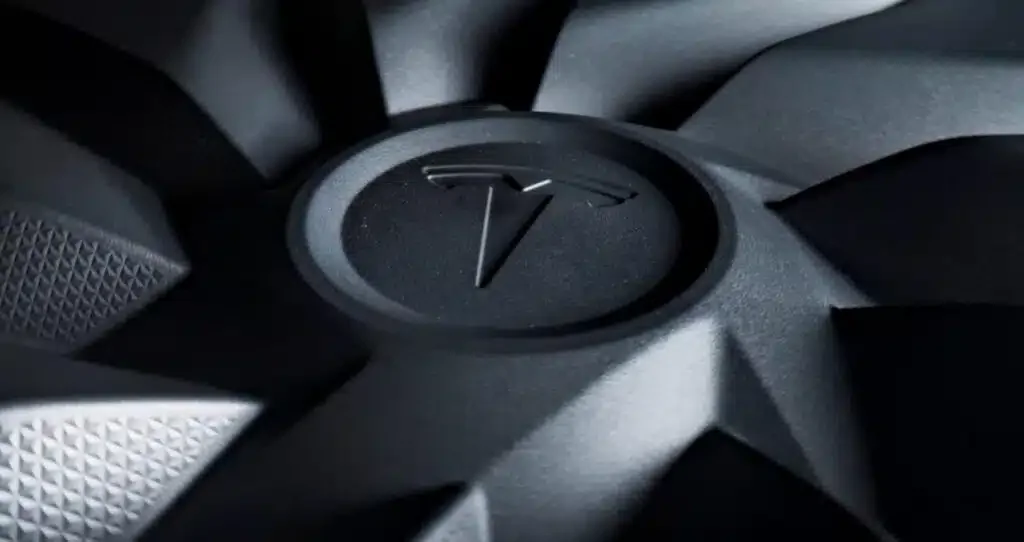
Tesla is gearing up for a sub-$35,000 EV launch, potentially featuring unique wheel designs that hint at advanced stability tech for everyday drives.
The next-gen Roadster may incorporate road-suction mechanisms for extreme downforce, elevating it beyond typical supercars into track-dominating territory.
Home energy solutions like solar-plus-battery leases promise long-term savings over grid power, especially in high-cost or remote areas, with buyout options after five years.
Optimus robots are advancing through video-based AI learning, enabling fluid movements like martial arts sequences without manual coding.
A mysterious rotating device teaser, set for reveal on October 7, could span drones, HVAC units, or even Cybertruck-inspired vans, broadening Tesla's ecosystem.
Amid these unveils, November 8 brings a shareholder vote on a compensation package tied to an $8.5 trillion market cap milestone, rewarding early backers with massive gains.

The Next Industrial Revolution: Unlocking Wealth in Private Markets
Why the Biggest Opportunities Lie Beyond Public Stocks
The world is on the cusp of a transformative era, driven by breakthroughs in AI, robotics, and healthcare that rival the impact of the Second Industrial Revolution. For tech enthusiasts and investors, the real action isn’t in public markets—it’s in private companies poised to redefine industries and human potential. Private markets offer unprecedented opportunities for exponential returns, but they require sharp filtering to separate the game-changers from the duds. Here’s how to navigate this high-stakes landscape and why now is the time to act.
Key Takeaways
Private Markets Hold the Edge: The most transformative companies, like those in AI, robotics, and medical devices, are often private, offering higher potential returns than public stocks.
A New Industrial Revolution: Technologies like AI, autonomous vehicles, and space exploration are driving economic growth at a scale not seen since the late 19th century.
Selective Investing is Crucial: Success in private markets hinges on identifying companies with proven product-market fit, strong founders, and sufficient funding.
Risk and Reward: Private investments carry high risk, with many startups failing, but carefully chosen companies can deliver returns far exceeding public market gains.
Mission-Driven Opportunities: Companies aligned with advancing human consciousness and societal good are emerging as leaders in this new era.
Tesla’s Optimus Robot Unveiled: A Game-Changer for Automation
Revolutionizing Industries with Humanoid Robotics
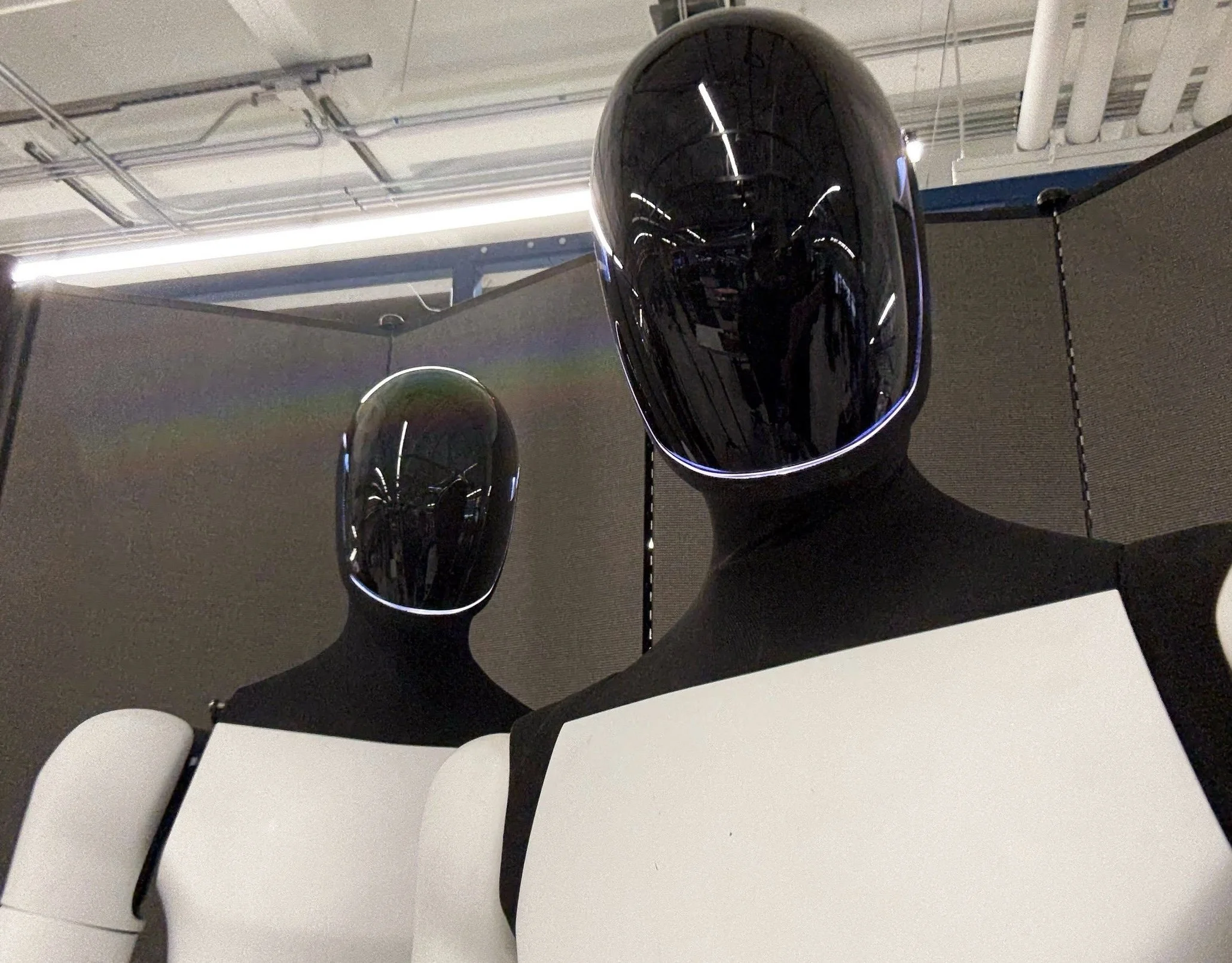
Tesla’s Optimus robot has sparked global excitement with its potential to transform industries and daily life. This humanoid robot, showcased recently, demonstrates remarkable advancements in AI, mobility, and human-robot interaction. From factory floors to household assistance, Optimus signals a bold step toward a future where robots work seamlessly alongside humans. Here’s why this unveiling has tech enthusiasts buzzing and what it means for the world of automation.
Key Takeaways
Humanoid Design Breakthrough: Optimus features a sleek, human-like form factor, enabling it to navigate environments built for humans with unprecedented ease.
AI-Powered Versatility: Advanced AI allows Optimus to perform complex tasks, from manufacturing to personal assistance, with real-time adaptability.
Cost-Effective Innovation: Tesla aims to make Optimus affordable, targeting mass-market adoption for businesses and homes.
Industry Disruption: The robot’s capabilities could reshape manufacturing, logistics, and service sectors by automating repetitive and labor-intensive tasks.
Ethical Considerations: The rise of humanoid robots raises questions about job displacement and the need for responsible AI governance.
The Future Is Now: Why Customer Needs and AI Will Shape Tomorrow
Unpacking the Power of Long-Term Thinking and Technological Revolution
The world is changing at breakneck speed, driven by transformative technologies like artificial intelligence (AI) and space exploration. Yet, amid this whirlwind, one thing remains constant: the enduring power of customer needs. By anchoring strategies in these unchanging desires and harnessing the potential of AI and other innovations, businesses and entrepreneurs can build a future that’s not only sustainable but revolutionary. From AI’s universal impact to the promise of space as a new frontier, here’s why now is the most exciting time to be a creator, thinker, or founder.
Key Takeaways
Customer needs are timeless: Focusing on stable customer desires, like fast delivery or reliability, creates durable business strategies.
AI is a game-changer for all industries: Beyond startups, AI will boost quality and productivity across every sector, from manufacturing to hospitality.
Space is the next frontier: From lunar resource harvesting to gigawatt-scale data centers in orbit, space will redefine how we live and work.
Innovation requires harmony: Balancing exploration (wandering) with disciplined execution drives breakthroughs without overwhelming organizations.
Bubbles don’t negate progress: Industrial bubbles, like today’s AI frenzy, fund both good and bad ideas but often yield lasting societal benefits.
Tesla's Budget EV Breakthrough: The Affordable Model Y Uncovered
Revamping Accessibility in Electric Vehicles Amid Shifting Incentives
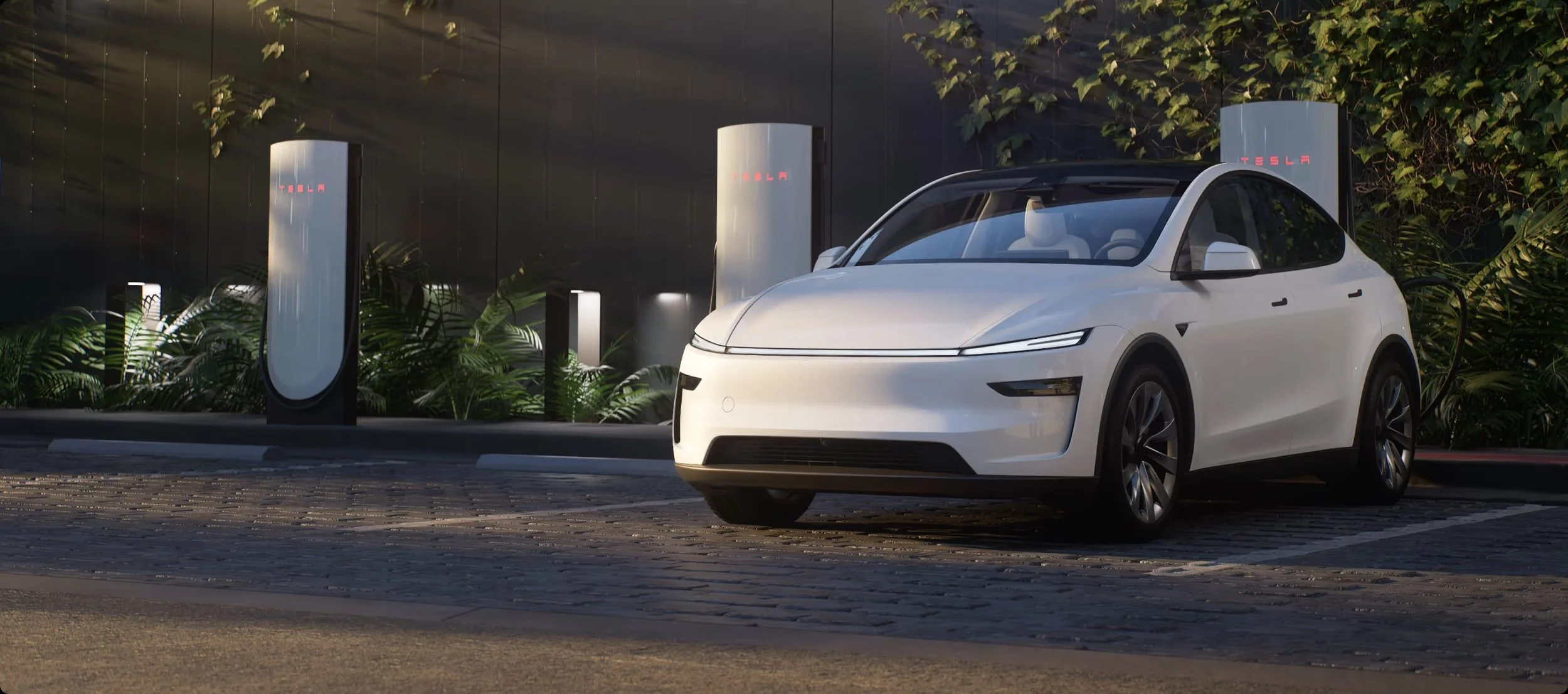
Spy shots from Texas highways and firmware leaks have pulled back the curtain on Tesla's push for a more budget-friendly Model Y variant. This stripped-down crossover targets everyday drivers by trimming premium features while keeping the essentials intact, all to maintain production momentum and gather vast amounts of driving data for advancing full self-driving tech.
Key Takeaways
Tesla's affordable Model Y features simplified exterior elements like no front or rear light bars, a front bumper camera, and smaller 18-inch wheels for better efficiency.
Interior cuts include no glass roof, no rear screen, cloth or basic vegan leather seats without ventilation, and a basic audio system to reduce manufacturing costs.
Expected pricing lands between $35,000 and $40,000, making it competitive without relying on expired US EV tax credits.
Production ramps up in the second half of 2025, with rear-wheel-drive as the base option and potential all-wheel-drive upgrades.
This model supports Tesla's strategy to flood roads with vehicles, accelerating data collection for autonomous systems and software revenue.

The Money Game: How NIL is Reshaping College Football’s Soul
Unprecedented wealth is flooding into college athletics, but at what cost to players, coaches, and the sport’s future?
The introduction of Name, Image, and Likeness (NIL) deals and revenue-sharing models has transformed college football into a financial juggernaut, with top athletes earning millions before they even graduate. This seismic shift has brought newfound wealth to young players, but it’s also unleashed a torrent of challenges—psychological pressures, mismanaged expectations, and a fractured system struggling to keep up. For tech enthusiasts who thrive on understanding disruption, the NIL era is a masterclass in how money can upend tradition, alter incentives, and reshape an entire industry. Let’s dive into the chaos, the consequences, and what it means for the future of college football.
Key Takeaways
Massive Earnings, Massive Pressure: Top college athletes are earning $1M-$5M annually through NIL deals and revenue sharing, creating intense expectations and psychological strain for players as young as 18.
Coaching Challenges Amplified: Coaches now juggle roster management, donor relations, and player psychology, acting as financial advisors and therapists in a professionalized landscape.
Systemic Instability: The NCAA’s lack of authority, coupled with inconsistent oversight (e.g., NIL Go portal delays), has created a Wild West where rules are ignored, and workarounds are common.
Financial Mismanagement Risks: Many young athletes, lacking financial education, face pitfalls like overspending on liabilities (e.g., luxury cars) or tax issues, threatening their long-term wealth.
Cultural Shift in Motivation: The influx of money has shifted player priorities from legacy and passion to financial security, potentially fostering complacency and reducing on-field performance.
Program Sustainability at Risk: Donor fatigue and budget cuts in athletic departments signal an unsustainable model, with private equity looming as a potential game-changer.

The NIL Revolution: How Sudden Wealth is Reshaping College Football's Future
Why the 2024 season's chaos isn't just about upsets—it's a symptom of deeper financial and mental shifts in the sport.
College football in 2024 has delivered nonstop surprises, from unexpected losses to underperforming powerhouses. Beneath the surface, the introduction of Name, Image, and Likeness (NIL) deals and revenue sharing has transformed the game into a high-stakes business arena. Players now earn millions before turning pro, but this influx of cash brings psychological pressures, financial pitfalls, and operational headaches that are testing teams, coaches, and the entire ecosystem. For fans and observers, understanding these dynamics reveals why the sport feels more unpredictable than ever—and what it might mean long-term.
Key Takeaways
NIL deals have created a free-agency-like environment where five-star recruits can command over $2 million, leading to complacency and overthinking among players who feel they've "made it" early.
Psychological warfare is real: Young athletes face immense pressure from family demands, donor expectations, and social media scrutiny, often without adequate financial education, resulting in mismanagement like excessive car leases and tax issues.
Coaching decisions are complicated by money—bench a high-paid starter for a cheaper backup, and you risk alienating donors who funded the deal, potentially cutting future contributions.
Revenue sharing caps (around $20 million per athletic department) aim to level the playing field but are easily bypassed through outside donors and front-loaded payments, fueling roster instability.
The NCAA's weakened authority has turned college athletics into a Wild West, with private equity eyeing investments to stabilize unsustainable donor-reliant models.
Programs like Penn State exemplify the transition pains: Rebuilding from past scandals while navigating NIL could lead to leadership shakeups if expectations aren't met.
Future outlook: Expect more GM roles in teams, agent incompetence driving bad deals, and a potential talent pipeline shift to the NFL as players prioritize money over development.
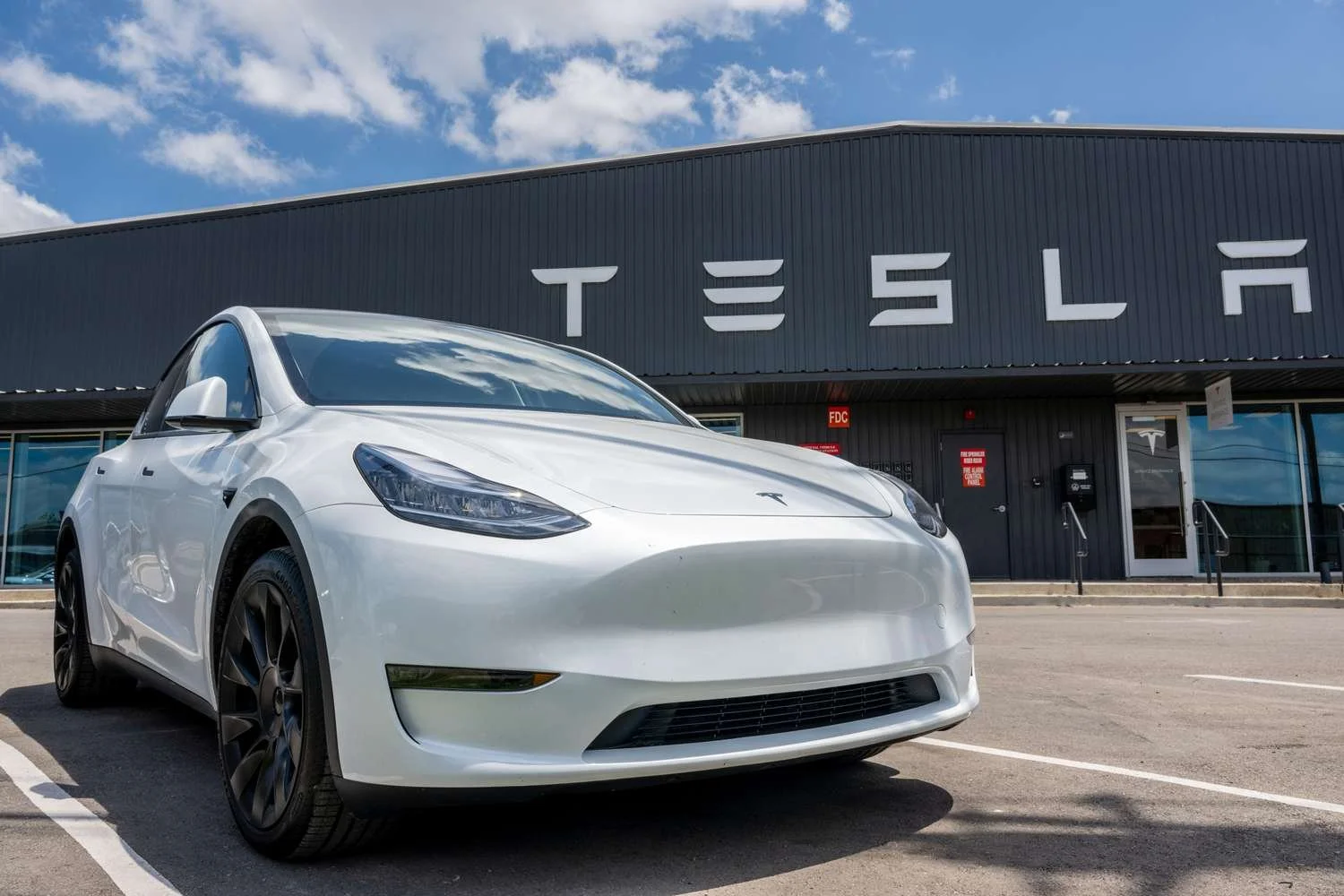
Tesla’s Q3 Triumph: Record Deliveries, AI Ambitions, and a Path to Affordable EVs
Why Tesla’s third quarter signals a bold pivot to AI-driven growth and mass-market appeal
Tesla’s third quarter of 2025 delivered a stunning performance: over 497,000 vehicles delivered, 447,000 produced, and a record 12.5 gigawatt-hours of energy storage deployed. These numbers not only defy skeptics who predicted Tesla’s decline but also highlight a strategic shift toward inventory management, cost reduction, and a future powered by autonomous driving and affordable vehicles. For tech enthusiasts, this moment underscores Tesla’s evolution from a carmaker to a physical AI powerhouse with ambitions far beyond traditional automotive.
Key Takeaways
Record-Breaking Quarter: Tesla delivered 497,000 vehicles and deployed 12.5 GWh of energy storage, marking a high for both metrics.
Inventory Strategy Shift: Delivered 50,000 more vehicles than produced, reducing built-up inventory and leveraging the expiring U.S. EV tax credit.
Affordable EVs on Horizon: Plans for a more affordable Model Y and Model 3 with reduced features to hit a 3-million-vehicle annual production goal.
FSD as a Game-Changer: Full Self-Driving (FSD) version 14 aims for unsupervised driving, potentially making Tesla’s vehicles a compelling alternative to traditional cars.
AI and Robotics Vision: Tesla’s driverless network and upcoming Cybercab and Semi projects position it to dominate AI-driven mobility, outpacing competitors like Uber.
Financial Strength: Expected to add $3.5–5 billion in cash from operations, with high-margin energy storage (30%) boosting profitability.

Tesla's Epic Comeback: Record Deliveries Signal a New Era in EVs
Why Tesla's Q3 2025 Could Redefine the Auto Industry's Future
Tesla stands on the brink of its largest quarter yet, with delivery numbers poised to shatter records and margins climbing back toward healthier levels. As EV demand evolves without federal tax credits, the company is shifting gears toward affordable options and advanced autonomy, even as rivals like BYD face their first sales dips in years. This moment highlights Tesla's resilience in a volatile market, offering fresh opportunities for growth through software and innovative vehicles.
Key Takeaways
Tesla's Q3 2025 deliveries are forecasted at 512,000 units, surpassing the previous record of 495,000 from Q4 2024.
Gross margins could rebound to around 17% or higher, thanks to high volume and minimal price cuts, driven by urgency around the expiring EV tax credit.
Competitors like BYD are experiencing their first year-over-year sales decline in five years, amid supply chain strains and reduced subsidies.
Tesla plans to introduce more affordable models, potentially stripped-down versions of the Model 3 or Y, sold at cost with profits from recurring software like Full Self-Driving (FSD).
Upcoming FSD V14 promises unsupervised driving, a massive leap that could generate thousands in annual revenue per vehicle through subscriptions.
The Cybercab, a fully autonomous vehicle without steering wheel or pedals, represents Tesla's long-term vision, though regulatory hurdles limit near-term sales.
Tesla's FSD V14: On the Verge of Sentient Autonomy
Unlocking Driverless Freedom and Massive Scale in Robotaxis
Tesla stands at the edge of a major breakthrough with its Full Self-Driving software, where vehicles could soon handle complex real-world scenarios with human-like intuition. This update promises to boost safety far beyond current levels, enable hands-off driving for owners, and accelerate the expansion of autonomous ride-hailing networks.
Key Takeaways
Tesla plans to roll out FSD V14 in stages, starting with an early wide release next week, followed by V14.1 in about two weeks, and V14.2 soon after, where the system may exhibit near-sentient behavior.
The update increases parameters by roughly 10 times, allowing the AI to process more variables for nuanced decision-making in unpredictable situations.
Safety could reach 2-3 times better than human drivers, or even up to 10 times, potentially meaning accidents only every 1-5 million miles.
Existing Tesla owners with Hardware 4 could access unsupervised driving via software updates, possibly at a premium monthly fee around $99-200.
The same technology will power Tesla's robotaxi fleets in locations like Austin, the Bay Area, and Arizona, enabling rapid scaling with minimal human oversight.
Higher safety reduces the need for remote operators, potentially allowing one overseer per 1,000 vehicles at 10x human safety levels.
This positions Tesla to undercut competitors like Uber with operating costs as low as 40 cents per mile, driving massive market disruption.

Tesla's AI Revolution: From Wheels to Humanoids
Redefining Mobility, Labor, and the Global Economy
Tesla's push into embodied AI isn't just incremental innovation—it's the catalyst for entirely new markets worth trillions, from autonomous fleets to robots handling everyday tasks. Dive into how this technology could generate unprecedented wealth while reshaping society, and why owning a piece of it might be the smartest move for the coming decade.
Key Takeaways
Tesla's vehicles serve as the entry point for widespread AI adoption, evolving from simple cars to intelligent systems capable of full autonomy.
Robotaxis are poised for rapid scaling, potentially undercutting traditional ride-sharing with costs below $1 per mile and immediate profitability.
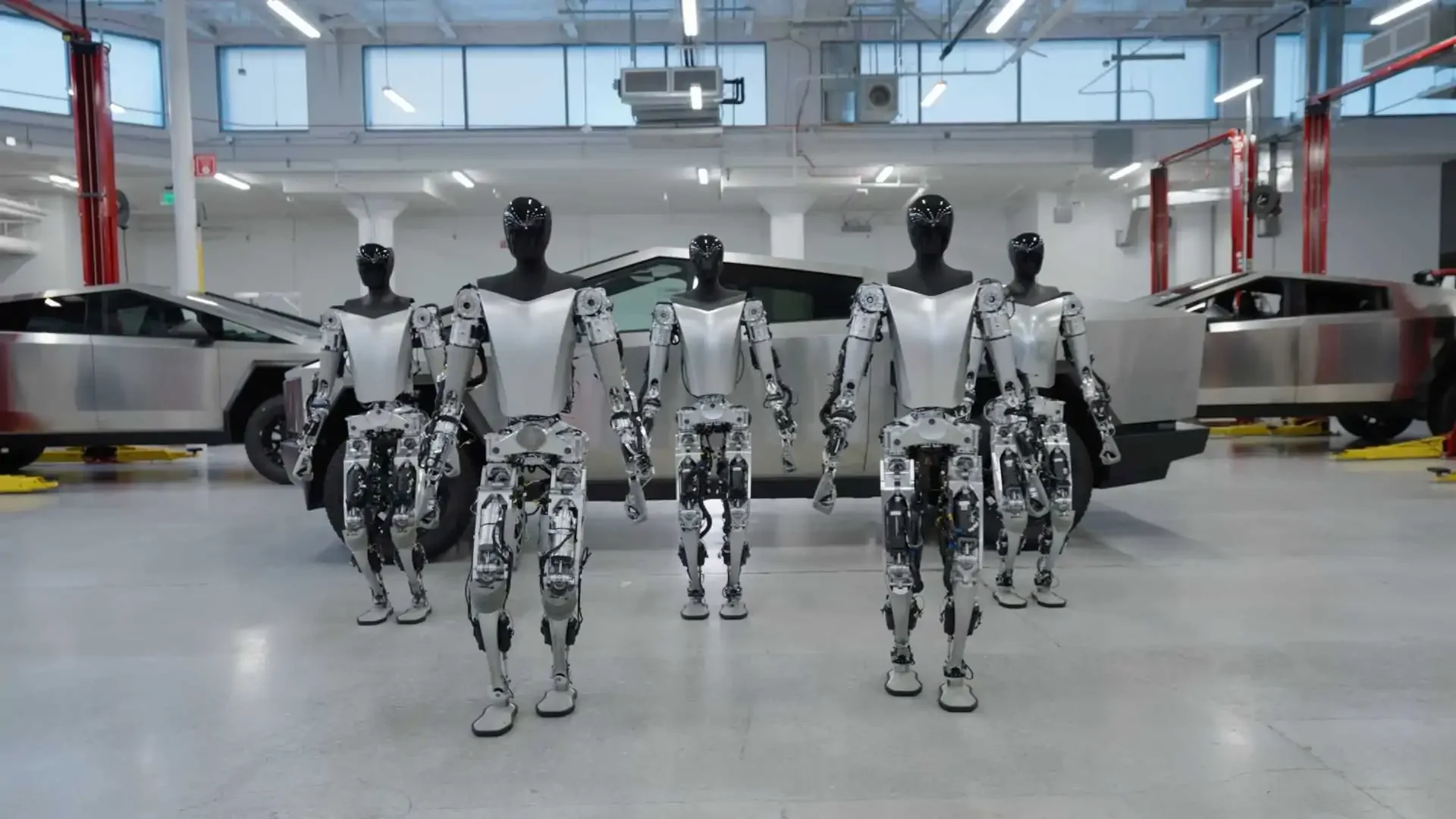
Humanoid robots like Optimus could handle 50-80% of physical labor by 2030, creating a $40 trillion market and enabling new applications from factories to Mars exploration.
Wall Street is beginning to recognize Tesla's AI potential, with valuations reflecting future robotaxi and robotics revenues rather than current auto sales.
Societal shifts may require universal basic income to address job displacement, ensuring broader access to AI benefits and mitigating inequality.
Investing in Tesla stock offers a straightforward path to participate in AI-driven wealth creation, despite short-term volatility and high valuations.
The Embodied AI Boom: Tesla's Path to a Trillion-Dollar Future
Why Sentient Machines on Wheels Could Redefine Wealth, Work, and Society by 2030
Tesla's evolution from electric vehicles to AI-powered robots signals a massive shift in how we move, work, and live—opening doors to new markets worth trillions while challenging us to adapt to an era of abundant intelligence.
Key Takeaways
Tesla's vehicles serve as a gateway to embodied AI, where cars act as intelligent robots collecting data to fuel broader innovations in autonomy.
Robotaxis are poised for rapid scaling, potentially generating immediate profits by undercutting ride-sharing costs and creating entirely new business models like mobile services.
Humanoid robots could handle 50-80% of physical labor, unlocking a $40 trillion market that expands further with infinite supply, but prices may start high before dropping to accessible levels.
Wall Street is slowly recognizing Tesla's AI potential, with valuations likely to surge ahead of actual business maturation, supporting market caps in the trillions.
Societal transitions from AI disruption may require tools like universal basic income funded by robot taxes, alongside a focus on meaning and opportunity in a post-labor world.
By 2030, embodied AI could enable robots on Mars, factory automation at scale, and personalized services, but success hinges on affordable access to bridge wealth gaps.
Investing in Tesla offers a straightforward way to participate in this wealth creation, as the company pioneers scalable, low-cost AI hardware.

The Money Trap: How Broken Currency Fuels Global Chaos and Why a Digital Fix Could Change Everything
Unveiling the hidden forces behind economic inequality, endless wars, and societal decay—and the tech innovation poised to rewrite the rules.
Inflation isn't just a headline—it's a silent thief eroding your future. Imagine a world where prices naturally drop as innovation thrives, families afford homes on a single income, and governments can't fund endless conflicts by printing cash. This newsletter dives into the flaws of modern money systems and explores a groundbreaking digital alternative that's already reshaping global finance.
Key Takeaways
Modern fiat currencies allow unlimited printing, leading to hidden theft through inflation that devalues savings and forces people to work harder for less.
Sound money systems promote deflationary pressures where prices fall and quality rises due to competition and innovation, benefiting everyone without government interference.
Broken money distorts economic signals, pulling resources toward government-linked sectors and creating inefficiencies like obesity epidemics, housing crises, and demographic declines.
A perfect money should be scarce, verifiable, divisible, portable, and censorship-resistant—qualities that gold approximated but modern digital solutions like Bitcoin perfect through technology.
Adopting superior money could separate finance from state control, fostering a human renaissance with reduced wars, greater individual empowerment, and long-term societal prosperity.
Global adoption of advanced money systems is inevitable, similar to the internet's rise, but we're still in the early stages—offering massive opportunities for those who act now.
The AI-Driven Future: Robots, Rockets, and Radical Economic Shifts
Unlocking abundance through automation—why humanoid bots and self-driving tech could reshape everything from factories to Mars colonies.
Automation technologies are advancing at a breakneck pace, promising to slash costs for labor and transportation while opening up entirely new frontiers. From factories running 24/7 to cities deploying robot fleets for public services, these developments could drive unprecedented economic growth. Yet they also raise pressing questions about job displacement and societal stability. Here's what tech enthusiasts need to know about the emerging landscape.
Key Takeaways
Humanoid robots are poised to handle tasks like assembly, delivery, and chores at a fraction of human labor costs, potentially dropping to $3-5 per hour equivalent over time.
Self-driving vehicles could reduce transportation expenses to under 40 cents per mile, enabling innovative business models like mobile salons or on-demand services that come directly to consumers.
High-volume production of robots, spurred by early adopters like space exploration programs, will lower unit costs to $20,000-30,000, making them accessible for widespread use in warehouses, manufacturing, and urban revitalization.
Mars colonization efforts will rely heavily on robot labor to build infrastructure in harsh environments, funded by satellite internet revenues and creating a feedback loop for tech scaling.
While new sectors emerge in AI maintenance, space tech, and customized services, significant job losses in driving and manual labor are likely, overlapping with existing economic frustrations and potentially fueling social tensions.
Governments and companies could deploy robot fleets to aid underserved communities, repairing infrastructure and boosting local economies without ongoing wage expenses.
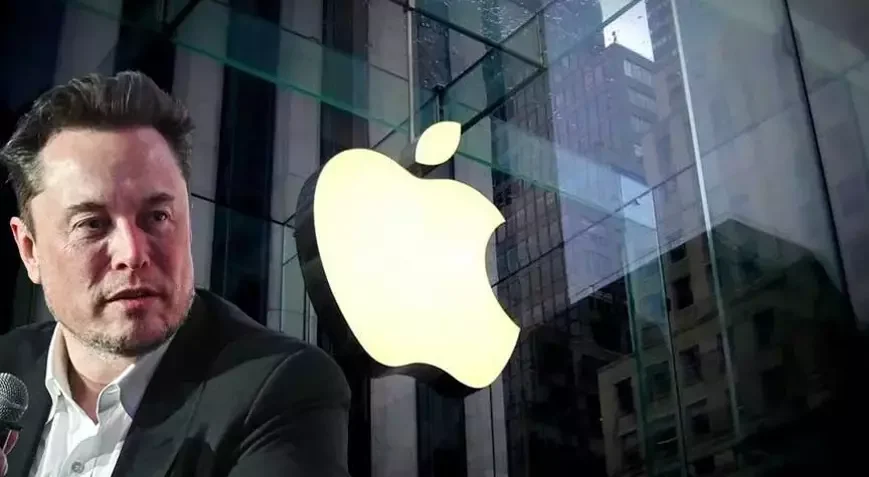
Elon Musk's Next Big Move: Acquiring Apple to Ignite the AI Revolution
Revolutionizing Personal Tech with Secure Data, Robotics, and Space Ambitions
Imagine transforming a trillion-dollar tech giant from a comfortable cash machine into a powerhouse of AI innovation. Acquiring Apple could give Elon Musk access to billions of users' private data to build personalized digital twins, automate global manufacturing, and generate massive cash flows to fuel projects like autonomous vehicles and Mars exploration—all while doubling the company's value through bold reinvention.
Key Takeaways
Apple's innovation has stalled, with products like Vision Pro underperforming and reliance on incremental iPhone updates leading to stagnant growth.
The company's true asset is its ecosystem of over a billion users' private data, which could enable secure AI-powered digital twins for personalized experiences across devices.
Musk could gain control with a 10% stake, valued around $350 billion, by leveraging his companies' combined worth, investor alliances, and banking relationships.
Shifting manufacturing from China through automation would reduce dependencies, while integrating Musk's AI like Grok could supercharge Apple's hardware.
Redirecting Apple's $110 billion annual cash flow from buybacks and dividends to R&D could double revenues, fund ambitious ventures, and attract growth-oriented investors.