
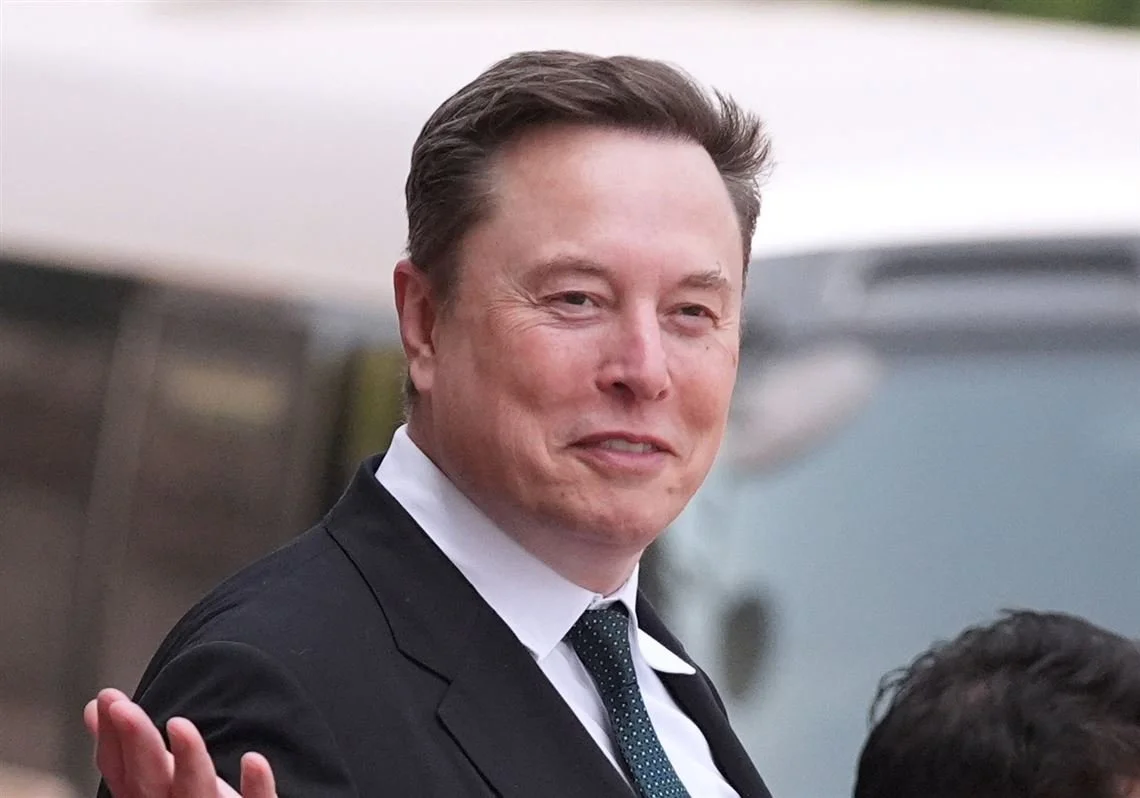
SpaceX's Record IPO: The Warehouse Vision That Could Make Mars Routine
Turning slim odds and sci-fi dreams into a practical path for anyone who wants to leave Earth
SpaceX reaching the largest IPO in history after starting in a single warehouse reveals how a clear, long-term objective can survive early doubts and technical setbacks. The real value lies in what comes next: engineering that treats multi-planetary settlement as a solvable problem rather than a distant fantasy, while giving ordinary people a concrete reason to believe the future will feel more expansive than the present.
Key Takeaways
A company founded in a modest El Segundo warehouse achieved the largest IPO ever, showing that sustained focus on ambitious technical goals can overcome initial assessments of very low success probability.
The central objective is to build systems that let anyone travel to the Moon, Mars, or other solar system destinations, moving spaceflight beyond professional crews to broader participation.
Established aerospace players produce reliable rockets yet have not directed equivalent effort toward the specific technologies required for permanent multi-planetary presence.
Earth-bound problems still require attention and resources, but large-scale projects that generate excitement about what happens next supply essential motivation that pure problem-solving alone cannot provide.
Current team capabilities support confidence that vehicles and infrastructure capable of carrying people to Mars and beyond can be delivered on a practical timeline.
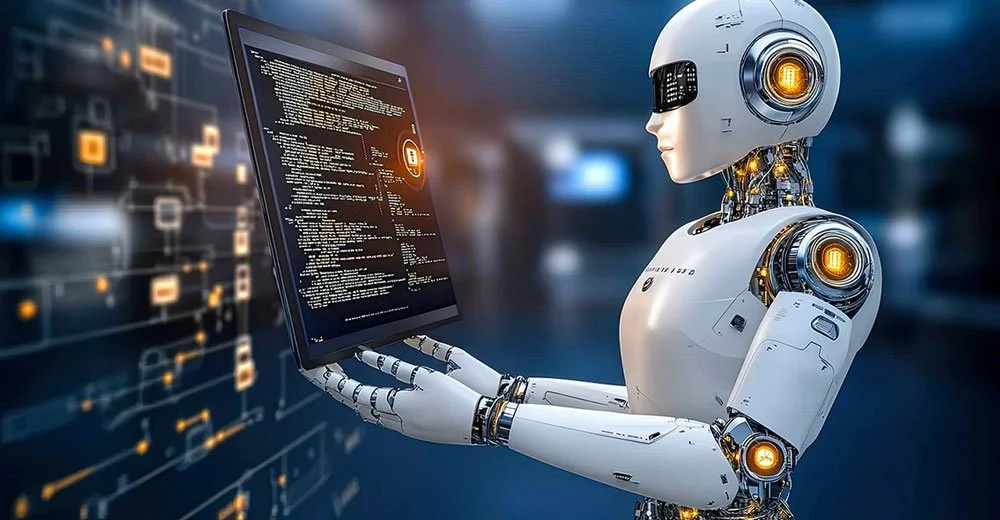
The AI Dopamine Trap That Nobody Is Prepared For
Why infinite convenience and pleasure could redefine human purpose—and how to stay grounded
In the coming decades, AI-powered humanoid robots, self-driving delivery systems, neural interfaces, and breakthroughs in longevity will make physical effort almost obsolete. Every craving—food, entertainment, even sensory experiences—could be delivered instantly, creating a personalized dopamine engine so powerful it makes today’s social media feeds look quaint. The real question isn’t whether the technology arrives. It’s what humanity chooses to do with the freedom it unlocks.
Key Takeaways
AI and robotics will create an “infinite dopamine machine” that handles all physical labor, delivers hyper-personalized entertainment directly to the brain, and extends lifespans dramatically—turning passive entertainment into a full-time lifestyle for some.
The future delivers maximum individual freedom: people can pursue purpose, service, and creation or opt for total immersion in digital pleasure, with no external force dictating the choice.
Modern education and comfort have trained many to avoid risk, yet deep down most harbor bigger dreams; removing friction could unlock far more builders than expected.
Real-world experiences—family time, physical projects, friendships—deliver more lasting satisfaction than the machine ever can, but they require deliberate discipline because the digital alternative never runs out.
A living frontier like Mars is essential; without ambitious outlets, internal conflict over resources and status could intensify.
For parents and builders alike, the hardest challenge is self-discipline: intentionally stepping away from the infinite tool to engage with the finite, changing real world before it slips away.
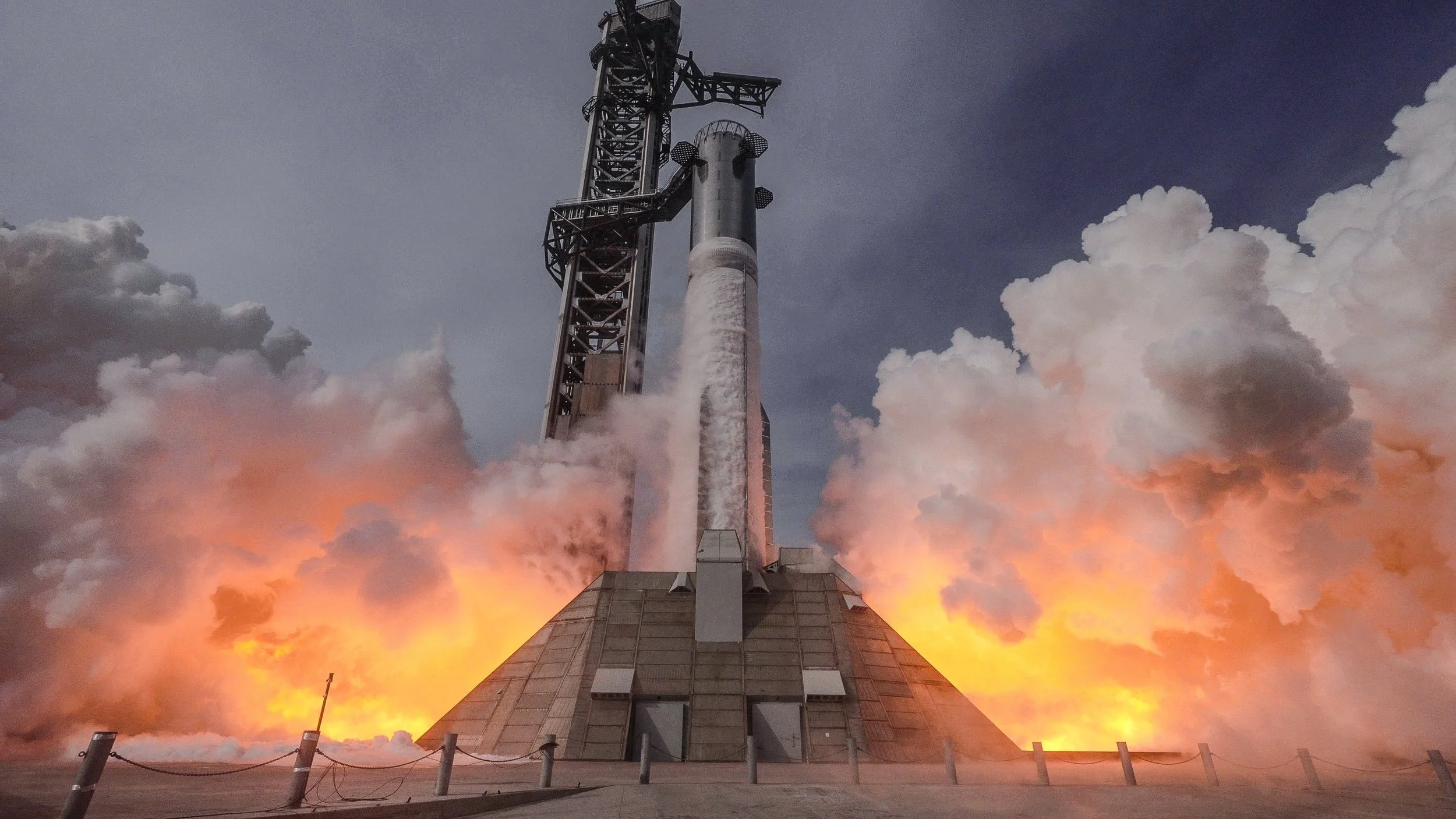
Starship Version 3: The Rocket That Turns Physics Into Progress
How SpaceX's latest booster and Raptor engines are proving full reusability isn't a dream—it's the next engineering step.
SpaceX has just pushed Starship Version 3 through its most intense ground tests yet. The first V3 booster completed a full 33-engine static fire after an initial 10-engine run, while the upgraded ship design cleared key orbital milestones in simulation and early checkouts. These tests highlight a system built for propellant transfer in space—the missing link that makes Moon landings routine and Mars missions practical. The scale, the simplifications, and the rapid learning loop show exactly how a company scales from small rockets to solar-system capability without breaking the laws of physics.
Key Takeaways
Starship Version 3 represents a clean-sheet redesign that directly fixes reliability and performance issues from earlier versions, enabling the booster to support crewed lunar landings and the first Mars city.
Raptor 3 engines feature massive simplification—fewer parts, higher integration, and improved reliability—making them cheaper, faster to build, and lighter while maintaining reusability on the level of commercial aircraft engines.
Testing follows a deliberate risk-reduction strategy: 10-engine static fires first on the new V3 booster to contain any problems before committing to a full 33-engine burn.
Orbital propellant transfer is the core technology that unlocks the entire solar system; once demonstrated, Starship can refuel in orbit and reach anywhere.
SpaceX's iterative flight-test approach delivered a successful booster catch in just five flights, proving the rapid cycle of hardware improvement and data-driven fixes.
Full reusability of both the booster and ship is the economic foundation for frequent, affordable access to orbit and beyond.
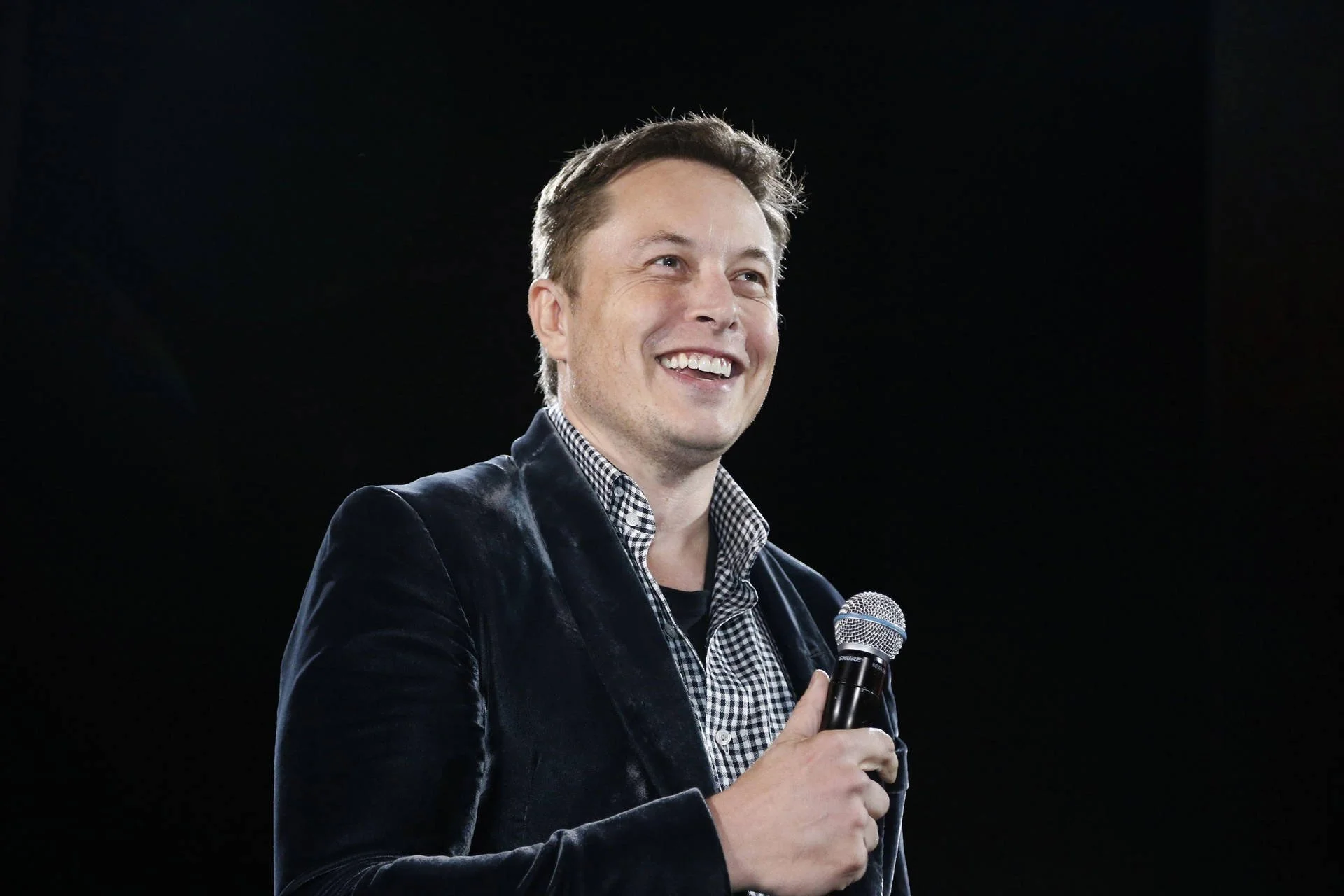
Why Elon Musk May Reshape the 21st Century More Than Any Innovator Before Him
One person advancing seven major industries at once – while the same kind of backlash that hit Edison, Jobs, and Lincoln plays out in real time.
The conversation around Elon Musk stays stuck on personality, politics, and headlines. Yet the measurable outcomes tell a different story: a single entrepreneur has forced global automakers to electrify, slashed space-launch costs by 97 percent, deployed thousands of satellites for internet access in remote regions, and built AI, brain interfaces, and humanoid robots that are already moving from labs to real-world deployment.
History shows this pattern repeatedly. Visionaries who bend entire civilizations get hated in their own era and celebrated later. Musk’s work sits at the widest gap yet between current perception and actual impact – and that gap is closing fast.
Key Takeaways
Musk’s companies are simultaneously transforming seven industries: automotive and energy storage (Tesla), space launch and satellite communications (SpaceX and Starlink), frontier AI (xAI), brain-computer interfaces (Neuralink), and humanoid robotics (Optimus).
SpaceX reduced the cost of reaching orbit from roughly $65,000 per kilogram to about $2,700 – a 97 percent drop – while launching more mass to orbit than every other entity on Earth combined.
Tesla produces over 1.8 million electric vehicles annually and has pushed every major automaker toward full electrification; its Full Self-Driving software is already operating unsupervised in select cities, targeting millions of autonomous robotaxis.
Tesla’s Megapack energy-storage business now delivers higher gross margins than its vehicle side and is scaling grid-scale battery systems worldwide.
The companies form a single flywheel: AI trained on driving data powers robots, battery tech supports rockets, satellite internet connects everything, and each breakthrough accelerates the others.
Personal stakes have been extreme – repeated near-bankruptcies in 2008 and 2018, 120-hour workweeks, and every dollar of early wealth reinvested into high-risk ventures – mirroring the obsessive drive seen in every historical figure who redefined an era.
Long-term civilizational gains include fewer road deaths, accelerated clean-energy transition, abundant low-cost labor through robotics, restored mobility via brain implants, and the infrastructure for multiplanetary expansion.
Today’s polarization focuses on the person; tomorrow’s record will focus on outcomes that change daily life at planetary scale.
The End of Scarcity? How Radical Abundance Will Remake Cities, Purpose, and Civilization
From robo-taxis and walkable arcologies to lunar megaprojects and the human drive for status in a post-work world.
Automation and advanced robotics are steering us toward a future where material limits fade fast. Everyday movement, living spaces, and even our sense of purpose stand to change in profound ways. Cities could shrink their footprints around people instead of vehicles. New settlements will sprout in breathtaking locations once considered too remote. And in a world of plenty, the real test becomes inventing fresh reasons to strive, create, and connect.
Key Takeaways
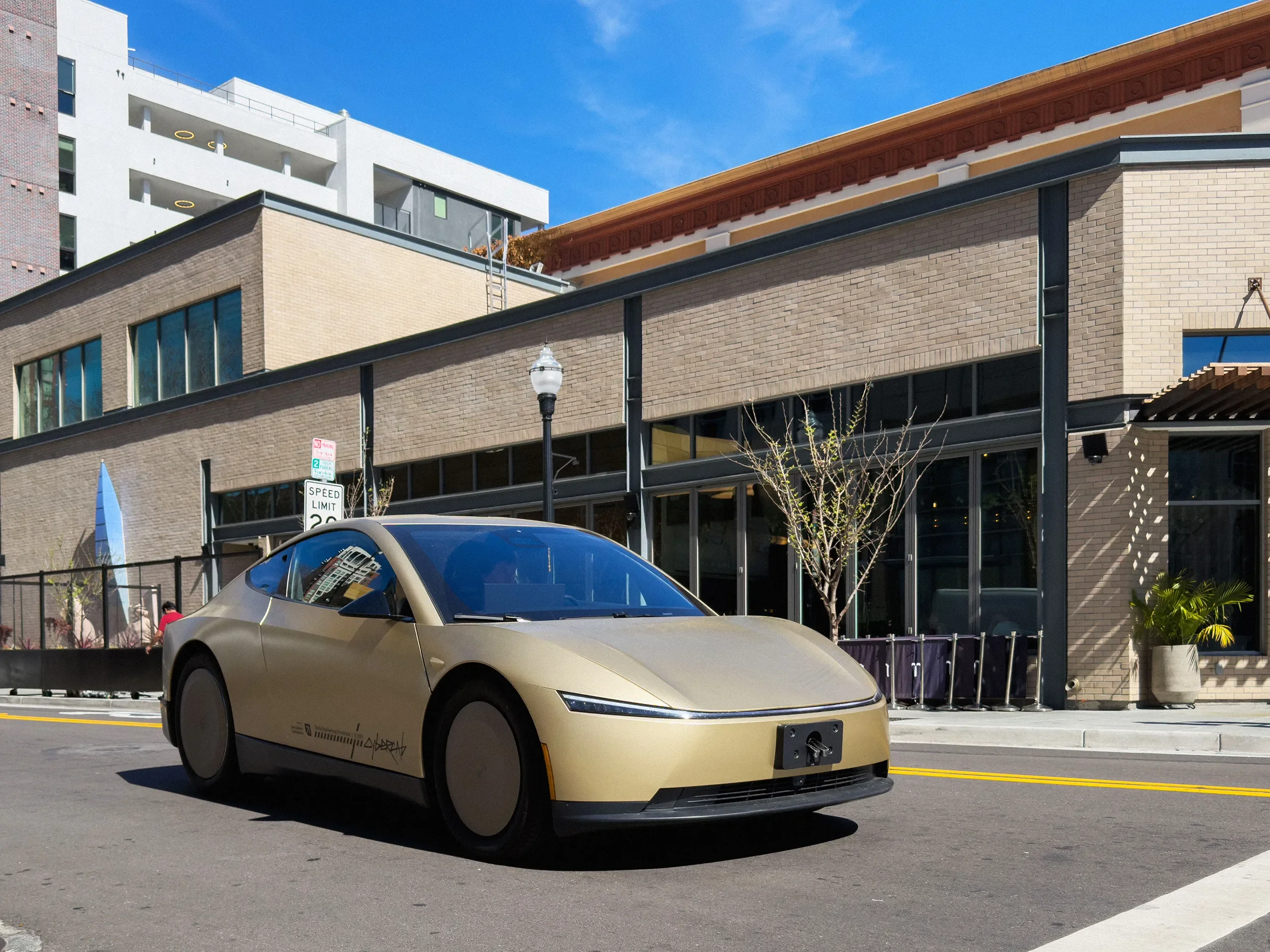
Robo-taxis will free up vast urban real estate, creating networks of highly walkable zones packed with green walls, terraces, and integrated ecosystems rather than parking lots and roads.
Personal flight systems with bird-like energy density could eliminate the need for cars and roads altogether, turning journeys into direct, exhilarating point-to-point experiences.
Robotic construction and cheap desalination will unlock development of stunning new towns and cities on high-desert land, mountain foothills, or even ocean platforms—places chosen purely for beauty and livability.
Perfect abundance environments, like those studied in controlled animal populations, can lead to behavioral collapse and population decline, but humans counter this through endless creativity, relative status-seeking, and the constant invention of new social contracts and subcultures.
Lunar resources could fuel enormous off-world compute infrastructure, while early Mars missions may confirm microbial life is common across the solar system, strengthening ideas of panspermia.
Versatile humanoid robots and brain-computer interfaces will handle physical labor and deliver immersive new experiences—from instant skill acquisition to full-sensory simulations—while heightening global competition over autonomous systems and supply chains.
Elon Musk's Bureaucracy Roast: How Overregulation Stifles Innovation
Unraveling the Absurd Hurdles Facing Space Tech and Beyond
Government red tape isn't just annoying—it's a massive barrier to progress in fields like space exploration. Recent stories highlight ridiculous requirements, from analyzing shark collision risks to fines for spilling water, all while tech pioneers push boundaries. These insights reveal how outdated systems slow down ambitious projects and what it means for the future of innovation.
Key Takeaways
Overly cautious environmental studies for rocket launches, like assessing impacts on sharks and whales, delay critical advancements in space travel despite minimal actual risks.
Fines for minor actions, such as dumping clean water to cool launch pads, show how regulations ignore context in high-rainfall areas.
Early internet pioneers often started companies out of necessity when traditional job paths failed, leading to breakthroughs like the first online maps and directories.
Media outlets frequently echo identical talking points, raising questions about coordination and reducing public trust in reporting.
Government expansion risks inefficiency, akin to scaling up slow bureaucratic agencies without improving outcomes.
Persistent issues like chronic back pain represent untapped opportunities for tech to boost quality of life.
Free speech advocates face escalating threats, including media labeling and security concerns, underscoring the need for robust protections.
Political leadership often appears scripted, with breakdowns revealing potential influences from unelected power brokers.
Overlaps between high-profile scandals and political figures suggest hidden networks shaping decisions.
Elon Musk's Bold Leap: Cyborg Humans and the Race to Superintelligent AI
Revolutionizing Human Potential Through Tech Integration and Unmatched Innovation
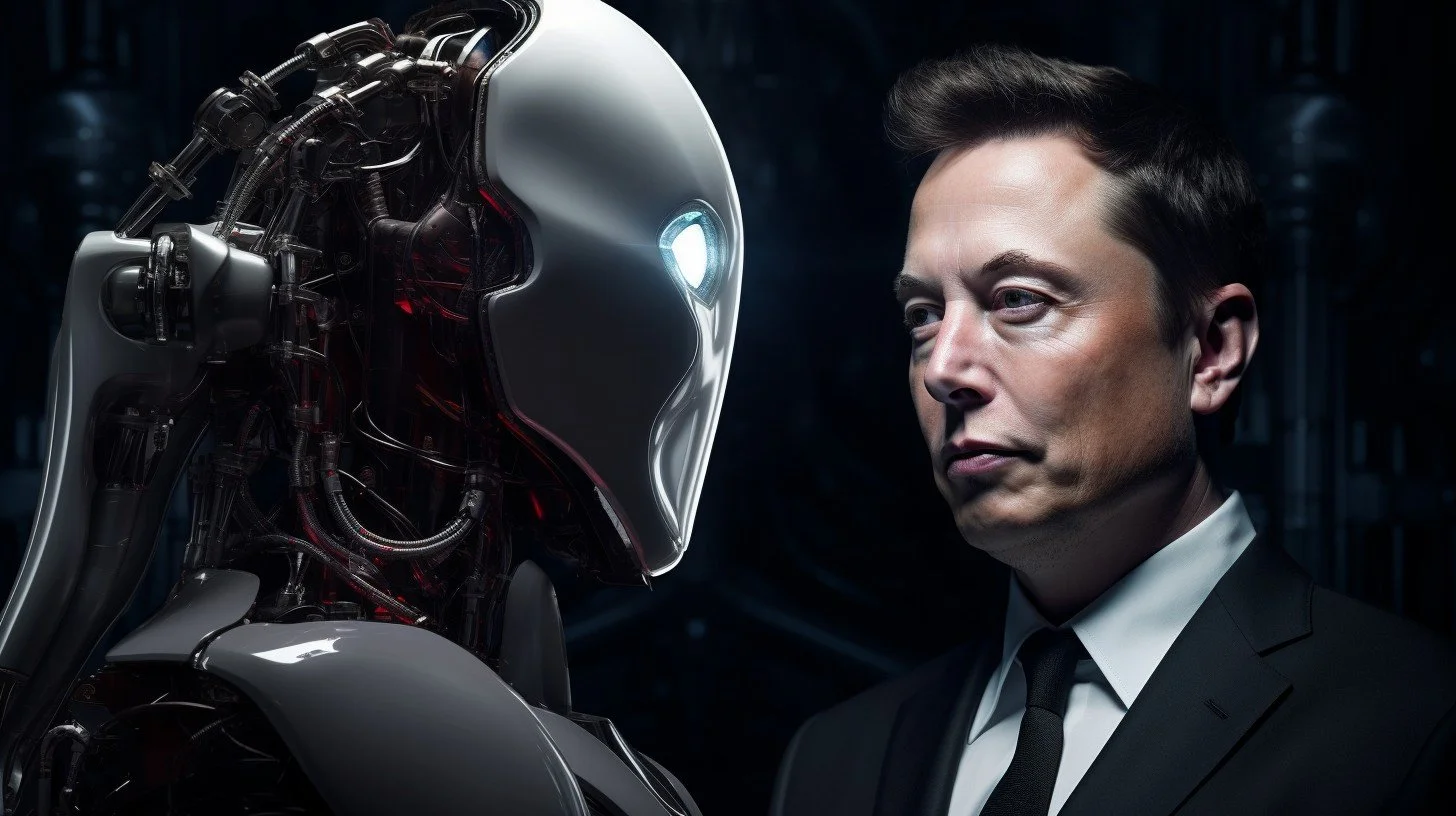
Neuralink implants are restoring mobility to paralyzed individuals, while xAI's Grok 5 aims for artificial general intelligence. Tesla's Optimus robot promises superhuman abilities for those who've lost limbs, and massive data centers are fueling unprecedented AI training speeds. These developments signal a future where physical and digital worlds converge, boosting productivity and exploration.
Key Takeaways
Neuralink has implanted devices in over 10 patients, enabling rapid communication for those with severe paralysis.
Combining Neuralink with Tesla's Optimus robot could create cyborg bodies that allow users to walk, run, and perform at superhuman levels for around $60,000.
xAI, despite starting late, advances faster than competitors due to superior talent, massive hardware deployment, and real-time data from the X platform.
Grok 5, a 6-trillion-parameter model, incorporates multimodal training (text, images, video, audio) and real-time understanding, offering a 10% chance at achieving AGI.
Tesla's manufacturing efficiency hits a car every 35 seconds, with potential to reach 5 seconds, driven by physics-based optimization and chip design expertise.
Future plans include solar-powered AI satellites generating 100 gigawatts annually, expanding consciousness to explore the universe and search for alien civilizations.
AI and robotics will eventually satisfy all human needs, leading to a post-scarcity era where machines focus on their own pursuits.
The Robot Revolution Is Here
Unlocking Abundance Through Humanoid Automation and AI
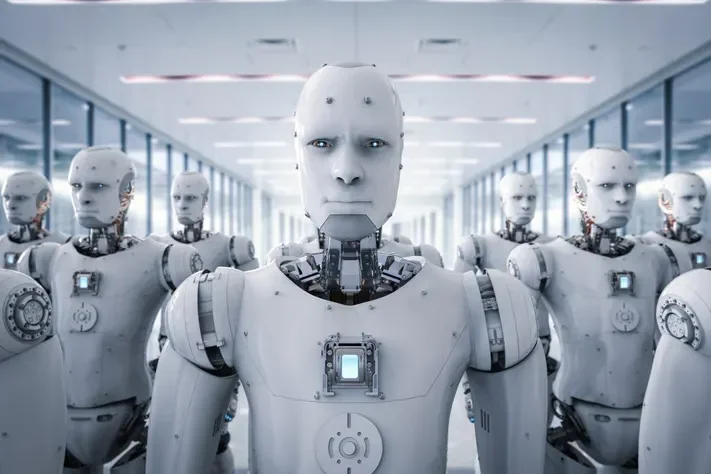
Humanoid robots stand poised to transform global economies by slashing labor costs and enabling unprecedented productivity, but the path forward demands careful navigation of job disruptions and societal shifts. This edition dives into how these machines could foster sustainable abundance on Earth while paving the way for interplanetary expansion.
Key Takeaways
Humanoid robots could triple the US workforce equivalent, allowing production of goods at scales 350 times current levels, with costs dropping to around $3 per hour for physical labor.
Transition periods may disrupt 40-50 million manual jobs in the US alone, requiring strategies like universal basic services to mitigate unrest and support retraining.
Robots excel at dangerous, repetitive tasks, from mining rare earths in extreme conditions to disaster cleanup, potentially reversing globalization by enabling localized production.
AI integration in vehicles and robots enables telepathic-like coordination among fleets, boosting efficiency in teams of machines or mixed human-robot groups.
Long-term visions include revitalizing degraded lands and communities through robot-led projects, reducing transportation friction, and achieving universal high income via abundant resources.
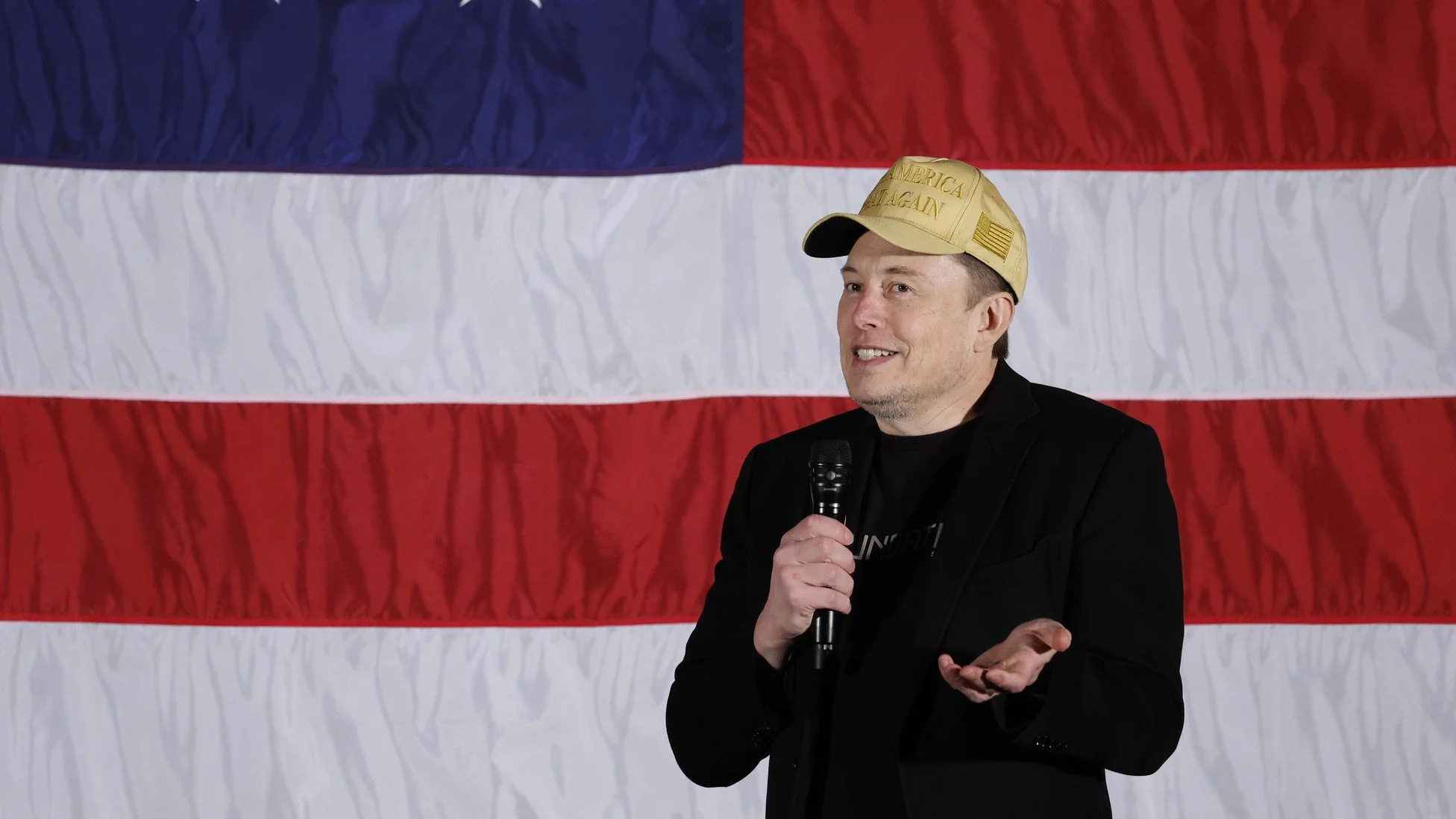
The Visionary Powerhouse Reshaping America’s Future
How One Innovator’s Drive Fuels National Security and Global Progress
The United States stands at a pivotal moment in technological and industrial advancement, driven by a singular force whose impact spans electric vehicles, space exploration, and global connectivity. This individual’s ability to challenge conventional approaches, prioritize purpose over profit, and execute on an unparalleled scale has redefined what’s possible for American innovation. From revolutionizing transportation to securing national interests through space and communication technologies, the ripple effects of this work are profound and far-reaching.
Key Takeaways
Catalyst for Innovation: Without this visionary, critical advancements in electric vehicles, space exploration, and artificial intelligence might have been delayed by decades, stalling U.S. progress.
National Security Asset: The development of American-made rockets and global communication networks strengthens the country’s strategic position.
First Principles Thinking: By rejecting traditional research methods and focusing on fundamental truths, this leader has disrupted stagnant industries.
Purpose-Driven Leadership: A relentless focus on existential goals, like making humanity multi-planetary, drives unmatched productivity and impact.
Accessibility and Transparency: Unlike many global leaders, this figure engages directly with the public, fostering trust and inspiring entrepreneurs.
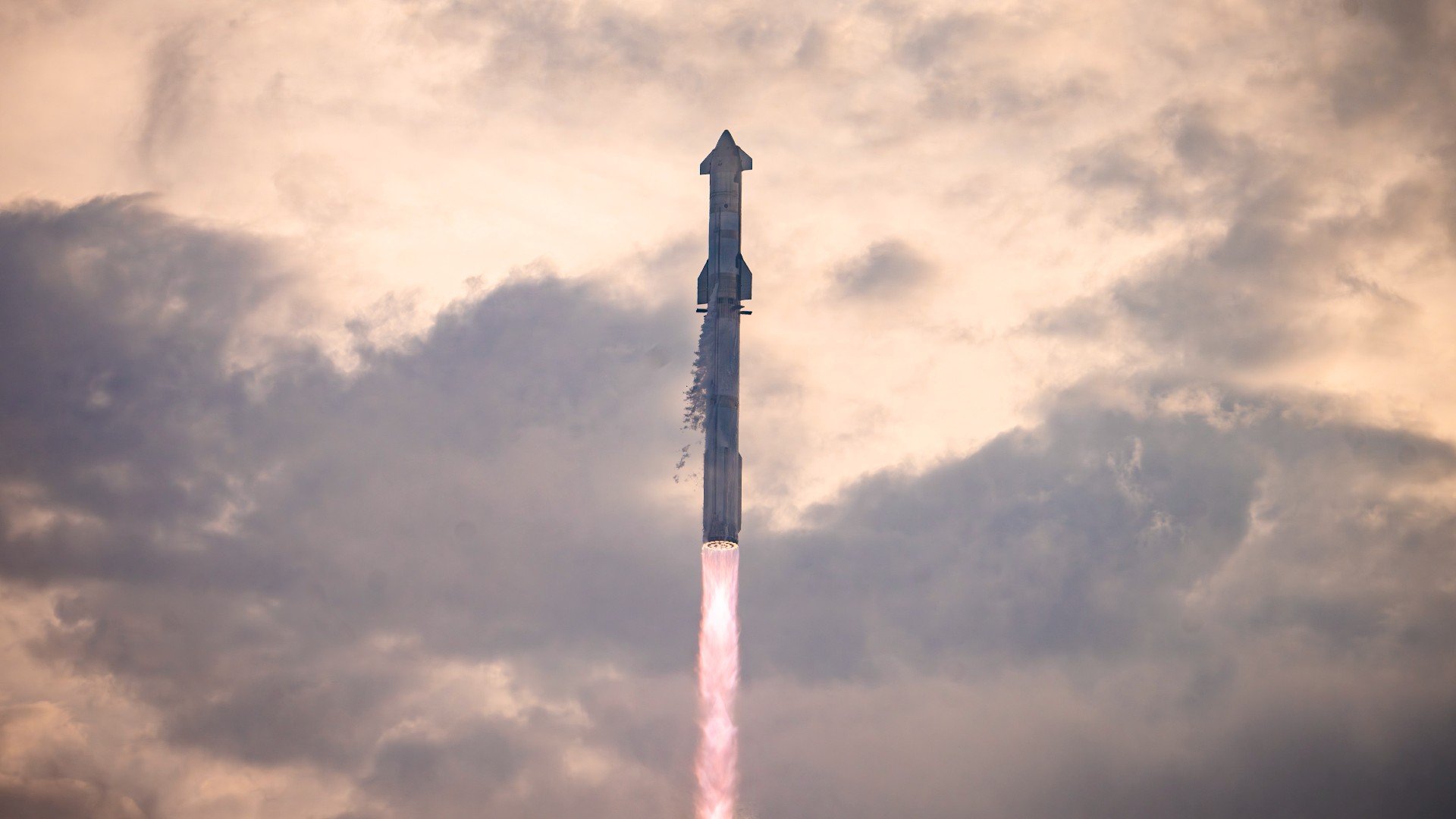
Starship’s Epic Flight 11: Pushing the Limits of Space Exploration
Unveiling the Future of Reusable Rockets and Global Connectivity
The latest Starship test flight has once again redefined what’s possible in space exploration. From a flawless launch to daring reentry experiments, this mission showcased the resilience of SpaceX’s ambitious rocket and its role in shaping the future of interplanetary travel and global internet access. Tech enthusiasts, buckle up—this flight delivered groundbreaking insights into reusable rocket technology, thermal protection systems, and the power of Starlink’s connectivity.
Key Takeaways
Successful Hot Staging and Separation: Starship executed a precise hot staging maneuver, with the Super Heavy booster and Starship separating cleanly, marking a significant step toward reliable reusability.
Raptor Engine Reliability: All 33 Raptor engines on the Super Heavy booster and six on Starship performed nominally, with a successful in-space Raptor relight demonstrating critical deorbit capabilities.
Payload Deployment Milestone: Eight Starlink simulators were deployed, paving the way for future missions to carry up to 60 advanced V3 Starlink satellites, boosting network capacity by 60 terabits per second per launch.
Thermal Protection Testing: Intentional removal of heat shield tiles tested Starship’s resilience under extreme reentry conditions, providing valuable data for future iterations.
Starlink’s Real-Time Data Power: Starlink’s connectivity enabled uninterrupted HD video and telemetry during reentry, overcoming plasma interference to deliver critical engineering data.

The Next Industrial Revolution: Unlocking Wealth in Private Markets
Why the Biggest Opportunities Lie Beyond Public Stocks
The world is on the cusp of a transformative era, driven by breakthroughs in AI, robotics, and healthcare that rival the impact of the Second Industrial Revolution. For tech enthusiasts and investors, the real action isn’t in public markets—it’s in private companies poised to redefine industries and human potential. Private markets offer unprecedented opportunities for exponential returns, but they require sharp filtering to separate the game-changers from the duds. Here’s how to navigate this high-stakes landscape and why now is the time to act.
Key Takeaways
Private Markets Hold the Edge: The most transformative companies, like those in AI, robotics, and medical devices, are often private, offering higher potential returns than public stocks.
A New Industrial Revolution: Technologies like AI, autonomous vehicles, and space exploration are driving economic growth at a scale not seen since the late 19th century.
Selective Investing is Crucial: Success in private markets hinges on identifying companies with proven product-market fit, strong founders, and sufficient funding.
Risk and Reward: Private investments carry high risk, with many startups failing, but carefully chosen companies can deliver returns far exceeding public market gains.
Mission-Driven Opportunities: Companies aligned with advancing human consciousness and societal good are emerging as leaders in this new era.
The Future Is Now: Why Customer Needs and AI Will Shape Tomorrow
Unpacking the Power of Long-Term Thinking and Technological Revolution
The world is changing at breakneck speed, driven by transformative technologies like artificial intelligence (AI) and space exploration. Yet, amid this whirlwind, one thing remains constant: the enduring power of customer needs. By anchoring strategies in these unchanging desires and harnessing the potential of AI and other innovations, businesses and entrepreneurs can build a future that’s not only sustainable but revolutionary. From AI’s universal impact to the promise of space as a new frontier, here’s why now is the most exciting time to be a creator, thinker, or founder.
Key Takeaways
Customer needs are timeless: Focusing on stable customer desires, like fast delivery or reliability, creates durable business strategies.
AI is a game-changer for all industries: Beyond startups, AI will boost quality and productivity across every sector, from manufacturing to hospitality.
Space is the next frontier: From lunar resource harvesting to gigawatt-scale data centers in orbit, space will redefine how we live and work.
Innovation requires harmony: Balancing exploration (wandering) with disciplined execution drives breakthroughs without overwhelming organizations.
Bubbles don’t negate progress: Industrial bubbles, like today’s AI frenzy, fund both good and bad ideas but often yield lasting societal benefits.
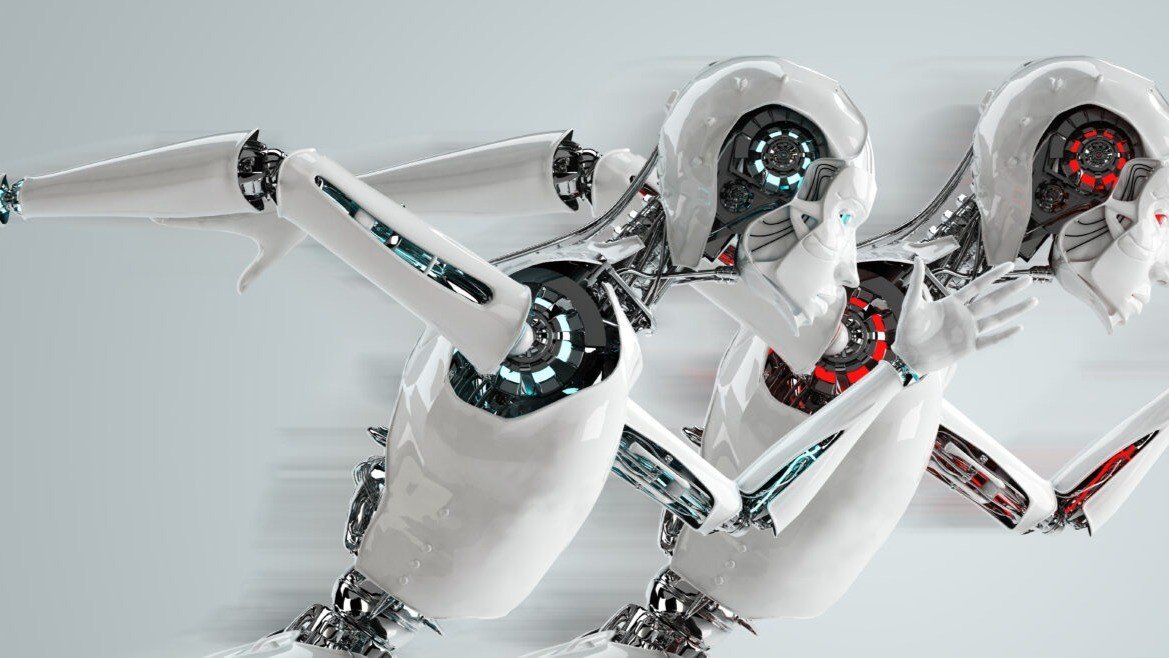
The AI-Driven Future: Robots, Rockets, and Radical Economic Shifts
Unlocking abundance through automation—why humanoid bots and self-driving tech could reshape everything from factories to Mars colonies.
Automation technologies are advancing at a breakneck pace, promising to slash costs for labor and transportation while opening up entirely new frontiers. From factories running 24/7 to cities deploying robot fleets for public services, these developments could drive unprecedented economic growth. Yet they also raise pressing questions about job displacement and societal stability. Here's what tech enthusiasts need to know about the emerging landscape.
Key Takeaways
Humanoid robots are poised to handle tasks like assembly, delivery, and chores at a fraction of human labor costs, potentially dropping to $3-5 per hour equivalent over time.
Self-driving vehicles could reduce transportation expenses to under 40 cents per mile, enabling innovative business models like mobile salons or on-demand services that come directly to consumers.
High-volume production of robots, spurred by early adopters like space exploration programs, will lower unit costs to $20,000-30,000, making them accessible for widespread use in warehouses, manufacturing, and urban revitalization.
Mars colonization efforts will rely heavily on robot labor to build infrastructure in harsh environments, funded by satellite internet revenues and creating a feedback loop for tech scaling.
While new sectors emerge in AI maintenance, space tech, and customized services, significant job losses in driving and manual labor are likely, overlapping with existing economic frustrations and potentially fueling social tensions.
Governments and companies could deploy robot fleets to aid underserved communities, repairing infrastructure and boosting local economies without ongoing wage expenses.
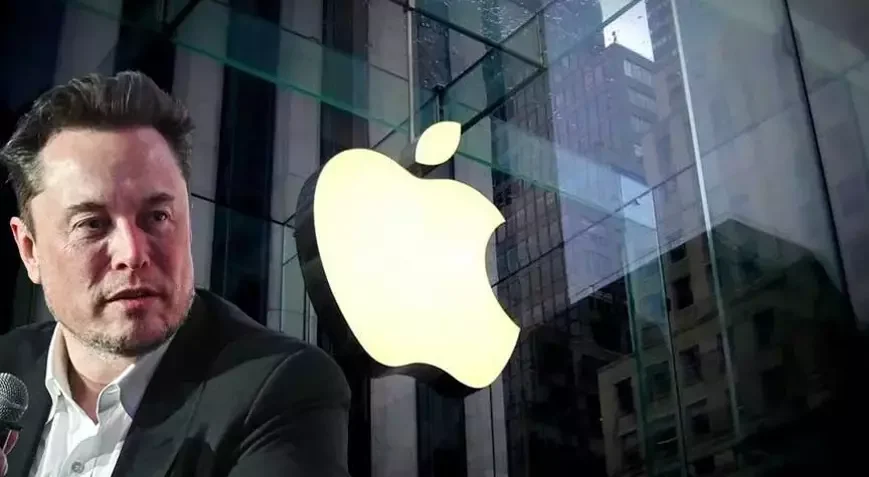
Elon Musk's Next Big Move: Acquiring Apple to Ignite the AI Revolution
Revolutionizing Personal Tech with Secure Data, Robotics, and Space Ambitions
Imagine transforming a trillion-dollar tech giant from a comfortable cash machine into a powerhouse of AI innovation. Acquiring Apple could give Elon Musk access to billions of users' private data to build personalized digital twins, automate global manufacturing, and generate massive cash flows to fuel projects like autonomous vehicles and Mars exploration—all while doubling the company's value through bold reinvention.
Key Takeaways
Apple's innovation has stalled, with products like Vision Pro underperforming and reliance on incremental iPhone updates leading to stagnant growth.
The company's true asset is its ecosystem of over a billion users' private data, which could enable secure AI-powered digital twins for personalized experiences across devices.
Musk could gain control with a 10% stake, valued around $350 billion, by leveraging his companies' combined worth, investor alliances, and banking relationships.
Shifting manufacturing from China through automation would reduce dependencies, while integrating Musk's AI like Grok could supercharge Apple's hardware.
Redirecting Apple's $110 billion annual cash flow from buybacks and dividends to R&D could double revenues, fund ambitious ventures, and attract growth-oriented investors.