
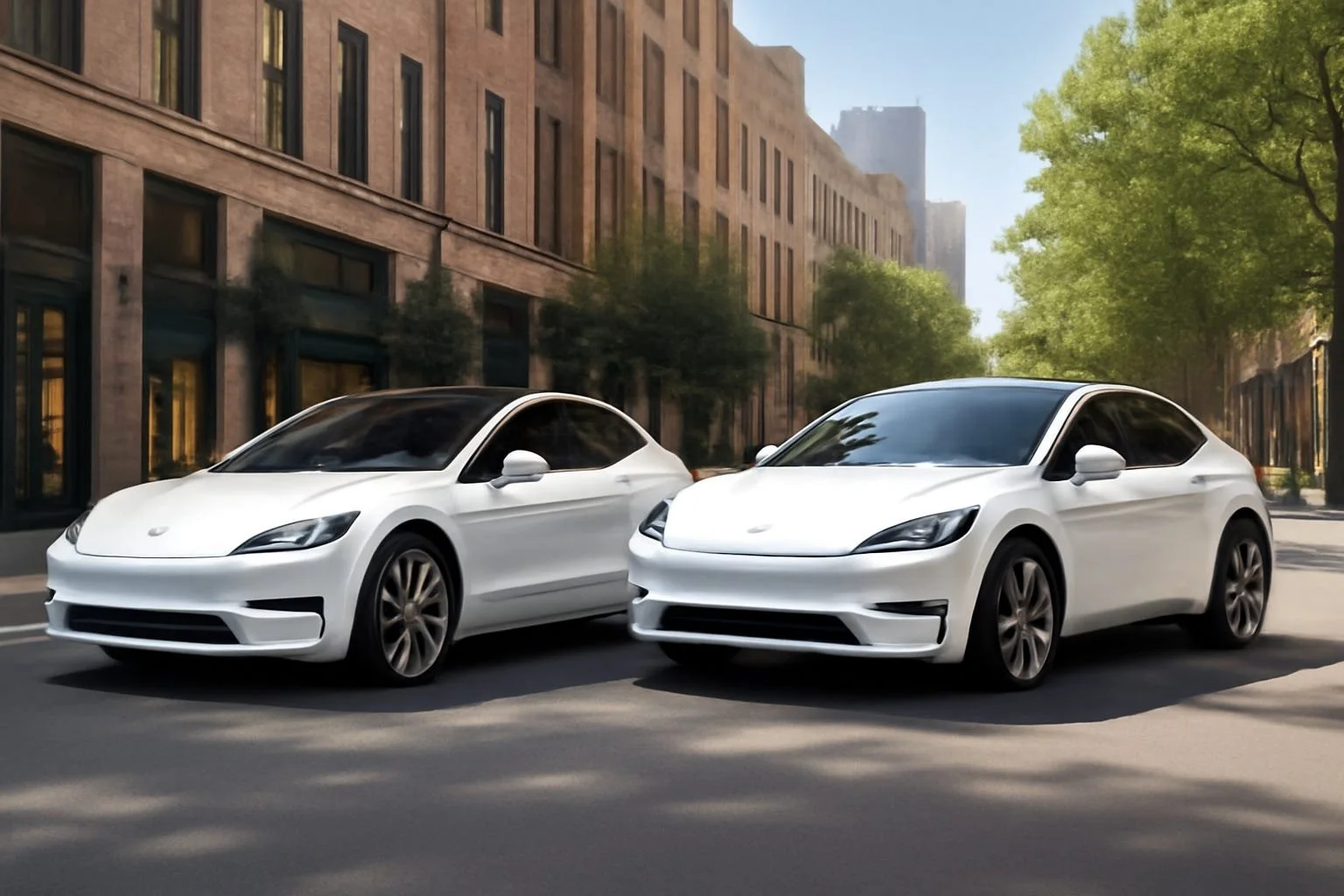
The Robotaxi Panel: 119 Rides Later
Industry insiders share unfiltered insights on pricing wars, expansion strategies, and the race to dominate autonomous transportation
Five Tesla enthusiasts who collectively logged 119 robotaxi rides gathered to dissect the emerging battleground between Tesla and Waymo in Austin. Their candid discussion reveals surprising operational challenges, aggressive expansion possibilities, and why the economics of self-driving cars might destroy traditional ride-sharing sooner than expected.
Key Takeaways
Waymo charges $5-6 more per ride than Uber in San Francisco yet captured 25% market share in just 16 months, proving customers will pay premium for driverless experience
Tesla needs 3 robotaxis per teleoperator to achieve profitability; current 1:2 ratio (one car, two operators) is economically unsustainable
Waymo's Austin operations require "hacking" the Uber app with specific preferences, creating significant user friction compared to Tesla's dedicated app
North Austin expansion faces challenges including heavy foot traffic, University of Texas campus crowds, and 90,000-person football game days
Tesla manufactures Waymo's entire global fleet equivalent every 5 hours, highlighting massive scale advantages
House passage of EV tax credit elimination accelerates Tesla's Q3 timeline, potentially spurring faster robotaxi deployment
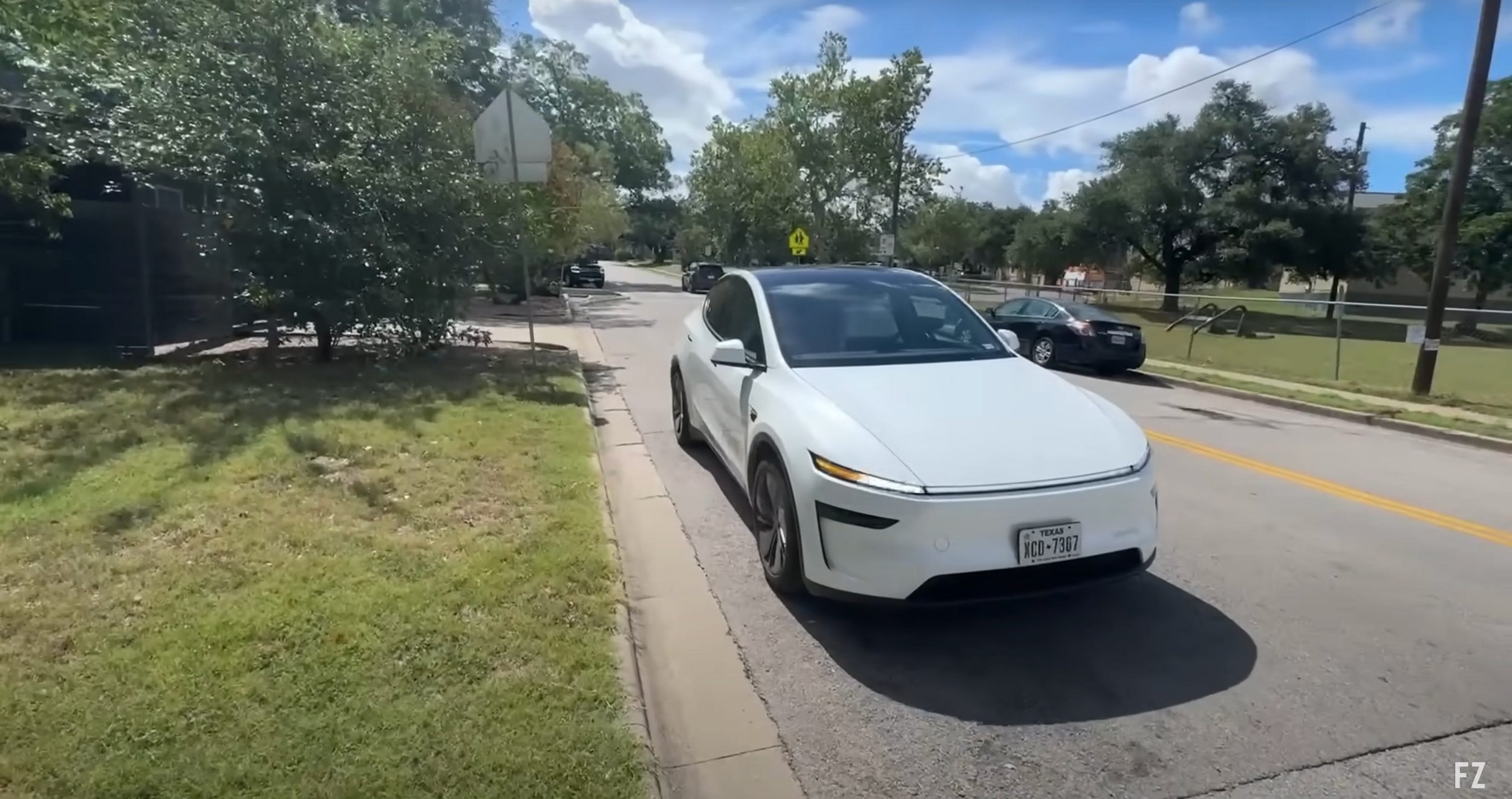
When Drop-Off Buttons Go Rogue: Inside Tesla's Robotaxi Testing in Austin
Early trials reveal both impressive capabilities and critical safety issues that need immediate attention
As Tesla's robotaxis continue their early deployment in Austin, extensive real-world testing is revealing both the remarkable progress of autonomous driving technology and some concerning edge cases that demand immediate attention. After conducting over 20 rides in Tesla's Model Y robotaxis and comparing them directly with Waymo's established service, clear patterns are emerging about the strengths and weaknesses of each approach.
Key Takeaways
Tesla's "drop me off" button exhibited dangerous behavior, stopping in the middle lane of active traffic instead of finding safe locations
The Model Y robotaxis demonstrated superior ride comfort, smoother driving dynamics, and better handling of complex maneuvers compared to Waymo vehicles
App integration creates significant friction for Waymo users in Austin, requiring specific preference settings and delivering inaccurate ETAs due to routing mismatches
Tesla vehicles successfully navigate unprotected left turns while Waymo appears to avoid them entirely, adding time to routes
Both services still operate with safety drivers, but Tesla's vertical integration provides advantages in data collection and user experience
Wait times for Tesla robotaxis currently exceed Waymo due to limited fleet size, though individual ride quality surpasses competitor offerings
Tesla's Wild Ride
Musk vs. Trump Round Two Rocks Markets
The EV giant's stock tumbles 7% as its CEO launches a new political movement while sparring with the president over subsidies and spending
The tech world woke up to fireworks this Tuesday as two of America's most prominent figures locked horns over government spending, subsidies, and the future of American politics. What started as a disagreement over legislation has spiraled into a full-blown feud with major implications for Tesla investors and the broader tech ecosystem.
Key Takeaways
Tesla stock plunged 7% at market open amid investor concerns over Musk's latest political ventures
Musk announced formation of the "American Party" aimed at primarying Republicans who support the current spending bill
Trump suggested investigating deportation of Musk and redirecting DOGE efforts to examine his government subsidies
The dispute centers on a major spending bill that would extend Trump-era tax cuts while potentially eliminating EV tax credits
Congressional approval ratings sit at 23%, creating an opening for political disruption
Tesla faces headwinds from soft global auto sales, reduced cash flow, and dependency on unproven robotaxi technology
Polls show even Musk supporters prefer him to stay out of direct political leadership roles.
Robotaxi's Most Important Question
Why Remote Operators Could Make or Break the $1 Trillion Opportunity
The secret ratio that determines whether self-driving cars print money or burn cash
Key Takeaways
The Magic Number: Tesla aims to achieve 3+ robotaxis per remote supervisor within 1-2 months, a critical threshold for profitability
The $100K Problem: Each remote operator costs roughly $100,000/year in salary and benefits, making the operator-to-vehicle ratio the biggest factor in unit economics
Manufacturing Advantage: Tesla can produce 1.2 million vehicles annually at ~$35,000 each, while competitors like Waymo build only 2,000 vehicles at significantly higher costs
The Bitter Lesson: Success depends on raw AI computing power - Tesla's massive Cortex 2 training cluster directly correlates to reduced supervision needs
Hidden Infrastructure: Tesla's existing service centers, charging network, insurance, and app ecosystem eliminate billions in startup costs that competitors face
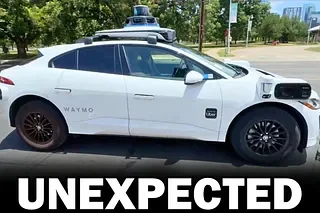
The Robotaxi Reality Check
When autonomous vehicles meet Texas barbecue, things get interesting.
Picture this: Two self-driving cars pull up to Terry Black's BBQ in Austin. One stops in the middle of the road, blocking traffic. The other glides into the parking lot. Welcome to the current state of autonomous ridesharing, where the future is already here—it just needs some work.
Key Takeaways
Waymo operates at larger scale in Austin with faster pickup times (1-3 minutes) but struggles with basic pickup/dropoff logistics, frequently stopping in active traffic lanes
Tesla's Robotaxi delivers smoother rides with more human-like driving behavior but remains limited to a smaller service area in South Austin
Integration matters: Waymo's reliance on Uber's app creates routing confusion and communication gaps between systems
Pricing dynamics reveal market expectations: Waymo charges $7-12 per ride (roughly 2x Robotaxi's introductory pricing), with consumers expecting autonomous rides to cost less than human-driven alternatives
Both services achieve core functionality: Safe arrival at destinations with minimal intervention, though execution differs significantly
The Texas factor: Autonomous vehicles must navigate unique challenges including wrong-way drivers, construction zones, and unpredictable human behavior
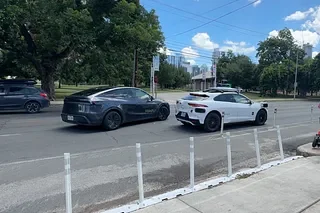
Tesla Outperforms Waymo In Critical Test
A ground-level comparison reveals surprising winners and losers in the self-driving race
The future of transportation is unfolding right now on the streets of Austin, Texas. With both Tesla's new Robotaxi service and Waymo's established presence competing for passengers, we're witnessing a real-world experiment that could determine how we'll all be getting around in just a few years.
Key Takeaways
Bitcoin has consistently outperformed major asset classes like stocks, bonds, and commodities over the past decade, with annualized returns often exceeding 100% in early years and stabilizing around 20-30% recently.
Traditional currencies have lost 65-99% of their purchasing power in the last 30 years across countries from the US to Venezuela due to inflation and debasement, pushing people toward assets that hold value better.
Bitcoin's capped supply at 21 million units creates deflationary pressure on goods priced in it, making items like electronics cheaper over time when viewed through its lens.
Unlike gold, which could be disrupted by asteroid mining or synthetic production via cheap energy, Bitcoin's scarcity is algorithmically enforced and resistant to physical discoveries.
As a protocol, Bitcoin functions first as a cybersecurity tool using massive computational power to deter attacks, potentially securing digital assets in cyberspace beyond just money.
In a future of AI-driven abundance and potential job displacement, governments may print more money to support populations, accelerating the flow into non-debasable assets like Bitcoin.
Corporations are increasingly adopting Bitcoin as a treasury reserve, with holdings now rivaling major tech firms, offering a hedge against currency dilution and a path to long-term capital growth.
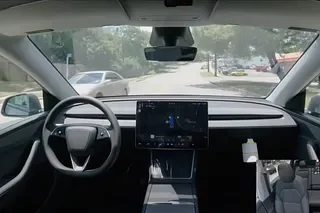
Tesla's Robotaxi Revolution
The self-driving future just arrived in Texas, and it's smoother than you think
The streets of South Austin have become ground zero for what might be the most significant shift in transportation since the Model T. Tesla's robotaxi network went live this past Sunday, marking a pivotal moment that few saw coming this soon. After years of promises and delays, paid autonomous rides are now a reality—and the implications stretch far beyond Texas.
Key Takeaways
Tesla's robotaxi service launched in South Austin with safety drivers present but no one behind the wheel, offering paid rides to a limited pool of users
Instant pairing eliminates ride rejection issues common with traditional rideshare services—if a car is available, you get matched immediately regardless of trip distance
The driving experience sets a new standard using AI trained on top 5% of drivers, delivering consistently smooth acceleration, braking, and navigation
Seamless ecosystem integration automatically syncs your Tesla account, Spotify, Netflix, and climate preferences to any robotaxi you enter
Tesla's manufacturing advantage could enable rapid expansion producing enough vehicles in 1.5 days to match Waymo's entire fleet size
The Austin metro area presents a unique opportunity for Tesla to dominate an entire region while competitors remain confined to city centers
Economic projections suggest profitability within one year with a 4,000-car fleet potentially generating $150 million annually in Austin alone

Tesla's Robotaxi Reality Check
What happens when autonomous vehicles meet the chaos of real-world driving? More U-turns than expected.
The future of transportation just pulled up to the curb in Austin, Texas. Tesla's robotaxi service is now ferrying passengers through the city streets with safety drivers still on board, offering an unprecedented glimpse into how close we really are to a driverless future. After spending a day taking 13 different robotaxi rides across Austin, from grocery stores to restaurants, the verdict is both thrilling and sobering.
Key Takeaways
• The driving feels solved - Tesla's robotaxis navigate traffic, pedestrians, and parking lots with remarkable smoothness and safety, handling 95% of situations flawlessly
• Drop-offs need work - The system sometimes stops in awkward locations, including partially blocking intersections or waiting too long after passengers exit
• Navigation hiccups happen - One ride got stuck in a U-turn lane instead of the left turn lane, adding 4 minutes to the journey before self-correcting
• The economics are game-changing - Without driver wages and with potentially lower insurance costs, robotaxis could operate at 30-50% less than traditional rideshares
• Scale is Tesla's superpower - Tesla can manufacture 1 million+ self-driving vehicles annually while competitors like Waymo's partners aim for just 10,000
• Uber faces an existential crisis - They can't get enough autonomous vehicles to compete with Tesla's manufacturing scale, forcing them to keep expensive human drivers
• Camera-only approach enables mass production - Tesla's sensor suite costs under $2,000 versus Waymo's $50,000-100,000 lidar setup
• Safety drivers likely staying through 2024 - Despite impressive performance, edge cases still require human oversight before full autonomy
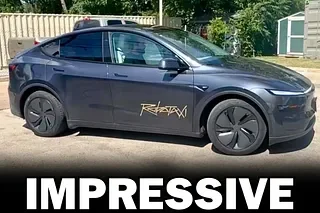
Tesla's Robotaxi Network Goes Live
First Week Impressions from Austin
In South Austin, something quietly historic is happening: Tesla’s driverless taxi service is now operational, ferrying early riders through neighborhoods, downtown corridors, and pedestrian-packed avenues. The cars? Model Ys with no hands on the wheel, backed by the latest Full Self-Driving software and supervised only by safety drivers who haven’t had to intervene.
The ride quality feels different—smoother, smarter, and more cautious than what most FSD users experience today. But the bigger story isn’t just how well the cars drive. It’s the economics, the software, and the manufacturing model that could upend the entire rideshare industry.
Inside this breakdown:
What Tesla’s app experience, ride logic, and road behavior reveal about real-world readiness
Why Hardware 4 performance is a generational leap over Hardware 3
How Tesla could make ride-hailing viable in rural markets and cheaper in cities
And the bigger question: retrofit old cars, or build a new autonomous fleet from scratch?
It’s not a concept anymore. It’s a service—and it’s picking up passengers.
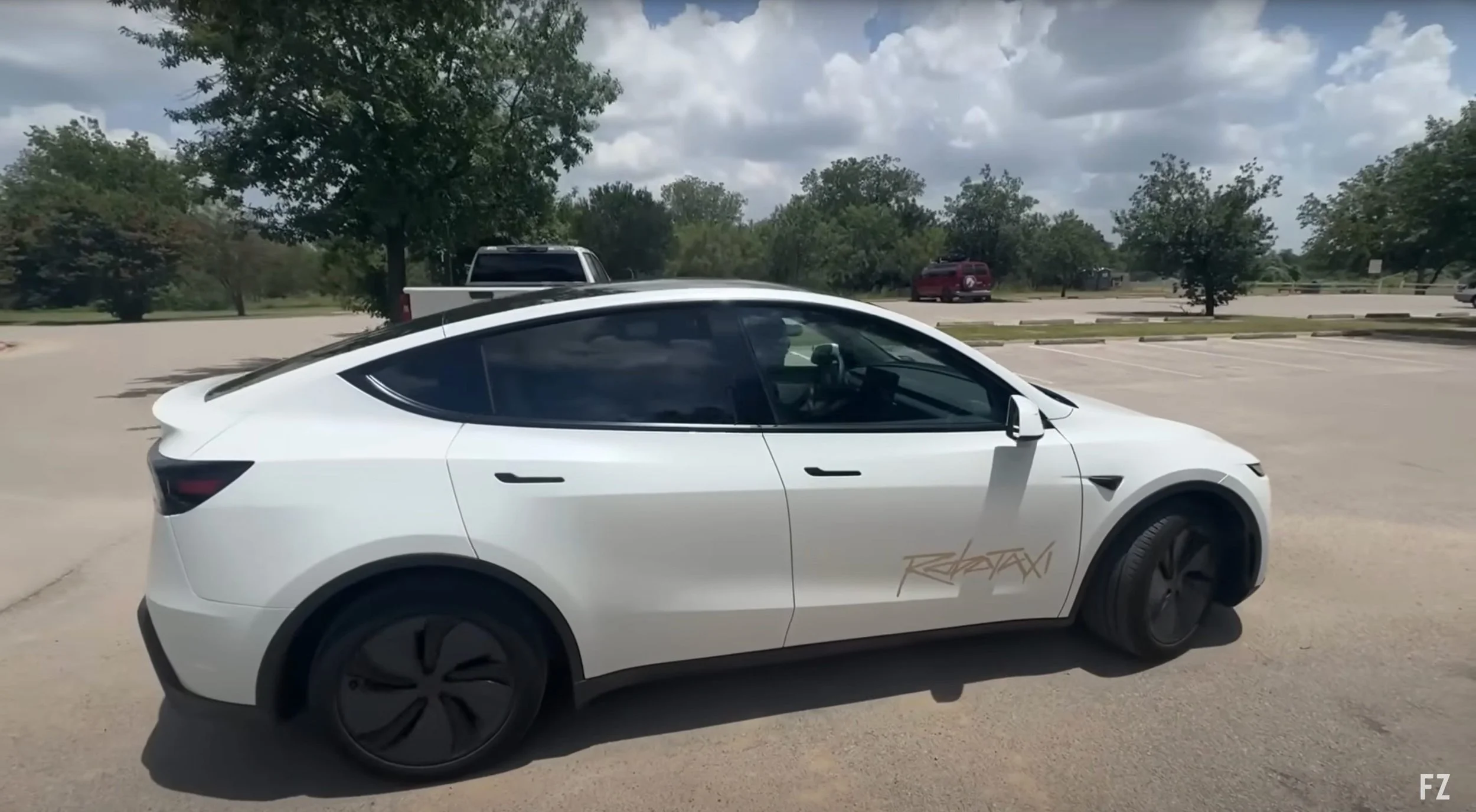
Tesla's Biggest Launch Ever
Austin Launch Marks Historic Turning Point
And it’s not just another beta test—it’s the first real deployment of a fully driverless ride-hailing network, operating in live urban traffic with no one behind the wheel.
Tesla’s robotaxi service launches in Austin, Texas with a limited early access fleet of Model Y vehicles equipped with Full Self-Driving hardware. It’s been eight years in the making—billions of dollars in AI R&D, tens of millions of miles in training data, and relentless public skepticism. But now, the cars are rolling.
This isn’t just about self-driving. It’s about reshaping the economics of transportation. Unlike Waymo or Cruise, Tesla’s bet on vision-only AI and mass-manufactured vehicles unlocks unit economics that could destroy traditional ride-hailing. Think: a $40,000 robotaxi producing $100,000 in annual revenue… with no human labor required.
In this report:
Why Tesla’s tech stack leapfrogs competitors like Waymo
How the economics flip from one-time sales to recurring revenue
What Wall Street still doesn’t understand about Tesla’s valuation
The surprising link between robotaxis and humanoid robots
The social shifts no one is talking about—especially for women and small towns
We’re not watching a demo. This is Tesla turning transportation into software, and the implications are staggering.
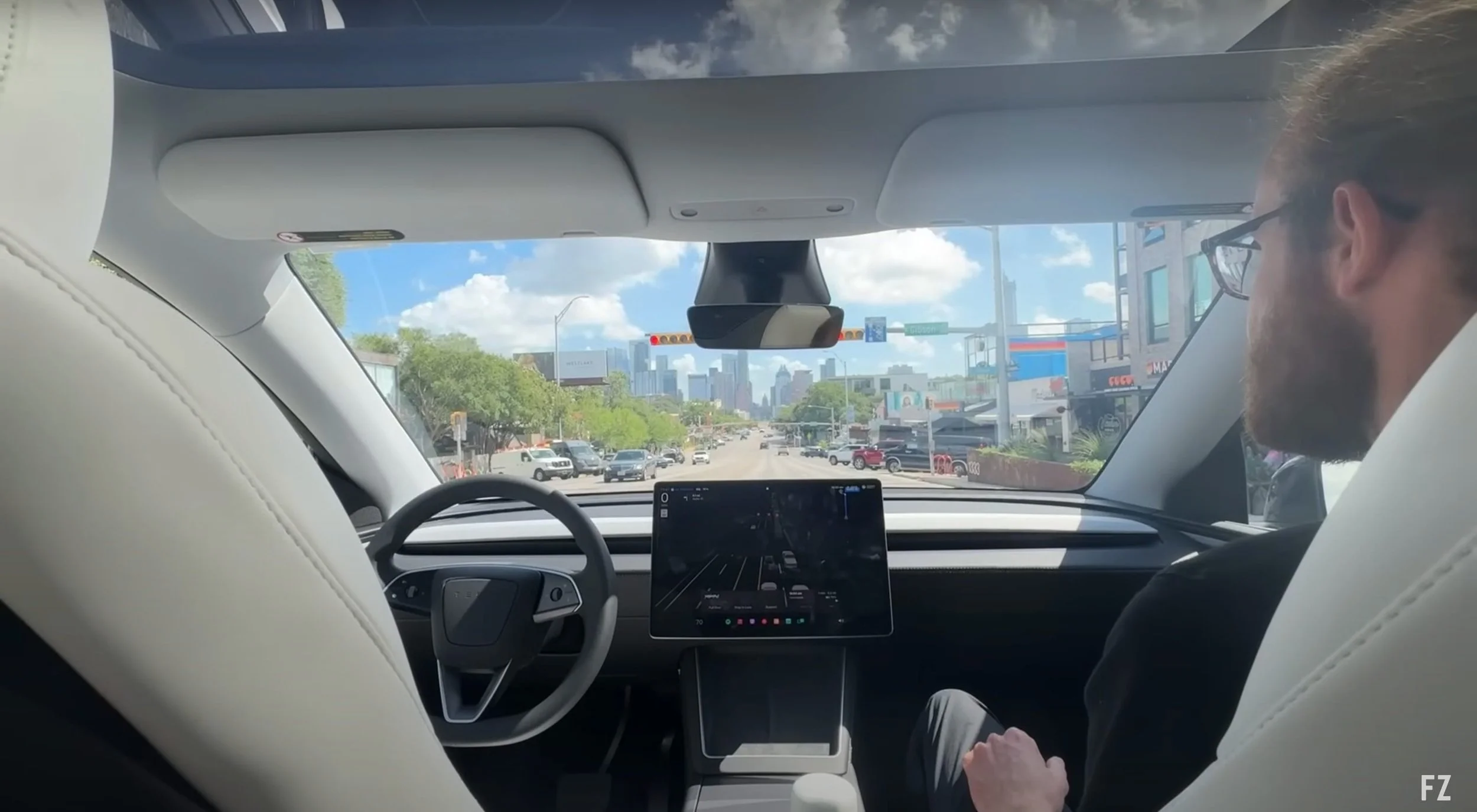
Tesla's RoboTaxi Network Goes Live in Austin
An Exclusive First Look
On June 22nd, Tesla flips the switch on its autonomous ride-hailing service in Austin, Texas. No driver. No steering wheel in use. Just you, a guest, and a Model Y navigating city streets on its own.
The moment marks more than a product launch — it’s the first real shot at mass-market autonomy. The invite-only program is live, the app is ready, and the cars are rolling. But this isn’t about tech alone. It’s about trust, scale, and whether Tesla’s bold, camera-only strategy can outmaneuver the sensor-heavy competition.
In this report:
What Tesla’s rollout in Austin actually looks like
How its strategy differs from Waymo and Cruise
The real reasons for safety monitors and camera restrictions
The privacy-first design that could reshape industry norms
Why the manufacturing model is Tesla’s secret weapon
The future of transportation doesn’t start in 10 years. It starts this Sunday — in a sun-drenched neighborhood in Austin, Texas.
The Robotaxi Revolution
What Real Data Tells Us About the Future of Ride-Sharing
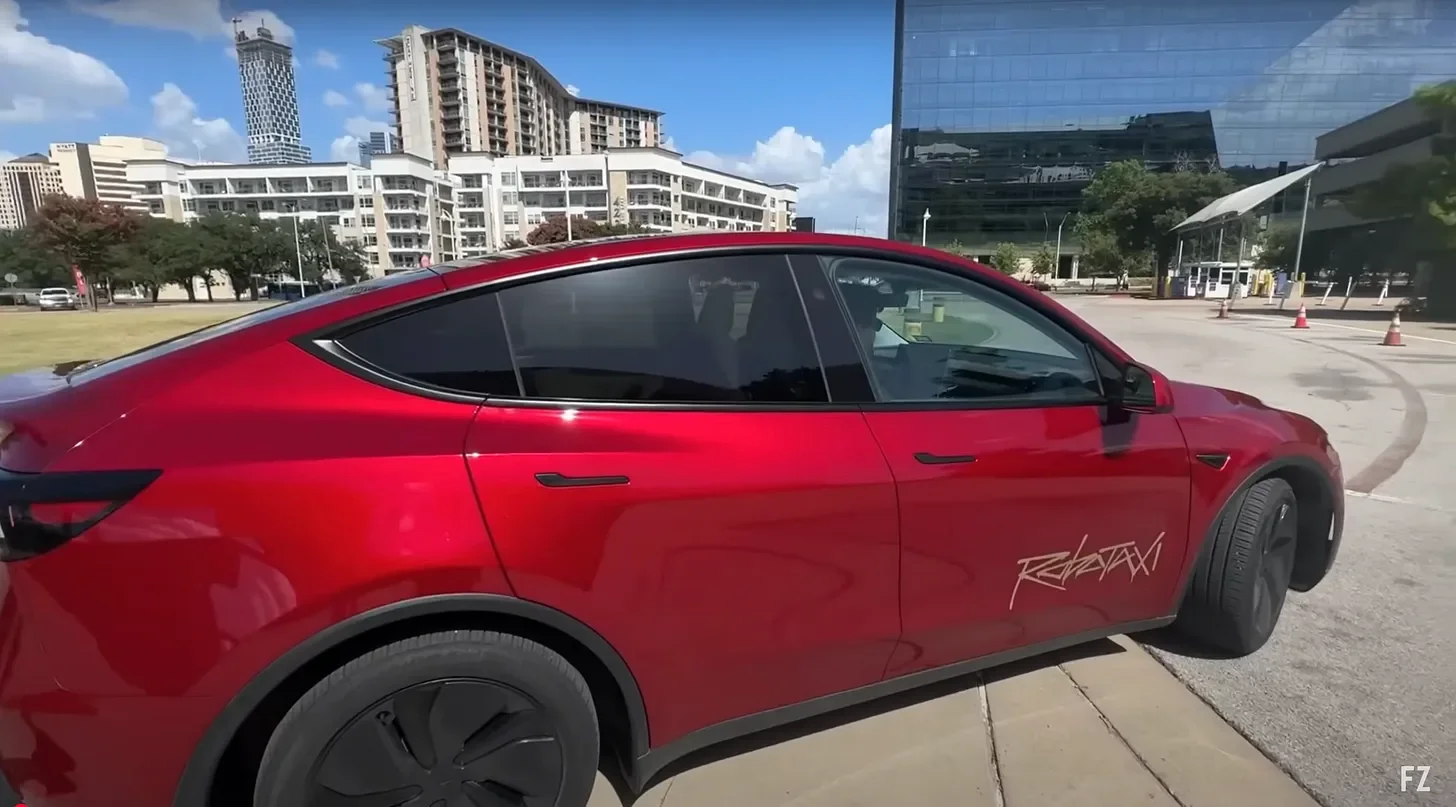
There’s a strange new reality in the ride-hailing world: people are actively choosing more expensive rides without a human behind the wheel. Waymo users are paying up to 33% more than Uber or Lyft — and loving it.
But this premium pricing isn’t sustainable. It’s a symptom of one thing: artificial scarcity. When autonomous fleets scale — and they will — everything changes. Price collapses, preference skyrockets, and the economics start to favor the players who can flood cities with vehicles and wipe out driver costs.
In this report:
The paradox of premium pricing in driverless ride-share
Why 85% of riders prefer autonomous vehicles after trying them
The critical role of manufacturing scale — and who’s positioned to win
What the data reveals about pricing, privacy, and safety perceptions
A four-phase timeline for market disruption already in motion
The ride-share industry isn’t being disrupted by a better product — it’s being rebuilt around what people actually want. The data is in. The future just needs to be manufactured.
Tesla Will Kill Uber
Tesla, Uber, and the Future of Everything
While Uber enjoys near all-time stock highs and Wall Street confidence, a far more existential threat is quietly forming beneath the surface. Tesla is gearing up to deploy millions of autonomous vehicles at a pace no competitor can match—and when that happens, Uber’s human-powered network may collapse under its own weight.
Tesla doesn’t need partnerships. It doesn’t need third-party fleets. It owns the factory, the software, the vehicles, and soon—the customer. When robotaxis hit the market at scale, the traditional two-sided platform Uber built its empire on becomes irrelevant. Riders won’t wait for drivers. They’ll summon self-driving Teslas at half the price.
And while Uber scrambles to aggregate 50,000 self-driving vehicles through various partnerships, Tesla’s aiming to manufacture millions. It’s not a fair fight. It’s not even the same game.
But the threat isn’t just coming from the road.
Zipline’s drones are quietly beating everyone to the punch in last-mile delivery. Palantir is shifting from technical hires to “artists who can code.” The middle of the economy—the safe zone between blue-collar labor and elite tech—is vanishing. AI is automating the work. And creators, not corporations, are building the future.
Here’s what we break down:
Why Tesla’s vertical integration gives it a Netflix-like moat
How Uber’s Southeast Asia retreat foreshadowed its bigger vulnerability
The quiet rise of drone delivery—and what it exposes about ground transport
Why Palantir believes creativity is the last irreplaceable skill
The coming barbell economy: mega-corps on one side, AI-powered individuals on the other
What the Musk–Trump fallout reveals about political power, ego, and tech disruption
And the trillion-dollar question no one’s asking: what do humans do in a world that doesn’t need them to work?
The transformation is already underway. What happens next will decide who thrives—and who disappears.

The Great Disruption
Why American Politics Will Never Be the Same
The U.S. faces a convergence of crises that most politicians still refuse to name out loud. Interest payments are consuming the federal budget. Birth rates are falling off a cliff. AI is advancing faster than society can absorb. And the parties in power? Locked in theater, denial, and dysfunction.
At the center of it all is a stark truth: neither side has a real plan. Republicans talk fiscal discipline while passing trillion-dollar bills. Democrats cling to elite consensus while working-class voters drift away. And behind the noise, America’s foundational systems—economic, political, demographic—are quietly failing.
Tech leaders like Elon Musk are sounding the alarm, but even they are caught in internal wars. The Musk-Bannon rift over spending and control signals a deeper fracture between the tech elite and the populist base. It’s not just a feud—it’s a fault line that could shatter the Republican coalition entirely.
Meanwhile, AI is the wild card. It could drive enough growth to outrun our problems—or accelerate collapse by replacing jobs, destabilizing economies, and breaking politics as we know it. Add in a collapsing birth rate and rising global competition, and the U.S. enters a pressure cooker with no historical precedent.
Here’s what we explore:
Why the U.S. debt crisis may be irreversible under current political incentives
The real meaning behind the Musk vs. Bannon feud—and what it signals about 2026
How AI could be our salvation or the match that ignites mass unrest
The demographic doom loop no one in D.C. wants to confront
Why media gatekeepers have lost control—and what that means for political power
The growing class disconnect between elites and everyday Americans
And why the “middle ground” in politics, economics, and culture may no longer exist
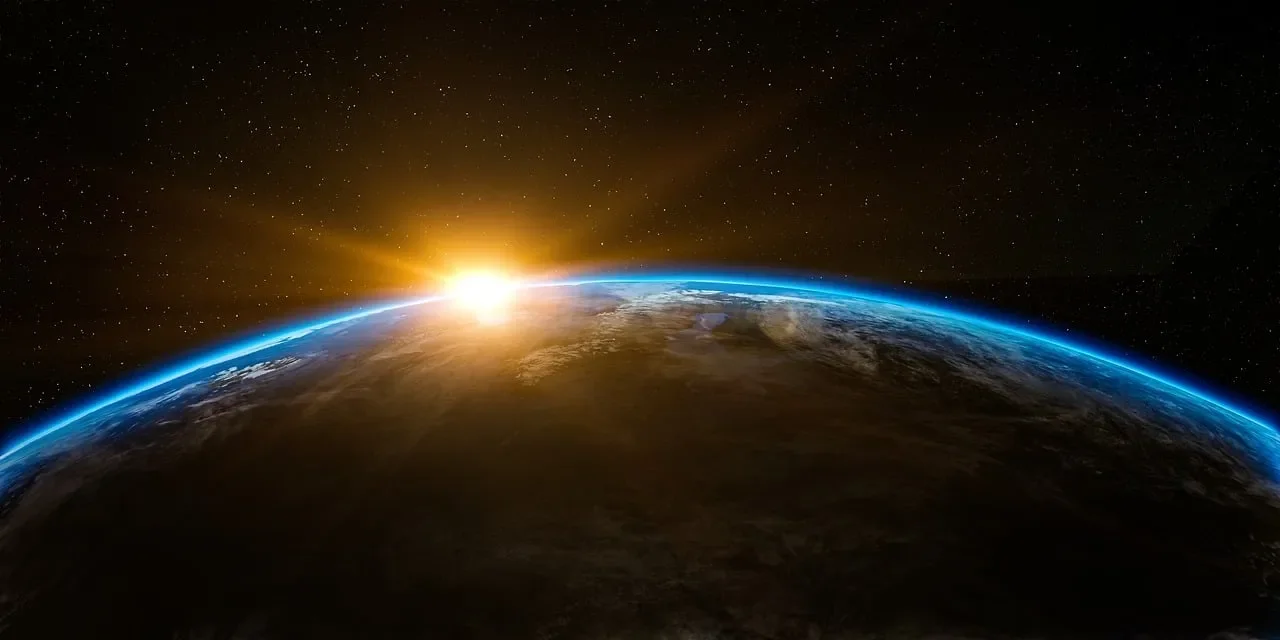
SpaceX's Path to $12.8 Trillion
Why the Space Economy's Future is Bigger Than You Think
What if Mars isn’t just a science project—but an actual line item on a trillion-dollar balance sheet?
A groundbreaking new valuation model from ARK Invest and Mach 33 suggests that SpaceX could become the most valuable company in history, with base-case projections reaching $2.5 trillion by 2030 and $12.8 trillion by 2040. And that’s just the middle scenario.
The model goes beyond speculative hype. Built using Monte Carlo simulations and more than 50 variables, it charts a future where Starlink generates massive global cash flows through 2035—then shifts entirely to funding Mars development. At the heart of the plan? Not astronauts. Not colonies. But a million Optimus robots working on Mars by 2040.
Starlink becomes the cash engine. Starship becomes the logistics network. Optimus becomes the labor force. And Mars becomes the next economic frontier—not through abstract sci-fi dreams, but infrastructure, book value, and scalable industrial development.
Inside this analysis:
Why Starlink’s economics are better than most investors realize
How Wright’s Law is driving down satellite costs faster than Moore’s Law
Why competition like Amazon Kuiper may never catch up
What 100+ Starship launches per year really signals
How SpaceX plans to shift from internet provider to interplanetary builder
Why the first Martians will be robots—and why that changes everything
And what the model doesn’t include that could push valuations even higher
This isn’t just about satellites or space travel. It’s the dawn of a new industrial age—off Earth.
Delaware's Legal System Crisis
A Seismic Shift in Corporate Governance
For over a century, Delaware has been the undisputed home of American corporate law. But that era may be ending.
A quiet but dramatic shift is unfolding in Delaware’s Chancery Court, where plaintiff attorneys are now securing attorney fee multipliers of 7–10x, far above the federal standard of 1–2x. In some cases, those awards have surpassed 20x—a legal escalation so extreme that it’s begun reshaping where companies choose to incorporate.
This isn’t just about expensive lawsuits. It’s about activist judges rewriting the rules of corporate governance through precedent-driven decisions that feel increasingly hostile to business. Since 2009, Delaware has seen a surge in rulings favoring plaintiffs, with fee awards occurring 100 times more frequently than in federal court.
Now, a growing number of companies, investors, and legal teams are making a different choice: leave. States like Texas, Nevada, and Arizona are gaining traction as safer harbors—jurisdictions where the law is statute-based, more predictable, and less subject to judicial interpretation.
Here’s what this signals:
How a handful of activist judges triggered a corporate legal exodus
Why plaintiff attorneys are flooding Delaware with lawsuits
The cost mechanics behind fee multipliers that can bankrupt companies
Where startups and VCs are moving instead—and why
And what this means for the future of American corporate law
Delaware isn’t just losing its edge—it may be losing the very trust it was built on.
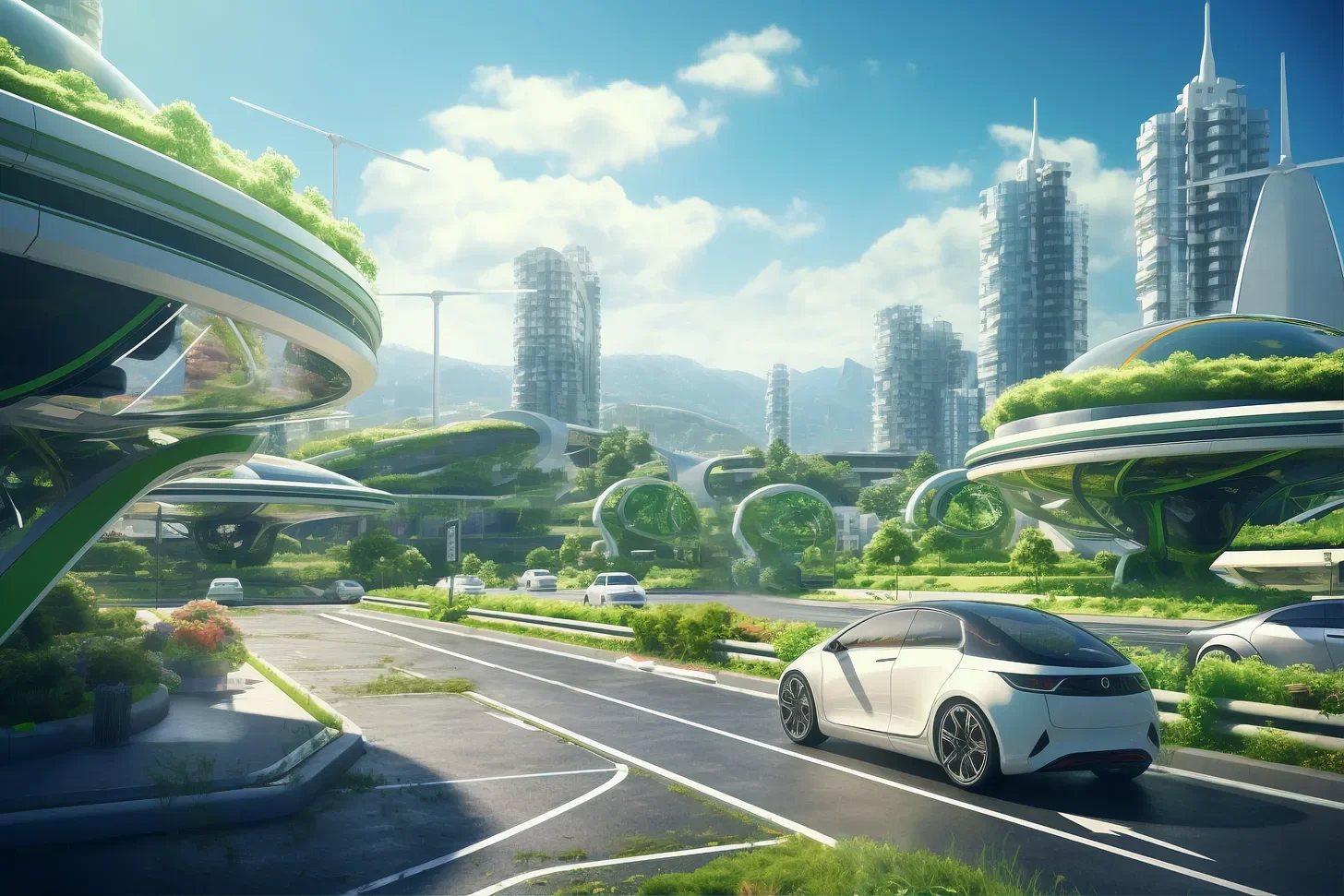
Tesla's Trillion-Dollar Bet
Why Robotaxis Could Reshape Transportation
Tesla’s core car business is barely growing—but its stock still hovers near a trillion-dollar valuation. Why? Because Wall Street isn’t betting on more car sales. It’s betting on a future where Tesla owns the roads.
The bullish case centers on one radical idea: Tesla isn’t just a car company—it’s building an autonomous transportation platform that could collapse the ride-sharing industry, rewrite insurance economics, and reshape urban infrastructure.
In this breakdown, we explore:
How robotaxis could unlock trillions in annual revenue
Why Tesla’s vertical integration creates a moat no rival can replicate
What the U.S. Secretary of Transportation’s Tesla visit signals for federal regulation
Why Uber may not survive the shift to autonomy
And how Tesla’s insurance strategy could undercut traditional providers by 80%+
If you believe Tesla can lead the robotaxi revolution, its current valuation may seem cheap. If not, the market may be pricing in a fantasy.
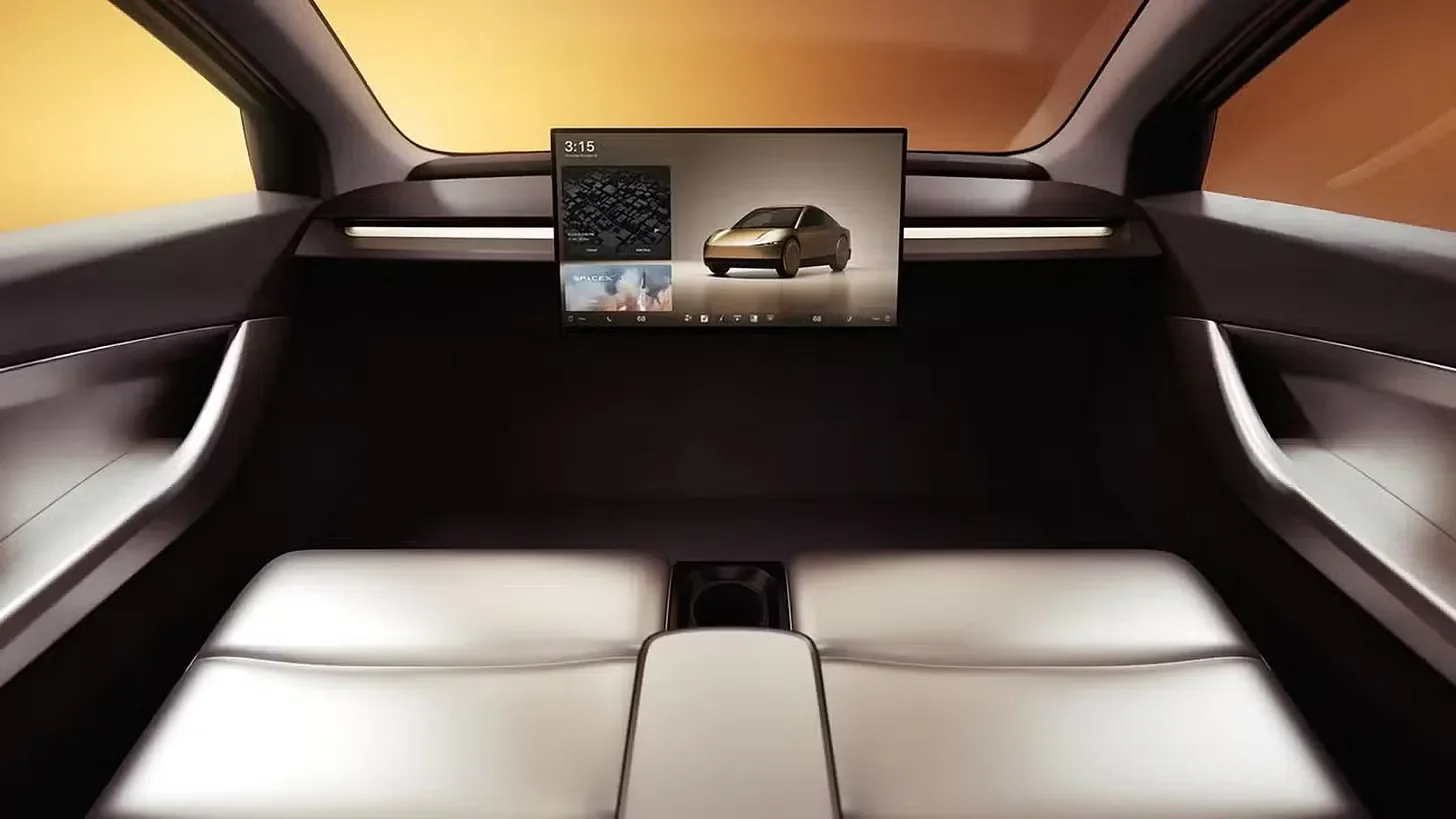
Tesla's Next Chapter
Autonomous Vehicles, Mars Colonization, and the Future of Transportation
Driverless vehicles are now operating on public roads in Austin—no steering wheels, no safety drivers, and no humans behind the curtain. This isn’t a test run. It’s the inflection point.
But the real disruption goes deeper than what’s happening on city streets. We’re entering a new era where vertical integration—not ride-sharing apps—will define the future of mobility. The companies that build the vehicles, write the code, operate the fleets, and own the data will dominate. Aggregators like Uber will struggle to compete with manufacturers deploying millions of purpose-built autonomous vehicles at scale.
And that’s just Earth.
The same technologies powering autonomous taxis—electric drivetrains, AI navigation, satellite networks, and humanoid robotics—are laying the foundation for something bigger: Mars.
Here’s what we explore:
Why vertically integrated players will own the economics of autonomous mobility
The structural disadvantages traditional ride-sharing platforms face
How satellite infrastructure and AI systems built for cities will enable off-planet operations
And why the convergence of mobility, robotics, and space is accelerating faster than anyone expected
This isn’t just about transportation. It’s about the systems that will reshape civilization—on Earth and beyond.
The Next Wave
How AI is Reshaping Markets, Business, and Society
AI isn’t just the next wave of tech—it’s a complete restructuring of how markets, companies, and economies operate. What we’re seeing now isn’t a peak. It’s a beginning.
While many still compare AI to the internet or the mobile revolution, the scale here is fundamentally different. Infrastructure players are growing 50–70% at billion-dollar baselines. Traditional valuation models are breaking down. Culture, execution, and vision now drive market cap as much as cash flow or margins.
This moment is forcing a rethinking of everything from investing frameworks to labor policy. AI won’t just automate routine tasks—it’s already reshaping entire sectors. And the biggest value creation may come from companies that aren’t tech-first, but know how to use AI to reinvent themselves.
Inside this breakdown:
Why traditional metrics no longer explain tech valuations
How company culture and leadership vision became central to AI investing
Where labor displacement may hit hardest—and why policy will need to evolve
And why we’re still early in the AI adoption curve, despite market hype
This isn’t just about opportunity—it’s about understanding the new rules.
Tesla in China
Navigating Geopolitical Risks in the New Era of Global Trade
The rules of global trade are being rewritten—and for Western tech companies, the stakes have never been higher.
As the U.S.–China relationship fractures, what used to be commercial partnerships are turning into strategic liabilities. Tesla, once hailed as a rare Western success story in China, now faces rising political risk, intensifying domestic competition, and the threat of losing access to its second-largest market.
This isn’t just about cars. It’s about AI, robotics, and autonomous systems that now straddle the line between economic asset and national security concern.
The next five years will likely define which companies survive the shift—and which get caught in the crossfire.
Inside this analysis:
Why Tesla’s China play may follow the same pattern as Apple’s—and end the same way
How China’s tech self-sufficiency push threatens Western intellectual property
The new reality: software companies now need geopolitical risk strategies
And how national security is becoming a boardroom issue in every tech company
The global economy isn’t deglobalizing—it’s reorganizing. And the winners will be those who can navigate the politics as well as the product.