

Tesla's Robotaxi Revolution: Accelerating Autonomy in Austin and Beyond
Redefining Urban Mobility with Self-Driving Tech at Scale
Tesla's rapid rollout of its Robotaxi network in Austin marks a pivotal shift in autonomous transportation, blending AI-driven expansion with practical strategies to navigate regulatory landscapes. This development unlocks new ways for everyday users to experience self-driving vehicles, from city-wide coverage to affordable personal ownership models that could outpace fleet operations.
Key Takeaways
Tesla's Robotaxi network in Austin expanded from a small South Austin area to cover about 80% of the city in just four months, now including high-traffic zones like the Domain in the northwest and a large portion of east Austin.
Current challenges include long wait times due to a limited fleet of around 18-20 vehicles, far short of the 50-100 needed to service the expanded area effectively.
The network uses standard Model Y vehicles, which Tesla produces at a rate of over 1.2 million units annually, enabling quick scaling once safety data supports it.
Regulatory limits cap production of steering-wheel-free vehicles at 2,500 per year without exemptions, pushing Tesla toward models with optional steering wheels and pedals to comply with federal and state rules.
Future strategy focuses on selling low-cost autonomous vehicles (around $20,000 to build) on subscription plans of $400-600 monthly, including maintenance, insurance, and self-parking features, potentially generating more revenue than robotaxi fleets in the next 3-5 years.
Advanced AI in the latest Full Self-Driving (FSD) software allows seamless operation across diverse U.S. environments, setting the stage for unsupervised autonomy that lets vehicles handle everything from parking to service visits independently.

Tesla's Cybercab Pivot: Unlocking Mass-Market Autonomy
Revolutionizing Affordable EVs with a Regulatory Twist
Tesla's upcoming Cybercab is set to reshape the electric vehicle landscape by blending cutting-edge autonomy with practical design adaptations, potentially delivering a sub-$30,000 car that drives itself without constant supervision. This move addresses production bottlenecks and regulatory hurdles, paving the way for high-volume sales starting in 2026.
Key Takeaways
Tesla plans to equip the Cybercab with a steering wheel and pedals if needed, allowing it to bypass strict U.S. regulations that cap driverless vehicle sales at 2,500 units per year.
This design flexibility positions the Cybercab as an affordable EV option below the Model 3's price point, targeting under $30,000 to expand market reach.
Production ramps up mid-2026 on a new assembly line with capacity for around 800,000 units annually, but regulations in the U.S., Europe, and China limit demand for fully driverless models without controls.
Tesla's advanced autonomy tech is nearing completion, enabling unsupervised full self-driving (FSD) capabilities that could make the Cybercab a game-changer for everyday commuting.
By adding traditional controls, Tesla avoids idle factories and maximizes output, drawing from past pivots like the Model Y to meet safety standards while pushing innovation.
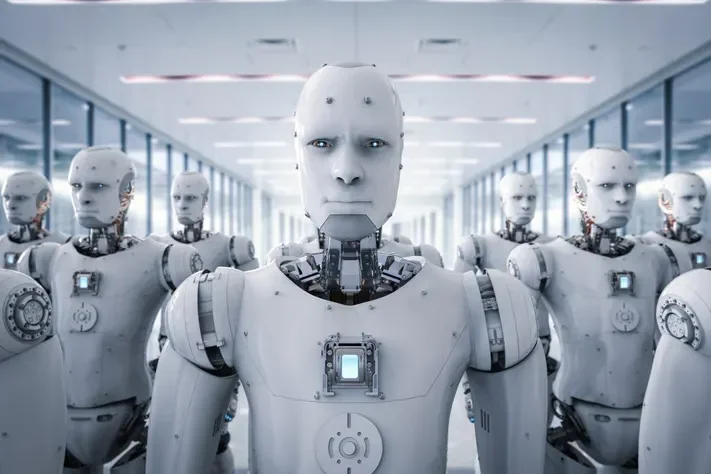
The Robot Revolution Is Here
Unlocking Abundance Through Humanoid Automation and AI
Humanoid robots stand poised to transform global economies by slashing labor costs and enabling unprecedented productivity, but the path forward demands careful navigation of job disruptions and societal shifts. This edition dives into how these machines could foster sustainable abundance on Earth while paving the way for interplanetary expansion.
Key Takeaways
Humanoid robots could triple the US workforce equivalent, allowing production of goods at scales 350 times current levels, with costs dropping to around $3 per hour for physical labor.
Transition periods may disrupt 40-50 million manual jobs in the US alone, requiring strategies like universal basic services to mitigate unrest and support retraining.
Robots excel at dangerous, repetitive tasks, from mining rare earths in extreme conditions to disaster cleanup, potentially reversing globalization by enabling localized production.
AI integration in vehicles and robots enables telepathic-like coordination among fleets, boosting efficiency in teams of machines or mixed human-robot groups.
Long-term visions include revitalizing degraded lands and communities through robot-led projects, reducing transportation friction, and achieving universal high income via abundant resources.

The AI Revolution Behind Self-Driving Cars: Tesla’s End-to-End Breakthroughs
Unveiling the tech powering autonomous vehicles and the future of robotics
Self-driving cars are no longer a distant dream—they’re hitting the roads, navigating complex scenarios, and transforming how we think about transportation. Recent advancements in AI, particularly Tesla’s end-to-end neural network approach, are pushing the boundaries of autonomy, making vehicles safer, smoother, and more intuitive. From robotaxi services to factory-to-home deliveries, these innovations are reshaping mobility and paving the way for broader robotic applications. Here’s a deep dive into the technologies driving this revolution and what they mean for the future.
Key Takeaways
End-to-End Neural Networks: Tesla’s shift to a single, large neural network eliminates traditional modular systems, enabling direct processing from raw sensor data to driving actions for smoother and safer performance.
Data Advantage: Tesla leverages its massive fleet to collect diverse, real-world driving data, refining models to handle rare and complex scenarios effectively.
Advanced Debugging Tools: Techniques like Gaussian Splatting and natural language prompts allow Tesla to interpret and debug neural network decisions, ensuring safety and reliability.
Simulation for Evaluation: Neural network simulators generate consistent, multi-camera video streams, enabling robust testing of edge cases and adversarial scenarios without real-world risks.
Scalability Across Platforms: The same AI technology powers Tesla’s vehicles, upcoming Cybercab, and Optimus humanoid robots, promising broad applications in robotics.
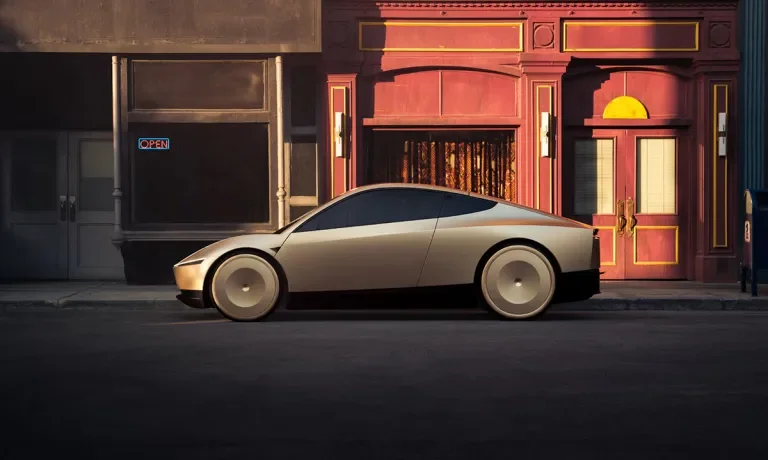
Tesla's AI Revolution: Betting Big on Autonomy and Abundance
Redefining Mobility, Energy, and Humanoid Robotics in a Post-AI World
Tesla is pushing boundaries in real-world AI, positioning itself as a frontrunner in transforming transportation, energy systems, and even daily life through advanced robotics. The company's aggressive expansion in production, coupled with breakthroughs in unsupervised full self-driving and humanoid robots, signals a shift toward a future of sustainable abundance where technology eliminates scarcity and makes work optional. These developments aren't just incremental—they promise to double energy outputs, create fleets of autonomous vehicles, and deploy millions of AI-powered robots.
Key Takeaways
Tesla leads in real-world AI density, enabling cars to operate as intelligent entities with 360-degree vision and reasoning capabilities for tasks like optimal parking.
Unsupervised full self-driving is on track for rollout in multiple U.S. states by year-end, with robotaxi operations expanding to 8-10 metro areas, prioritizing safety through cautious deployment.
Optimus humanoid robots are advancing rapidly, with production scaling to millions annually, focusing on dexterous hands and vertical integration to overcome supply chain gaps.
AI chip designs like AI5 promise 40x performance gains over predecessors, optimized for Tesla's stack, potentially creating oversupplied compute for distributed inference fleets.
Energy storage via Megapacks could double U.S. energy output without new power plants, integrating substation features for faster deployment.
Cybercab production starts in Q2 2025, designed solely for autonomy, minimizing costs per mile and allowing passengers full device use during rides.
Overall strategy aims for sustainable abundance, where AI and robotics eradicate poverty and provide universal access to advanced services like surgery.
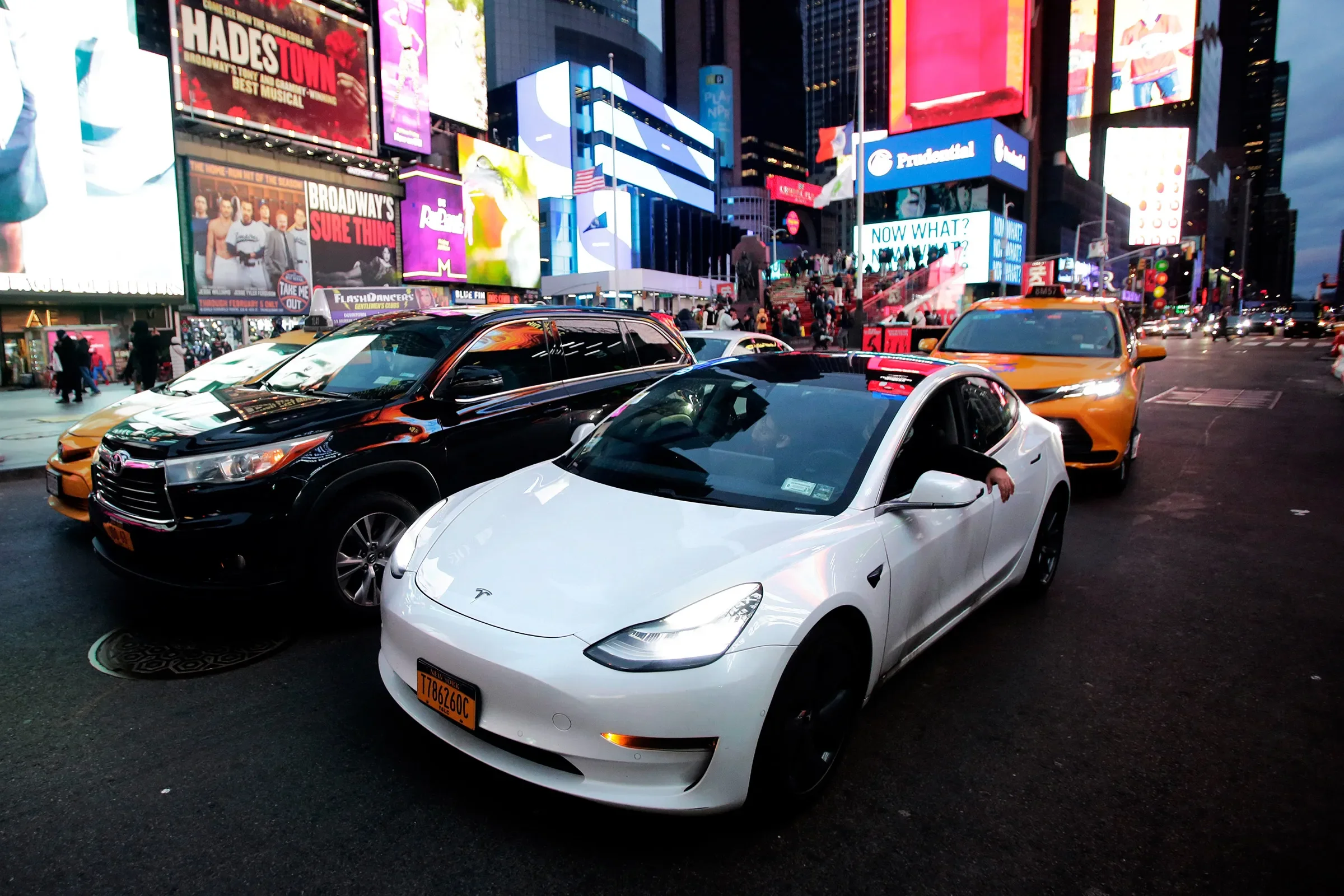
Tesla’s Self-Driving Breakthrough: Conquering Manhattan’s Chaos
Why Version 14 Could Redefine Urban Mobility
Manhattan’s streets are a gauntlet of unpredictable pedestrians, aggressive cabbies, and relentless traffic. Yet, Tesla’s Full Self-Driving (FSD) Version 14 is navigating this chaos with the confidence of a seasoned New Yorker. This isn’t just incremental progress—it’s a leap toward a future where cars don’t just drive but think and react like the best human drivers. For tech enthusiasts, this is a pivotal moment: Tesla’s FSD is proving itself in one of the world’s toughest driving environments, raising questions about the future of transportation, urban living, and vehicle ownership.
Key Takeaways
Manhattan Mastery: FSD Version 14 handles New York City’s chaotic streets with near-human precision, navigating complex scenarios like lane changes, emergency vehicles, and construction zones.
New Yorker Instincts: The software mimics the assertive, quick-decision driving style of native New Yorkers, cutting drive times and boosting efficiency.
Drop-Off and Pickup Progress: Version 14 executes smooth curbside drop-offs and pickups, though parking in complex garages still needs refinement.
User Education Gap: Tesla’s lack of clear tutorials and fragmented update process hinders mainstream adoption, despite the software’s capabilities.
Robotaxi Potential: With further localization and unsupervised driving, Tesla could transform urban mobility, slashing costs like parking (up to $800/month in Manhattan).
Hardware Challenges: Fragmentation across hardware versions (e.g., HW3 vs. HW4) creates confusion, requiring clearer communication from Tesla.

Tesla’s Autonomous Revolution: Redefining Travel with Next-Gen Vehicles
How Tesla’s self-driving platforms could transform RVs, party buses, and accessible transport for a new era of mobility.
The future of transportation is hurtling toward us, and Tesla is at the forefront with vehicles that promise to redefine how we move, live, and socialize. Imagine a world where self-driving RVs roam highways, party buses ferry fans to games, and autonomous vehicles empower those with disabilities to travel effortlessly. Tesla’s advancements in autonomy, coupled with innovative vehicle platforms like the Semi and Robo Van, are poised to create a seismic shift in mobility. From customizable interiors to game-changing accessibility, these vehicles could unlock new ways to work, play, and explore.
Key Takeaways
Autonomous RVs and vans: Tesla’s platforms, like the Semi and Robo Van, could become self-driving RVs or party buses, with interiors tailored for sleeping, working, or socializing.
Safety first for large vehicles: The sheer size of a self-driving Semi demands rigorous safety standards, potentially delaying full autonomy until 2040 to prevent catastrophic accidents.
Third-party customization: Tesla may focus on producing vehicle shells, leaving interior customization to fleet operators, creating a marketplace of specialized experiences.
Frictionless travel: Autonomous vehicles could make short intercity trips faster and cheaper than flights, with added benefits like sleeping or relaxing en route.
Accessibility revolution: Self-driving tech, paired with steer-by-wire systems, could enable people with disabilities or the elderly to travel independently.
Tesla’s Q3 Triumph: Record-Breaking Growth and a Glimpse into an AI-Powered Future
How Tesla’s Stellar Quarter Signals a Bold Leap Toward Autonomy and Sustainable Energy
Tesla’s third quarter of 2025 delivered a masterclass in resilience and innovation, shattering records in vehicle deliveries, energy storage deployments, and financial performance. Despite navigating a turbulent global market, the company’s focus on scaling its core businesses while investing in AI-driven solutions positions it as a leader in the race toward a sustainable, autonomous future. From record cash reserves to groundbreaking advancements in full self-driving (FSD) technology, Tesla’s latest earnings reveal a company balancing immediate growth with transformative long-term bets.
Key Takeaways
Record Vehicle Deliveries: Tesla achieved unprecedented global vehicle deliveries, with growth across all regions, driven by new affordable models like the Model Y Standard and Model 3 Standard.
Energy Storage Surge: The energy division saw record deployments in residential, industrial, and utility sectors, bolstered by the launch of Megapack 3 and Megablock.
Financial Strength: Revenue hit an all-time high, with $5 billion added to cash reserves, bringing the total to $41.6 billion—nearly matching Ford’s entire market cap.
AI and Autonomy Milestones: FSD version 14 rolled out with intervention-free drives in complex urban environments, while robotaxi services expanded in Austin and the Bay Area.
Future-Ready Investments: Production lines for Optimus, Cybercab, and Tesla Semi are on track for volume production in 2026, signaling Tesla’s pivot toward robotics and AI-driven services.
Cautious Outlook: Despite strong performance, Tesla highlighted uncertainties from global trade, tariffs, and fiscal policies, emphasizing a robust balance sheet to weather challenges.
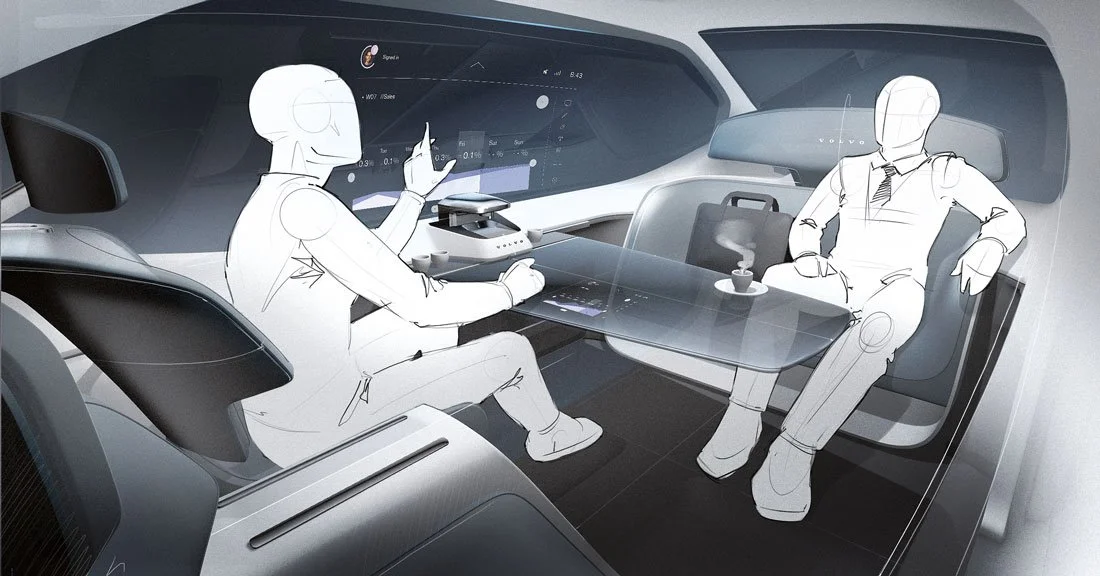
Autonomous Vehicles: Redefining Travel and Lifestyle
Revolutionizing Mobility with Self-Driving Tech
Tesla's upcoming Cybercab is set to reshape the electric vehicle landscape by blending cutting-edge autonomy with practical design adaptations, potentially delivering a sub-$30,000 car that drives itself without constant supervision. This move addresses production bottlenecks and regulatory hurdles, paving the way for high-volume sales starting in 2026.
Key Takeaways
Autonomous tech turns vehicles into movable rooms, enabling interiors optimized for work, sleep, sightseeing, partying, or RV living.
Larger vehicles like semis require higher safety standards due to potential for massive destruction in accidents, delaying full autonomy rollout.
Self-driving RVs and vans could compete in size and use cases, with third-party customization likely handling interior configurations.
Fleet models similar to airlines will allow providers to tailor vehicles for specific experiences, adding them to networks for on-demand access.
Highway autonomy already feels mature, paving the way for hybrid services on long routes that beat short flights in time and cost.
Self-driving tech lowers barriers to social outings, boosting attendance at events like sports games or conventions through convenient, fun group transport.
Accessibility improves dramatically for people with disabilities or elderly individuals, as vehicles handle navigation without traditional controls.
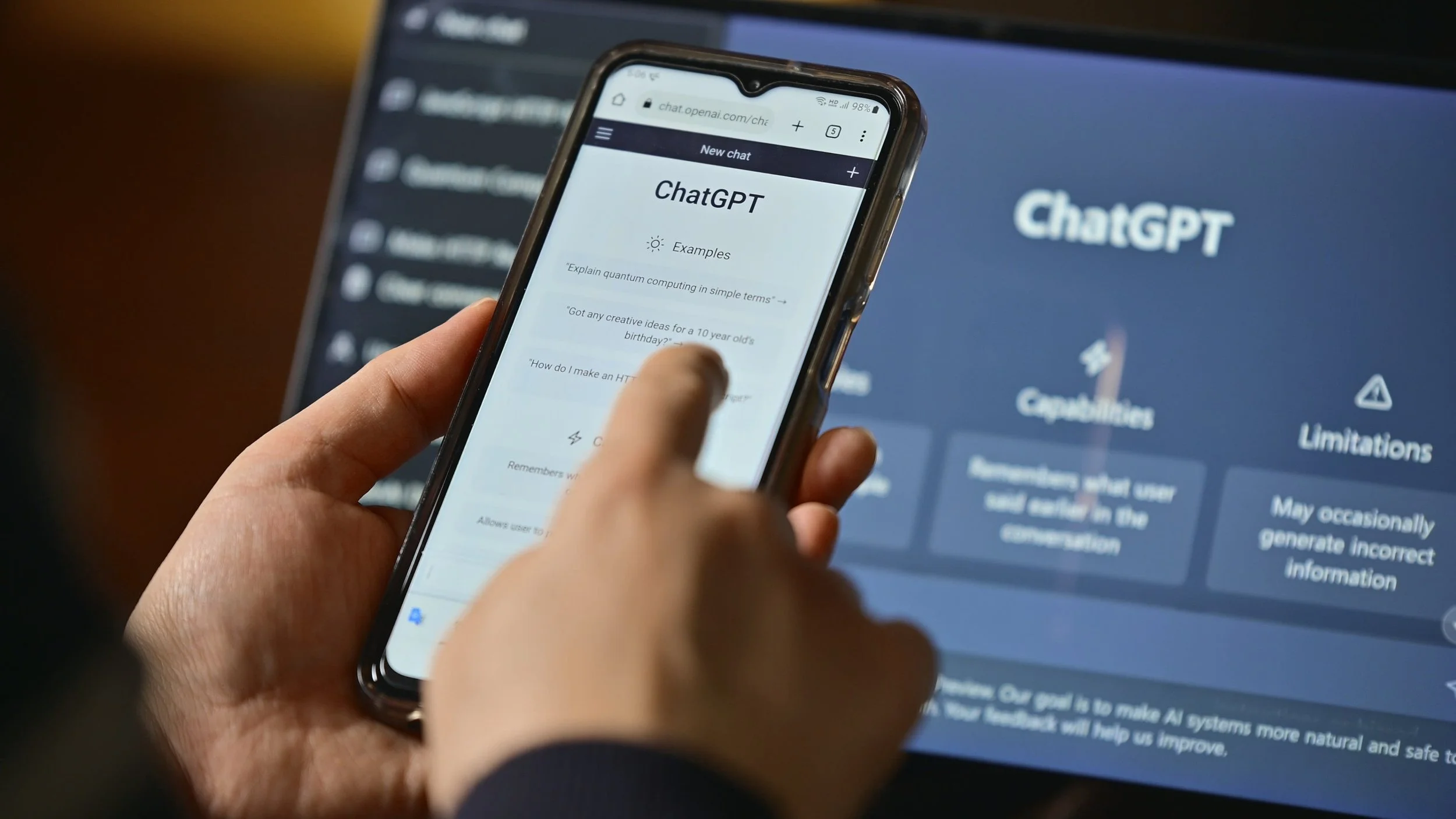
ChatGPT’s New Trick: Ordering Your Groceries with a Click
How AI Agents Are Simplifying Everyday Tasks for Tech Enthusiasts
Imagine planning a potluck and realizing you don’t have the ingredients—or the time to figure out what you need. Now, AI can handle it for you, from calculating ingredient quantities to ordering them online. Recent advancements in AI agents, particularly those integrated with browser tools, are transforming how we tackle daily tasks. This newsletter dives into how these agents work, their potential, and the critical balance between convenience and control.
Key Takeaways
AI agents can analyze recipes, scale ingredient lists for any serving size, and create organized shopping lists.
Browser-based AI can navigate online stores, add items to carts, and streamline grocery ordering.
User control is prioritized with options to approve actions, limit access, and manage data privacy.
These tools are evolving to anticipate user needs, pulling relevant information proactively.
Safety measures restrict AI to browser tabs, preventing unauthorized access to devices or files.

Why Tesla Might Build a Cybercab with a Steering Wheel After All
Unveiling the hidden logic behind Tesla's robotaxi ambitions—and how a hybrid approach could supercharge global adoption.
Tesla's push into fully autonomous vehicles like the Cybercab promises to reshape transportation, but the road ahead involves navigating production efficiencies, regulatory mazes, and fierce market dynamics. At its core, this shift could unlock ultra-low-cost rides, disrupt giants like Uber, and open doors in emerging economies—all while hedging against uncertainties that might otherwise idle billion-dollar factories.
Key Takeaways
Tesla's new unboxed manufacturing process could enable production of up to 2 million Cybercab-like vehicles annually by late 2027 or 2028, far outpacing current lines due to parallel assembly techniques.
Current U.S. regulations cap driverless vehicles without steering wheels or pedals at 2,500 units per year, creating a massive bottleneck for mass production unless federal changes arrive swiftly.
Achieving full autonomy requires not just technological readiness but regulatory approval, including data on millions of miles driven, and a potential national framework to standardize rules across states.
A Cybercab variant with manual controls could fill production gaps, tap into global demand for affordable EVs in markets like Europe, China, and India, and leverage existing Tesla fleets for on-demand robotaxi surges.
Operating costs for autonomous rides could drop to around 30 cents per mile, undercutting Uber's model and offering consistent, private experiences at half the price or less.
International risks, including data privacy concerns and geopolitical tensions, make a steerable version essential for scaling beyond the U.S. without waiting for worldwide approvals.

Tesla's Autonomous Empire: Why the Game Is Already Over
Revolutionizing Mobility and Labor in Ways We Can't Ignore
The shift to fully autonomous vehicles and humanoid robots isn't just on the horizon—it's accelerating faster than most realize, with profound implications for industries, jobs, and economies. This transformation promises cheaper, safer transport and ultra-efficient labor, but it also signals massive disruptions that societies aren't prepared for. Here's what tech enthusiasts need to know about the impending changes.
Key Takeaways
Tesla's self-driving technology positions it to dominate global transportation, potentially rendering ride-sharing giants uncompetitive by the decade's end.
Humanoid robots, built on the same AI frameworks as autonomous cars, will handle repetitive tasks in factories within five years, expanding to complex jobs like cooking by 2040.
Over a billion vehicles worldwide mean the transition to autonomy will be gradual, but the total market opportunity is enormous.
Widespread adoption of robots could drive labor costs below $5 per hour, creating deflationary pressures that might counterbalance recent excessive money printing.
Governments lack the foresight and structure to proactively address job losses affecting millions, leading to reactive economic adjustments.
Competitors in self-driving tech lag far behind, with production capacities limited to thousands of units annually compared to Tesla's scale.
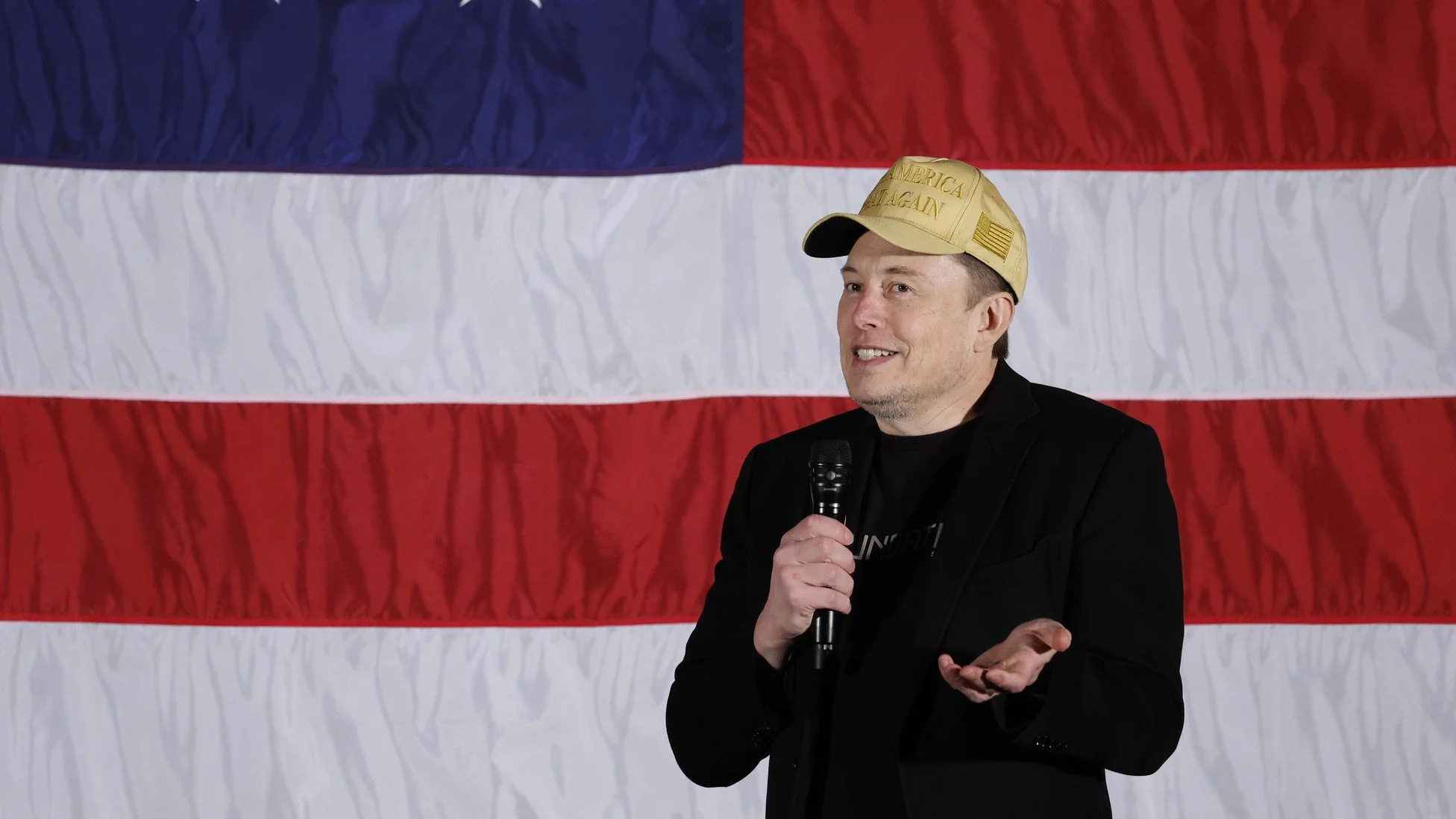
The Visionary Powerhouse Reshaping America’s Future
How One Innovator’s Drive Fuels National Security and Global Progress
The United States stands at a pivotal moment in technological and industrial advancement, driven by a singular force whose impact spans electric vehicles, space exploration, and global connectivity. This individual’s ability to challenge conventional approaches, prioritize purpose over profit, and execute on an unparalleled scale has redefined what’s possible for American innovation. From revolutionizing transportation to securing national interests through space and communication technologies, the ripple effects of this work are profound and far-reaching.
Key Takeaways
Catalyst for Innovation: Without this visionary, critical advancements in electric vehicles, space exploration, and artificial intelligence might have been delayed by decades, stalling U.S. progress.
National Security Asset: The development of American-made rockets and global communication networks strengthens the country’s strategic position.
First Principles Thinking: By rejecting traditional research methods and focusing on fundamental truths, this leader has disrupted stagnant industries.
Purpose-Driven Leadership: A relentless focus on existential goals, like making humanity multi-planetary, drives unmatched productivity and impact.
Accessibility and Transparency: Unlike many global leaders, this figure engages directly with the public, fostering trust and inspiring entrepreneurs.

China's Manufacturing Muscle: The Battle for Tech Supremacy in a Divided World
Why the US must rethink dependencies on batteries, EVs, and rare earths before it's too late.
China now produces one-third of the world's manufactured goods, a figure projected to hit 50% by 2030. This dominance extends into electric vehicles, batteries, and critical materials that power everything from drones to AI data centers. As tensions escalate, the US faces a pivotal choice: deepen codependence or pursue isolation to safeguard national security and innovation.
Key Takeaways
China controls 90% of global magnet production and dominates battery supply chains, giving it leverage over EVs, renewable energy, and next-gen tech like humanoid robots and fighter jets.
EV sales in China have exploded from 5% of the market in 2020 to 50% this year, reaching 13 million units annually—driven by subsidies and a shift to domestic brands.
The US lags 10-25 years behind in battery and magnet tech; without rapid investment, assembly plants could shut down due to restricted access to materials.
AI and robotics amplify risks: cheap, Chinese-made humanoid robots could pose spying threats in homes and factories, while energy-hungry data centers rely on China's solar and storage dominance.
Negotiations highlight US vulnerabilities in pharmaceuticals, electronics, and autos; outcomes may split the world into democratic and authoritarian blocs, with Mexico, Canada, Europe, Japan, and Korea as key allies.
Europe's auto market is already infiltrated, with over 10% of new sales from Chinese brands like MG and Zeekr, often disguised as local acquisitions.
US innovation in AI chips and autonomous tech provides leverage, but internal distractions like political infighting and consumerism could erode advantages unless automation is embraced aggressively.
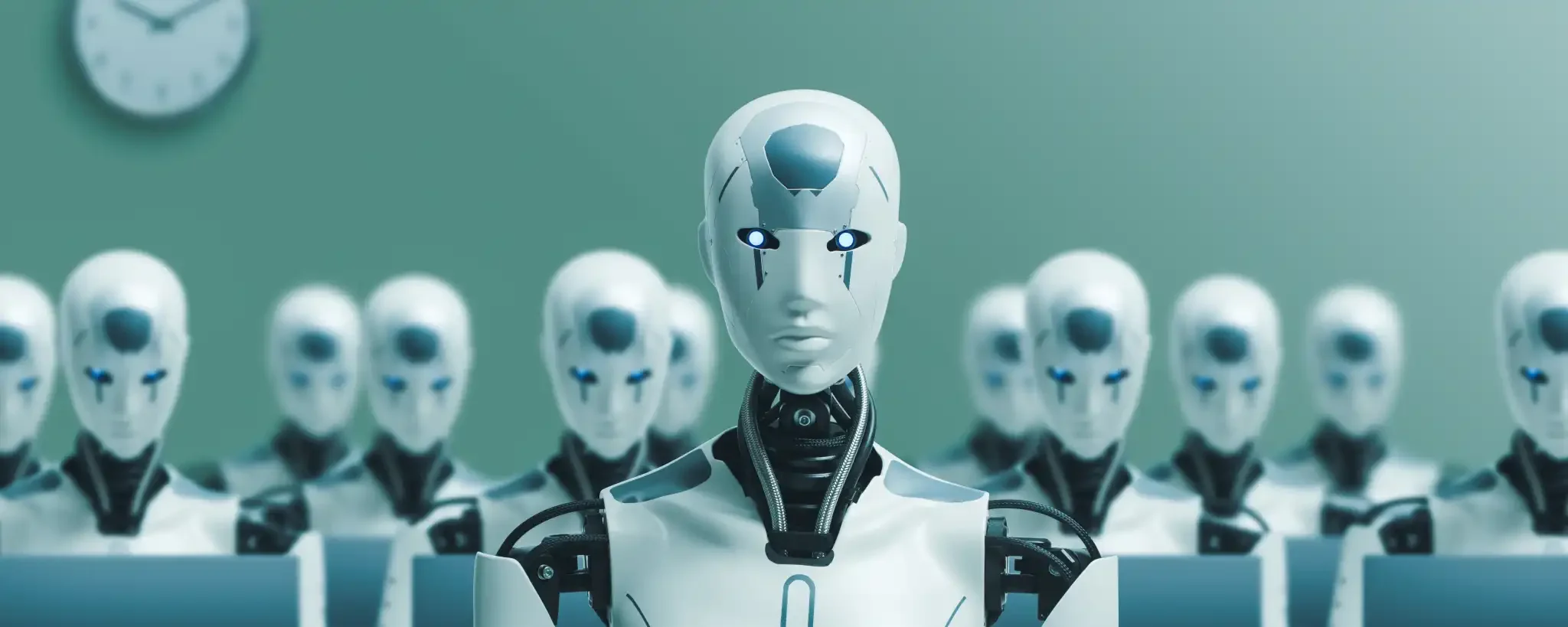
Humanoid Robots and Robotaxis: The Transportation Revolution Is Here
Why Autonomous Vehicles Are Poised to Upend Ridesharing and Redefine Mobility
The age of autonomous transportation is no longer a distant dream—it’s unfolding now, faster than most realize. Self-driving technology, led by advancements in AI and robotics, is set to transform how we move, with robotaxis at the forefront. These driverless vehicles promise cheaper, safer, and more convenient rides, threatening to disrupt traditional ridesharing giants like Uber. The implications are massive, from reshaping urban mobility to redefining vehicle ownership. Here’s what you need to know about this seismic shift.
Key Takeaways
Rapid Rollout: Supervised autonomous driving systems are expected to reach widespread use by late 2025, with unsupervised systems potentially following by mid-2026.
Robotaxi Scaling: Driverless ridesharing services are expanding in cities like Austin and could soon spread to new regions like Arizona, with safety observers likely removed within months.
Market Disruption: Robotaxis offer lower costs, greater privacy, and enhanced safety, positioning them to outcompete traditional ridesharing platforms.
Regulatory Hurdles: Insurance and liability frameworks remain critical barriers to fully unsupervised driving for personal vehicles.
Consumer Behavior Shift: Early adopters in areas like the Bay Area already prefer autonomous rides over human-driven options, signaling a broader trend.
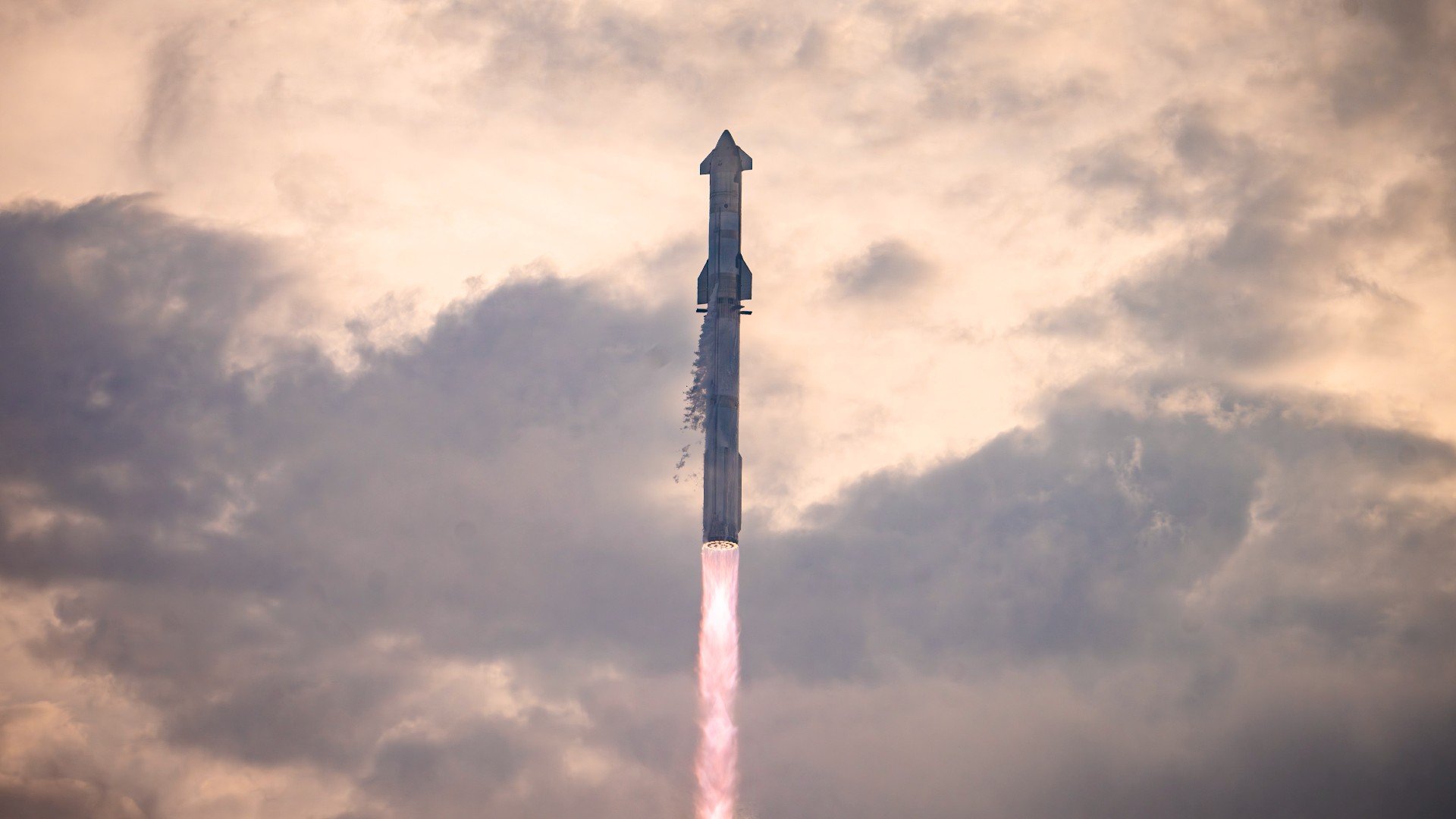
Starship’s Epic Flight 11: Pushing the Limits of Space Exploration
Unveiling the Future of Reusable Rockets and Global Connectivity
The latest Starship test flight has once again redefined what’s possible in space exploration. From a flawless launch to daring reentry experiments, this mission showcased the resilience of SpaceX’s ambitious rocket and its role in shaping the future of interplanetary travel and global internet access. Tech enthusiasts, buckle up—this flight delivered groundbreaking insights into reusable rocket technology, thermal protection systems, and the power of Starlink’s connectivity.
Key Takeaways
Successful Hot Staging and Separation: Starship executed a precise hot staging maneuver, with the Super Heavy booster and Starship separating cleanly, marking a significant step toward reliable reusability.
Raptor Engine Reliability: All 33 Raptor engines on the Super Heavy booster and six on Starship performed nominally, with a successful in-space Raptor relight demonstrating critical deorbit capabilities.
Payload Deployment Milestone: Eight Starlink simulators were deployed, paving the way for future missions to carry up to 60 advanced V3 Starlink satellites, boosting network capacity by 60 terabits per second per launch.
Thermal Protection Testing: Intentional removal of heat shield tiles tested Starship’s resilience under extreme reentry conditions, providing valuable data for future iterations.
Starlink’s Real-Time Data Power: Starlink’s connectivity enabled uninterrupted HD video and telemetry during reentry, overcoming plasma interference to deliver critical engineering data.

Humanoid Robots: The Warehouse Revolution That's About to Explode
Unlocking 20% Productivity Boosts and Infinite Scalability in Logistics
Humanoid robots are poised to transform warehouse operations by automating tedious tasks, adapting to dynamic inventory needs, and eliminating human limitations like fatigue and emotion-driven decisions. This shift could deliver immediate efficiency gains, reshape company cultures, and create barriers for laggards in the industry—insights that every tech-savvy operator needs to grasp now.
Key Takeaways
Humanoid robots enable dynamic inventory slotting, moving high-demand items closer to picking areas automatically, reducing travel time and boosting daily output by up to 20%.
By handling repetitive, physically demanding jobs without complaint, these robots free human workers for higher-value roles, improving morale and reducing turnover.
Implementation requires rethinking packaging and processes to suit robotic capabilities, such as pre-opening boxes, which minimizes errors and waste.
Early adopters will accelerate ahead, creating a competitive edge through emotion-free decision-making and 24/7 operation.
Barriers like initial setup costs and cultural resistance exist, but the potential for infinite demand makes humanoid robots a game-changer for small and large warehouses alike.
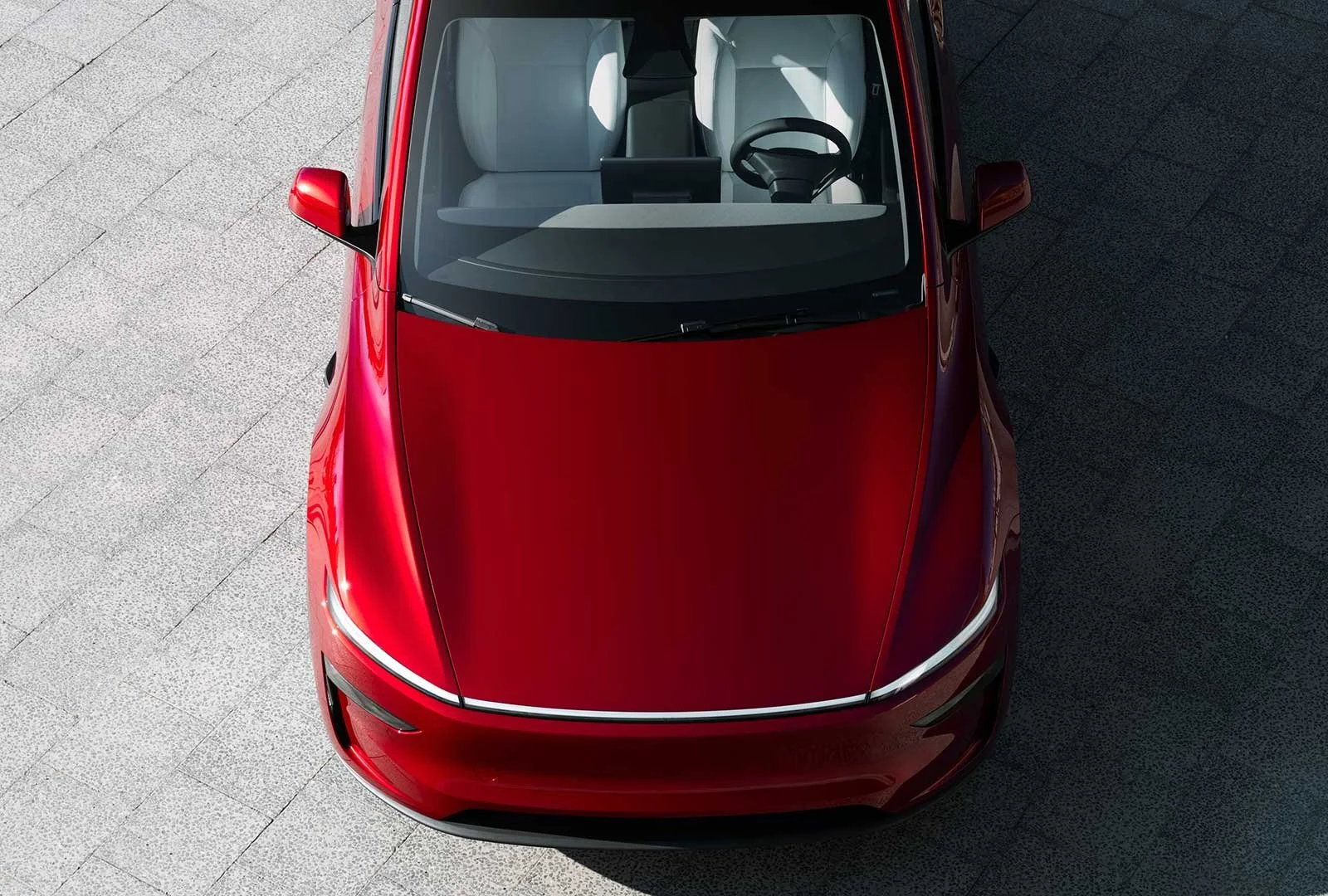
Tesla’s Autonomous Revolution: The Dawn of Robotaxis and Beyond
Why Tesla’s FSD v14 Could Redefine Transportation Forever
Tesla’s latest advancements in autonomous driving technology are poised to reshape the automotive and transportation industries. With Full Self-Driving (FSD) version 14, the company appears to have cracked the code on unsupervised self-driving, a milestone that could transform millions of vehicles into autonomous assets. This breakthrough isn’t just about cars—it’s about a seismic shift in how people move, how cities function, and how businesses compete in a rapidly evolving market.
Key Takeaways
Unsupervised FSD Breakthrough: Tesla’s FSD v14 demonstrates near-human or superhuman driving capabilities, enabling vehicles to navigate complex scenarios without driver intervention.
Massive Fleet Potential: With 3–4 million Tesla vehicles worldwide potentially upgradable to unsupervised FSD, the company could deploy a vast robotaxi network.
Cost and Scale Advantage: Tesla’s ability to produce affordable vehicles (around $30,000) with advanced AI gives it a significant edge over competitors like Waymo.
Market Disruption: The expansion of Tesla’s robotaxi network could challenge ride-hailing giants like Uber by offering lower-cost, driverless services.
Regulatory and Data Hurdles: While the technology is advanced, Tesla must accumulate extensive data and secure regulatory approval to scale unsupervised driving.

Tesla's FSD v14: Awakening the Machine Mind
Revolutionizing Autonomy with Faster Reactions, Emergent Behaviors, and a Push Toward True Self-Driving
Tesla's latest Full Self-Driving software update, version 14, marks a pivotal shift in how vehicles handle real-world scenarios. From navigating drive-thrus without explicit training to reacting quicker than human drivers, this version demonstrates capabilities that bring unsupervised autonomy closer than ever. It handles complex maneuvers with newfound intelligence, though not without some rough edges in smoothness and speed control.
Key Takeaways
Version 14 excels at beginning and end-of-drive tasks, reliably backing out of tight driveways and finding parking spots, turning point-to-point travel into a seamless experience.
Reaction times have improved dramatically, allowing the system to respond to environmental changes—like ambulances or opening car doors—faster than previous versions, often before a human notices.
Emergent behaviors, such as stopping at drive-thru stations and windows based on contextual clues like transactions or screens, show the software's ability to generalize without specific programming.
Braking feels more abrupt due to rapid decision-making, but this stems from heightened caution rather than errors, prioritizing safety over smoothness.
Lane changes are more hesitant, requiring larger gaps, which contrasts with the aggressiveness of prior versions but enhances overall caution.
Speed management relies on predefined profiles (sloth, chill, standard, hurry) without manual overrides, leading to occasional mismatches with real-world limits like school zones or construction.
Parking decisions vary, sometimes choosing suboptimal spots like alleys or handicapped areas, highlighting needs for refinement in spot selection and legal awareness.
Hardware differences, such as the presence of a front bumper camera, influence performance, but even older setups show strong results in core driving tasks.
The system introduces alerts for increased attention in tricky situations, paving the way for SAE Level 3 autonomy where drivers can relax until prompted.
Overall, version 14 feels closer to robotaxi readiness than driver assistance, though it demands tolerance for quirks from testers while smoothing out for broader use.

Tesla's FSD v14: AI That's Rewriting the Rules of the Road
How emergent behaviors in self-driving cars are turning everyday drives into a glimpse of autonomous futures—and why Tesla's data edge makes competitors look like they're stuck in neutral.
Tesla's latest Full Self-Driving software update, version 14, isn't just incremental—it's a leap where vehicles start anticipating human quirks without explicit programming. Imagine a car that pauses mid-drive-thru not because of a stop sign, but because it overhears the "thank you" signaling order complete. Or one that yields to sirens miles away, edging over in traffic jams to let emergency responders through. These aren't scripted routines; they're AI piecing together real-world patterns from vast datasets. For tech enthusiasts, this signals the shift from rule-based systems to generalized intelligence, where cars learn like neural networks trained on the chaos of actual roads.
Key Takeaways
Emergent Decision-Making: FSD v14 exhibits behaviors like waiting for drive-thru conversations to end or pulling over for distant ambulances, learned from millions of driving hours rather than hardcoded rules.
Data-Driven Advantage: Tesla's 7 million+ vehicle fleet generates exponentially more training data than rivals like Waymo's 1,500-unit operation, accelerating AI improvements at scale.
Cost Disruption Potential: Autonomous fleets could slash ride costs to 40-50 cents per mile—versus $1.80+ for human-driven services—enabling fares as low as $3 for a 3-mile trip.
Physical AI Frontier: This mirrors digital AI breakthroughs like large language models, but applied to real-world actions: steering, stopping, and yielding based on contextual cues from cameras and mics.
Edge Polishing Needed: While safe overall, the software shows minor hesitations like abrupt braking near pedestrians, typical of rapid AI iterations that refine with more data.
Broader Implications: Widespread adoption could reshape labor markets, from ride-sharing drivers to urban logistics, as robotaxis roll out in cities like Austin and the Bay Area.