

The Car Market Collapse: Why Buying Now Could Cost You $72,000
Brace for the Autonomy Shockwave That's About to Crush Vehicle Values
The rapid rollout of unsupervised full self-driving technology stands poised to slash transportation costs by up to two-thirds, making personal car ownership obsolete in many areas and triggering a massive drop in used car prices. For anyone eyeing a new vehicle, the math points to staggering opportunity costs—potentially turning a $40,000 purchase into an $8,000 asset in just four years while missing out on investments that could double that money.
Key Takeaways
Unsupervised autonomous driving approval could arrive in major U.S. markets within 12-18 months, fundamentally shifting car ownership from essential to optional.
Current average new car costs around $48,000, with typical depreciation hitting 60% in four years—but autonomy could double that loss to 80% or more in disrupted markets.
Robotaxis aim for 25-30 cents per mile operating costs, undercutting personal vehicle ownership's 70-80 cents per mile and saving users $10,000 annually.
Leasing transfers depreciation risk to lenders, making it a smarter short-term play than buying outright amid uncertainty.
Rural or specialized needs (like work trucks or large families) justify purchases, but urban commuters face the biggest risks.
Investing saved funds in AI and autonomy-related stocks could yield 15% annual growth, turning $40,000 into $80,000 over four years—a $72,000 swing versus car depreciation.
Watch Austin's used car market post-Texas FSD approval as an early indicator of nationwide impacts.

Neuralink's Leap: From Sci-Fi to Everyday Reality
Unlocking Human Potential Through Brain-Machine Fusion
Neuralink is pushing boundaries in brain-computer interfaces, turning paralysis into possibility and aiming for full brain connectivity. With rapid advancements in implants, robotics, and decoding, the tech promises to restore lost functions and enhance cognition, all while scaling to help thousands.
Key Takeaways
Neuralink's first product enables quadriplegic users to control devices like computers and phones purely through thought, with average daily usage reaching eight hours.
The company has implanted devices in 13 people as of late 2024, focusing initially on spinal cord injuries and ALS, with plans to expand to restoring sensation, speech, and vision.
Surgical robots insert ultra-thin threads into the brain, avoiding blood vessels, with future versions targeting faster, more reliable procedures under one hour.
Implants feature 1,000 channels for neural recording, wireless charging, and data compression to transmit signals via Bluetooth, but scaling to higher channel counts demands innovations in power, packaging, and compression.
Decoding algorithms convert brain spikes into actions like cursor movement in 15-20 minutes of calibration, though ongoing drift requires robust, self-adapting ML models.
Long-term vision includes whole-brain interfaces for treating psychiatric disorders, augmenting abilities, and exploring the brain's inner workings, backed by vertical integration from chip design to manufacturing.
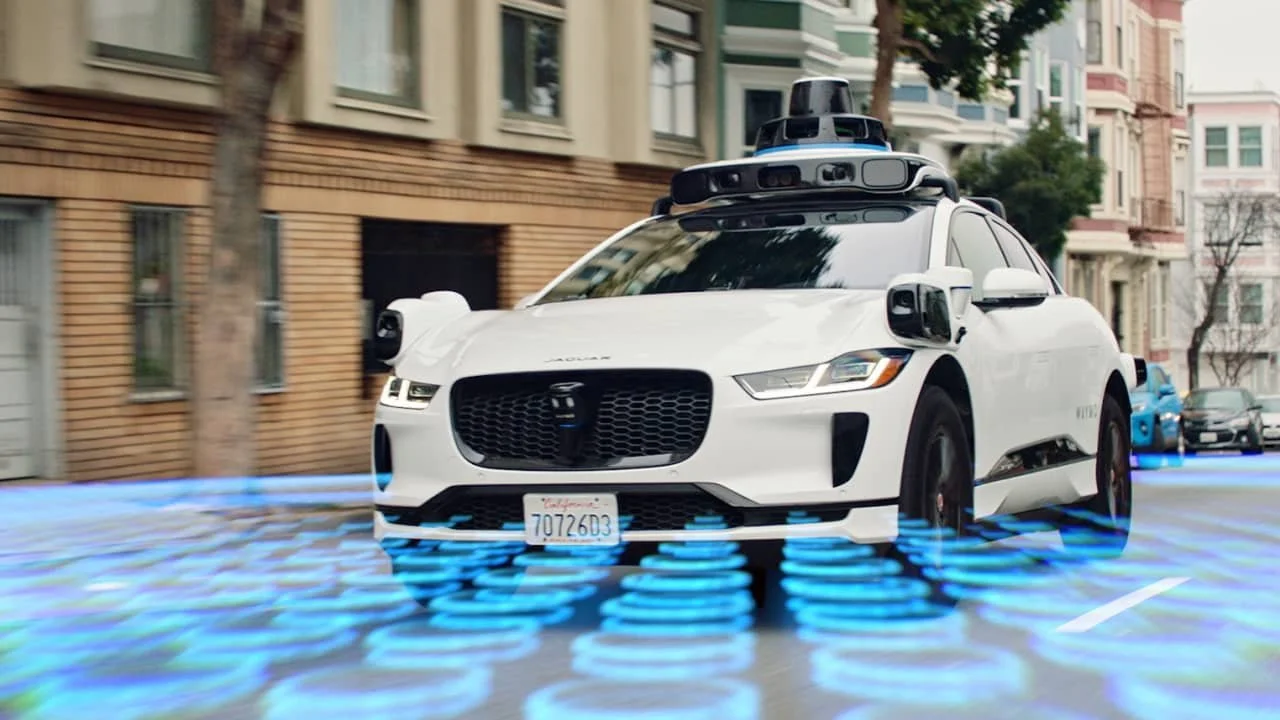
Tesla's Robotaxi Revolution: Why Scale Will Eclipse Waymo's Lead
The Battle for Autonomous Mobility Heats Up as Tesla's Generalized AI Approach Poised to Redefine the Industry
Tesla's strategy in autonomous vehicles centers on building from the ground up with minimal hardware, aiming for massive scale that could rapidly outpace competitors focused on high-cost, region-specific systems. This shift promises not just safer rides but a complete transformation in urban transportation economics.
Key Takeaways
Tesla prioritizes low-cost hardware like eight cameras to enable widespread deployment, contrasting with competitors' reliance on complex sensors and mapping.
While some players lead in current driverless operations across multiple markets, Tesla's focus on generalized AI could allow instant scaling without geographic limits.
Successful validation of Tesla's safety levels could turn its manufacturing dominance into an unbeatable edge in robotaxis.
Current rollouts emphasize safety and data collection, with acceleration in regions and fleet size as key indicators of progress.
Pricing strategies signal a push toward the lowest cost per mile, leveraging scale for long-term profitability once demand surges.

The Drone Revolution: AI's Grip on Tomorrow's Battlefields
Why Autonomous Tech Isn't Sci-Fi Anymore—And How It Shapes Global Power
The landscape of warfare is shifting faster than ever, driven by advances in drones and artificial intelligence. At the core are breakthroughs that make machines not just tools, but decisive forces on the battlefield. Key insights reveal how production scales, human limits, and space-based systems could determine winners in future conflicts, urging a rethink of defense strategies now.
Key Takeaways
Drones and AI dominate modern warfare, as seen in ongoing conflicts where volume and autonomy outpace human involvement.
Localized AI in drones enables independent decision-making, raising risks of unchecked escalation if not managed carefully.
Human soldiers face increasing dangers at the front lines due to precision tech like computer-guided snipers, pushing toward drone-only engagements.
Scaling drone production is critical; superior kill ratios mean little without overwhelming numbers to counter adversaries.
Space communications and positioning systems provide unbreakable advantages, essential for coordinating drones and maintaining operations.
Neural interfaces could bridge human cognition with AI, boosting bandwidth for control and mitigating risks of AI surpassing human oversight.
Innovation stems from first-principles thinking: question requirements, delete unnecessary elements, optimize wisely, and accelerate processes.
Leadership in tech demands hands-on expertise; leaders must understand the engineering to evaluate teams and drive progress effectively.
Curiosity drives success—broad learning across fields fosters cross-pollination of ideas for breakthrough solutions.

Tesla's Robot Revolution: Unlocking Superhuman Potential
Redefining Productivity Through AI and Automation
The push toward advanced robotics and AI is transforming everyday tasks, medical care, and global manufacturing, setting the stage for an era where technology delivers abundance for all.
Key Takeaways
Advanced humanoid robots with precise hands enable complex tasks like surgery, construction, and music, promising widespread access to elite skills.
Neural implants combined with robotic bodies could restore mobility to those with severe disabilities, offering cyborg-level abilities at affordable costs.
Real-time data from massive social networks fuels superior AI models, accelerating progress toward general intelligence.
Massive compute power, like data centers with hundreds of thousands of GPUs, outpaces competitors in training next-generation AI.
Manufacturing breakthroughs aim to produce vehicles every five seconds, driven by physics-inspired efficiency in factories.
Self-driving technology has reached a tipping point, enabling rapid expansion in vehicle production.

Tesla's Drone Revolution: Partnering with SpaceX to Dominate the Skies
Why This Could Be the Next Big Leap in Autonomous Tech and National Security
Tesla stands on the brink of transforming the commercial drone market by leveraging its battery expertise and teaming up with SpaceX for advanced materials and aerodynamics. This move could challenge China's dominance, boost U.S. security, and pave the way for flying vehicles.
Key Takeaways
Tesla's low-cost, high-density batteries give drones longer flight times and better efficiency than competitors.
SpaceX's lightweight materials and aerodynamic designs from rockets can create stronger, lighter drone frames and propellers.
Tesla's electric motor production scales easily to drones, enabling high-torque, reliable performance at lower costs.
Integrating Tesla's full self-driving AI allows for fully autonomous drones that navigate complex environments without human input.
Entering the drone market addresses China's control over commercial drones, reducing national security risks for U.S. businesses and governments.
Drones serve as a low-risk testing ground for electric vertical takeoff and landing vehicles, accelerating urban air mobility.
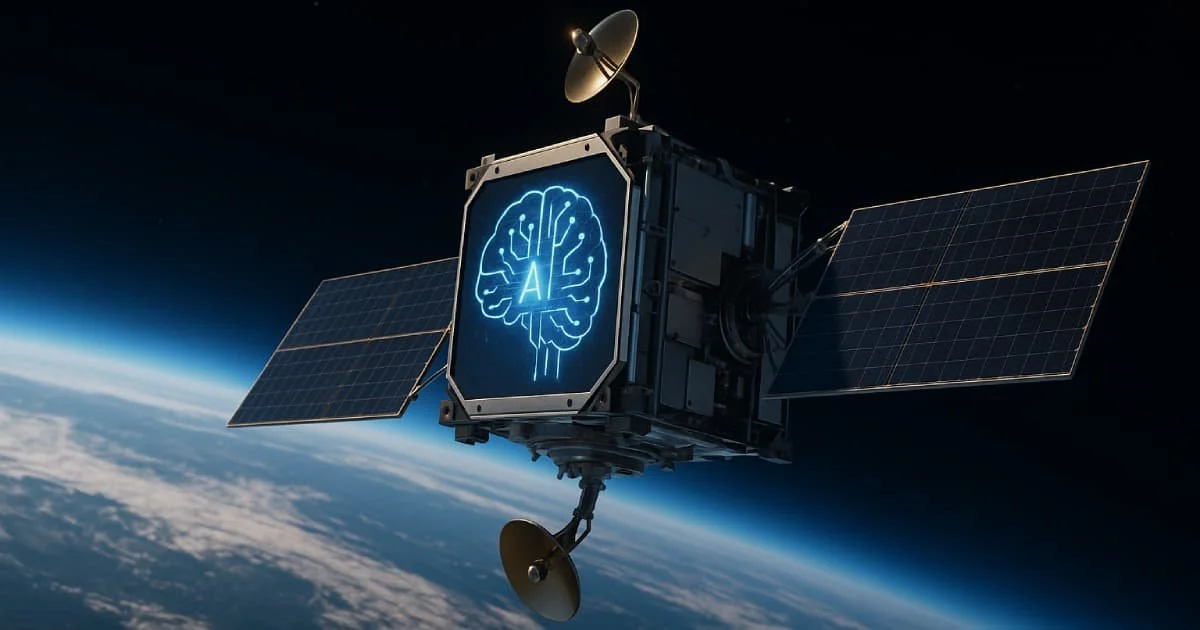
AI Satellites: Unlocking Infinite Compute in Space
Why solar-powered AI systems orbiting Earth could outpace ground-based tech by orders of magnitude—and soon.
The push for advanced AI demands unprecedented levels of energy and cooling, but Earth's resources hit hard limits quickly. Shifting compute to space taps into the sun's vast output, eliminates cooling overhead, and enables scales impossible on the planet. This shift promises terawatt-level AI capabilities, reshaping industries from drug discovery to climate modeling.
Key Takeaways
Earth's energy infrastructure caps AI growth at hundreds of gigawatts, far below the terawatts needed for next-level systems.
Space offers continuous solar power without batteries, using lightweight panels that achieve 100% capacity factor.
Radiative cooling in space eliminates bulky refrigeration, making AI hardware far more efficient and cost-effective.
Projections point to space-based AI becoming cheaper than Earth-based within four to five years.
This technology demands massive launch capacity, boosting reusable rockets and satellite networks.
Geopolitical control over space AI could define global tech leadership for decades.

Elon Musk's Bureaucracy Roast: How Overregulation Stifles Innovation
Unraveling the Absurd Hurdles Facing Space Tech and Beyond
Government red tape isn't just annoying—it's a massive barrier to progress in fields like space exploration. Recent stories highlight ridiculous requirements, from analyzing shark collision risks to fines for spilling water, all while tech pioneers push boundaries. These insights reveal how outdated systems slow down ambitious projects and what it means for the future of innovation.
Key Takeaways
Overly cautious environmental studies for rocket launches, like assessing impacts on sharks and whales, delay critical advancements in space travel despite minimal actual risks.
Fines for minor actions, such as dumping clean water to cool launch pads, show how regulations ignore context in high-rainfall areas.
Early internet pioneers often started companies out of necessity when traditional job paths failed, leading to breakthroughs like the first online maps and directories.
Media outlets frequently echo identical talking points, raising questions about coordination and reducing public trust in reporting.
Government expansion risks inefficiency, akin to scaling up slow bureaucratic agencies without improving outcomes.
Persistent issues like chronic back pain represent untapped opportunities for tech to boost quality of life.
Free speech advocates face escalating threats, including media labeling and security concerns, underscoring the need for robust protections.
Political leadership often appears scripted, with breakdowns revealing potential influences from unelected power brokers.
Overlaps between high-profile scandals and political figures suggest hidden networks shaping decisions.
The Robotic Revolution: Unlocking Infinite Abundance Through AI and Automation
Why Humanoid Robots Could End Poverty, Transform Healthcare, and Redefine Global Economies
The rapid advancements in AI-driven robotics and autonomous systems are set to create a world where scarcity becomes obsolete, energy is sustainable, and human potential is amplified like never before. This newsletter dives into the breakthroughs propelling us toward a future of unprecedented productivity and prosperity.
Key Takeaways
Humanoid robots like Optimus are poised to scale to billions of units, enabling mass production that could increase global economic output by a factor of 10 or more.
Full self-driving technology is nearing unsupervised operation, with safety statistics showing it outperforms human drivers, potentially saving millions of lives annually.
AI hardware optimized for efficiency, such as integer-based inference chips, will power robots and vehicles at a fraction of the cost and power of general-purpose alternatives.
Sustainable energy solutions, including advanced batteries and solar integration, could double U.S. energy output without new power plants by buffering supply fluctuations.
New vehicle designs optimized for autonomy, like pedal-less robotaxis, aim for production cycles as low as five seconds per unit, revolutionizing manufacturing efficiency.
Future economies may shift from traditional money to metrics like electrical wattage, as AI and robotics create deflationary pressures through hyper-productivity.
Robotaxis Set to Ignite Economic Revival in Forgotten Neighborhoods
Revolutionizing Mobility for the Underserved: A Path to Broader Prosperity
Robotaxis promise to cut transportation costs dramatically, opening doors to jobs, healthcare, and community growth in low-income areas long hampered by isolation.
Key Takeaways
Transportation acts as a major barrier in economically disadvantaged neighborhoods, limiting access to opportunities and contributing to stagnation.
At scale, robotaxis could reduce per-mile costs to around 30 cents, making rides up to 90% cheaper than current options like rideshares.
Lower costs would enable more travel for work, medical visits, and social activities, boosting local economies through increased foot traffic and investment.
Communities in food deserts or with poor public transit stand to gain the most, with affordable rides transforming daily errands into feasible routines.
While job displacement for drivers remains a challenge, competition among providers could drive even better pricing and services.
Overall, this shift expands mental horizons, fostering optimism and long-term societal benefits like reduced segregation and enhanced freedom.
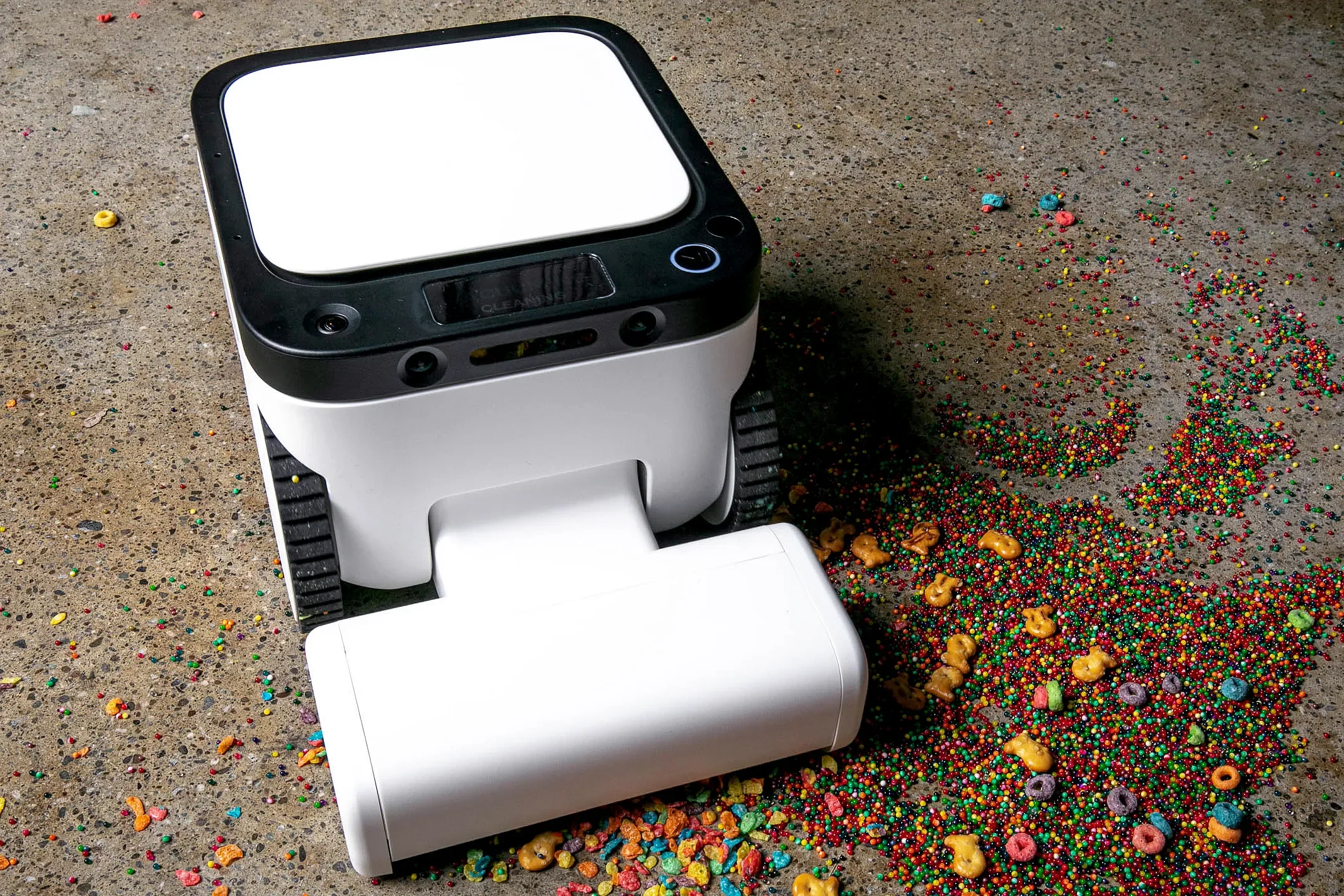
Revolutionizing Home Cleaning: The Matic Robot Vacuum's AI Edge
Why This Tech Could Be the Future of Household Automation
Tech enthusiasts are always on the lookout for devices that blend cutting-edge AI with everyday utility, and the Matic robot vacuum delivers just that. It uses a vision-based system with multiple cameras and sensors to navigate and clean homes efficiently, offering reliability that stands out in a crowded market. Early adopters report seamless performance over months of use, with software updates continually improving its capabilities—much like over-the-air enhancements in modern vehicles.
Key Takeaways
Matic employs a five-camera setup for precise navigation, avoiding obstacles like pets and toys while rarely getting stuck.
Maintenance is straightforward, with easy-to-replace parts like rollers, bags, and mops that take under a minute to swap.
The app provides intuitive controls for custom cleaning zones, schedules, and modes, including vacuum-only, mop-only, or both.
Object avoidance excels with small items and adjusts dynamically, though it struggles with flat objects like books.
Priced at around $1,100, it's a premium option, but its durability and ongoing software improvements justify the cost for those seeking long-term reliability.
Quiet operation and pet-friendly design make it ideal for busy households, with no disruptive noise or erratic movements.
Drawbacks include a higher profile that limits access under low furniture and occasional maintenance reminders that could be more proactive.

The AI Triple Shift: Why Computing's Future is Accelerating Faster Than Ever
Unlocking Trillions in Value Through Three Converging Revolutions
The landscape of computing is undergoing its most profound changes since the early days of silicon chips. Three overlapping transitions— from traditional processing to accelerated systems, the integration of generative technologies, and the emergence of intelligent agents—are set to redefine industries, boost efficiencies, and spawn entirely new markets. These shifts aren't just incremental; they're creating opportunities worth hundreds of billions in annual spending while addressing the slowdown in historical cost reductions from chip advancements.
Key Takeaways
Accelerated computing via specialized hardware is overtaking general-purpose processors, optimizing data processing, simulations, and non-AI workloads to cut costs in a post-Moore's Law world.
Generative AI is upgrading core applications like search engines, recommendation systems, and ad targeting, leading to measurable gains such as 5% higher conversions on social platforms.
Agentic AI represents the next frontier, powering tools for coding, medical diagnostics, legal analysis, and autonomous vehicles, with startups in this space growing at unprecedented rates.
A unified architecture that handles all AI phases—from training to inference—ensures seamless support across clouds, enterprises, and edge devices, maximizing energy efficiency and revenue per watt.
Global infrastructure investments will expand beyond major tech firms to include sovereign funds, industries like healthcare and manufacturing, and new AI factories dedicated to real-time token generation.
Scaling laws in pre-training, post-training, and inference are driving exponential improvements in model intelligence, with each hardware generation delivering 20-30x performance leaps.
Ecosystem partnerships with leading AI developers are broadening platform reach, securing diverse demand, and fostering resilience in supply chains.
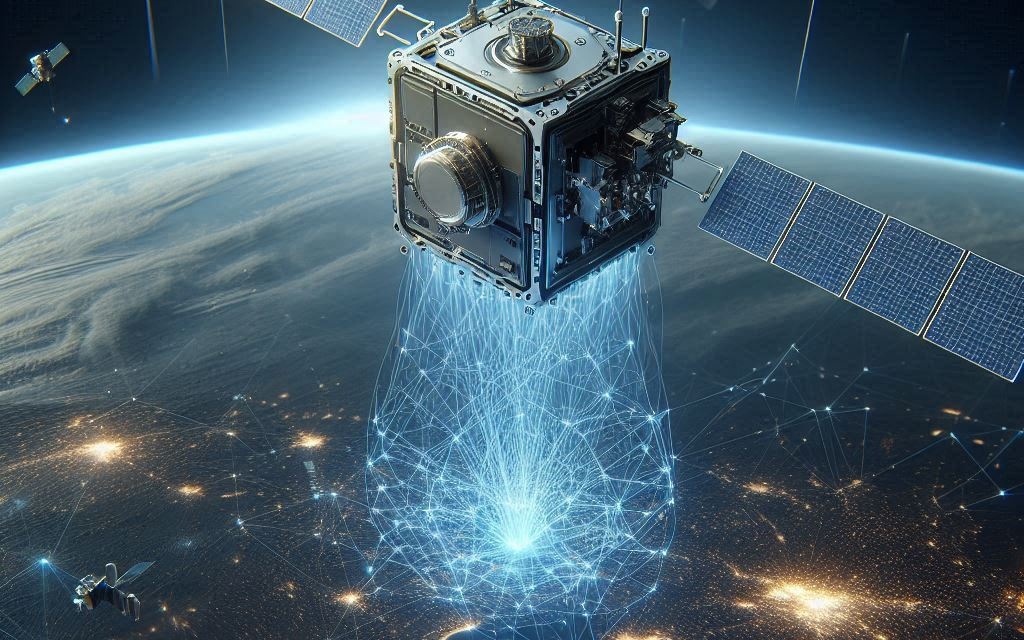
AI Revolution: From Earthbound Factories to Space-Powered Compute
Unlocking abundance through robotics, generative intelligence, and orbital supercomputers
The push toward advanced AI and robotics is accelerating, promising transformations in productivity, energy use, and even the fabric of daily life. Recent developments highlight how these technologies could make work optional, eradicate scarcity, and extend computing power beyond planetary limits, all while fostering new industries and global partnerships.
Key Takeaways
Humanoid robots stand poised to become the largest product category ever, surpassing cell phones by enabling widespread personal and industrial assistance.
AI factories represent a shift from retrieval-based to generative computing, requiring dedicated infrastructure to produce real-time, context-aware content worldwide.
Work may become optional within the next decade or two, akin to hobbies like gardening, as AI handles mundane tasks and boosts overall productivity.
Major collaborations are underway to build massive AI data centers, starting with 500-megawatt facilities, involving key players in tech and energy.
AI in space emerges as the ultimate solution for scalable computing, leveraging solar power and radiative cooling to achieve terawatt-level operations impossible on Earth.
Technological trends consistently create net positives for humanity, shifting workforces to higher-value pursuits like advanced diagnostics in medicine.

Tesla Robotaxi Unleashed: Wide Access Signals Autonomous Dominance
Inside the Expansion That's Set to Transform Urban Mobility
Tesla's Robotaxi service has gone live for all iOS users, unlocking ride-hailing in the Bay Area and autonomous rides in Austin, Texas. Users across regions like Dallas-Fort Worth, North Carolina, Boston, and even Canada report instant access upon downloading the app. This broad rollout underscores confidence in recent tech upgrades, paving the way for massive fleet growth and safer roads ahead.
Key Takeaways
Tesla's Robotaxi network now accessible to any iOS user, with immediate service in key areas like the Bay Area and Austin.
Fleet expansion targets 500 vehicles in Austin and 1,000 in the Bay Area by year-end, driven by production capacity of over 2 million cars annually.
Latest Full Self-Driving (FSD) version delivers intervention-free drives and multiple times safer performance than average U.S. drivers.
Data shows spikes in miles between critical interventions, supporting wider deployment to cut insurance costs and save lives.
Competition heats up with Waymo expanding to new cities and Zoox launching in San Francisco, but Tesla's AI-driven approach and manufacturing edge position it for faster scaling and lower costs.
Tesla vehicles handle highways seamlessly, unlike some rivals limited to urban zones due to design constraints.
Pricing in Austin starts around $1 per mile, undercutting competitors at $2.50–$3 per mile, with potential for further reductions as fleets grow.
Expansion to 8–10 U.S. metro areas by year-end, including tests in smaller spots like Harrisburg, Pennsylvania, to influence policy.

Tesla's Robotaxi Push Gains Momentum: Arizona Unlocks Statewide Access
Regulatory Wins Fuel Autonomous Ride-Hailing Growth
Tesla's latest permit in Arizona marks a critical advancement in scaling robotaxi services, enabling paid autonomous rides across an entire state and positioning the company for broader U.S. deployment amid improving software capabilities.
Key Takeaways
Tesla obtained a Transportation Network Company permit from Arizona authorities, allowing legal operation of paid robotaxi services without city-specific limits.
The approval process was expedited, with the application submitted and granted within days, highlighting efficient navigation of regulatory requirements.
This development supports plans to reach multiple new metro areas nationwide by the end of the year, leveraging existing vehicle fleets.
Initial launches will incorporate safety monitors and teleoperators to ensure reliability, with software updates driving toward unsupervised operations.
Similar statewide frameworks in places like Texas could enable quick expansions to cities such as Dallas and Houston.

How Self-Driving Cars Will Redesign Our Entire World
The Urban Revolution Hiding in Autonomous Tech
Self-driving vehicles stand ready to overhaul daily life by freeing up vast swaths of urban land, slashing noise and risks on roads, and handing back hours of wasted time to people everywhere. This shift promises quieter, greener cities and a surge in productivity that could redefine how societies function.
Key Takeaways
Urban areas could reclaim 30-50% of land currently tied up in parking, turning asphalt into parks, housing, and community spaces for better living.
Roads will narrow and become more efficient as vehicles communicate seamlessly, reducing the need for wide lanes and buffer zones.
Noise pollution drops dramatically with quiet electric autonomous fleets, making neighborhoods more peaceful and enjoyable.
Safety improves vastly, cutting annual deaths from 40,000 in the US alone, allowing for designs that mix pedestrian and vehicle spaces more freely.
Commuting time—about an hour daily per person—turns productive, unlocking mental energy for work, reading, or rest across billions of hours yearly.
Delivery costs plummet, enabling faster, cheaper logistics that reshape retail, inventory, and how people access goods.
This multi-decade transition will create new cities built from scratch around autonomy, but it brings challenges like job losses and privacy issues.

The Abundance Trap: How Unlimited Resources Could Unravel Society
Why Technological Plenty Might Lead to Human Decline
As societies push toward limitless energy, automated labor, and instant gratification through advances in AI and robotics, a counterintuitive pattern emerges. History shows that peaks of prosperity often precede population drops and social upheaval, forcing a reevaluation of what drives human behavior in a world without scarcity.
Key Takeaways
Advanced technologies have historically boosted population growth by improving food production and health, but they also trigger declines once basic needs are met, as seen in modern examples like China's fertility rates falling below replacement levels despite policy shifts.
In eras of abundance, human purpose shifts from survival to voluntary pursuits, yet experiments and historical data suggest this can lead to apathy, reduced breeding, and societal fragmentation without new structures to channel energy.
Conflicts may evolve from resource grabs to ideological clashes, with ego and historical grievances fueling disputes even when material needs are satisfied, potentially increasing tensions in a federated, tech-enabled world.
Emerging markets like India demonstrate how affordable EVs, with models offering 600+ km ranges under $30,000, could accelerate global shifts, but charging infrastructure lags, highlighting uneven tech adoption's role in population and economic dynamics.
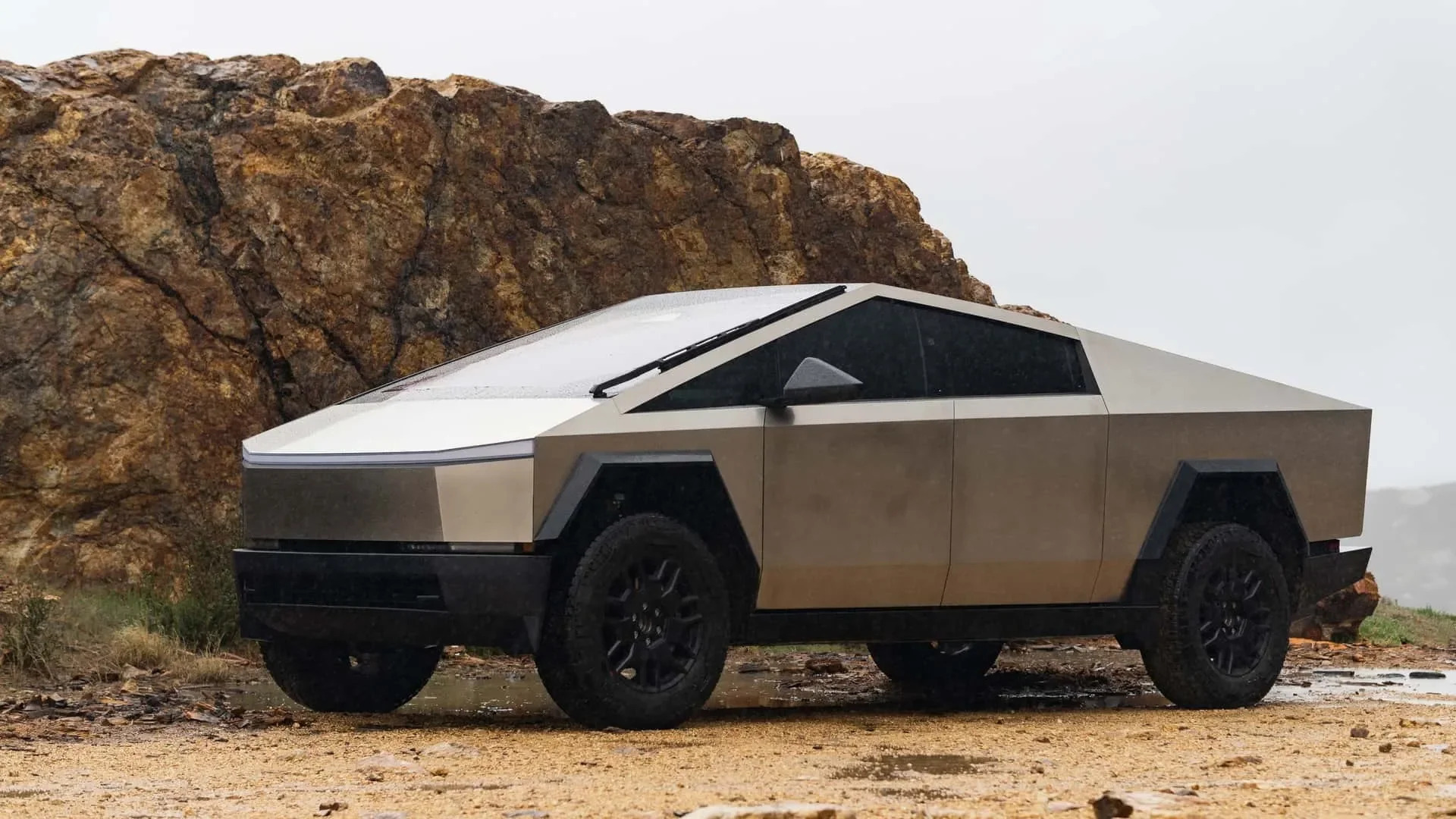
Cybertruck Tackles Austin's Urban Jungle
Navigating Traffic Mayhem and Tech Hurdles in Tesla's Electric Powerhouse
Austin's roads throw everything at drivers—construction zones, hefty tolls, and unpredictable obstacles. Yet, Tesla's Cybertruck slices through it all, showcasing how advanced electric vehicles handle real-world demands without breaking a sweat.
Key Takeaways
Cybertruck manages complex traffic scenarios like blocked roads and uphill climbs independently, reducing driver stress in dense urban areas.
Austin's toll system hits hard with charges around $1.50 for short stretches, reflecting high demand on metro infrastructure.
Navigation systems sometimes lag behind rapid road updates, leading to minor detours in construction-heavy zones.
The vehicle excels in spotting poor driving from others and parking efficiently, even in crowded spots.
Overall, zero-intervention drives highlight the reliability of Tesla's tech in everyday chaos.

Tesla's Robotaxi Edge: Scaling Autonomy to Every Corner
Why Small Cities and Global Streets Are Tesla's Next Frontier
Tesla is pushing boundaries with Robotaxi trials in unlikely spots like Harrisburg, Pennsylvania, while Cybertrucks equipped with the latest Full Self-Driving software handle urban drives in Europe. These moves highlight a scalable approach to autonomy that could reshape transportation economics worldwide, outpacing rivals limited by hardware and mapping constraints.
Key Takeaways
Tesla's Robotaxi network is expanding into smaller markets like Harrisburg, leveraging massive vehicle production to enter areas competitors ignore.
Full Self-Driving version 14 enables vehicles like the Cybertruck to navigate diverse environments, from U.S. suburbs to European cities, without specialized sensors or pre-mapped routes.
Unlike companies relying on lidar and high-definition maps, Tesla uses camera-based AI trained on billions of miles of real-world data for broader, faster deployment.
This technology promises to lower transportation costs below 50 cents per mile, boosting local economies in underserved regions by reducing friction for travel and commerce.
Global scalability means Tesla can upgrade millions of existing vehicles via software, creating a ride-hailing fleet that transforms affordability and accessibility everywhere.

The Musk Economy: Billions Injected, Myths Busted
Why Elon Musk's Empire Powers Everyday Lives and National Growth
Elon Musk's companies aren't just pushing technological boundaries—they're injecting massive value into the economy, creating high-paying jobs, funding public services through taxes, and revitalizing American manufacturing. At a time when debates rage over wealth and innovation, these facts reveal how one person's drive translates into widespread prosperity, from factory floors to national infrastructure.
Key Takeaways
Over the past five years, Musk's companies have paid out $110 billion in salaries globally, with about 83% directed to U.S. workers earning an average of $170,000 annually—far above the national average of $38,000.
These operations have generated $45 billion in taxes for the U.S., including $31 billion from employee income taxes, $5 billion in corporate taxes, and $9 billion in payroll taxes, averaging $9 billion annually.
Supplier spending in the U.S. totals $182 billion over the same period, supporting over 1,000 companies and their extended networks, amplifying economic ripple effects.
Musk's ventures employ around 150,000 people, many of whom have gained significant wealth through stock options, enabling retirements and financial security.
This ecosystem rivals the GDP of states like Colorado, driving reindustrialization through advanced production in autos, space, energy, and AI, while inspiring broader industrial revival.
Common criticisms, like layoffs or government subsidies, pale in comparison: layoffs represent less than 1% of total employment, and subsidies to his companies are a fraction of those received by competitors.